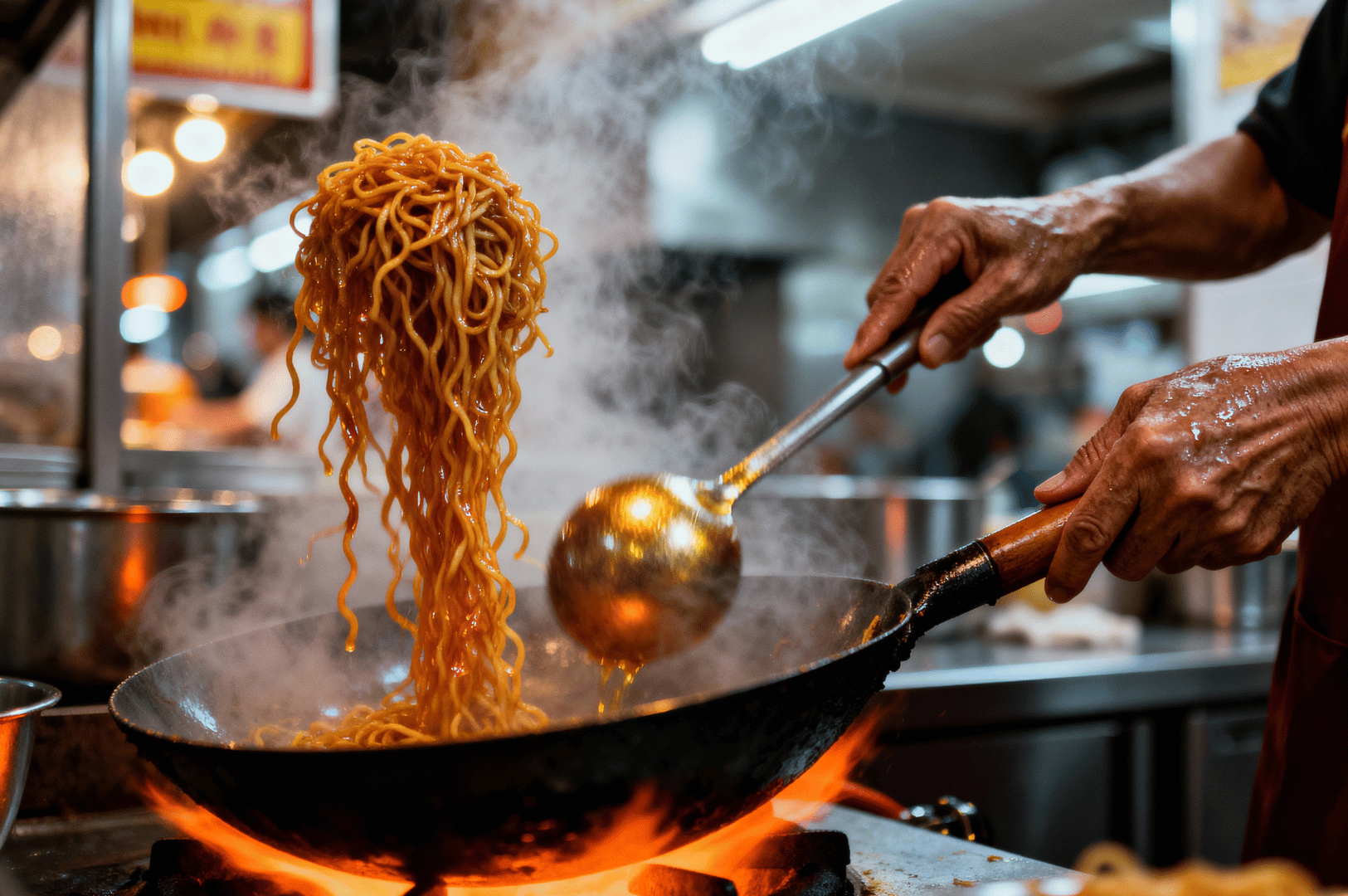
In the vibrant heart of Singapore's hawker centres, a visual story unfolds with every dish. It’s a narrative told not just through rich flavor and enticing aromas, but through motion, heat, and the tireless hands of culinary artisans. For food photographers, this environment is a goldmine of authenticity and action. The real magic lies in capturing the cooking process, where hands—weathered, swift, and precise—transform simple ingredients into culinary masterpieces. This is where food photography transcends static, plated shots and becomes a dynamic chronicle of culture and craft.
This guide is for food photographers, from aspiring home cooks with a camera to seasoned professionals, who want to capture the soul of Singapore hawker culture. We will explore how to frame the blur of a stir fry, the delicate fold of a dumpling, and the intense heat of a deep fryer. We'll delve into cooking techniques, camera settings, and lighting tips to help you create eye-catching images that honor the hands-on experience behind every plate. Get ready to turn your lens towards the hands that cook food and tell the story of a nation.
The Hawker's Hands: Your Main Subject
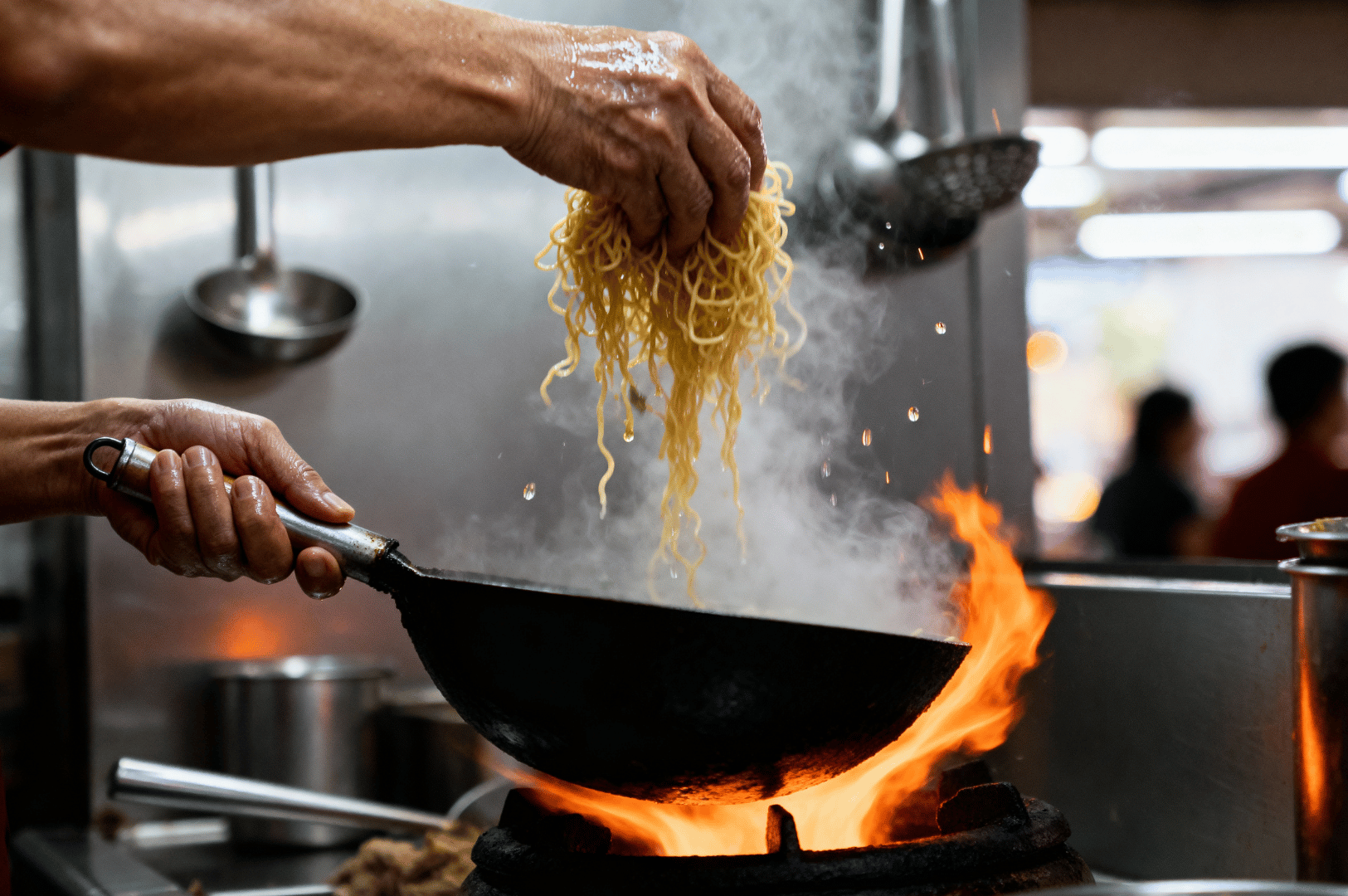
When you photograph a hawker at work, their hands are the protagonists of your story. These hands perform a ballet of muscle memory, showcasing traditional cooking methods passed down through generations. Your goal as a food photographer is to translate this motion and skill into a single, powerful frame. Focusing on the hands provides an intimate perspective, drawing the viewer into the cooking process and highlighting the human element behind the food.
To make these hands the main subject, a shallow depth of field is your best friend. By using a wide aperture (a low f-stop), you can isolate the hands and the food they are preparing, blurring the bustling background. This technique directs the viewer’s eye exactly where you want it to go, creating images with more depth and professional polish. The visual appeal of a hand dusting flour or drizzling cooking oil can be incredibly powerful, turning a simple action into a piece of art.
Mastering Light: Natural vs. Artificial
Light is the most critical element in food photography. In a hawker setting, you'll encounter a mix of lighting conditions, and knowing how to work with them is key.
Harnessing Natural Light
Natural light is often preferred by food photographers for its soft, authentic quality. Many hawker centres are open-air, providing ample opportunity to use it. Position yourself where the light source illuminates the hawker's station without being too harsh. An overcast day is ideal, as it diffuses the light, preventing harsh shadows. If the sun is too bright, look for a spot where the stall is in the shade. A simple white sheet or reflector can be used to bounce light back onto the subject, filling in shadows and ensuring you have enough light for a crisp shot.
Working with Artificial Lighting
Inside many hawker stalls, you’ll contend with fluorescent or artificial lighting. This can create a challenging color cast, so setting your camera's white balance correctly is crucial. While professional photographers might bring studio lights for a controlled shoot, that's not practical in a live hawker environment. Instead, embrace the existing light. The steam rising into an overhead lamp or the glow from the stove can trap heat and light in a way that adds drama and atmosphere to your food photos. Don’t be afraid of shadows; they can add mood and a sense of place.
Capturing Motion: Shutter Speed and Technique
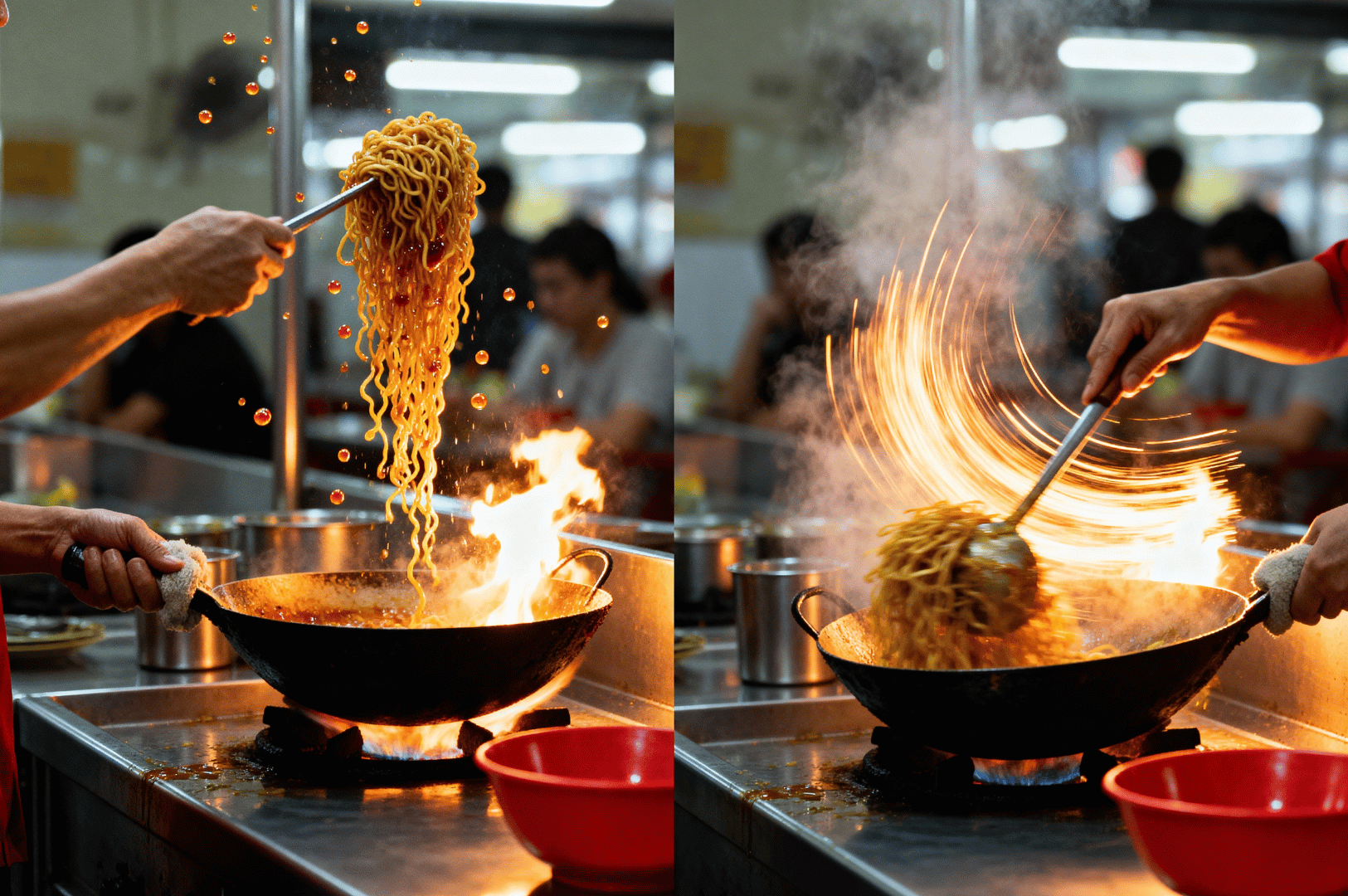
Hawker cooking is a high-energy affair. From the rapid toss of stir frying to the sizzle of deep frying, movement is constant. Your shutter speed setting will determine how you capture this action.
Freezing the Action
To capture a hawker's hand in a moment of peak action—noodles flying in mid-air or oil splattering from a pan—you need a fast shutter speed (e.g., 1/500s or faster). This freezes the motion, resulting in sharp, detailed images that showcase the intensity of the cooking process. This technique is excellent for highlighting specific Chinese cooking techniques that rely on speed and high heat. A tripod can help eliminate camera shake, ensuring your shot is perfectly sharp.
Embracing the Blur
Alternatively, a slower shutter speed (e.g., 1/30s) can create an artistic motion blur. This technique conveys the energy and speed of the hawker's work, turning their hand movements into fluid streaks of light and color. To do this effectively, keep your camera steady and let the subject move within the frame. This can produce incredibly dynamic and eye-catching food photos that tell a story of tireless effort. Pan frying, where the hawker constantly moves ingredients, is a great opportunity to experiment with this.
A Focus on Cooking Methods and Visual Appeal
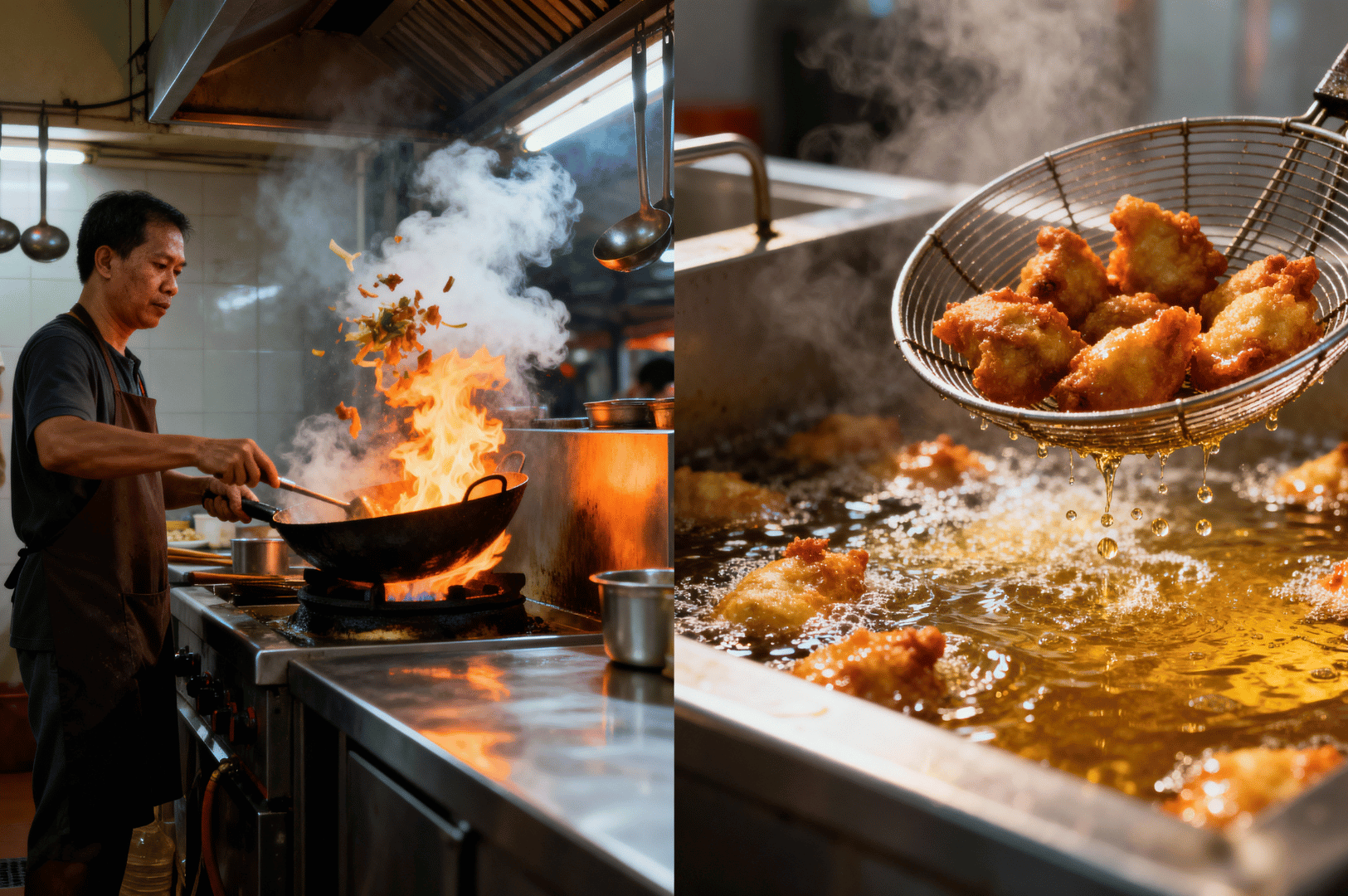
Different cooking methods offer unique photographic opportunities. Understanding what to look for can help you anticipate the perfect shot.
The Art of Stir Frying and High Heat
Stir frying is a cornerstone of Chinese cooking and a spectacle to behold. The hawker uses high temperature and a seasoned wok to cook food quickly. The key visual moments include the initial sizzle as ingredients hit the hot cooking oil, the plume of steam that erupts, and the powerful toss that sends everything airborne. Try a low camera angle to make the flames look more dramatic and to capture the focused expression of the hawker.
The Intensity of Deep Frying
Deep frying involves submerging food in hot cooking oil until it is fully cooked and golden brown. The bubbling oil creates a fantastic texture for your images. Focus on the moment an item is lowered into the fryer or lifted out, dripping with oil. The contrast between the dark oil and the bright, crispy food can make your images pop. Be mindful of safety when shooting near hot oil.
The Patience of Red Cooking
Red cooking, or red stewing, is a slow Chinese cooking method. Tough cuts of meat, like chicken or pork, are simmered over a low flame for an extended period in a rich mixture of soy sauce, spices, and often a meat stock. This combination cooking method tenderizes the meat and allows it to infuse flavor.
Photographically, the focus here is on the rich, dark cooking liquid and the glossy sheen on the meat. Capture the steam rising from the covered pot or the moment the hawker ladles the sauce over the finished dish. Adding herbs as a final garnish introduces a pop of complementary color.
The Precision of French Cooking Techniques in Modern Hawker Stalls
While not traditional, some modern hawkers incorporate elements of French cuisine, like sous vide cooking. This method involves vacuum-sealing food and cooking it in a precisely controlled water bath at a low temperature. Capturing this process involves highlighting the technology and precision. A shot of the food sealed in bags within the water bath, or the final searing process after it’s removed, can tell a story of culinary innovation blending with tradition.
Composition and Storytelling of Food Photographers
Beyond technical settings, strong composition is what elevates good food photos to great ones.
Camera Angles and Perspectives
Don't shoot everything from the same angle. Get low to the ground, shoot from above, or find a unique side perspective. A different camera angle can completely change the narrative of an image. For instance, capturing melting cheese from a low angle makes it look more decadent, while an overhead shot of many dishes being prepared at once can convey the scale and pressure of the hawker's work.
Using Negative Space
Negative space—the empty area around your main subject—can be a powerful tool. It gives the subject room to breathe and helps draw the viewer's attention. Instead of filling every one frame with action, try composing a shot where the hawker's hands are a small but significant element in a larger, quieter scene. This can create a sense of focus and calm amidst the chaos.
Telling a Story in a Second Image
Consider creating a diptych or a series of photos. A first image might show the raw vegetables and meat, while a second image shows the final dish. This before-and-after approach is a simple yet effective way to illustrate the transformation that occurs during the cooking process. It highlights the hawker's skill in turning basic components into a delicious meal.
Embracing Food Photography
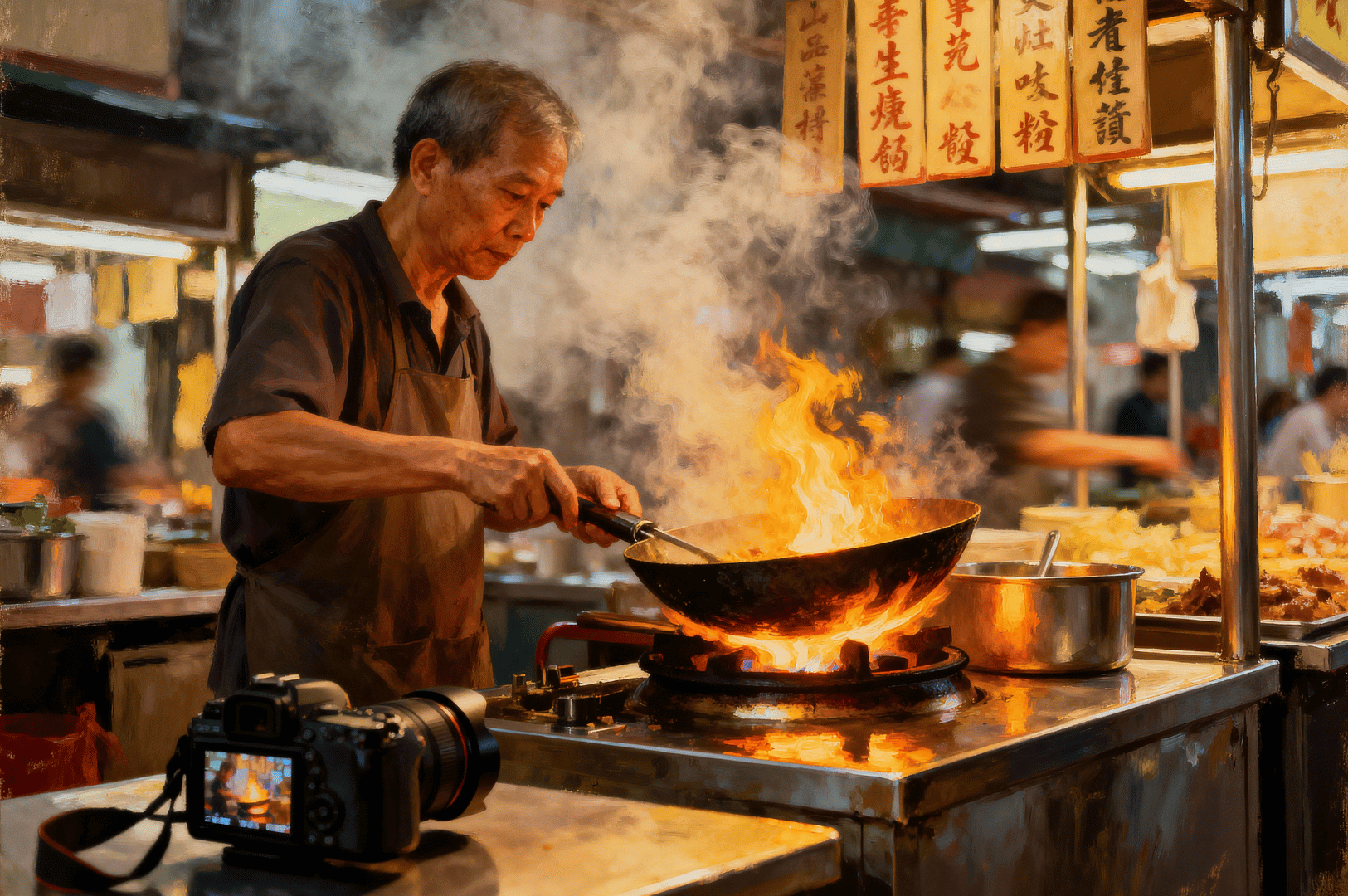
Food photography in a Singapore hawker centre is a form of documentary art. It’s about capturing the culture, the tradition, and the immense skill embedded in the hands of the artisans. By focusing on the hands at work, you create a powerful visual narrative that celebrates the cooking process itself.
Whether you're using natural light to capture delicate vegetables being prepared or a fast shutter speed to freeze the drama of high-heat stir frying, your camera becomes a tool for preservation. Each image that highlights a traditional method or a moment of intense focus pays homage to the heritage of Singapore hawker culture.
So next time you're in a hawker centre, look beyond the plate. Observe the hands, anticipate the action, and capture the craft. You’ll find that the most compelling stories are told in the heat of the moment.
To keep exploring the culture behind the cuisine, check out our night food tours in Singapore or learn more about the flame and smoke behind satay.

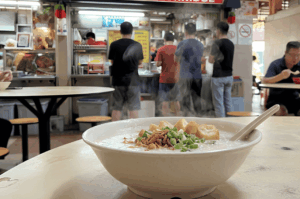
To the Bowl That Sings with Steam Every Morning
May 12, 2026
The glass of my lens fogs over the second I take off the cap. It is 6:15 AM at Maxwell Food Centre. The heavy, cool air of the morning clashes immediately with the immense heat…
-
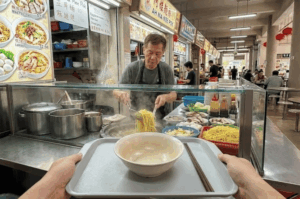
From Queue to Tray: A Continuous Frame Through Fortune Centre Singapore’s Lunch Hour
May 11, 2026
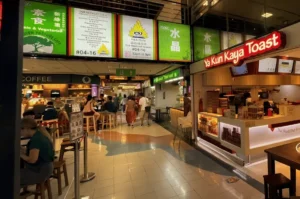
The air inside the first floor of Fortune Centre is thick with the inviting aroma of toasted sesame and rich braised tofu. It’s just past midday, and the narrow corridors along Middle Road buzz quietly…
-
A Letter I Never Gave to the Noodle Uncle
May 8, 2026
The bamboo strainer hits the edge of the aluminum pot with a hollow, rhythmic thud. It is two in the afternoon at Hong Lim Food Centre. The frantic lunchtime crowd has finally vanished. The heavy,…
-
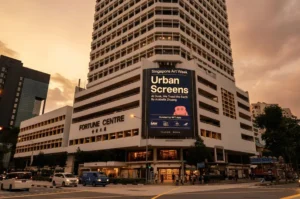
Fortune Centre Food: Cheap Eats That Deserve a Closer Look
May 7, 2026
The first thing I notice about Fortune Centre is not the food. It is the light Fluorescent, flat, almost unforgiving. It settles over everything without preference. Trays of mock meat, bowls of laksa, stainless steel…
-
To The Recipe That Outlived Its Maker
May 5, 2026
The morning air at Jalan Berseh is still cool, but the heat radiating from the charcoal fire is immediate. I stand a few steps back from the counter of Sungei Road Laksa. I watch the…
-
Roux Legacy: The Japanese Curry Mastery of Maruhachi Donburi & Curry
May 4, 2026
A Kopitiam Lunch with Japanese Roots Featuring Maruhachi Donburi Curry I visited the Edgefield Plains outlet on a Tuesday around 12:30 PM. I was exhausted after a morning photo shoot and desperately needed a heavy,…
-
A Note to the Table That Has Seen Too Much
May 1, 2026
The afternoon light at Old Airport Road Food Centre is heavy and thick. It cuts through the open sides of the building, casting long, sharp shadows across the floor. I sit at table 42 near…
-
Golden Hour Photography in a Bowl: Photographing Japanese Curry’s Visual Language
April 30, 2026
It was exactly 6:30 PM during the sunset golden hour. The sun was dipping low on the horizon, casting a long, warm beam of golden light directly across my wooden table. The waitress set down…
-
A Letter Written While Waiting for the First Customer
April 28, 2026
It is 10:15 AM at the edge of the neighborhood wet market. The chaotic morning rush of housewives and early shoppers has completely thinned out, leaving behind wet floors and a quiet hum of ceiling…
-
Quiet Imports: How Japanese Food in Singapore Settles Into Foreign Cities
April 27, 2026
It is just past one in the afternoon at a busy mall in Tampines. A man in a pressed white shirt stands up from a small wooden table. He picks up his plastic tray. On…