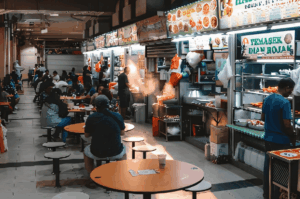
It is 12:30 PM in Toa Payoh. The hawker centre hums with the midday rush. People balance plastic trays while scanning the aisles for empty tables. Amid the clatter of woks and shouting voices, there is a small tonkatsu stall where the movement feels distinctly different. There is no loud tossing of ingredients. There is only a quiet, steady rhythm. A piece of breaded pork cutlet drops into a vat of hot vegetable oil. The oil does not roar. It hums with a low, consistent crackle. The person behind the counter stands still, watching the surface of the liquid.
Fukudon: The Mastery of a Pork Loin like Second Nature
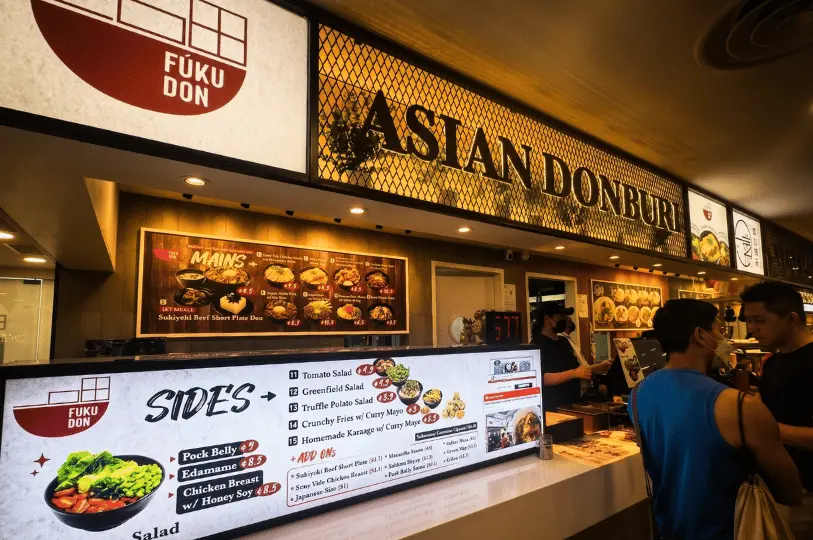
Translating this culinary craft at Fukudon involves careful adaptation. This exact brand of discipline is the foundation of Fukudon in Singapore. The stall is run by Remus Seow, a chef whose background includes time in Michelin-starred kitchens like Les Amis. At Fukudon, he translates the intense rigour of a fine dining restaurant into a casual, high-volume environment.
The menu relies heavily on donburi bowls featuring pork katsu, beef, salmon, and sous vide chicken. He applies controlled cooking methods like sous vide to ensure the proteins remain tender before they are finished to order. During the peak lunch hour, the assembly of each bowl happens under immense time pressure. Yet, the layering of sauces remains deliberate. The garlic puree, honey soy, and rich mentaiko are spooned over the rice and meat with practiced care.
Tonkatsu: The Art of the Pork Cutlet in Japanese Cuisine
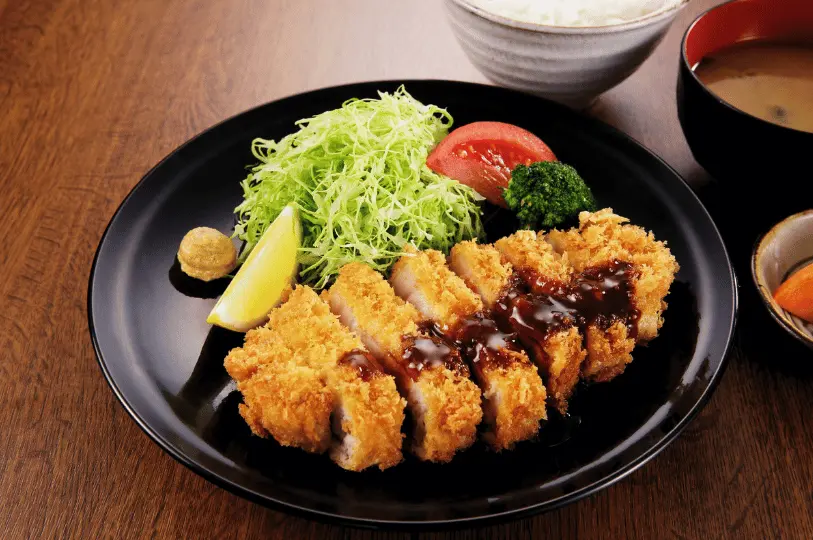
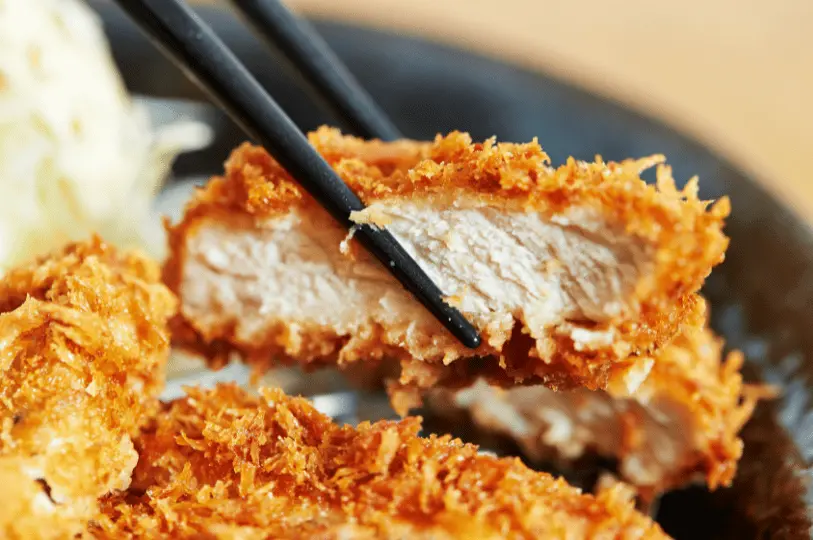
Cooking tonkatsu, a beloved dish in Japanese cuisine, requires a very specific kind of discipline. It is a process built entirely on restraint rather than speed. Before the pork even touches the heat, the meat must be properly prepared. The cook scores the edges to prevent the cutlet from curling in the fryer. Then comes the structured sequence of breading. The pork is dusted with flour, dipped into beaten egg, and gently pressed into a bed of fresh panko. The crispy breading must coat the meat evenly without being crushed. The vegetable oil temperature must remain strictly between 160°C and 180°C. Frying happens in two stages. The meat is submerged to cook the interior, then pulled out to rest. This resting period allows the residual heat to finish the cooking process gently, keeping the pork tender and succulent.
Tonkatsu Sauce and Serving with Shredded Cabbage
Standing near the fryer, you begin to understand that this is a sensory craft. The cook does not rely on a digital timer. He watches the bubbles. When the pork first enters the oil, the bubbles are large and aggressive. As the moisture cooks out of the meat, those bubbles shrink and the sound tightens into a higher pitch. The panko slowly turns a pale gold, its texture stiffening in the heat to form a light and crispy crust. There are no sudden, dramatic movements. The cook makes only subtle adjustments, slightly lowering or raising the basket. It is a quiet form of cooking that demands absolute attention to the shifting temperature of the oil.
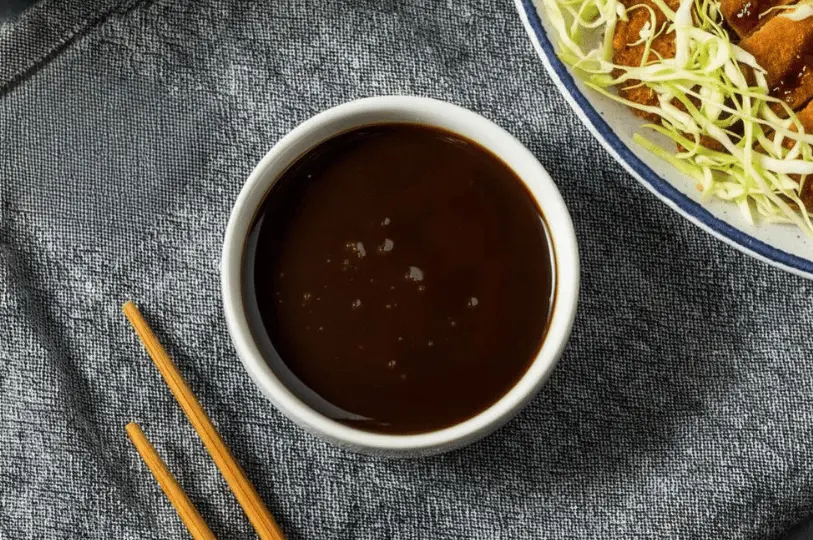
Traditionally, tonkatsu is served sliced into bite-sized slices and accompanied by a generous serving of shredded cabbage. The crisp cabbage provides a refreshing contrast to the deep fried pork cutlet. The dish is usually enjoyed with tonkatsu sauce, a thick Worcestershire-style sauce that diners can dip their sliced tonkatsu into or drizzle over the cutlet. Mustard and pickles often accompany the meal to enhance the flavor combination.
Deep Fried Foods and Variations on the Menu
This exact brand of discipline is the foundation of Fukudon that serves delicious donburi bowls featuring pork katsu, beef don, and sous vide chicken. The menu highlights the variety of deep fried foods in Japanese cuisine, including tonkatsu made from both pork loin and tenderloin (fillet). Diners can choose their preferred cut of pork, whether the fattier cut or the leaner tenderloin, each offering a different texture and fat content.
The meal bowls are carefully assembled with rice, shredded cabbage, and a choice of protein. The salmon don offers a seafood variation alongside the signature pork cutlet. The sauces, including garlic puree, honey soy, and rich mentaiko, are layered with practiced care over the bowl. This combination of flavors reflects the balance and quality expected in Japanese food.
The Craft Behind the Crispy Breading and Cooking Technique
However, the hawker environment is unforgiving. When the queue stretches past the neighbouring stalls and the heat of the kitchen peaks, the fragility of this consistency shows. Sometimes, the process slips. An onsen egg might cook a fraction too long, its yolk turning firm instead of yielding. A heavy hand during a rush might leave a bowl with an imbalanced ratio of sauce to rice. A piece of katsu might sit for a minute too long before serving, losing its delicate crunch to the humid air. These are not failures of skill. They are the inevitable realities of trying to maintain exacting standards when time is scarce and the orders do not stop.
At the end of the shift, the physical toll becomes visible. You look at the hands of the person working the fryer. They move entirely on muscle memory, repeating the same careful motions across hundreds of bowls. It is a quiet exhaustion born from hours of standing on hard floor tiles. We rarely think about the physical endurance required to serve a perfectly deep fried pork cutlet or a neatly assembled rice bowl. The craft is mostly invisible to the person eating it. But long after the lunch crowd clears, those same hands will clean the station, filter the oil, and begin preparing the pork for tomorrow’s meal.
Visit and Experience Tonkatsu in Singapore and Beyond
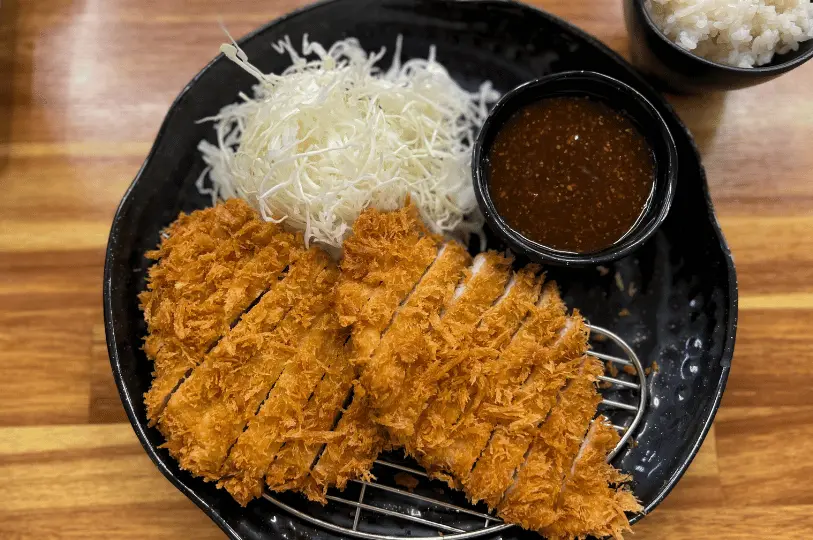
Tonkatsu is a dish with deep roots in Japan and Tokyo, but its variations and popularity have spread worldwide, including vibrant scenes in Singapore. Whether you prefer your tonkatsu served as a donburi bowl, with shredded cabbage and tonkatsu sauce, or as a sandwich with sliced tonkatsu and mayo, the quality of the pork cutlet and the skill in preparing the crispy breading remain paramount.
When you visit a tonkatsu restaurant, expect to be served a meal that balances texture, flavor, and tradition. The total bill reflects not just the food but the dedication behind each dish. For many diners, the experience is about more than just eating; it’s a connection to the rich heritage of Japanese food in Singaporeand the art of deep fried foods perfected over generations.

Capturing the Essence of Izakayas: How Izakaya Photography Brings These Hidden Gems to Life
May 21, 2026
I clearly remember my first time bringing a professional camera into Shukuu Izakaya & Sake Bar on Stanley Street. I walked in with a rigid plan to photograph their famous mentaiko rosti. I spent a…
-
To the Light That Only Appears at 5AM
May 19, 2026
The wet market floor at Tekka Centre reflects the deep blue of the pre-dawn sky. It is exactly five in the morning. The main overhead lights are still off. A heavy, damp quiet hangs in…
-
Where Night Settles Into the Grill: Shooting The Best Izakaya Singapore
May 18, 2026
I have spent the last three years carrying my camera through the smoky, cramped corridors of the acclaimed “best izakaya” Singapore has. I’ve tried all of these spots, spending countless nights waiting for the perfect…
-
A Note to the Streets That Have Yet to Wake Up
May 15, 2026
The asphalt is slick with leftover midnight rain. It is 4:30 AM on Balestier Road. The city is completely silent, wrapped in a heavy, humid darkness. I stand on the corner across from Sing Hon…
-
Days Without Meat: A Study of Habit Inside Fortune Centre’s Vegetarian Culture
May 14, 2026
Let me tell you about the first time I walked into Fortune Centre with my camera. I expected a standard Singaporean food court experience: loud, chaotic, and heavily focused on the usual meat-heavy local dishes….
-
To the Bowl That Sings with Steam Every Morning
May 12, 2026
The glass of my lens fogs over the second I take off the cap. It is 6:15 AM at Maxwell Food Centre. The heavy, cool air of the morning clashes immediately with the immense heat…
-
From Queue to Tray: A Continuous Frame Through Fortune Centre Singapore’s Lunch Hour
May 11, 2026
The air inside the first floor of Fortune Centre is thick with the inviting aroma of toasted sesame and rich braised tofu. It’s just past midday, and the narrow corridors along Middle Road buzz quietly…
-
A Letter I Never Gave to the Noodle Uncle
May 8, 2026
The bamboo strainer hits the edge of the aluminum pot with a hollow, rhythmic thud. It is two in the afternoon at Hong Lim Food Centre. The frantic lunchtime crowd has finally vanished. The heavy,…
-
Fortune Centre Cheap Eats That Deserve a Closer Look
May 7, 2026
The first thing I notice about Fortune Centre is not the food. It is the light. Fluorescent, flat, almost unforgiving. It settles over everything without preference. Trays of mock meat, bowls of laksa, stainless steel…
-
To The Recipe That Outlived Its Maker
May 5, 2026
The morning air at Jalan Berseh is still cool, but the heat radiating from the charcoal fire is immediate. I stand a few steps back from the counter of Sungei Road Laksa. I watch the…