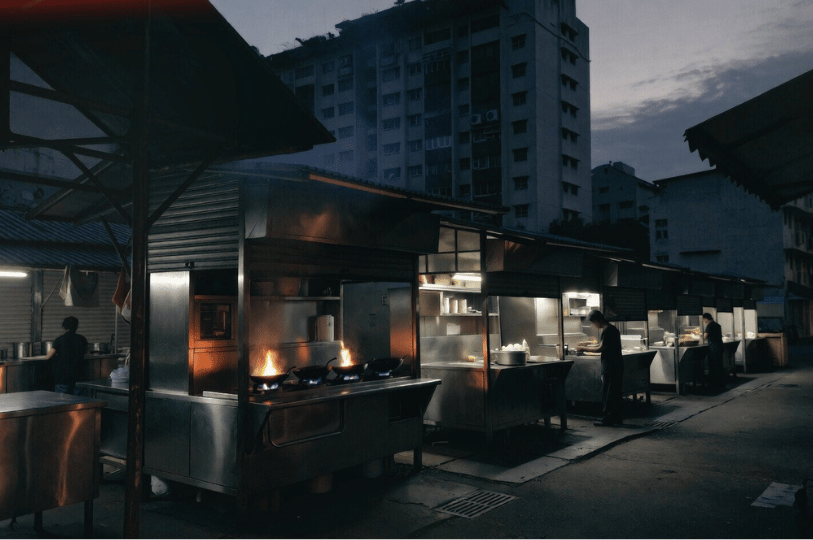
The city is still dreaming when the first fires are lit. It is 4:30 AM, an hour that belongs to the insomniacs and the dedicated artisans of our food culture. While the skyscrapers of the Central Business District stand dark and silent against the indigo sky, the heartlands are already stirring.
The air is cool, unusual for Singapore, and heavy with the promise of rain or perhaps just the lingering humidity of the night before. This early morning scene reminds me of similar markets I've visited in cities like Sydney and even Japan, where the dedication to fresh, quality food and vibrant street culture is equally palpable. This is the prelude to the morning market, a daily ritual unfolding long before the sun claims the horizon.
For a photographer documenting street culture and food blog enthusiasts alike, this pre-dawn hour is magical. The artificial light casts long shadows and illuminates rising steam curling into the darkness like prayer smoke. It is quiet, but not silent.
A hush, a reverence almost, broken only by the rhythmic chopping of vegetables, the clatter of metal shutters rolling up, and the soft murmur of greetings exchanged between neighbors who have known each other for decades.
A Symphony of Awakening Senses
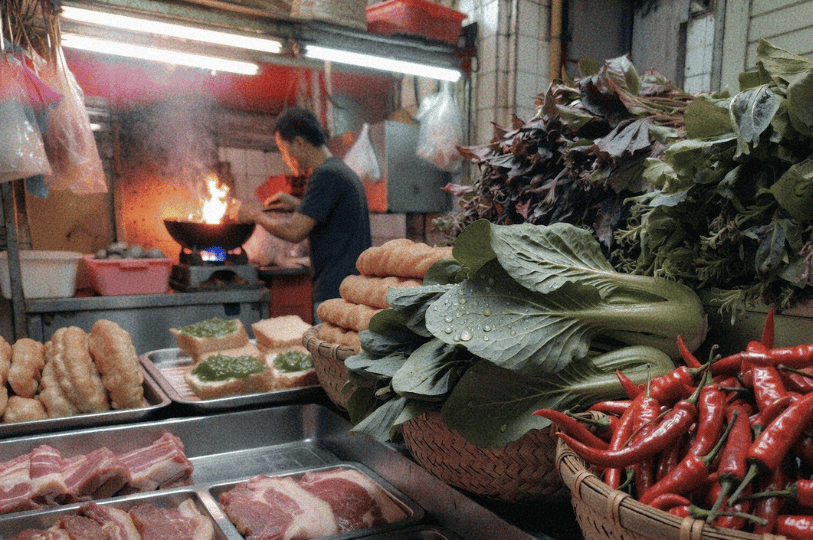
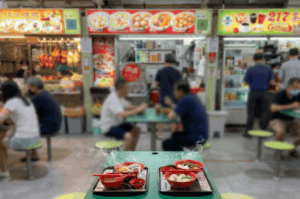
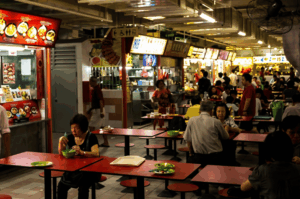
Walking into a wet market or hawker center at this hour is a full-body sensory immersion. Fluorescent tubes flicker to life, painting the stalls in cool whites and greens, while the warm glow of gas burners creates pockets of golden intimacy. You see raw ingredients in their most honest state: mounds of leafy greens glistening with water, slabs of pork and beef arranged with precision, and baskets of red chilies vibrating with color against the grey concrete.
The smell shifts as you move through the aisles. One moment, it is the earthy scent of wet pavement and fresh produce. The next, the sweet, yeasty aroma of dough frying for youtiao or preparation for bread and cream, and strawberry mochi xiao at a hawker stall. Then comes the unmistakable fragrance of coffee beans roasting with margarine and sugar: the backbone of a traditional Singapore breakfast featuring kaya toast and soft-boiled eggs. It is a complex perfume of labor and sustenance.
You hear the course of the market waking up: the solo percussion of a knife on a wooden block, the hiss of water hitting a hot wok, bubbling porridge, the splash of fish being descaled, and the scraping of spatulas. It is the music of dawn food culture, a symphony composed of practiced movements celebrating the perfect dish.
This vibrant morning ritual at Singapore’s hawker stalls and wet markets is a testament to the city’s rich culinary heritage. Locals come to enjoy a cup of kopi, savor traditional dishes like fried carrot cake and good yong tau foo, and share stories over breakfast.
Guardians of the Early Hours: Keepers of Kaya Toast, Fried Carrot Cake and Singaporean Breakfast
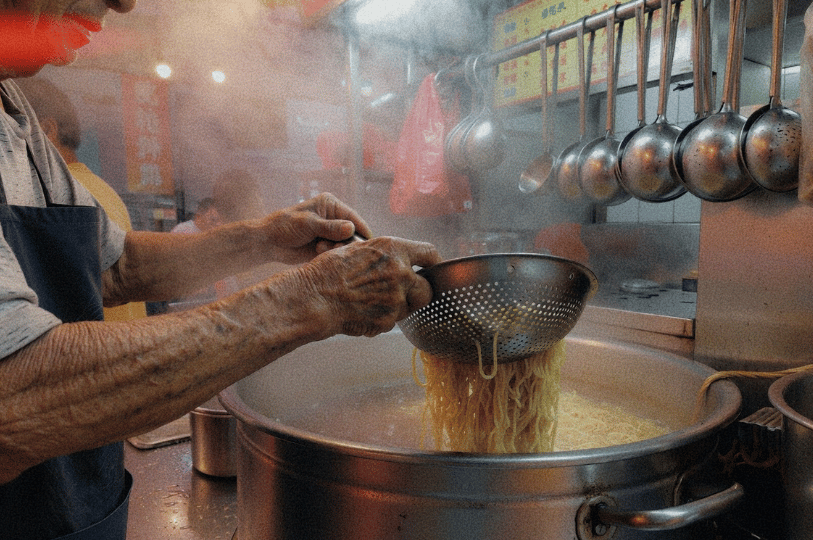
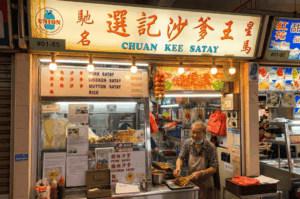
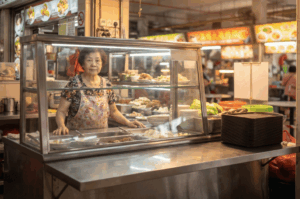
The true soul of the morning market lies in its people. These vendors are custodians of culinary heritage, sacrificing sleep to ensure the city wakes to a warm meal. I watch an uncle at a noodle stall, his movements efficient and fluid after forty years of practice. He blanches noodles, tosses them in sauce, and plates them with a grace bordering on dance.
There is quiet dignity in this labor; not glamorous work, but physically demanding, repetitive, and hot. Yet, pride shines in every bowl served. These hawkers provide comfort, not just food.
As a curator of an SG food blog, my lens often focuses on their hands: weathered, scarred by hot oil, stained with turmeric or soy sauce. These hands tell stories of resilience and a lifetime dedicated to perfecting a single craft. Waking before dawn so others can start their day in the light, this passion and dedication make Singapore’s morning market and hawker stalls truly amazing.
These vendors rely on traditional recipes passed down through generations, preserving authentic tastes. Many hawker stalls have been neighborhood fixtures for decades, some ceasing operations only recently, marking the end of eras at places like Greenwood Avenue and the Singapore Botanic Gardens area. Food lovers and visitors used to spend mornings here enjoying perfect dishes paired with kopi or tea, savoring combinations like fried carrot cake alongside a slice of dark chocolate dessert.
This culinary journey connects past and present, the world and this vibrant town. Whether hunting for low carb diet options or craving traditional rice dishes, the morning market offers something for everyone. This community of early risers, friends, and families, including kids growing up with these flavors, keeps the spirit of the morning market alive.
Heritage on a Plate
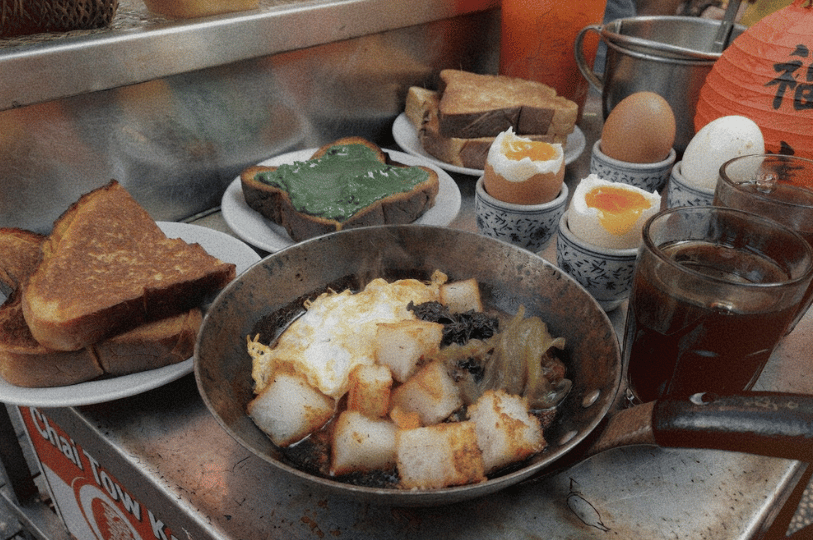
Food served at these hours is steeped in history and tradition. Traditional morning food in Singapore honors recipes passed down through generations, maintaining the specific tastes a grandmother remembers. It’s about lor mee gravy thick enough to coat the spoon but not gloopy, and kaya stirred for hours over a double boiler to silken perfection.
During my last visit to the market, I finally had the chance to eat at several beloved hawker stalls and restaurants, each offering a menu absolutely rich with heritage flavors. I often recall the last time I was here, savoring dishes reminiscent of those found in Penang and the east coast, connecting Singapore’s culinary scene to its regional roots.
This dedication separates a good hawker breakfast from a great one. I often observe a lady making soon kueh, traditional turnip dumplings. She rolls the skin by hand, translucent and delicate, fills them generously, pleating edges with a speed that blurs in my camera’s viewfinder. This is craftsmanship in pure form, a skill surviving under the fluorescent glare of a neighborhood market.
Culture Served on Special Days: Chinese New Year, Diwali, and Celebrations
Hawker stalls serve beloved dishes like fried carrot cake, and kaya toast; staples locals and visitors crave for breakfast, lunch, or even dinner throughout the year. During Chinese New Year, the market buzzes with energy as festive dishes and special ingredients fill stalls, showing how food connects tradition and community.
Photographers and food bloggers capture vivid scenes: sizzling woks, steaming rice, colorful fresh ingredients, sharing photos on Facebook and other social media to celebrate Singapore’s culinary heritage and inspire exploration of these treasures.
This is not just a meal; it’s a journey through Singapore’s tastes and stories. From soft-boiled eggs paired with kopi to the sweet aroma of dark chocolate desserts enjoyed as a rest stop, every bite tells a story of passion, respect, and dedication. Locals honestly miss these early market mornings when stalls cease operations.
For tourists, it’s a chance to taste the land’s best, from crab dishes to rice specialties, all cooked with care and served with warmth. This vibrant food scene defines Singapore’s identity as a world-class culinary destination.
Preserving the Dawn Ritual
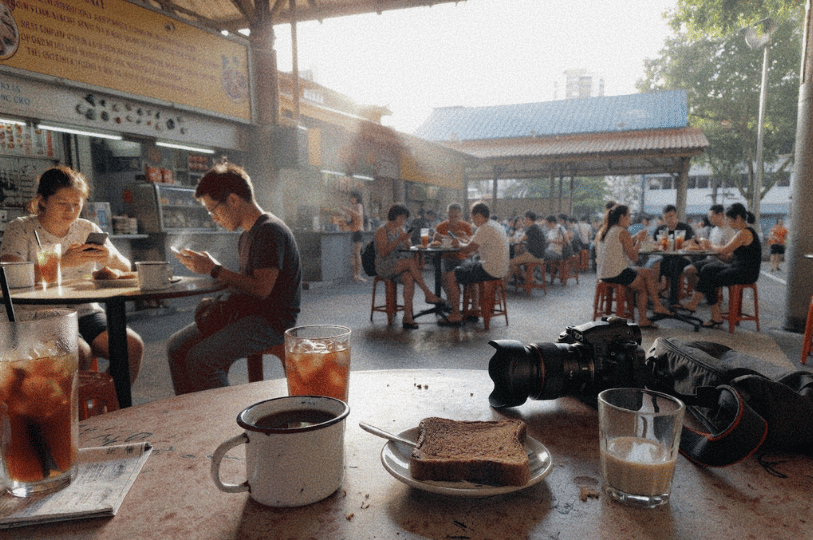
As the sun breaks, flooding the market with natural light, the atmosphere shifts from frantic preparation to steady service. I pack my camera away, senses full, respect deepened.
Documenting this food blog journey through dawn hours reminds us what we risk losing if we don’t cherish these spaces. The morning market is more than groceries or breakfast; it’s a living archive of culture and culinary heritage. Heritage practiced daily, not in museums, but in wok-heaps and steamer baskets.
To witness Singapore’s dawn food culture is to experience the city’s honest self: unpretentious, hardworking, and deeply, deliciously human. It’s a ritual worth waking for, a story told one frame and one bite at a time. No matter the craving, traditional rice dishes or a good yong tau foo, this morning ritual offers an amazing taste of Singapore’s food scene.
From the fragrant aroma of kopi to the comforting combination of kaya toast and soft-boiled eggs, the morning market embodies the perfect dish to start your day. This post captures the essence of a community respecting tradition while embracing vibrant local flavors.
For food lovers planning a short trip or longer visit in the country, experiencing the morning market is a must. It connects you with Singapore’s food culture, from local hawker stalls to the bustling energy defining early mornings. Catch dishes like fried carrot cake alongside kopi or tea, and savor the sweetness of strawberries or indulgent waffles at nearby cafes.
As the market transitions into day, the legacy of these food traditions continues, reminding us of preserving and expanding such spaces amid the city’s rapid expansion. This journey through dawn’s culinary landscape is a tribute to Singapore’s rich food heritage; a story unfolding with every meal served and smile shared.

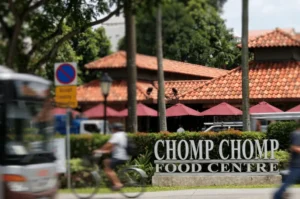
Wang BBQ Chicken Wing & Satay: Photographing Smoke, Wings, and Skewers at Chomp Chomp Food Centre
June 8, 2026
I reached Chomp Chomp Food Centre at 20 Kensington Park Road, Serangoon Gardens, Singapore on a Tuesday evening around 7pm, just as the place was beginning to thicken with supper energy. The tables were filling…
-
To the Fragrance That Lingers Long After the Meal
June 5, 2026
The evening air at Old Airport Road Food Centre is thick and warm. It wraps around me the moment I step away from the open street. I walk past the bright neon signboards, letting the…
-
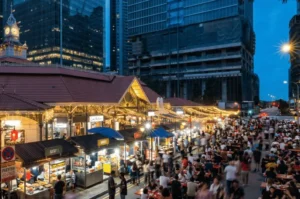
Lau Pa Sat Satay Street: Photographing After-Work Satay in Singapore’s CBD.
June 4, 2026
I visited Lau Pa Sat Satay Street on a Tuesday around 7pm, just as Boon Tat Street was changing its identity from a busy traffic route in Singapore’s CBD to a lively alfresco dining venue….
-
A Letter to the Hidden Moments Between the Shots
June 2, 2026
The afternoon heat settles heavily over Tiong Bahru Market. The frantic noise of the lunch hour is completely gone. I sit at a corner table near the open balcony. The green tiles reflect the warm,…
-
Izakaya Singapore: More Than Just After-Work Spots
June 1, 2026
When we talk about izakayas in Singapore, we often reduce them to simple after work drinks spots. We picture loud rooms where tired professionals go to drink cold beer and eat cheap bar snacks. But…
-
The Quiet Moments Before the First Order
May 29, 2026
The sky outside is still a deep, bruised purple. Inside the food centre at Toa Payoh Lorong 8, the air is cool and heavy with the scent of damp concrete and raw ginger. I sit…
-
Flame, Smoke, and Sizzle: The Art of Grilling in Singapore’s Izakayas
May 28, 2026
A chef stands behind a trough of white-hot binchotan charcoal. He holds a fan in one hand and carefully turns a row of wooden chicken skewers with the other. He does not rush. He waits…
-
To the Vendors Who Know No Rest, Yet Keep Going
May 26, 2026
The air at Chinatown Complex Food Centre always carries a thin layer of grey soot by the time the evening arrives. I stand near the edge of the green tiled floor. The noise of the…
-
The Heart of the Grill: The Master Craftsmen Behind Izakayas Singapore Prides On
May 25, 2026
When I first started photographing food in Singapore, I had a very narrow view of what Japanese dining looked like. I walked right past the smoky, loud, narrow storefronts of local izakayas. I thought they…
-
A Quiet Reflection from the Corner of the Hawker Centre
May 22, 2026
The red plastic chair scrapes against the tiled floor. I set my camera bag on the empty seat next to me. The afternoon heat at Old Airport Road Food Centre is thick. A slow ceiling…