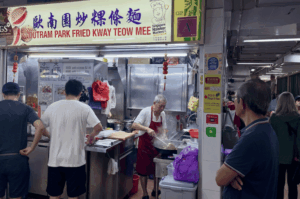
The Heart of Hawker Culture: A Normal Day for Uncle Lim
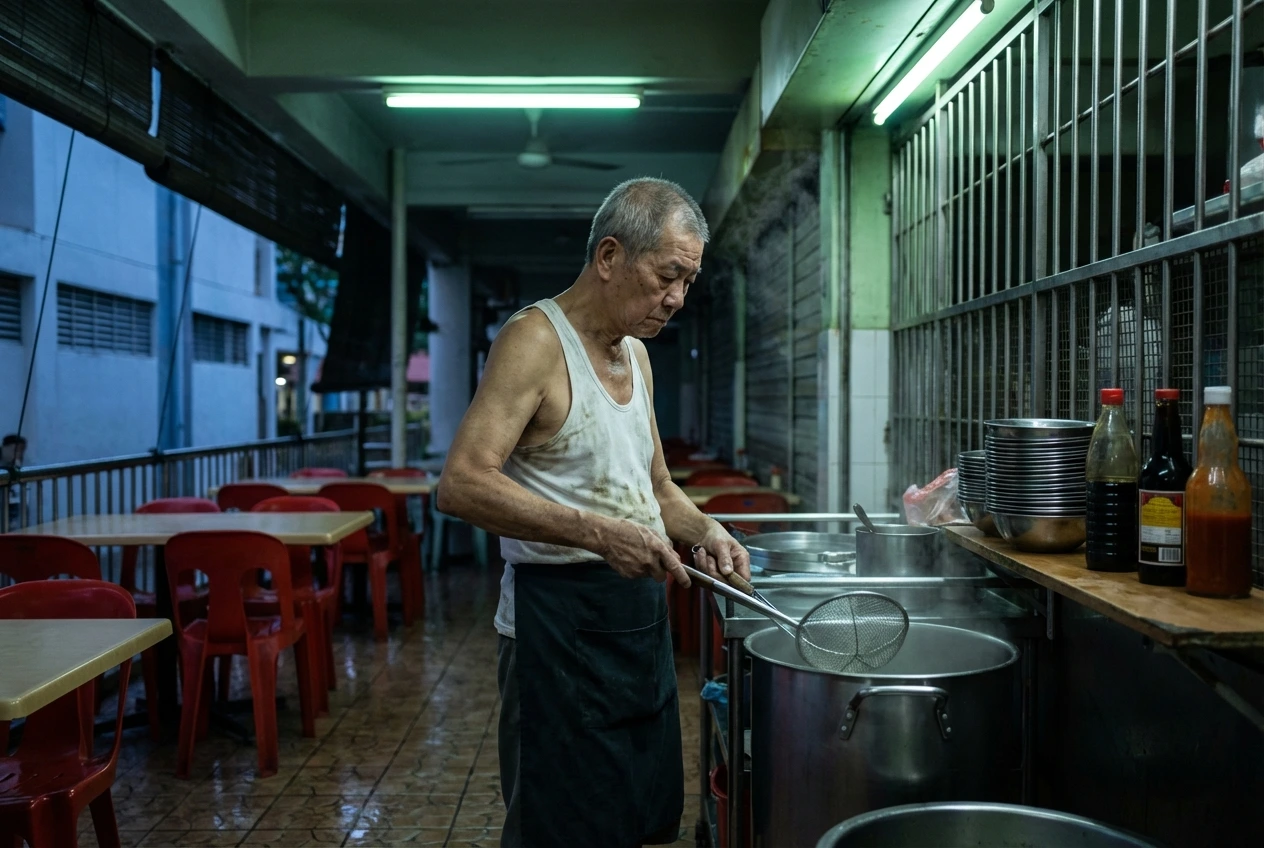
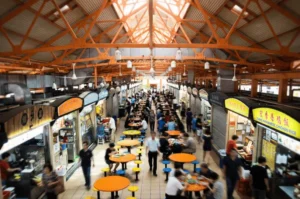
It was 5:30 AM, an hour when Singapore is painted in shades of deep blue and soft grey. The air in the multi-story carpark that is the Anchorvale Foodcourt felt quite dry, but was still carrying the clean scent of freshly washed floors. In the quiet before the storm, I found myself drawn to a single pool of fluorescent light at the back, where a man moved in a silent, practiced rhythm. This scene embodies the essence of Singapore foodies’ deep connection to hawker culture, which is a cornerstone of Singaporean food culture and the social fabric of the city.
This was my third visit to their hawker stall, a place known simply by the stall's original branch location on its faded signboard, Armenian Street Char Kway Teow. I wasn't here for a specific dish, but for a story. The story of a family that has been serving the same bowl of fishball noodles for over fifty years, a quiet testament to the resilience of Singapore hawker culture. Hawker centres like this are where locals come together to enjoy affordable food, from classic fishball noodles and bak chor mee to char kway teow and nasi lemak.
The stall was amusingly located by a pre-school which I could imagine brings a flock of young and hungry students from the days spent in tedious learning. Just as a kid would be, I was ecstatic, almost giddy, to be a witness to the culinary craftsmanship that was honed since 1949 and was taken over by an honored son in the late 80s.
The Uncle Behind the Multi-Generational Hawker Businesses
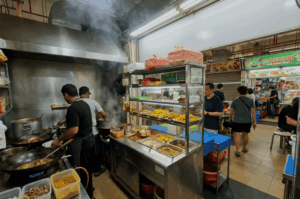
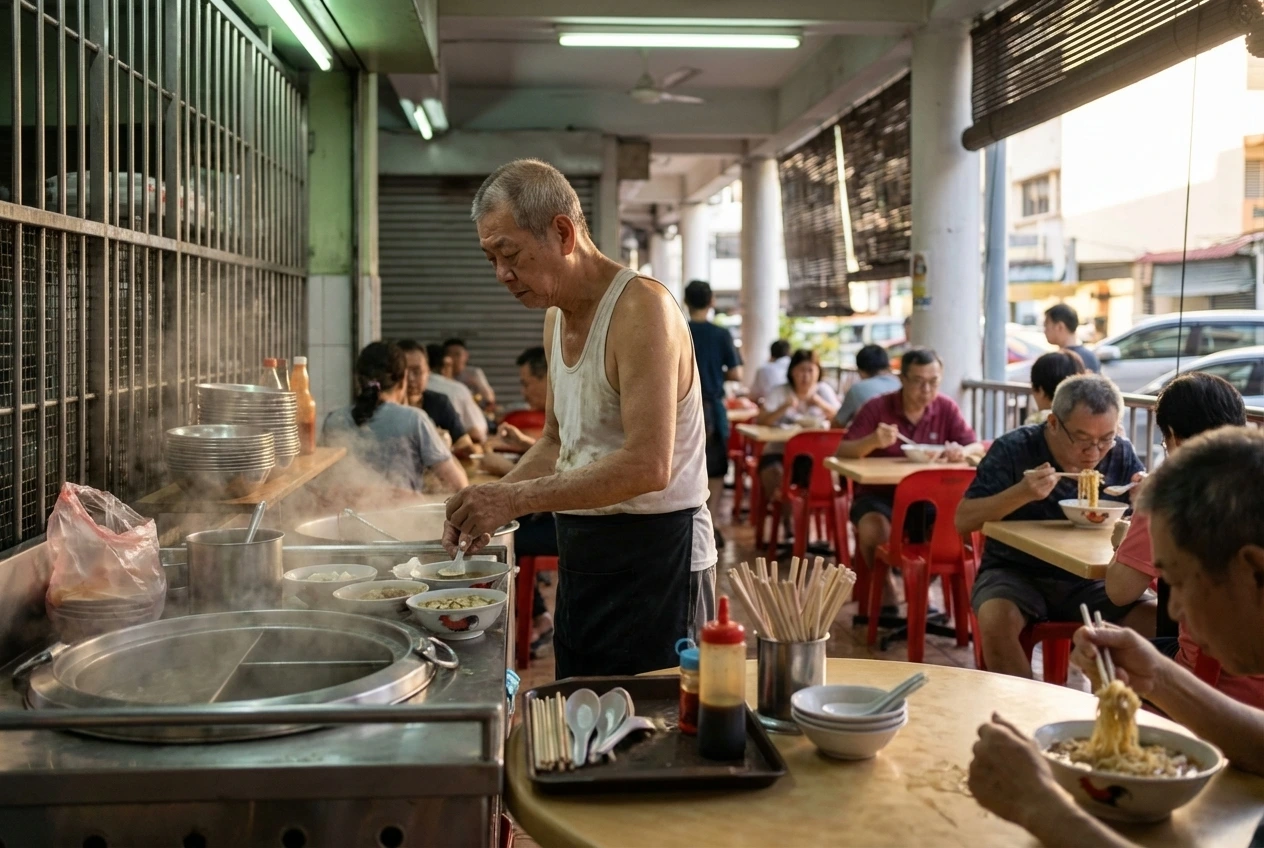
The father, Uncle Lim, who I guessed was in his late sixties, worked the blanching station. His hands, though wrinkled, were steady and sure. He moved with an economy of motion that only comes from decades of repetition. His son, Mark, stood beside him, meticulously arranging bowls. Mark had left a corporate job a decade ago to join his father, embracing the responsibility of preserving a cherished family recipe. This multi-generational hawker business is a vital thread in the rich tapestry of local food traditions.
The Signature Dish: Fishball Noodles and Local Favourites
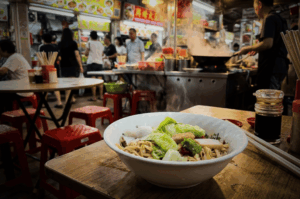
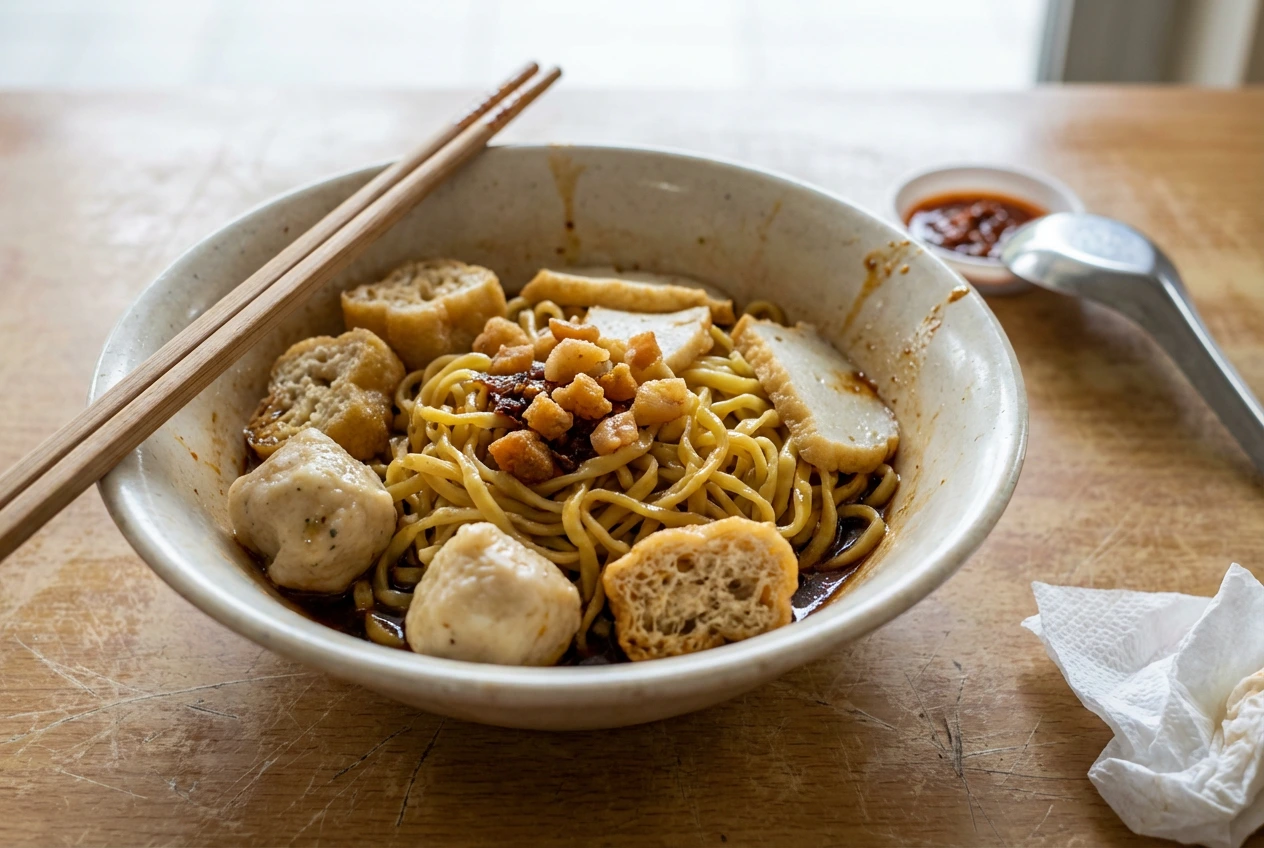
Their signature dish is the Fishball Noodle (Dry), which costs a humble $4. The first time I ordered it, I was struck by its simplicity. A bed of springy yellow noodles tossed in a fiery sambal chilli paste and black vinegar, topped with bouncy, handmade fishballs, slices of fish cake, tofu puffs, and a sprinkle of crispy pork lard made with minced pork and Chinese sausage. The dish’s rich flavours and perfect balance make it a beloved staple among locals and visitors alike. The noodles, a mix of egg noodles and flat rice noodles, are stir fried to perfection, showcasing the mastery behind this hawker stall’s offerings.
Craftsmanship in Motion: The Morning Symphony of Singapore Food
On this early morning, I saw how that magic was made. Mark was at a steel table, scraping yellowtail fish meat with a spoon, a traditional technique that ensures no bones make it into the final paste. The dedication to quality and authenticity extends to other local favourites served here, including traditional singaporean breakfast items like kaya toast paired with local coffee brewed with condensed milk and evaporated milk, and soft boiled or hard boiled eggs. The rich, aromatic kopi and teh tarik are perfect complements to any meal at the food centre.
The sounds of the stall were a quiet symphony. The rhythmic slap of the fish paste, the gentle hiss of noodles hitting hot water, the clink of porcelain spoons against bowls. As the sun began to rise, the hawker centre slowly came to life with locals arriving to enjoy a wide array of delicious food. Taxi drivers finishing their night shifts, elderly folks on their morning walks, and office workers grabbing a quick bite before heading to the CBD. The hawker culture here reflects the vibrant and diverse singapore food scene, where dishes like chilli crab, nasi lemak, and char kway teow are celebrated staples.
A Community Anchor in Singapore Hawker Culture
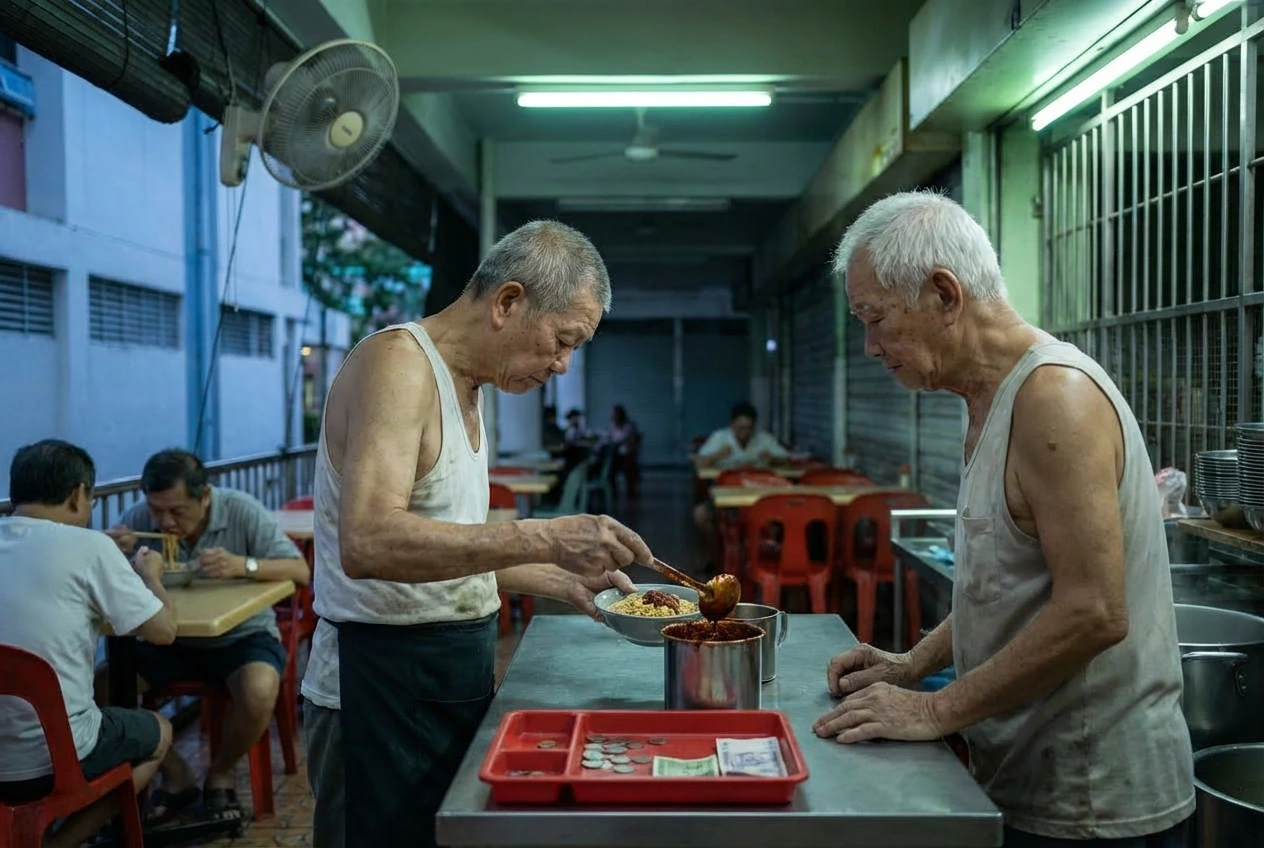
Most customers didn’t need to order. Mark would see a familiar face, give a knowing nod, and start preparing their usual. A bowl with extra chilli sauce, another with no lard, one with more lime juice or palm sugar. This wasn't just a transactional relationship; it was a community. The stall was an anchor in their daily lives and a vivid example of how hawker centres serve as community dining rooms, fostering connection and continuity in Singapore's social fabric.
Capturing the Craft and Essence of Local Food
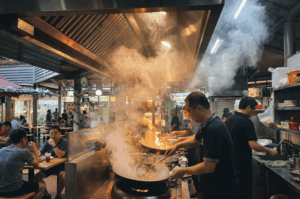
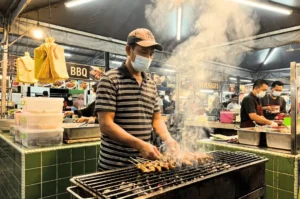
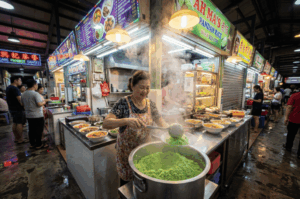
Photographing at a stall like this requires immense respect. It’s about capturing the quiet dignity of the work and the essence of street food culture. The glisten of sauce on the noodles, the texture of the wooden chopsticks, the steam catching the light, these elements bring the scene to life. The challenge is the lighting under fluorescent tubes, but the story in the shadows and highlights reveals the soul of Singapore’s hawker culture, from the bustling hawker stall to the wider food centre environment.
The Rich Flavours of Singapore Food: From Chilli Crab to Nasi Lemak and Char Kway Teow
Singapore’s culinary scene is incomplete without mentioning iconic dishes like chilli crab, a seafood delicacy drenched in a rich, spicy chilli sauce, and nasi lemak, fragrant rice cooked with coconut milk and pandan leaves, served with sambal chilli, fried chicken, anchovies, and hard boiled eggs on banana leaf. These dishes, along with char kway teow – stir fried flat rice noodles with prawns, Chinese sausage, and bean sprouts – are among the local favourites that define singaporean food culture and are widely available at hawker centres such as Golden Mile Food Centre and Smith Street.
The Role of the National Environment Agency and Michelin Bib Gourmand Recognition
The Singapore hawker culture has been supported and preserved through initiatives led by the National Environment Agency, which manages many hawker centres an
d ensures hygiene and sustainability. Some hawker stalls have even been awarded the prestigious Michelin Bib Gourmand, recognizing their excellence in affordable food that delivers exceptional taste and quality. This recognition has elevated the status of hawkers and drawn even more foodies to experience authentic street food delights.
Teh Tarik and Local Coffee: Beverages That Complement the Hawker Experience
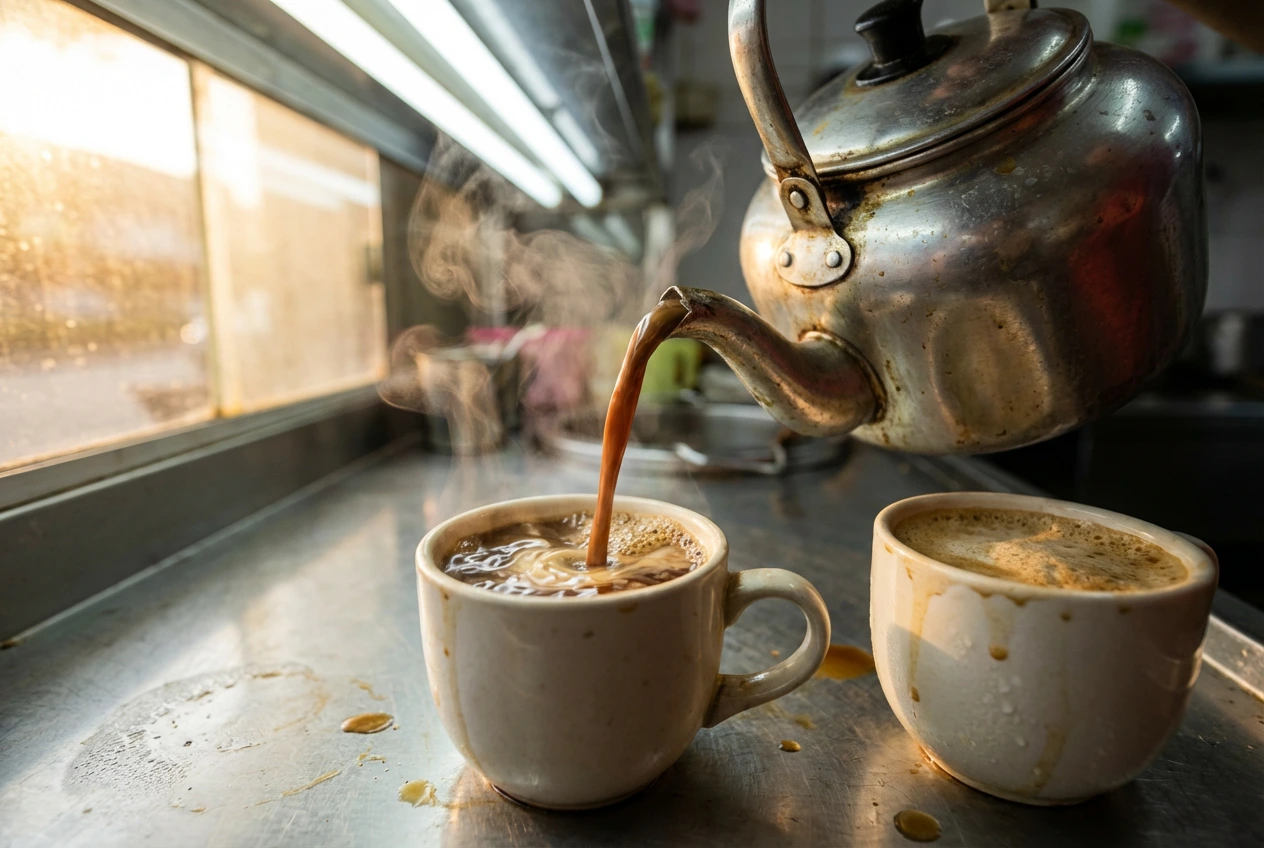
No meal at a hawker centre is complete without a cup of teh tarik, the frothy pulled milk tea, or a cup of local coffee brewed with a mix of condensed milk and evaporated milk. These beverages are part of the traditional singaporean breakfast and daily meals, enjoyed alongside kaya toast, porridge, or a hearty plate of fried chicken wings. The combination of these drinks with the wide array of dishes available makes hawker centres a beloved destination for locals and tourists alike.
Conclusion: Celebrating Love for Hawker Centres and Street Food
For Singaporeans, hawker centres are more than just places to eat; they are cultural hubs where the rich heritage of singapore hawker culture is preserved and celebrated. From the humble fishball noodles and bak chor mee to the iconic chilli crab and nasi lemak, these dishes tell stories of tradition, community, and innovation. The dedication of local hawkers, the influence of malay cuisine and other ethnic flavours, and the support from institutions like the National Environment Agency ensure that this delicious food continues to thrive, connecting generations and feeding the soul of Singapore’s vibrant food scene.

The Stalls That Hold Maxwell Food Centre Together
June 29, 2026
I have been coming to Maxwell Food Centre for years now, at all the wrong and right hours. Early mornings when the porridge stalls are stirring and the room still smells of bleach and steam….
-
To the Light That Filters Through the Smoke
June 26, 2026
The smoke rises first, and then the light finds it. It is late afternoon at Adam Road Food Centre, and the satay stall has just lit its coals. The skewers are not on the grill…
-
On a Stick: Singapore Skewers for Grilled Meat Foodies
June 25, 2026
The first thing I learned about Singapore’s street food life wasn’t a flavor. It was the smoke. Years ago, at a satay stall in Lau Pa Sat, I noticed the seller wasn’t watching the meat….
-
A Moment of Silence for the Rice, Steaming Gently
June 23, 2026
The lid lifts, and the steam rises before the smell does. It is just past noon at Chinatown Complex Food Centre, and the queue at the chicken rice stall has thinned for a moment. The…
-
Isle Cafe at Cuppage Plaza: Local Flavors with Old School Charm
June 22, 2026
I usually come to Cuppage Plaza for the smoke and the izakaya counters, but this time I was here for something far simpler. A plate of cai png, eaten fast, in the middle of a…
-
To the Memory of the Dishes That Never Return
June 19, 2026
The stall is empty when I arrive. It is a corner unit at Tiong Bahru Market, second floor, where I came to photograph a plate I had been thinking about for weeks. A dry mee…
-
Savoring Orchard Yong Tau Fu: Cheap and Cheerful in Cuppage Plaza
June 18, 2026
I’d walked past this stall maybe a dozen times before I finally stopped. Cuppage Plaza isn’t the kind of place you go to be impressed, and that’s exactly why I keep coming back to it…
-
A Letter to the Faces Behind the Counter
June 16, 2026
You are turning over chicken wings when I first notice you. It is just past seven at Old Airport Road Food Centre, and the ceiling fans are pushing warm air down onto the tables. The…
-
How to Photograph Cuppage Plaza Food Without Disturbing the Room
June 15, 2026
The camera flash went off by mistake. It was a small, clumsy decision, but in the narrow, slightly smoky space of Kazu Sumiyaki, it felt much larger than it was. A few heads turned. The…
-
To the Stirring of the Wok in the Early Hours
June 12, 2026
The first sound is not the flame. It is the metal ladle touching the side of the wok, a small, hollow note that carries across the half-awake floor of Hong Lim Market & Food Centre….