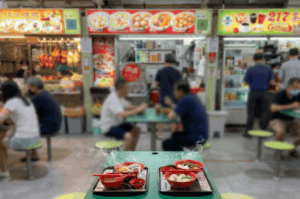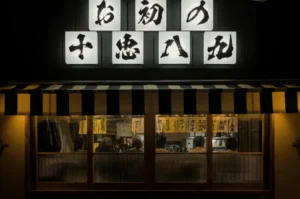
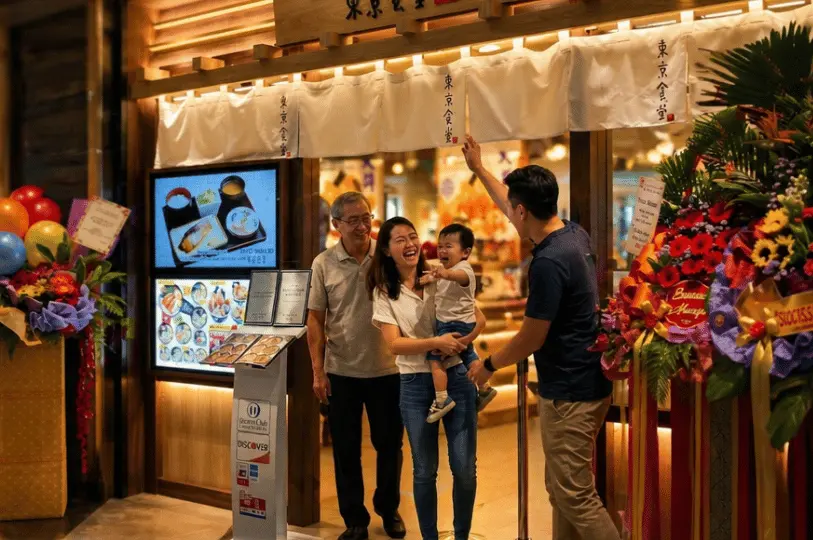
It is just past one in the afternoon at a busy mall in Tampines. A man in a pressed white shirt stands up from a small wooden table. He picks up his
plastic tray. On it sits an empty rice bowl, a stained curry plate, and a small ceramic cup that held miso soup. He carries the tray to a metal returning rack, sliding it into a slot next to trays holding empty plates of chicken rice and fishball noodles.
There is no fanfare. He wipes his mouth with a paper napkin, adjusts his bag, and walks back toward his office building. The table is wiped down seconds later by a cleaner in a uniform. Another customer immediately sits down, scanning a QR code to order a beef bowl.
The transition is seamless. The food on the tray was Japanese food, but the rhythm was entirely local. Before you can fully understand how a cuisine migrates across borders, you must look at these quiet moments. This is what it looks like when authentic Japanese cuisine stops being a novelty and becomes a routine.
What People Think Japanese Food Is
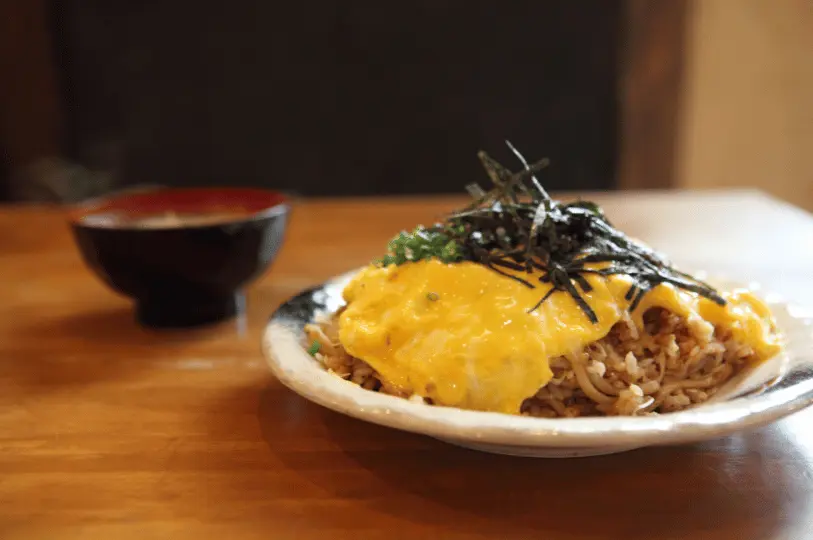
When I first started photographing Singapore’s Japanese food, I assumed Japanese cuisine was defined by its highest ends. I think many people share this view. We think of omakase counters bathed in soft light, where chefs slice tuna belly with intense precision. We think of high-end sushi, seasonal fresh ingredients flown in overnight, and meals that require reservations months in advance. We treat it as luxury and spectacle.
But everyday Japanese food travels differently. It does not rely on luxury. It relies on utility.
When I first tried to document this, I ignored the chain restaurants selling gyudon, Japanese curry rice, and udon. I thought they were too commercial or perhaps too simple. I was completely wrong. These are the Japanese dishes that actually sustain people. A bowl of simmered beef over rice or a simple teishoku set meal tells you much more about how a city eats than an expensive dinner. Everyday food settles into a foreign city only when people stop viewing it as an event and start treating it as a habit.
How Everyday Japanese Cuisine Settles Into a City
There is a quiet process that happens when Japanese cuisine becomes a local staple. It does not happen overnight. I have found that Japanese cuisine integrates into Singapore through a few very specific adaptations.
It Becomes Easy to Order
In my experience, food only becomes routine when ordering it feels effortless. When you walk into a place like Sukiya or a casual udon shop, the menus are completely simplified. You see clear categories. There are rice bowls, curry plates, and set meals. You do not need to understand complex Japanese culinary terms to get a good meal. You just choose your base and your topping. This reduced friction is crucial for first-time diners who might otherwise feel intimidated.
It Becomes Affordable Enough to Repeat
A meal cannot be a habit if it drains your wallet. Everyday Japanese food works here because it fits our daily budget expectations. A basic bowl of gyudon at a fast casual chain costs around 6 dollars. If you want a sit-down casual meal with air conditioning, perhaps a pork katsu set at Ma Maison or a standard ramen bowl, you expect to spend 15 to 25 dollars. At these prices, you can eat it twice a week without feeling guilty. It is about repeatability over novelty.
It Fits the City’s Rhythm: Opening Hours at Singapore’s Pace
I have noticed that Japanese everyday food mirrors how we move through the city. During the weekday lunch rush in the central business district, office workers grab quick takeaway bowls of donburi because they take exactly four minutes to assemble. On weekends, families gather at mall restaurants in places like Far East Plaza, Holland Village, or Ngee Ann City because the wide booth seating accommodates strollers. It caters equally to the solo diner eating quickly before a meeting and the group of friends sharing plates of gyoza after work.
It Adapts to Local Behavior
The most fascinating part of this integration is how the food bows to local dining habits. Singapore is a city of shared spaces and tray return racks. You will now find Japanese stalls operating seamlessly inside open-air food courts, sitting right next to local heritage stalls. The expectations have shifted. You eat your teriyaki chicken, and then you clear your own tray, just as you would with a plate of chilli crab or mixed rice.
Insider Knowledge:
A successful everyday Japanese restaurant in Singapore survives on volume, not high margins. The kitchens are engineered for sheer speed. If you watch the staff behind the counter at a busy gyudon chain, you will notice they move in a strict, repetitive sequence to ensure a bowl goes from ticket to tray in under three minutes.
What to Look For as a Diner When Enjoying This Food
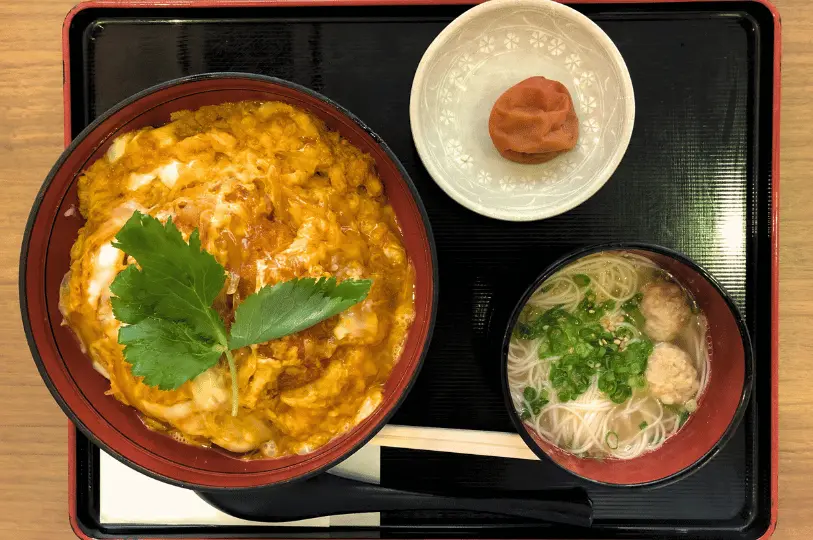
When you are looking for a proper everyday Japanese meal, you should look for balance rather than luxury. If you order a teishoku, which is a traditional Japanese set meal, it should follow a specific structure. You want a balance between a bowl of steamed short grain rice, a warm bowl of soup with dashi, a main protein like grilled mackerel or ginger pork, and small vegetable sides.
The signs of care and consistency are in the quiet details. The rice should be slightly sticky but separate, never mushy. The soup should be hot, not lukewarm. The tray should feel cohesive.
I have made plenty of mistakes while learning how to eat these meals properly. My biggest error was assuming all Japanese food was premium and ordering randomly without understanding the format. I once ordered three different heavy fried side dishes with a large bowl of curry, completely ignoring the way the meal was meant to be structured. I left feeling sluggish and overly full. You have to respect the intended portioning.
Common Mistakes to Avoid
- Assuming premium quality at budget prices: Do not expect hand-grated fresh wasabi or artisan soy sauce with a 6 dollar beef bowl. Adjust your expectations to the price point and appreciate the utility of the food.
- Ignoring the structure of the meal: A set meal is designed to be eaten together. Alternate bites of your main dish with plain rice and sip the soup to cleanse your palate. Do not eat the components one by one.
- Choosing novelty over specialty: If a casual spot specializes in curry, order the curry. Do not order the single sushi roll buried at the back of their menu.
Pro Tip:
When eating a teishoku set, do not pour soy sauce directly over your plain white rice. Japanese dining etiquette treats the rice as a neutral canvas to balance the salty and savory flavors of your main dishes. Keep your rice clean.
Real Situations in Singapore’s Japanese Restaurants
You can see this quiet integration everywhere you look. Walk into the basement of any major shopping center at 7 PM. You will see office workers in lanyards sitting at narrow counters, quickly finishing bowls of udon or dry ramen before taking the train home. It is a scene of quiet exhaustion and reliable comfort.
Tomi Sushi: The Sweet Corn Pick-Me-Up
At Tomi Sushi in Millenia Walk, the hum of lunchtime fills the air as office workers and shoppers settle in for a quick, satisfying bite. The scent of fresh fish mingles with the subtle aroma of steamed rice, inviting you to savor each piece of nigiri sushi or a neatly packed bento box. The balance of flavors, delicate sashimi, tender rice, and a hint of wasabi, creates a comforting rhythm that matches the city’s fast pace. Popular dishes like the miso butter corn ramen, featuring corn in a thick broth, add a comforting warmth that perfectly complements the delicate sashimi and tender rice
Ma Maison: Classic Tonkatsu Comfort in the Heart of the City
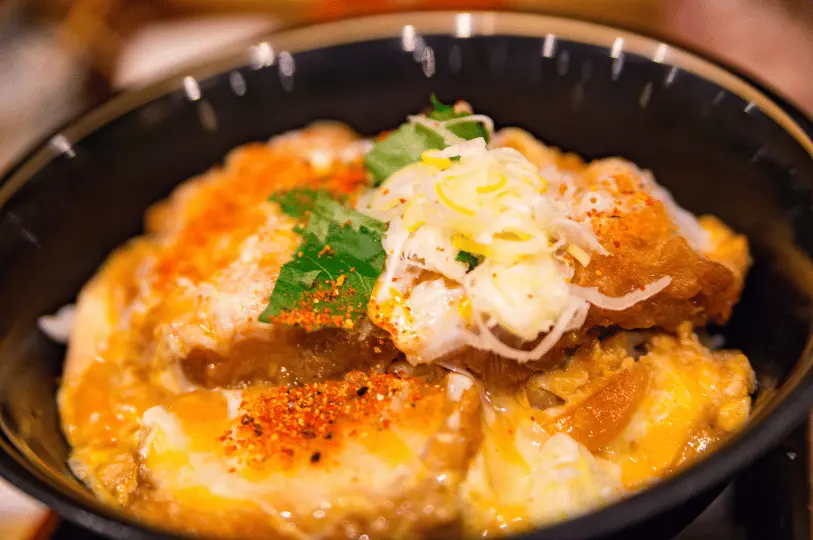
Step into Ma Maison at Mandarin Gallery, where the crispy golden crust of tonkatsu crackles softly as it’s sliced, releasing a mouthwatering aroma that fills the cozy space. The first bite reveals tender pork enveloped in a light, non-greasy batter, perfectly complemented by fluffy steamed rice and a warm, rich miso soup that soothes the soul. The friendly clatter of dishes and the gentle murmur of diners create a familiar backdrop, welcoming busy office workers and families alike to pause and enjoy a moment of simple, satisfying comfort in the heart of the city.
Waa Cow: Premium Ingredients for a Quick Bowl
Waa Cow! serves up hearty wagyu donburi bowls that greet you with the smoky scent of grilled meat and the inviting richness of perfectly cooked rice. Each generous portion, crowned with a silky onsen egg and accompanied by crisp, tangy pickled radish, offers a burst of deep, savory flavors that linger on your palate. The casual buzz of the eatery, filled with solo diners and groups sharing laughter, makes it more than just a meal, it’s a shared experience of indulgence and warmth, perfectly attuned to Singapore’s love for bold, satisfying Japanese flavors.
Why Japanese Food Works So Well in Singapore
This level of integration is not an accident. I think it works so well here because Singapore already possesses a highly frequent eating out culture. We rely heavily on hawker centers and malls for our daily meals. The infrastructure to support casual, fast dining was already deeply entrenched long before these Japanese restaurants arrived.
Furthermore, we are a city exposed to Japanese culture through travel and media. Many people have visited Tokyo or Osaka and want to replicate those accessible, comforting meals back home. We have a high demand for quality, but we also fiercely protect our need for value. Japanese everyday food, with its strict operational standards, premium ingredients, and reasonable price points, fits perfectly into that exact gap.
Closing Reflection on the Japanese Dining Experience
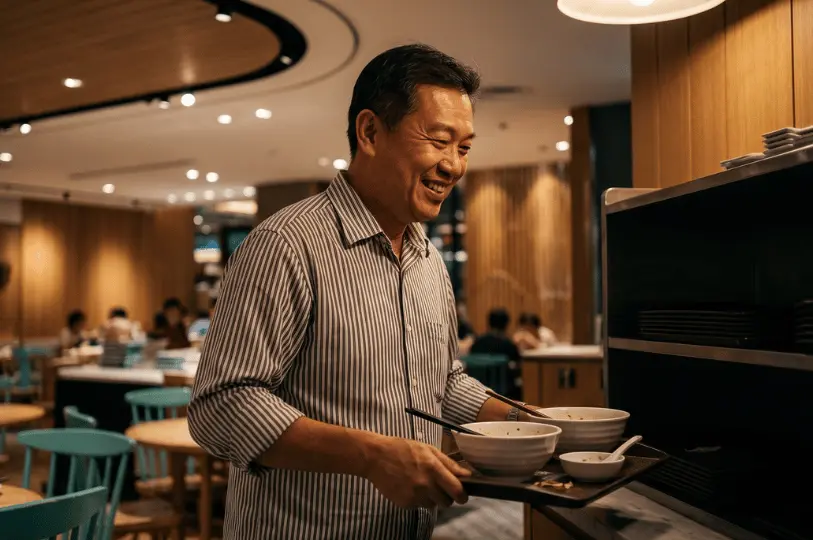
I think back to that man returning his tray at the mall in Tampines. He did not look like he had just eaten a foreign meal. He looked like a man who had simply eaten lunch.
That is the true mark of integration. The food is no longer an exotic import or a weekend treat. It does not require explanation or a special occasion. It has simply become part of the city’s quiet routine. The hands that serve the rice and the hands that clear the trays are participating in a shared, daily rhythm. When you sit down for your next bowl of curry or gyudon, take a moment to look at the tables around you. You are participating in a quiet culinary translation, watching a foreign comfort settle comfortably into its new home.

To the Stirring of the Wok in the Early Hours
June 12, 2026
The first sound is not the flame. It is the metal ladle touching the side of the wok, a small, hollow note that carries across the half-awake floor of Hong Lim Market & Food Centre….
-
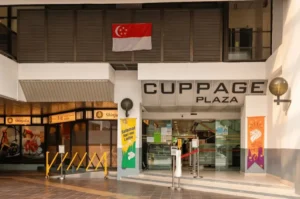
Cuppage Plaza Food Guide: Japanese Restaurants and Hidden Gems in Singapore’s Little Tokyo
June 11, 2026
I started coming to Cuppage Plaza for the light. The building is old, a little worn at the edges, with narrow staircases and corridors that smell faintly of charcoal and sake by early evening. But…
-
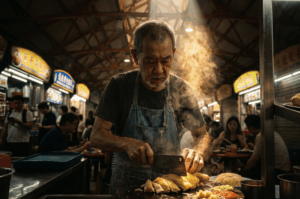
A Note to the Knife That Cuts, But Never Hurries
June 9, 2026
The knife lands softly before it cuts. I hear it before I lift the camera. A low wooden sound, not sharp, not rushed. At Maxwell Food Centre, the lunch crowd is already pressing into the…
-
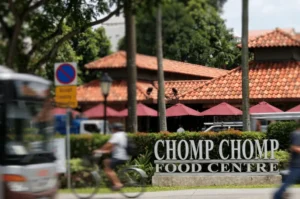
Wang BBQ Chicken Wing & Satay: Photographing Smoke, Wings, and Skewers at Chomp Chomp Food Centre
June 8, 2026
I reached Chomp Chomp Food Centre at 20 Kensington Park Road, Serangoon Gardens, Singapore on a Tuesday evening around 7pm, just as the place was beginning to thicken with supper energy. The tables were filling…
-
To the Fragrance That Lingers Long After the Meal
June 5, 2026
The evening air at Old Airport Road Food Centre is thick and warm. It wraps around me the moment I step away from the open street. I walk past the bright neon signboards, letting the…
-
Lau Pa Sat Satay Street: Photographing After-Work Satay in Singapore’s CBD.
June 4, 2026
I visited Lau Pa Sat Satay Street on a Tuesday around 7pm, just as Boon Tat Street was changing its identity from a busy traffic route in Singapore’s CBD to a lively alfresco dining venue….
-
A Letter to the Hidden Moments Between the Shots
June 2, 2026
The afternoon heat settles heavily over Tiong Bahru Market. The frantic noise of the lunch hour is completely gone. I sit at a corner table near the open balcony. The green tiles reflect the warm,…
-
Izakaya Singapore: More Than Just After-Work Spots
June 1, 2026
When we talk about izakayas in Singapore, we often reduce them to simple after work drinks spots. We picture loud rooms where tired professionals go to drink cold beer and eat cheap bar snacks. But…
-
The Quiet Moments Before the First Order
May 29, 2026
The sky outside is still a deep, bruised purple. Inside the food centre at Toa Payoh Lorong 8, the air is cool and heavy with the scent of damp concrete and raw ginger. I sit…
-
Flame, Smoke, and Sizzle: The Art of Grilling in Singapore’s Izakayas
May 28, 2026
A chef stands behind a trough of white-hot binchotan charcoal. He holds a fan in one hand and carefully turns a row of wooden chicken skewers with the other. He does not rush. He waits…