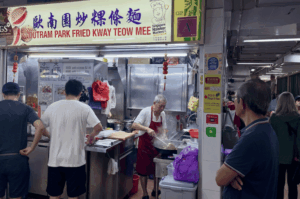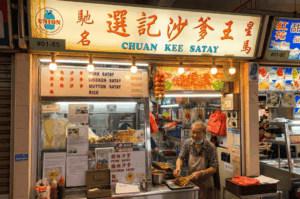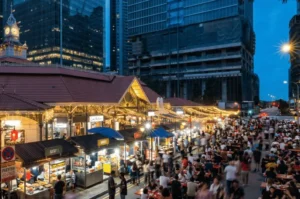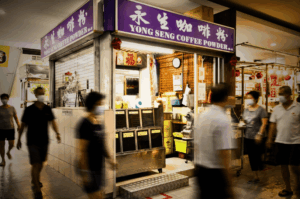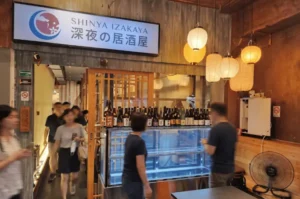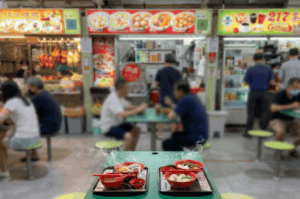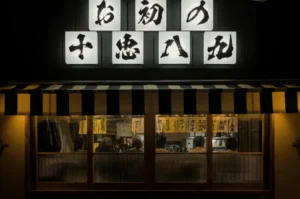
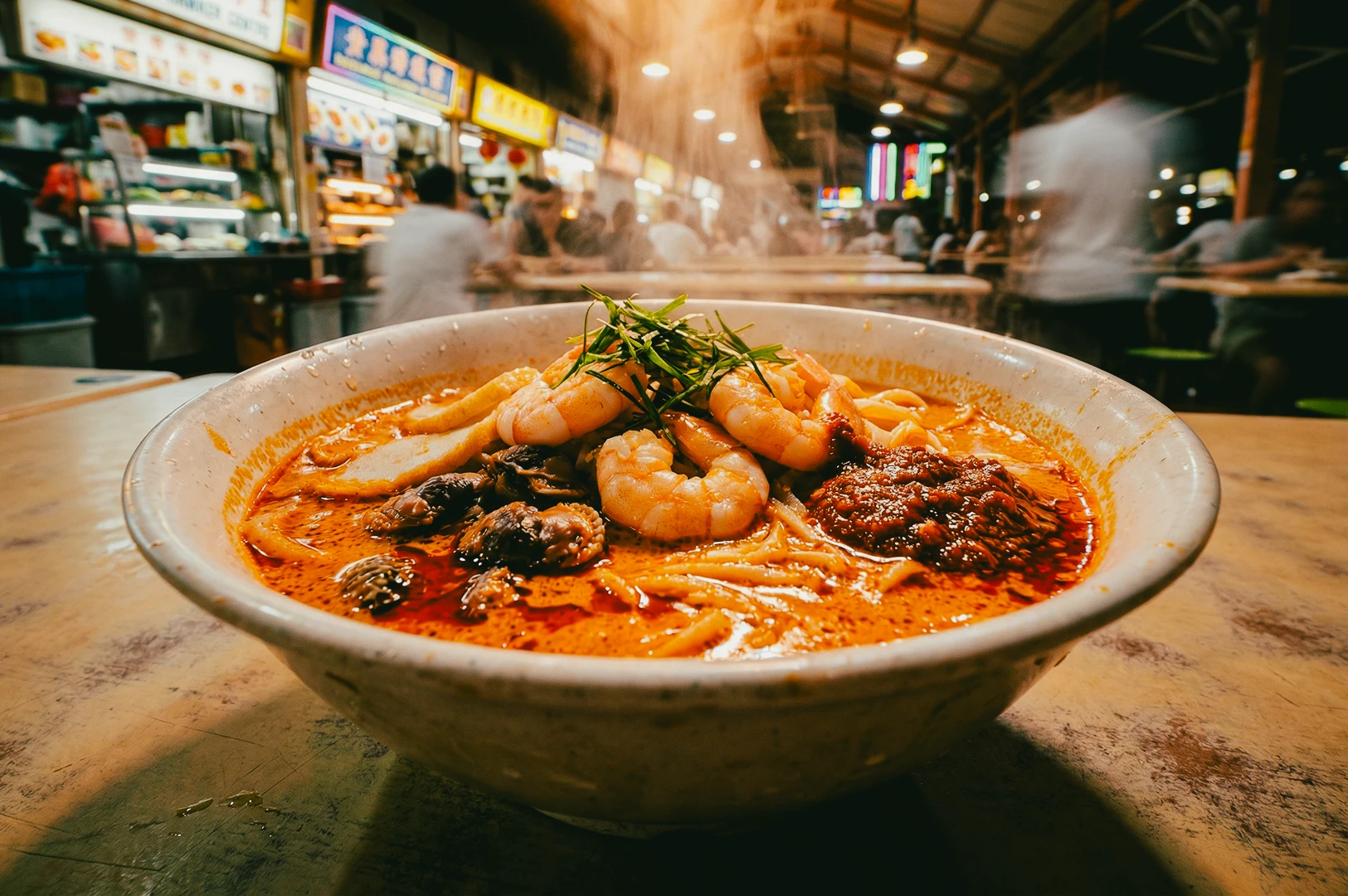
I fell in love with street food photography in Singapore, somewhere between the steam of a hawker stall and the click of my shutter. It wasn’t planned. I was hungry, wandering, half-lost, when a bowl of laksa stopped me cold. The broth glowed orange under fluorescent lights, sambal slicking the surface like oil paint. Before I took a bite, I lifted my camera. That was the moment I realized street food here isn’t just something you eat. It’s something you witness.
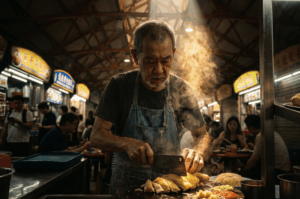
Singapore’s street food culture is alive in a way that demands attention. Hawker centres hum with rhythm: cleavers thudding, woks roaring, orders shouted in a mix of languages that somehow always make sense. Photographing it feels like stepping into a living documentary. You don’t pose food here. You chase it. You wait for the right second when the vendor’s hand is mid-motion, when the char kway teow flares up, when condensation beads on a kopi cup like it’s breathing. What makes Singapore special is the intimacy. These stalls are often family legacies, perfected over decades. When I photograph an elderly uncle flipping roti prata with effortless precision, I’m not just framing food. I’m framing muscle memory, pride, and repetition. The best shots happen when you slow down and let the stallholders forget you’re there. Smile, order something, and eat first. The camera comes second.
Light is the quiet challenge of street food photography here. Hawker centres aren’t romantic candlelit spaces. They’re harsh, practical, sometimes brutally fluorescent. But that’s part of the charm. I’ve learned to lean into it. From the greenish cast on stainless steel tables, the shadows under plastic stools, the way steam diffuses everything into softness. Night shoots are my favorite. After dark, the stalls feel theatrical, each one its own stage, glowing against the humidity.
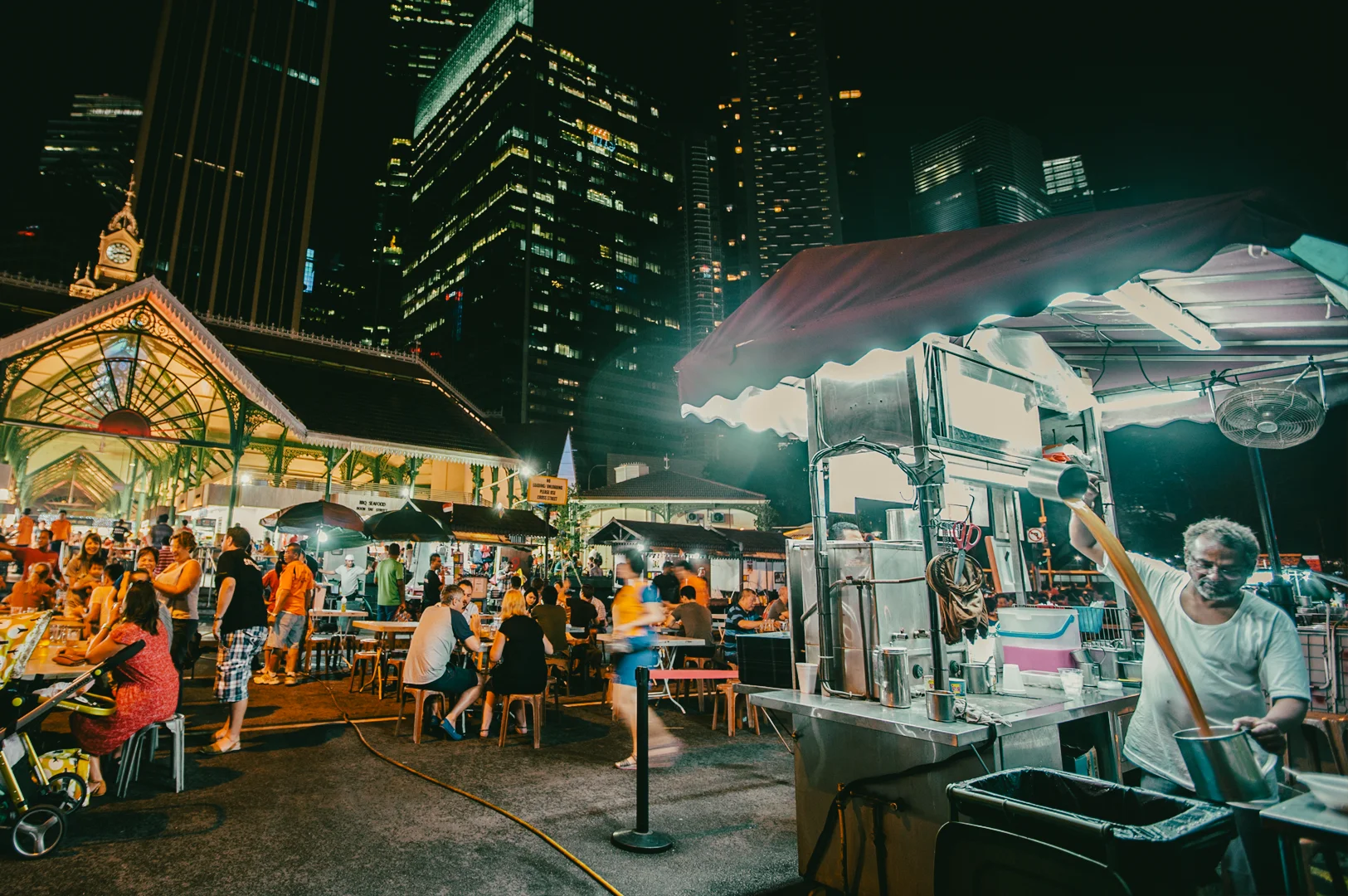
Singapore street food also tells a story of migration and memory. A single frame can hold Chinese, Malay, Indian, and Peranakan influences without saying a word. A banana leaf wrapped around nasi lemak. A stack of bamboo steamers. A ladle hovering over curry. When I photograph these details, I’m conscious that I’m capturing culture as much as cuisine. There’s a humility to it that I love. There are no tweezers. There are no microgreens placed with surgical care. There is simply food made to be eaten, fast and hot, often standing up. My goal isn’t perfection. It’s honesty, because what isn’t more honest and vulnerable than a humble human truly enjoying food, with greasy fingers, sauce stains, and a plastic bag swinging from a wrist to show for it.
Street food photography in Singapore has taught me to shoot with empathy. To respect the pace of the stall, the rhythm of service, and the unspoken rules of space. Sometimes I miss the shot because I don’t want to interrupt. That’s okay. The best images come when you’re present, not just hunting content. Somewhere along the way, you make bonds that fill your ears with the sweet sound of “The usual, Aaron?” and with that, I feel at home.

To the Stirring of the Wok in the Early Hours
June 12, 2026
The first sound is not the flame. It is the metal ladle touching the side of the wok, a small, hollow note that carries across the half-awake floor of Hong Lim Market & Food Centre….
-
Cuppage Plaza Food Guide: Japanese Restaurants and Hidden Gems in Singapore’s Little Tokyo
June 11, 2026
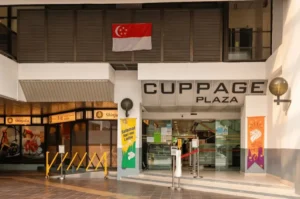
I started coming to Cuppage Plaza for the light. The building is old, a little worn at the edges, with narrow staircases and corridors that smell faintly of charcoal and sake by early evening. But…
-
A Note to the Knife That Cuts, But Never Hurries
June 9, 2026
The knife lands softly before it cuts. I hear it before I lift the camera. A low wooden sound, not sharp, not rushed. At Maxwell Food Centre, the lunch crowd is already pressing into the…
-
Wang BBQ Chicken Wing & Satay: Photographing Smoke, Wings, and Skewers at Chomp Chomp Food Centre
June 8, 2026
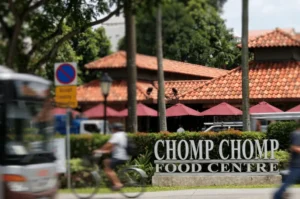
I reached Chomp Chomp Food Centre at 20 Kensington Park Road, Serangoon Gardens, Singapore on a Tuesday evening around 7pm, just as the place was beginning to thicken with supper energy. The tables were filling…
-
To the Fragrance That Lingers Long After the Meal
June 5, 2026
The evening air at Old Airport Road Food Centre is thick and warm. It wraps around me the moment I step away from the open street. I walk past the bright neon signboards, letting the…
-
Lau Pa Sat Satay Street: Photographing After-Work Satay in Singapore’s CBD.
June 4, 2026
I visited Lau Pa Sat Satay Street on a Tuesday around 7pm, just as Boon Tat Street was changing its identity from a busy traffic route in Singapore’s CBD to a lively alfresco dining venue….
-
A Letter to the Hidden Moments Between the Shots
June 2, 2026
The afternoon heat settles heavily over Tiong Bahru Market. The frantic noise of the lunch hour is completely gone. I sit at a corner table near the open balcony. The green tiles reflect the warm,…
-
Izakaya Singapore: More Than Just After-Work Spots
June 1, 2026
When we talk about izakayas in Singapore, we often reduce them to simple after work drinks spots. We picture loud rooms where tired professionals go to drink cold beer and eat cheap bar snacks. But…
-
The Quiet Moments Before the First Order
May 29, 2026
The sky outside is still a deep, bruised purple. Inside the food centre at Toa Payoh Lorong 8, the air is cool and heavy with the scent of damp concrete and raw ginger. I sit…
-
Flame, Smoke, and Sizzle: The Art of Grilling in Singapore’s Izakayas
May 28, 2026
A chef stands behind a trough of white-hot binchotan charcoal. He holds a fan in one hand and carefully turns a row of wooden chicken skewers with the other. He does not rush. He waits…