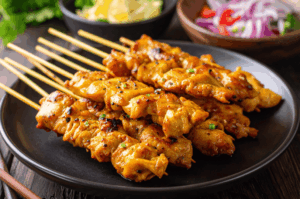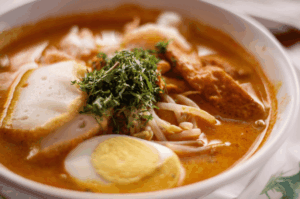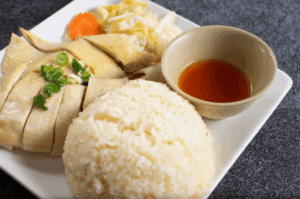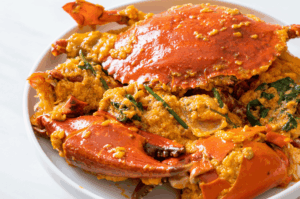
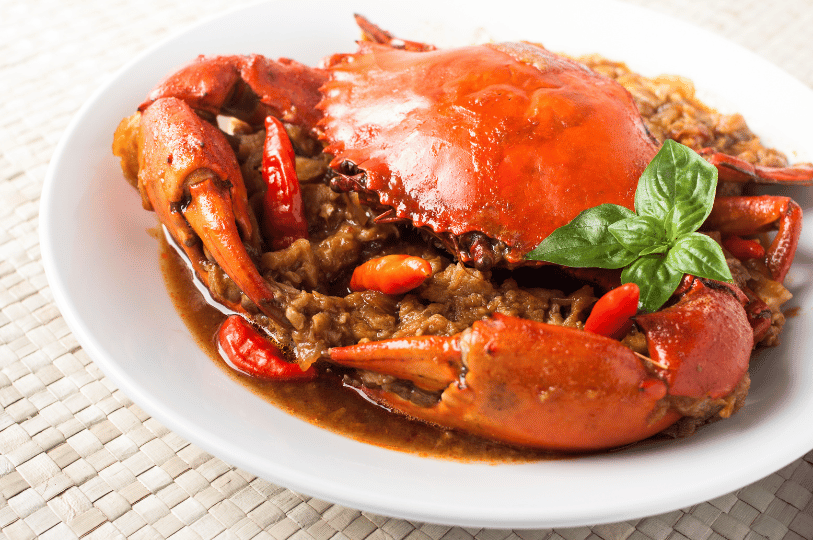
It arrives at the table not as a dish, but as an event. A magnificent Sri Lankan mud crab, resplendent in a sea of vibrant, glossy sauce the color of a tropical sunset. Steam rises from its crimson shell, carrying a fragrant promise of chili, tomato, and the sweet brine of the sea. This is Singapore’s chili crab, a national icon and a culinary masterpiece. It is a dish that demands your full attention, a messy, hands-on, and utterly sensual experience.
For those of us who practice the art of food photography, chili crab is more than just a meal; it is a formidable and fascinating subject. It is a challenge to capture its chaotic beauty and a profound opportunity to tell a story of flavor, passion, and cultural identity through a single, powerful image.
The Allure of Chili Crab
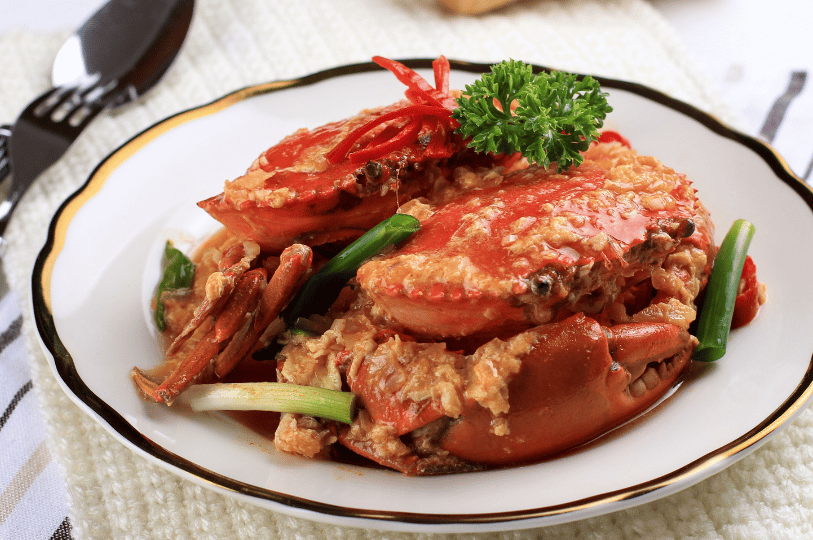
Chili crab is the undisputed king of Singaporean seafood and a celebrated dish that has evolved since the 1950s from a humble pushcart recipe of stir-fried crab with bottled chili and tomato sauce to a national culinary icon. It represents the bold, unapologetic flavors of Singapore and is a staple for celebrations, family gatherings, and introducing visitors to the local food culture. Its cultural weight is immense, but its visual and sensory appeal is just as powerful.
For a food photographer, chili crab offers an irresistible subject full of contrasts and textures. The hard, angular shell of the crab emerges from the soft, viscous sauce, which is a brilliant red flecked with ribbons of egg, specks of chili, and fresh green cilantro. This beautiful chaos challenges photographers to capture the raw, visceral appeal of a dish meant to be torn apart with your hands, while still creating a composed and artistically compelling food photo. This challenge pushes photographers to experiment with lighting techniques, composition, and depth of field to create stunning images that tell a story beyond simple documentation.
In food photography, mastering the interplay of natural light and shadows is key to revealing the interesting textures of the sauce and shell. Using a shallow depth of field helps to focus attention on the crab while softly blurring the background, enhancing the mouth watering food images. Photographers often imagine the perfect angle to showcase the dish’s vibrant colors and mixed elements, such as the glossy sauce and fresh herbs.
Chili crab photography also highlights the importance of timing and preparation. Since the dish’s sauce cools and loses its shine quickly, food photographers must work swiftly to capture the dish at its freshest, using techniques like fill lighting to balance dark shadows and bring out the dish’s full vibrancy. This process exemplifies the art of food photography, where technical skill meets creativity and storytelling.
Ultimately, photographing chili crab is about more than just capturing a meal; it’s about creating an emotional connection through images that evoke the communal joy of sharing a messy, delicious feast. This dish’s story, visual appeal, and cultural significance make it a perfect subject for food photographers aiming to produce mouth watering food images that resonate with viewers and elevate the culinary business through compelling visual narratives.
The Art of Capturing Sensuality in Natural Light
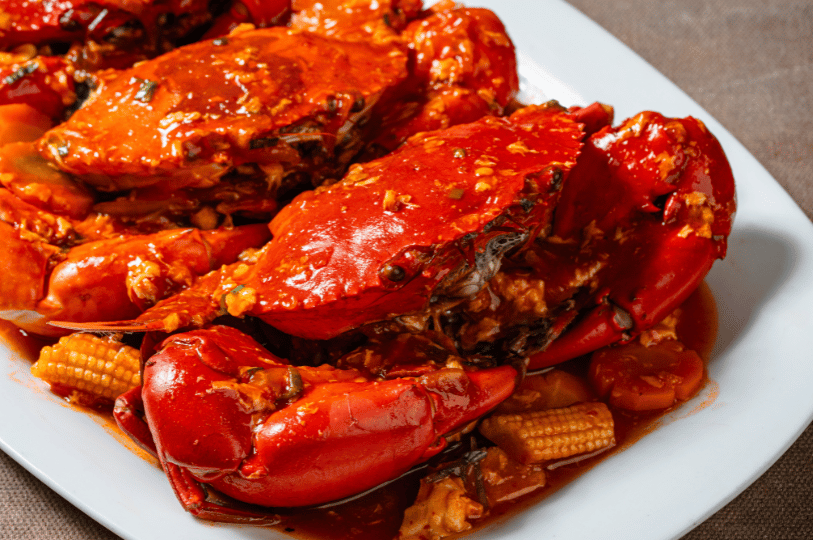
Photographing chili crab is an exercise in capturing its sultry essence and mouth watering food images. It is a dish that appeals to all the senses, and the goal of good food photography is to translate that multi-sensory experience into a two-dimensional food photo. This requires a masterful blend of technical skill, lighting techniques, and artistic vision.
Lighting the Lustre
The soul of a great chili crab photo lies in the word: lustre; its glossy, luscious sauce. The key to capturing this is mastering the light and finding the perfect angle.
- Side Lighting: Professional food photographers often use a soft, directional side light. This lighting technique grazes across the surface of the sauce, creating beautiful, subtle highlights that define its interesting textures and give it that irresistible sheen. It reveals the depth and viscosity of the sauce without creating harsh, unflattering glare.
- Backlighting for Steam: To capture the all-important steam, which signals freshness and heat, a backlight is essential. Placing a light source behind the dish causes the steam to catch the light and glow, making it a visible and dynamic element in the photograph.
Composition and the Beauty of the Mess
Chili crab is not a neat dish. Its beauty is in its imperfection and the life it displays.
- Embrace the Chaos: A great composition does not try to tame the dish. Instead, it celebrates its nature. Photographers often use a slightly overhead or a 45-degree angle to show the entirety of the crab nestled in its sauce. They let drips and splatters on the side of the plate become part of the story, adding detail and authenticity to the scene.
- The Human Element: Including hands in the frame is a powerful technique. A shot of hands breaking into a crab claw or dipping a fried mantou bun into the sauce immediately conveys the interactive, tactile pleasure of the dish. It transforms the image from a static portrait into a moment of active enjoyment. This approach is central to impactful food photography, helping to focus the viewer’s attention and connect with the brand’s story.
In food photography, props and background elements can also enhance the concept and mood, complementing the main subject without distracting from the dish. This careful styling is essential to create stunning images that resonate with clients, restaurants, and viewers alike.
The Depth of Field: A Food Photographer's Process
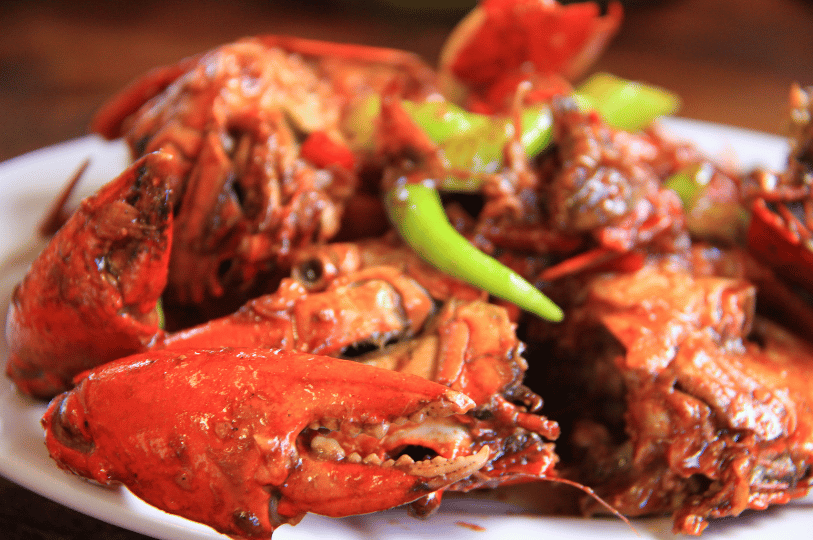
Capturing the perfect chili crab shot requires more than just knowing your way around a camera. It is a process that involves timing, problem-solving, and often, collaboration.
Timing is everything. Chili crab looks its best the moment it comes out of the kitchen, glistening, hot, and steaming. The sauce begins to cool and set quickly, losing its vibrant sheen and mouth watering food images. This means food photography photographers must work fast, having their lighting and composition planned before the dish even arrives. The window to capture that peak freshness is often just a few minutes long.
Handling the elements is another challenge. The reflective sauce can create difficult specular highlights and tricky lighting situations. Photographers use tools like diffusers and flags to soften and control the light, shaping it to their will. Shell fragments and sauce splatters can be both a blessing and a curse. While they add authenticity, a stray splatter in the wrong place can be distracting. A keen eye and careful food styling, sometimes with the help of tweezers and paper towels, are crucial to maintain the quality and appeal of the image.
Often, the best images come from a collaboration between the food photographer and the chef. A chef can plate the crab in a way that is more photogenic, perhaps arranging the claws in a more dynamic pose. They understand the dish intimately and can help the photographer showcase its best features, ensuring the final photograph is both beautiful and an honest representation of their culinary creation.
Creating Mouth Watering Food Images
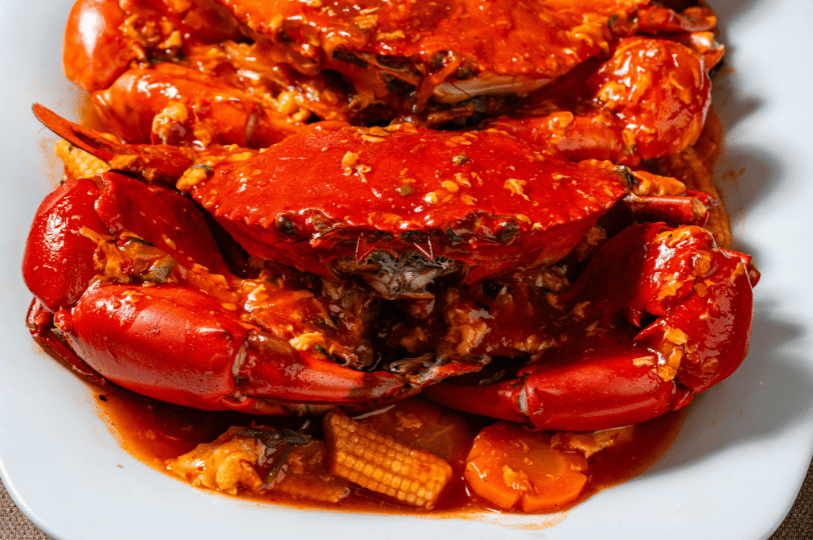
This process highlights the possibilities and challenges in food photography, where every element from cooking to plating must be considered to create stunning images. It’s an example of how food photo shoots combine technical skill, artistic vision, and teamwork to capture the essence of a dish. Whether shooting in natural light or controlled studio settings, mastering depth of field, lighting techniques, and composition is key to producing mouth watering food images that tell a story and make viewers want to eat.
In this fast-paced world of food photography, understanding these tricks and techniques can elevate your work, whether you are photographing a complex dish like chili crab or simpler subjects such as a bowl of soup or a fresh salad. The art of food photography is about more than just taking pictures; it’s about capturing the quality, colour, texture, and emotion of food, making it irresistible to the viewer and inspiring them to eat.
The Emotional Connection
Ultimately, the goal of food photography is to evoke an emotional response that goes beyond simply showcasing a dish’s appearance. With a culturally significant dish like chili crab, this means tapping into a deep well of shared memories, experiences, and the rich culinary heritage behind it. A successful photograph of chili crab does not just say, "this is what it looks like." It says, "this is what it feels like."
It feels like a boisterous family dinner, filled with laughter and conversation punctuated by the satisfying crack of a crab shell. It feels like a warm Singaporean evening, the humidity mingling with the steam rising from the plate. It feels like the communal joy of sharing a meal, with everyone reaching into the same platter, their hands sticky with sauce. These images tell a vivid story of Singaporean identity, capturing the nation’s love for bold flavors and its passion for food.
For food photographers, capturing such a dish requires mastery of lighting techniques and composition to create stunning images that highlight the dish’s interesting textures and vibrant colors. This process is similar to other forms of product photography, where every detail—from the gloss on the sauce to the freshness of the ingredients—is meticulously prepared and styled to create mouth watering food images. Whether shooting a complex dish like chili crab or simpler subjects such as a bowl of soup or a slice of cake, the principles remain the same: use natural light, find the perfect angle, and employ a shallow depth of field to focus the viewer’s attention.
Moreover, food photography plays a crucial role in elevating a restaurant’s menu and can even inspire cookbook projects by visually narrating the story behind each dish. It is an art form that combines technical skill with creativity, helping chefs and brands showcase their culinary creations in a way that entices and connects with audiences. In this sense, food photography is not just about capturing food—it is about celebrating the culture, craft, and communal experience that food represents.
Conclusion
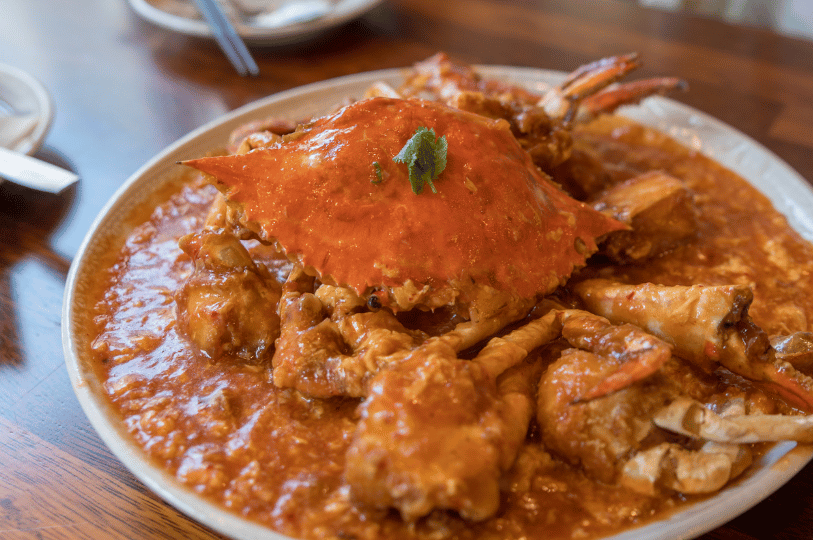
Chili crab is a dish of passion, a sultry affair between sweet, savory, and spicy. It is a culinary icon that perfectly embodies the spirit of Singapore. For those of us who communicate through the lens, it represents a perfect subject: challenging, beautiful, and rich with story.
To photograph chili crab well is to appreciate the artistry of the chef and the deep cultural roots of the dish itself. It is a testament to the power of food photography to not only capture beauty but to preserve a feeling, a memory, and a taste of a place. It is the ultimate marriage of culinary art and photographic craft, a delicious story waiting to be told, one frame at a time.

Composition’s Sweet Spot: A Guide in Framing Desire for Food Bloggers in Singapore
January 30, 2026
You have found the perfect bowl of bak chor mee. The noodles glisten, the minced pork is perfectly seasoned, and the chili sauce adds a vibrant splash of red. You snap a quick picture, but…
-
Laksa’s Velvet Embrace Welcomes the Best Foodies
January 26, 2026
There are dishes you simply eat, and then there are dishes you truly experience. For me, laksa falls firmly into the latter category. It’s an intoxicating, full-body immersion into a world of flavor that demands…
-
Tiong Bahru: The Slow Seduction of Food in Photography
January 23, 2026
Some neighborhoods shout for your attention. They are a riot of sound, color, and frantic energy. Tiong Bahru is not one of them. This corner of Singapore operates on a different frequency, a slower and…
-
Chili Crab Confidential: Producing Perfect Pics of Food
January 19, 2026
It arrives like royalty, carried to the table with a sense of occasion. A colossal crab, bathed in a thick, shimmering sauce the color of a fiery sunset. The air around it is fragrant with…
-
The Art of the Tease: Captured in Food Photography
January 16, 2026
In the world of food photography, there is a powerful and often overlooked technique, a subtle language of visual seduction. It is the art of the tease. It is the practice of not showing everything,…
-
Geylang’s Secret Appetites: A Guide for Every SG Foodie
January 12, 2026
There is a side of Singapore that hums with a different energy, one I discovered on my many late-night wanderings. It’s a place where the polished gleam of the city fades away, giving way to…
-
The Peranakan Seduction: A Food Photography Photographer’s Insight
January 11, 2026
There are some cuisines that you photograph, and there are some that you court. Peranakan food falls firmly into the latter category. It is a seduction of the senses, a rich tapestry of history, flavor,…
-
Geylang’s Forbidden Flavors: The Best Foodies District
January 9, 2026
Mention Geylang, and you will likely get a mix of reactions. This neighborhood, with its gritty reputation and neon-lit side streets, exists in a space separate from Singapore’s polished image. But for those in the…
-
Holland Village: East Meets West Journey of Food and Photography
January 2, 2026
There is a corner of Singapore where the laid-back charm of a European village collides with the vibrant energy of a Southeast Asian city. It is a place where the aroma of freshly brewed espresso…
-
The Tease of Motion: Capturing Culinary Food in Photography
December 29, 2025
Food is rarely static. It drips, sizzles, steams, and crumbles. It is poured, flipped, chopped, and shared. Yet, so often, we see food in photography presented as a perfectly still, lifeless object on a plate….