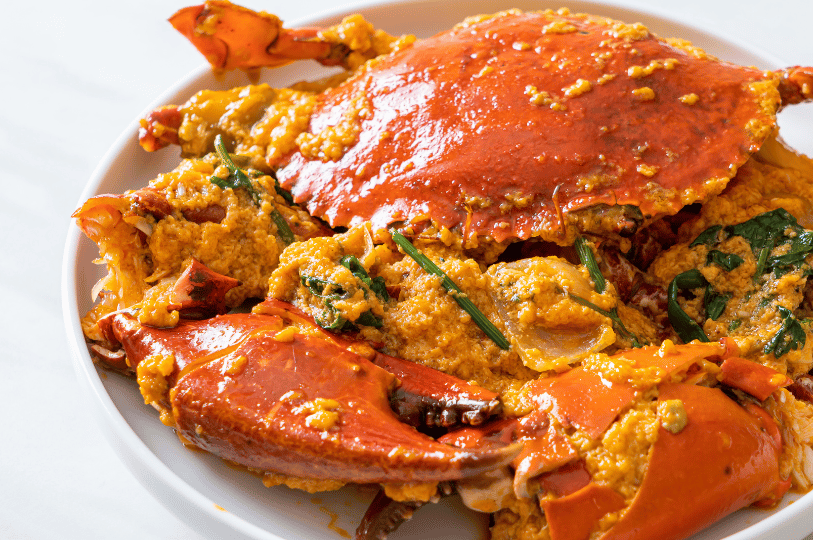
It arrives like royalty, carried to the table with a sense of occasion. A colossal crab, bathed in a thick, shimmering sauce the color of a fiery sunset. The air around it is fragrant with the sweet, spicy, and savory notes of Singapore’s most iconic dish. This is chili crab Singapore, a national treasure and a rite of passage for any food lover visiting the island. For a photographer, it is both a dream subject and a formidable challenge. It is messy, chaotic, and dripping with personality. Capturing perfect pics of food when that food is a glistening, sauce-drenched crab requires more than just a good camera; it requires a plan, a little patience, and an appreciation for the beauty in the glorious mess.
The Beautiful Challenge of Photographing Chili Crab
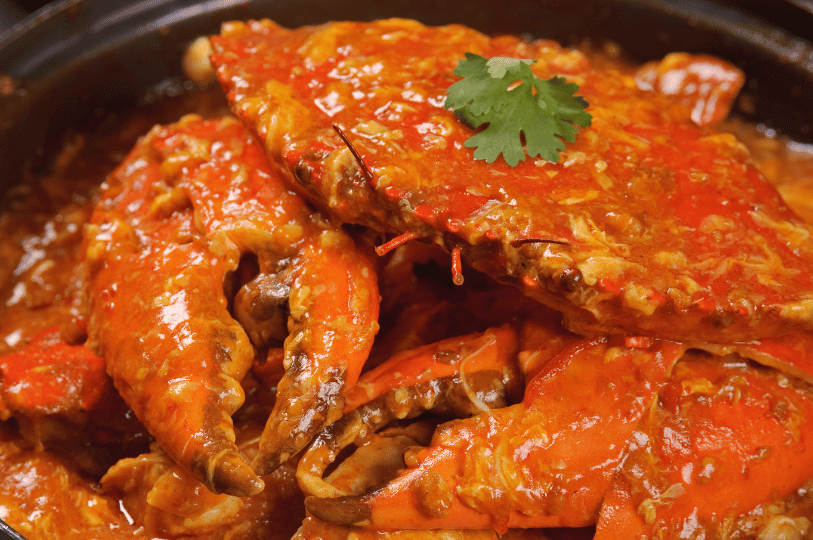
Let's be honest, chili crab is not a neat and tidy dish. It is a wild, sprawling masterpiece of cracked shells, splattered sauce, and delicious chaos. This is precisely what makes it so difficult, and so rewarding, to photograph. Unlike a delicate pastry or a carefully plated salad, chili crab resists being tamed.
The biggest challenge is the sauce. It is glossy, highly reflective, and can easily look like a flat, red blob if lit incorrectly. The goal is to capture its lustrous texture and rich color without creating distracting glares or losing the detail of the magnificent crab underneath. Another difficulty is creating a sense of order in the chaos. You want to compose an image that feels appetizing and dynamic, not just like a messy pile of food. These challenges force you to think creatively and truly engage with your subject.
Lighting and Angles: Making the Sauce Shine
The secret to amazing pics of food, especially saucy dishes like chili crab, is all in the lighting. Your primary goal is to make that incredible chili crab sauce look as luscious and flavorful as it tastes.
The Power of Side Lighting
My go-to technique for a dish like chili crab Singapore is to use side lighting. Position yourself so that your main light source, whether it is natural light from a window or the open air of a hawker center, comes from the side of the dish. This light will skim across the surface of the spicy sauce, creating beautiful highlights that define its glossy texture and bring out the natural sweetness and savory essence infused in the gravy. It carves out the shape of the meaty crab shells and enhances the visual appeal of the crab meat and crab roe, preventing the image from looking flat. Avoid front-on flash at all costs; it will create harsh reflections and kill all the beautiful texture and aroma.
Finding the Right Angle
The angle a food photographer chooses can completely change the story and highlight the diverse flavors and quality of the dish.
- The 45-Degree Angle: This classic food photography angle is often the most effective for chili crabs. It gives a clear view of the dish, showing both the top and the side, which provides a sense of depth and scale, perfectly showcasing the luscious chili crab sauce and meaty crab claws.
- The Overhead Shot: A top-down or "flat lay" perspective works well, especially if the crab is arranged beautifully on a large platter with side dishes like fried or steamed mantou buns. It creates a graphic, map-like view of the entire feast and highlights the rich, spicy sauce that locals love.
- Get in Close: Do not be afraid to get low and close. An angle that is almost level with the table can make the crab look heroic and monumental. This perspective is great for emphasizing the size of the crab meat and the abundance of crab roe, capturing the dish's essence and the craving it inspires.
By focusing on these lighting and angle techniques, you can capture the best chili crab images that showcase the dish’s diverse origins, the rich malay spice influences, and the savory, sweet, and spicy flavors that have made it a beloved dish featured in the Michelin Guide and enjoyed by locals and guests alike today.
Composition and Storytelling
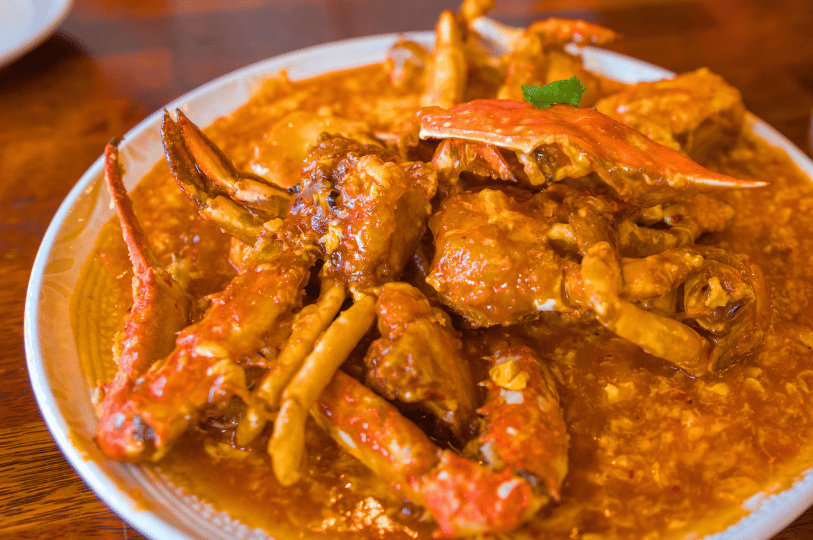
Great pics of food do more than just document a dish; they tell a story. With chili crab, the story is about indulgence, community, and the joy of a hands-on meal.
Think about what to include in your frame. A tight shot of the crab can be powerful, but including surrounding elements like the platter of fried mantou buns, a bowl of water for washing sticky fingers, or hands cracking a claw adds context and narrative. These transform the image from a simple food portrait into an experience snapshot.
Remember the rule of thirds: position the most interesting part of the crab, such as a large claw, off-center for a dynamic, balanced composition. Let the sauce create leading lines that draw the viewer’s eye through the frame.
Equipment and Settings for the Real World
You do not need a massive studio setup to get great shots of chili crab Singapore. Most of the time, you will be in a bustling seafood restaurant or a noisy hawker center, so a nimble and versatile setup is best.
My Recommended Gear for Capturing Fresh Chili Crabs
- Camera: Any DSLR or mirrorless camera with manual controls will work perfectly to capture the vibrant colors and rich textures of the cooked crab and its luscious chili sauce.
- Lens: A versatile zoom lens like a 24-70mm is great for capturing both wider shots of the dish served on the table and tighter details of the meaty crab claws and crab roe without having to move around too much. Alternatively, a 50mm f/1.8 prime lens is a fantastic, affordable option, especially in low light, producing a beautiful blurred background that highlights the spicy sauce and savory crab meat.
Key Camera Settings to Showcase the Savoury Flavours
- Aperture: I like to shoot with a relatively wide aperture, somewhere between f/2.8 and f/5.6. This creates a shallow depth of field, keeping the main part of the crab sharp while beautifully blurring the busy restaurant background. This helps emphasize the fresh, cooked crab and the rich chili sauce.
- Shutter Speed: Keep your shutter speed high enough to avoid motion blur, especially when shooting handheld in a lively establishment. A good starting point is 1/125th of a second.
- ISO: Do not be afraid to push your ISO up a bit, especially in dimly lit indoor settings typical of many seafood restaurants. Modern cameras can handle higher ISO with minimal grain, ensuring your pics of food are crisp and vibrant.
Using this gear and settings will help you capture the essence of chili crab: the perfect mix of sweet, spicy, and savory flavors served in a lively Singaporean dining atmosphere, reflecting the dish’s origins in Malaysia and the cultural heritage of establishments like those started by Cher Yam Tian.
A Chilli Crab Story
I will never forget my first time trying to seriously photograph chili crab. I was at a famous East Coast seafood center, the sun was setting, and the place was packed. The crab arrived, a perfect specimen, and I immediately started snapping away. But all my initial pics of food were terrible. The sauce was a glary mess, and the image just felt chaotic. Frustrated, I put the camera down and just watched for a minute. I watched how the light from the setting sun hit the table, and I saw how my friends were excitedly tearing into the mantou buns.
I realized I was trying to force a perfect, clean shot out of a perfectly imperfect dish. So I changed my approach. I moved to the other side of the table to use the low sun as a backlight. I asked my friend to dip a bun into the sauce, and I focused on that single action. The resulting image, with the dripping sauce catching the golden light, was infinitely better. It told the real story of the dish: the joy of sharing and dipping.
The Cultural Heartbeat of a Dish
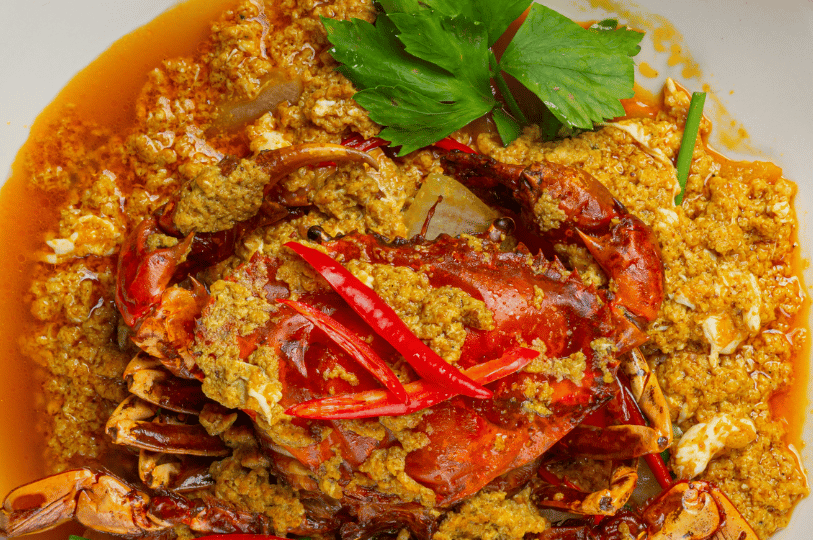
Chili crab Singapore is more than just a dish; it is a cultural institution and a proud symbol of Singapore’s diverse culinary heritage. Born on the island in the 1950s, this iconic dish has been enjoyed by locals and visitors alike, becoming a staple on many restaurant menus and a highlight of Singapore’s food scene. Its rich chili crab sauce, infused with a perfect balance of sweet, spicy, and savory flavors, is a testament to the blend of Malay, Chinese, and Western influences that define Singaporean cuisine.
Often served with fried or steamed mantou buns to soak up the luscious gravy, chili crabs are a dish meant to be shared among family and friends during special celebrations and gatherings. The hands-on experience of cracking into the meaty crab and savoring the rich crab roe creates moments of connection and joy, making it more than just a meal; it’s a shared cultural experience.
Understanding this cultural context and the story behind the dish, including the pioneering efforts of Cher Yam Tian and the influence of establishments featured in the Michelin Guide, can help you capture more meaningful and authentic pics of food. Whether you are photographing the vibrant chili crab sauce or the fresh, meaty crab itself, remember that you are capturing a dish deeply covered in Singapore’s food history and identity, celebrated every year from April to October during peak crab seasons, and cherished across the island’s vibrant restaurant scene.
By embracing the essence of chili crab and the rich flavors that make it famous, your food photography will not only showcase the dish’s natural sweetness and spicy sauce but also honor the legacy and service of Singapore’s culinary pioneers like Neo and Cher Yam Tian, giving your images the chance to tell a truly authentic story.
Conclusion: Embrace the Mess of Chili Crab Sauce
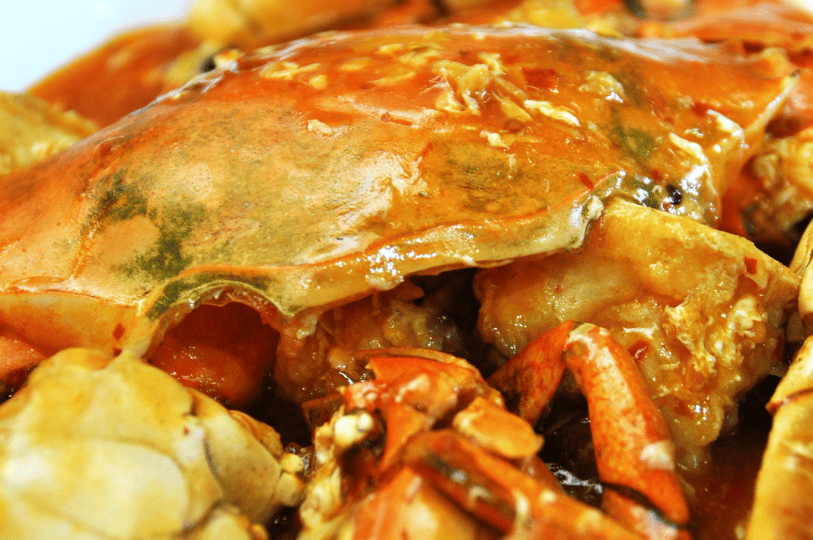
Photographing chili crab is a lesson in letting go of perfection and embracing the moment. It teaches a food photographer to work with challenging light, to find beauty in chaos, and to tell a story of pure, unadulterated enjoyment. The key is to focus on the elements that make the dish so special: the incredible glossy sauce, the texture of the crab, and the sheer joy of eating it. So the next time you find yourself in front of this magnificent Singaporean icon, take a moment. Find your light, think about your story, and do not be afraid to get your hands, and your lens, a little bit dirty. Your pics of food will be all the better for it.

A Letter to the Faces Behind the Counter
June 16, 2026
You are turning over chicken wings when I first notice you. It is just past seven at Old Airport Road Food Centre, and the ceiling fans are pushing warm air down onto the tables. The…
-
How to Photograph Cuppage Plaza Food Without Disturbing the Room
June 15, 2026
The camera flash went off by mistake. It was a small, clumsy decision, but in the narrow, slightly smoky space of Kazu Sumiyaki, it felt much larger than it was. A few heads turned. The…
-
To the Stirring of the Wok in the Early Hours
June 12, 2026
The first sound is not the flame. It is the metal ladle touching the side of the wok, a small, hollow note that carries across the half-awake floor of Hong Lim Market & Food Centre….
-
Cuppage Plaza Food Guide: Japanese Restaurants and Hidden Gems in Singapore’s Little Tokyo
June 11, 2026
I started coming to Cuppage Plaza for the light. The building is old, a little worn at the edges, with narrow staircases and corridors that smell faintly of charcoal and sake by early evening. But…
-
A Note to the Knife That Cuts, But Never Hurries
June 9, 2026
The knife lands softly before it cuts. I hear it before I lift the camera. A low wooden sound, not sharp, not rushed. At Maxwell Food Centre, the lunch crowd is already pressing into the…
-
Wang BBQ Chicken Wing & Satay: Photographing Smoke, Wings, and Skewers at Chomp Chomp Food Centre
June 8, 2026
I reached Chomp Chomp Food Centre at 20 Kensington Park Road, Serangoon Gardens, Singapore on a Tuesday evening around 7pm, just as the place was beginning to thicken with supper energy. The tables were filling…
-
To the Fragrance That Lingers Long After the Meal
June 5, 2026
The evening air at Old Airport Road Food Centre is thick and warm. It wraps around me the moment I step away from the open street. I walk past the bright neon signboards, letting the…
-
Lau Pa Sat Satay Street: Photographing After-Work Satay in Singapore’s CBD.
June 4, 2026
I visited Lau Pa Sat Satay Street on a Tuesday around 7pm, just as Boon Tat Street was changing its identity from a busy traffic route in Singapore’s CBD to a lively alfresco dining venue….
-
A Letter to the Hidden Moments Between the Shots
June 2, 2026
The afternoon heat settles heavily over Tiong Bahru Market. The frantic noise of the lunch hour is completely gone. I sit at a corner table near the open balcony. The green tiles reflect the warm,…
-
Izakaya Singapore: More Than Just After-Work Spots
June 1, 2026
When we talk about izakayas in Singapore, we often reduce them to simple after work drinks spots. We picture loud rooms where tired professionals go to drink cold beer and eat cheap bar snacks. But…