In the world of food photography, there is a powerful and often overlooked technique, a subtle language of visual seduction. It is the art of the tease. It is the practice of not showing everything, of hinting at the deliciousness that lies just beyond the frame or is partially obscured by steam or shadow. This approach transforms a photograph from a mere document into an invitation, a tantalizing whisper that sparks curiosity and creates a deep sense of longing.
There is no better subject for mastering this art than the vibrant, chaotic, and deeply sensual world of Singapore street food. Here, in the heart of the hawker center, the art of the tease finds its most potent expression.
The Psychology of Visual Anticipation
Why is showing less often more powerful? The answer lies in human psychology. When we are presented with an incomplete picture, our minds instinctively work to fill in the gaps. This act of cognitive participation creates a more personal and engaging experience. A photograph that teases the viewer makes them an active participant in the story. It sparks desire by creating a sense of mystery and anticipation.
A full, clear shot of a dish provides information. A teasing shot, however, creates an emotional connection. It suggests a story, hints at a secret, and makes the viewer crave the experience, not just the food. This is the essence of sensual food photography; it is not about revealing everything at once but about guiding the viewer's imagination and leaving them wanting more. The goal is to make someone feel the warmth, imagine the taste, and practically smell the aroma, all from a single, carefully crafted image.
Taste Char Kway Teow and Char Siu from Images: Techniques for Capturing the Tease
Mastering the art of the tease involves a specific set of techniques designed to suggest rather than to state. It is about controlling what the viewer sees and, more importantly, what they do not see.
Partial Reveals and Obscured Views
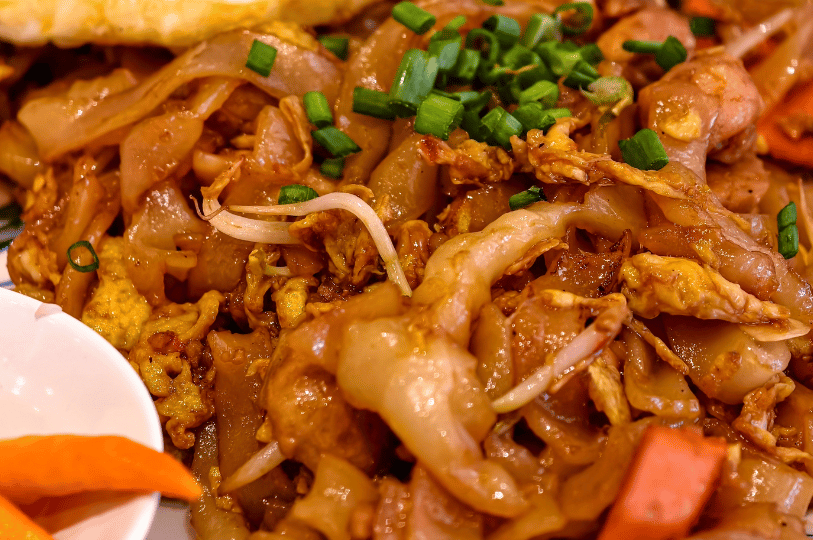
One of the most effective techniques is the partial reveal. Instead of showing an entire plate of char kway teow, a popular noodle dish, focus on just a corner, where a perfectly cooked prawn rests atop the glistening egg noodles tossed in dark soy sauce and pork lard. Let the rest of the dish fall into soft focus or disappear into shadow. This technique draws the eye to a specific point of interest and forces the viewer to imagine the rest of the savory pile, including the bean sprouts and Chinese sausage. You can also use elements within the scene, like a drinking glass or a pair of chopsticks, to partially block the view of the main dish, creating layers and depth.
The Dance of Steam and Smoke
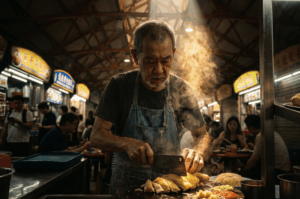
Steam and smoke are natural tools of seduction in food photography. A cloud of steam rising from a bowl of laksa, a signature dish with spicy coconut milk broth, partially obscures the ingredients below, hinting at the treasure trove of fried tofu, cockles, rice cakes, and noodles submerged in the fragrant broth made with chicken fat and coconut milk. It speaks of heat, freshness, and an aroma that is just waiting to be inhaled. The key is to backlight the steam, making it glow and giving it a tangible presence in the photograph. This adds a dynamic, living quality to the image, making the tease feel active and immediate.
The Power of the Close-Up
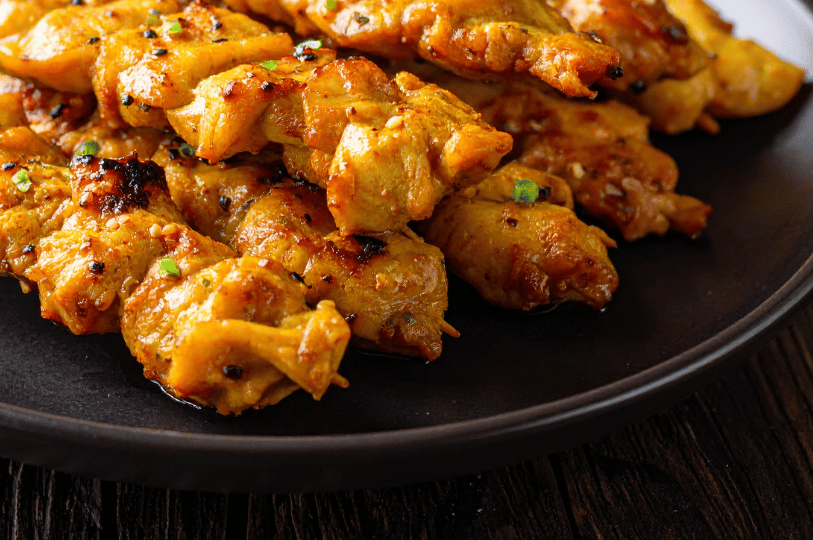
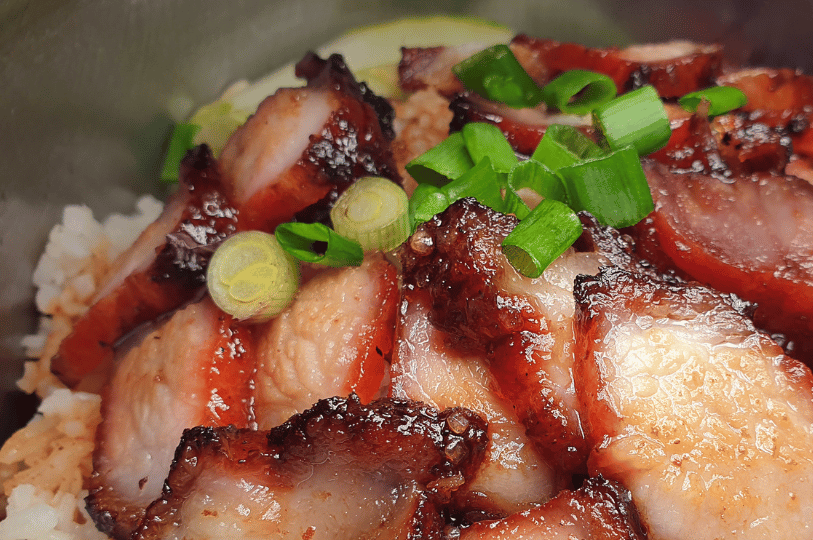
Getting extremely close to the food can be a powerful form of tease. A macro shot that reveals the intricate, crispy lattice of a fried chicken wing marinated with shrimp paste or the glistening droplets of fat on a slice of char siu pork belly removes all context of the full dish. It becomes an abstract landscape of texture and color. This hyper-focus on a small detail forces the viewer to imagine the whole, creating an intense craving for that specific texture and flavor. It is an intimate and deeply sensual way to photograph food, much like capturing the rich layers of sambal chili sauce or the glossy sheen of chili crab sauce. Such close-ups can evoke the taste buds and transport the viewer to the bustling hawker centres and food courts of Singapore, where these dishes are served fresh and vibrant.
Singapore Street Food: The Perfect Subject
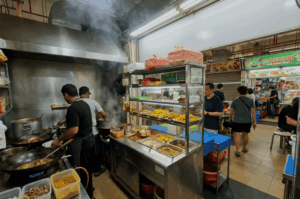
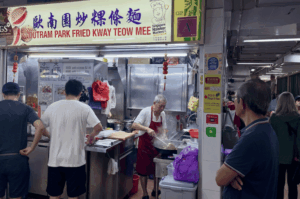
The environment of Singapore street food is tailor-made for the art of the tease. Hawker centers and street-side food stalls are chaotic, layered, and full of motion and atmosphere. This "imperfection" is a gift to the food photographer.
The constant activity provides endless opportunities for obscured views. The steam from multiple woks creates a permanent, moody haze that hints at the fragrant rice and spicy sauce simmering below. The tight quarters mean you are often forced to shoot from interesting, suggestive angles. Unlike a sterile studio environment, the world of Singaporean food is alive. A vendor's hand reaching into the frame, the blur of people walking in the background, the condensation on a glass of iced kopi with condensed milk, all these elements can be used to create layers and tell a story that is rich with authentic detail.
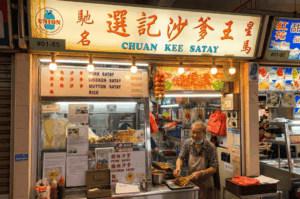
The food itself, from the glistening skewers of satay with peanut sauce to the complex bowl of bak chor mee with minced pork, is full of texture and character that begs to be explored up close. The vibrant hawker stalls offer popular dishes like chicken rice served with chicken broth-infused steamed rice, Hokkien mee stir fried with prawns and pork ribs, and the iconic Singapore chili crab glazed in chili sauce. Other delights like carrot cake (chai tow kway) in its white version, yong tau foo, wantan mee, and nasi lemak with coconut jam and hard boiled eggs also provide colorful subjects for evocative food photography.
Shooting in places like Maxwell Food Centre or Newton Hawker Centre, where the long queues attest to the incredible popularity of these dishes, offers an immersive experience. The open air, bustling atmosphere of these hawker centers and the presence of street vendors make every shot a story in Southeast Asia's vibrant food culture.
Lighting and Composition for a Sensual Quality
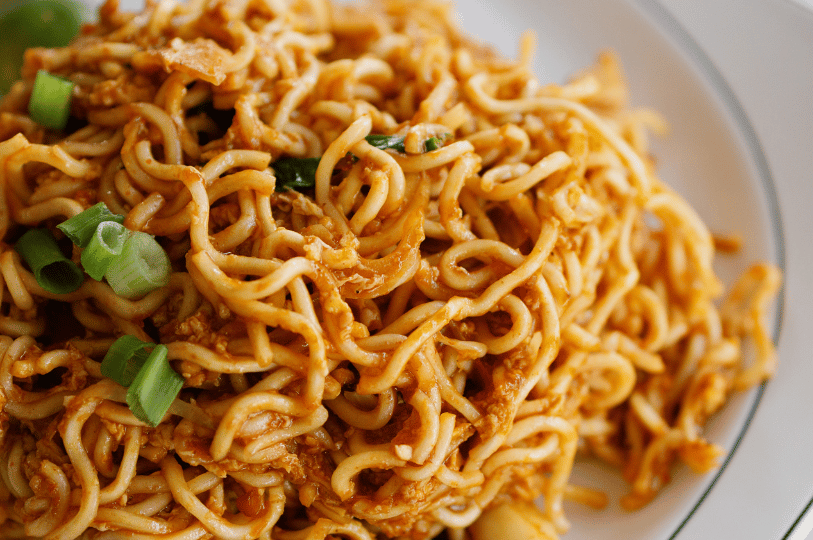
Technical execution is what elevates a teasing concept into a work of art. Lighting and composition are your primary tools for creating an artisan, sensual quality in your food photography, especially when capturing the vibrant atmosphere of Singapore food at bustling hawker centres.
Lighting in a hawker center can be challenging, but this is where creativity thrives. Instead of fighting the mixed lighting, embrace it. Use the single, harsh fluorescent bulb to create dramatic shadows. Let the warm glow from a vendor's stall light up one part of your frame while the rest falls into darkness. This use of shadow, or chiaroscuro, is fundamental to the art of the tease.
What is hidden in the shadows is just as important as what is revealed in the light. For those seeking to master these challenging environments, applying some of the lessons from low-light shooting, like those discussed in "Night Market Seduction: Low-Light Techniques for Food Photographer," can be incredibly effective.
Compositionally, think about leading lines and negative space. Use a pair of chopsticks, a bowl of fragrant rice, or the curve of a plate to lead the viewer’s eye towards a specific detail, such as the glossy sheen of chilli crab sauce or a sprinkle of chopped nuts on kaya toast, leaving the rest of the frame empty or out of focus. This negative space gives the subject room to breathe and allows the viewer's imagination to fill the void. Capturing elements like the vibrant red beans atop shaved ice desserts or the fresh curry leaves garnishing sambal stingray can add layers of cultural authenticity and sensory appeal to your shots.
By focusing on these details, your food photography can evoke the essence of a single meal enjoyed at a hawker center, whether it’s a bowl of bak kut teh served dry with fragrant pandan leaves or a plate of fish balls glistening in soy sauce. This approach not only highlights the textures and colors but also immerses the viewer in the rich tapestry of Singaporean street food culture, making your images incredibly popular and evocative.
Conclusion
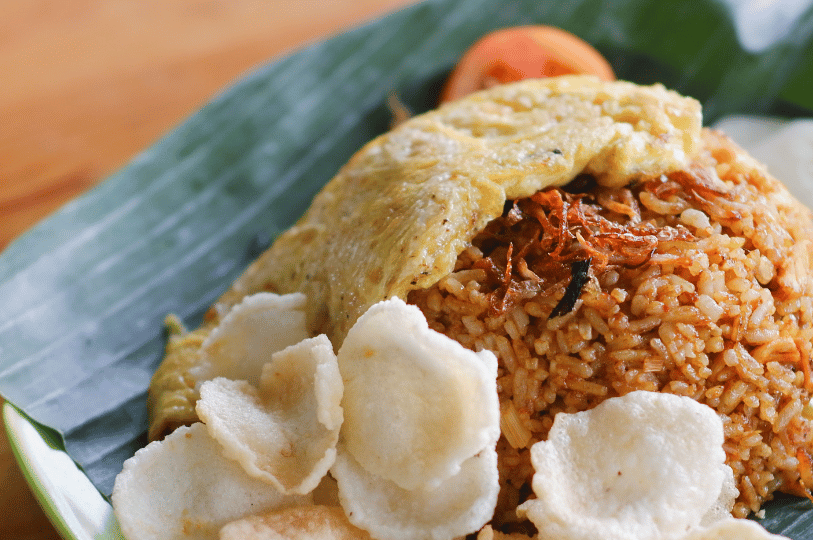
The art of the tease is a sophisticated approach to food photography. It is a dance between revealing and concealing, a technique that requires technical skill, artistic vision, and a deep appreciation for the subject. It moves beyond simple documentation and ventures into the realm of sensory and emotional storytelling.
With its inherent chaos, atmospheric energy, and incredibly textured dishes, Singapore street food provides the perfect canvas for practicing this craft. By embracing restraint and focusing on suggestion, you can create images that are not just beautiful, but deeply, unforgettably seductive. You can create a photograph that does not just show food, but makes you ache for it.

A Letter to the Faces Behind the Counter
June 16, 2026
You are turning over chicken wings when I first notice you. It is just past seven at Old Airport Road Food Centre, and the ceiling fans are pushing warm air down onto the tables. The…
-
How to Photograph Cuppage Plaza Food Without Disturbing the Room
June 15, 2026
The camera flash went off by mistake. It was a small, clumsy decision, but in the narrow, slightly smoky space of Kazu Sumiyaki, it felt much larger than it was. A few heads turned. The…
-
To the Stirring of the Wok in the Early Hours
June 12, 2026
The first sound is not the flame. It is the metal ladle touching the side of the wok, a small, hollow note that carries across the half-awake floor of Hong Lim Market & Food Centre….
-
Cuppage Plaza Food Guide: Japanese Restaurants and Hidden Gems in Singapore’s Little Tokyo
June 11, 2026
I started coming to Cuppage Plaza for the light. The building is old, a little worn at the edges, with narrow staircases and corridors that smell faintly of charcoal and sake by early evening. But…
-
A Note to the Knife That Cuts, But Never Hurries
June 9, 2026
The knife lands softly before it cuts. I hear it before I lift the camera. A low wooden sound, not sharp, not rushed. At Maxwell Food Centre, the lunch crowd is already pressing into the…
-
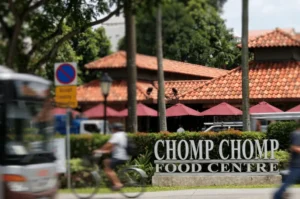
Wang BBQ Chicken Wing & Satay: Photographing Smoke, Wings, and Skewers at Chomp Chomp Food Centre
June 8, 2026
I reached Chomp Chomp Food Centre at 20 Kensington Park Road, Serangoon Gardens, Singapore on a Tuesday evening around 7pm, just as the place was beginning to thicken with supper energy. The tables were filling…
-
To the Fragrance That Lingers Long After the Meal
June 5, 2026
The evening air at Old Airport Road Food Centre is thick and warm. It wraps around me the moment I step away from the open street. I walk past the bright neon signboards, letting the…
-
Lau Pa Sat Satay Street: Photographing After-Work Satay in Singapore’s CBD.
June 4, 2026
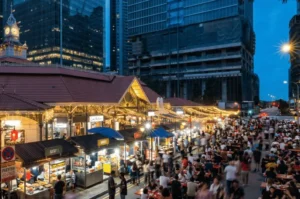
I visited Lau Pa Sat Satay Street on a Tuesday around 7pm, just as Boon Tat Street was changing its identity from a busy traffic route in Singapore’s CBD to a lively alfresco dining venue….
-
A Letter to the Hidden Moments Between the Shots
June 2, 2026
The afternoon heat settles heavily over Tiong Bahru Market. The frantic noise of the lunch hour is completely gone. I sit at a corner table near the open balcony. The green tiles reflect the warm,…
-
Izakaya Singapore: More Than Just After-Work Spots
June 1, 2026
When we talk about izakayas in Singapore, we often reduce them to simple after work drinks spots. We picture loud rooms where tired professionals go to drink cold beer and eat cheap bar snacks. But…