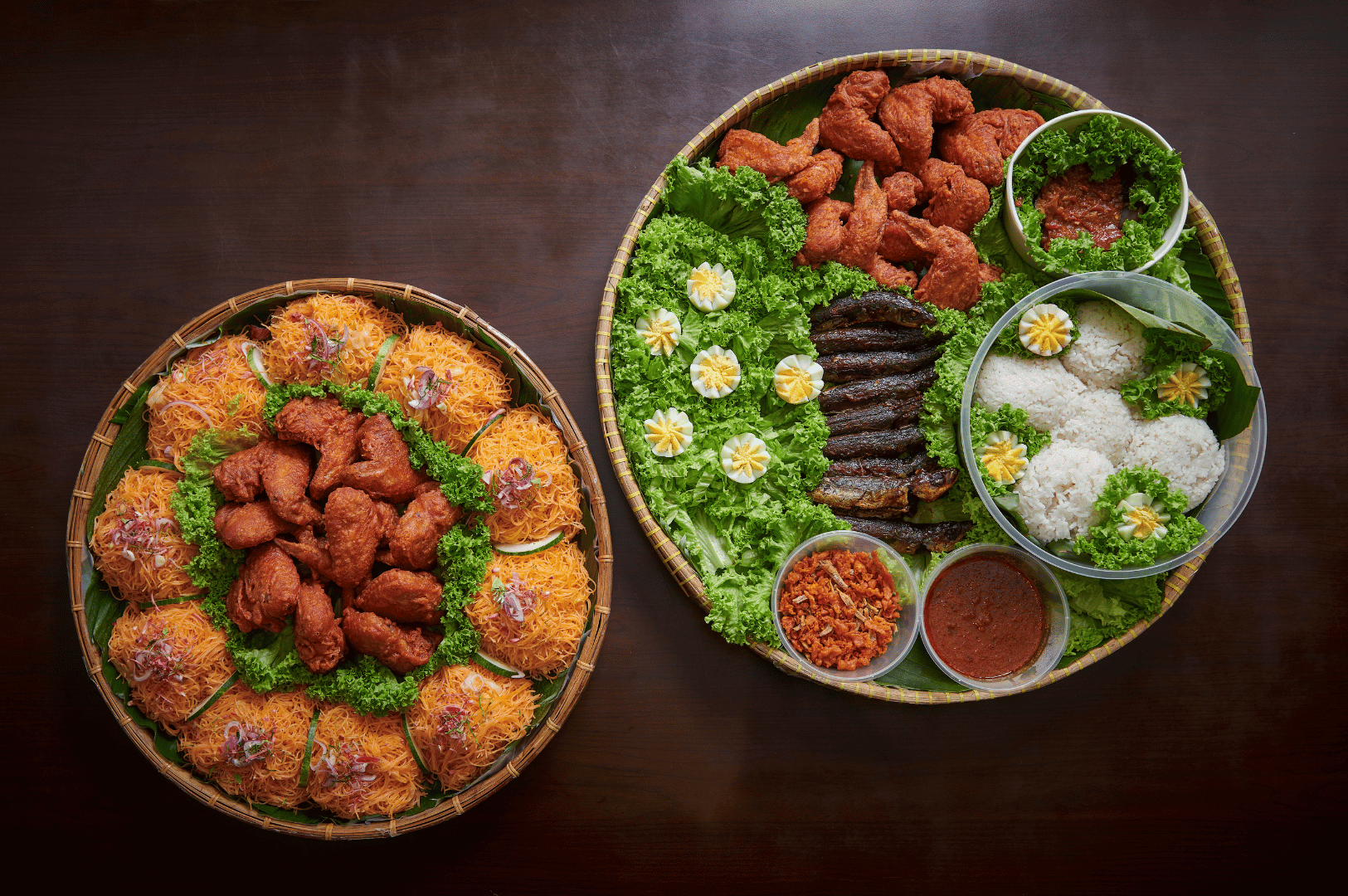
Step into Singapore’s hawker centers or heritage shophouses in Katong and Joo Chiat, and you’ll discover Peranakan cuisine—a vibrant fusion of Chinese ingredients and Malay cuisine. This culinary tradition, also known as Nyonya food, combines aromatic spices, coconut milk, and regional techniques to create authentic Peranakan food that tells the story of Singapore’s Peranakan heritage.
From crowd favourites like laksa and ayam buah keluak to modern reinterpretations by innovative chefs, Singapore’s Peranakan restaurants offer a journey through centuries of culinary fusion. A modern Peranakan restaurant often combines traditional recipes with contemporary twists, presenting classic flavors in inventive ways. In this guide, we explore the history of Peranakan food, signature Nyonya dishes, modern Peranakan restaurants—some of which have achieved Michelin star recognition for their exceptional cuisine—and even a home-friendly chicken curry recipe.
A Forbidden Beginning: How Peranakan Cuisine Emerged
The origins of Peranakan cuisine date back to the 15th and 16th centuries, when Chinese immigrants settled in the Malay archipelago, particularly Johor Bahru, Melaka, and Singapore. Marriages between Chinese men and local Malay women gave birth to the Peranakan community.
Initially, Chinese and Malay cuisine remained separate—pork and chicken followed Chinese rituals, while Malay dishes adhered to Islamic dietary laws. But over time, Chinese ingredients such as noodles and soy combined with Malay spices, coconut milk, and herbs like pandan leaves and kaffir lime leaves. This fusion gave rise to Nyonya cuisine, a hallmark of Singaporean Peranakan food with regional variations across Malaysia, Indonesia, and Singapore.
Must-Try Peranakan and Nyonya Dishes: Where to Eat Guide
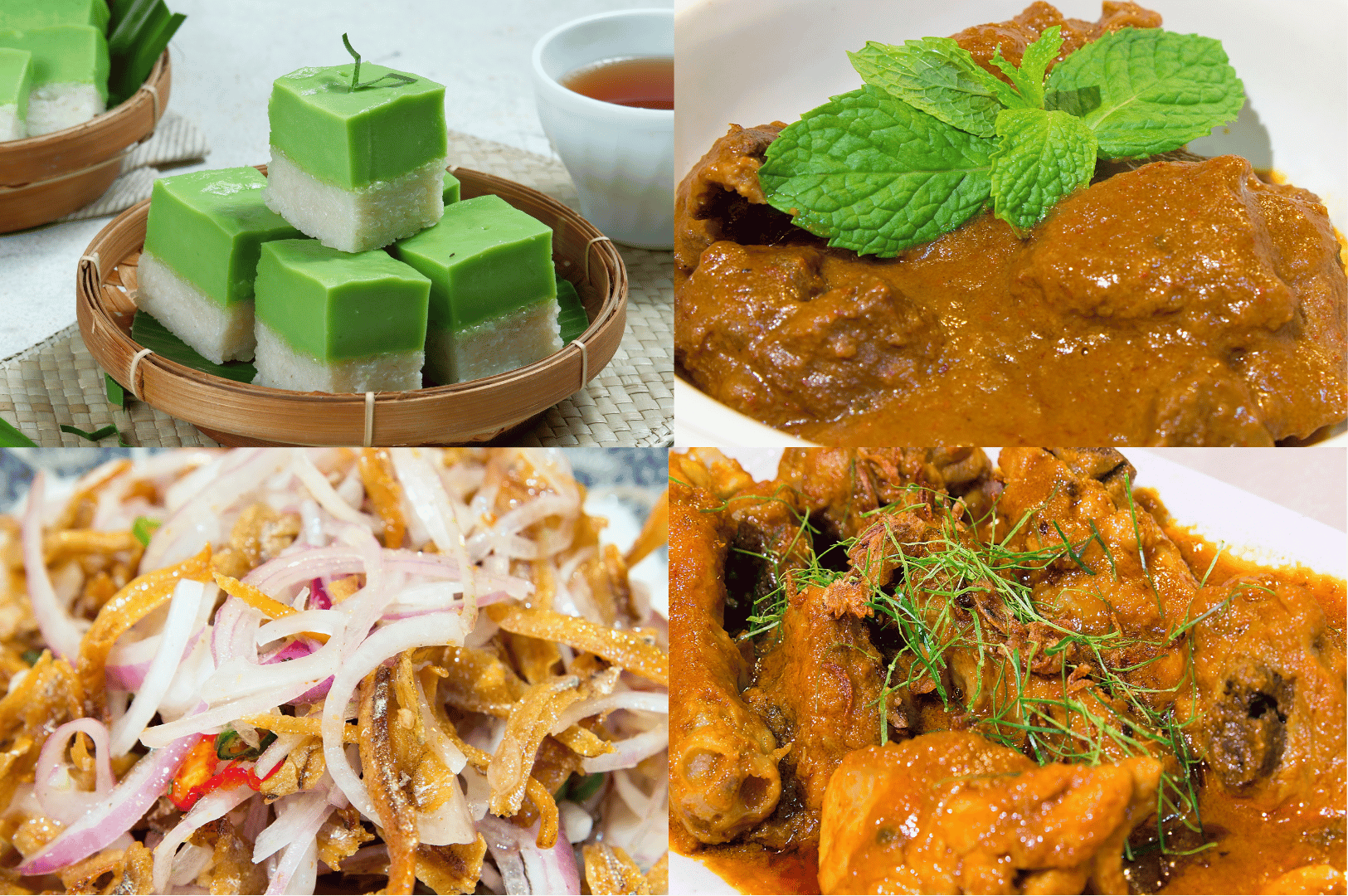
Singapore’s Peranakan cuisine is defined by bold flavors, aromatic spices, and a harmonious blend of Chinese ingredients with Malay cuisine. Here are the must-try Nyonya dishes that showcase the richness of authentic Peranakan food and where you can find them:
1. Laksa: 328 Katong Laksa & Sungei Road Laksa
Laksa is a spicy, creamy noodle soup that perfectly embodies the marriage of Chinese noodles and Malay curry spices. Its coconut milk base creates a rich, velvety texture, balanced with the heat of chili and the fragrance of lemongrass and turmeric. Topped with succulent prawns, tender fish cake, and aromatic laksa leaf, this dish is a crowd favourite at both hawker stalls and modern Peranakan restaurants such as the 328 Katong Laksa & Sungei Road Laksa.
328 Katong Laksa is renowned for its rich, coconut milk-based laksa lemak, offering a comforting bowl of spicy noodle soup that perfectly balances creamy and tangy flavors. This iconic spot is a must-visit for lovers of authentic Peranakan cuisine seeking a taste of Singapore’s famed nyonya laksa.
Sungei Road Laksa, a beloved hawker stall, serves a distinctive version of laksa that is celebrated for its robust spice mix and fresh ingredients. Known for its bold, spicy stew-like broth, this venue captures the essence of traditional Chinese Malay fusion cuisine, making it a favorite among locals and tourists alike.
Location: 328 Katong Laksa, Sungei Road Laksa.
2. Popiah: Ann Chin Popiah & Old Airport Road Hawker Centre
Popiah is a soft wheat crepe (Chinese) wrapped around slow-braised mixed vegetables, shrimp, and sometimes egg, sweetened with a light sweet sauce. Topped with deep-fried shallots and crushed peanuts, each bite is a contrast of textures—soft crepe, tender vegetables, and crunchy toppings. Traditionally prepared as a communal elaborate meal, popiah embodies the interactive, homegrown spirit of Peranakan food.
Both Ann Chin Popiah and Old Airport Road Hawker Centre are renowned spots in Singapore for enjoying fresh, authentic popiah. Ann Chin Popiah is famous for its hand-rolled popiah with a perfect balance of sweet and savory fillings, while Old Airport Road Hawker Centre offers a bustling hawker experience where popiah (and other Nyonya Cooking and Malay cooking such as perut ikan in banana leaves) is a beloved staple among locals and visitors alike.
Location: Ann Chin Popiah, Old Airport Road Hawker Centre.
3. Bak Kut Teh: Song Fa Bak Kut Teh & Founder Bak Kut Teh
A classic example of Chinese-Malay fusion, Bak Kut Teh features pork bones simmered for hours with aromatic spices like star anise, cinnamon, and cloves. Some regional variations incorporate coconut milk for added creaminess. Served with steamed rice and fried dough sticks, this hearty dish is perfect for those seeking comfort food with a Peranakan heritage twist.
Song Fa Bak Kut Teh is a well-established chain in Singapore known for its rich, herbal pork rib soup that combines traditional Chinese medicinal herbs to create a comforting and flavorful broth. Founder Bak Kut Teh offers a similar authentic experience with a focus on slow-simmered pork ribs and a robust blend of spices, making it a favorite among locals seeking classic Peranakan heritage dishes.
Location: Song Fa Bak Kut Teh, Founder Bak Kut Teh.
4. Nyonya Kueh: Bengawan Solo
Nyonya kueh are bite-sized, colorful desserts that highlight the artistry of Peranakan cuisine. Made with gula melaka, coconut cream, and pandan leaves, these sweets combine rich flavors with stunning visual appeal. Popular varieties include Ondeh-Ondeh (molten palm sugar balls), Kueh Lapis (rainbow-layered steamed pudding), and Kueh Dadar (pandan crepe rolls). These treats are often enjoyed during festive occasions, birthdays (birthday noodles), and family gatherings.
Bengawan Solo is a well-known bakery chain in Singapore famous for its wide variety of traditional Nyonya kueh, offering colorful, bite-sized treats made with authentic ingredients like gula melaka and pandan leaves. Their beautifully crafted kueh are popular for festive occasions and everyday indulgence, showcasing the artistry of Peranakan desserts.
Location: Bengawan Solo
5. Ayam Buah Keluak: Blue Ginger, Candlenut, & Simply Peranakan Cuisine
Ayam Buah Keluak is a signature chicken curry of Nyonya cuisine, infused with the earthy, nutty flavor of the buah keluak nut. Slow-cooked in coconut milk, tamarind, and spices, this dish delivers a complex, layered taste. Traditionally served with rice, it’s a must-try for anyone wanting to experience the depth and richness of authentic Peranakan
food.
- Blue Ginger: A well-established restaurant known for its hearty and authentic Peranakan food, Blue Ginger offers a rich and flavorful Ayam Buah Keluak that highlights traditional cooking techniques and ingredients, making it a favorite among locals and visitors seeking classic Nyonya dishes.
- Candlenut: Singapore's first Michelin-starred Peranakan restaurant, Candlenut elevates Ayam Buah Keluak with refined presentation and premium ingredients, blending traditional flavors with modern culinary innovation under the guidance of Chef Malcolm Lee.
- Simply Peranakan Cuisine: Renowned for its simple yet authentic approach, Simply Peranakan Cuisine serves a comforting Ayam Buah Keluak that stays true to the classic recipe, delivering rich, earthy flavors in a cozy and welcoming setting.
Location: Blue Ginger, Candlenut, Simply Peranakan Cuisine.
Key Ingredients and Techniques in Peranakan Food
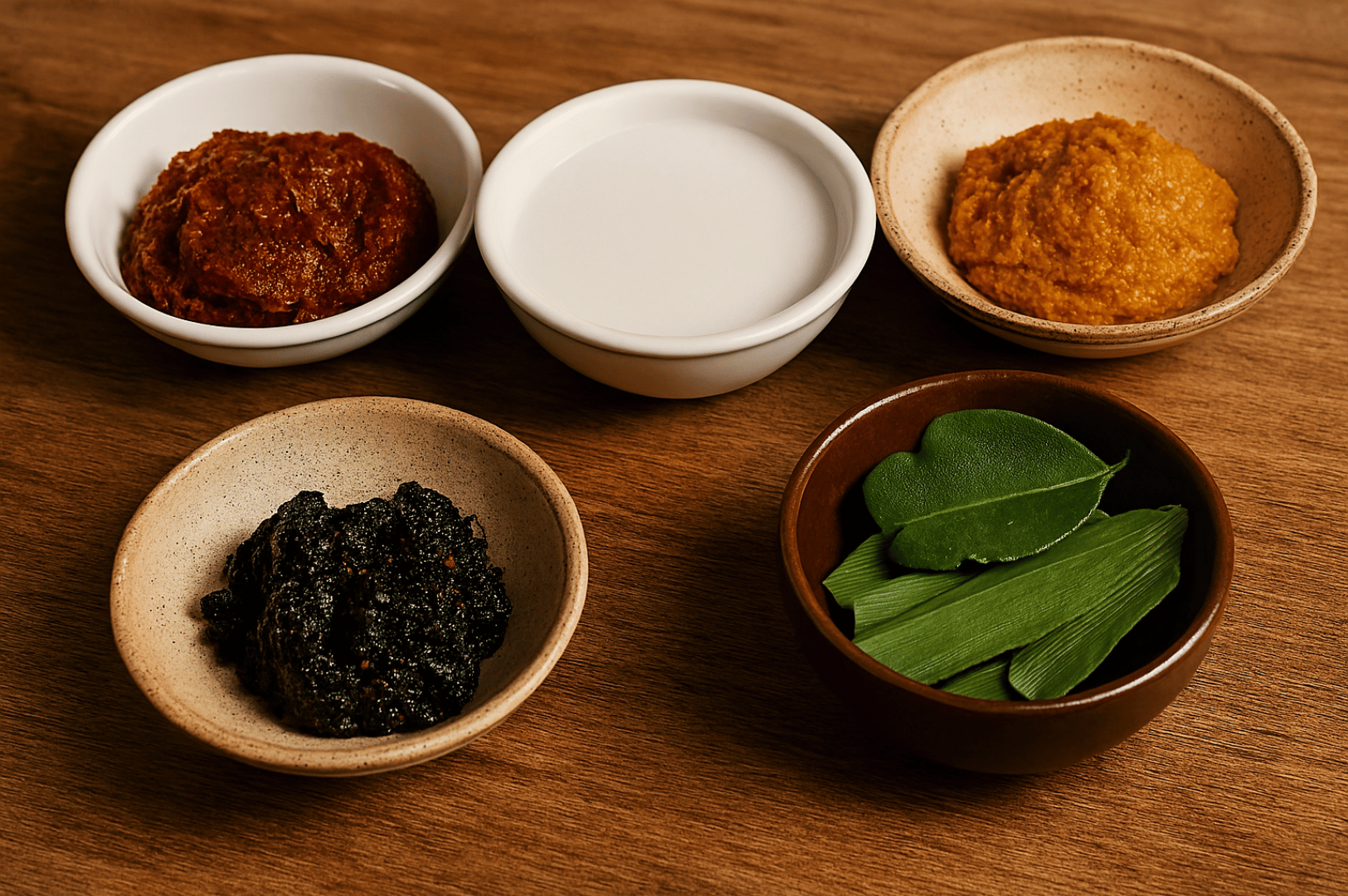
The magic of Peranakan cuisine lies in its fresh ingredients, complex spices, and careful techniques:
- Sambal Belachan: Fermented chili paste for spice and umami.
- Coconut Milk & Coconut Cream: Create richness in soups, curries, and stews.
- Rempah: Hand-pounded spice pastes with turmeric, galangal, lemongrass, and chilies.
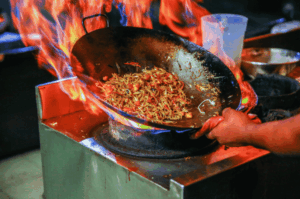
- Wok Hei: Smoky aroma from high-heat stir-frying.
- Kaffir Lime Leaves & Pandan Leaves: Signature Peranakan herbs for fragrance.
To truly appreciate Peranakan food, one must learn to cook using these traditional ingredients and methods—many chefs spend years perfecting their craft.
Peranakan Food in Joo Chiat: A Neighborhood’s Culinary Legacy
Nestled in the heart of Singapore’s east, Joo Chiat stands as a living tribute to the enduring spirit of Peranakan culture. This vibrant neighborhood is renowned for its colorful shophouses and, more importantly, its thriving Peranakan food scene. Here, the aroma of coconut milk, galangal, and kaffir lime leaves drifts from kitchens where time-honored recipes are lovingly prepared.
Joo Chiat’s Peranakan restaurants are celebrated for their dedication to authentic Peranakan cuisine. Whether you’re savoring a hearty bowl of nonya chap chye, indulging in the earthy richness of ayam buah keluak, or enjoying the tender, spice-laden beef rendang, each dish tells a story of cultural fusion. The cooking here is a harmonious blend of Chinese and Malay influences, with every bite revealing layers of tradition and innovation.
From family-run eateries to well-known establishments, Joo Chiat offers a diverse array of Peranakan food experiences. The use of fresh coconut, aromatic herbs, and signature ingredients like buah keluak ensures that every meal is both comforting and unforgettable. For anyone seeking the true taste of Singapore’s Peranakan heritage, a culinary journey through Joo Chiat is simply essential.
Halal Peranakan Options: Tradition Meets Inclusivity
Singapore’s food scene is ever-evolving, and the rise of halal Peranakan cuisine is a testament to the city’s spirit of inclusivity. Today, more Peranakan restaurants are embracing halal-certified ingredients and cooking methods, making it possible for everyone to enjoy the bold, spicy flavors of traditional Peranakan food.
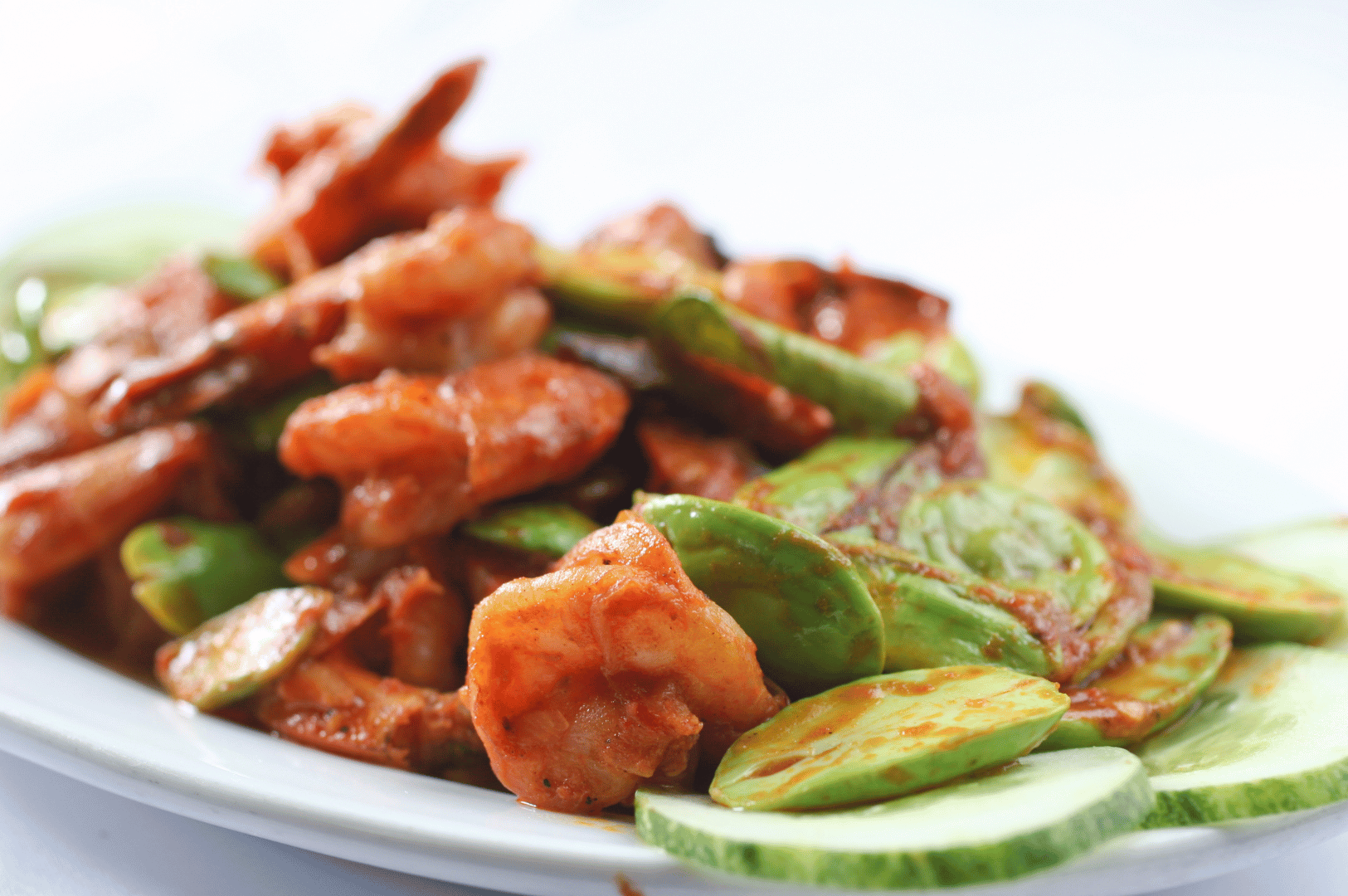
Halal Peranakan establishments like Old Bibik’s Peranakan Kitchen and Nyonyas & Gentlemen are redefining what it means to serve authentic Peranakan cuisine. Their menus feature crowd-pleasers such as spicy assam prawns, aromatic chap chye, and the luxurious wagyu beef rendang—all prepared in accordance with halal standards. These dishes retain the signature depth and complexity of Peranakan cooking, with rich coconut milk, vibrant spices, and a perfect balance of sweet, sour, and savory notes.
By honoring tradition while embracing diversity, halal Peranakan restaurants are opening up this beloved cuisine to a wider audience. Whether you’re craving a classic beef rendang or eager to try innovative new dishes, Singapore’s halal Peranakan food scene promises a delicious and inclusive dining experience for all.
Culinary Hotspots: The Best Peranakan Restaurants in Singapore
Singapore’s Peranakan restaurants range from hawker staples to Michelin-starred fine dining:
- Simply Peranakan Cuisine (Orchard): Known for wagyu beef rendang, ayam buah keluak, and nonya chap chye.
- Bonding Kitchen (Parkway Parade): Chef Danny brings authentic Peranakan food to life with mee siam, assam prawns, and beef rendang.
- Candlenut: Michelin starred Peranakan restaurant, famous for innovative Nyonya dishes.
- Peranakan Inn: One of the restaurants of the House of Peranakan. It offers cooking classes, teaching traditional recipes and elaborate meals with coconut cream, mixed vegetables, and chicken curry.
- Hawker Stalls: For assam pedas, laksa, and nonya kueh—every bite a taste of Peranakan heritage.
These establishments are renowned for serving some of the best Peranakan food in Singapore, attracting both locals and visitors seeking exceptional and authentic cuisine.
Modern Twists: Chefs Redefining Peranakan Cuisine
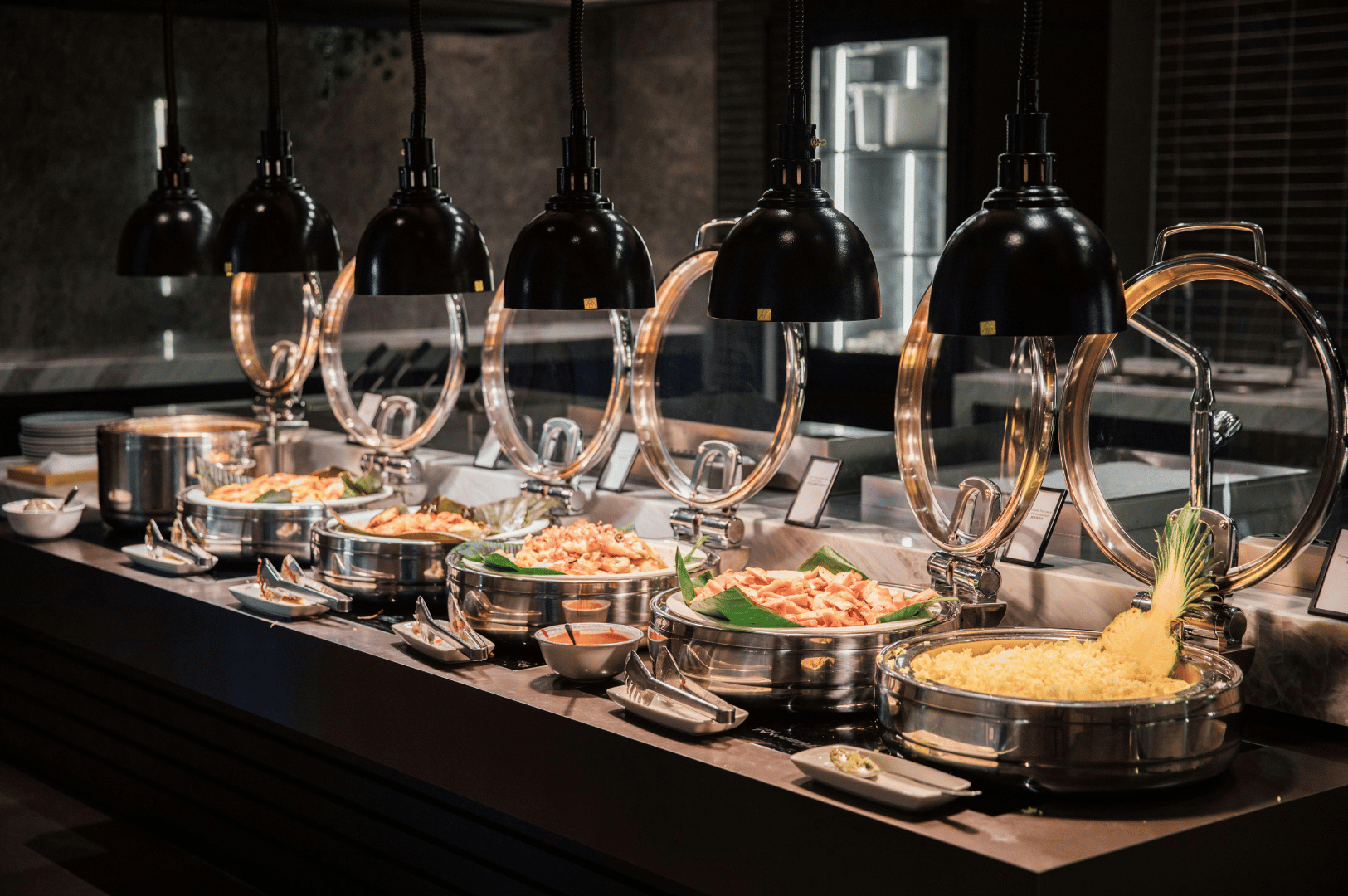
Today’s modern Peranakan restaurants blend tradition with innovation:
- Candlenut (Chef Malcolm Lee): Luxury takes on wagyu beef rendang and buah keluak ice cream.
- Labyrinth (Chef LG Han): Creative nyonya dishes, including lobster laksa with micro-herbs.
- Po Restaurant & Violet Oon Singapore: Elegant presentations of authentic Peranakan food.
Singapore’s Culinary Harmony: More Than Just Food
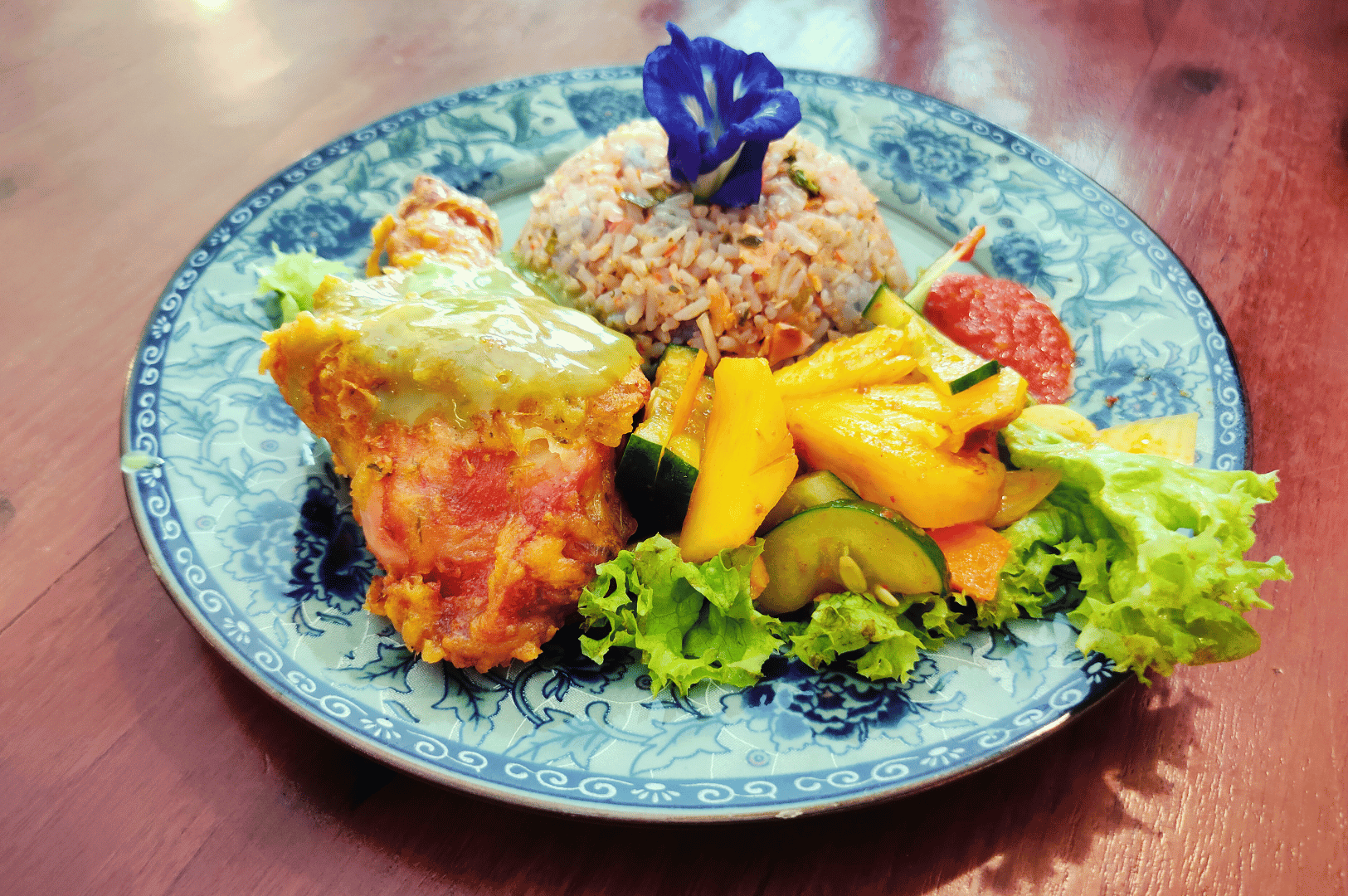
Peranakan cuisine is a celebration of cultural fusion, from everyday dinner to elaborate meals. From hawker stalls to Michelin starred Peranakan restaurants, every bite of Nyonya food tells the story of Singapore’s Peranakan heritage, where Chinese ingredients, Malay spices, and coconut milk come together in perfect harmony.
Whether you’re savoring ayam buah keluak, rolling your own popiah, or enjoying mee siam, each dish is a taste of history, tradition, and innovation—a flavorful reminder that in Singapore, fusion is not just celebrated, it’s a way of life.
For more local flavors, explore the essence of satay in Singapore’s hawker culture, or take a visual journey along the spice route of Little India through food photography.

Still Hour Light in a Quiet Hawker Centre Stall
April 25, 2026
By Aaron Ong For Street Food Photographer It is 3:15 PM. The ceiling fans move air that feels heavier than it looks, pushing it in slow circles across rows of empty tables. The lunch rush…
-
Hands That Stir Slowly: The Quiet Discipline Behind a Japanese Tonkatsu Stall in Toa Payoh
April 24, 2026
It is 12:30 PM in Toa Payoh. The hawker centre hums with the midday rush. People balance plastic trays while scanning the aisles for empty tables. Amid the clatter of woks and shouting voices, there…
-
To The Quiet Man Behind The Wok
April 21, 2026
It is 7:30 PM at Old Airport Road. The dinner rush is at its absolute peak, a chaotic symphony of scraping chairs, chattering families, and the heavy thud of cleavers against wooden blocks. Yet, as…
-
Japanese Food Singapore: Mapping Ramen Bars and Curry Counters on the East Side
April 20, 2026
When I first moved my photography workflow to the East Side, I assumed my dining options would be strictly limited to local heritage food. I spent weeks eating Katong laksa and Joo Chiat prawn noodles….
-
The Weight of a Broth: Following Tonkotsu Through Japanese Food, from Long Simmer to Late-Night Bowls
April 17, 2026
I still remember the first time I sat down for a proper bowl of tonkotsu ramen. It was just past 9 PM in Tanjong Pagar. I was exhausted after a long day of shooting on…

A Note Left Between Bowls and Steam
April 14, 2026
It is 3:15 PM. The ceiling fans push thick, warm air across the empty tables. The lunch rush faded hours ago, and the evening crowd has yet to arrive. I am sitting two rows away…
-
Japanese Curry Singapore: How Did Curry Roux Blend Into The City’s Districts?
April 13, 2026
It is slightly past one in the afternoon at a crowded food court in Tanjong Pagar. The air is thick with the smell of roasted coffee beans, frying oil, and the sharp, fermented tang of…
-
The Evolution of Japanese Food in Singapore: From Luxury Dining to Everyday Comfort
April 10, 2026
I was standing outside Ramen Keisuke on a humid Tuesday evening, camera resting against my hip. The queue stretched past three adjacent storefronts, a quiet line of office workers, students, and couples waiting patiently for…

To The Stall That Opens Before Sunrise
April 7, 2026
It is 4:15 AM. The estate is completely still, save for the low hum of the expressway in the distance. I walk through the darkened aisles of the hawker centre, my footsteps echoing against the…
-
Best Japanese Curry Singapore: Cozy Spots for Curry Rice and Street-Style Photos
April 6, 2026
Walking through the vibrant alleys of Bugis with a camera slung over my shoulder, the mingling scents of roasted spices and deep-fried meats tell a story of culinary convergence. Over the years, Japanese curry has…