When I first embarked on a photoshoot focusing on Singapore’s colonial cuisine, I didn’t realize how deeply food could connect us to history. It wasn’t just about snapping pictures of dishes; it was about capturing stories, heritage, and a fading culinary art that’s woven into the fabric of Singapore’s past. If you’re thinking about doing a similar project or simply want to appreciate this unique food culture, here’s what I’ve learned from my experience, both the triumphs and the stumbles.
Photography Studio and Session: Setting the Scene for Colonial Flavors
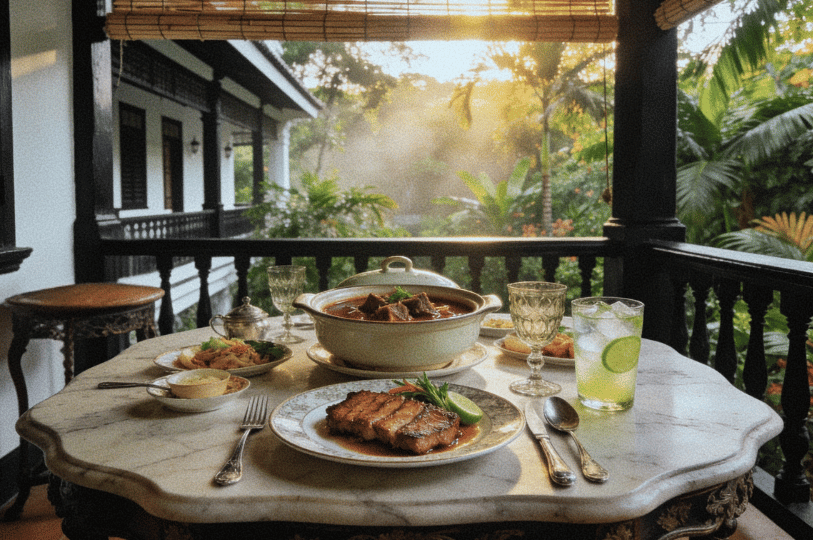
One of the first lessons I learned was that colonial cuisine demands patience and respect. Unlike the punchy, fast flavors of hawker food, these dishes unfold slowly, both in taste and in how you photograph them. During my first photography session, I rushed to get the lighting perfect but missed the subtle textures and the story behind the food. Now, I prefer to use natural light filtered softly through curtains, which brings out the delicate details in dishes like Mulligatawny soup or Oxtail Stew.
Insider knowledge: When shooting colonial dishes in a photo studio or on location, look for the little imperfections; the slight oil separation in curry or the flaky crust of a Chicken Pot Pie. These “flaws” add authenticity and tell a richer story.
The setting matters too. I chose a black-and-white colonial bungalow with marble floors and vintage silverware to complement the food’s heritage. If you want to do something similar, places like the Old Parliament House or the National Museum’s café area offer great backdrops with that nostalgic vibe. Whether in the comfort of a photo studio in Singapore or capturing golden hour glow at iconic spots like Marina Barrage or Southern Ridges, every photography session delivers an enjoyable, secure, and authentic experience.
Family Photos and Outdoor Family Portrait: Honoring the Artisans and Their Stories
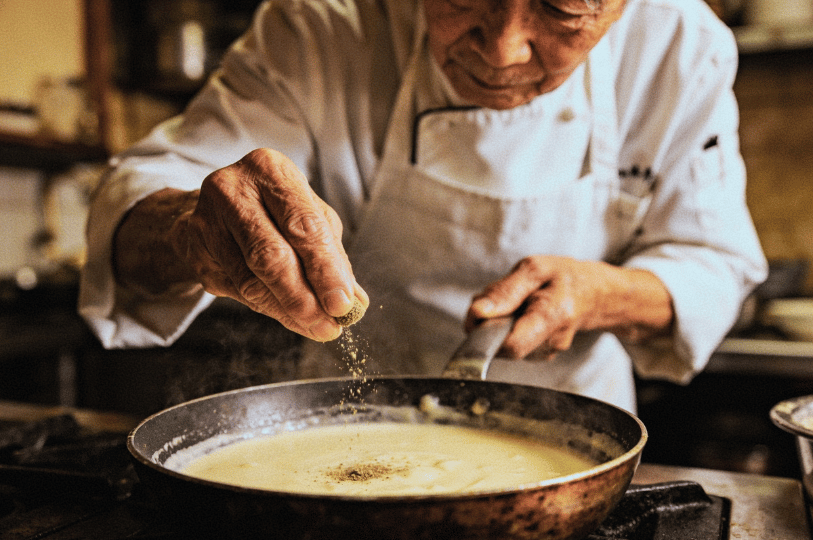
One of the most memorable parts of my shoot was working with Chef Aloysius, a septuagenarian who has spent decades perfecting colonial recipes. Watching his hands work, pinching nutmeg into béchamel sauce or browning meat just right, reminded me how much soul goes into this cuisine.
Pro tip: Don’t just photograph the food; capture the people behind it. Their unique story brings depth to your images and connects viewers emotionally.
I made the mistake early on of focusing solely on the dishes and missing these human moments. Now, I always allocate time to document the chefs or cooks preparing the food, which adds a layer of narrative that viewers appreciate. These are the hands that have fed generations of governors, businessmen, and families. They represent a lineage of Hainanese cooks who adapted Western recipes for local palates, creating something uniquely Singaporean.
Family Photography Session and Photo Shoot: A Taste of History in Beautiful Images
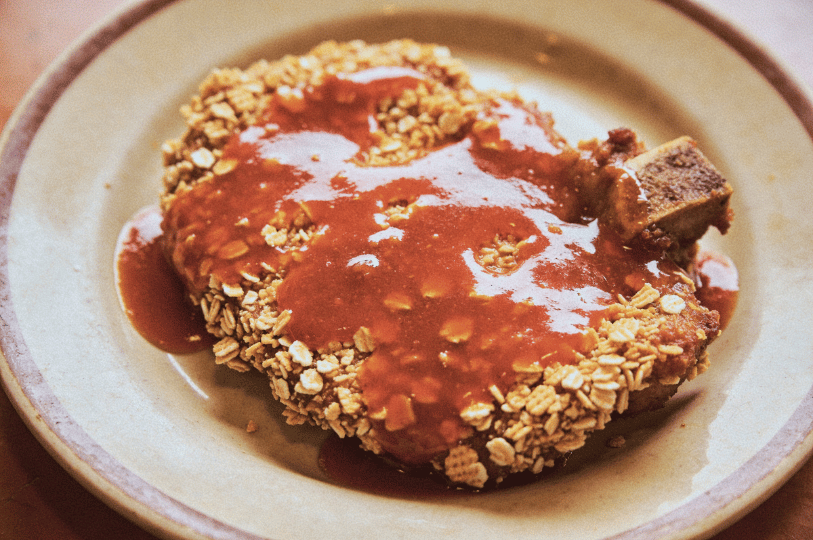
Singapore colonial cuisine is a vibrant fusion: a culinary dialogue between British and Asian influences. It’s neither purely British nor purely Asian but a creative blend crafted by Hainanese chefs who reimagined traditional English recipes like roast beef, stews, and puddings with local ingredients such as soy sauce, ginger, chili, and tropical spices.
Take the Hainanese Pork Chop, for example. At first glance, it looks like a Western breaded cutlet, but the crushed cream cracker breading and the tangy sauce made with Worcestershire and ketchup tell a uniquely local story. I found this dish at the iconic Loo’s Hainanese Café on Beach Road, where a plate costs around $12, a small price for a bite of history.
When photographing dishes like this, I’ve learned to focus on the story in the sauce and textures. Avoid overly stylized shots; instead, aim for natural compositions that reflect the dish’s character and best features.
Professional Photographer and Makeup Artists: Styling the Past for a Memorable Experience
Capturing the soul of heritage food photography required me to move beyond the high-contrast, saturated styles popular today. I found that using natural light softly diffused through sheer curtains recreated the hazy, humid afternoons of tropical Singapore, adding an authentic, painterly quality to the images. Photographing dishes like Oxtail Stew, I embraced subtle imperfections, the rich gravy, tender meat, and slight oil separation, that brought the food to life without artificial styling.
I carefully chose props like a vintage 1950s menu and a glass of iced lime juice to evoke the era and transport viewers back in time. For me, this project was more than just food photography; it was a way to honor Singapore’s colonial culinary heritage through my lens. Seeing the final photos, I felt proud to preserve beautiful memories of a fading tradition, creating timeless portraits that celebrate the rich flavors and stories behind each dish.
Outdoor Photography and Studio Photoshoot: Preserving Precious Moments Across Venues
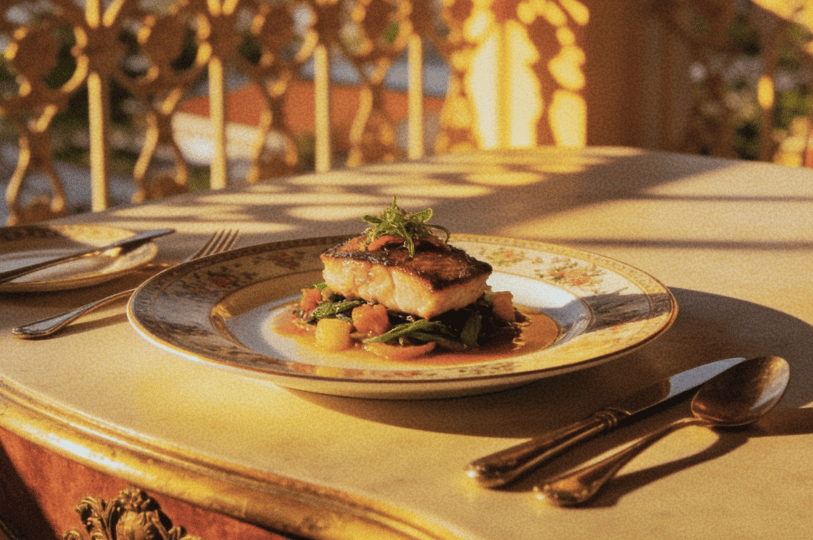
This kind of photoshoot in Singapore is not without challenges. Coordinating with chefs, finding authentic props, and managing lighting in older spaces can be tricky. Expect a full session to take about 2-3 hours, especially if you want to capture both food and artisan portraits.
The payoff, though, is worth it. These photos become visual heirlooms, preserving a culinary culture that’s slowly fading. Visiting historic culinary spots with the city skyline as backdrop, the photoshoot varies with setting, blending indoor studio precision with golden hour warmth outdoors. It’s a wonderful way to create lasting family portraits telling unique stories of heritage, flavor, and love shared among loved ones.
With a dedicated professional photographer and experienced team guiding poses and styling, including makeup artists enhancing presentation, every detail is crafted to perfection. The standard turnaround time for edited photos keeps anticipation alive, delivering high quality images preserving precious moments for generations to come.
FAQ: Your Guide to a Successful Colonial Cuisine Photoshoot in Singapore
Q: Can I do this kind of photoshoot without professional equipment?
A: You can start with a good mirrorless camera and natural light, but for best results, a professional photographer with lighting skills and styling experience is invaluable.
Q: How much should I budget for a colonial cuisine photoshoot?
A: Expect to spend around SGD $300-$500 for a 2-hour session with a professional photographer, including edited photos. Additional costs may include props or location fees.
Q: Where can I find authentic colonial dishes to photograph?
A: Try places like Loo’s Hainanese Café (Beach Road), The Halia at Singapore Botanic Gardens, or colonial clubs like The Tanglin Club (with permission).
Q: How do I make the food look fresh and appetizing in photos?
A: Shoot quickly after plating, use natural light, and avoid over-styling. Capture textures and colors that tell the story of the dish.
Final Thoughts: Create Memories and Timeless Beauty Through Your Photoshoot
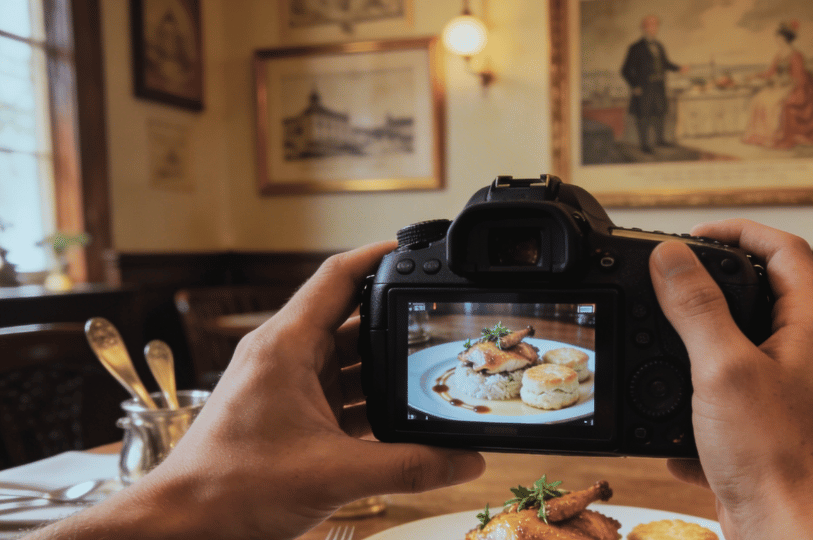
If you’re passionate about food and history, a colonial cuisine photoshoot is a rewarding challenge. I’d suggest taking your time, embracing imperfections, and focusing on the stories behind each dish and the people who make them. It’s not just about beautiful images. It’s about preserving a piece of Singapore’s heritage.
Remember, this takes patience and planning, but the memories you create, and the stories you tell, are priceless. So, gather your camera, find a chef with a unique story, and start capturing those flavors before they fade away.

Wang BBQ Chicken Wing & Satay: Photographing Smoke, Wings, and Skewers at Chomp Chomp Food Centre
June 8, 2026
I reached Chomp Chomp Food Centre at 20 Kensington Park Road, Serangoon Gardens, Singapore on a Tuesday evening around 7pm, just as the place was beginning to thicken with supper energy. The tables were filling…
-
To the Fragrance That Lingers Long After the Meal
June 5, 2026
The evening air at Old Airport Road Food Centre is thick and warm. It wraps around me the moment I step away from the open street. I walk past the bright neon signboards, letting the…
-
Lau Pa Sat Satay Street: Photographing After-Work Satay in Singapore’s CBD.
June 4, 2026
I visited Lau Pa Sat Satay Street on a Tuesday around 7pm, just as Boon Tat Street was changing its identity from a busy traffic route in Singapore’s CBD to a lively alfresco dining venue….
-
A Letter to the Hidden Moments Between the Shots
June 2, 2026
The afternoon heat settles heavily over Tiong Bahru Market. The frantic noise of the lunch hour is completely gone. I sit at a corner table near the open balcony. The green tiles reflect the warm,…
-
Izakaya Singapore: More Than Just After-Work Spots
June 1, 2026
When we talk about izakayas in Singapore, we often reduce them to simple after work drinks spots. We picture loud rooms where tired professionals go to drink cold beer and eat cheap bar snacks. But…
-
The Quiet Moments Before the First Order
May 29, 2026
The sky outside is still a deep, bruised purple. Inside the food centre at Toa Payoh Lorong 8, the air is cool and heavy with the scent of damp concrete and raw ginger. I sit…
-
Flame, Smoke, and Sizzle: The Art of Grilling in Singapore’s Izakayas
May 28, 2026
A chef stands behind a trough of white-hot binchotan charcoal. He holds a fan in one hand and carefully turns a row of wooden chicken skewers with the other. He does not rush. He waits…
-
To the Vendors Who Know No Rest, Yet Keep Going
May 26, 2026
The air at Chinatown Complex Food Centre always carries a thin layer of grey soot by the time the evening arrives. I stand near the edge of the green tiled floor. The noise of the…
-
The Heart of the Grill: The Master Craftsmen Behind Izakayas Singapore Prides On
May 25, 2026
When I first started photographing food in Singapore, I had a very narrow view of what Japanese dining looked like. I walked right past the smoky, loud, narrow storefronts of local izakayas. I thought they…
-
A Quiet Reflection from the Corner of the Hawker Centre
May 22, 2026
The red plastic chair scrapes against the tiled floor. I set my camera bag on the empty seat next to me. The afternoon heat at Old Airport Road Food Centre is thick. A slow ceiling…