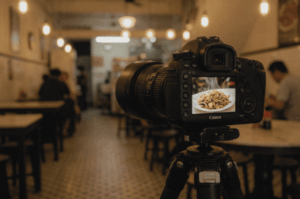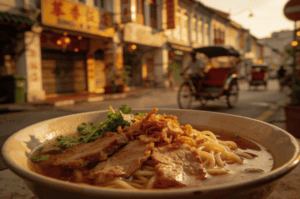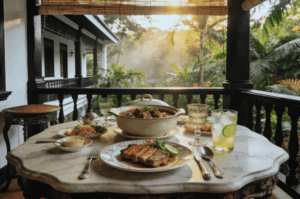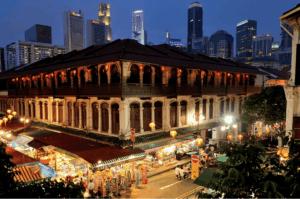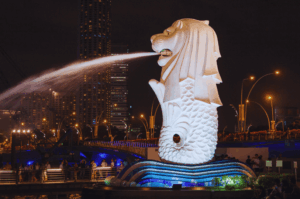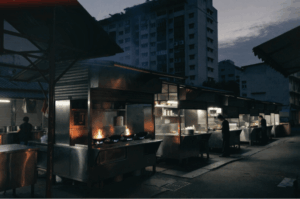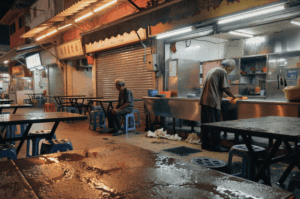
We often think of food photography as a way to stimulate appetite or showcase a chef’s creation. However, in multicultural Singapore, it captures much more: history, faith, and identity. Food blogs have evolved from recipe diaries into vital cultural archives, preserving heritage for future generations. Nowhere is this clearer than in documenting religious culinary traditions. In Singapore, where food and faith intertwine, photographing these dishes honors rituals that unite communities and ensures the stories behind traditional food Singapore endure.
The Role of Food Blogs as Cultural Archives
In an era where trends change with the swipe of a finger, traditional practices are increasingly vulnerable. Recipes passed down orally can fade away as older generations pass on. This is where the digital space steps in. Food blogs serve as accessible, living libraries and vibrant platforms showcasing the rich tapestry of Singaporean food culture. Unlike static history books, they offer a dynamic and visual record of how people live, eat, and worship today, often highlighting iconic dishes like chicken rice and kaya toast.
When a blogger documents a religious festival or a ritual meal, they are archiving intangible cultural heritage. They are recording the specific ingredients used, the methods of preparation that often carry symbolic meaning, and the context in which the food is consumed. This includes preparations involving fragrant rice cooked with chicken fat, flavorful broth, and the use of dark soy sauce in traditional recipes. For the diaspora communities in Singapore, these blogs become a way to reconnect with roots and understand the significance of their heritage. They provide a window for outsiders to learn and appreciate the depth of a culture that is different from their own. By treating these culinary traditions with the seriousness they deserve, bloggers elevate food photography from mere aesthetics to anthropology.
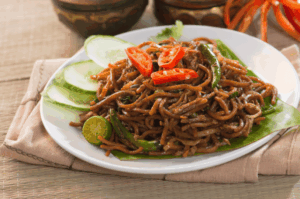
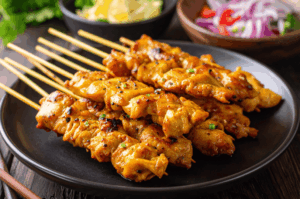
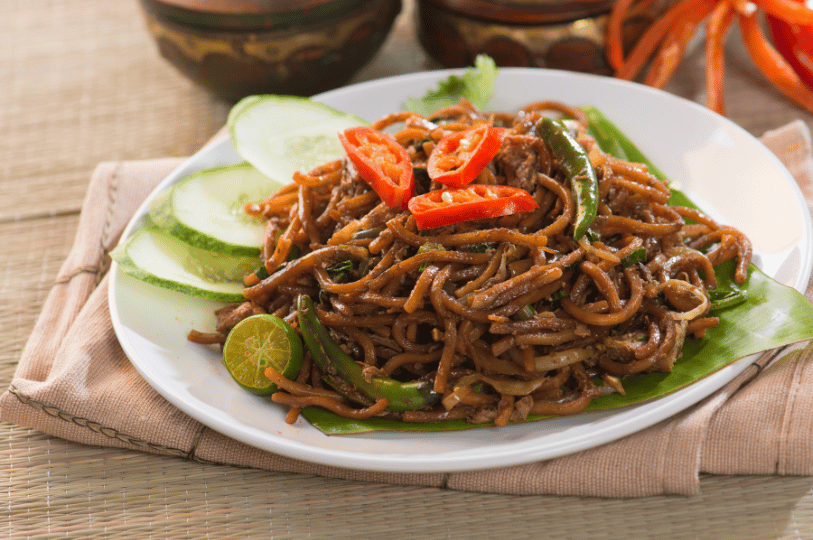
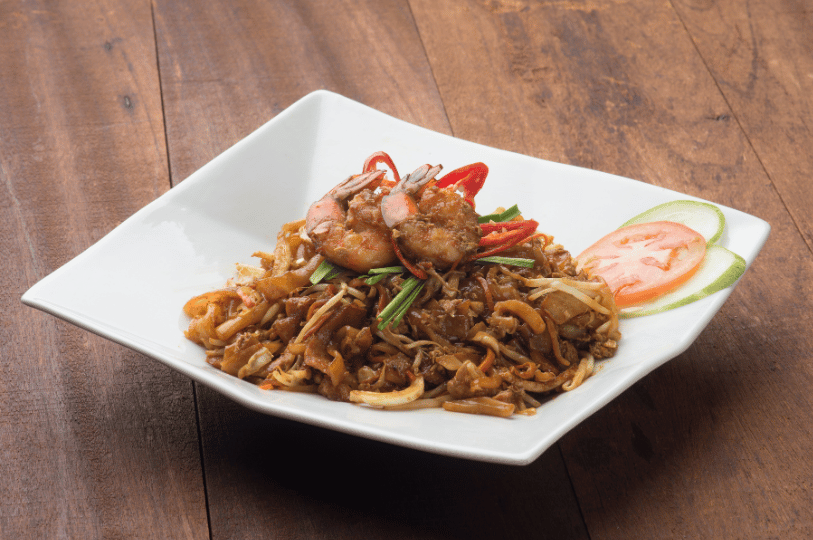
Moreover, food blogs often feature the best hawker stalls where one can savor authentic dishes such as char kway teow, fried hokkien mee, nasi lemak, and chili crab. These blogs capture the vibrant atmosphere of hawker centres, showcasing dishes cooked over high heat, like stir fried egg noodles and flat rice noodles, often accompanied by savory ingredients like Chinese sausage, shrimp paste, and pork lard. The inclusion of local favorites like satay and refreshing desserts such as shaved ice topped with red beans further enriches the narrative, connecting readers to the full spectrum of Singaporean food.
In essence, food blogs are not just about sharing recipes or food photography; they are about preserving and celebrating the culinary heritage of Singapore, from the humble breakfast of kaya toast and soft boiled eggs to the festive tables laden with katong laksa and other traditional dishes. Through these digital archives, the stories behind each dish and the cultural significance they carry continue to thrive, inviting everyone to experience the melting pot of flavors that define Singaporean food culture.
Religious Culinary Traditions in Singapore
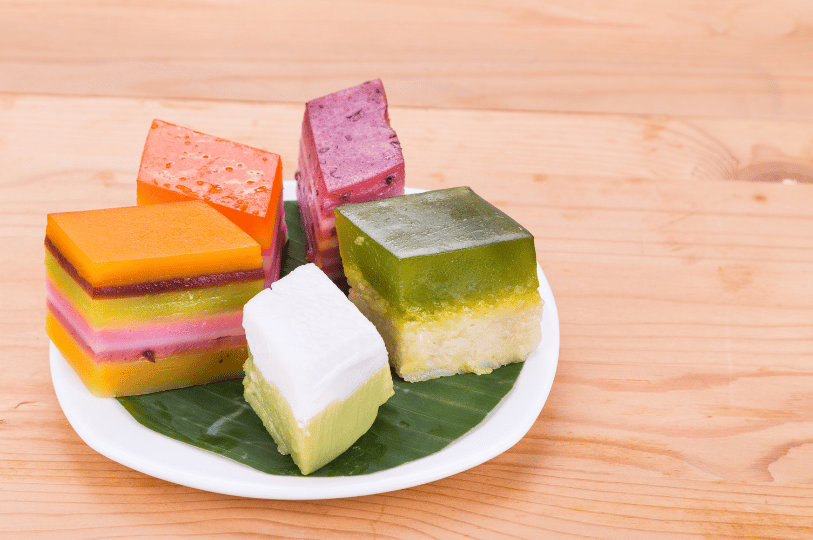
Singapore is a tapestry of faiths, each with its own rich culinary language. The island's religious calendar is marked by distinct flavors and dishes that define specific festivals.
Chinese Festival Foods: Carrot Cakes and Roast Meat
The Chinese community's religious observances are deeply intertwined with food symbolism. During the Lunar New Year, dishes like yusheng (raw fish salad) are not just eaten; they are performed. The act of tossing the salad high into the air while shouting auspicious phrases is a ritual for prosperity. Then there are the intricacies of the Hungry Ghost Festival, where elaborate food offerings are laid out for wandering spirits.
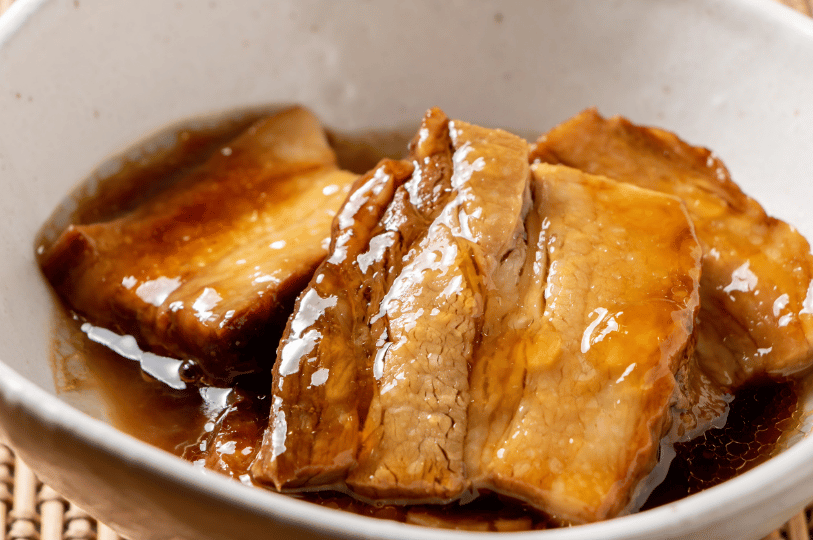
Photographing these setups requires an understanding of the placement and types of food offered, such as delicious roast meats, fragrant rice cooked with chicken fat, traditional kueh like rice cakes and carrot cake, and other symbolic items, each chosen for a specific spiritual purpose. These offerings often include dishes featuring soy sauce, pork, and seafood, reflecting the rich flavors of Singaporean food traditions.
Malay Hari Raya Dishes: In Hawker Centers and Hawker Stalls
For the Malay Muslim community, Hari Raya Aidilfitri marks the end of Ramadan, a month of fasting. The celebration is synonymous with a feast of traditional food Singapore classics like beef rendang, ketupat (rice cakes woven in palm leaves), and sayur lodeh. These dishes are labors of love, often taking hours or days to prepare.
The visual documentation of the communal cooking process, known as gotong-royong, captures the spirit of togetherness and charity that defines the festival. The rich and flavorful broth of these dishes often blends coconut milk and aromatic spices, creating a taste that delights the taste buds. Ketupat, made from fragrant rice cooked and wrapped in pandan leaves, is a staple served alongside other dishes like fried chicken and sambal chili sauce.
This festive spread is commonly enjoyed at hawker centres and family gatherings, reflecting the vibrant melting pot of Singapore food culture. The tradition of sharing food during Hari Raya also extends to popular snacks like kuih, which include colorful rice cakes and sweet treats made with palm sugar and coconut milk, all of which highlight the unique flavors of Peranakan food and Malay cuisine.
Indian Deepavali Sweets (And Savory Dim Sum & Roti Prata)
Deepavali, the Festival of Lights, is a celebration of the triumph of light over darkness, visually exploding in vibrant colors. The culinary focus here is often on sweets, or mithai, which are shared among family and neighbors.
Photographing the intricate silver leaf on kaju katli or the golden syrup dripping from jalebi captures the joy and sweetness of the occasion. These foods are often offered to deities during prayers before being consumed, bridging the gap between the divine and the mortal. The festival's food traditions blend Chinese, Malay, and Indian influences, reflecting Singapore's melting pot culture.
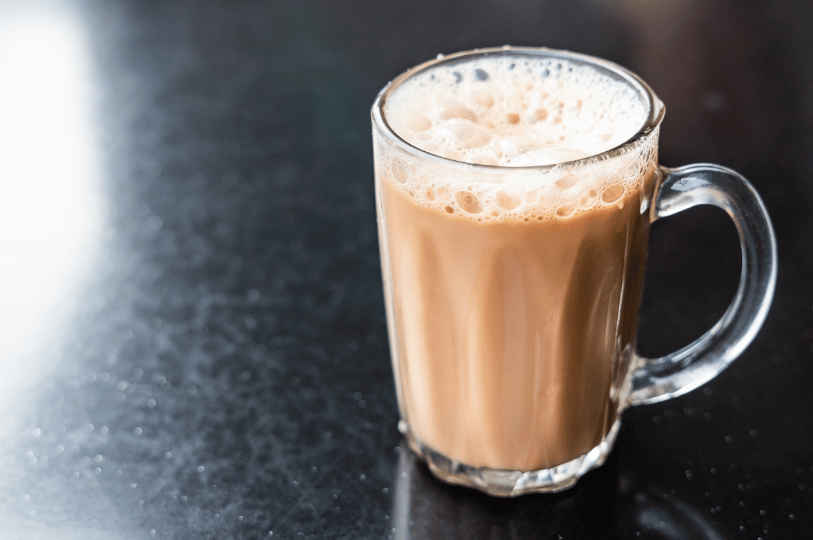
Alongside sweets, savory dishes such as roti prata and dim sum are enjoyed, often accompanied by teh tarik or local coffee from traditional coffee shops. The vibrant spread might include soft boiled eggs, bean sprouts, and flat rice noodles, showcasing the diversity of Singaporean food. Deepavali food photography captures not only the flavorful broth of curries but also the stir fried snacks and the rich use of shrimp paste and pork lard in some dishes, highlighting the festival's culinary richness.
Peranakan Food Cuisine and Ancestral Worship
The Peranakan community, blending Chinese and Malay heritage, deeply values ancestral worship. The Tok Panjang feast, laid on a long table for special occasions, features dishes like ayam buah keluak and babi pongteh prepared with care as offerings. Documenting these spreads includes capturing the specific porcelain ware (nyonyaware) and altar settings, telling a story of filial piety and respect for lineage.
This feast often features fragrant rice cooked with chicken fat, tofu puffs, and other traditional dishes that blend Chinese and Malay flavors, reflecting the melting pot of Singaporean food culture. Such detailed food blogs preserve the humble origins of Peranakan food and showcase its rich heritage, making them essential resources for those who visit Singapore and want to understand its culinary traditions.
Photography Techniques for Documenting Religious Foods
Photographing religious food requires a different approach than shooting a cafe brunch. The goal is authenticity and atmosphere rather than stylized perfection.
Lighting for Atmosphere
Religious ceremonies often take place in temples, mosques, or home altars with dim or mixed lighting. Instead of harsh flash, use natural or ambient light to capture the glow of oil lamps or incense smoke, adding a spiritual quality to the image. This respects the sanctity of the space while highlighting the texture and color of the food.
Capturing the Process
The preparation of religious food is often ritualistic. Focus on the hands: folding dumplings, stirring porridge at a mosque, or arranging fruits on an altar. These close-ups highlight the human devotion behind the food, shifting attention from the final dish to the act itself.
Contextual Composition
While close-ups are beautiful, context is crucial for cultural documentation. Pull back to show where the food is placed. Is it on a banana leaf in a temple courtyard? Is it on an altar next to burning incense? Including these surroundings grounds the image in its specific cultural reality. As discussed in our guide on "Composition's Sweet Spot: A Guide in Framing Desire for Food Bloggers in Singapore," using techniques like layering can add depth to these stories, placing the food within its rightful environment.
Ethical Considerations in Cultural Documentation
With the power of documentation comes the responsibility of ethics. When engaging with religious traditions, respect must be the priority.
Seeking Permission
- Always ask for permission before photographing religious ceremonies or private home altars.
- Some rituals are sacred and meant to be private.
- A polite request explains your intent to document and learn, not exploit.
- Respect any refusal immediately.
Understanding Context
- Avoid photographing blindly; understand what you are viewing.
- Determine if the food is meant to be eaten or is purely an offering.
- Be aware of taboos associated with certain ingredients or colors.
- Avoid misrepresenting religious practices to prevent misinformation and offense.
- Accuracy shows respect.
Avoiding Cultural Appropriation
- Appreciate traditions by observing and sharing their beauty.
- Avoid appropriation by not taking elements out of context for aesthetic gain.
- Always credit the culture and people sharing their traditions.
- Use your platform to amplify their voices, not just beautify your feed.
Preserving Stories Behind the Dishes
A photograph of a bowl of curry is just an image. But when explained as a communal meal served to thousands at a Sikh Gurdwara during Langar, it tells a powerful story of equality and service. Food blogs have the unique space to share such stories.
Pairing visuals with narrative is essential. Interview cooks, ask elders about festival dough shapes, and record myths linked to ingredients. For instance, explaining why mooncakes are eaten during the Mid-Autumn Festival connects viewers to ancient folklore of rebellion and lunar worship.
These narratives transform a blog post into a historical document, capturing the "why" behind the "what." Sharing labor, prayers over the pot, and family memories tied to taste preserves the soul of the tradition, especially crucial for traditional food Singapore, where modernization threatens to erase rich cultural practices.
Building Community Through Food Blogs
Food blogs create a space for dialogue, connecting people through shared heritage. A post about a Tamil harvest festival dish can spark conversations about family variations.
For younger generations, these blogs bridge the gap to ancestral traditions, making heritage accessible and relevant. High-quality photography celebrates culture, inspiring pride and curiosity to preserve recipes and customs. These archives also promote cross-cultural understanding. Knowing neighbors' religious food traditions builds empathy and respect, seeing food as a sacred identity, not "exotic" or "strange."
Photographers and storytellers must document religious culinary traditions with respect, accuracy, and artistic integrity to ensure traditional food Singapore thrives. Capture not just flavor, but spirit; your blog may keep a tradition alive.

Imperial Diversity Through Photo Shoot Singapore Projects
March 2, 2026
When I set up my tripod in a bustling kopitiam or a quiet heritage restaurant, I am constantly reminded that I am not just photographing a meal. I am photographing a map. Every photo shoot…
-
Historic Flavors Shoot Singapore: Post-Processing for Period Authenticity
February 27, 2026
When I look through the viewfinder at a plate of heritage kueh or a steaming bowl of rickshaw noodles, I am not just capturing food; I am framing a memory. The challenge for any documentary…
-
Colonial Cuisine Photoshoot: Styling Singapore’s Historic Flavors
February 23, 2026
When I first embarked on a photoshoot focusing on Singapore’s colonial cuisine, I didn’t realize how deeply food could connect us to history. It wasn’t just about snapping pictures of dishes; it was about capturing…
-
Coal, Fire, and Memory: A Singapore Food Blogger Revisits Tanjong Pagar’s Industrial Kitchens
February 20, 2026
It had been a while since I set a day to wander through the back lanes of Tanjong Pagar. When I decided to come back to the place left me star-struck, not by the polished…
-
Three Generations, One Perfect Dumpling: A Food Blogger’s Journey in Chinatown’s Hidden Alley
February 16, 2026
Why This Alley is a Must-Visit for Food Lovers and Food Bloggers The first time I ventured into this tucked-away alley in Singapore’s Chinatown, I was awestruck by how different it felt from the bustling…
-
After Dark Cravings: A Guide to Night Singapore for Foodies
February 13, 2026
When I first landed in Singapore, I thought I knew what to expect: futuristic skylines, spotless streets, and, of course, amazing food. I did end up seeing all those things but what truly blew me…
-
Dawn Awakening: Morning Market Food Blog
February 9, 2026
The city is still dreaming when the first fires are lit. It is 4:30 AM, an hour that belongs to the insomniacs and the dedicated artisans of our food culture. While the skyscrapers of the…
-
The Last Hour: Closing Time Through the Eyes of A Food Blogger
February 6, 2026
The roar of the hawker center fades as the clanking woks and sizzling grills soften to a murmur. Most plastic tables are empty, wiped clean, awaiting a new day. This last hour is a sacred,…
-
Food Blogs as Cultural Archives: Photographing Religious Culinary Traditions
February 2, 2026
We often think of food photography as a way to stimulate appetite or showcase a chef’s creation. However, in multicultural Singapore, it captures much more: history, faith, and identity. Food blogs have evolved from recipe…
-
Composition’s Sweet Spot: A Guide in Framing Desire for Food Bloggers in Singapore
January 30, 2026
You have found the perfect bowl of bak chor mee. The noodles glisten, the minced pork is perfectly seasoned, and the chili sauce adds a vibrant splash of red. You snap a quick picture, but…