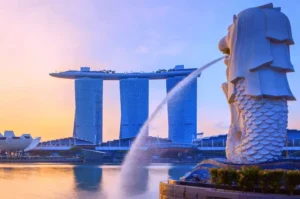
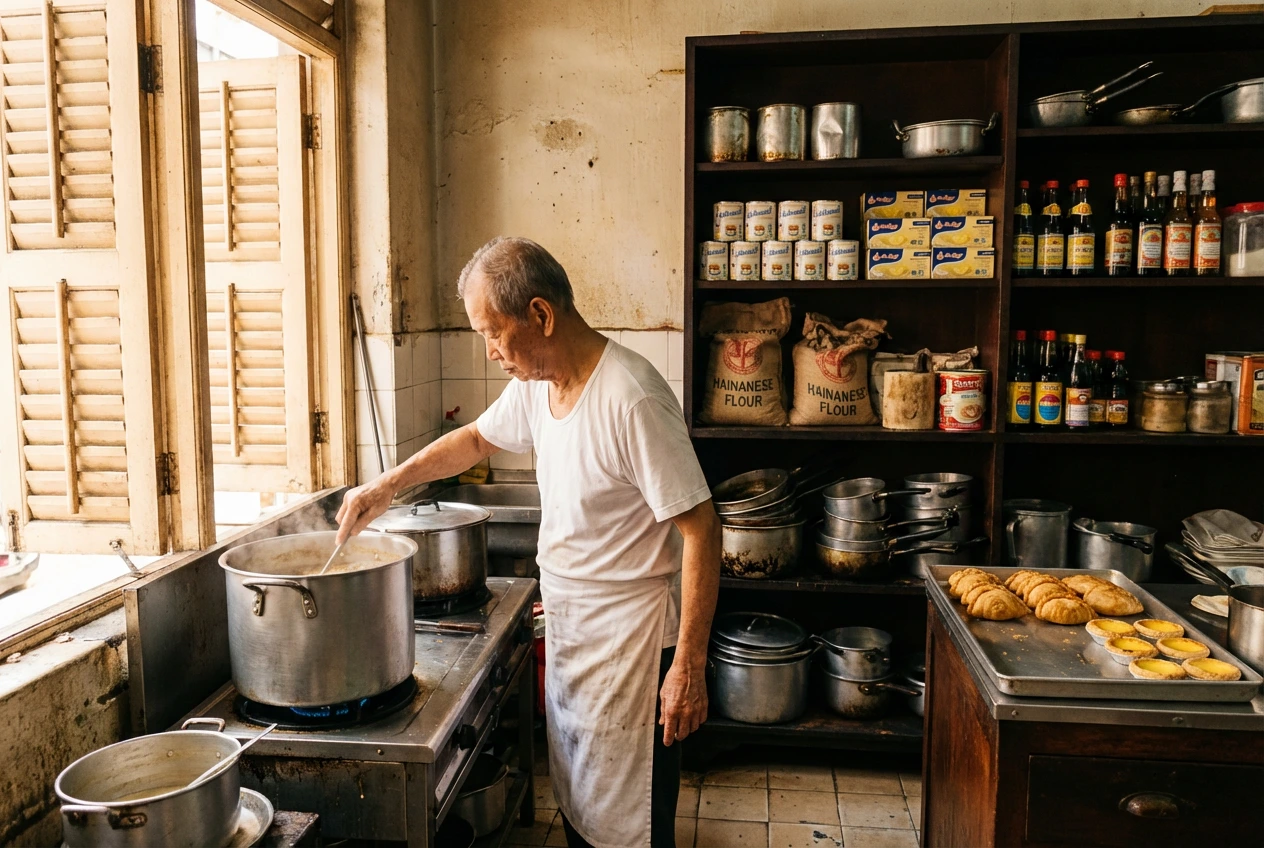
The story of Singapore cuisine is impossible to tell without acknowledging its colonial past. As a strategic port for the British Empire, Singapore became a magnet for a diverse range of people and products. From Europe came butter, flour, coffee, and condensed milk, ingredients that introduced British culinary traditions such as roasts, stews, pies, and afternoon tea.
However, these traditions did not remain static. They were handed to the Hainanese chefs in colonial homes and clubs, who applied their own techniques and palate, incorporating local ingredients like coconut cream and soy sauce, forever changing their DNA.
This series is not about romanticizing empire but documenting the resilience and creativity of local communities who took foreign influences and made them irrevocably their own, resulting in iconic local dishes now staples in hawker centres across the island.
The Colonial Culinary Legacy
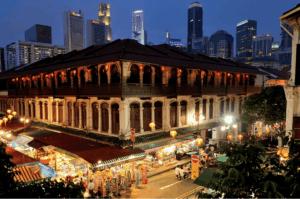
Singapore’s colonial footprint is not confined to the civic district’s grand monuments. It bleeds into the vernacular architecture of our ethnic enclaves, creating distinct backdrops for SG photography that beautifully capture the city’s rich heritage and culinary stories.
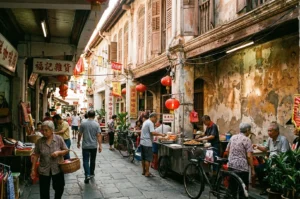
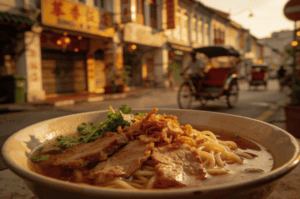
In Chinatown, the architecture is intimate and layered with history. The narrow shophouses with their ornate facades and louvered windows create a rhythm of shadow and light, perfect for framing street food vendors serving iconic dishes. Here, the culinary heritage is centuries old, hidden in alleys where the smell of brewing Nanyang coffee mingles with the aroma of freshly prepared pork and prawns, a sensory experience that every food lover and photographer should not miss.
Moving towards Kampong Glam, the visual language shifts dramatically. The influence is Arab and Malay, centered around the golden dome of the Sultan Mosque. The shophouses here are painted in vibrant hues, housing eateries that have been serving traditional dishes like murtabak and nasi padang since the early 1900s. This area is a treasure trove for those seeking to capture the passion and stories behind every plate, making it a highly recommended stop on any Singapore food tour.
Little India offers a sensory explosion that’s unmatched. The colonial-era shophouses, adorned with intricate plasterwork, provide stunning backdrops for spice merchants and sweet shops. The air is thick with turmeric and incense, and the bustling streets are filled with the fun and flavor of dosas, curries, and other Indian delights prepared from scratch using authentic recipes passed down through generations.
In these neighborhoods, the architecture and food are inseparable partners in a historical narrative. They tell the story of Singapore’s multicultural identity, a country where all the ingredients of its colonial past and diverse cultures blend seamlessly. For photographers and food enthusiasts alike, capturing this synergy is an adventure that reveals the true taste and spirit of Singapore.
Dishes of Fusion: A Culinary Dialogue
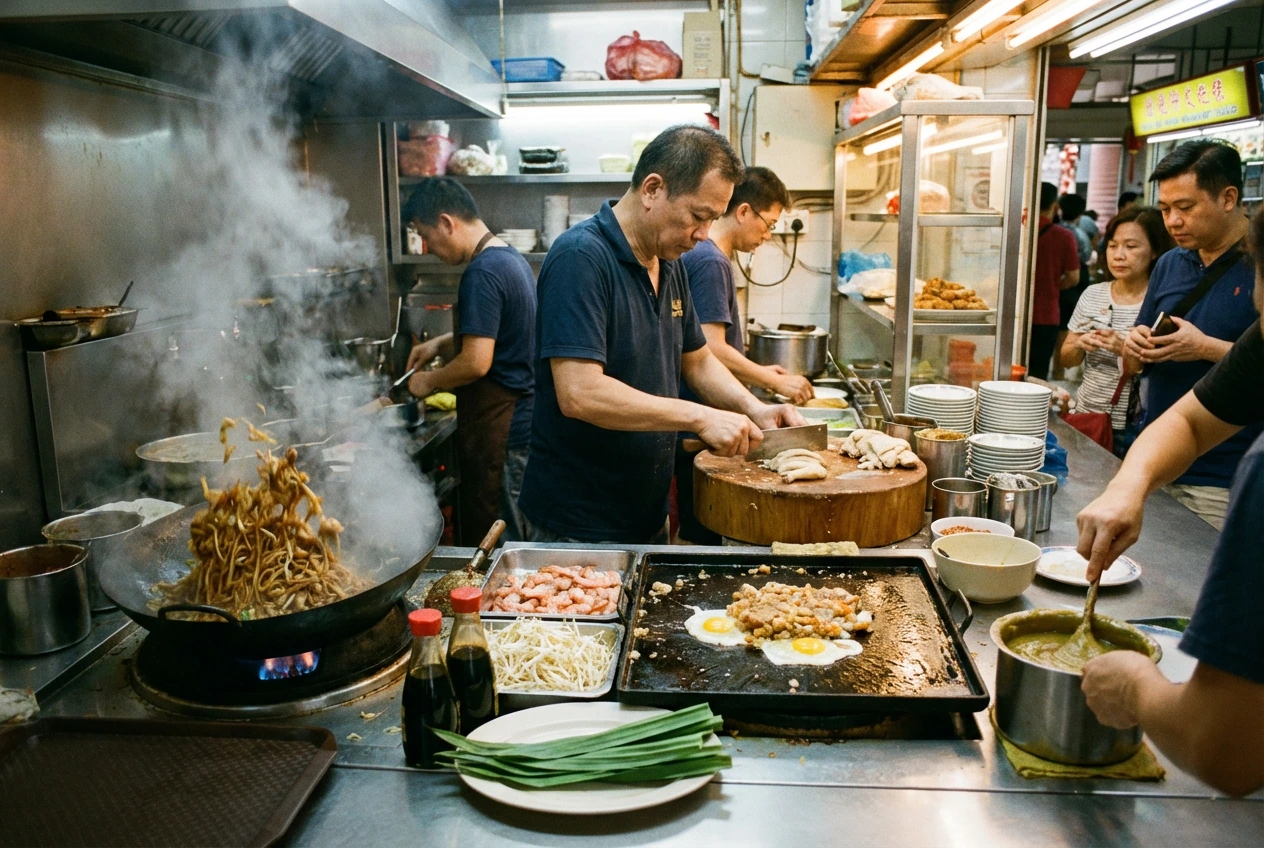
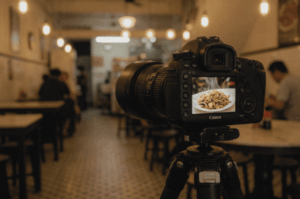
This photo series spotlights dishes that embody fusion, capturing Singapore’s vibrant food culture through professional photography. Take the Hainanese Pork Chop, for example. At first glance, it appears Western: a breaded cutlet with potatoes. But look closer: the pork is marinated in soy sauce, the breading often uses crushed cream crackers, and the gravy blends Worcestershire sauce, tomato ketchup, and Asian spices. My camera follows the journey from marination to the sizzle in the wok, showing how a British concept was reinterpreted through a Chinese culinary lens.
Kaya Toast tells a story of transformation too. The British idea of toast and jam becomes kaya: a coconut cream and egg custard jam perfumed with pandan leaves. The butter is often a slab of cold, salted butter, paired with local coffee, or Nanyang kopi, roasted with margarine and sugar. Capturing the slow stirring of kaya, the browning of toast over charcoal, and the pulling of teh tarik coffee brings colonial food heritage Singapore alive.
The series also explores iconic hawker stall dishes like carrot cake made from rice flour and daikon, stir fried with egg, minced pork, and dark soy sauce; char kway teow featuring flat rice noodles stir fried with Chinese sausage, shrimp, bean sprouts, and yellow egg noodles; and chicken rice with fragrant steamed rice and tender poached chicken served with chilli sauce alongside tofu puffs and fish cake. The vibrant colours and textures excite the taste buds and tell stories of cultures blending in Southeast Asia.
Through these photography sessions, I showcase not just the food but the rich stories behind each dish; how ingredients like coconut milk, lime juice, palm sugar, and sambal chili combine to create flavours traditionally eaten across Singapore. This is more than food photography SG; it’s a celebration of Singapore’s culinary identity shaped by the Middle East, Southeast Asia, and beyond.
Stories of Artisans: Guardians of the Recipe
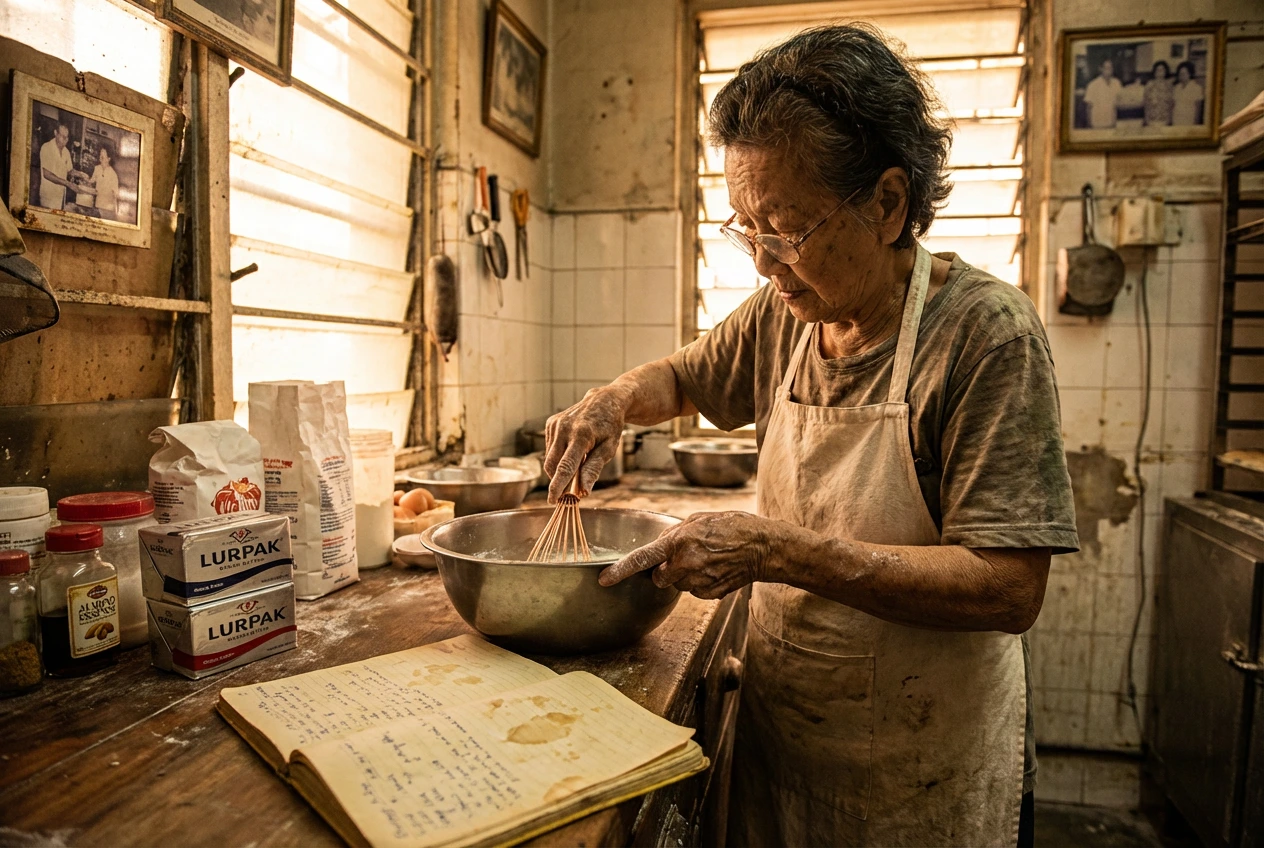
Behind every dish is a family, a story, a legacy. In a small, unassuming shop, I spent hours documenting a third-generation baker making sugee cake, a cherished Peranakan dish. He explained the recipe, a Eurasian specialty with Portuguese roots, was passed down from his grandmother. He uses the same brand of Danish butter she insisted on, still beating egg whites by hand to achieve perfect texture.
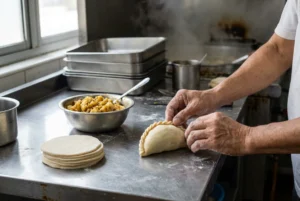
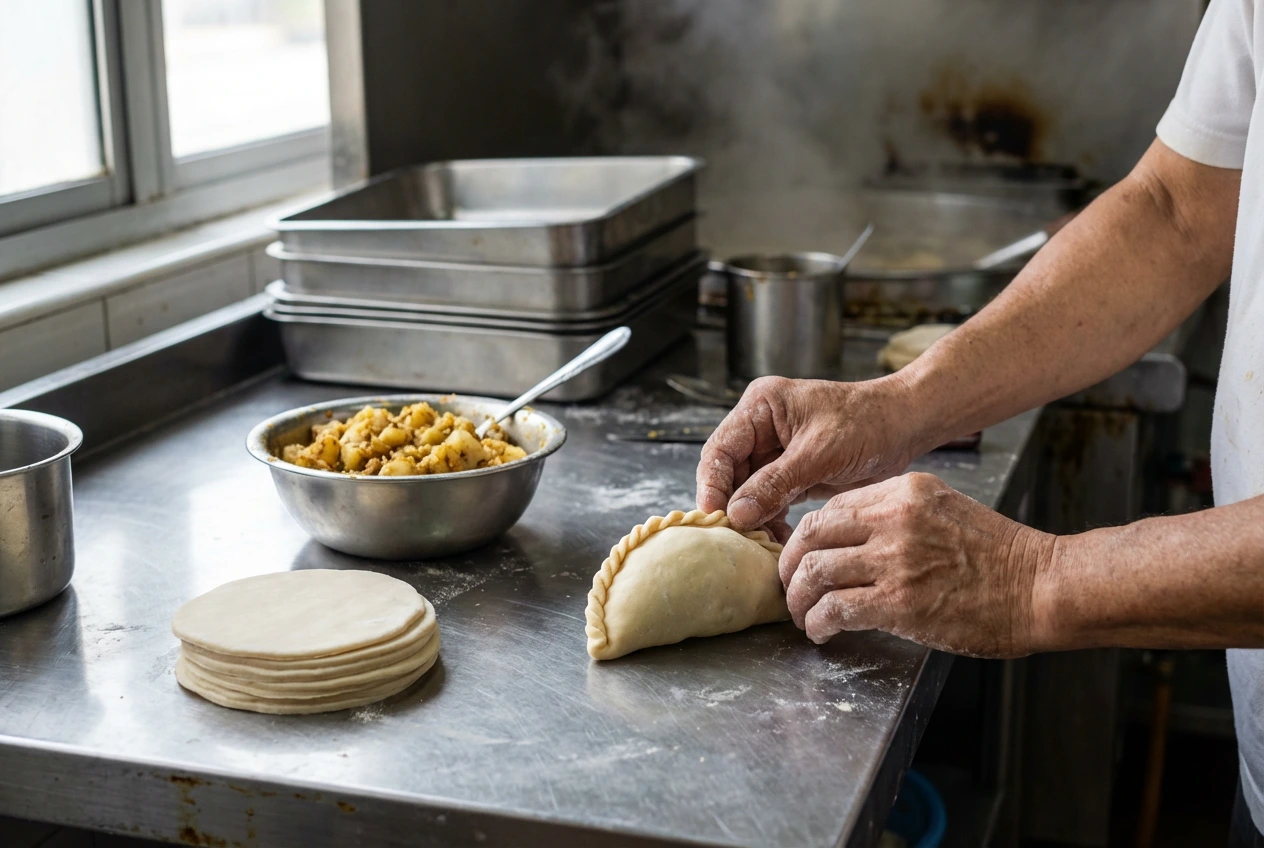
My work in photography SG honors these artisans, focusing on their hands: weathered, knowing, full of muscle memory. These hands connect past to present, performing rituals that defy time. They’re not just making food; they’re preserving heritage and quality through every step. This approach captures the essence of local food and highlights the diverse cultural influences that make Singapore cuisine unique.
A Process-Focused Photography Approach
For this series, the plated dish is just the final chapter. The real story lies in the making, where every step reveals a rich tapestry of history and culture. My photographic approach is intimate and process-focused, designed to capture the soul of each dish.
- Close-ups on Hands: The hands tell the story: kneading dough, chopping vegetables, stirring pots, mixing key ingredients like fish paste and minced pork.
- Capturing Transformation: Shooting sequences document raw ingredients: yellow egg noodles and flat rice noodles stir fried with Chinese sausage and shrimp, pork bones simmering slowly to create rich broths. These moments reveal how simple components evolve into beloved local treasures.
- Highlighting Key Ingredients: I isolate ingredients that tell the colonial and multicultural story: a bottle of Worcestershire sauce beside a wok, cans of condensed milk next to a coffee sock, staples like coconut milk, sambal chili, and lime juice. These elements define Singapore food’s flavours.
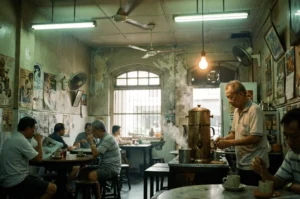
- Environmental Context: While close-ups dominate, I also pull back to show the bustling hawker centres, old-world kopitiam, and kitchen heat. This roots the process in a specific time and place, reflecting the cultural diversity behind these dishes.
This method goes beyond a food catalog; it’s a visual investigation into the layers of history embedded in everyday culinary acts. The steam rising from a pot is not just vapor; it’s the breath of recipes surviving centuries, including Peranakan dishes and hawker favourites like bak chor mee and nasi lemak.
Through these sessions, I highlight how people eat in Singapore; how carrot cake made from rice flour, fish balls, and oyster omelette are traditionally eaten with side dishes like tofu puffs and fish cake, served dry or with chilli sauce.
Ultimately, this process-focused professional photography captures Singapore’s culinary identity. It invites viewers to appreciate the artistry behind every plate, reminding us that food is not just sustenance but a story told through ingredients, hands, and history.
Reflection: A Legacy on the Plate
Documenting this series deepened my understanding of what Singapore cuisine truly represents. It’s a testament to our ability to absorb, adapt, and innovate. These hybrid dishes aren’t relics of a colonial past; they’re vibrant symbols of our post-colonial identity. Singaporeans took the tools and tastes of an empire and built something new, something entirely our own. Preserving these processes through professional photography SG is an act of cultural remembrance. It ensures the stories of artisans and the complex journey of our food, from empire to plate, are not forgotten.
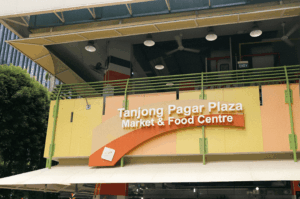
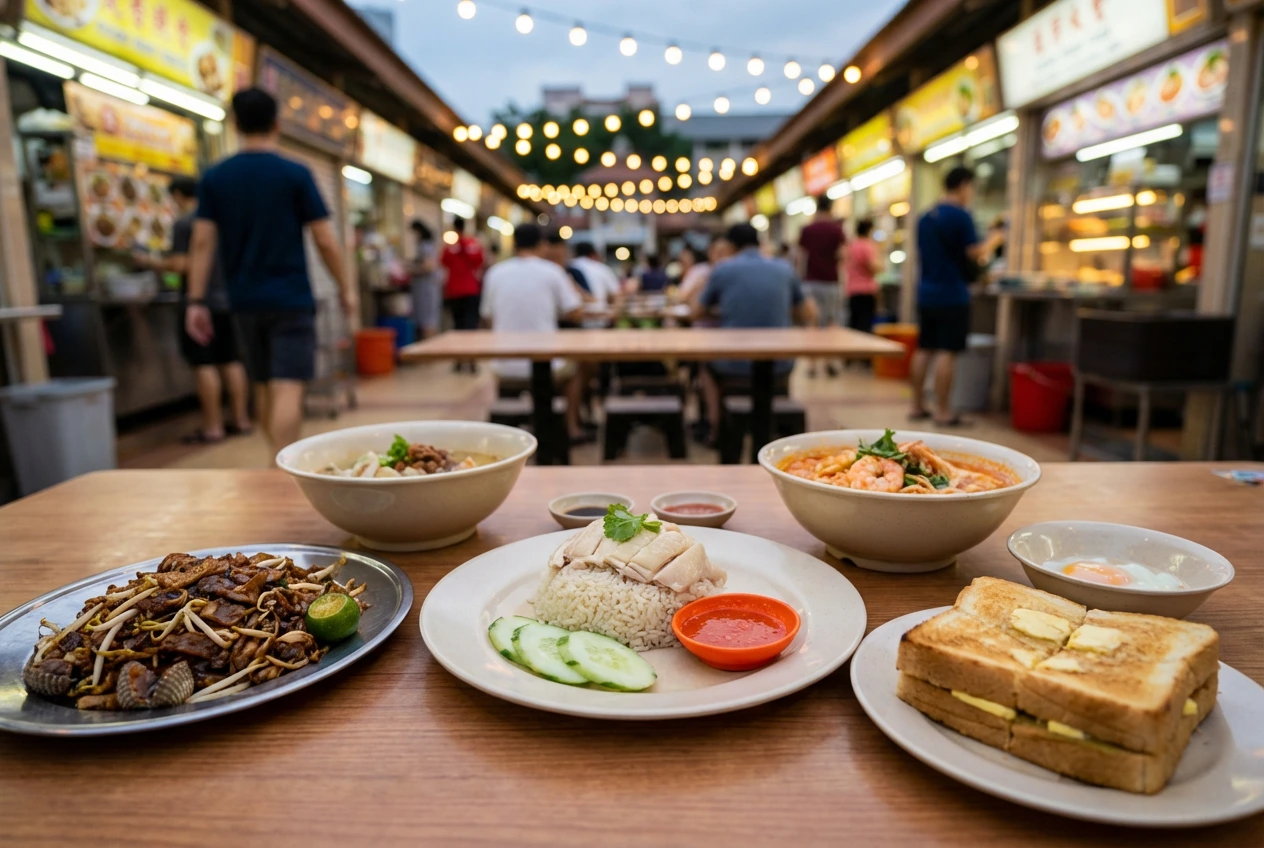
From fragrant chicken rice served with chilli sauce to stir fried flat rice noodles and yellow egg noodles in char kway teow, or the rich coconut milk in laksa, these dishes showcase a diverse range of ingredients and flavours that excite the taste buds. The vibrant hawker centres, like the famous Airport Road Food Centre, are the heart of this culinary fusion, where local food traditions thrive alongside modern variations.
Through these photography sessions, I highlight how local food (featuring ingredients like minced pork, fish paste, tofu puffs, and rice cakes) is traditionally eaten across Singapore. This approach celebrates our culinary heritage and helps increase sales for restaurants by showcasing the passion and craftsmanship behind every dish.
In this journey, skilled photographers behind the lens play a crucial role, using their expertise to bring these stories to life and elevate Singapore’s rich food scene. Whether it’s the sizzling oyster omelette or the sweet kaya toast paired with local coffee, every image invites viewers to savor the sensory explosion that is Singapore food. This series is my tribute to the resilience and creativity of our people, immortalized through a photography session that celebrates the soul of our food and the hands that make it.

The Best Singapore Breakfast Spots: Lighting, Angles & Visual Stories for Singapore Foodies
March 16, 2026
After years of chasing the perfect breakfast shot all over Singapore, I’ve noticed some venues aren’t just great for eating. They’re inspiring playgrounds for food photography, beloved by both locals and Singapore foodies alike. Whether…

From Empire to Plate: Process-Focused Colonial Photography SG Series
March 13, 2026
The story of Singapore cuisine is impossible to tell without acknowledging its colonial past. As a strategic port for the British Empire, Singapore became a magnet for a diverse range of people and products. From…
-
Translating Taste into Frames: Why I Capture Food
March 11, 2026
I fell in love with street food photography in Singapore, somewhere between the steam of a hawker stall and the click of my shutter. It wasn’t planned. I was hungry, wandering, half-lost, when a bowl of laksa stopped me cold. The broth glowed…
-
Maximizing Colonial Heritage: Efficient SG Photography Routes
March 9, 2026
The morning light hits the peeling plaster of a shophouse five-foot way differently than it hits a glass skyscraper. It is softer, more textured, and it seems to carry the weight of history. For a…
-
Period Restaurant Lighting in Photo Shoot in Singapore Locations
March 6, 2026
The air in a heritage Hainanese coffeeshop is thick with more than just the aroma of kaya toast and freshly brewed kopi. It is thick with a particular quality of light. A mix of harsh,…
-
Imperial Diversity Through Photo Shoot Singapore Projects
March 2, 2026
When I set up my tripod in a bustling kopitiam or a quiet heritage restaurant, I am constantly reminded that I am not just photographing a meal. I am photographing a map. Every photo shoot…
-
Historic Flavors Shoot Singapore: Post-Processing for Period Authenticity
February 27, 2026
When I look through the viewfinder at a plate of heritage kueh or a steaming bowl of rickshaw noodles, I am not just capturing food; I am framing a memory. The challenge for any documentary…
-
Colonial Cuisine Photoshoot: Styling Singapore’s Historic Flavors
February 23, 2026
When I first embarked on a photoshoot focusing on Singapore’s colonial cuisine, I didn’t realize how deeply food could connect us to history. It wasn’t just about snapping pictures of dishes; it was about capturing…
-
Coal, Fire, and Memory: A Singapore Food Blogger Revisits Tanjong Pagar’s Industrial Kitchens
February 20, 2026
It had been a while since I set a day to wander through the back lanes of Tanjong Pagar. When I decided to come back to the place left me star-struck, not by the polished…
-
Three Generations, One Perfect Dumpling: A Food Blogger’s Journey in Chinatown’s Hidden Alley
February 16, 2026
Why This Alley is a Must-Visit for Food Lovers and Food Bloggers The first time I ventured into this tucked-away alley in Singapore’s Chinatown, I was awestruck by how different it felt from the bustling…