When I first started photographing food in Singapore, I had a very narrow view of what Japanese dining looked like. I walked right past the smoky, loud, narrow storefronts of local izakayas. I thought they were just noisy pubs where people went to drink cheap beer and eat basic chicken skewers after a long shift at the office.
I was entirely wrong.
I want to break down exactly what makes a great izakaya in Singapore, how you can navigate the experience without feeling overwhelmed, and where you can find the master craftsmen keeping the grill fires burning across the city.
What Exactly is an Izakaya? A Look into Japanese Izakayas
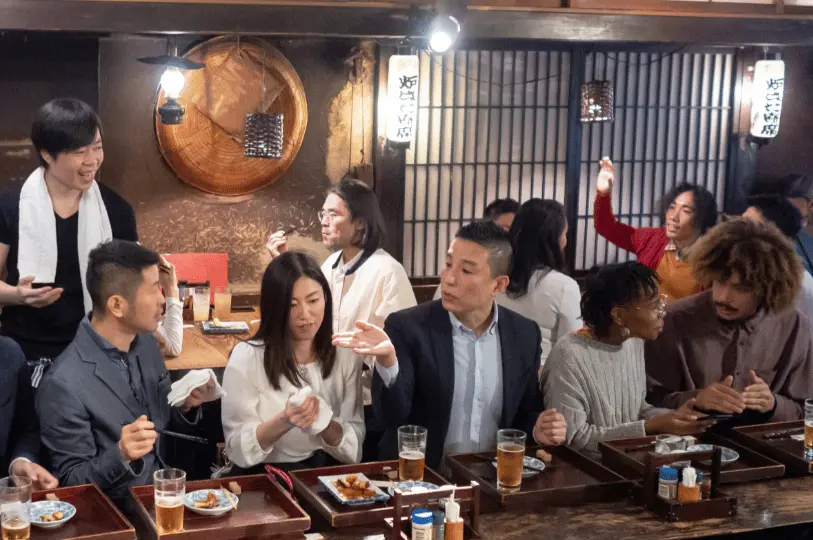
A lot of first-timers ask me how an izakaya differs from a standard sushi bar or a ramen shop. The easiest way to think of it is a hybrid between a casual eatery and a pub. The core philosophy is built around shared small plates and curated drinks.
Fresh Seafood and Seasonal Izakaya Fare: The Highlight of Many Izakayas
Fresh seafood is a hallmark of the izakaya dining experience in Singapore. Many izakayas pride themselves on sourcing premium seafood straight from Japan’s renowned markets, such as Toyosu Market in Tokyo. The quality and freshness of sashimi and other seafood dishes are critical to delivering authentic izakaya fare that diners expect.
Insider Knowledge: Quality varies wildly in many izakayas. You can easily find a chain restaurant selling frozen, mass-produced skewers. But the places you want to visit are the best japanese izakayas where chefs use premium imported ingredients and carefully controlled charcoal fires. It costs a bit more, but the difference in flavor and charm is undeniable.
The Best Japanese Izakayas and Their Unique Charm in Singapore
Singapore is home to many izakayas, each with its own unique vibe and specialty. The best Japanese izakayas combine traditional techniques with modern creativity, offering dishes that range from classic yakitori sticks to innovative twists on izakaya favourites.
If you’re looking for more picks beyond izakayas but want to stay close to home with Japanese cuisine in Singapore, click here and discover curry restaurants.
Barrel Story of Hibiki: Chef Sho Naganuma
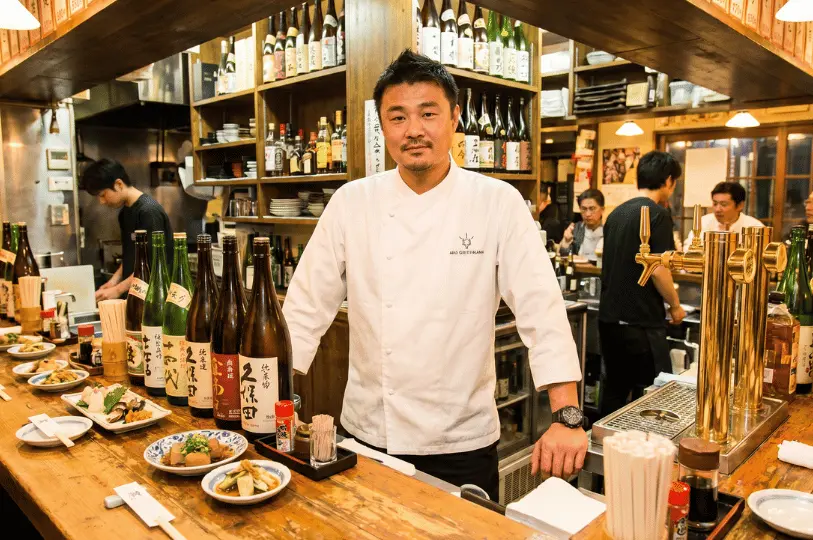
If you want something a bit more modern, Chef Sho Naganuma has built something special here. He combines wood-fire grilling with an exceptional whisky pairing program, creating an immersive experience that surprises and delights. Sitting at the counter feels like a masterclass in how smoke, fat, and strong spirits balance each other out perfectly.
Barrel Story of Hibiki also offers a diverse menu that blends traditional izakaya grilled dishes with innovative twists, making it a standout insider spot for those seeking a modern take on izakaya Singapore. Whether you are after a sweet finish or a heavy, savory bite, the experience here covers every thing you could want from a top-tier izakaya night out.
Toku Nori: Chef-Owner Aeldra Leo
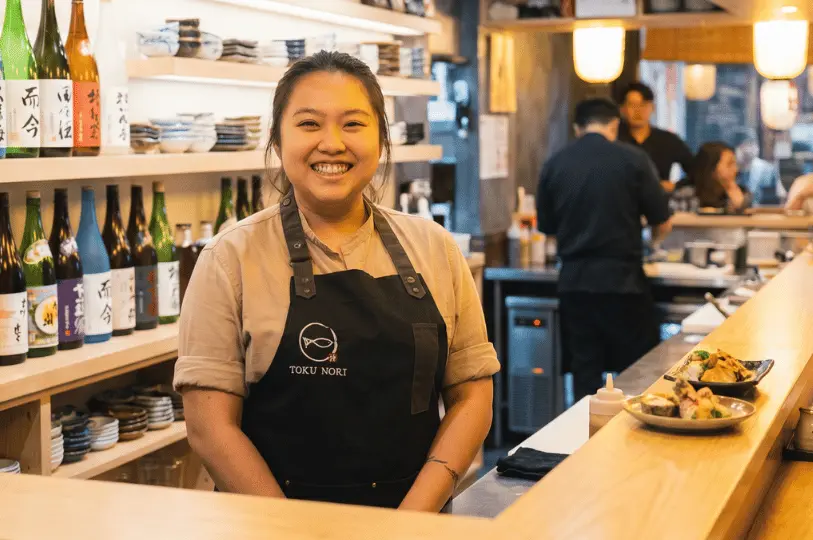
Opened by the chef-slash-owner Aeldra Leo, at 28 years old, she has honed her culinary skills through extensive training Singapore and Australia. Her vision for Toku Nori was to combine the classic ingredients and purity of Japanese techniques with New York City-style handrolls, so you can clink while your hand is ready to take a bite out that seared foie gras handroll.
Specializing in handrolls, Toku Nori offers a refined experience with dishes built around scallops, salmon, and other seafood that shines with minimal seasoning. The curated sake pairing program enhances the meal, making it a perfect spot for an intimate dinner or a sophisticated night out.
Public Izakaya: Native Chefs Collective
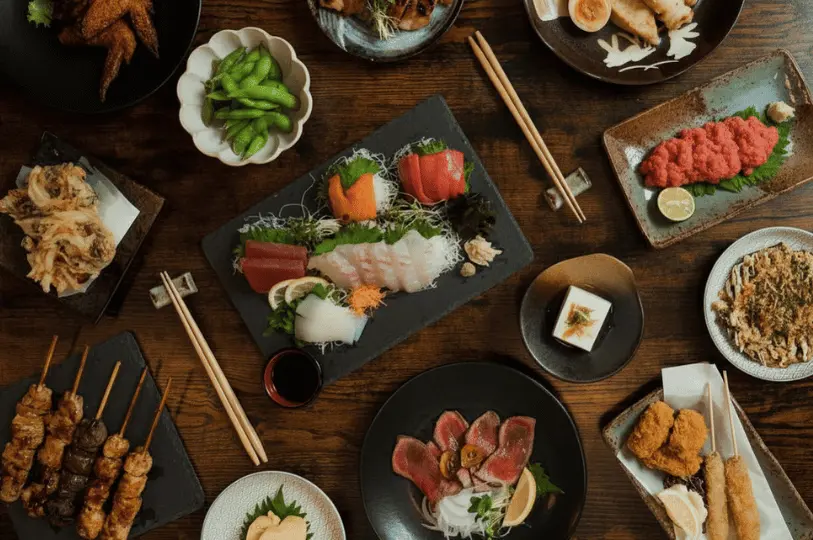
The Public Izakaya is one of the most popular spots in the city for casual, affordable izakaya dining. It’s loud, lively, and perfect for groups of friends looking to unwind after work. The menu is broad, featuring izakaya favourites like Jaga Mentaiko, aburi wagyu, and a wide selection of grilled and fried dishes.
While there is no prominent chef to carry an anchor for each outlet, The Public Izakaya prides itself on having a passionate team with four native chefs on their back. The focal point is for these chefs to blend with their peers, serving as the quality indicator in serving the nightly ‘salarymen‘, making it a collective kitchen expertise.
How to Dine Like a Pro at Singapore’s Best Izakayas
If you are worried about making a fool of yourself on your first visit, do not panic. I felt the exact same way. The rhythm of an izakaya is actually very intuitive once you understand the basic flow. Here is what you can expect from the moment you walk through the door.
1. The Greeting and the Seat
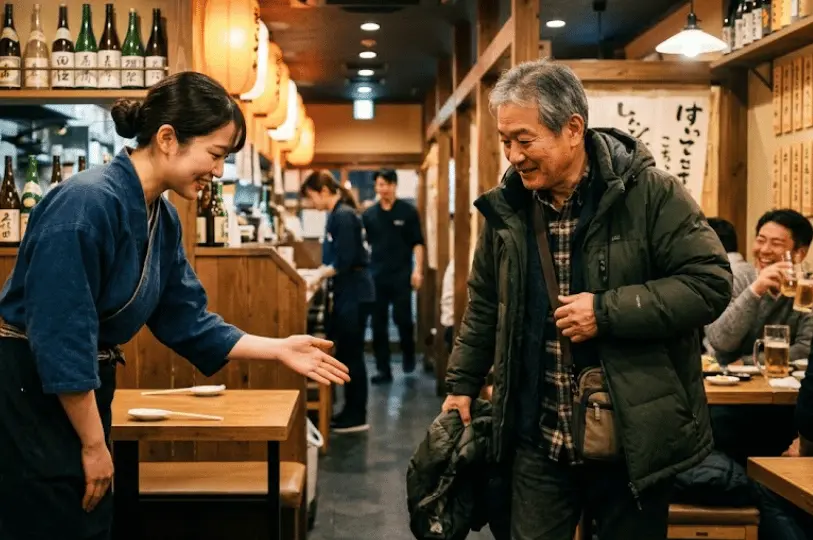
When you pull back the sliding door, the entire staff will likely shout “Irasshaimase!” (Welcome!). It can startle you the first time, but it immediately sets the energetic tone of the room. You will usually have the choice of communal tables, standard seating, or the chef’s counter. I prefer the counter every single time. It gives you a front-row seat to the grill and the action, perfect for conversation and watching the chefs work.
2. The First Drink
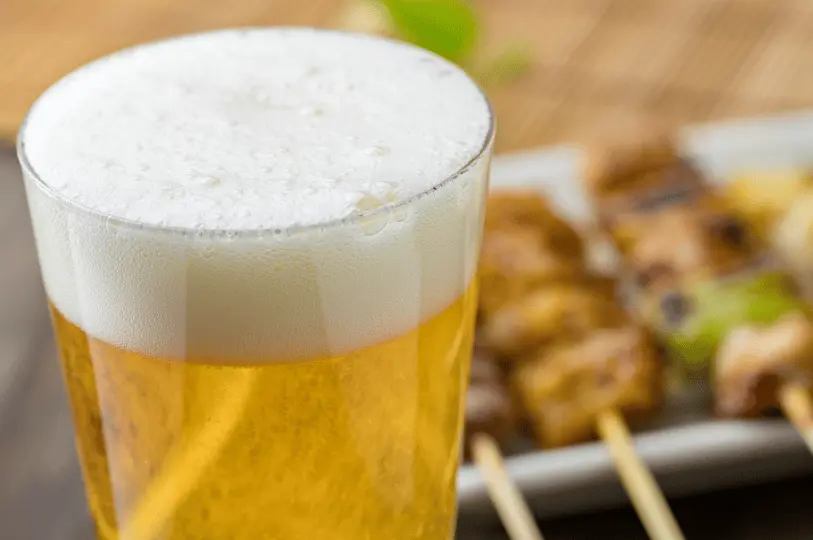
In an izakaya, you order your first drink before you even look at the food menu. The classic move is to order a draft beer immediately, a concept known as toriaezu nama (draft for now). If you prefer something else, a crisp highball or a glass of dry junmai sake is a great starting point to complement your izakaya favourites.
3. Ordering the Small Plates and Appetisers
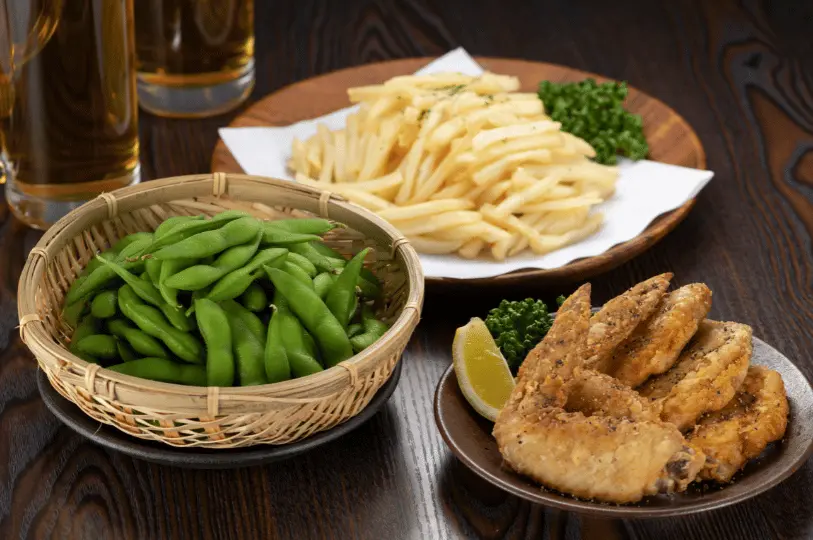
Do not order your entire meal at once. The beauty of this format is pacing yourself. Start with a few otsumami (small appetizers) like edamame, gyoza, or a cabbage salad, and maybe a plate of fresh sashimi.
4. The Rhythm of the Grill and Main Dishes
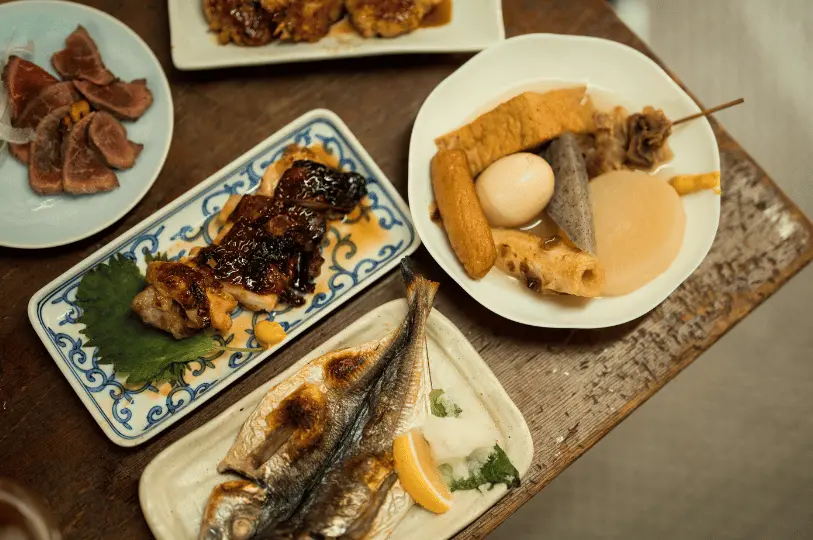
Once your cold starters arrive, put in an order for your hot items. Ask the chef for a mix of yakitori, kushiyaki (non-poultry skewers), or grilled fish. The food comes out exactly when it is ready, not all at once. You eat a little, drink a little, talk, and then order another round. The combination of flavors and textures, from the smoky yakitori sticks to the fresh seafood, makes every bite a highlight.
5. Settling the Bill
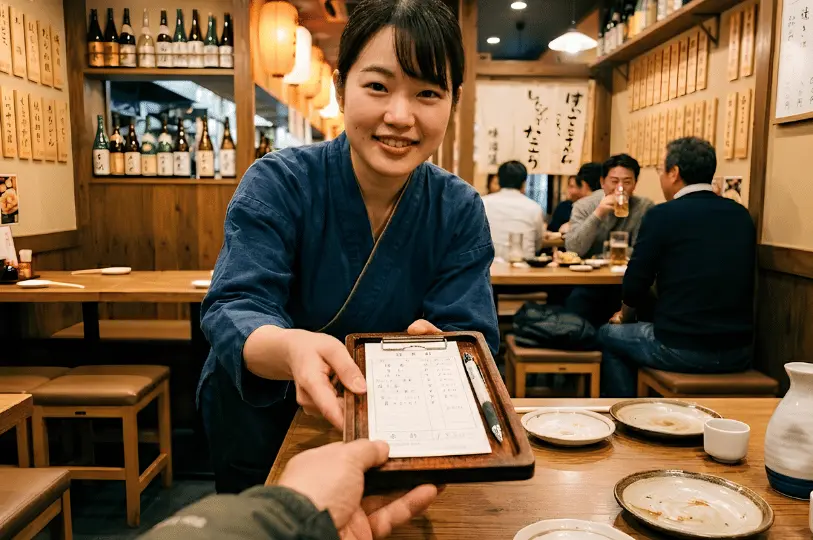
Expect to spend about two hours here if you are doing it right. When you are finished, you usually pay the bill altogether at the front register, rather than leaving cash on the table. Splitting the bill evenly among friends is completely standard.
Good Food and Masterful Chefs: The Essence of Singapore’s Izakaya Scene
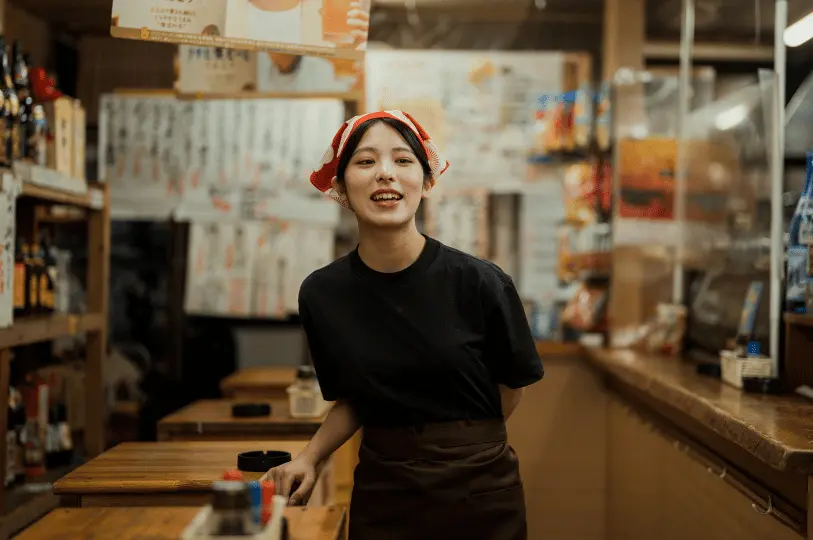
Behind every perfectly charred skewer and beautifully plated dish are the chefs who dedicate their lives to mastering the craft. The best izakayas in Singapore showcase chefs who pay close attention to every detail, from selecting the freshest seafood and seasonal produce to controlling the charcoal fire and balancing flavors with sake and cocktails.
The izakaya dining experience is a combination of good food, good vibes, and good company. Whether you visit for a casual night out or a special occasion, the heart of the grill and the spirit of Japan come alive in every dish and every conversation.

A Moment of Silence for the Rice, Steaming Gently
June 23, 2026
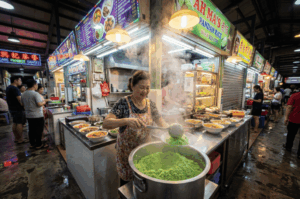
The lid lifts, and the steam rises before the smell does. It is just past noon at Chinatown Complex Food Centre, and the queue at the chicken rice stall has thinned for a moment. The…
-
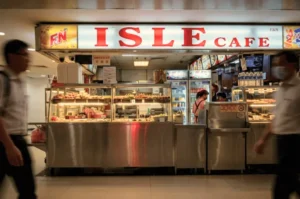
Isle Cafe at Cuppage Plaza: Local Flavors with Old School Charm
June 22, 2026
I usually come to Cuppage Plaza for the smoke and the izakaya counters, but this time I was here for something far simpler. A plate of cai png, eaten fast, in the middle of a…
-
To the Memory of the Dishes That Never Return
June 19, 2026
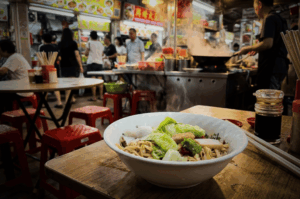
The stall is empty when I arrive. It is a corner unit at Tiong Bahru Market, second floor, where I came to photograph a plate I had been thinking about for weeks. A dry mee…
-
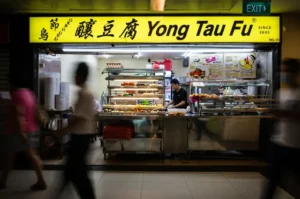
Savoring Orchard Yong Tau Fu: Cheap and Cheerful in Cuppage Plaza
June 18, 2026
I’d walked past this stall maybe a dozen times before I finally stopped. Cuppage Plaza isn’t the kind of place you go to be impressed, and that’s exactly why I keep coming back to it…
-
A Letter to the Faces Behind the Counter
June 16, 2026
You are turning over chicken wings when I first notice you. It is just past seven at Old Airport Road Food Centre, and the ceiling fans are pushing warm air down onto the tables. The…
-
How to Photograph Cuppage Plaza Food Without Disturbing the Room
June 15, 2026
The camera flash went off by mistake. It was a small, clumsy decision, but in the narrow, slightly smoky space of Kazu Sumiyaki, it felt much larger than it was. A few heads turned. The…
-
To the Stirring of the Wok in the Early Hours
June 12, 2026
The first sound is not the flame. It is the metal ladle touching the side of the wok, a small, hollow note that carries across the half-awake floor of Hong Lim Market & Food Centre….
-
Cuppage Plaza Food Guide: Japanese Restaurants and Hidden Gems in Singapore’s Little Tokyo
June 11, 2026
I started coming to Cuppage Plaza for the light. The building is old, a little worn at the edges, with narrow staircases and corridors that smell faintly of charcoal and sake by early evening. But…
-
A Note to the Knife That Cuts, But Never Hurries
June 9, 2026
The knife lands softly before it cuts. I hear it before I lift the camera. A low wooden sound, not sharp, not rushed. At Maxwell Food Centre, the lunch crowd is already pressing into the…
-
Wang BBQ Chicken Wing & Satay: Photographing Smoke, Wings, and Skewers at Chomp Chomp Food Centre
June 8, 2026
I reached Chomp Chomp Food Centre at 20 Kensington Park Road, Serangoon Gardens, Singapore on a Tuesday evening around 7pm, just as the place was beginning to thicken with supper energy. The tables were filling…