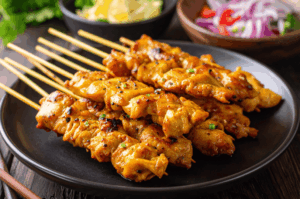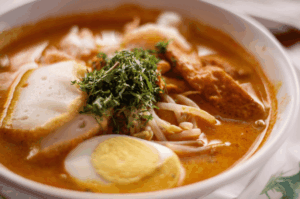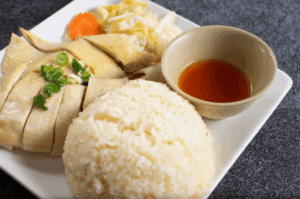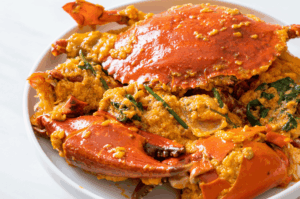
There are dishes you simply eat, and then there are dishes you truly experience. For me, laksa falls firmly into the latter category. It’s an intoxicating, full-body immersion into a world of flavor that demands my complete attention every time. When that bowl arrives, its sunset-hued soup shimmering with coconut milk and chili oil, I know I’m in for a journey of spice, creaminess, and umami. This is my velvet embrace of laksa in Singapore, a culinary icon that has completely captivated my palate. It’s never just noodle soup to me; it’s a story of culture, history, and sensory seduction, all wrapped up in a single, perfect bowl.
The Cultural Heartbeat of a Noodle Soup
Laksa is a dish born from the cultural crossroads of Southeast Asia. Its origins are a beautiful, tangled web of Chinese and Malay influences, a testament to the intermingling of communities along ancient maritime trade routes. The name itself is thought to have roots in Sanskrit, meaning "one hundred thousand," hinting at the myriad of ingredients and complex flavors involved. This is the heart of Peranakan food, a culinary tradition born from the marriage of Chinese immigrants and local Malays.
In Singapore, laksa is more than just a popular dish; it is a symbol of the nation’s multicultural identity. It represents the beautiful fusion that occurs when different cultures share their kitchens and their traditions. It is a taste of history, a liquid narrative that tells the story of migration, adaptation, and the creation of something uniquely Singaporean. To understand the story of laksa in Singapore is to understand the soul of the city itself, where every food centre and hawker stall opens its doors to serve this classic dish. Many laksa stalls are just a short walk from major MRT stations, making it easy for both locals and visitors to indulge. Laksa’s rich broth often includes coconut milk, fresh prawns, cockles, bean sprouts, and a boiled egg, with some versions even adding pork or extra cockles for enhanced flavor. The dish inspires strong opinions among foodies, each claiming their favorite stall or recipe as the best. It’s this passionate debate that keeps the laksa culture vibrant and ever-evolving in Singapore.
The Velvet Embrace: A Sensory Experience
To call laksa a noodle soup is a profound understatement. The experience begins before you even take your first bite. The aroma hits you first: the fragrant perfume of coconut milk, the pungent funk of dried shrimp, the sharp, herbal notes of laksa leaf, and the deep, warming spice of the chili paste. It is a complex and intoxicating perfume that primes your senses for what is to come.
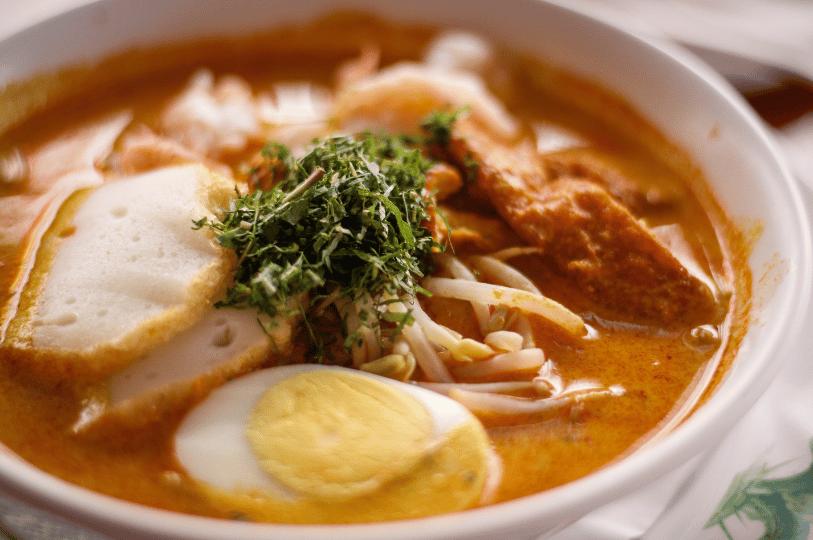
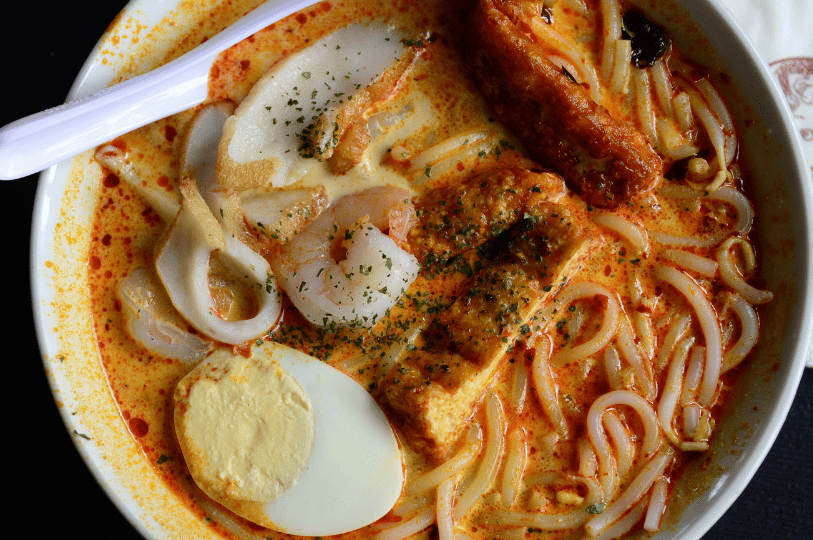
Then there is the visual appeal. The broth is a stunning, vibrant orange, a color that speaks of richness and flavor. It is a canvas dotted with toppings: pearly white fish cake slices, plump, pink prawns, blood cockles, and finely chopped green laksa leaves. The first spoonful is a revelation. The broth is thick, creamy, and coats your tongue in what can only be described as a velvet embrace. It is a harmonious blend of spicy, savory, sweet, and briny. The heat from the chili builds slowly, a pleasant warmth rather than a searing fire. The coconut milk soothes and balances, creating a flavor profile that is both powerful and comforting. This is why the best foodies seek it out; it is an experience of pure, unadulterated sensory pleasure.
Laksa is commonly found in hawker food centres and coffee shops across Singapore, often served with noodles and a generous helping of other ingredients such as bean sprouts, boiled egg, and fish cake. Variations like the Asia Delight Laksa and Yishun Laksa each offer their own version of this classic dish, sometimes including extra cockles or prawns to enhance the flavor. The use of evaporated milk in some recipes adds a unique creaminess that complements the fresh coconut milk base.
Enjoying laksa is often part of a larger culinary adventure that includes other beloved Singaporean dishes such as chicken rice, fried hokkien mee, carrot cake, bak chor mee, yong tau foo, and wanton mee. Many foodies combine visits to famous stalls at places like Amoy Street Food Centre, Alexandra Village Food Centre, Ghim Moh Food Centre, Jalan Besar, and Yuhua Village Market to sample a variety of authentic flavors.
The Many Faces of Laksa in Singapore
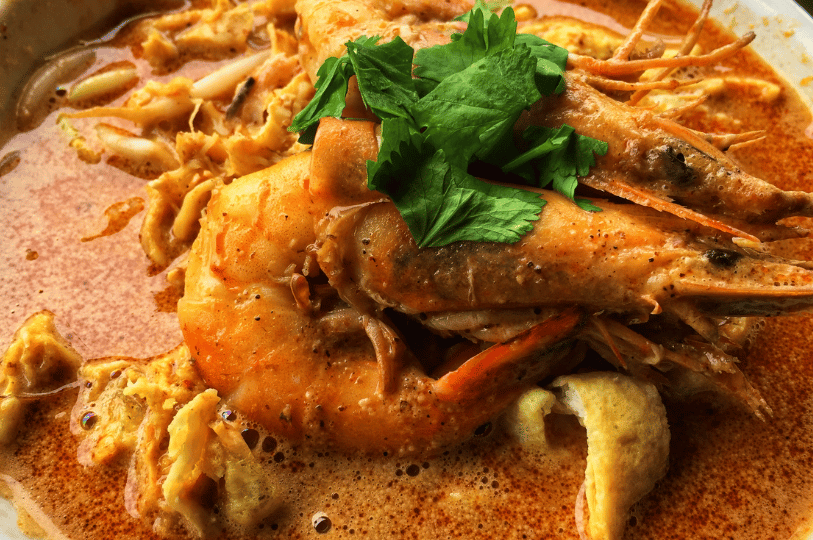
While the core concept remains the same, laksa in Singapore has evolved into several distinct variations, each with its own loyal following.
Katong Laksa: The Iconic Slurp
Perhaps the most famous version is Katong laksa. Its defining characteristic is the noodles, which are cut into short, bite-sized pieces. This allows the entire bowl to be eaten with only a spoon, no chopsticks required. The gravy is the star here, a rich, fragrant, and decidedly coconut-heavy concoction. The focus is on the creamy, savory balance, with the spice playing a supporting role. It is a comforting and deeply satisfying version that has become synonymous with the laksa experience for many.
Curry Laksa: A Spicier Affair
Curry laksa, sometimes simply called curry mee, leans more heavily into its spice profile. It often contains a wider variety of toppings, including fried tofu puffs (tau pok) that act like delicious little sponges, soaking up the flavorful broth. The gravy is typically less thick than its Katong counterpart but carries a more pronounced curry flavor, with a spicier kick that will appeal to those who love heat. It is a bold and assertive version of the dish, a vibrant celebration of spice, much like the dishes found in our "Spice Affair: Singapore Foodies' Guide to Little India."
Where to Find the Best Laksa Experiences
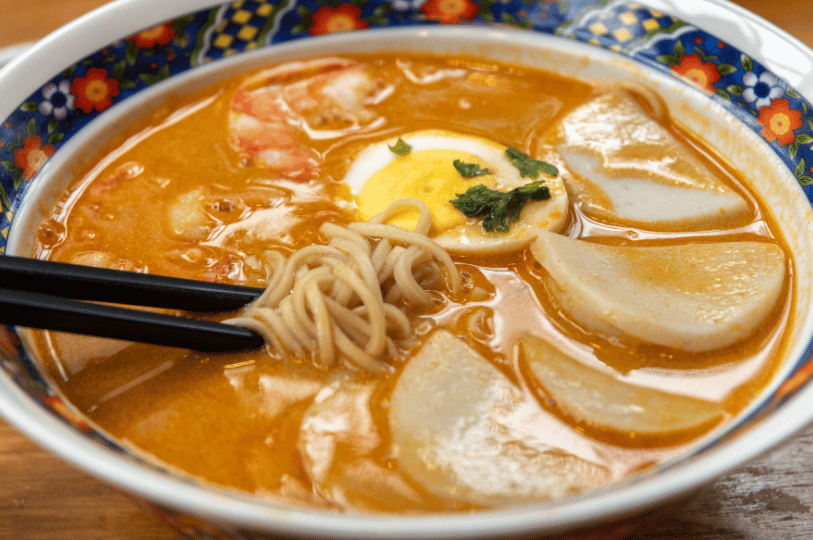
For the best foodies on a quest for authentic laksa in Singapore, the journey will take you to the city's beloved hawker centres, food centres, and old-school coffee shops known for their home cooked dishes.
328 Katong Laksa
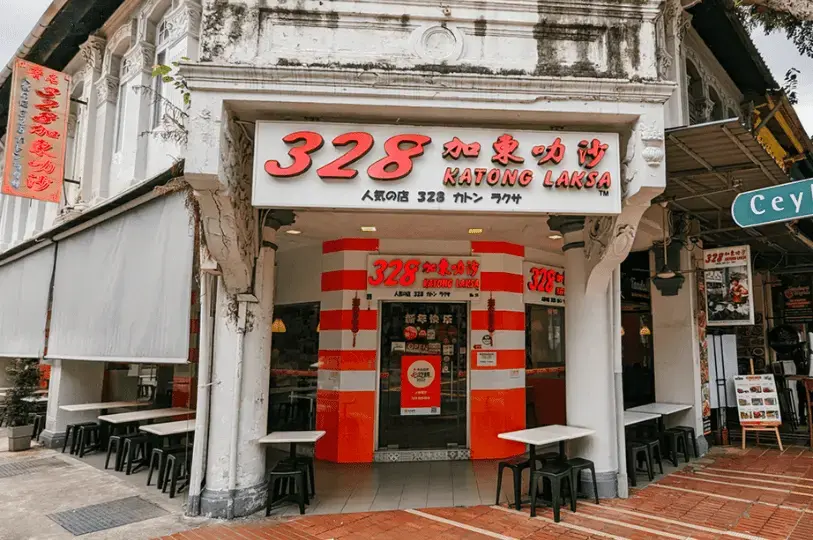
Located along East Coast Road, this famous stall is arguably the most renowned laksa stall in Singapore. It has earned a Michelin Bib Gourmand and famously beat Gordon Ramsay in a cooking showdown. Known for its rich, coconut milk-based gravy and medium size servings, it offers the quintessential Katong laksa experience, complete with short-cut noodles, prawns, cockles, bean sprouts, and a boiled egg.
Sungei Road Laksa
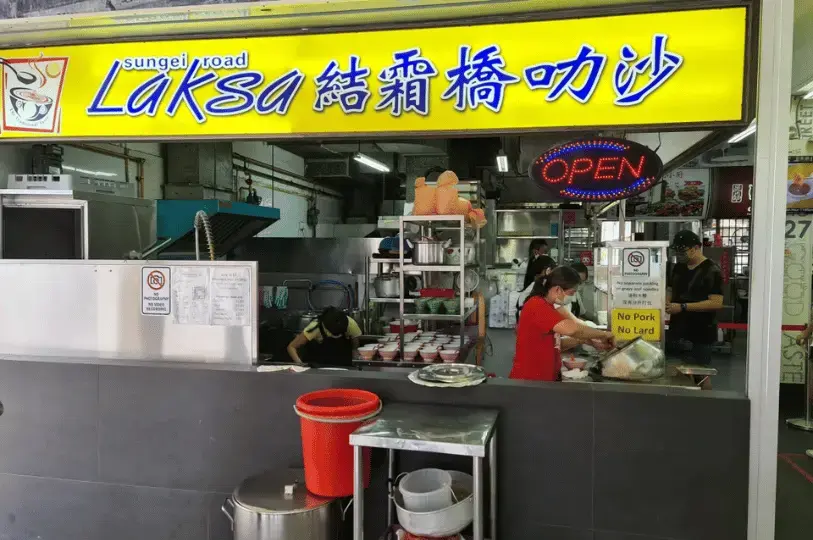
Nestled in a coffee shop on Jalan Berseh, Sungei Road Laksa, this famous stall is a cult favorite among laksa lovers. Its signature is the flavorful broth cooked over a charcoal fire, imparting a subtle smoky aroma that sets it apart. The regular bowl includes generous helpings of fresh cockles and fish cake, served with a spicy sauce and a small serving of noodles, making it a classic dish cherished by many.
Janggut Laksa
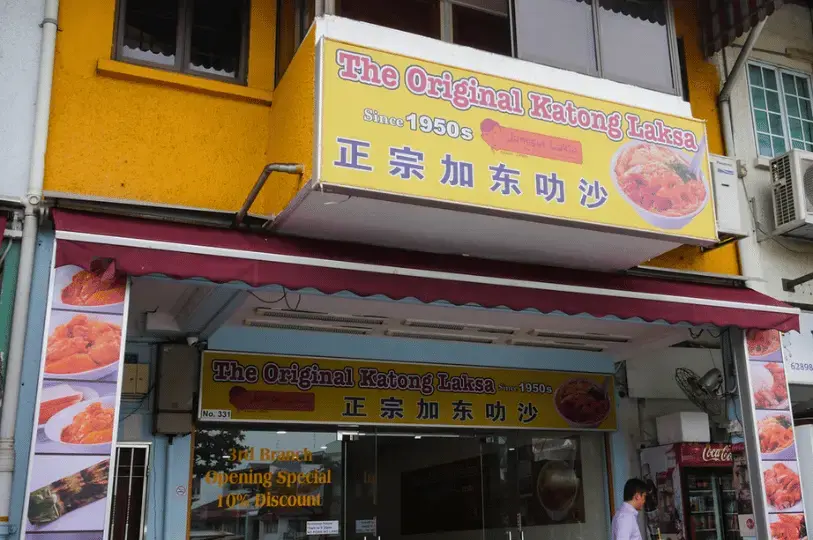
Situated at Roxy Square, Janggut Laksa claims to be the original Katong laksa, with a recipe dating back to the 1940s. It serves a lighter side of laksa with a flavorful broth made from freshly squeezed coconut milk and homemade rempah. The medium size bowl is packed with prawns, cockles, fish cake, bean sprouts, and a boiled egg, offering a balanced and deeply satisfying meal.
These stalls are frequently visited by locals and tourists alike, often drawing long queues, a testament to their enduring popularity. Whether you prefer a bit pricey but richly flavored bowl or a more traditional, lighter version, these hawker stalls represent the best versions of laksa in Singapore, each with its own unique take on this beloved dish.
Beyond Laksa: Other Noodles Worth Slurping
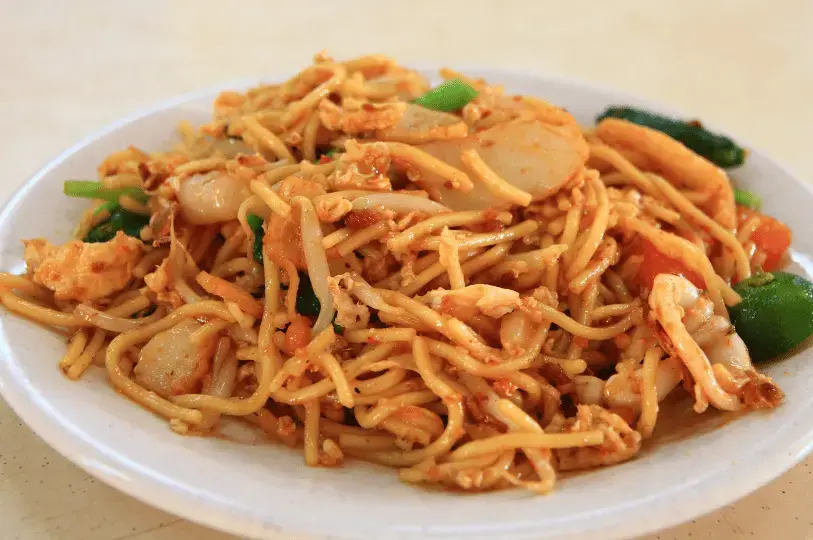
While laksa undoubtedly steals the spotlight, Singapore’s vibrant food scene offers an array of other noodle dishes that every foodie should try. Each of these dishes carries its own unique flavors and history, making them essential parts of the local culinary tapestry.
Fried Hokkien Mee
Fried Hokkien Mee is a beloved hawker centre staple, featuring a stir-fried mix of yellow egg noodles and rice vermicelli tossed with prawns, squid, and pork belly. The dish is known for its rich seafood broth that’s absorbed by the noodles, creating a savory, slightly smoky flavor. Served with a squeeze of lime and sambal chili on the side, it’s a perfect balance of tangy, spicy, and umami notes.
Bak Chor Mee
Bak Chor Mee, meaning minced pork noodles, is a dry noodle dish topped with minced pork, pork slices, mushrooms, and sometimes pork liver, all tossed in a tangy, slightly spicy sauce. The dish is commonly served with a side of clear soup and garnished with crispy fried shallots, making it a flavorful and hearty choice for noodle lovers.
Carrot Cake
Despite its name, Singapore’s Carrot Cake is a savory dish made from radish cake stir-fried with eggs, preserved radish, and garlic. Available in “white” (without soy sauce) or “black” (with sweet soy sauce) versions, it’s a beloved comfort food that pairs wonderfully with a cup of kopi (local coffee) at any coffee shop or market food centre.
Exploring these dishes alongside laksa offers foodies a comprehensive taste of Singapore’s hawker culture, highlighting the diversity and depth of flavors that make the city a true food paradise.
Conclusion: A Dish That Demands Devotion
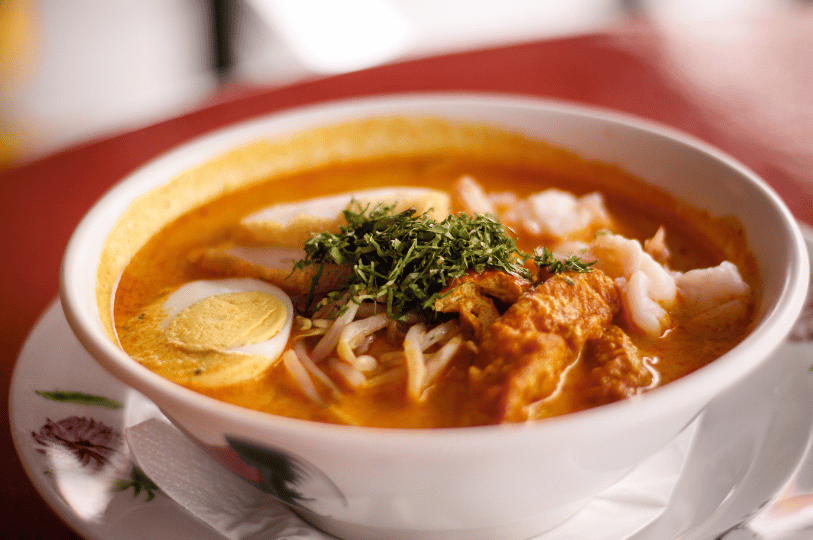
Laksa is not a dish for the faint of heart. It is bold, complex, and unapologetically rich. It is a dish that demands your full attention and rewards it with an experience that lingers long after the bowl is empty. Its enduring appeal lies in this very complexity, this perfect balance of spice and cream, savory and sweet. It is a culinary masterpiece that continues to captivate and convert the best foodies from around the globe. To truly understand the heart of Singaporean cuisine, one must surrender to laksa’s velvet embrace. It is a journey worth taking, one spoonful at a time.

Composition’s Sweet Spot: A Guide in Framing Desire for Food Bloggers in Singapore
January 30, 2026
You have found the perfect bowl of bak chor mee. The noodles glisten, the minced pork is perfectly seasoned, and the chili sauce adds a vibrant splash of red. You snap a quick picture, but…
-
Laksa’s Velvet Embrace Welcomes the Best Foodies
January 26, 2026
There are dishes you simply eat, and then there are dishes you truly experience. For me, laksa falls firmly into the latter category. It’s an intoxicating, full-body immersion into a world of flavor that demands…
-
Tiong Bahru: The Slow Seduction of Food in Photography
January 23, 2026
Some neighborhoods shout for your attention. They are a riot of sound, color, and frantic energy. Tiong Bahru is not one of them. This corner of Singapore operates on a different frequency, a slower and…
-
Chili Crab Confidential: Producing Perfect Pics of Food
January 19, 2026
It arrives like royalty, carried to the table with a sense of occasion. A colossal crab, bathed in a thick, shimmering sauce the color of a fiery sunset. The air around it is fragrant with…
-
The Art of the Tease: Captured in Food Photography
January 16, 2026
In the world of food photography, there is a powerful and often overlooked technique, a subtle language of visual seduction. It is the art of the tease. It is the practice of not showing everything,…
-
Geylang’s Secret Appetites: A Guide for Every SG Foodie
January 12, 2026
There is a side of Singapore that hums with a different energy, one I discovered on my many late-night wanderings. It’s a place where the polished gleam of the city fades away, giving way to…
-
The Peranakan Seduction: A Food Photography Photographer’s Insight
January 11, 2026
There are some cuisines that you photograph, and there are some that you court. Peranakan food falls firmly into the latter category. It is a seduction of the senses, a rich tapestry of history, flavor,…
-
Geylang’s Forbidden Flavors: The Best Foodies District
January 9, 2026
Mention Geylang, and you will likely get a mix of reactions. This neighborhood, with its gritty reputation and neon-lit side streets, exists in a space separate from Singapore’s polished image. But for those in the…
-
Holland Village: East Meets West Journey of Food and Photography
January 2, 2026
There is a corner of Singapore where the laid-back charm of a European village collides with the vibrant energy of a Southeast Asian city. It is a place where the aroma of freshly brewed espresso…
-
The Tease of Motion: Capturing Culinary Food in Photography
December 29, 2025
Food is rarely static. It drips, sizzles, steams, and crumbles. It is poured, flipped, chopped, and shared. Yet, so often, we see food in photography presented as a perfectly still, lifeless object on a plate….