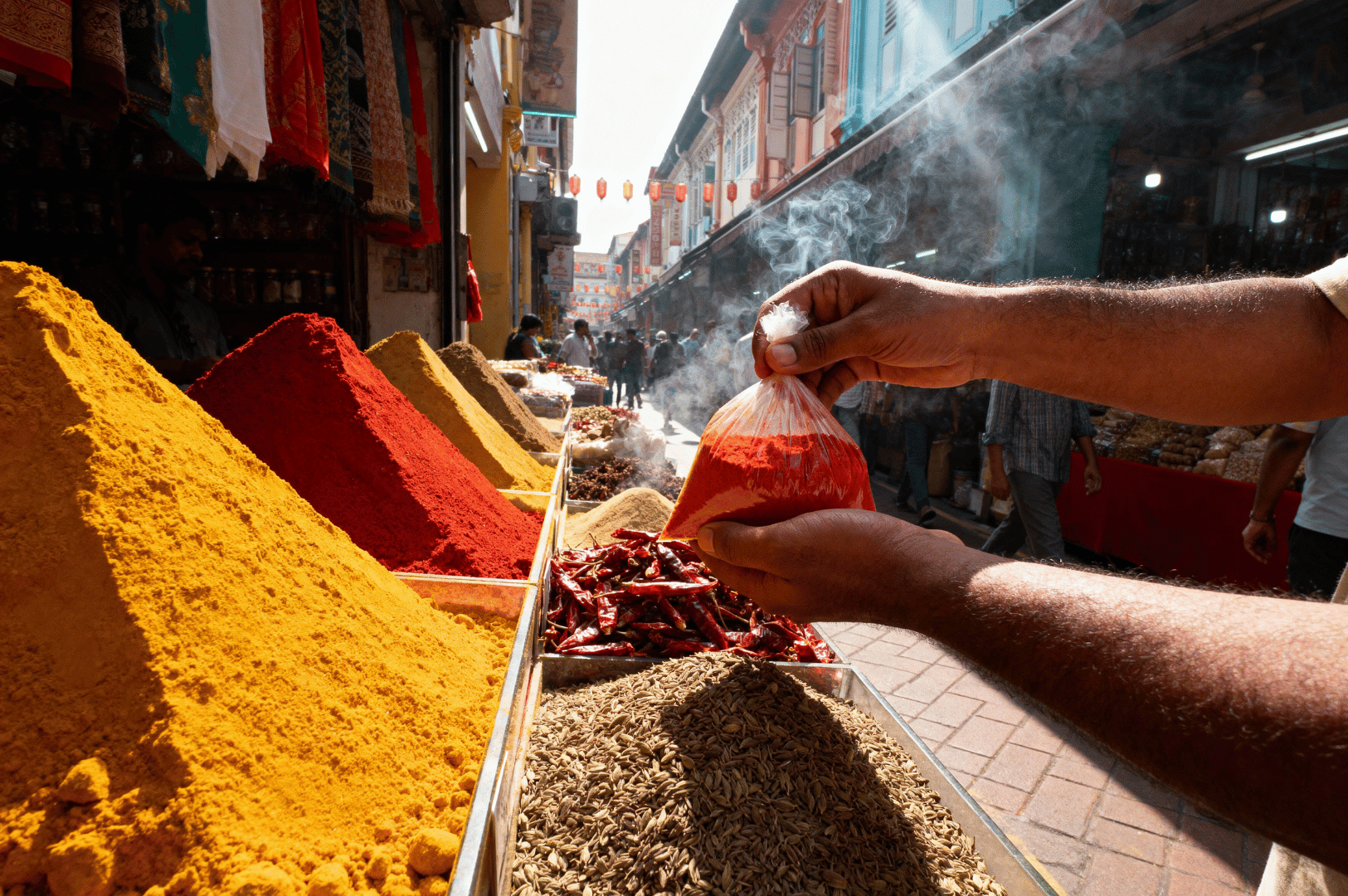
The moment I step into Little India, my camera feels like an extension of my senses. The neighborhood is a visual feast, a sensory overload that defines Singapore's food scene. As a photographer dedicated to capturing the essence of street food, this is where the art of food photography comes to life. The air is thick with the scent of spices and incense, a prelude to the delicious food and culinary creations waiting to be discovered. This is more than just a location; it's a living portfolio of Singapore's rich culture.
Food Photography Journey
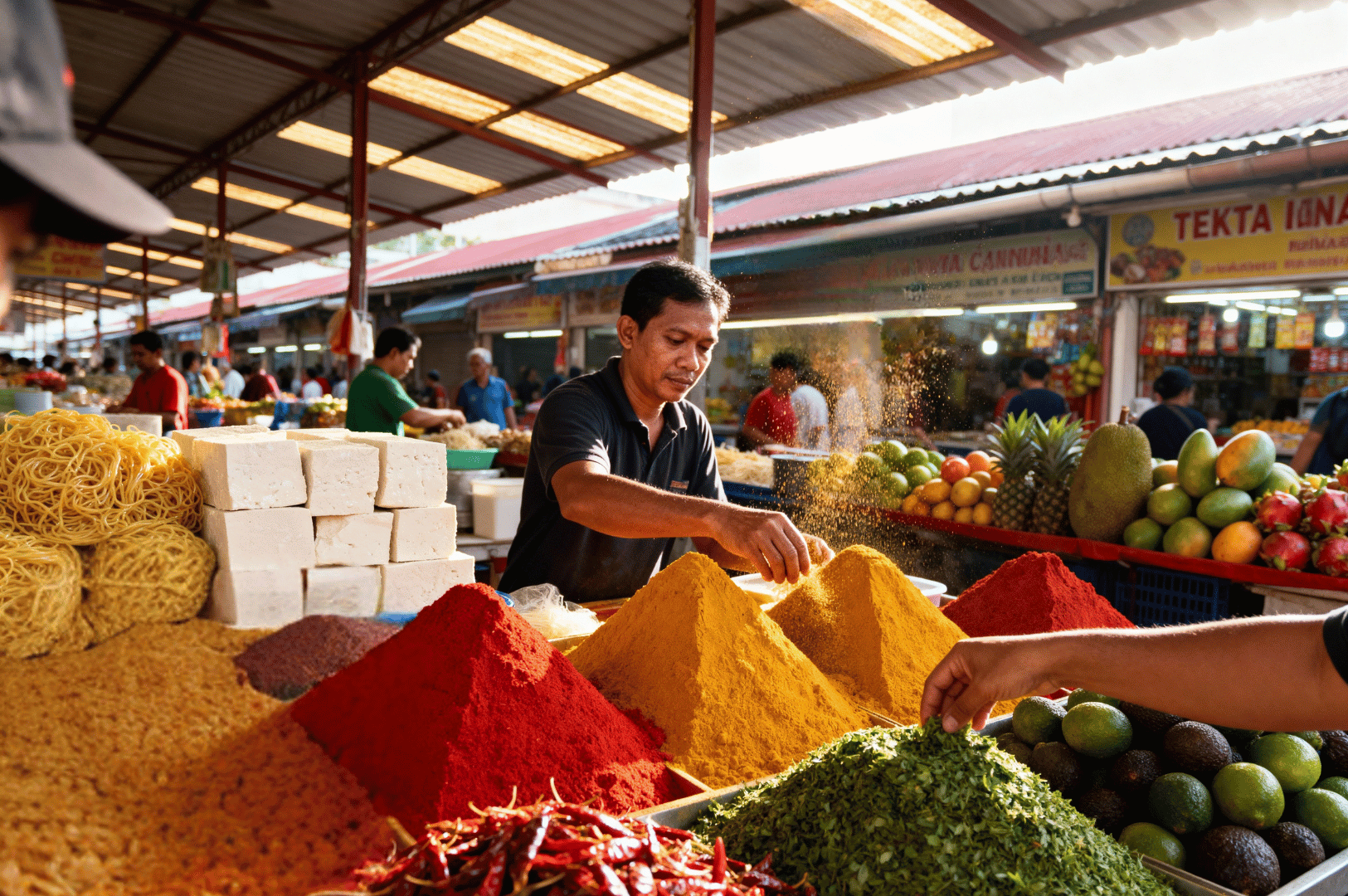
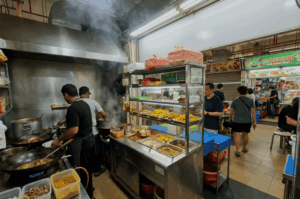
My journey always begins at the ground level of the Tekka Centre. This market is a whirlwind of activity, a prime spot for little India spice photography. Piles of fresh fruits, vegetables, and aromatic spices create a kaleidoscope of color. For photographers looking to capture food in its raw, authentic state, this is paradise. The textures and hues are a testament to the quality of ingredients that form the base of so many Indian dishes. I watch vendors interact with customers, their hands moving with practiced ease—a dance of commerce and community.
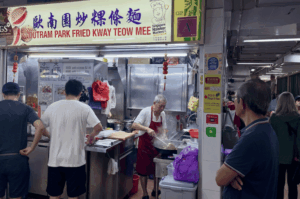
Here, every stall tells a story. I pause to watch a man meticulously arrange his display of tofu and fresh noodles. He explains that presentation is essential. "People eat with their eyes first," he says, a universal truth in the food industry. This philosophy is central to professional food photography. The goal is to create food photos that not only document a dish but also evoke a sense of taste and desire. The right shot can make a simple menu item look like a masterpiece and is key to how a business attracts customers.
How I Achieve Professional Food Photography
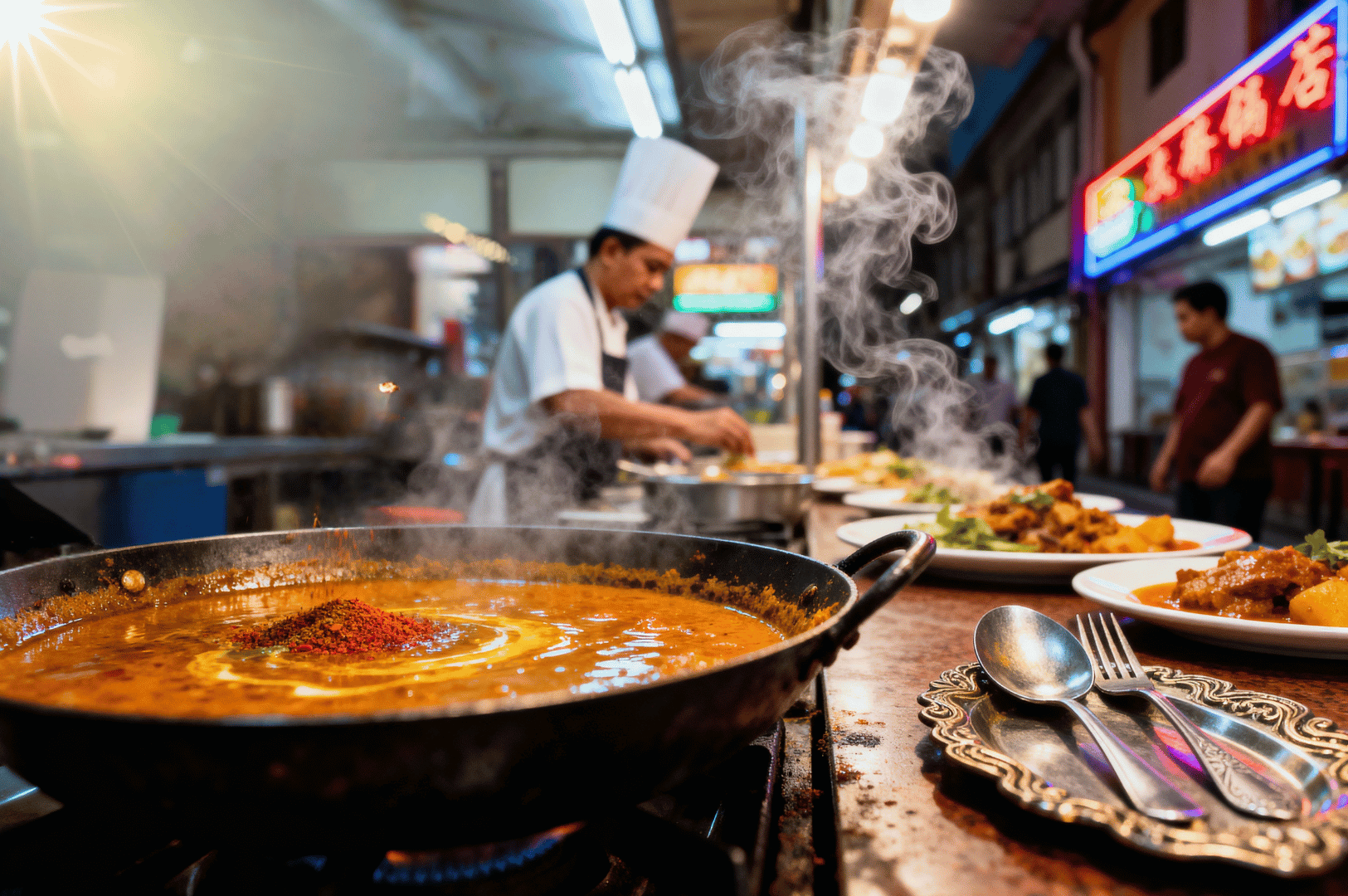
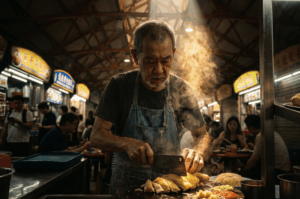
To capture the mood of this environment, I focus on the light. The market’s mixed lighting can be challenging, but it also creates opportunities for dramatic, high-contrast images. I use a prime lens to isolate subjects, blurring the background to highlight the artistry of a single dish or the intense focus on a vendor's face. This approach helps to convey the mood and create a powerful impression. My aim is to create photographs that do more than just show what's there; I want to make your mouth water.
Wandering from the market, I explore the side streets like Clive Street. This neighborhood is home to countless small restaurants, cafes, and street food vendors, each showcasing their unique cuisines. This is where I can capture the preparation process, from the sizzle of a hot pan to the final plating. Each dish, whether it’s a simple plate of street food or a curated collection from a restaurant menu, is prepared with a level of craft that deserves to be documented.
Good food photography is about more than just pointing a lens at delicious food. It involves understanding composition, light, and the story behind the meal. I often look for details—the ornate cutlery, the texture of the background, the steam rising from a dish—that enhance the overall image. These elements help to create a sense of place and atmosphere, transporting the viewer to that exact moment. It’s an essential skill for any photographer looking to build a strong portfolio in this industry.
Culinary Creations
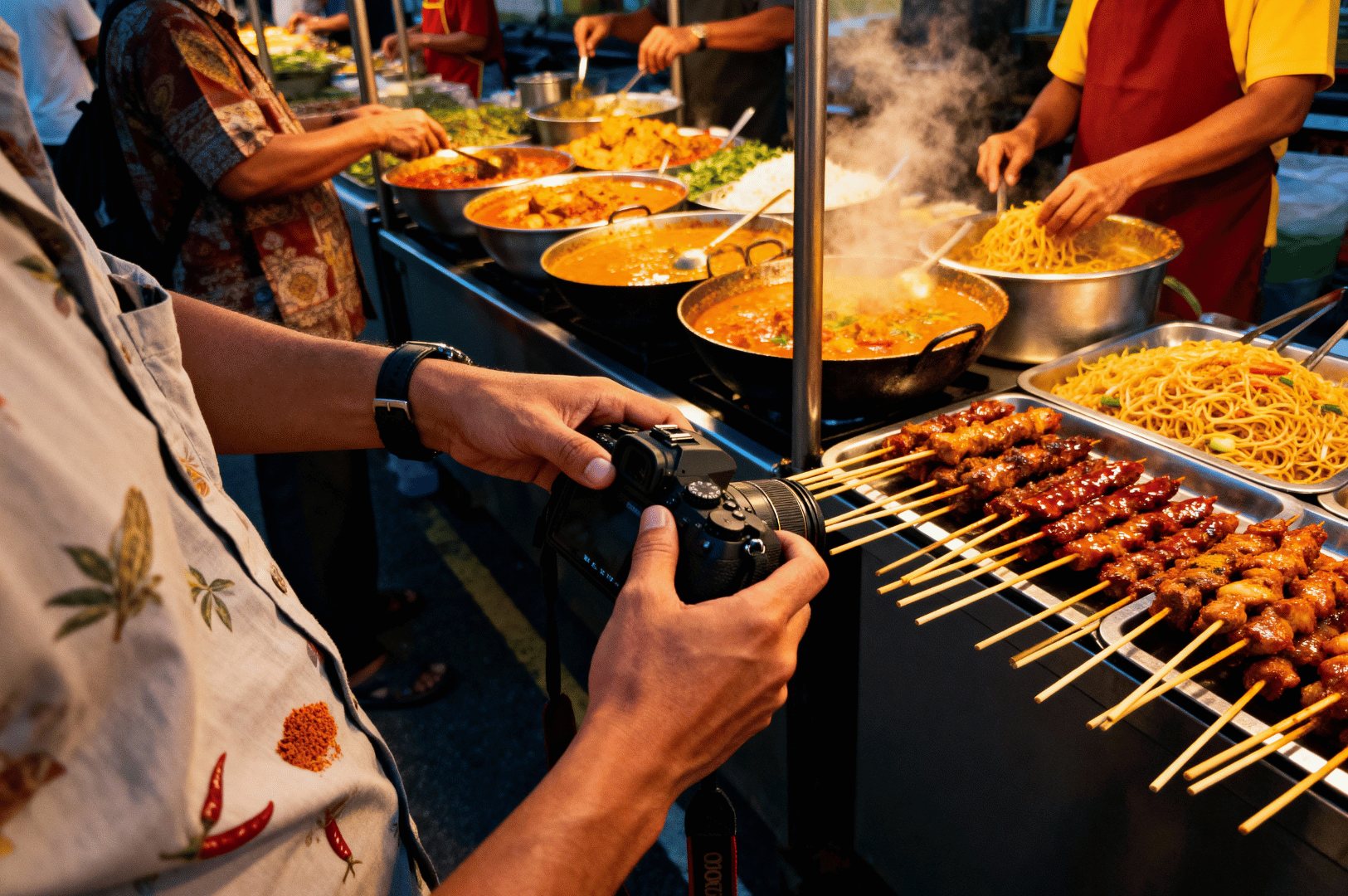
This dedication to craft is what connects the different food scenes in Singapore, from Little India to Chinatown. Whether it’s Chinese, Malay, or Indian food, the passion for quality is universal. The photographers who specialize in this field understand that their photos are a vital part of advertising for any café or establishment. A well-executed shot can elevate a brand and connect with customers on an emotional level.
As I pack up my camera, the scent of spices still lingering on my clothes, I feel a deep sense of satisfaction. My work today was not just about taking photos. It was about preserving a piece of Singapore's culture, showcasing the artistry of its people, and telling the story of its vibrant food scene. Through the art of photography, we can capture the essence of a place and share it with the world, creating a lasting record of the life and traditions that make a neighborhood like Little India so special.
The Symphony of Singapore’s Food Scene
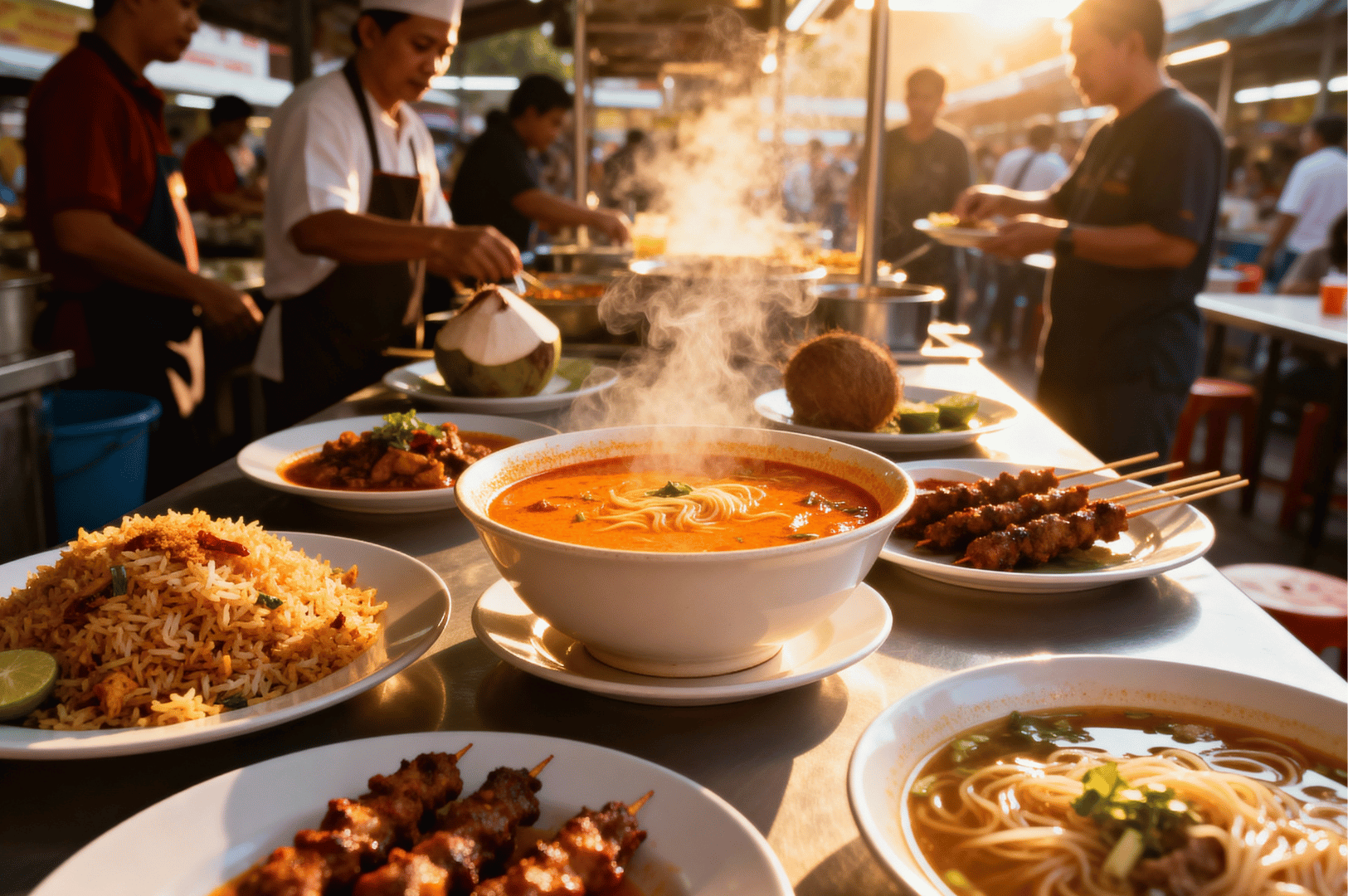
Singapore’s food scene is a harmonious blend of flavors, where the bold spices of Indian cuisine meet the delicate textures of Chinese noodles and the fragrant notes of Malay dishes. Each culture brings its own unique touch, creating a symphony of tastes that is both diverse and delicious. In this vibrant landscape, food photography plays a crucial role in capturing the beauty, quality, and creativity of every dish. If you're looking to photograph one of Singapore's most beloved dishes, like the iconic laksa, these golden hour photography tips can help elevate your shots.
For more visual stories and photography guides, visit Street Food Photographer.

A Letter to the Faces Behind the Counter
June 16, 2026
You are turning over chicken wings when I first notice you. It is just past seven at Old Airport Road Food Centre, and the ceiling fans are pushing warm air down onto the tables. The…
-
How to Photograph Cuppage Plaza Food Without Disturbing the Room
June 15, 2026
The camera flash went off by mistake. It was a small, clumsy decision, but in the narrow, slightly smoky space of Kazu Sumiyaki, it felt much larger than it was. A few heads turned. The…
-
To the Stirring of the Wok in the Early Hours
June 12, 2026
The first sound is not the flame. It is the metal ladle touching the side of the wok, a small, hollow note that carries across the half-awake floor of Hong Lim Market & Food Centre….
-
Cuppage Plaza Food Guide: Japanese Restaurants and Hidden Gems in Singapore’s Little Tokyo
June 11, 2026
I started coming to Cuppage Plaza for the light. The building is old, a little worn at the edges, with narrow staircases and corridors that smell faintly of charcoal and sake by early evening. But…
-
A Note to the Knife That Cuts, But Never Hurries
June 9, 2026
The knife lands softly before it cuts. I hear it before I lift the camera. A low wooden sound, not sharp, not rushed. At Maxwell Food Centre, the lunch crowd is already pressing into the…
-
Wang BBQ Chicken Wing & Satay: Photographing Smoke, Wings, and Skewers at Chomp Chomp Food Centre
June 8, 2026
I reached Chomp Chomp Food Centre at 20 Kensington Park Road, Serangoon Gardens, Singapore on a Tuesday evening around 7pm, just as the place was beginning to thicken with supper energy. The tables were filling…
-
To the Fragrance That Lingers Long After the Meal
June 5, 2026
The evening air at Old Airport Road Food Centre is thick and warm. It wraps around me the moment I step away from the open street. I walk past the bright neon signboards, letting the…
-
Lau Pa Sat Satay Street: Photographing After-Work Satay in Singapore’s CBD.
June 4, 2026
I visited Lau Pa Sat Satay Street on a Tuesday around 7pm, just as Boon Tat Street was changing its identity from a busy traffic route in Singapore’s CBD to a lively alfresco dining venue….
-
A Letter to the Hidden Moments Between the Shots
June 2, 2026
The afternoon heat settles heavily over Tiong Bahru Market. The frantic noise of the lunch hour is completely gone. I sit at a corner table near the open balcony. The green tiles reflect the warm,…
-
Izakaya Singapore: More Than Just After-Work Spots
June 1, 2026
When we talk about izakayas in Singapore, we often reduce them to simple after work drinks spots. We picture loud rooms where tired professionals go to drink cold beer and eat cheap bar snacks. But…