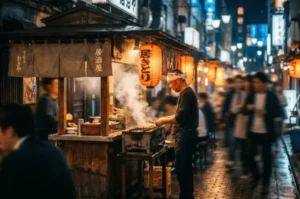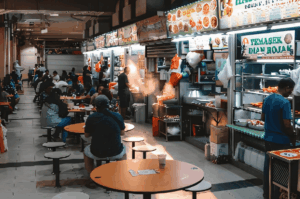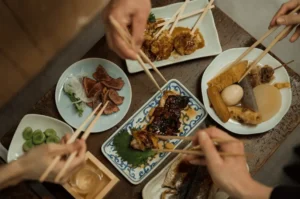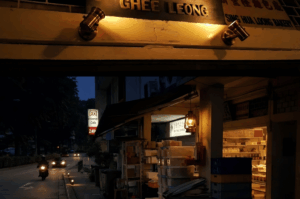
The morning light hits the peeling plaster of a shophouse five-foot way differently than it hits a glass skyscraper. It is softer, more textured, and it seems to carry the weight of history. For a documentary photographer, Singapore presents a unique visual dialogue: the rigid, neoclassical lines of British colonial architecture juxtaposed against the chaotic, steam-filled vibrancy of traditional food culture. This intersection is where I find my most compelling stories. Planning a food tour Singapore route isn't just about logistics; it is about tracing the lineage of our past through the buildings that housed it and the food that fueled it.
Modern photography often chases perfection: clean, bright, evenly lit scenes. But the story of our most beloved Singapore restaurants is not perfect. It is messy, layered, and beautifully imperfect. The lighting in these spaces tells a story of pragmatism, of history, of make-do-and-mend. To walk in with a bag full of strobes and softboxes is to silence that story, to impose a sterile, modern narrative on a space that has earned its character over decades. True heritage restaurant photography is about listening to the light that is already there.
The Historic Canvas: Neighborhoods of Memory
Singapore’s colonial footprint is not confined to the civic district’s grand monuments. It bleeds into the vernacular architecture of our ethnic enclaves, creating distinct backdrops for SG photography that beautifully capture the city’s rich heritage and culinary stories.
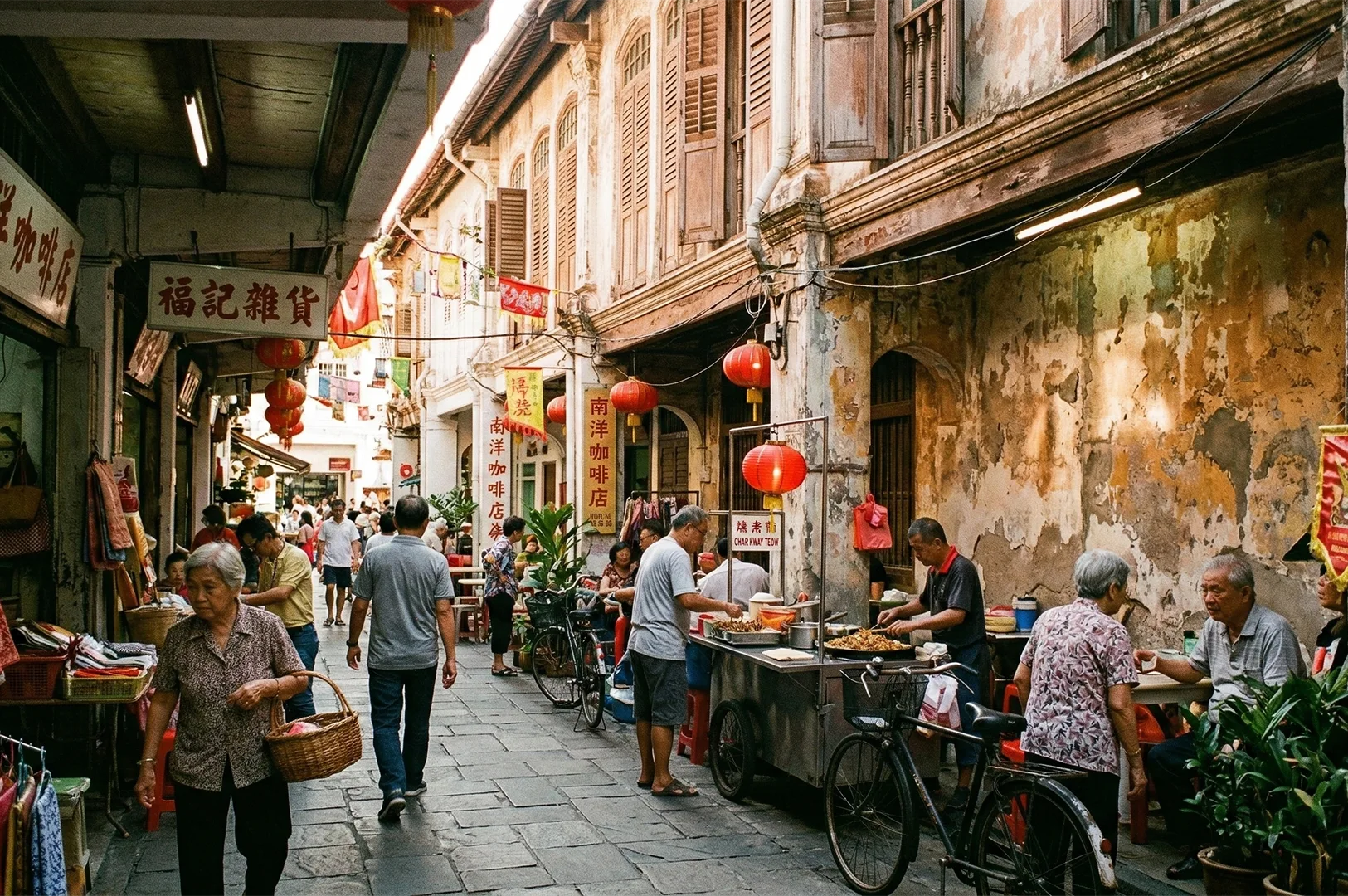
In Chinatown, the architecture is intimate and layered with history. The narrow shophouses with their ornate facades and louvered windows create a rhythm of shadow and light, perfect for framing street food vendors serving iconic dishes. Here, the culinary heritage is centuries old, hidden in alleys where the smell of brewing Nanyang coffee mingles with the aroma of freshly prepared pork and prawns, a sensory experience that every food lover and photographer should not miss.
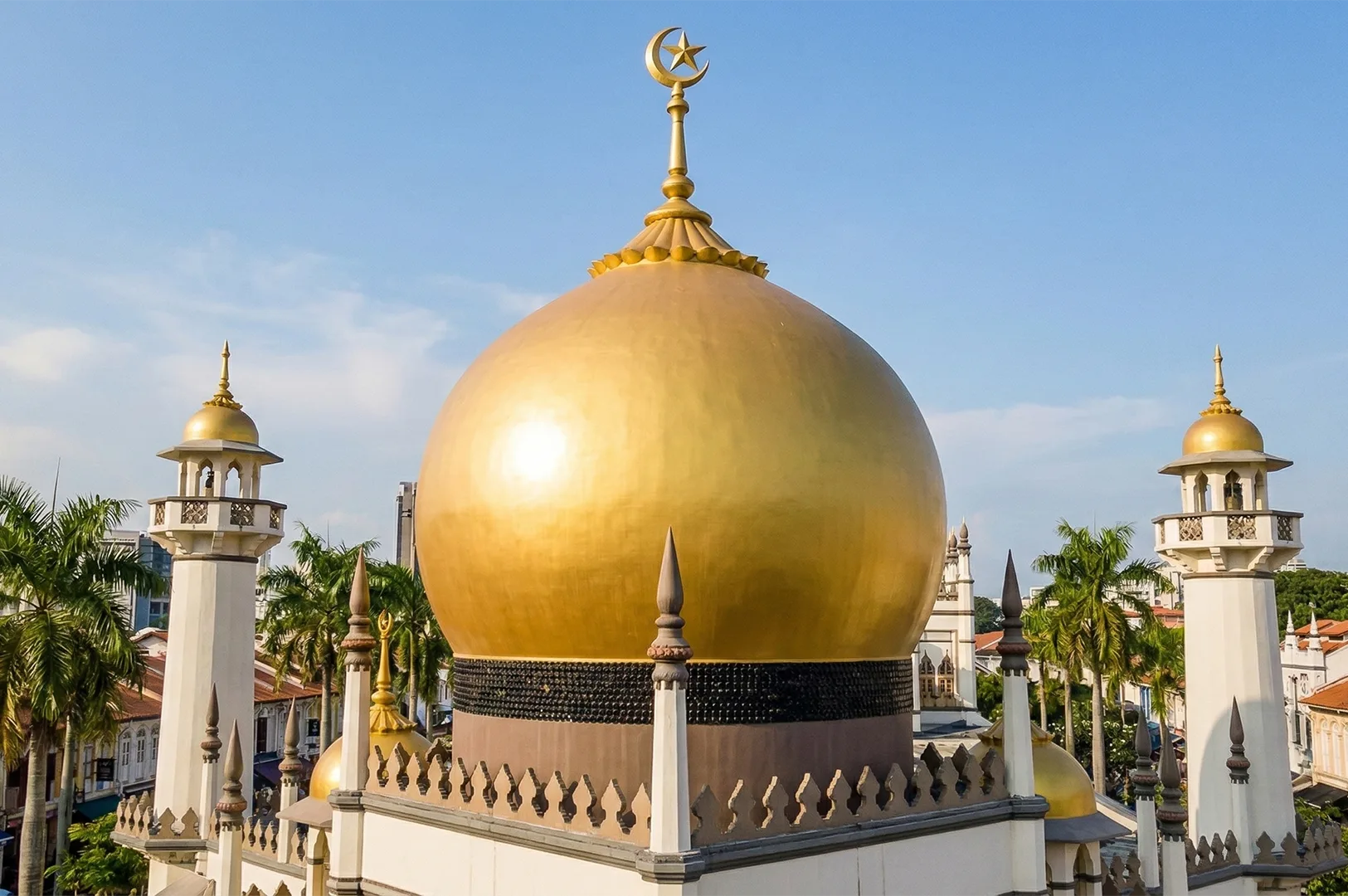
Moving towards Kampong Glam, the visual language shifts dramatically. The influence is Arab and Malay, centered around the golden dome of the Sultan Mosque. The shophouses here are painted in vibrant hues, housing eateries that have been serving traditional dishes like murtabak and nasi padang since the early 1900s. This area is a treasure trove for those seeking to capture the passion and stories behind every plate, making it a highly recommended stop on any Singapore food tour.
Little India offers a sensory explosion that’s unmatched. The colonial-era shophouses, adorned with intricate plasterwork, provide stunning backdrops for spice merchants and sweet shops. The air is thick with turmeric and incense, and the bustling streets are filled with the fun and flavor of dosas, curries, and other Indian delights prepared from scratch using authentic recipes passed down through generations.
In these neighborhoods, the architecture and food are inseparable partners in a historical narrative. They tell the story of Singapore’s multicultural identity, a country where all the ingredients of its colonial past and diverse cultures blend seamlessly. For photographers and food enthusiasts alike, capturing this synergy is an adventure that reveals the true taste and spirit of Singapore.
Landmarks of Flavor: Old Restaurants Worth Documenting
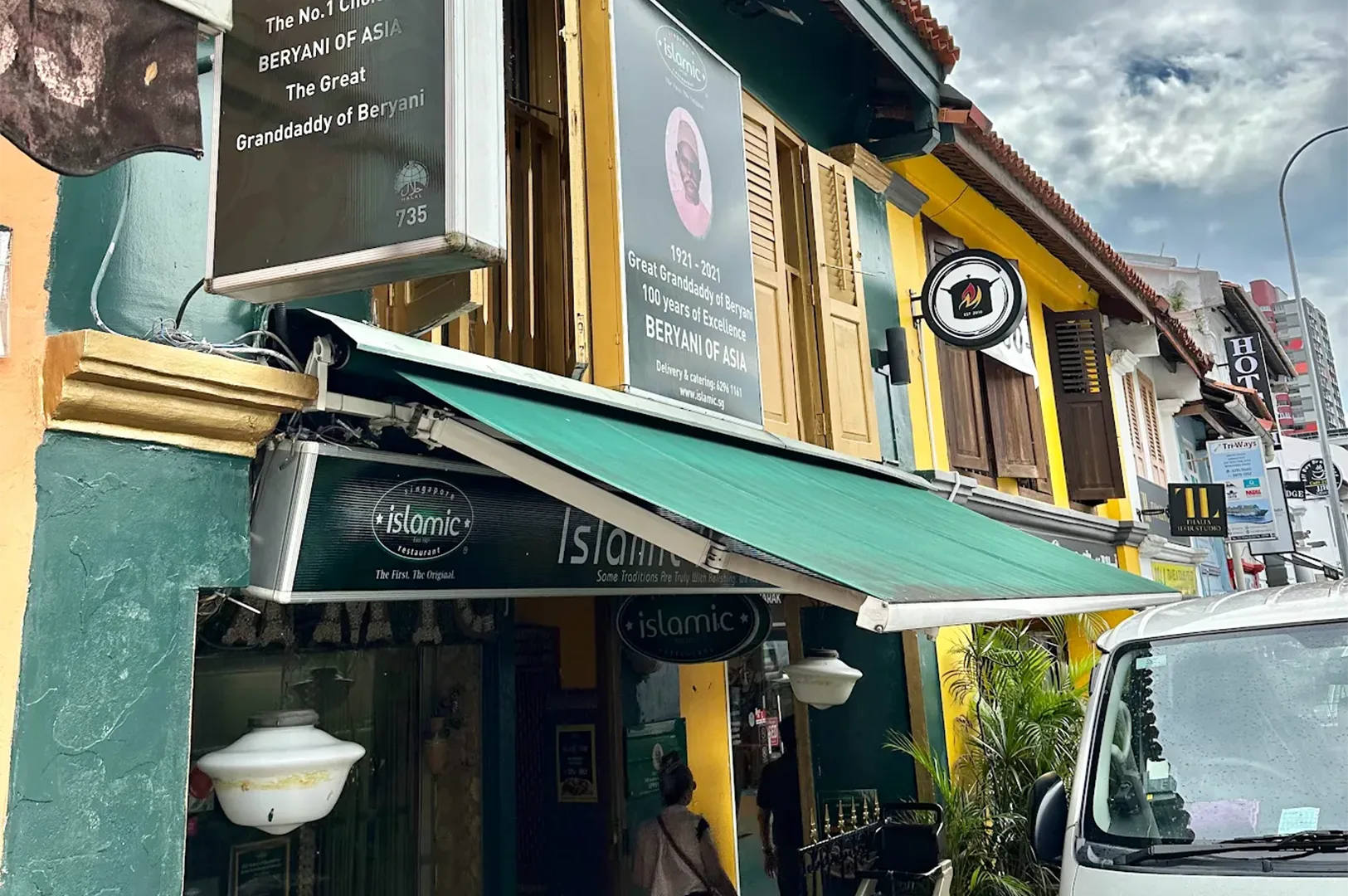
To truly capture colonial heritage Singapore, you must seek out the establishments that have stood the test of time, the old restaurants in Singapore that serve as living museums of our culinary past.
Take, for example, the Islamic Restaurant on North Bridge Road. Established in 1921, this iconic venue is more than just a place for enjoying a renowned Beryani Set; it’s a slice of history where the high ceilings, sepia-toned pictures, and vintage decor tell stories of colonial dignitaries and Malay royalty who once graced its halls. As a great guide to Singapore’s food heritage, photographing here offers a unique blend of human stories and architectural beauty that enriches any SG photography portfolio.
Nearby, in the Purvis Street area, the Hainanese influence shines through. While many original kopitiams have disappeared, spots like YY Kafei Dian retain the spirit of the Hainanese cooks who once served the British. The marble tables, mosaic floor tiles, and simple presentation of kaya toast create a nostalgic atmosphere that contrasts beautifully with the richer textures of Peranakan restaurants and Indian eateries found elsewhere. This area is a must-visit for photographers and food lovers alike, offering a glimpse into the eating culture that shaped Singapore’s culinary identity.
These old restaurants are not just about food; they are about preserving a brand of quality, passion, and memories passed down through decades. Capturing their essence through your lens is a way to honor the team behind the scenes, the customers who have loved these places for generations, and the stories that continue to unfold with every dish served. Whether it’s the aromatic spices in a plate of ayam buah keluak at a Peranakan restaurant or the clinking of glasses filled with the iconic Singapore Sling at Raffles Hotel, these moments define the soul of Singapore’s food scene.
So when you plan your next Singapore food tour or SG photography adventure, make sure to include these heritage spots. They offer not only amazing dishes and drinks but also a rich menu of history and culture, perfect for those who want to enjoy the past and present in a single frame.
Efficient Route Planning: The Heritage Corridor
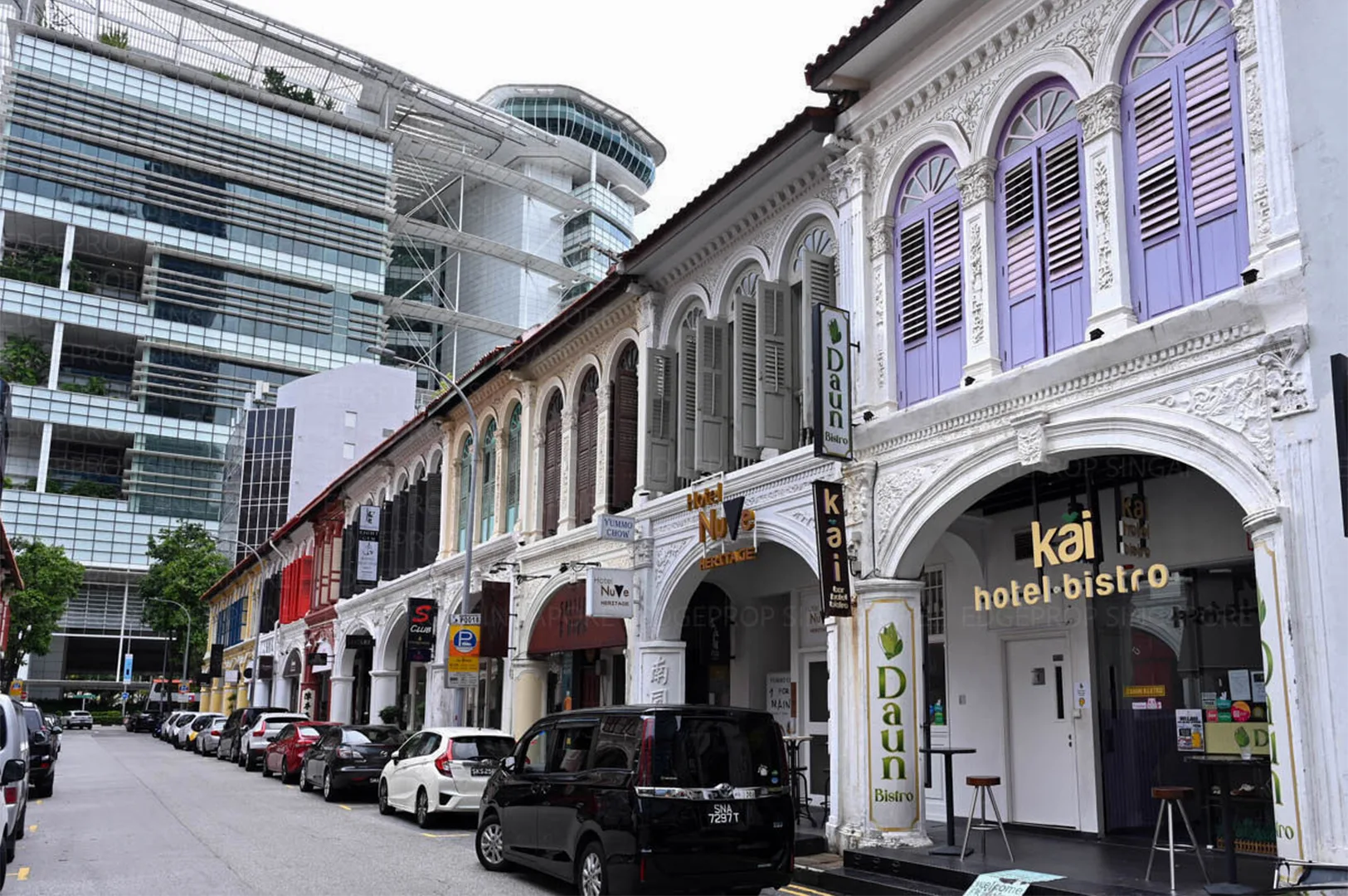
Efficiency in heritage food photography does not mean rushing; it means smartly clustering your subjects geographically to maximize the "golden hour" light while minimizing travel time. I recommend following a "Heritage Corridor" route that traces the historical flow of Singapore, allowing you to capture the essence of colonial architecture and food culture in a seamless, efficient way.
Start your morning at 7:00 AM in the Beach Road and Purvis Street area. The soft morning light filtering through the shophouse corridors is perfect for capturing steam rising from coffee cups and the nostalgic charm of old kopitiams. This area is ideal to document the Hainanese colonial connection before the lunch crowds arrive, offering a rich introduction to Singapore’s food heritage.
By 9:30 AM, make your way towards North Bridge Road and Kampong Glam. This short walk offers a change in architectural narrative, with the sun casting strong shadows that highlight the intricate details of the Sultan Mosque and surrounding Saracenic buildings. Here, you can capture the bustling preparations at iconic establishments like Zam Zam, established in 1908, blending history, culture, and food in a single frame. This segment of the route perfectly balances transport ease with a diverse cultural palette.
Conclude your route by lunchtime in the vibrant chaos of Little India or the architectural elegance of Telok Ayer. This linear progression through three distinct colonial-era neighborhoods allows you to photograph a variety of cultural expressions without spending half your day in transit, making it perfect for group tours or solo expeditions alike.
This Heritage Corridor is not just about efficiency; it’s about respecting the rich business legacies of these historic restaurants and the generations of families who have preserved their recipes and stories. Whether you’re capturing the aroma of ayam buah keluak at a Peranakan restaurant or the clinking of glasses filled with the iconic Singapore Sling at Raffles Singapore, every shot contributes to a visual review of Singapore’s culinary and architectural heritage.
By planning your SG photography route with these stops, you ensure a balanced mix of rest, exploration, and captivating imagery. Remember, the best photos come when you have time to connect with your subjects and absorb the stories behind the dishes and buildings. This approach honors both the past and the present, creating a meaningful narrative through your lens.
Photography Tips for the Colonial Lens
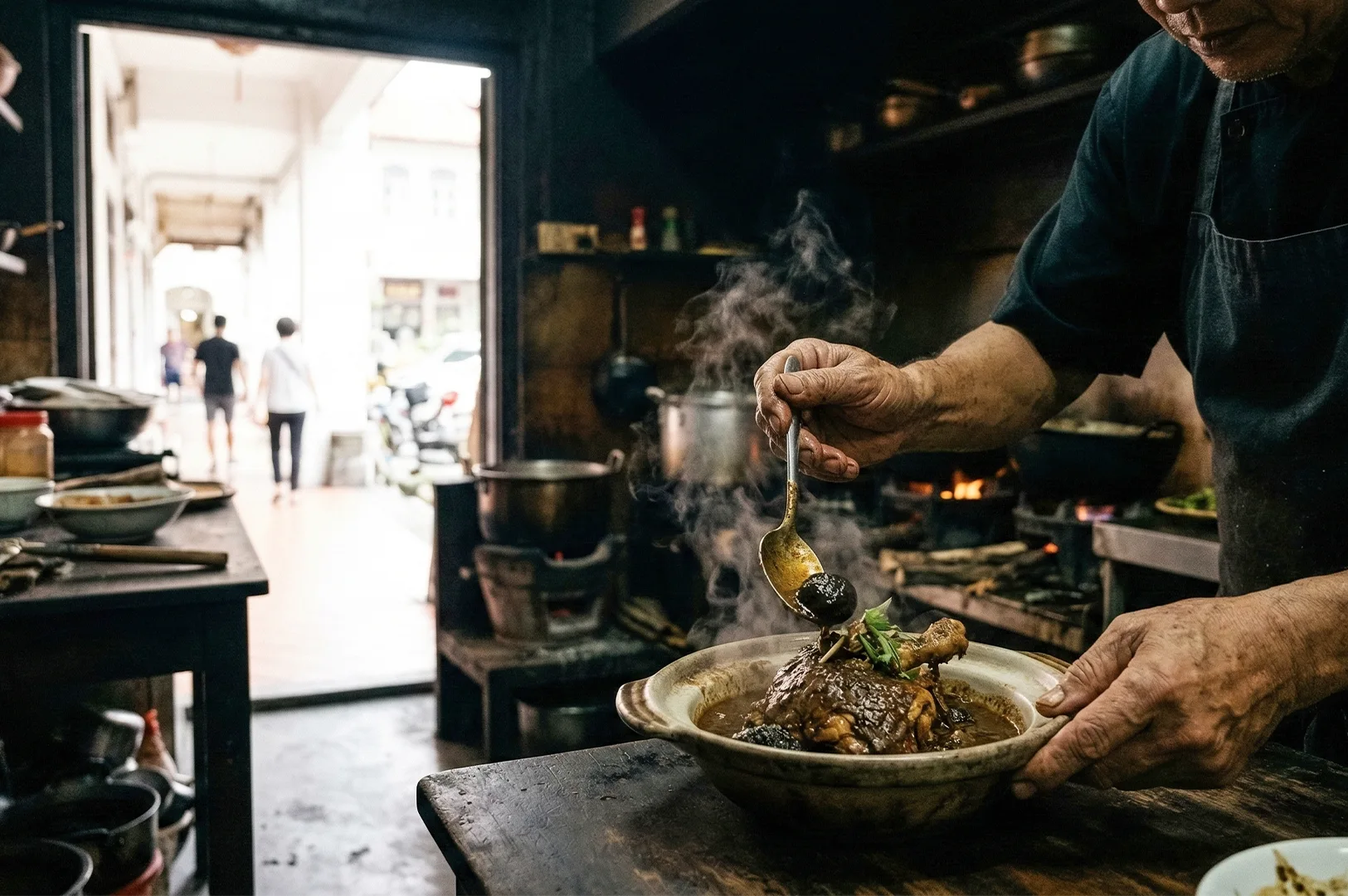
Shooting in these environments presents specific technical challenges that every SG photography enthusiast should master. Colonial shophouses often have interiors cloaked in shadows while the outside is brightly lit, creating a striking contrast that demands a thoughtful approach.
- Expose for the Shadows: When shooting from the iconic five-foot way into a dimly lit shop, I recommend exposing for the interior. This technique reveals the intricate details of food preparation (be it the sizzling prawns or the layering of spices) while allowing the outside light to blow out softly, creating a dreamy, atmospheric background that speaks to the heritage setting.
- Frame with Architecture: Use the graceful arches of the five-foot ways or the weathered frames of old wooden windows to compose your shots. This not only draws the viewer’s eye directly to the subject (often a chef or a plate of ayam buah keluak) but also anchors your image firmly within Singapore’s colonial architectural legacy, a key element for authentic SG photography.
- Capture the Texture: The beauty of these colonial buildings lies in their textures: chipped paint, vibrant Peranakan tiles, and timeworn wood. I often stop down to a narrower aperture like f/8 to keep these rich details sharp alongside the food, telling a full story of the environment. This attention to detail is what elevates a simple food photo into a powerful narrative of Singapore’s culinary heritage.
Remember, whether you’re shooting in the golden hour light near the Gardens by the Bay or capturing the evening bustle at a Peranakan restaurant like Guan Hoe Soon, these techniques help you balance the demands of light and shadow while preserving the soul of the scene. These are the kinds of shots that make your portfolio stand out and bring the history and flavor of Singapore to life.
Balancing Efficiency and Depth
There is always a tension in documentary work between covering ground and digging deep. While an efficient route helps you see more, SG photography is ultimately about connection. It is easy to treat these old restaurants in Singapore as mere checkpoints on a list. Avoid this.
I often sacrifice a planned stop if I find a compelling story at my current location. If the owner of a heritage bakery starts sharing stories about his grandfather serving British soldiers in the 1950s, I put the camera down and listen. The best photo often comes after the conversation, when the subject trusts you enough to let their guard down. Efficiency gets you to the door; empathy gets you the shot.
Along a Singapore Food Tour: The Urgency of the Shutter
We are documenting a disappearing world. The colonial shophouses may be protected as heritage sites, but the traditional food trades housed within them face an uncertain future. Rents rise, and younger generations often choose different paths.
Every time we undertake a food tour Singapore with our cameras, we are creating an archive. We are preserving the visual memory of how the light fell on a marble table in 2024, how a third-generation hawker pleated a curry puff, and how our colonial history continues to flavor our present. These routes are efficient ways to navigate the city, but more importantly, they are pathways to understanding our identity.
We shoot not just to capture a pretty image, but to ensure that when these places eventually change or fade, the memory of their flavor remains sharp and clear.

Capturing the Essence of Izakayas: How Izakaya Photography Brings These Hidden Gems to Life
May 21, 2026
I clearly remember my first time bringing a professional camera into Shukuu Izakaya & Sake Bar on Stanley Street. I walked in with a rigid plan to photograph their famous mentaiko rosti. I spent a…
-
To the Light That Only Appears at 5AM
May 19, 2026
The wet market floor at Tekka Centre reflects the deep blue of the pre-dawn sky. It is exactly five in the morning. The main overhead lights are still off. A heavy, damp quiet hangs in…
-
Where Night Settles Into the Grill: Shooting The Best Izakaya Singapore
May 18, 2026
I have spent the last three years carrying my camera through the smoky, cramped corridors of the acclaimed “best izakaya” Singapore has. I’ve tried all of these spots, spending countless nights waiting for the perfect…
-
A Note to the Streets That Have Yet to Wake Up
May 15, 2026
The asphalt is slick with leftover midnight rain. It is 4:30 AM on Balestier Road. The city is completely silent, wrapped in a heavy, humid darkness. I stand on the corner across from Sing Hon…
-
Days Without Meat: A Study of Habit Inside Fortune Centre’s Vegetarian Culture
May 14, 2026
Let me tell you about the first time I walked into Fortune Centre with my camera. I expected a standard Singaporean food court experience: loud, chaotic, and heavily focused on the usual meat-heavy local dishes….
-
To the Bowl That Sings with Steam Every Morning
May 12, 2026
The glass of my lens fogs over the second I take off the cap. It is 6:15 AM at Maxwell Food Centre. The heavy, cool air of the morning clashes immediately with the immense heat…
-
From Queue to Tray: A Continuous Frame Through Fortune Centre Singapore’s Lunch Hour
May 11, 2026
The air inside the first floor of Fortune Centre is thick with the inviting aroma of toasted sesame and rich braised tofu. It’s just past midday, and the narrow corridors along Middle Road buzz quietly…
-
A Letter I Never Gave to the Noodle Uncle
May 8, 2026
The bamboo strainer hits the edge of the aluminum pot with a hollow, rhythmic thud. It is two in the afternoon at Hong Lim Food Centre. The frantic lunchtime crowd has finally vanished. The heavy,…
-
Fortune Centre Cheap Eats That Deserve a Closer Look
May 7, 2026
The first thing I notice about Fortune Centre is not the food. It is the light. Fluorescent, flat, almost unforgiving. It settles over everything without preference. Trays of mock meat, bowls of laksa, stainless steel…
-
To The Recipe That Outlived Its Maker
May 5, 2026
The morning air at Jalan Berseh is still cool, but the heat radiating from the charcoal fire is immediate. I stand a few steps back from the counter of Sungei Road Laksa. I watch the…