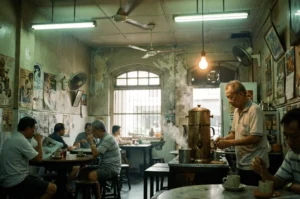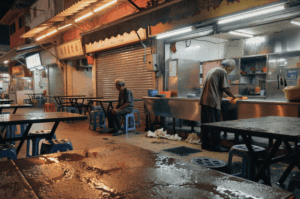
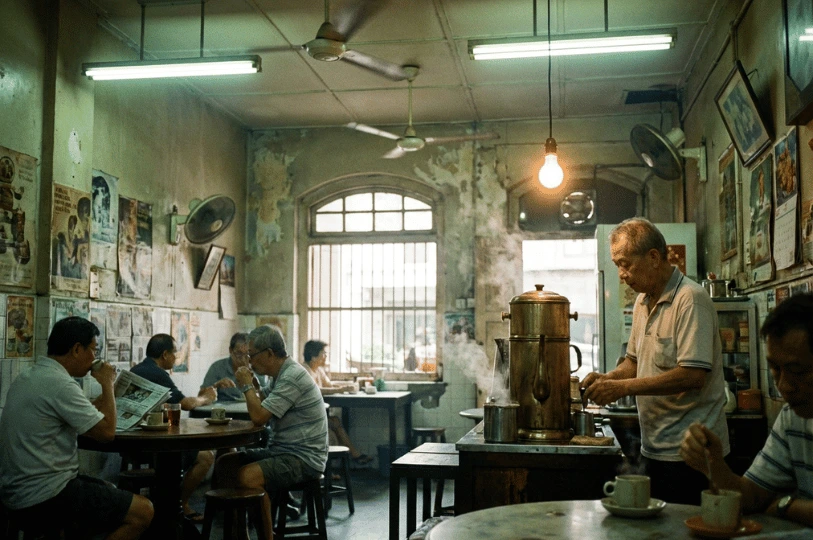
The air in a heritage Hainanese coffeeshop is thick with more than just the aroma of kaya toast and freshly brewed kopi. It is thick with a particular quality of light. A mix of harsh, greenish fluorescent tubes overhead fights with the warm, golden glow of a single bulb illuminating the coffee-making station. Add to that the soft, hazy daylight filtering through a shophouse window, and you have a scene that is a technical nightmare for many photographers. For me, however, this is not a problem to be solved; it is the soul of the place. When embarking on a photo shoot in Singapore that aims to document our culinary heritage, respecting this light is as important as respecting the food itself.
Modern photography often chases perfection: clean, bright, evenly lit scenes. But the story of our most beloved Singapore restaurants is not perfect. It is messy, layered, and beautifully imperfect. The lighting in these spaces tells a story of pragmatism, of history, of make-do-and-mend. To walk in with a bag full of strobes and softboxes is to silence that story, to impose a sterile, modern narrative on a space that has earned its character over decades. True heritage restaurant photography is about listening to the light that is already there.
The Atmosphere of Light
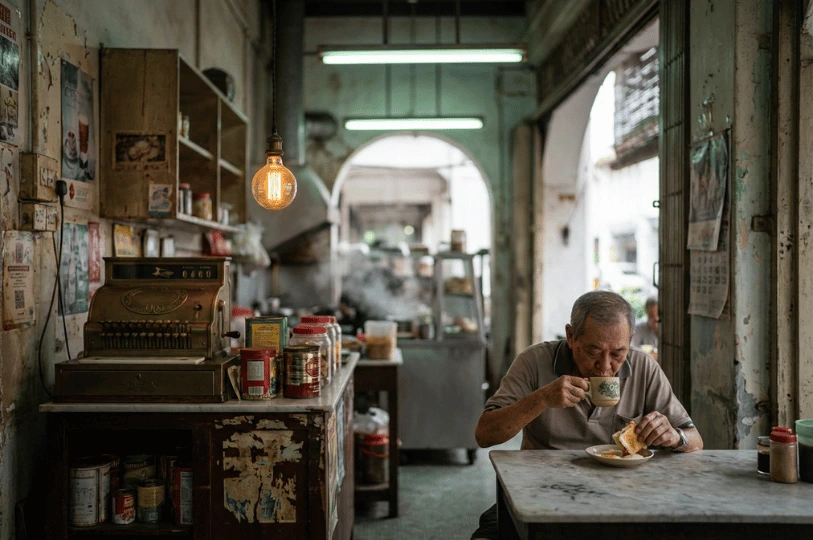
In a traditional restaurant in Singapore, the lighting is rarely a conscious design choice; rather, it is an accumulation of history and the unique atmosphere that defines these beloved local eateries. The long, humming fluorescent tubes, often installed in the 1970s for their efficiency, cast a greenish glow that might feel unappealing at first but is the color of countless weeknight dinners and quick lunches enjoyed by families and friends. The single, bare incandescent bulb over the cash register might be a remnant from an even earlier time, adding a warm, almost orange glow that creates pockets of intimacy, drawing your eye to the hands preparing traditional kaya toast or the face of a lone diner savoring soft boiled eggs and kopi.
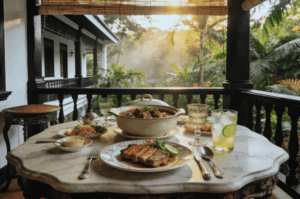
Natural light streaming through the five-foot way of a shophouse has a soft, diffused quality that beautifully illuminates a table near the entrance, perfect for capturing the authentic dining experience in these heritage restaurants. Understanding and appreciating these different light sources is the first step in effective ambient lighting photography during a photoshoot in Singapore, where the mix of traditional and modern elements creates a perfect balance.
When you explore these spaces, you discover not just good food but a living history, where every dish, from chicken rice to dim sum, is served with a story, and every corner tells a tale of the town’s vibrant surroundings. Capturing this lighting is a fun way to honor the life and culture embedded in Singapore’s oldest restaurants, making your photographs resonate with the warmth and character that define the city’s dining scene.
In retrospect, regardless of shooting a casual meal with loved ones, or a creative concept, embracing the lush greenery visible from some heritage restaurant windows or the hustle of nearby Haji Lane adds depth and context to your images. This approach ensures your photoshoot doesn’t just document food but captures the soul of a place where history, nature, and good value dining come together under one roof.
Respecting Authenticity While Capturing Essence
The core philosophy of my documentary work is to be a respectful observer, especially when planning a photo shoot in Singapore’s bustling city center and its heritage restaurants. This means minimizing my footprint, both physically and technically, to preserve the authentic atmosphere of these beloved spaces.
When I visit a working restaurant, my goal is to capture the place as it is, not as I wish it were. Imposing my own lighting setup disrupts service, makes staff and patrons uncomfortable, and sanitizes the scene, stripping it of the rich, layered character that tells the story of the building and its history.
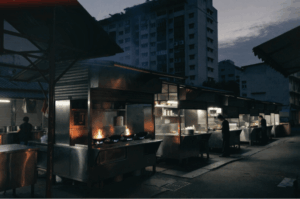
The challenge (and the perfect place for creativity) is to find beauty within the existing chaos. Instead of overpowering the "bad" light, I embrace it. I position myself so that the harsh fluorescent light acts as a rim light, separating a subject from the dark background, or wait patiently for a customer to sit at a table bathed in the warm glow of a single overhead bulb, creating a natural spotlight. This dance of patience and observation allows me to capture the right angle at the right moment, where the existing light tells the most compelling story.
In Singapore, where dining is a vibrant part of life, this approach ensures my photographs capture not just the food but the soul of the place. The lush greenery visible from some restaurant windows, the hustle of nearby tourist attractions, or the iconic shophouse architecture all contribute to the story. This method also respects the budget and time constraints of a working restaurant while delivering images that resonate with life, history, and the unique character of Singapore’s food scene.
Through this respectful and observant approach, my photo shoots become more than just documentation: they become a feast for the eyes, a journey through the city’s rich culinary heritage, and a tribute to the people and places that make Singapore’s dining culture truly world-class.
Technical Guidance for Ambient Lighting
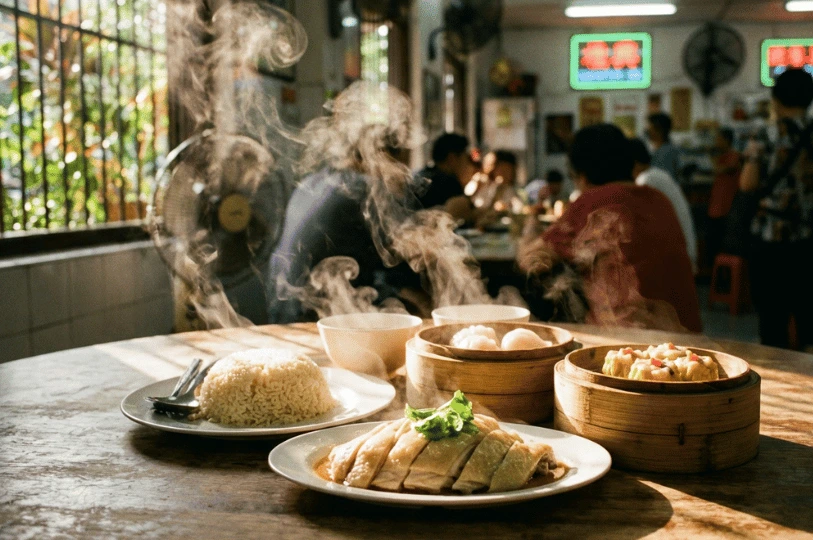
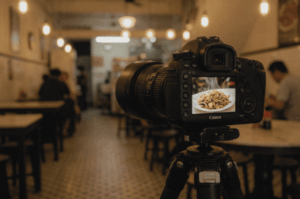
Working with the ambient light in older Singapore restaurants requires a flexible technical approach, especially when planning a photoshoot in Singapore’s vibrant historical restaurants. You are often dealing with low light and mixed color temperatures, which add to the unique character of these heritage spaces.
- Embrace a High ISO: Don’t hesitate to push your camera’s ISO. Modern digital cameras handle high ISOs remarkably well. A bit of grain is far more authentic and acceptable than a blurry photo or the artificial look of a flash. A grainy image feels timeless and tells a story with the dishes served in these iconic houses and cafes.
- Use a Fast Lens: A prime lens with a wide aperture (f/1.4 to f/2.8) is your best friend. It allows you to gather as much light as possible, letting you keep your ISO lower and your shutter speed fast enough to avoid motion blur. A 35mm or 50mm lens is perfect for capturing the lush greenery visible from the garden windows or the bustling atmosphere of a family shoot in a heritage restaurant without being too intrusive.
- Shoot in RAW: This is non-negotiable. Shooting in RAW gives you the maximum flexibility in post-processing to adjust exposure and, more importantly, to handle the mixed color temperatures. You can gently balance the colors without destroying the original atmosphere, preserving the warm glow of the sun filtering through the shophouse windows.
- White Balance Strategy: Instead of setting a custom white balance on-site, which can be confusing with mixed light sources, I usually leave it on Auto or set it to a specific Kelvin temperature (like Tungsten or Fluorescent) that matches the dominant light source. Fine-tuning is best done later, where you can make nuanced local adjustments to save the authenticity of the scene.
These technical tips are essential for capturing the perfect balance of light and story in Singapore restaurants, whether you’re photographing a traditional meal of chicken rice or dim sum, or capturing the lively energy of a group enjoying teh tarik at a bustling kopitiam. Understanding opening hours and peak lighting times can also help you spend your time and plan your shoot effectively, ensuring you make the most of natural light and vibrant scenes.
By embracing these techniques, you not only capture pictures that showcase good food and heritage but also create images that reflect the soul of Singapore’s dining culture. Whether in the city center or a quiet corner of Holland Village, every photo shoot in Singapore is an opportunity to explore history, nature, and the perfect balance of modern twist and tradition.
Balancing Light and Storytelling in Singapore Restaurants
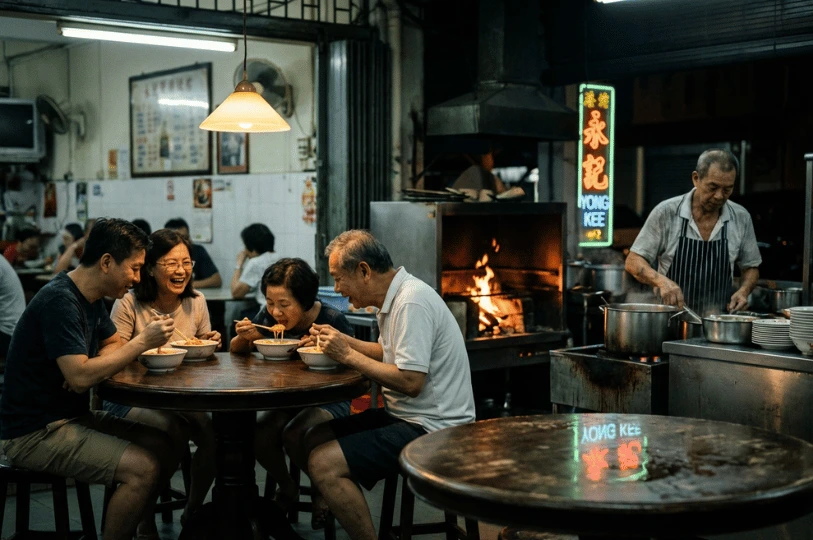
The light you choose to focus on directs the story of your photoshoot. If you expose for the bright, cool fluorescent lights, the scene might feel stark, anonymous, or even lonely; missing the warmth that makes these heritage restaurants truly special. But if you expose for the small pool of warm light illuminating a family sharing a meal, the story becomes one of intimacy, community, and connection, capturing the essence of Singapore’s vibrant dining culture.
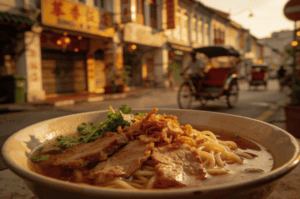
In heritage restaurant photography, I often seek out these narrative pools of light. It might be the fire from a charcoal stove casting a glow on a chef’s face, or the reflection of a neon sign on a freshly wiped tabletop near Chinatown’s bustling streets. These moments transform a simple documentary shot into a compelling piece of visual storytelling. The light ceases to be a mere technical challenge and becomes a powerful narrative tool, guiding the viewer’s eye and evoking specific emotions tied to the city’s rich history and good food.
Imagine the magic of capturing a family shoot over prawns or a bowl of spicy laksa; embracing the unique lighting found in Singapore restaurants, from the city center to Holland Village, adds depth and authenticity to your images. It’s these subtle details that help tell the story of not just the food and menu but the people and places that make Singapore’s culinary heritage unforgettable.
By mastering how to balance light and shadow in your photoshoot in Singapore, you create images that resonate with life, history, and the perfect balance of modern twist and tradition. This approach ensures your photographs don’t just capture pictures but truly capture the soul of Singapore’s dining scene, from iconic kopitiams to hidden gems along Haji Lane and River Valley. For more on Colonial Cuisine photoshoots, check this article.
Conclusion: The Light of Memory
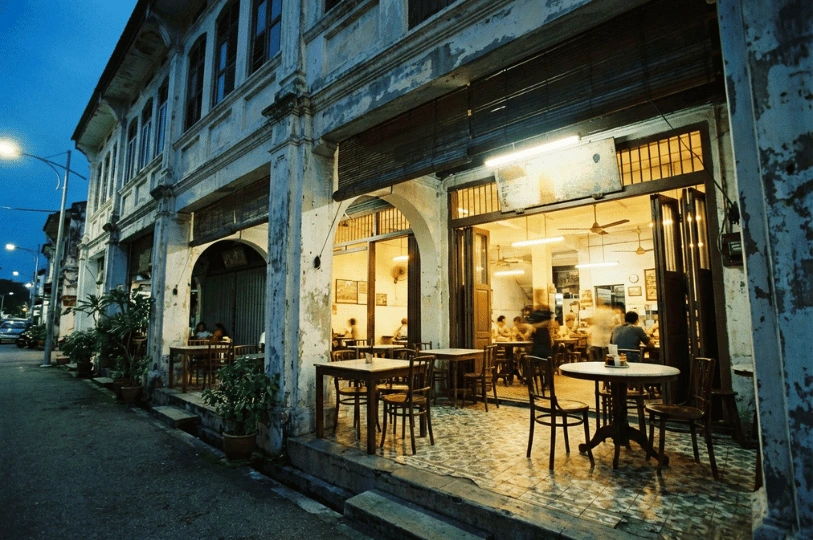
Ultimately, the unique lighting in a traditional restaurant is part of its memory and identity. It is the light that generations of Singaporeans have eaten under, celebrated under, and lived under. To erase it in pursuit of technical perfection is to erase a piece of our shared history. By learning to work with this light, by embracing its quirks and challenges, photographers can create images that are not only beautiful but also honest.
The goal of a photo shoot in Singapore’s heritage restaurants should be to capture the light of memory, ensuring that the spirit of these beloved establishments continues to shine, one frame at a time. The ambient light tells a story that no artificial setup can replicate. I hope every person who visits these iconic places can feel the warmth and history embedded in their walls.
For photographers planning a trip to Singapore, understanding and respecting this light is key to creating authentic photographs that truly capture the soul of the city’s food culture. From the city center to the lush greenery visible through garden windows, these restaurants offer some of the best places to capture the unique blend of heritage and modern life. This is not just about food photography; it’s about telling a story of culture, community, and connection that resonates beyond the frame.
For more insights and inspiration, check out my website, Street Food Photographer, and gallery showcasing the beauty of Singapore’s dining scenes, day and night.

Period Restaurant Lighting in Photo Shoot in Singapore Locations
March 6, 2026
The air in a heritage Hainanese coffeeshop is thick with more than just the aroma of kaya toast and freshly brewed kopi. It is thick with a particular quality of light. A mix of harsh,…
-
Imperial Diversity Through Photo Shoot Singapore Projects
March 2, 2026
When I set up my tripod in a bustling kopitiam or a quiet heritage restaurant, I am constantly reminded that I am not just photographing a meal. I am photographing a map. Every photo shoot…
-
Historic Flavors Shoot Singapore: Post-Processing for Period Authenticity
February 27, 2026
When I look through the viewfinder at a plate of heritage kueh or a steaming bowl of rickshaw noodles, I am not just capturing food; I am framing a memory. The challenge for any documentary…
-
Colonial Cuisine Photoshoot: Styling Singapore’s Historic Flavors
February 23, 2026
When I first embarked on a photoshoot focusing on Singapore’s colonial cuisine, I didn’t realize how deeply food could connect us to history. It wasn’t just about snapping pictures of dishes; it was about capturing…
-
Coal, Fire, and Memory: A Singapore Food Blogger Revisits Tanjong Pagar’s Industrial Kitchens
February 20, 2026
It had been a while since I set a day to wander through the back lanes of Tanjong Pagar. When I decided to come back to the place left me star-struck, not by the polished…
-
Three Generations, One Perfect Dumpling: A Food Blogger’s Journey in Chinatown’s Hidden Alley
February 16, 2026
Why This Alley is a Must-Visit for Food Lovers and Food Bloggers The first time I ventured into this tucked-away alley in Singapore’s Chinatown, I was awestruck by how different it felt from the bustling…
-
After Dark Cravings: A Guide to Night Singapore for Foodies
February 13, 2026
When I first landed in Singapore, I thought I knew what to expect: futuristic skylines, spotless streets, and, of course, amazing food. I did end up seeing all those things but what truly blew me…
-
Dawn Awakening: Morning Market Food Blog
February 9, 2026
The city is still dreaming when the first fires are lit. It is 4:30 AM, an hour that belongs to the insomniacs and the dedicated artisans of our food culture. While the skyscrapers of the…
-
The Last Hour: Closing Time Through the Eyes of A Food Blogger
February 6, 2026
The roar of the hawker center fades as the clanking woks and sizzling grills soften to a murmur. Most plastic tables are empty, wiped clean, awaiting a new day. This last hour is a sacred,…
-
Food Blogs as Cultural Archives: Photographing Religious Culinary Traditions
February 2, 2026
We often think of food photography as a way to stimulate appetite or showcase a chef’s creation. However, in multicultural Singapore, it captures much more: history, faith, and identity. Food blogs have evolved from recipe…