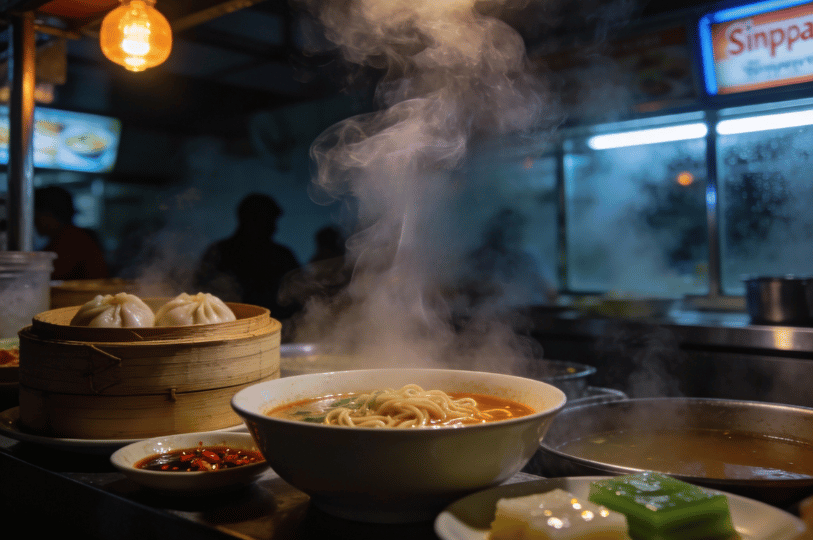
The air in Singapore is never just air. It is a potent cocktail of sensation, a humid embrace laced with the fragrant perfume of pandan, the sharp zest of calamansi, and the deep, soulful aroma of simmering broth. Steam rises from every corner, a series of ethereal veils that soften the city’s sharp edges. It whispers from bamboo baskets of dim sum, billows from bowls of spicy laksa, and clings to the windows of bustling coffee shops.
This is the seductive invitation of the city, a sensory language that speaks directly to the soul of every traveler. For those who seek flavor and beauty, the experience of Singapore for foodies is a passionate affair, a journey into a world where every dish is a work of art and every meal is a story.
The Artisan Heart of Singapore
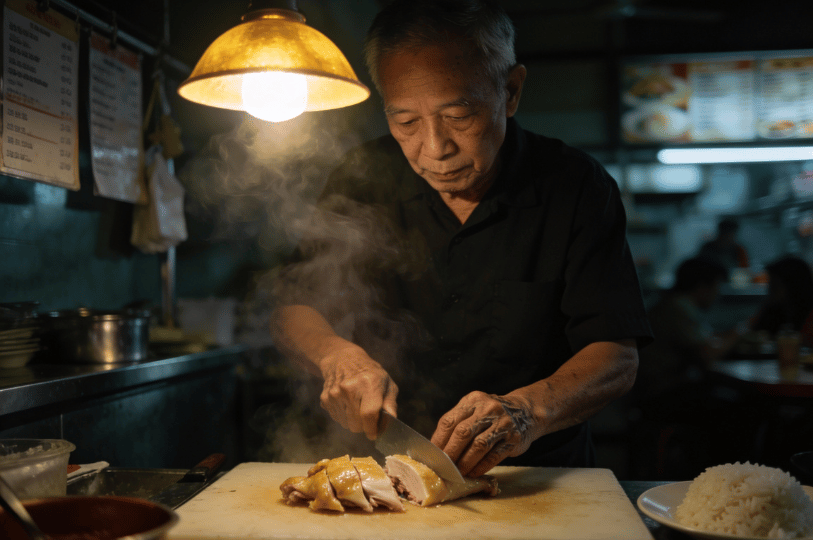
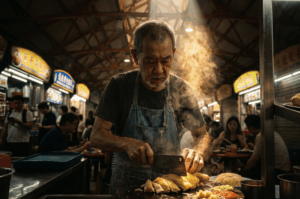
Beneath the gleaming skyscrapers and modern efficiency lies a culture deeply rooted in craftsmanship. This is the artisan heart of Singapore, a place where dedication to a single craft is a form of devotion. You see it in the hawker uncle who has spent fifty years perfecting his Hainanese chicken rice, his hands moving with an unconscious grace that only comes from decades of practice. You feel it in the young chef who reinterprets traditional recipes, treating each ingredient with reverence while pushing the boundaries of flavor.
This artisan spirit is what elevates the food scene here from simply delicious to truly profound. It transforms a simple meal into an experience. For a street food photographer, this dedication is a compelling subject. The story is not just in the finished plate; it is in the gnarled hands that fold a thousand wontons before dawn, the focused gaze of a chef plating a delicate dessert, and the proud smile of a vendor serving a dish that carries their family’s name. This is the essence of what makes the city a paradise for any SG foodie, where beloved dishes like char siu, bee hoon, duck rice, and beef rendang are crafted with passion and skill. Beef rendang, with its rich, roasted coconut flavor, stands out as a classic of Singaporean hawker cuisine, often enjoyed with rice and reflecting the city’s vibrant blend of culinary traditions, including Chinese immigrants’ heritage, Malay dishes, and Peranakan food influences.
Hawker Centre and Food Centres: Theaters of Flavor
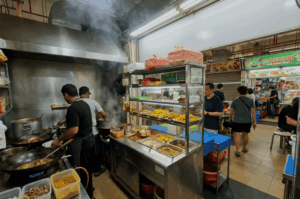
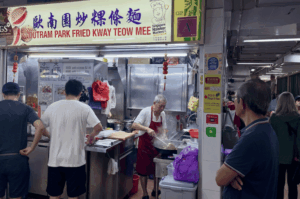
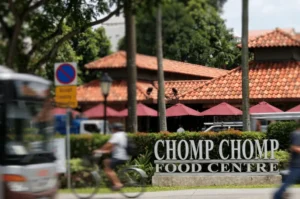
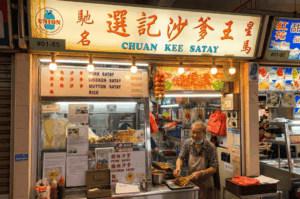
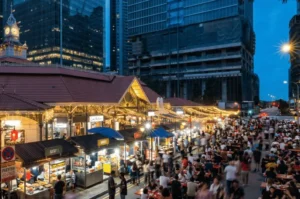
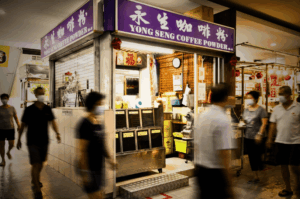
To understand the soul of Singapore for foodies, start at a hawker centre. These lively, open-air food courts are the city’s culinary heart, buzzing with the sounds of woks, grills, and diverse conversations. Each hawker stall offers authentic, affordable street food, with some earning Michelin recognition.
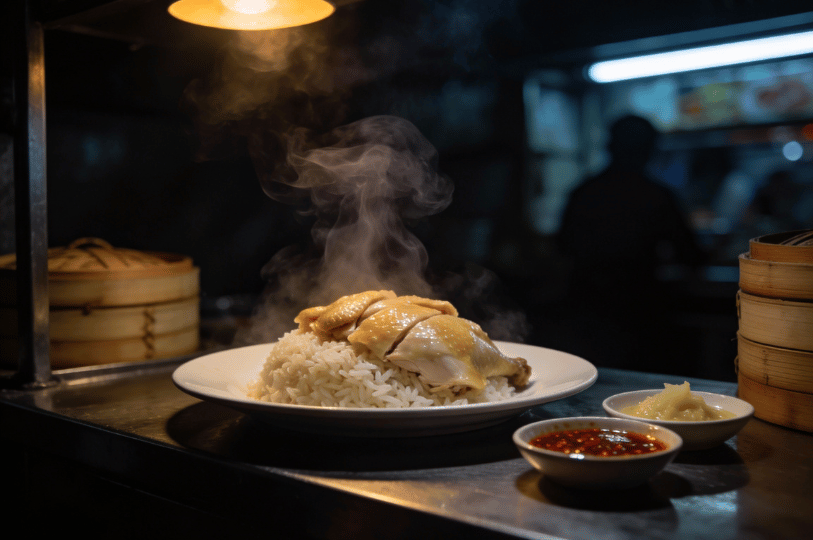
From a photographer’s view, hawker centres are full of character—the mix of lighting and steam creates a dreamy atmosphere. Here, you’ll find beloved dishes like Hainanese chicken rice featuring fragrant rice cooked with chicken fat and pandan leaves, served with spicy chili sauce and pureed ginger. Other favorites include char kway teow with egg noodles in dark soy sauce, bak chor mee served dry with minced pork and pork lard, and yong tau foo with tofu stuffed with fish paste.
Hawker centres such as Maxwell Food Centre and Chinatown Food Centre, often near the closest MRT station, offer dishes like nasi lemak with fragrant basmati rice, fried anchovies, and sambal chili sauce, as well as roti canai with flavorful curry. Don’t miss carrot cake (chai tow kway), a savory fried radish cake.
Seafood lovers can enjoy iconic chili crab and black pepper crabs cooked in rich, aromatic sauces with a hint of white pepper. Exploring these hawker centres provides a full sensory experience that defines Singapore for foodies.
A Food Tour: Artisan Eateries and Hidden Gems

Beyond the beloved hawker centers, a new generation of artisans is shaping the city’s palate. Tucked away in quiet neighborhoods like Little India and restored shophouses are bakeries, cafes, and modern restaurants that celebrate culinary craftsmanship on an intimate scale. Here, the experience is more curated but no less passionate. Think of a baker who wakes at 3 AM to mill their own flour for a perfect sourdough loaf, or a barista who treats pulling an espresso shot with the precision of a scientist.
These smaller establishments offer a different kind of photographic opportunity. The lighting is often more deliberate, the spaces more designed. This is where you can focus on the delicate details: the intricate layers of a mille-feuille pastry, the perfect latticework on a pie crust, the swirl of latte art in a trendy wine bar, or the rich texture of glutinous rice desserts. For the dedicated SG foodie, seeking out these hidden gems is part of the adventure, a chance to discover the next wave of culinary talent and to taste the future of Singaporean cuisine, blending Chinese immigrants’ traditions with Malay dishes and Peranakan food influences.
Among these great restaurants, you’ll find dishes that highlight savory flavors such as fried chicken glazed with palm sugar, or delicacies featuring minced pork and pork lard. The dessert offerings might include shaved ice treats like ice kacang topped with red beans and drizzled with chilli sauce. Whether it’s a refined take on bak chor mee served dry or a modern twist on classic Hokkien mee, these artisan eateries enrich the dynamic food culture of Singapore.
The Seduction of Steam
Steam is the lifeblood of so many of Singapore’s most iconic dishes. It is a gentle, pervasive force that coaxes out flavor, softens texture, and delivers aromas in a warm, seductive cloud. It is both a cooking method and a sensory experience, a visual cue that promises warmth, comfort, and deliciousness.
Consider the ritual of dim sum, a popular dish with Chinese origins that literally translates to "touch the heart." Bamboo baskets are stacked high, and when the lid is lifted, a billow of steam reveals delicate, jewel-like dumplings nestled within. Photographing this moment is about capturing that initial, fleeting release of fragrant air. The steam creates a beautiful, soft backlight, making the translucent skin of a har gow (prawn dumpling) almost glow from within.
Then there is the allure of a steaming bowl of laksa, a Southeast Asia favorite featuring rice noodles in a rich coconut milk broth. The broth, glowing with an orange hue, constantly releases fragrant steam that carries the scent of spicy chili sauce, shrimp paste, and lemongrass. Or picture a whole steamed fish, glistening and perfect, its arrival at the table heralded by a plume of steam infused with pureed ginger and dark soy sauce. Steam adds a layer of motion and life to a still photograph, transforming it from a static image into a moment filled with sensory potential.
Steam also plays a crucial role in dishes like Hainanese chicken rice, where fragrant rice cooked with chicken fat and pandan leaves accompanies tender poached chicken. The steam rising from the plate invites you to savor the flavorful rice and the accompanying sauces, including spicy chili sauce and pureed ginger. In hawker centres like Maxwell Food Centre, these dishes are typically served with sides such as soft boiled eggs and fried tofu, completing the authentic experience of Singapore foodies.
Whether capturing the steam from a basket of dim sum, a bowl of laksa with blood cockles, or the fragrant rice of chicken rice, steam is the visual and sensory thread that weaves together the rich tapestry of Singapore’s culinary heritage.
Food Photography: Capturing the Sensual and the Artisan
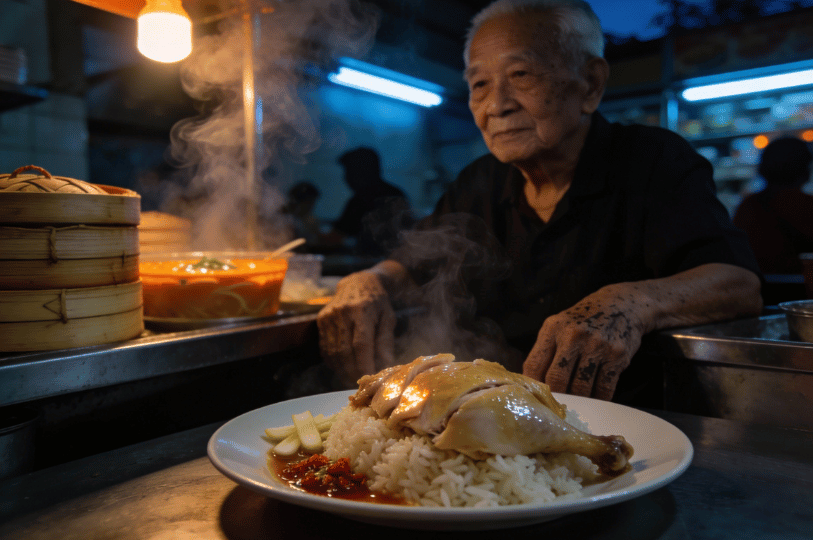
Documenting the food of Singapore is about capturing more than just a dish. It’s about conveying a feeling, a mood, and a story. It is about capturing both the sensual and the artisan, reflecting the rich flavors of Singapore for foodies.
Focus on Texture
Get close to your subject. Use a macro lens or a close focusing prime lens to capture the intricate textures that make Singaporean food so appealing. Think of the crispy, blistered skin of roasted pork belly, the flaky layers of roti prata, the glossy sheen of soy sauce chicken, or the delicate surfaces of rice cakes and carrot cake. Use side lighting to emphasize these textures, creating small shadows that give the image depth and a tactile quality. Highlight the fragrant rice cooked to perfection, the vibrant chili sauce glistening on a plate, or the rich coconut milk in a bowl of laksa to bring out the dish’s essence.
Tell a Human Story
The most powerful food photographs often include a human element. Capture the hands of the creator as they work. A shot of a hawker’s hands, stained with spices and worn from years of labor, tells a more profound story than a simple photo of a plate. Frame your shot to include the vendor in the background, adding context and a sense of place to your image. Show the preparation of beloved dishes like Hainanese chicken rice, bak kut teh with pork bones simmering, or yong tau foo with tofu stuffed with fish paste. These stories connect the food to the vibrant hawker centres and best hawker stalls that define Singapore’s street food culture.
Embrace the Atmosphere
Do not be afraid of the "imperfect" environment. The chaos of a hawker centre, the moody lighting of a small eatery, the condensation on a glass of iced kopi, these are the elements that give your photos character and authenticity. Use a wide aperture to create a shallow depth of field, blurring the background to isolate your subject while still retaining the colors and feel of the environment. Let the steam from dim sum baskets, the shadows cast over bowls of char kway teow with egg noodles, and the vibrant life of the city become part of your composition. Capture the essence of hawker stalls serving dishes like sambal stingray, crispy oyster omelette, and fragrant basmati rice alongside soft boiled eggs and kaya toast. These moments bring the taste buds to life and celebrate the incredible diversity of Singapore’s food scene.
Conclusion
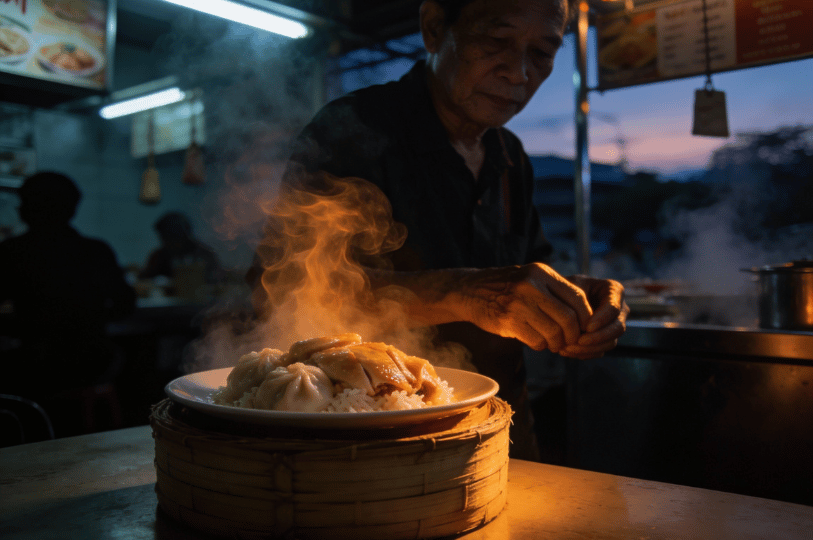
Singapore is a city that seduces through its flavors. It is a place where food is a language of love, a carrier of history, and a constant source of innovation. For the food lover and the photographer, it offers an endless canvas for exploration. The journey through Singapore for foodies is a discovery of the profound beauty in a perfectly steamed dumpling, the history in a bowl of simmering broth, and the artistry in the hands of those who feed the nation. It is an invitation to look closer, to taste more deeply, and to capture the stories that are told when steam, skill, and passion come together.

A Letter to the Faces Behind the Counter
June 16, 2026
You are turning over chicken wings when I first notice you. It is just past seven at Old Airport Road Food Centre, and the ceiling fans are pushing warm air down onto the tables. The…
-
How to Photograph Cuppage Plaza Food Without Disturbing the Room
June 15, 2026
The camera flash went off by mistake. It was a small, clumsy decision, but in the narrow, slightly smoky space of Kazu Sumiyaki, it felt much larger than it was. A few heads turned. The…
-
To the Stirring of the Wok in the Early Hours
June 12, 2026
The first sound is not the flame. It is the metal ladle touching the side of the wok, a small, hollow note that carries across the half-awake floor of Hong Lim Market & Food Centre….
-
Cuppage Plaza Food Guide: Japanese Restaurants and Hidden Gems in Singapore’s Little Tokyo
June 11, 2026
I started coming to Cuppage Plaza for the light. The building is old, a little worn at the edges, with narrow staircases and corridors that smell faintly of charcoal and sake by early evening. But…
-
A Note to the Knife That Cuts, But Never Hurries
June 9, 2026
The knife lands softly before it cuts. I hear it before I lift the camera. A low wooden sound, not sharp, not rushed. At Maxwell Food Centre, the lunch crowd is already pressing into the…
-
Wang BBQ Chicken Wing & Satay: Photographing Smoke, Wings, and Skewers at Chomp Chomp Food Centre
June 8, 2026
I reached Chomp Chomp Food Centre at 20 Kensington Park Road, Serangoon Gardens, Singapore on a Tuesday evening around 7pm, just as the place was beginning to thicken with supper energy. The tables were filling…
-
To the Fragrance That Lingers Long After the Meal
June 5, 2026
The evening air at Old Airport Road Food Centre is thick and warm. It wraps around me the moment I step away from the open street. I walk past the bright neon signboards, letting the…
-
Lau Pa Sat Satay Street: Photographing After-Work Satay in Singapore’s CBD.
June 4, 2026
I visited Lau Pa Sat Satay Street on a Tuesday around 7pm, just as Boon Tat Street was changing its identity from a busy traffic route in Singapore’s CBD to a lively alfresco dining venue….
-
A Letter to the Hidden Moments Between the Shots
June 2, 2026
The afternoon heat settles heavily over Tiong Bahru Market. The frantic noise of the lunch hour is completely gone. I sit at a corner table near the open balcony. The green tiles reflect the warm,…
-
Izakaya Singapore: More Than Just After-Work Spots
June 1, 2026
When we talk about izakayas in Singapore, we often reduce them to simple after work drinks spots. We picture loud rooms where tired professionals go to drink cold beer and eat cheap bar snacks. But…