Why This Alley is a Must-Visit for Food Lovers and Food Bloggers
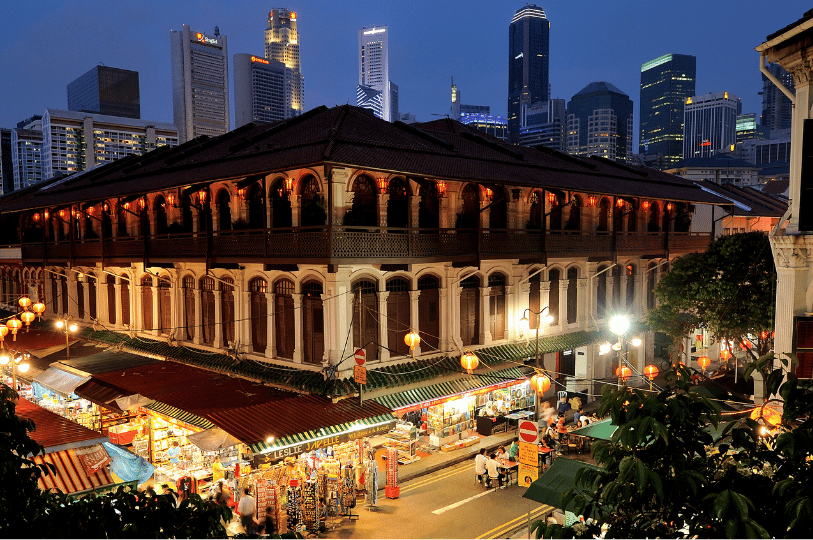
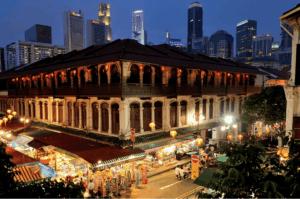
The first time I ventured into this tucked-away alley in Singapore’s Chinatown, I was awestruck by how different it felt from the bustling main streets. While the red lanterns and lively crowds define Chinatown’s surface, the quieter corners hold stories and flavors that truly capture the soul of this vibrant city in Asia. This alley, home to a family-run dumpling stall spanning three generations, offers an intimate glimpse into authentic street food culture that you won’t find in the polished food courts or popular restaurants. For food lovers and food bloggers passionate about heritage and real-life stories behind a dish, this hidden gem is absolutely worth seeking out on your next trip.
I remember the first time I tried their dumplings. I was hesitant, unsure if the humble setting could match the hype from fellow bloggers like Derrick Tan. But from the very first bite, the delicate balance of the pork filling and the perfectly pleated dough won me over. It was a moment that reminded me why I started blogging: to discover and savour these authentic experiences that go beyond just the food.
How to Find the Alley and Avoid Getting Lost Near Joo Chiat and Chinatown Complex
Getting to this alley requires a bit more than hopping on the MRT, but that’s part of the charm. From Chinatown MRT Station (Exit A), I recommend walking east along Pagoda Street for about 5 minutes until you reach the intersection with Smith Street. Instead of turning onto Smith Street, look for a narrow lane on your right just past a small herbal medicine shop. This unassuming alley is easy to miss if you’re not paying attention and you could slip past and end up in a never-ending path of shophouses.
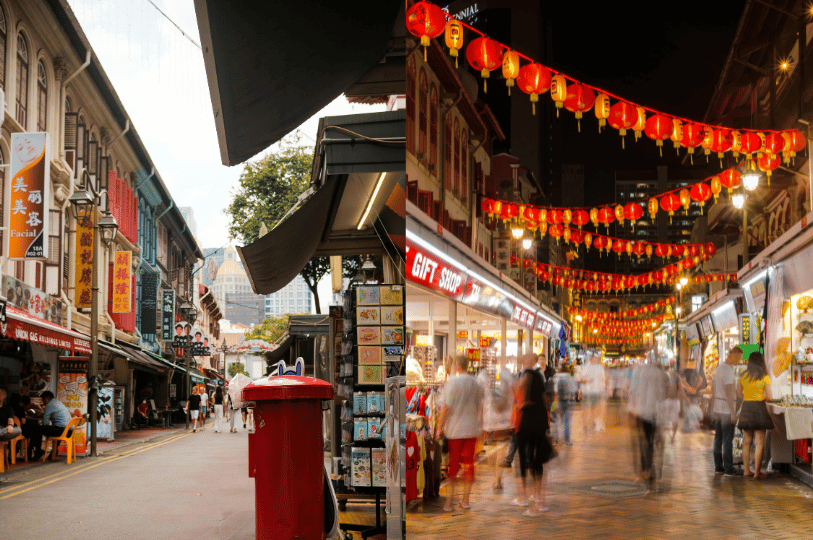
On my first visit, I mistakenly veered onto Smith Street and ended up in the crowded Chinatown Food Street area, which is great but not where this family’s dumpling stall is located. So my tip: watch for the faded red lantern hanging above the alley entrance and the faint waft of steaming dumplings. If you’re coming from the Buddha Tooth Relic Temple, it’s about an 8-minute walk downhill along Temple Street toward the Chinatown Complex area. The alley is wheelchair accessible but narrow, so be prepared for some tight squeezes during peak times.
I’ve since saved this little navigation tip in my blog’s “hidden gems” section, sharing it with friends and followers who are always eager to discover spots off the beaten path. It’s moments like these, when you help others uncover a secret, that make maintaining an account documenting food so rewarding.
Timing Your Trip to Explore Chinatown’s Street Food and Avoid the Queue
From experience, weekday mornings between 9 and 11 am are the quietest, allowing you to watch the dumpling-making process without feeling rushed or crowded. On my third visit, I arrived around 10 am and had the chance to chat briefly with the grandson, who shared stories about the family’s legacy and their passion for maintaining traditional recipes. Avoid weekends if you dislike queues; the stall tends to get busy from noon to mid-afternoon as office workers and tourists converge.
If you prefer a livelier atmosphere with more hustle and bustle, late afternoon around 4 pm works well. The alley is bathed in soft, golden light then, and the steam rising from the dumpling cart creates a magical scene perfect for photography. Just note that sunset in February is around 7:15 pm, so visiting before dusk ensures better visibility and safety in the narrow alley.
I’ve posted several times about the best times to visit this alley, and I always get comments from readers thanking me for saving them hours of waiting in line. It’s a small but meaningful way food reviewers can help their community savor the best without the hassle.
What to Expect: The Real Experience Beyond Photos and Reviews by Bloggers Like Derrick Tan
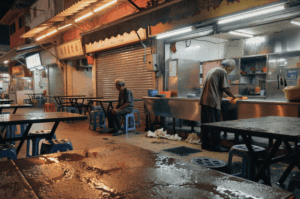
Expect a sensory immersion: the warm, humid air accompanied by the fragrant scent of boiling pork filling; the rhythmic sounds of dough being rolled and pleated; and the sight of three generations working in synchrony. Their calls of orders and yells, in the Teochew dialect as I have been informed, to signify whenever a batch was done or how much cooking time was needed. It’s not a polished restaurant but a humble hawker stall with plastic stools and minimal seating. On my first visit, I underestimated the time needed and arrived hungry just before closing at 2 pm, only to find they had sold out for the day.
Plan to spend about 30 to 45 minutes here if you want to watch the process, eat, and soak in the atmosphere. If you’re visiting with children or mobility challenges, be aware that seating is limited and the alley can get cramped. Bringing a small foldable chair might be a good idea if you plan to stay longer.
I recall one chilly morning when I brought my daughter along for a food adventure. Watching her eyes light up as she learned how the dough was folded was a highlight beyond any review or photo I could share. These personal moments are what keep me passionate about food blogging; connecting with food on a deeper level and sharing those memories with my readers.
Highlights & Must-Sees: Dumplings, Chicken Rice, Satay, and Carrot Cake Near Chinatown Complex
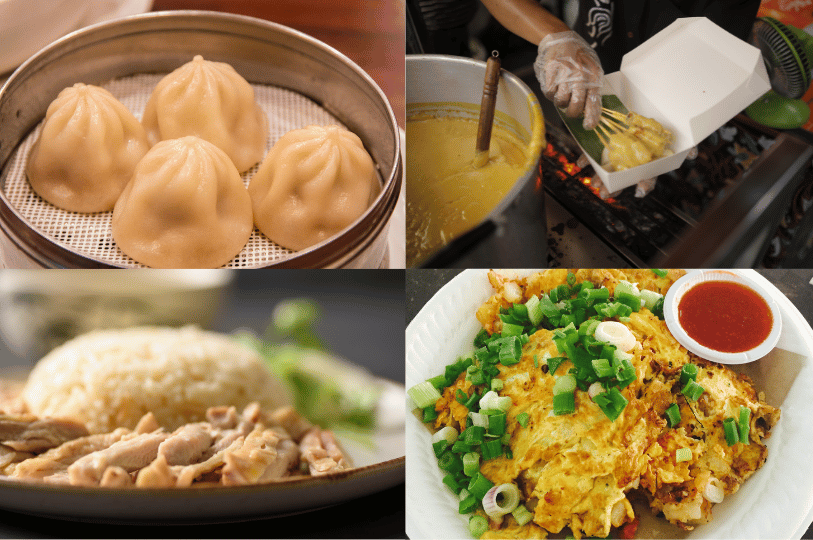
The dumplings themselves are the star attraction, handmade with dough kneaded to just the right elasticity, filled with a simple yet flavorful mix of minced pork and chives. On my second visit, I noticed how the matriarch, Mdm. Lee, carefully inspected each dumpling with a practiced eye, ensuring every fold was perfect. The pleats are not just decorative; they hold the dumpling’s shape during cooking, a skilled technique passed down over 60 years.
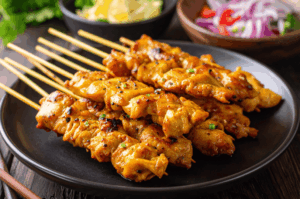
Don’t miss the chance to try the dumplings with a dash of black vinegar and fresh ginger slices, which enhance the delicate flavours. Nearby, you can explore Chinatown Complex’s hawker stalls afterward for carrot cake, satay, chicken rice, or laksa if you’re still hungry. Compared to the more commercialized Chinatown Food Street, this alley offers a quieter, more authentic culinary adventure.
Sharing these highlights in my blog posts has helped spread the word about these lesser-known stalls, supporting the family’s business and preserving a piece of Singapore’s culinary heritage. It’s a reminder of the power of food blogging in building community and sustaining tradition.
Insider Tips: What Most Tourists Miss About Chinatown’s Food Scene and Joo Chiat’s Cafes
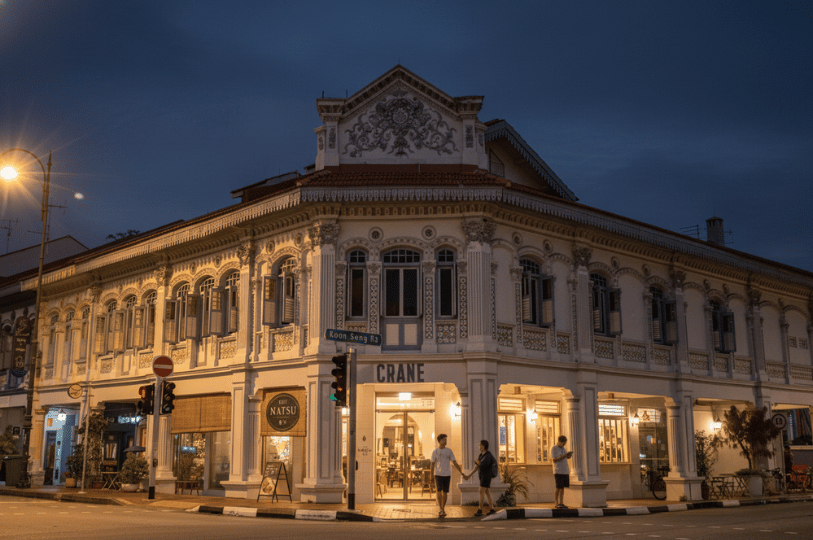
Many visitors miss the story behind the stall. They often look past the family’s dedication and the cultural heritage embedded in each dumpling. Generations took their time developing their recipes and their craft in doing so. Take time to observe the interaction between the grandmother, her daughter, and grandson; it’s a living legacy unfolding before your eyes.
Bring cash, as the stall does not accept cards. Also, wear comfortable, breathable clothing and shoes suitable for standing or sitting on low stools. On humid days, a small hand fan can be a lifesaver. If you want photos, the best lighting is late afternoon, but respect the family’s space and ask permission before shooting close-ups. For those curious to explore further, the nearby Joo Chiat area offers a range of charming cafes and murals, perfect for a leisurely stroll after your meal.
I’ve learned through my blogging journey that these insider tips are what readers cherish most. They’re not just about food but about the entire experience, which is making each visit memorable and authentic.
Practical Info: Costs, Accommodation Options, and Maintaining Your Food Account
Dumplings cost around SGD 4-6 per serving, making it an affordable treat for food lovers and budget-conscious travelers. There are no public restrooms in the alley, but facilities are available nearby at Chinatown Complex. Bring water, especially on hot days, as the alley can get warm from the steam and Singapore’s tropical climate.
Accessibility is decent but limited by the alley’s narrow width and low seating. If mobility is a concern, consider visiting during off-peak hours for more space and assistance from the friendly grandson, who is happy to help customers. For those planning their trip, there are plenty of accommodation options nearby, from boutique hotels in the middle of Chinatown to budget stays in the eastern blocks of the city.
Maintaining my food photography account has been a rewarding journey of growth and discovery. Sharing practical info like costs and accessibility helps my readers plan better trips and shows the importance of thorough, honest reviews in building trust.
Final Thoughts and Recommendations from a Food Photographer's Perspective
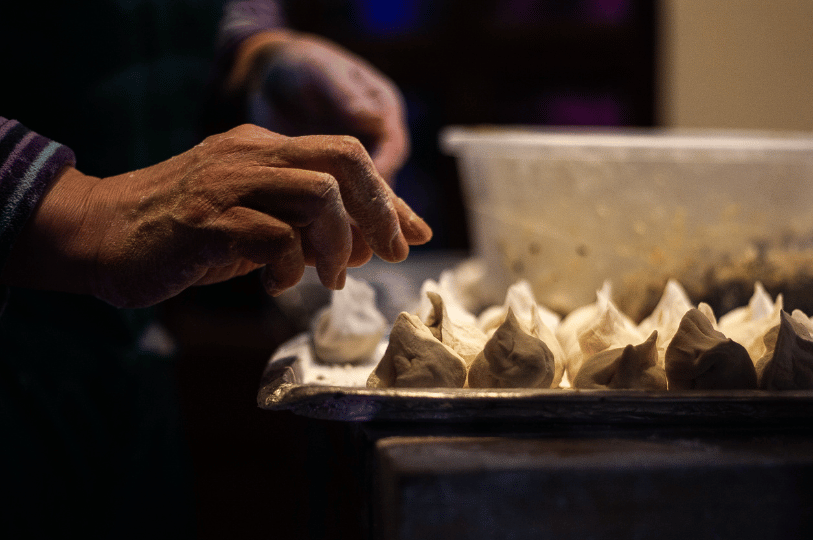
This hidden alley in Chinatown is a rare find for food enthusiasts who want to experience Singapore’s culinary heritage away from the crowds and wind up finding their favorite places. Having visited multiple times, I can confidently say that the blend of family legacy, authentic flavors, and intimate setting makes it a memorable stop on any food blogger’s journey. Whether you’re a seasoned blogger or a curious traveler, plan your visit carefully, mind the timing, bring cash, wear comfortable shoes, and prepare to be immersed in a story told through dough and steam.
It’s not just about eating dumplings; it’s about tasting history, community, and love passed down through generations. Reflecting on my blog posts about this alley, I realize it’s more than just food content. It’s about connecting with people, preserving memories, and spreading the joy of discovery. These are the moments that fuel my passion as a food blogger and keep me looking forward to the next culinary adventure.

Imperial Diversity Through Photo Shoot Singapore Projects
March 2, 2026
When I set up my tripod in a bustling kopitiam or a quiet heritage restaurant, I am constantly reminded that I am not just photographing a meal. I am photographing a map. Every photo shoot…
-
Historic Flavors Shoot Singapore: Post-Processing for Period Authenticity
February 27, 2026
When I look through the viewfinder at a plate of heritage kueh or a steaming bowl of rickshaw noodles, I am not just capturing food; I am framing a memory. The challenge for any documentary…
-
Colonial Cuisine Photoshoot: Styling Singapore’s Historic Flavors
February 23, 2026
When I first embarked on a photoshoot focusing on Singapore’s colonial cuisine, I didn’t realize how deeply food could connect us to history. It wasn’t just about snapping pictures of dishes; it was about capturing…
-
Coal, Fire, and Memory: A Singapore Food Blogger Revisits Tanjong Pagar’s Industrial Kitchens
February 20, 2026
It had been a while since I set a day to wander through the back lanes of Tanjong Pagar. When I decided to come back to the place left me star-struck, not by the polished…
-
Three Generations, One Perfect Dumpling: A Food Blogger’s Journey in Chinatown’s Hidden Alley
February 16, 2026
Why This Alley is a Must-Visit for Food Lovers and Food Bloggers The first time I ventured into this tucked-away alley in Singapore’s Chinatown, I was awestruck by how different it felt from the bustling…
-
After Dark Cravings: A Guide to Night Singapore for Foodies
February 13, 2026
When I first landed in Singapore, I thought I knew what to expect: futuristic skylines, spotless streets, and, of course, amazing food. I did end up seeing all those things but what truly blew me…
-
Dawn Awakening: Morning Market Food Blog
February 9, 2026
The city is still dreaming when the first fires are lit. It is 4:30 AM, an hour that belongs to the insomniacs and the dedicated artisans of our food culture. While the skyscrapers of the…
-
The Last Hour: Closing Time Through the Eyes of A Food Blogger
February 6, 2026
The roar of the hawker center fades as the clanking woks and sizzling grills soften to a murmur. Most plastic tables are empty, wiped clean, awaiting a new day. This last hour is a sacred,…
-
Food Blogs as Cultural Archives: Photographing Religious Culinary Traditions
February 2, 2026
We often think of food photography as a way to stimulate appetite or showcase a chef’s creation. However, in multicultural Singapore, it captures much more: history, faith, and identity. Food blogs have evolved from recipe…
-
Composition’s Sweet Spot: A Guide in Framing Desire for Food Bloggers in Singapore
January 30, 2026
You have found the perfect bowl of bak chor mee. The noodles glisten, the minced pork is perfectly seasoned, and the chili sauce adds a vibrant splash of red. You snap a quick picture, but…