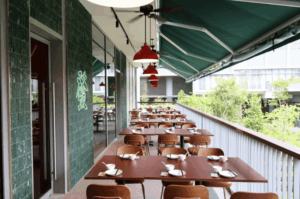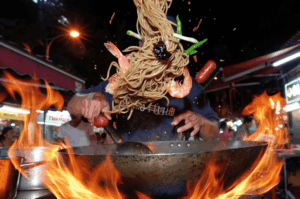
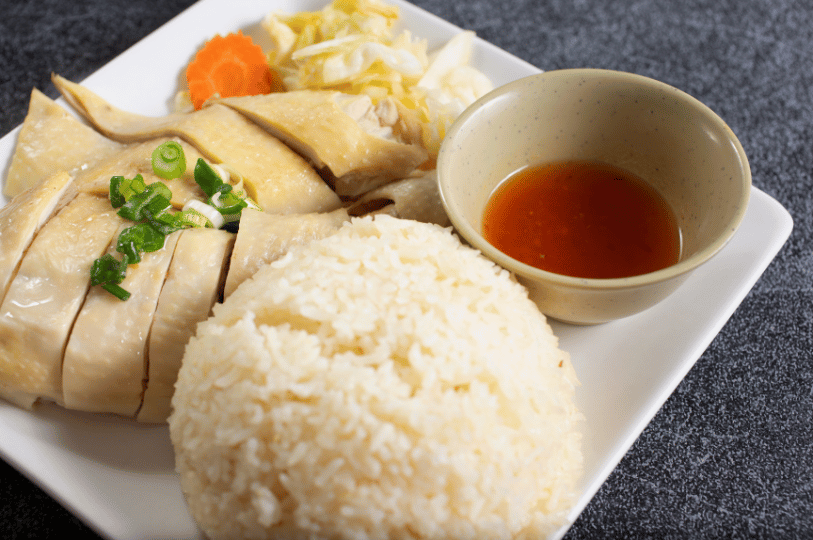
Some neighborhoods shout for your attention. They are a riot of sound, color, and frantic energy. Tiong Bahru is not one of them. This corner of Singapore operates on a different frequency, a slower and more deliberate rhythm. Its charm is not immediate; it is a slow seduction. For those of us who find stories of food in photography, this neighborhood offers a unique and profound subject. It is a place where streamline moderne architecture meets artisanal coffee, where a decades-old hawker stall sits comfortably next to a chic, minimalist bakery. Exploring Tiong Bahru Singapore with a camera is an exercise in patience and observation, a journey to capture the quiet, sensual moments that define its soul.
The Heritage Context: A Story in Curves
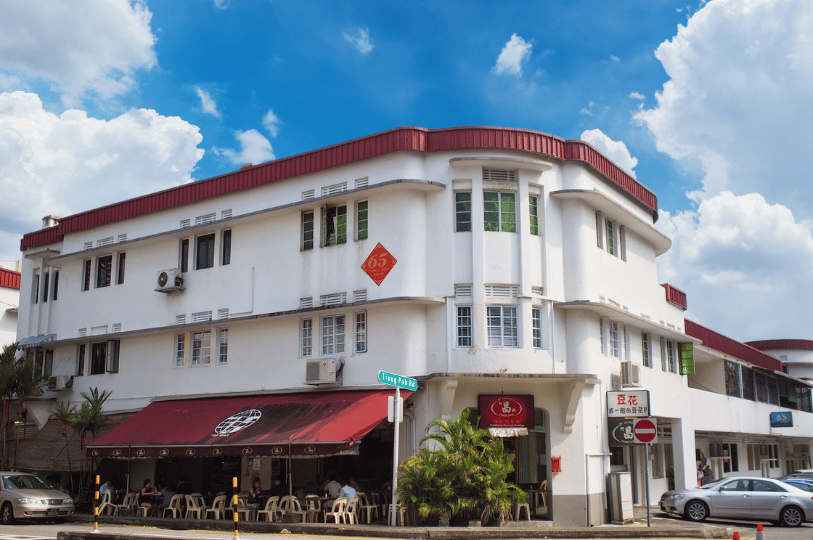
To understand the food of Tiong Bahru, you must first appreciate its form. Developed in the 1930s, it is one of Singapore’s oldest housing estates and a masterpiece of Art Deco and streamline moderne architecture. The buildings are low-rise, with clean, curving lines, rounded balconies, and spiral staircases. This unique design creates a distinct visual landscape, a world away from the city's towering skyscrapers. This architectural heritage is not just a backdrop; it is an active participant in the neighborhood's story. It influences the way light falls into alleyways, the atmosphere of the cafes, and the unhurried pace of life that has persisted for generations.
Morning Light: The Ritual of Breakfast in Tiong Bahru Market
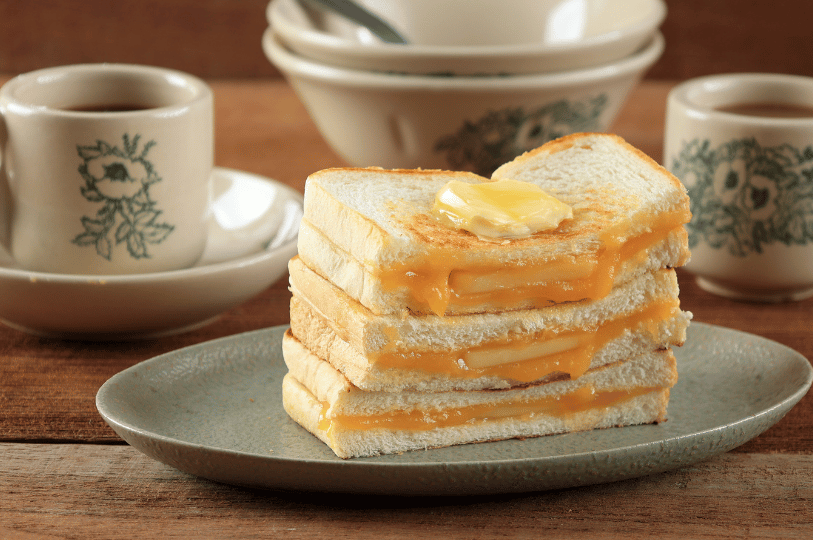
The seduction of Tiong Bahru begins in the soft light of the morning. This is when the neighborhood’s traditional breakfast culture comes to life. Old-school coffee shops, or kopitiams, open their doors, the air filling with the scent of toasted bread and strong, sock-brewed coffee. This is where you will find the quintessential Singaporean breakfast: kaya toast.
Capturing this ritual is a lesson in documenting tradition and the rich food in photography heritage of Singapore. The scene is rich with detail, much like the one I discovered in "Hands of Time: A Food Photographer's Encounter with Traditional Kaya Toast Masters." It is about the hands of the uncle spreading a thick layer of coconut jam, the perfect soft-boiled eggs, and the steam rising from a porcelain cup of kopi.
The morning light here is gentle, filtering through the five-foot ways and creating a soft, nostalgic glow that is perfect for this kind of intimate food in photography. For photographers looking to capture the essence of Tiong Bahru, this moment is a key point to focus on, showcasing the intersection of food, culture, and community. This traditional breakfast scene, set against the backdrop of Tiong Bahru’s charming architecture, provides an insider tip for those wanting to experience authentic Singaporean life beyond the usual tourist spots like Chinatown.
Whether you shoot from a low angle to highlight the texture of the kaya toast or use a shallow depth of field to blur the bustling background, this setting offers endless possibilities to create evocative images. Half the charm lies in the simplicity of the meal paired with the rich stories it tells, making it a perfect subject for food photography enthusiasts exploring Singapore’s culinary landscape.
The Market's Rhythm: A Feast for the Senses
At the heart of the neighbourhood lies the Tiong Bahru Market and Food Centre, a vibrant location that perfectly captures the essence of food in photography. The ground floor is a bustling wet market, offering a visual feast of fresh produce, colorful flowers, and the dynamic energy of daily commerce. For photographers interested in capturing authentic scenes, this space is electric. The textures of exotic fruits, the glistening scales of fresh fish, and the focused faces of vendors and shoppers provide endless photographic possibilities.
Upstairs, the food centre is one of Singapore's most celebrated hawker centres, renowned among locals and visitors alike. Here, legendary stalls serve iconic meals that have become a vital part of the community’s culinary fabric.
- Jian Bo Shui Kueh: An insider tip for food lovers, this stall showcases the art of serving steamed rice cakes topped with preserved radish and spicy chili sauce. The contrast between the soft white cakes and the savory, textured topping makes for compelling photos.
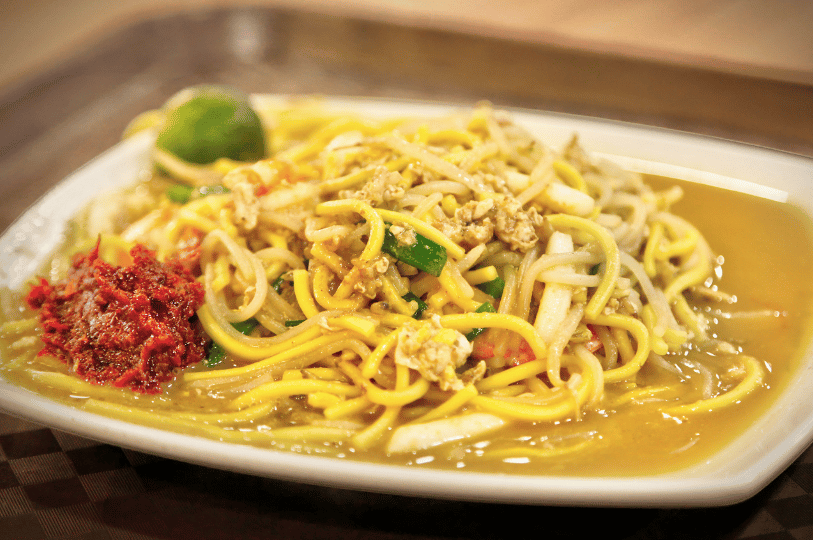
- Tiong Bahru Hokkien Mee: Capturing a plate of these noodles is about expressing the glistening, broth-soaked strands and the vibrant pink of the shrimp. The steam rising from the dish adds a dynamic element, so shooting quickly is key.
Photographing at the market involves more than just food; it is about capturing the rhythm and life of the neighbourhood. Food here is not just something to eat but an integral part of the community’s social fabric and daily walk of life. The combination of the wet market’s lively atmosphere and the hawker centre’s rich food offerings makes this location a prime spot for food photography enthusiasts looking to explore Singapore’s culinary heritage.
Cafe Culture Meets Tradition
What makes Tiong Bahru Singapore so compelling is the seamless way old and new coexist, creating a unique culinary and visual experience. Just a few steps from the bustling Tiong Bahru Market, you will find a different kind of food scene, one that blends tradition with modern style. The neighborhood is famous for its concentration of independent cafes, bakeries, and contemporary restaurants. Places like Tiong Bahru Bakery have become institutions in their own right, known for their perfect croissants, artisanal coffee, and thoughtful food styling that makes for excellent photography.
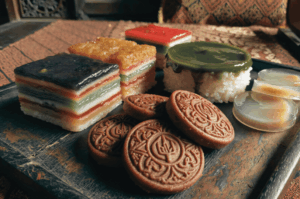
This juxtaposition offers endless possibilities for food in photography. You can capture a traditional kueh from the market, its vibrant colors and textures displayed beautifully on a simple plate, and then, just across the street, photograph a meticulously crafted entremet from a modern patisserie, styled with precision and presented with flair. This dialogue between past and present is the defining characteristic of the neighborhood’s food culture and visual story.
The visual language may differ, with the clean, minimalist aesthetic of the cafes contrasting with the charming clutter and lively energy of the hawker stalls, but the passion for good food and service is the same. This contrast provides a rich composition for photographers, who can play with different angles, lighting directions, and props to highlight the distinct qualities of each setting.
For example, shooting a bowl of traditional soup at the hawker center from a low angle can emphasize its warmth and heartiness, while a top-down shot of a delicate pastry in a chic cafe captures its intricate details and styling. The process of moving between these spaces allows you to explore various techniques and styles, making Tiong Bahru a perfect place to visit and plan your food photography projects.
In addition to food, the neighborhood offers excellent opportunities to display the interaction between food and people, whether it’s a vendor serving customers or friends sharing a meal. This human element adds depth and story to your photos, making them more engaging and authentic.
Overall, Tiong Bahru invites you to enjoy the rest of your day with good food and drink, while exploring its unique blend of old and new through your camera lens. It’s a place where shopping for local ingredients, sipping coffee, and capturing beautiful food images come together in harmony.
Technical Tips for Food Photography in Tiong Bahru
Photographing food in Tiong Bahru comes with its own unique set of opportunities and challenges.
- Embrace the Shadows: The low-rise buildings and covered walkways create pockets of deep shadow and bright light. Use this contrast to your advantage. A dish placed at the edge of a shadow, with light just catching its surface, can create a beautifully moody and dramatic image.
- Use Wide Apertures: In both the dimly lit kopitiams and the stylish cafes, a wide aperture (f/1.8 to f/4) will help you isolate your subject. This creates a shallow depth of field, blurring the background and making the food the hero of the shot.
- Shoot Through Windows: The cafes in Tiong Bahru often have large, beautiful windows. Shooting from the outside in, or from the inside out, can create interesting layers and reflections that add depth and context to your photographs.
- Capture the Details: This neighborhood is all about the little things. Focus your lens on the unique Art Deco grilles, the patterned floor tiles, or the vintage signage. Including these details in the background or as a separate shot helps to build a more complete visual narrative of the place.
The Sensual Details
The art of capturing food in photography here is about tuning into the sensual details. It is more than just documenting what a dish looks like; it is about conveying a feeling and telling a story through every element on the table.
- Texture: Notice the flaky layers of a croissant, the smooth surface of a tau huay (soy bean curd), or the gelatinous wobble of a kueh. Get lost in these textures and let your lens explore every detail.
- Light and Steam: Capture the way morning light filters through a glass of tea, turning it into liquid gold. Focus on the steam rising from a bowl of hot porridge, making the image feel warm and alive. This interplay of light and shadow is an insider tip for creating compelling food photos.
- Human Element: The story of food is always a human one. Photograph the hands of a baker kneading dough, the focused expression of a barista making coffee, or the shared smile over a Sunday brunch. These moments are the soul of Tiong Bahru and add depth to your food in photography post.
- Composition and Patterns: Use the middle of your frame wisely to highlight the subject. Incorporate repeating patterns and elements like a strawberry garnish or a roll of bread to add visual interest. The bit of background that remains blurred with a shallow depth of field helps keep the focus on the food.
- Resources and Props: When shooting in Tiong Bahru, consider the resources around you: tables, plates, and utensils, to enhance your composition. Purchase simple props that complement the scene without overwhelming it.
By paying attention to these details, you create images that not only display food but also express the rich life and culture of this unique Singapore neighborhood.
Conclusion: The Lasting Impression
Tiong Bahru does not reveal all its secrets at once. It invites you to slow down, to wander its curved streets, and to look closer. Its seduction lies in the quiet moments: the shared breakfast, the smell of fresh bread, the interplay of light and shadow on a heritage facade. For the food photographer, it is a neighborhood that teaches you to see differently, to find beauty in subtlety, and to appreciate the stories embedded in a place. The impression Tiong Bahru Singapore leaves is not a loud one, but it is deep and lasting, a gentle hum of history, community, and delicious food that stays with you long after you have packed your camera away.

Composition’s Sweet Spot: A Guide in Framing Desire for Food Bloggers in Singapore
January 30, 2026
You have found the perfect bowl of bak chor mee. The noodles glisten, the minced pork is perfectly seasoned, and the chili sauce adds a vibrant splash of red. You snap a quick picture, but…
-
Laksa’s Velvet Embrace Welcomes the Best Foodies
January 26, 2026
There are dishes you simply eat, and then there are dishes you truly experience. For me, laksa falls firmly into the latter category. It’s an intoxicating, full-body immersion into a world of flavor that demands…
-
Tiong Bahru: The Slow Seduction of Food in Photography
January 23, 2026
Some neighborhoods shout for your attention. They are a riot of sound, color, and frantic energy. Tiong Bahru is not one of them. This corner of Singapore operates on a different frequency, a slower and…
-
Chili Crab Confidential: Producing Perfect Pics of Food
January 19, 2026
It arrives like royalty, carried to the table with a sense of occasion. A colossal crab, bathed in a thick, shimmering sauce the color of a fiery sunset. The air around it is fragrant with…
-
The Art of the Tease: Captured in Food Photography
January 16, 2026
In the world of food photography, there is a powerful and often overlooked technique, a subtle language of visual seduction. It is the art of the tease. It is the practice of not showing everything,…
-
Geylang’s Secret Appetites: A Guide for Every SG Foodie
January 12, 2026
There is a side of Singapore that hums with a different energy, one I discovered on my many late-night wanderings. It’s a place where the polished gleam of the city fades away, giving way to…
-
The Peranakan Seduction: A Food Photography Photographer’s Insight
January 11, 2026
There are some cuisines that you photograph, and there are some that you court. Peranakan food falls firmly into the latter category. It is a seduction of the senses, a rich tapestry of history, flavor,…
-
Geylang’s Forbidden Flavors: The Best Foodies District
January 9, 2026
Mention Geylang, and you will likely get a mix of reactions. This neighborhood, with its gritty reputation and neon-lit side streets, exists in a space separate from Singapore’s polished image. But for those in the…
-
Holland Village: East Meets West Journey of Food and Photography
January 2, 2026
There is a corner of Singapore where the laid-back charm of a European village collides with the vibrant energy of a Southeast Asian city. It is a place where the aroma of freshly brewed espresso…
-
The Tease of Motion: Capturing Culinary Food in Photography
December 29, 2025
Food is rarely static. It drips, sizzles, steams, and crumbles. It is poured, flipped, chopped, and shared. Yet, so often, we see food in photography presented as a perfectly still, lifeless object on a plate….