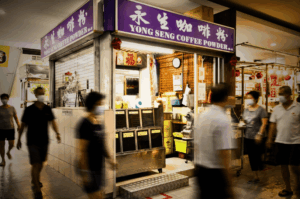
Picture a bowl of fiery laksa, its surface shimmering with a glossy glow as aromatic steam curls into the air. For food photographers, that sense of warmth and shine is a magical moment to capture—a true collision of culinary craft and creative technique.
Let’s dive into the world where natural light—a free and abundant resource—helps you showcase dishes like laksa with beautiful images that engage viewers. This guide will show you how to master golden hour photography and make every noodle shine.
What is Golden Hour Food Photography?
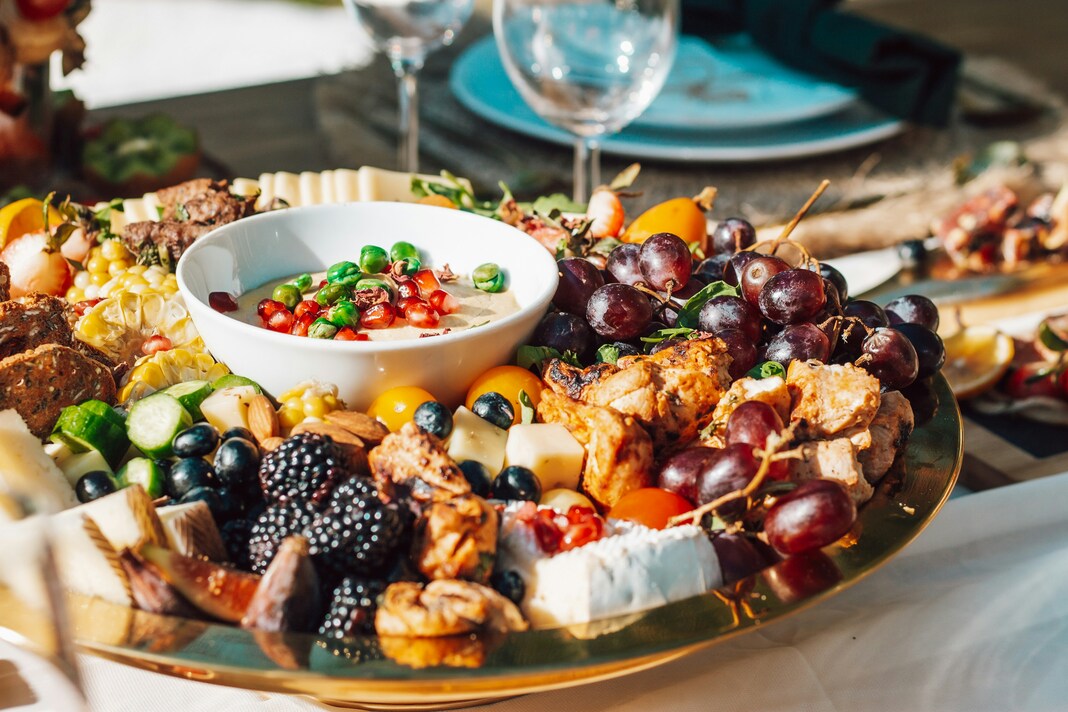
The golden hour is that much-hyped span just after sunrise and right before sunset, when sunlight is soft, warm, and low in the sky. This is often considered the best light for photography, as it enhances the visual appeal of your images. Unlike midday’s harsh sunlight, golden hour light travels through more of the atmosphere, diffusing and warming as it goes.
Why does this matter for food? Bright, overhead sunlight creates problematic glares and deep shadows, making food look stark and lifeless.
The quality of light during golden hour has a huge impact on how your food photos turn out, often making them look more appetizing and professional.
Camera Settings for Capturing Glistening Noodles
Yes, natural light is magical, but your settings matter just as much. Having access to manual camera settings or dedicated camera apps can significantly improve your food photography results. Here’s how to get the technical side right, from DSLR to smartphone:
Aperture (f-stop)
A wide aperture (low f-number, like f/2.8 to f/5.6) creates a shallow depth of field, blurring your background and spotlighting the warmth and gloss of your laksa. Using a wide aperture can also help emphasize different heights in the dish, making the composition more dynamic by drawing attention to elements at varying levels.
ISO
ISO affects how sensitive your camera is to light. For crisp, clean images, keep ISO as low as you can (100–200) to avoid grain. Because golden hour is naturally dimmer than midday, it’s tempting to boost ISO—but consider using a tripod and dropping shutter speed instead. No tripod? Try to keep ISO under 800 for minimal noise, especially if shooting on a smartphone or entry-level camera.
Shutter Speed
Since your meal isn’t running off the table, you have wiggle room with shutter speed. Tripods allow for slower shutter speeds (1/60s or even 1/30s), letting more light hit your sensor while preventing blur. Handheld shots should stick to 1/125s or faster. Use the reciprocal rule: for a 50mm lens, aim for 1/50s or greater, adjusting as needed.
Positioning: Finding the Perfect Angle for Soft Light Reflection
The setting of your props and light source plays a crucial role in determining the final image. How you position your subject with respect to the light source is the difference between a dull shot and an irresistible one. Also, consider the space you have available. Here’s how to play with angles:
- Backlighting: Position your laksa so the window or sun is behind it. This is perfect for noodle photography, as the light shines through the broth and noodles, making them glow from within. Use a large piece of white reflector, such as foam core or a white board, in front of the bowl to bounce soft light into the shadows. For stability, place the reflector on a stand to keep it steady during your shoot.
- Side-lighting: Place light on either the left or right of the dish. This versatile setup highlights textures, especially on the noodles and any glossy garnishes like prawns or tofu. Adjusting the angle of the light can shape the look and feel of the food, emphasizing depth and detail.
- 45-Degree Angle: This “in-between” setup gives a blend of shadow and highlight. It’s often the easiest to start with—attractive, natural, and flexible for changing props.
Beginner-Friendly Setup Guide
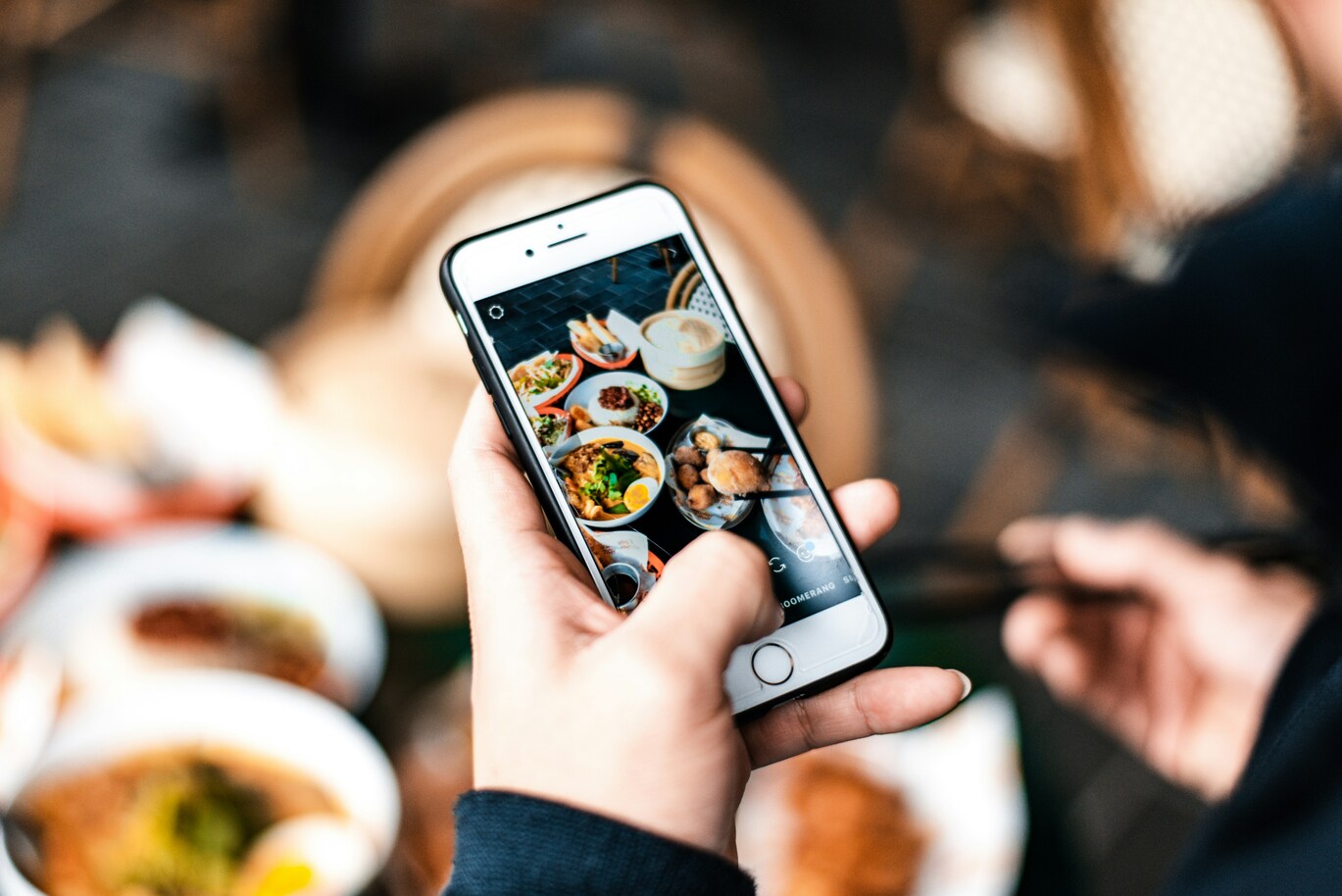
You don’t need a studio or bags of gear for delicious-looking natural light food photos. Here’s a simple way to set up at home:
- Find Soft, Indirect Light: A big window or open doorway is your best friend. Bright, direct sun? Hang a thin white curtain or sheet for instant diffusion.
- Choose a Background: Rustic wood, textured linen, slate, colored boards—all can change the feeling of your shot. Aim for backgrounds that flatter the warm tones of laksa.
- Arrange the Dish: Place your bowl near the window (6–24 inches away is usually a sweet spot). Try side-lighting first; it’s forgiving and reveals glistening shine beautifully.
- Bounce Light with a Reflector: Place a piece of white foam core or cardboard opposite the window. See how the shadows fill in? That’s your homemade studio magic.
- Tame Harsh Light: Even late-day sun can be too strong. Diffuse it with a soft fabric to avoid harsh reflections on the broth’s surface.
- Shoot Tethered (if possible): Connect your camera to a laptop or tablet for live-view feedback. You’ll spot flaws or distractions more easily than on a tiny screen.
Artificial Lighting Options for Food Photos

While natural light is often the go-to for food photographers, there are times when the sun just doesn’t cooperate—think cloudy days, nighttime shoots, or windowless kitchens. That’s where artificial lighting steps in, giving you total control over your lighting situation. You can adjust the intensity, direction, and color of the light to suit your dish, ensuring every bowl of noodles or plate of pasta looks its best. This level of control is especially valuable for professional food photography, where consistency across multiple shots or recipes is essential.
Advanced Techniques for Professional Food Shots
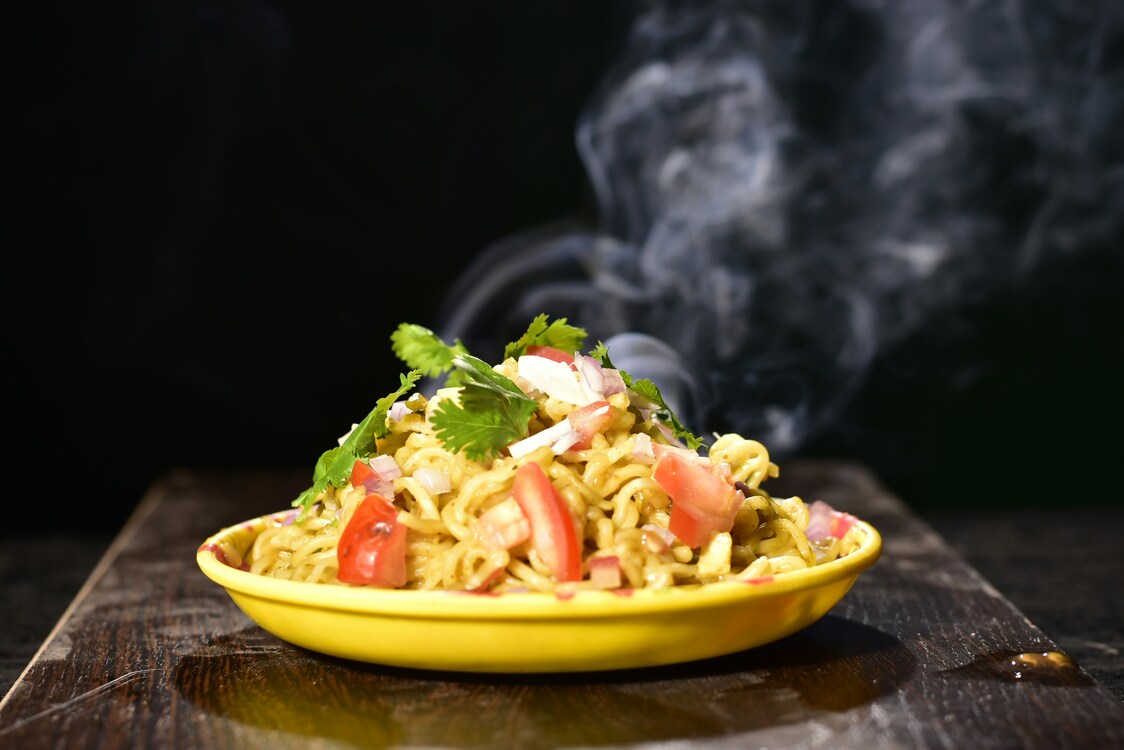
Advanced techniques can help you highlight intricate details and create a specific mood in your images. Here are techniques the pros use for showstopping shots:
- Negative Fill: Place black foam core or cloth on one side of your dish to soak up light, deepening shadows for drama and depth.
- The “Garnish Drop”: Add motion by photographing a sprinkle of herbs, a squeeze of lime, or a splash of chili oil falling into the bowl. Use a fast shutter speed (1/500s+) and burst mode to freeze the movement.
- Create Steam: Hot laksa cools fast, but a hidden cotton ball soaked in microwaved water or a discreet handheld steamer behind the bowl makes steam last for several shots.
- Oil or Water Brush: Add a dab of neutral oil (like canola) or a light spritz of water to the noodles or toppings before shooting.
- Composition and Scene: When arranging your shot, consider how the elements in the scene—such as varying heights, textures, and lighting—can guide the viewer’s eye and tell a more engaging visual story.
- Tip for Drinks: These techniques also work wonders when photographing drinks. For example, capture the glisten of a cocktail during golden hour to highlight details and set the perfect mood.
Quick Post-Processing Tips for Light Manipulation
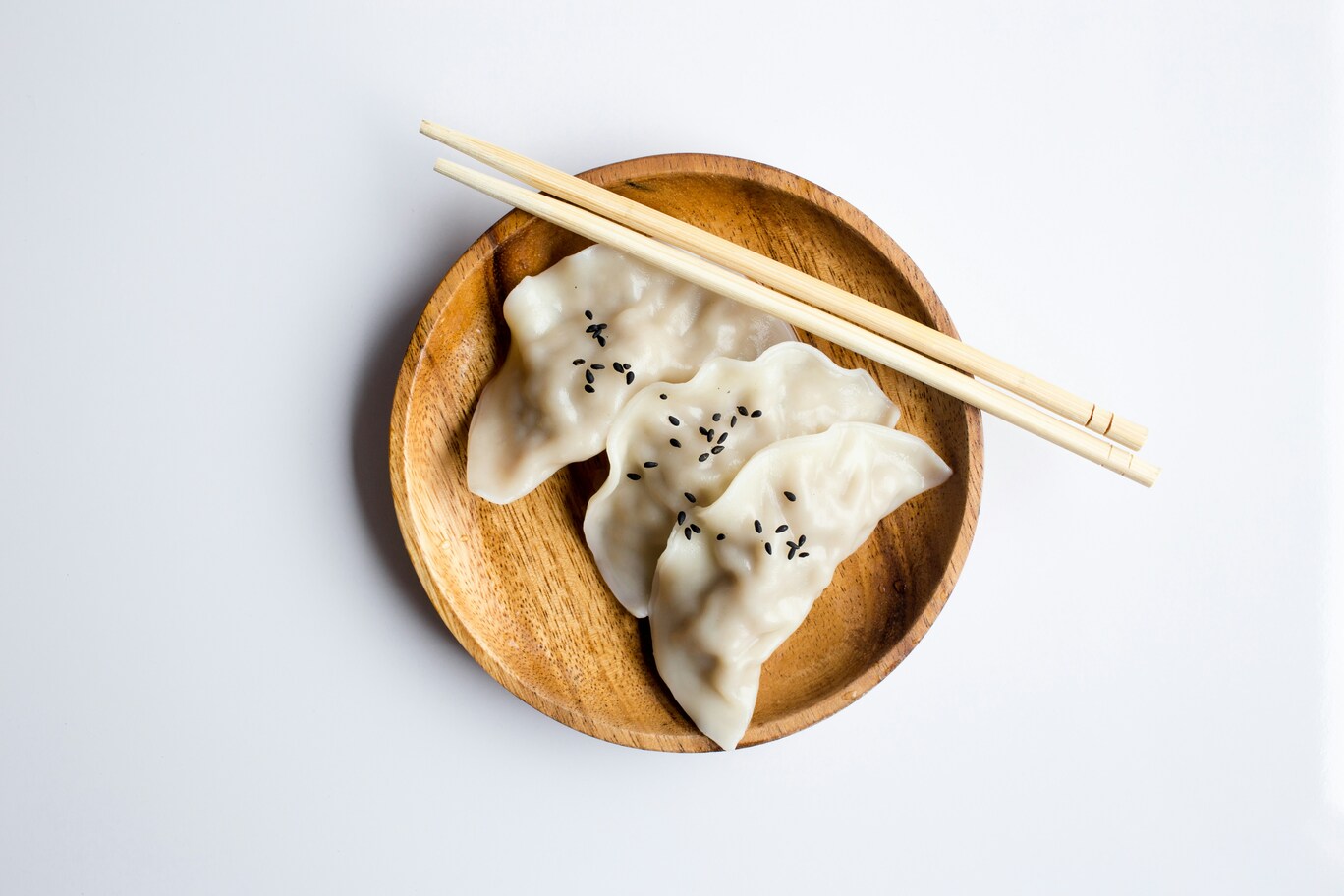
Even the best-lit photos benefit from a thoughtful edit. Having access to editing software, including free tools, can help enhance your food photos after shooting. Here’s how to finish your shot without crossing into “over-processed” territory:
- Adjust Exposure & Contrast: Use your editing app to brighten the image and add contrast as needed, bringing out the laksa’s bold colors.
- Vibrance vs. Saturation: Use the vibrance slider to make the reds, oranges, and greens pop without making the dish look unnatural.
- Dodge & Burn: Locally brighten (dodge) the highlights on the noodles and surface of the broth, and darken (burn) dull or distracting background areas.
- Clarity and Texture (in Moderation): Enhance the texture of noodles or tofu with targeted clarity, but avoid applying globally; too much sharpness can look gritty.
Pro editors usually work in layers, creating subtle adjustments that keep the dish looking real and delicious.
Applying These Techniques to Other Dishes
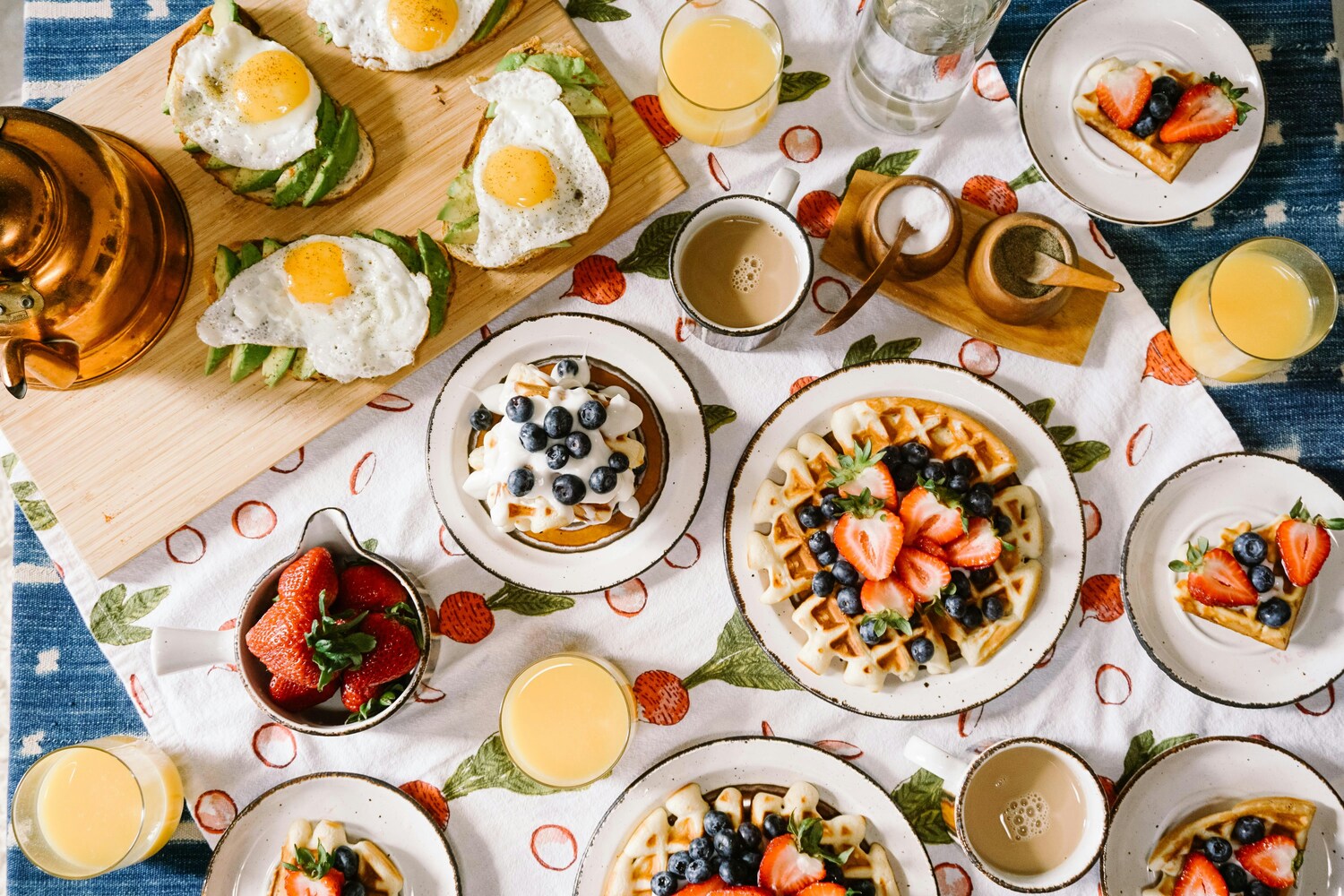
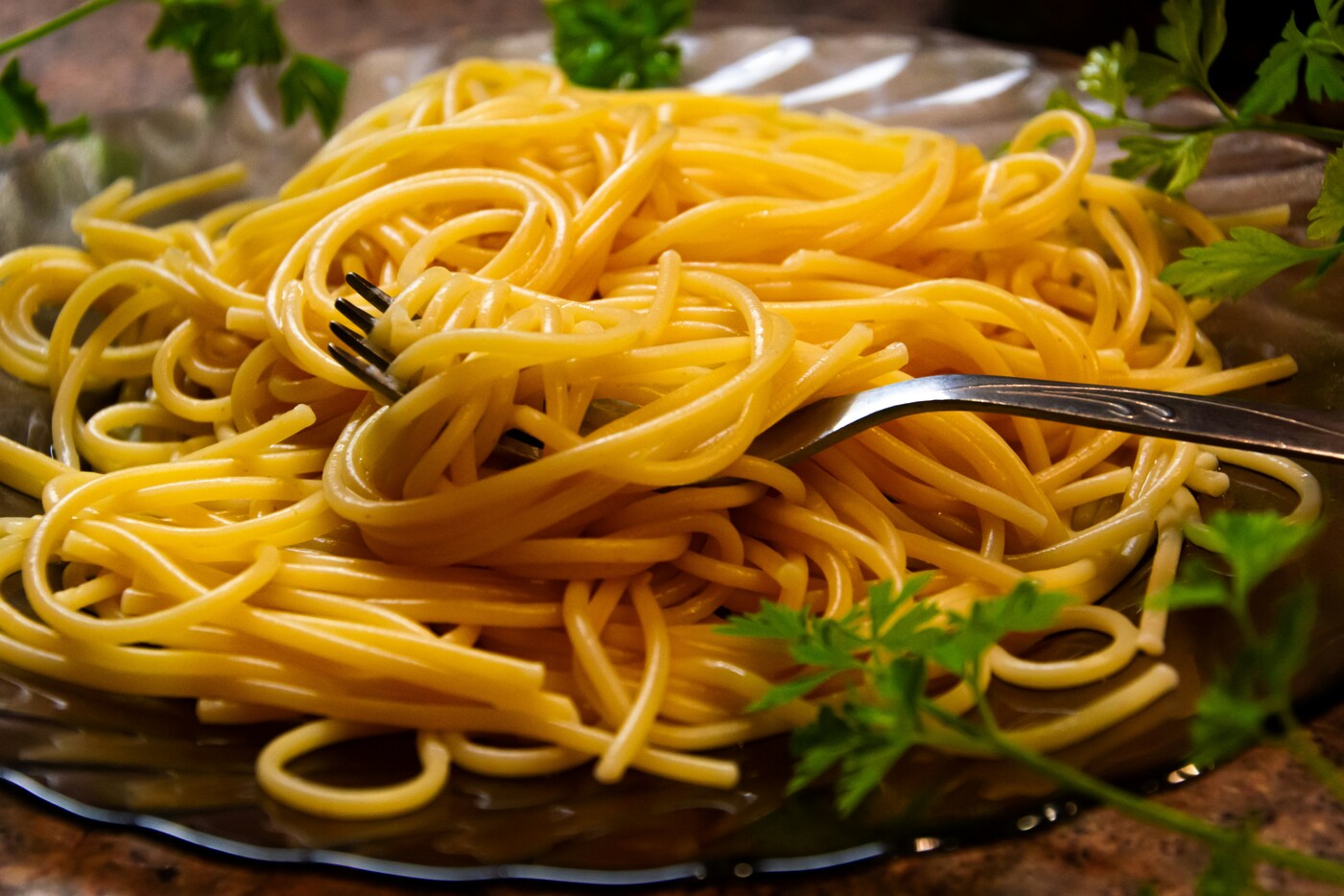
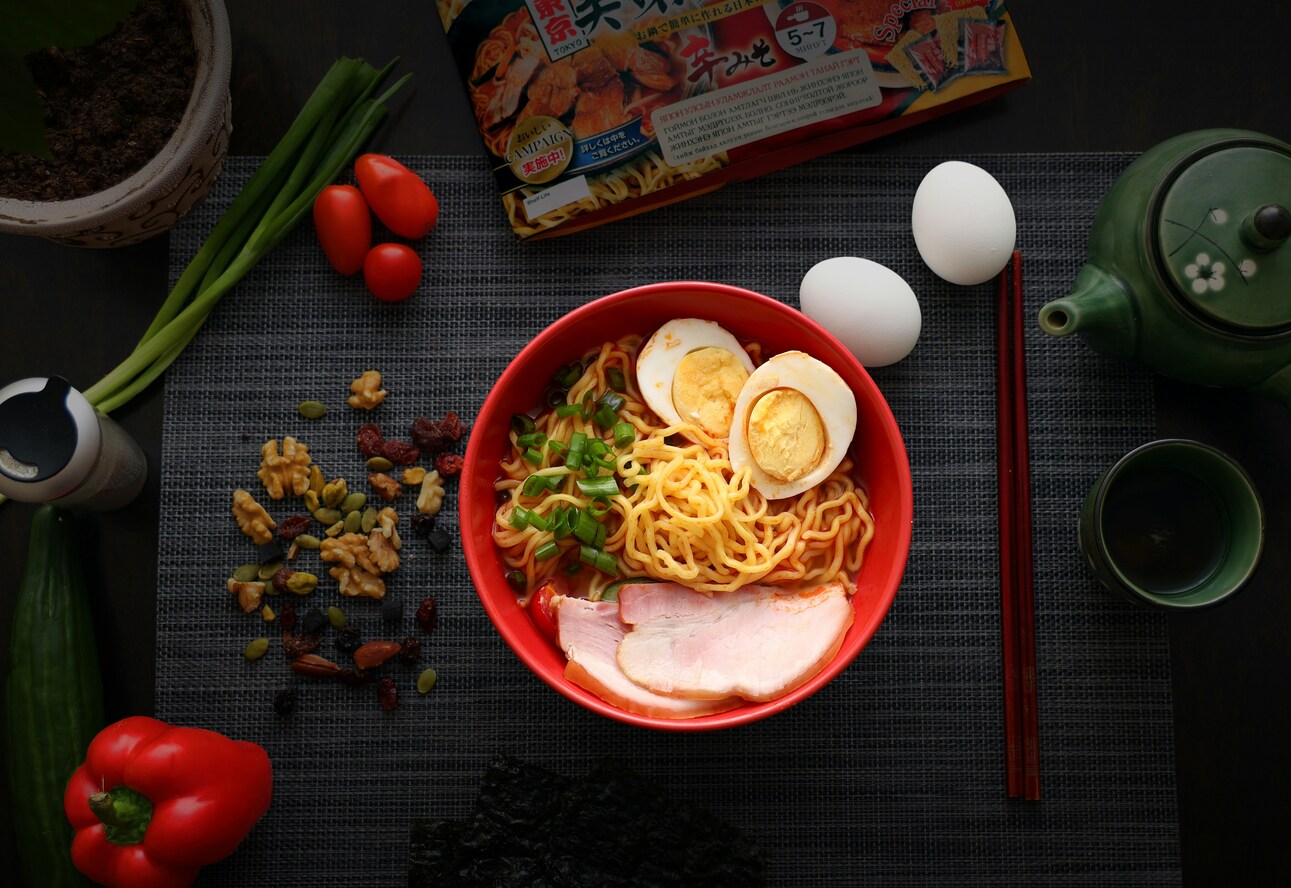
Once you’ve mastered golden hour photography with laksa, you’ll have a powerful toolkit for shooting all sorts of glossy, textured foods—ramen, pho, saucy pastas, even dessert soups. The keys? Directional, soft light; mindful camera settings; and food styling that spotlights rather than overshadows the food’s character.
Light is the universal ingredient. Whether you’re after punchy, high-contrast ramen or creamy, glowing laksa, observe how golden hour shapes color and shine.
Pay attention to how you arrange the scene—varying heights, textures, and lighting can enhance the visual appeal and guide the viewer’s eye. Play with reflectors, tweak your angles, and practice food styling techniques that respect the dish’s origins and authenticity.

Savoring Orchard Yong Tau Fu: Cheap and Cheerful in Cuppage Plaza
June 18, 2026
I’d walked past this stall maybe a dozen times before I finally stopped. Cuppage Plaza isn’t the kind of place you go to be impressed, and that’s exactly why I keep coming back to it…
-
A Letter to the Faces Behind the Counter
June 16, 2026
You are turning over chicken wings when I first notice you. It is just past seven at Old Airport Road Food Centre, and the ceiling fans are pushing warm air down onto the tables. The…
-
How to Photograph Cuppage Plaza Food Without Disturbing the Room
June 15, 2026
The camera flash went off by mistake. It was a small, clumsy decision, but in the narrow, slightly smoky space of Kazu Sumiyaki, it felt much larger than it was. A few heads turned. The…
-
To the Stirring of the Wok in the Early Hours
June 12, 2026
The first sound is not the flame. It is the metal ladle touching the side of the wok, a small, hollow note that carries across the half-awake floor of Hong Lim Market & Food Centre….
-
Cuppage Plaza Food Guide: Japanese Restaurants and Hidden Gems in Singapore’s Little Tokyo
June 11, 2026
I started coming to Cuppage Plaza for the light. The building is old, a little worn at the edges, with narrow staircases and corridors that smell faintly of charcoal and sake by early evening. But…
-
A Note to the Knife That Cuts, But Never Hurries
June 9, 2026
The knife lands softly before it cuts. I hear it before I lift the camera. A low wooden sound, not sharp, not rushed. At Maxwell Food Centre, the lunch crowd is already pressing into the…
-
Wang BBQ Chicken Wing & Satay: Photographing Smoke, Wings, and Skewers at Chomp Chomp Food Centre
June 8, 2026
I reached Chomp Chomp Food Centre at 20 Kensington Park Road, Serangoon Gardens, Singapore on a Tuesday evening around 7pm, just as the place was beginning to thicken with supper energy. The tables were filling…
-
To the Fragrance That Lingers Long After the Meal
June 5, 2026
The evening air at Old Airport Road Food Centre is thick and warm. It wraps around me the moment I step away from the open street. I walk past the bright neon signboards, letting the…
-
Lau Pa Sat Satay Street: Photographing After-Work Satay in Singapore’s CBD.
June 4, 2026
I visited Lau Pa Sat Satay Street on a Tuesday around 7pm, just as Boon Tat Street was changing its identity from a busy traffic route in Singapore’s CBD to a lively alfresco dining venue….
-
A Letter to the Hidden Moments Between the Shots
June 2, 2026
The afternoon heat settles heavily over Tiong Bahru Market. The frantic noise of the lunch hour is completely gone. I sit at a corner table near the open balcony. The green tiles reflect the warm,…