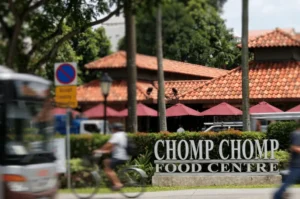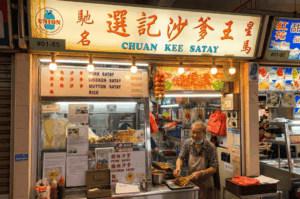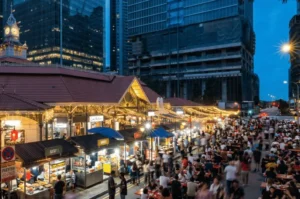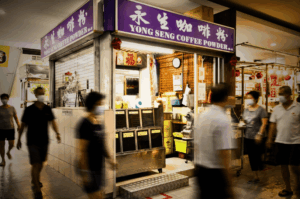
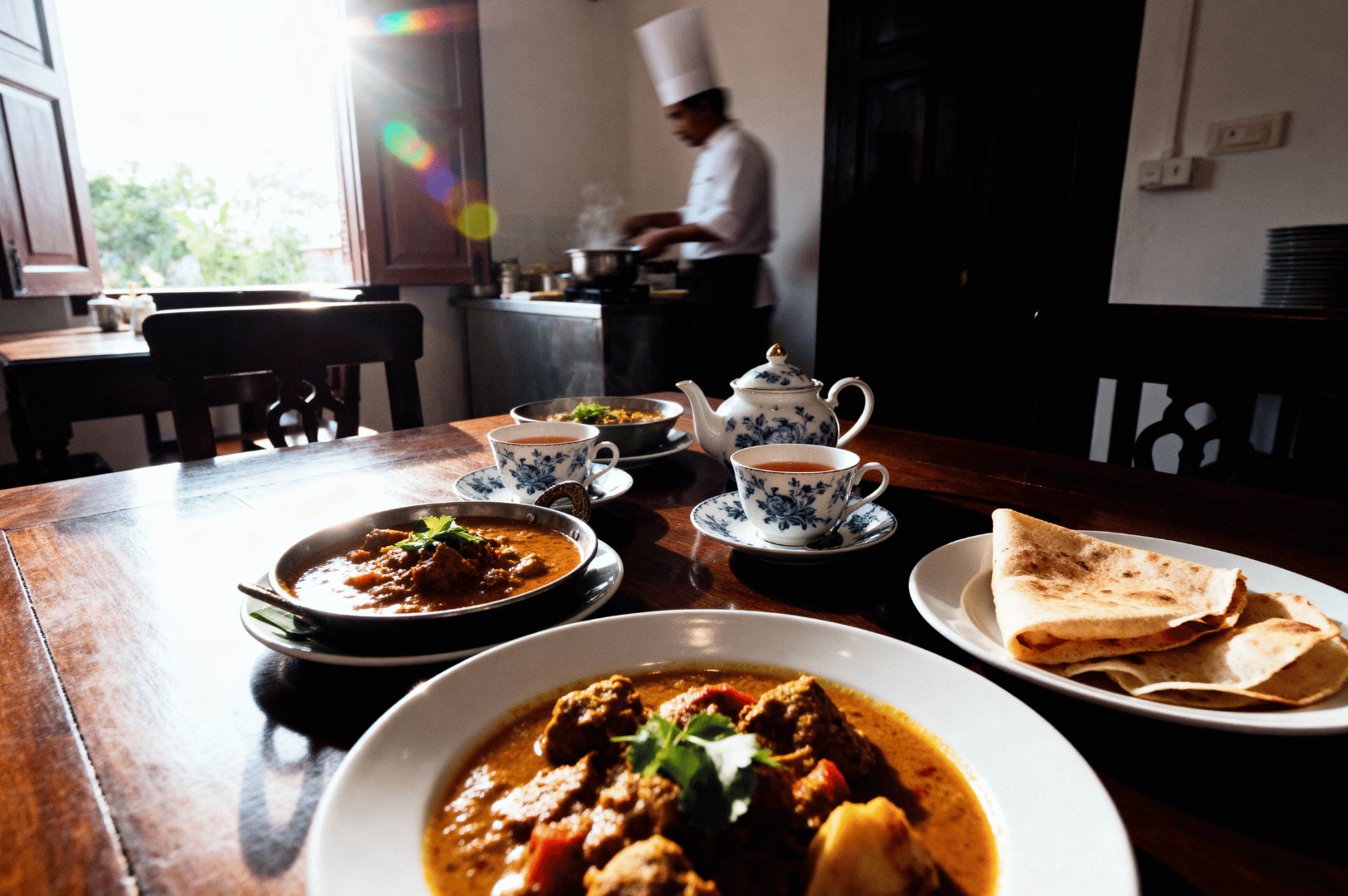
Singapore’s food scene is a story shaped by oceans, empires, and centuries-old trade. As a photographer focused on our culinary traditions, I find inspiration not only at bustling markets and hawker centres, but in the layered history written across every dish. Singapore was once a vibrant port, a meeting point of cultures from China, India, and Europe. This melting pot set the foundation for Singapore colonial food history—an ever-evolving fusion cuisine that remains at the heart of our nation’s identity.
Black Pepper
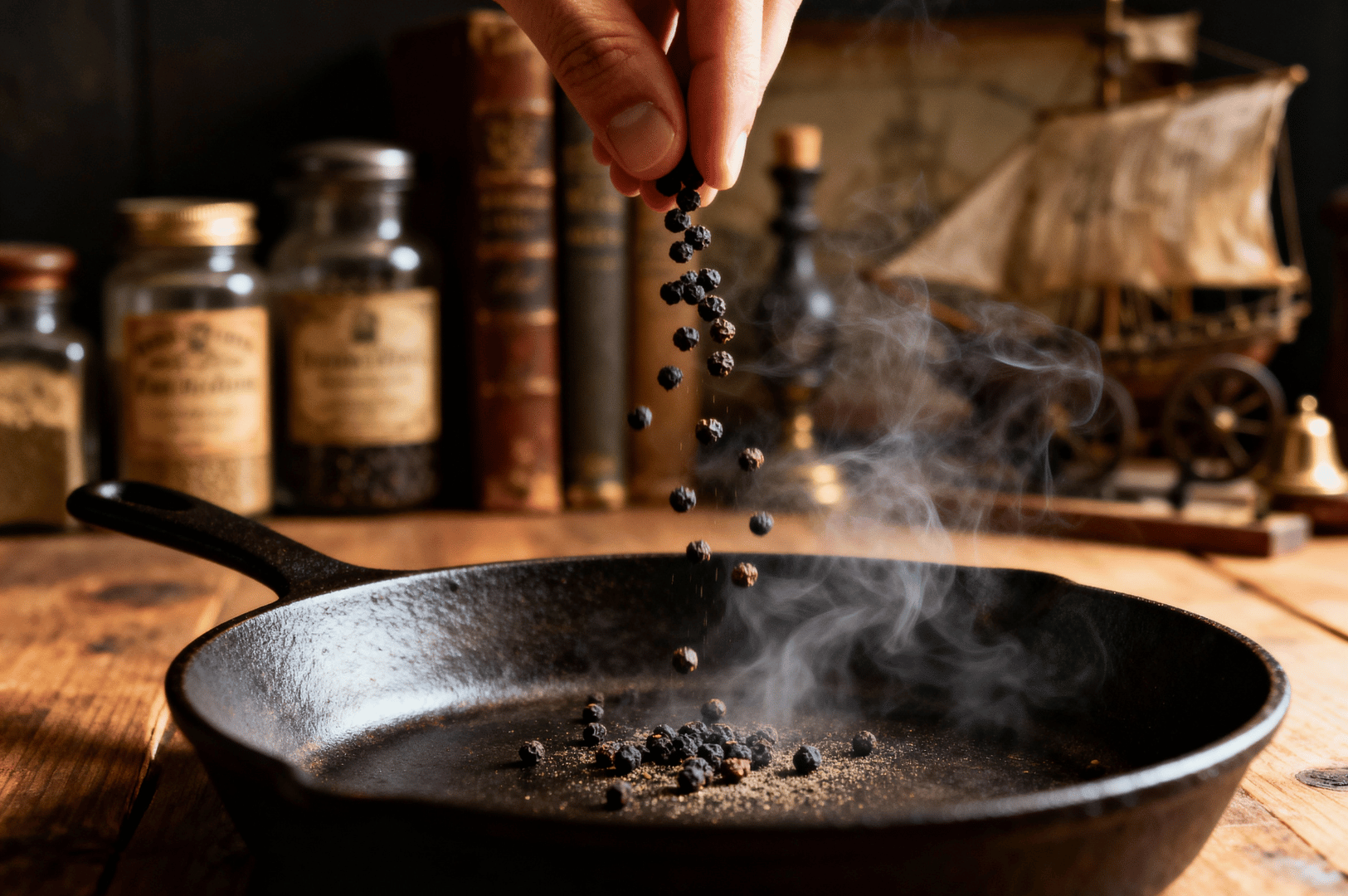
The quest for spices like black pepper, cinnamon, and cumin led Portuguese explorers, such as Vasco da Gama, into Southeast Asia. Black pepper quickly became an emblem of cross-continental flavor, influencing food from simple street stalls to celebratory banquets. As Portuguese and later Dutch, British, Indian, and Chinese traders settled—or passed through—Singapore, black pepper and other spices turned local kitchens into laboratories of cultural exchange. These influences paved the way for what would later define Eurasian cuisine.
Culinary Traditions
At the core of this legacy is the vibrant world of Eurasian food. Through centuries of mingling between Europeans—especially Portuguese, Dutch, and British—and local Malay and Chinese communities, new culinary traditions took root. These were stories told through recipes: techniques borrowed, ingredients shared, methods blended. Each dish preserves generations of adaptation and cross-pollination, making Eurasian cuisine a living representation of Singapore’s layered history.
Devil's Curry
My personal connection with this culinary fusion was sealed with my first taste of Devil’s Curry. Known locally as Curry Debal, this dish is a bold, unabashed stew. Southeast Asian spices—turmeric, galangal, black pepper—meld with the sharp tang of vinegar, a nod to European preservation. Cooked traditionally with leftover meats and sausages from festive roasts, Devil’s Curry is a celebration of resilience and creative adaptation. It’s often prepared in large batches for big family gatherings, with every bowl telling a story of survival, community, and joy through hardship.
Macanese Cuisine
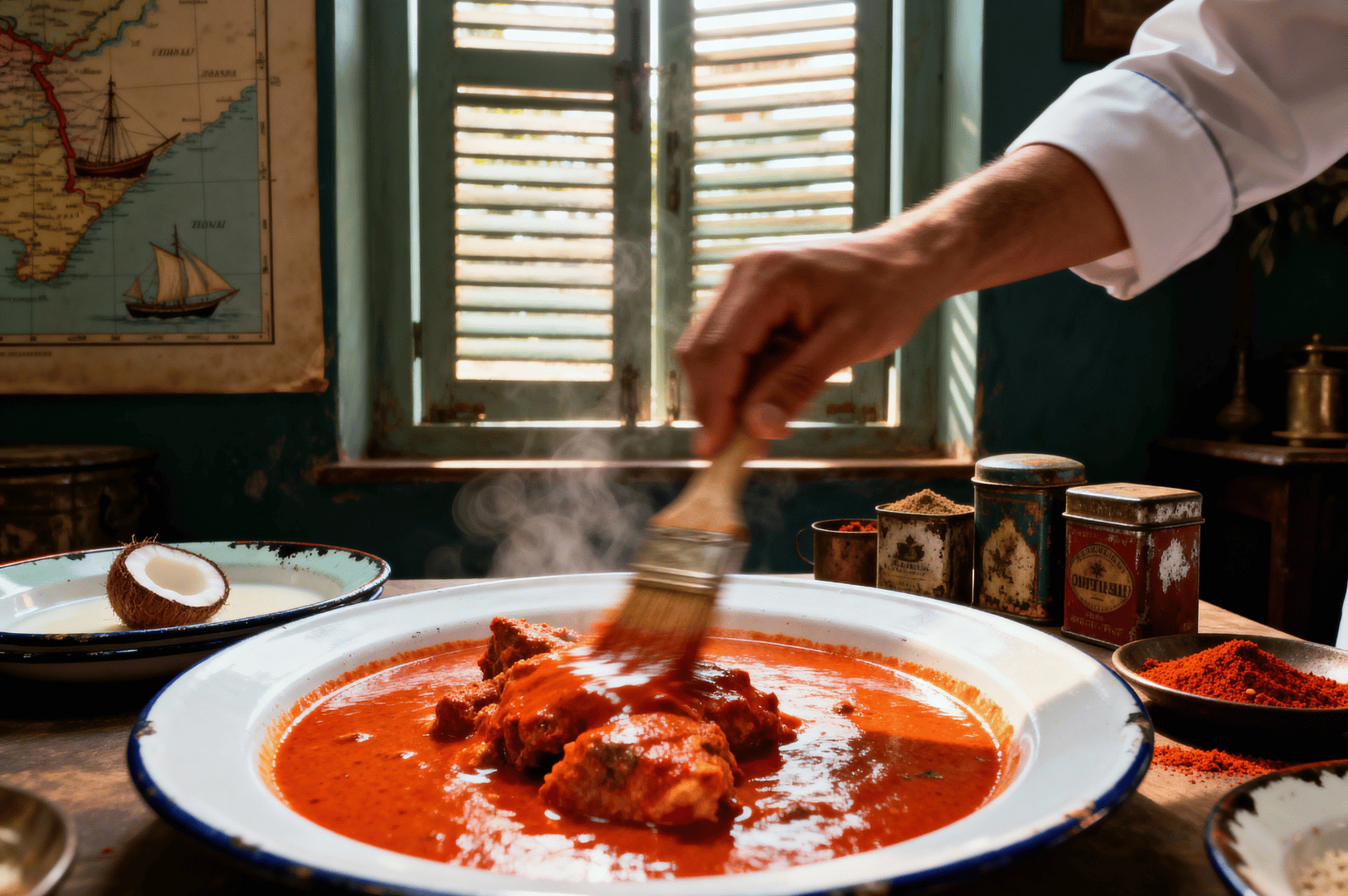
Singapore’s food evolution didn’t happen in isolation. As Portuguese traders and migrants continued through Southeast Asia, their cooking traditions merged with those in Macau, creating Macanese cuisine. Dishes like African Chicken—blending coconut milk, paprika, and a melange of spices—capture the journey of recipes across continents. These savory stews and grilled meats arrived in Singapore, their flavors further deepened by Southeast Asian spices and local twists. Meals became passports, connecting Singapore to distant Malacca, Macau, India, and Portugal.
Sugee Cake
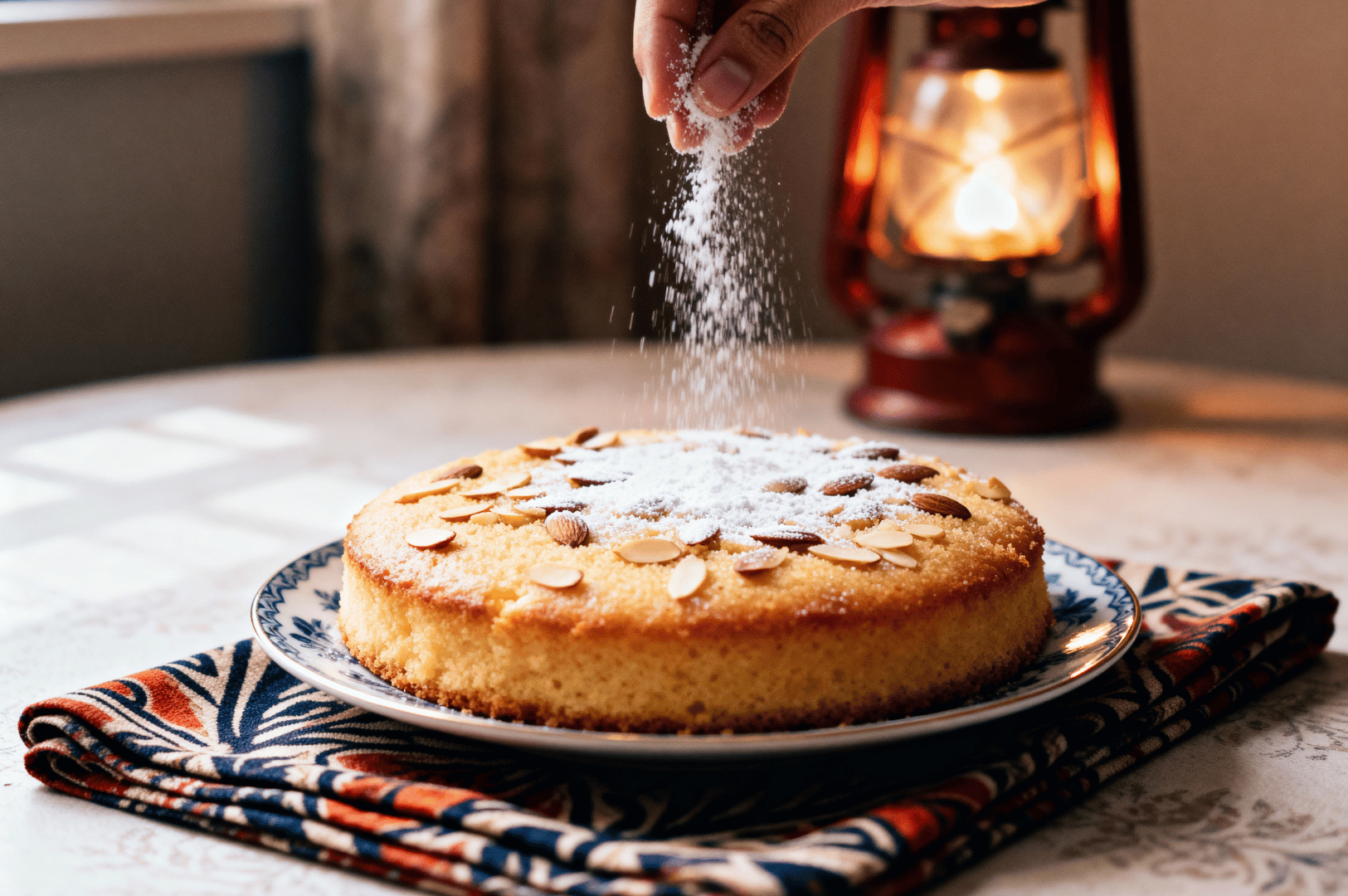
A Eurasian celebration is never complete without sugee cake. Made from semolina flour, butter, and ground almonds, this cake is soft, rich, and deeply aromatic. Adapted from European cake-making traditions, it uses regional ingredients like coconut and ghee. Served at weddings, birthdays, or festive holidays, sugee cake embodies the sweet side of the Eurasian story, offering a bite-sized history lesson with every piece.
Eurasian Restaurant
To truly experience Singapore’s Eurasian culinary legacy, a visit to a Eurasian restaurant is essential. Quentin’s Eurasian Restaurant, with locations at the Eurasian Community House and Changi Business Park, is one such torchbearer. Helmed by executive chef Quentin Pereira, their kitchen is known for heritage classics—Devil’s Curry, Prawn Bostador, Sugee Cake—each meticulously prepared using time-honored recipes. These restaurants are more than just places to eat; they are testing grounds and preservers of culinary heritage, sustaining the spirit of the Eurasian community for future generations.
Culinary Legacy
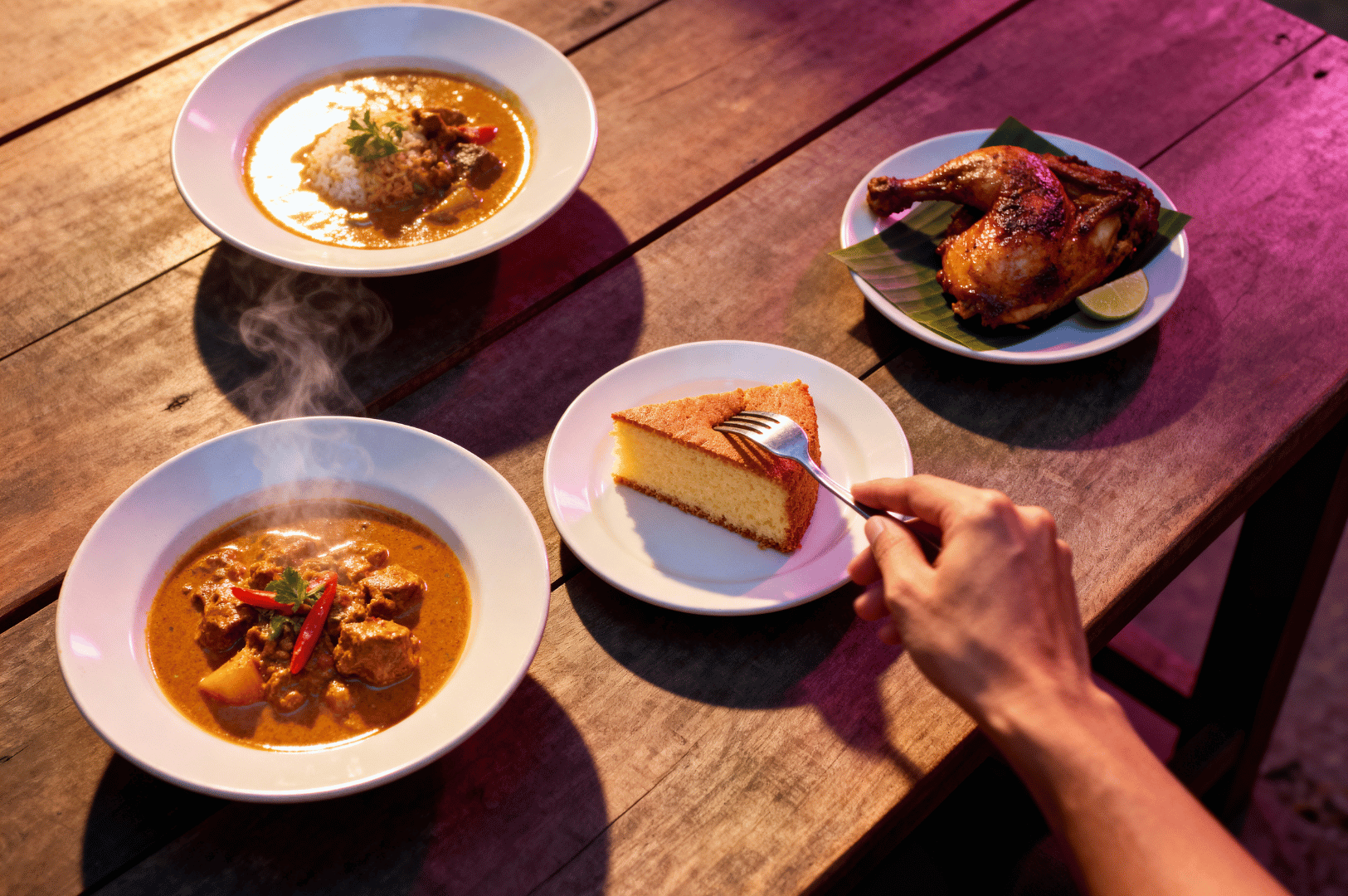
The legacy of Singapore colonial food history lives on—transcending boundaries, reimagined by families and chefs alike. Each rich stew, buttery dessert, and spicy curry is a tribute to the harmonious blend of cultures that shaped them. The Eurasian cuisine we savor in Singapore now is not simply a relic; it is a breathing, growing part of our shared narrative.
Today, as culinary boundaries blur across the world, Singapore’s fusion food stands as powerful proof of possibility. Devil’s Curry, sugee cake, and Macanese-inspired African Chicken are more than delicious—they’re postcards from the past, celebrating centuries of global trade, cultural exchange, and resilience. From bustling markets to the family table, these dishes weave together the stories of people, places, and tastes that make Singapore a true crossroads of the world. This is the heritage I strive to capture, one flavor and one photograph at a time.
To explore another iconic dish from Singapore's rich culinary history, check out how the traditional poaching technique brings Hainanese Chicken Rice to life in this fascinating exploration of heritage cooking.

A Letter to the Faces Behind the Counter
June 16, 2026
You are turning over chicken wings when I first notice you. It is just past seven at Old Airport Road Food Centre, and the ceiling fans are pushing warm air down onto the tables. The…
-
How to Photograph Cuppage Plaza Food Without Disturbing the Room
June 15, 2026
The camera flash went off by mistake. It was a small, clumsy decision, but in the narrow, slightly smoky space of Kazu Sumiyaki, it felt much larger than it was. A few heads turned. The…
-
To the Stirring of the Wok in the Early Hours
June 12, 2026
The first sound is not the flame. It is the metal ladle touching the side of the wok, a small, hollow note that carries across the half-awake floor of Hong Lim Market & Food Centre….
-
Cuppage Plaza Food Guide: Japanese Restaurants and Hidden Gems in Singapore’s Little Tokyo
June 11, 2026
I started coming to Cuppage Plaza for the light. The building is old, a little worn at the edges, with narrow staircases and corridors that smell faintly of charcoal and sake by early evening. But…
-
A Note to the Knife That Cuts, But Never Hurries
June 9, 2026
The knife lands softly before it cuts. I hear it before I lift the camera. A low wooden sound, not sharp, not rushed. At Maxwell Food Centre, the lunch crowd is already pressing into the…
-
Wang BBQ Chicken Wing & Satay: Photographing Smoke, Wings, and Skewers at Chomp Chomp Food Centre
June 8, 2026
I reached Chomp Chomp Food Centre at 20 Kensington Park Road, Serangoon Gardens, Singapore on a Tuesday evening around 7pm, just as the place was beginning to thicken with supper energy. The tables were filling…
-
To the Fragrance That Lingers Long After the Meal
June 5, 2026
The evening air at Old Airport Road Food Centre is thick and warm. It wraps around me the moment I step away from the open street. I walk past the bright neon signboards, letting the…
-
Lau Pa Sat Satay Street: Photographing After-Work Satay in Singapore’s CBD.
June 4, 2026
I visited Lau Pa Sat Satay Street on a Tuesday around 7pm, just as Boon Tat Street was changing its identity from a busy traffic route in Singapore’s CBD to a lively alfresco dining venue….
-
A Letter to the Hidden Moments Between the Shots
June 2, 2026
The afternoon heat settles heavily over Tiong Bahru Market. The frantic noise of the lunch hour is completely gone. I sit at a corner table near the open balcony. The green tiles reflect the warm,…
-
Izakaya Singapore: More Than Just After-Work Spots
June 1, 2026
When we talk about izakayas in Singapore, we often reduce them to simple after work drinks spots. We picture loud rooms where tired professionals go to drink cold beer and eat cheap bar snacks. But…