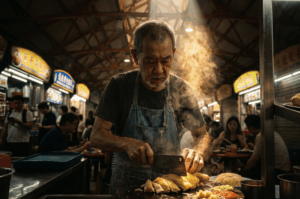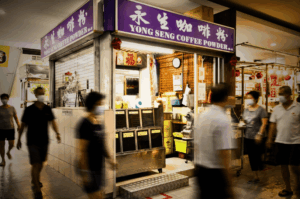
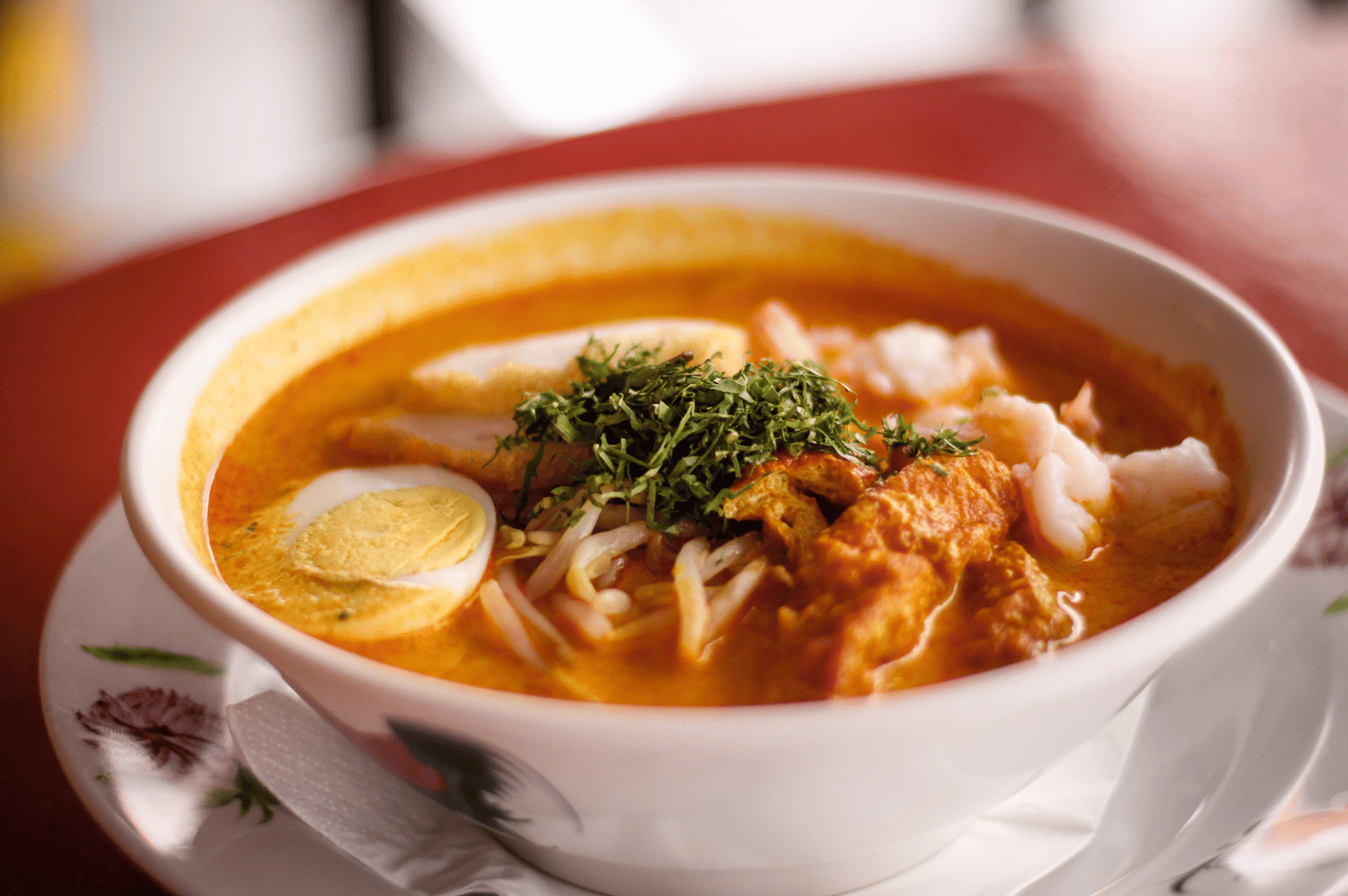
In the maze-like corridors of Singapore’s hawker centres, where hundreds of vendors vie for attention, true legends are not made overnight. They are forged in decades of heat, steam, and unwavering dedication. One such legend is Madam Nancy Koh, a woman affectionately known by her legions of fans as "The Laksa Queen." For over forty years, from a humble stall in the heart of Katong, she has served what many consider to be the definitive bowl of laksa. She is more than a cook; she is a guardian of flavor, a historian of taste, and the perfect guide to understanding the soul of Singapore’s culinary landscape.
Who is The Laksa Queen?
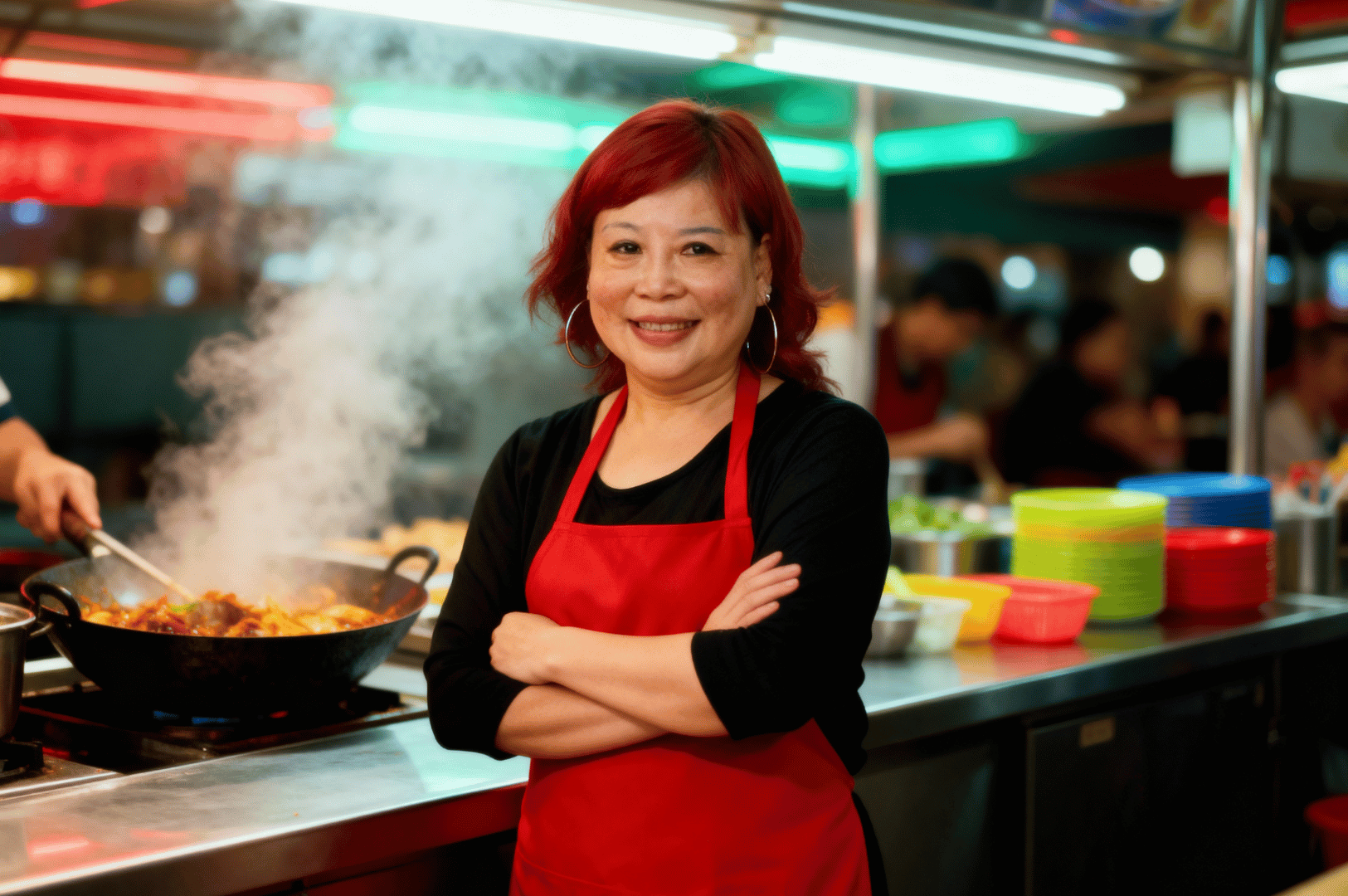
Madam Koh’s story begins not in a kitchen, but as a young girl watching her grandmother, a Peranakan Nonya, meticulously grind spices with a pestle and mortar. The recipes were in her grandmother's hands, in her nose.
'The flavor must speak to you before it speaks to the customer.' This philosophy became the bedrock of her own culinary journey. She started her stall in the early 1980s with little more than her grandmother’s unwritten rules and a fierce determination to create something special. Today, her stall is an institution, a pilgrimage site for anyone seeking the pinnacle of good street food Singapore. Her authority comes not from awards, though she has many, but from the daily, snaking queue of loyal patrons who have been eating her laksa for generations.
Her Majesty's Signature Dish: A Bowl of Peranakan Soul
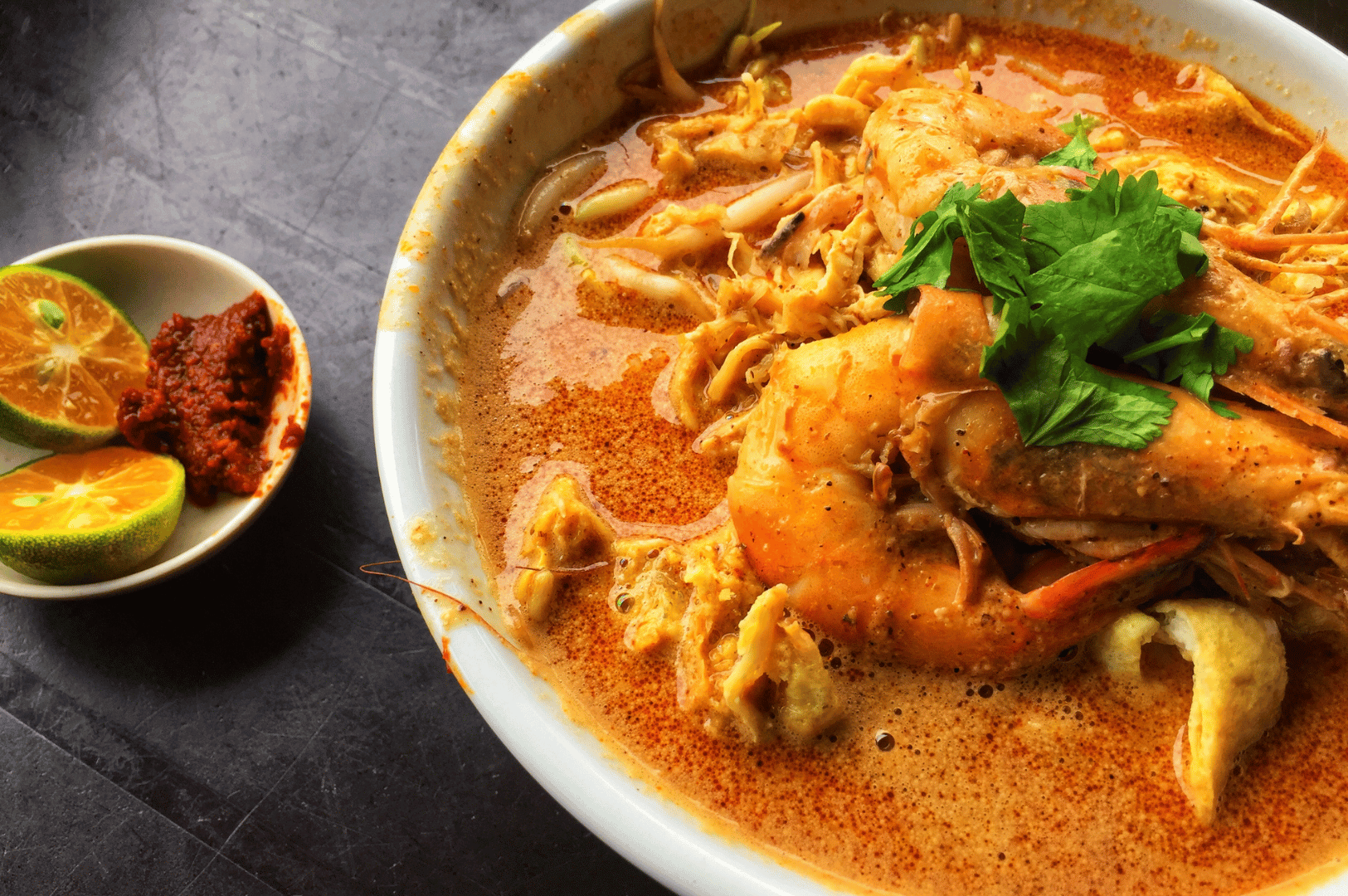
To understand The Laksa Queen’s wisdom, you must first understand her laksa. It is a work of art, a study in perfect balance. The first thing that hits you is the aroma. It is a heady perfume of coconut milk, shrimp paste, and a complex blend of spices that she still grinds herself every morning. The gravy is the star: rich and creamy but never heavy, with a vibrant orange hue that glows with promise. It coats the thick rice noodles perfectly, each strand a vessel for the flavorful broth.
Unlike many modern interpretations, her laksa is served the traditional Katong way, with the noodles cut into shorter lengths, designed to be eaten with only a spoon. The bowl is generously filled with fresh cockles, succulent prawns, and slices of fish cake. A dollop of her potent, house-made sambal sits on the side, a fiery invitation to customize the heat. Madam Koh believes that Balance is everything, she explains. Too much coconut milk, you lose the spice. Too much shrimp paste, it becomes too salty. It must be a dance on the tongue. This commitment to harmony is what elevates her dish from mere food to an experience.
Secrets from the Queen's Kitchen
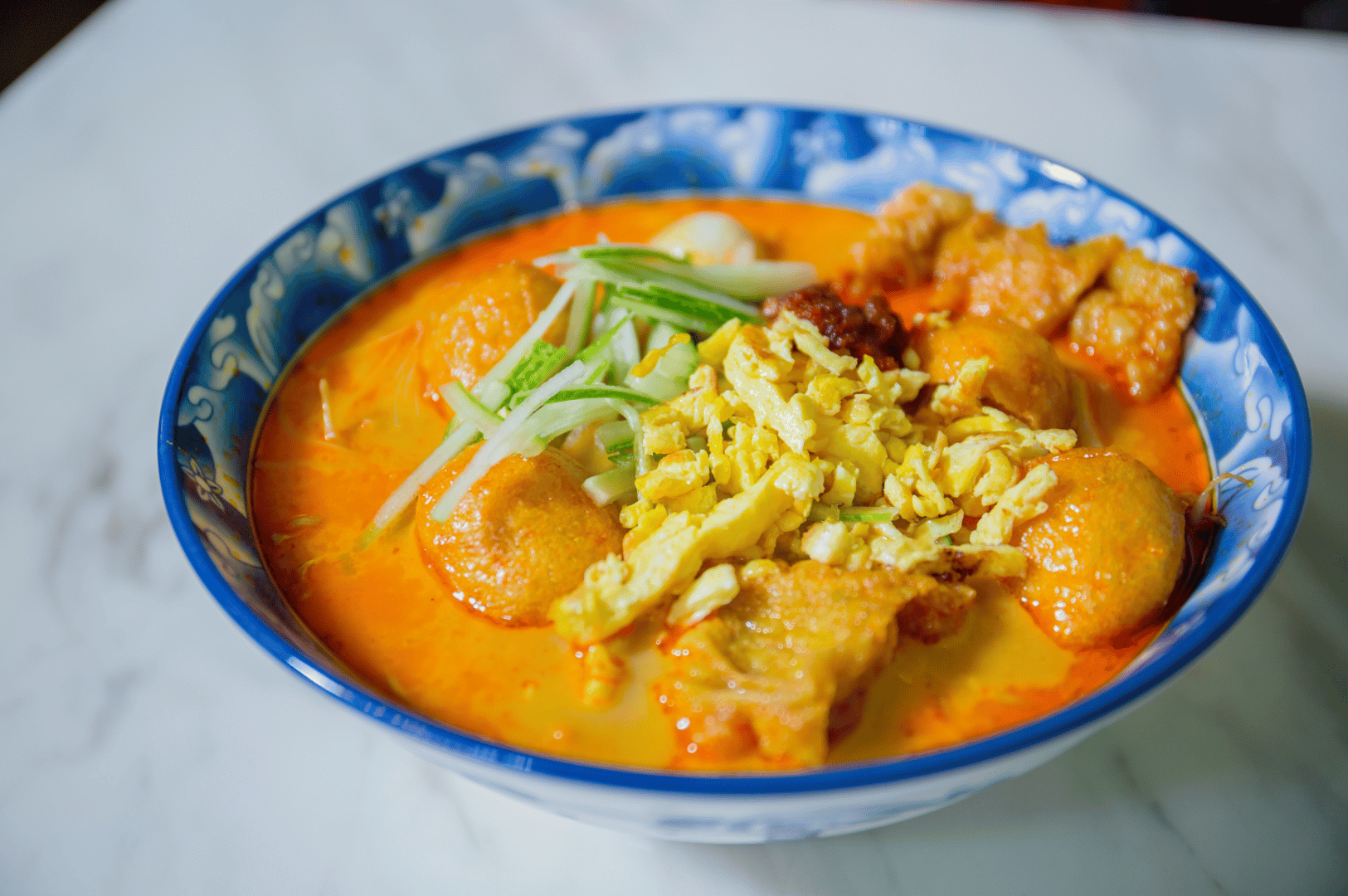
Madam Koh's "secrets" are not about flashy techniques but about a deep, abiding respect for the process.
The Gospel of Good Ingredients
"You cannot cheat your ingredients," That's what Madam Koh believes in. This is her first and most important rule. She speaks of waking up at 4 AM to visit the wet market, not just to buy, but to build relationships with street vendors and hawker stalls. She knows the fishmonger who saves the freshest prawns for her and the vegetable seller who understands the exact type of galangal she needs. Her coconut milk is squeezed fresh daily, never using packaged ones that lack soul. This dedication to sourcing is the foundation of all good street food in Singapore; it’s a non-negotiable starting point that separates the good from the legendary.
The Dance of Tradition and Technique
While she honors the traditional Peranakan methods she learned from her grandmother, Madam Koh is not entirely against change. The key, she says, is to understand why a technique exists before you adapt it. Her grandmother used a charcoal stove. It gave a beautiful smoky flavor, but it's not practical today. Madam Koh, on the other hand, uses a gas stove, but she have learned to control the flame to mimic that slow, even heat. She insists that the rempah (spice paste) must still be slow-fried for at least an hour to release its full aromatic potential. This step is where the flavor is born. Rush it, and your laksa will be flat. This slow-fried spice paste is similar in importance to the preparation of other iconic Singaporean food, such as bak kut teh and Hainanese chicken rice, where the chicken broth and fragrant rice are essential.
Consistency is Everything
One of the biggest challenges for any hawker is maintaining consistency. A dish must taste the same on a quiet Tuesday afternoon as it does during a chaotic Saturday lunch rush. Madam Koh’s solution is meticulous preparation and a reliance on muscle memory. She believes that customers return for a specific taste they remember, and betraying that memory is the quickest way to lose their trust. This consistency is what makes dishes like char kway teow, Hokkien mee, and bak chor mee so beloved at food courts and hawker centres across Singapore.
Knowing Your People
She pays close attention to the people who line up at her stall. She knows who likes extra cockles, who prefers less chili, and who is trying her laksa for the very first time. This intimate understanding of her community’s palate is crucial. It’s this connection that transforms a transactional meal into a personal interaction, making her stall feel less like a business and more like a family kitchen. This personalized approach is also evident in other popular noodle dishes like prawn noodles and bak chor mee, where the right balance of chili sauce, sambal chili sauce, and other condiments makes all the difference.
What Makes Singapore's Street Food Scene Unique?
"What is good street food Singapore? It's our history in a bowl." Madam Koh believes Singapore’s street food culture is distinct because it is a direct reflection of the nation’s multicultural identity. Within a single hawker centre, you can travel from China to Malaysia to India in just a few steps. This proximity creates both competition and collaboration, inspiring vendors to perfect their craft.
Unlike a standalone restaurant, a stall on a busy food street or in a hawker centre is part of an ecosystem. The energy is communal, the environment unpretentious. The focus is purely on the food. There are no fancy decorations or elaborate service rituals to hide behind. The dish must speak for itself.
This vibrant scene is where you find incredible food stalls offering Singapore food classics like Hainanese chicken rice with its fragrant steamed rice, or the iconic chilli crab served with fluffy rice and a spicy sauce. You can enjoy hawker stalls dishing out char kway teow, a stir fried noodle dish using flat rice noodles, or bak chor mee, a popular noodle dish topped with minced pork and pork lard. The hawker centres also serve Malay dishes such as nasi lemak, with its coconut milk-infused rice, peanut sauce, fried egg, and anchovies wrapped in banana leaf, as well as Hainanese curry rice accompanied by braised pork belly and braised cabbage.
The diversity extends to snacks like carrot cake made from rice flour and daikon radish, or soft boiled eggs served alongside kaya toast, a breakfast staple made with condensed milk and coconut jam spread on toast. Other beloved items include prawn noodles, fish head curry, and bak kut teh featuring pork ribs simmered in aromatic broth, often enjoyed with a cup of Chinese tea. This rich tapestry of flavors and dishes is what truly defines good street food in Singapore."
The Modern Challenges of a Hawker's Life
Running a street food business today is not without its difficulties. Madam Koh speaks of rising ingredient costs, long hours, and the physical toll of standing over a hot stove for twelve hours a day, blending street and food is not for the weak. The biggest challenge, however, is succession. Finding someone with the passion and grit to take over a legacy stall is becoming increasingly difficult. This is a concern echoed across Singapore, as many heritage recipes are at risk of disappearing with their aging creators.
More Jewels in Singapore's Street Food Crown
Madam Koh also believes in celebrating her peers and the rich variety of good street food in Singapore. Here are a few of Singaporean favorites that showcase the diversity of Singapore’s hawker centres and food stalls:
- Tian Tian Hainanese Chicken Rice (Maxwell Food Centre): She praises their perfectly cooked chicken and intensely fragrant steamed rice cooked in chicken broth. This stall is famous for serving Singapore's national dish, hainanese chicken rice, with its signature soy sauce and chili sauce accompaniments.
- Hill Street Tai Hwa Pork Noodle (Crawford Lane): A Michelin-starred stall renowned for its bak chor mee, a popular noodle dish featuring egg noodles tossed with minced pork, braised mushrooms, pork lard, chili paste, and a splash of dark soy sauce.
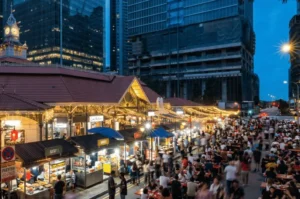
- Lau Pa Sat: For a quintessential food street experience, she suggests this historic market, especially in the evening when the satay vendors take over the street outside. Here, you can enjoy classic Singapore street food like chicken wings grilled over charcoal, served with peanut sauce, and other cooked food specialties.
- Amoy Street Food Centre: Known for its variety of hawker stalls offering dishes like fried tofu, rice cakes, and prawn noodles, it’s a must-visit for anyone seeking authentic Singapore street food.
- Old Airport Road Food Centre: Another hawker hub famous for its diverse offerings, including char kway teow (stir fried flat rice noodles), hokkien mee, and other popular noodle dishes garnished with bean sprouts and Chinese sausage.
- Selera Rasa Nasi Lemak: Celebrated for its rasa nasi lemak, this Malay dish features coconut milk-infused fluffy rice served with sambal chili sauce, fried fish, fried egg, and anchovies wrapped in banana leaf—a true taste of Southeast Asia in Singapore.
These spots highlight the incredible range of flavors and dishes that make Singapore street food an unforgettable culinary journey.
The Enduring Legacy of Street Food
Street food in Singapore is more than just a convenient meal. It is a thread connecting generations, a repository of cultural memory, and a powerful symbol of community. The Laksa Queen and hawkers like her are not just feeding the city; they are nourishing its soul. Their dedication ensures that, for generations to come, the answer to the question "Where can I find good street food in Singapore?" will always be just around the corner, waiting in a humble, steaming, and utterly delicious bowl.
Step one to answering the question of where you can find good street food in Singapore, visit Street Food Photographer.

Savoring Orchard Yong Tau Fu: Cheap and Cheerful in Cuppage Plaza
June 18, 2026
I’d walked past this stall maybe a dozen times before I finally stopped. Cuppage Plaza isn’t the kind of place you go to be impressed, and that’s exactly why I keep coming back to it…
-
A Letter to the Faces Behind the Counter
June 16, 2026
You are turning over chicken wings when I first notice you. It is just past seven at Old Airport Road Food Centre, and the ceiling fans are pushing warm air down onto the tables. The…
-
How to Photograph Cuppage Plaza Food Without Disturbing the Room
June 15, 2026
The camera flash went off by mistake. It was a small, clumsy decision, but in the narrow, slightly smoky space of Kazu Sumiyaki, it felt much larger than it was. A few heads turned. The…
-
To the Stirring of the Wok in the Early Hours
June 12, 2026
The first sound is not the flame. It is the metal ladle touching the side of the wok, a small, hollow note that carries across the half-awake floor of Hong Lim Market & Food Centre….
-
Cuppage Plaza Food Guide: Japanese Restaurants and Hidden Gems in Singapore’s Little Tokyo
June 11, 2026
I started coming to Cuppage Plaza for the light. The building is old, a little worn at the edges, with narrow staircases and corridors that smell faintly of charcoal and sake by early evening. But…
-
A Note to the Knife That Cuts, But Never Hurries
June 9, 2026
The knife lands softly before it cuts. I hear it before I lift the camera. A low wooden sound, not sharp, not rushed. At Maxwell Food Centre, the lunch crowd is already pressing into the…
-
Wang BBQ Chicken Wing & Satay: Photographing Smoke, Wings, and Skewers at Chomp Chomp Food Centre
June 8, 2026
I reached Chomp Chomp Food Centre at 20 Kensington Park Road, Serangoon Gardens, Singapore on a Tuesday evening around 7pm, just as the place was beginning to thicken with supper energy. The tables were filling…
-
To the Fragrance That Lingers Long After the Meal
June 5, 2026
The evening air at Old Airport Road Food Centre is thick and warm. It wraps around me the moment I step away from the open street. I walk past the bright neon signboards, letting the…
-
Lau Pa Sat Satay Street: Photographing After-Work Satay in Singapore’s CBD.
June 4, 2026
I visited Lau Pa Sat Satay Street on a Tuesday around 7pm, just as Boon Tat Street was changing its identity from a busy traffic route in Singapore’s CBD to a lively alfresco dining venue….
-
A Letter to the Hidden Moments Between the Shots
June 2, 2026
The afternoon heat settles heavily over Tiong Bahru Market. The frantic noise of the lunch hour is completely gone. I sit at a corner table near the open balcony. The green tiles reflect the warm,…