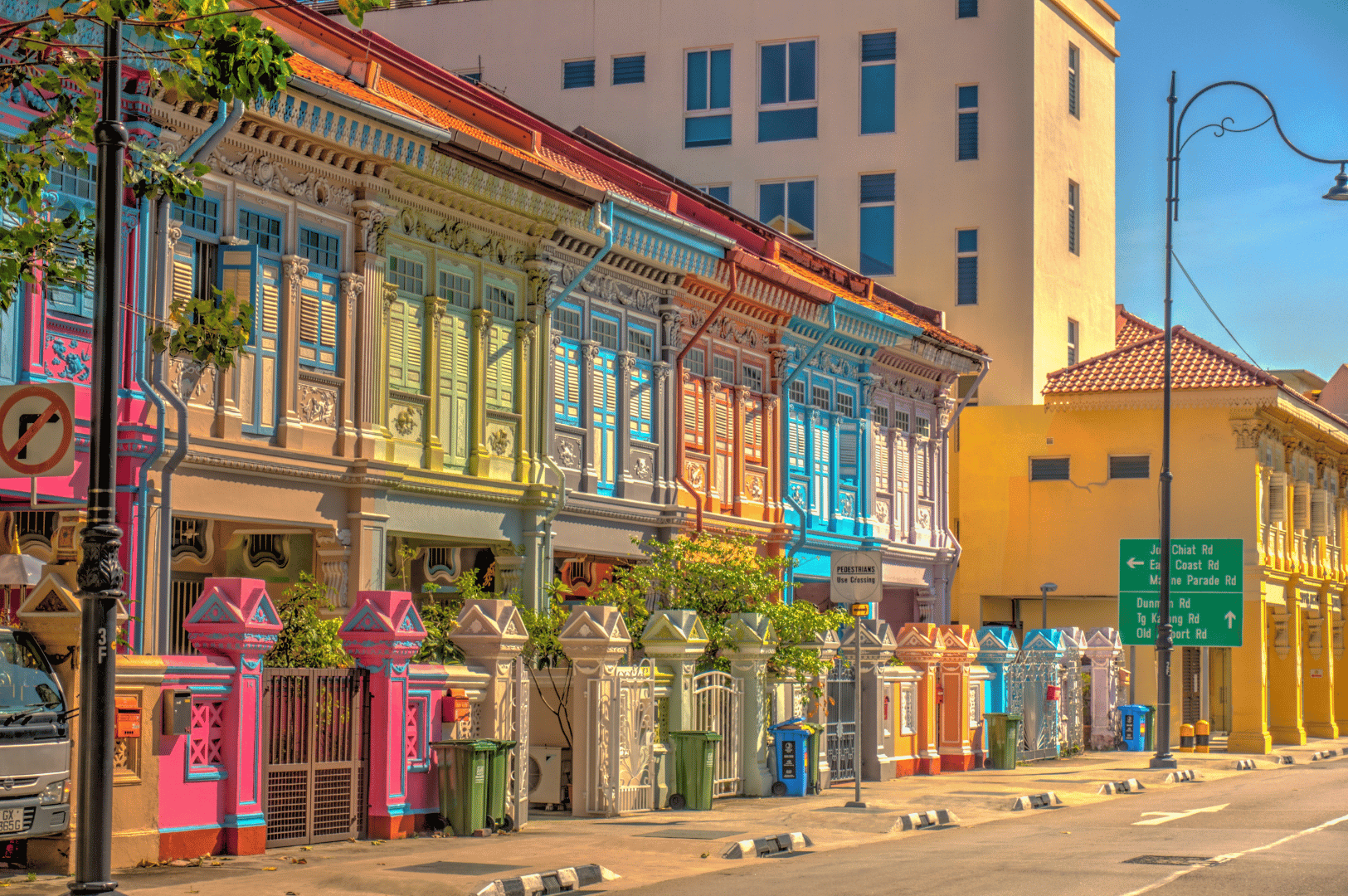
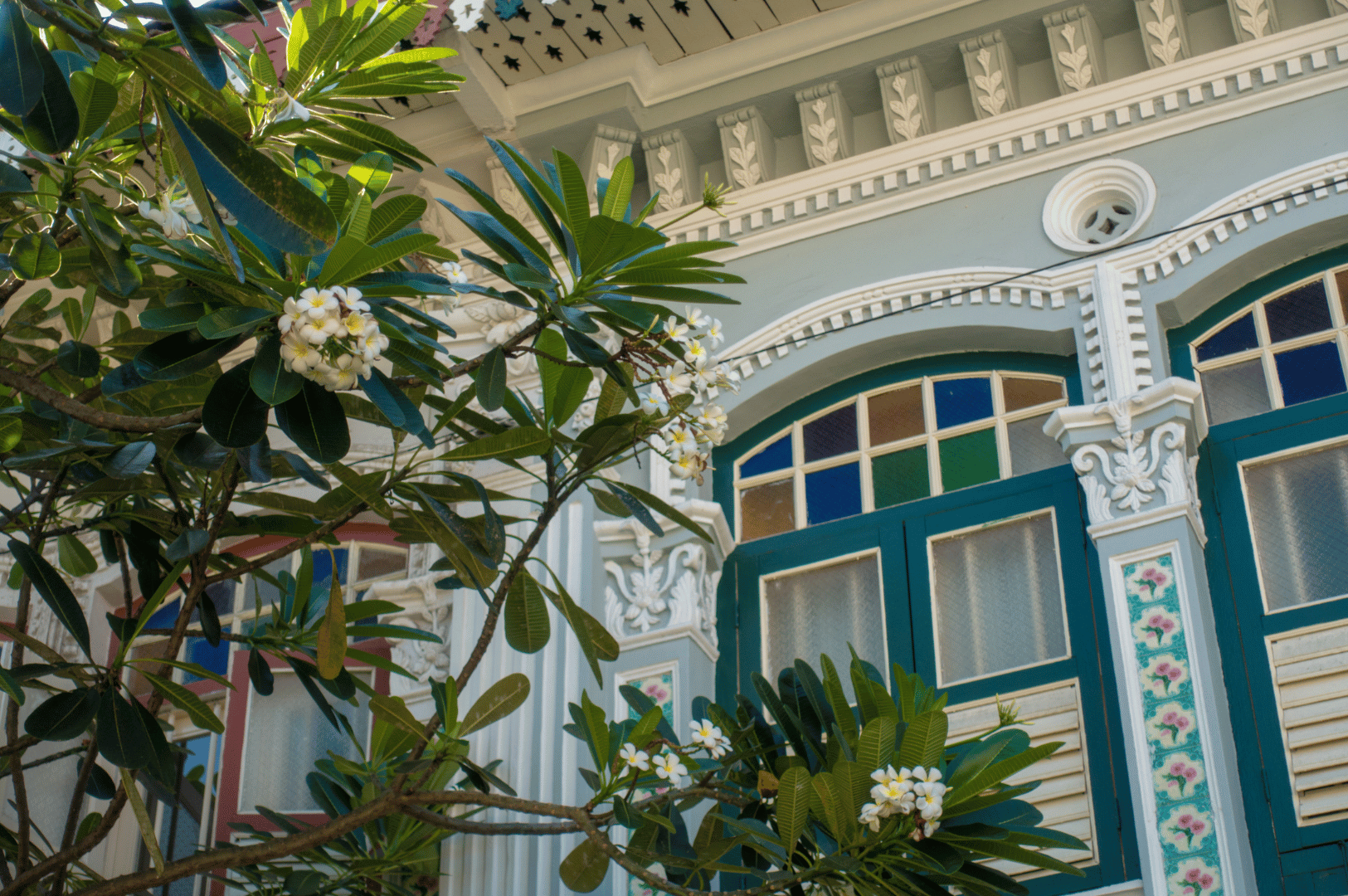
Stroll through the streets of Katong, and you'll feel a palpable shift in the air. The sleek modernity of Singapore's city center gives way to a charming streetscape of colorful, ornate shophouses and a slower, more deliberate pace of life. This neighborhood, nestled on the eastern coast of the island, is the historical heartland of Peranakan culture.
For a photographer and food lover, Katong is more than just a picturesque district; it is a living, breathing culinary museum. It’s a place where the pursuit of pleasure through flavor is a guiding principle, and where the best street foods are not just sustenance, but stories told in spice, color, and texture. This is a journey into the Peranakan pleasure principle, a deep dive into a corner of Singapore where every bite is a celebration of heritage.
An Introduction to Katong: A Peranakan Enclave
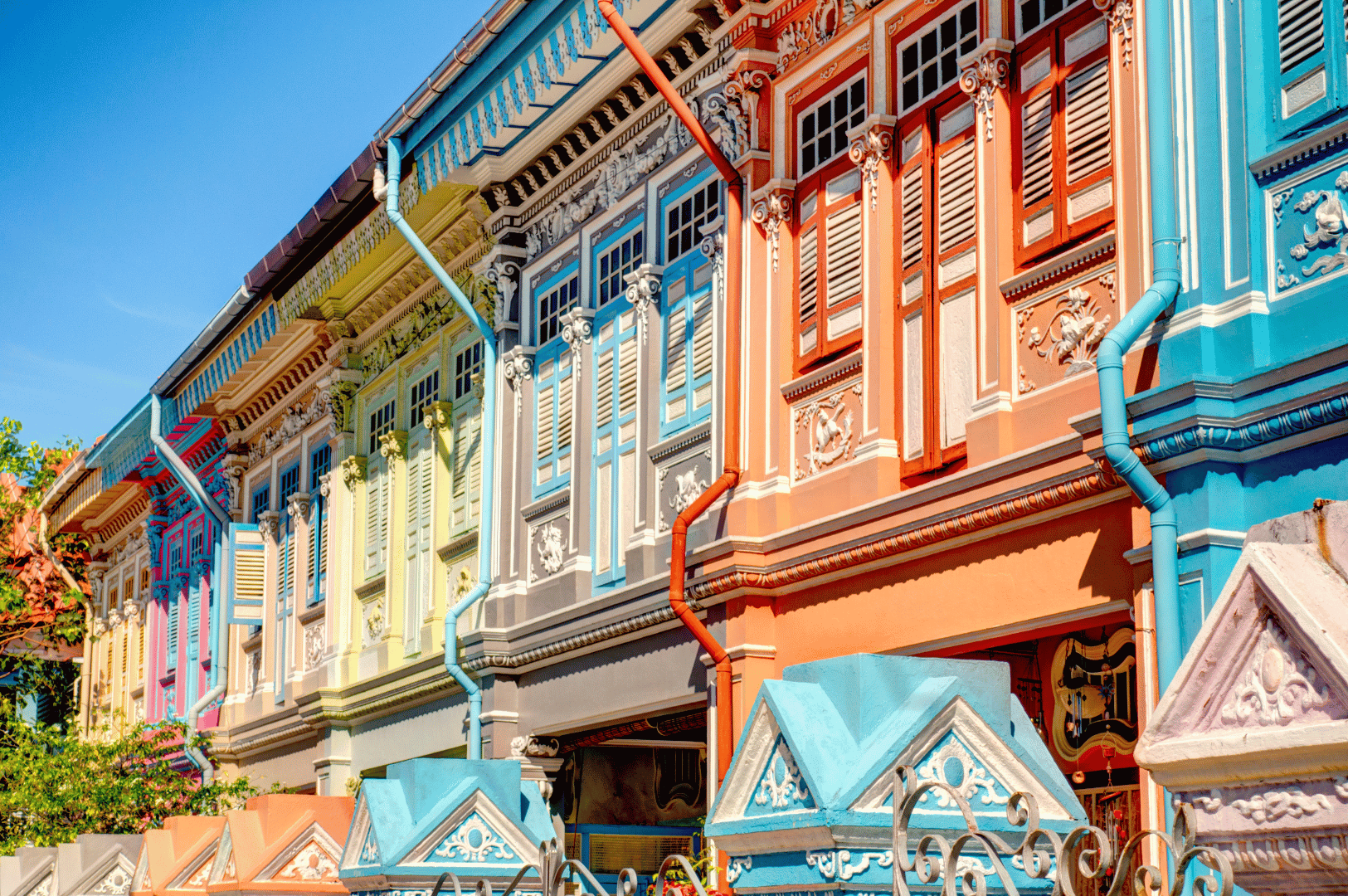
In the late 19th and early 20th centuries, Katong became a seaside retreat for wealthy Straits-born Chinese, or Peranakans. They built magnificent villas and shophouses, creating a vibrant community that blended Chinese traditions with Malay and Indonesian influences. This fusion gave birth to a unique culture, and nowhere is this more evident than in its food. While the seaside mansions have largely been replaced, the spirit of this enclave endures. Today, Katong is a beloved hub for some of the most authentic street food Singapore has to offer, a place where decades-old family recipes are still served with pride from humble storefronts and bustling hawker stalls.
Katong stands out as a key destination for street food in Singapore, playing an important role in the city's vibrant and diverse street and food scene.
The Soul of Flavor: Understanding Peranakan Cuisine
Before you can truly appreciate Katong’s culinary landscape, you must understand the essence of Peranakan or Nonya cuisine. It is the original fusion food of Southeast Asia, a masterful blend of influences. Chinese cooking techniques, such as stir-frying and steaming, meet the aromatic spices and ingredients of the Malay Archipelago. Think of the fragrant harmony of lemongrass, galangal, turmeric, and candlenuts combined with the savory notes of fermented soybean paste and shrimp paste (belacan). Key aromatic ingredients like sesame oil are often used to enhance the aroma and flavor of traditional dishes.
Must-Try Singapore Street Food: A Taste of Katong's Heritage
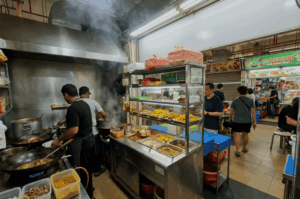
Exploring Katong is a delicious adventure. The neighborhood is dotted with street vendors offering a dazzling array of Singapore street food, with many specializing in Peranakan delicacies. Popular ingredients and dishes you’ll find among Katong’s street vendors include egg noodles and fried tofu, both celebrated for their unique textures and flavors in classic local fare. Here are a few essential dishes you cannot miss.
Katong Laksa
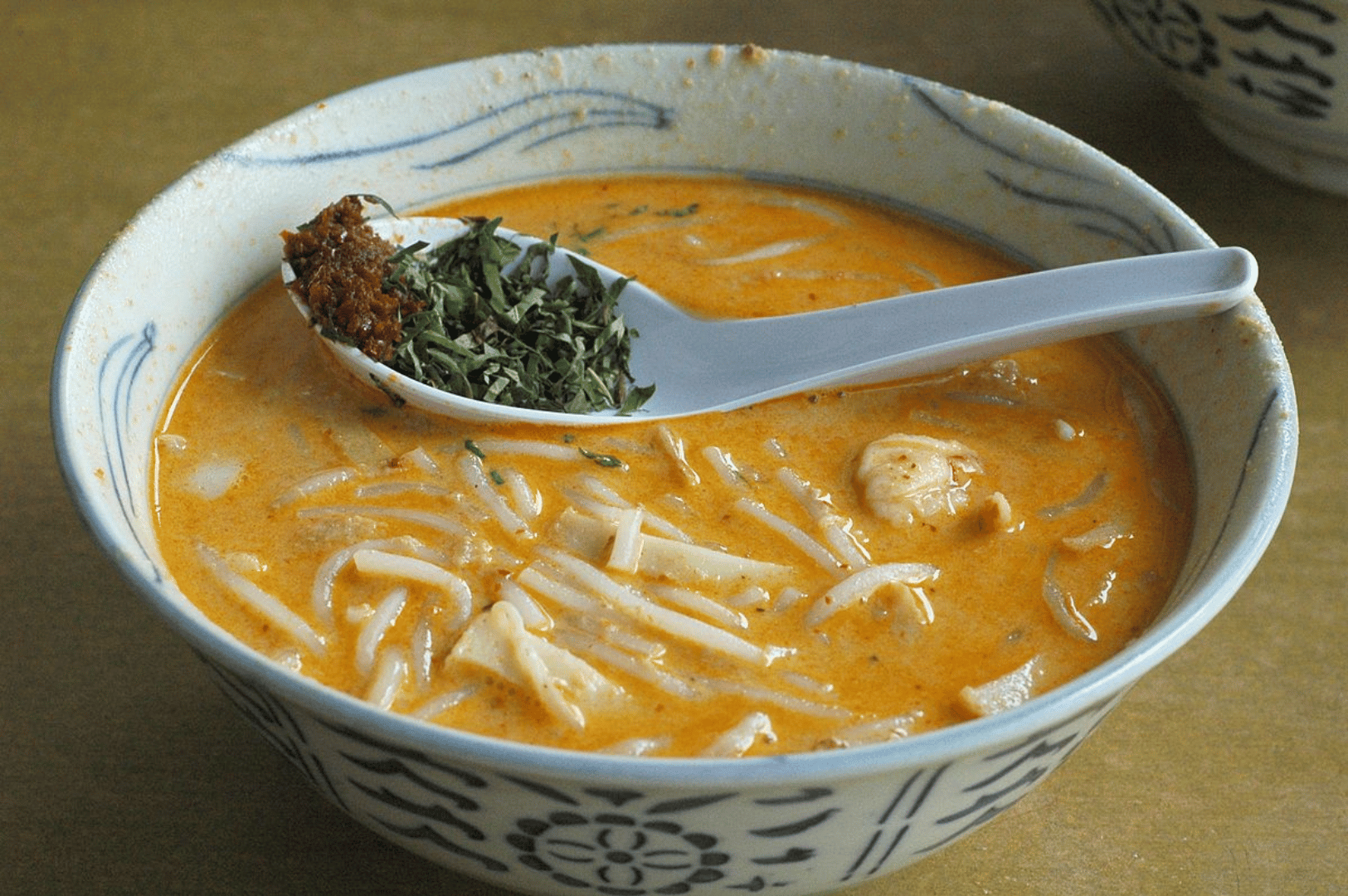
This is the dish that put Katong on the global food map. Katong Laksa is a unique version of the beloved spicy noodle soup and a popular noodle dish in Singapore. Its defining characteristic is the rice noodles, which are cut into short, bite-sized pieces, allowing the dish to be eaten with only a spoon. The gravy is the heart of the matter: a rich, coconut-milk-based broth infused with a fragrant rempah of shrimp paste, lemongrass, and sambal chili sauce. Topped with fresh cockles, prawns, fish cake, fish balls, and bean sprouts, it’s a bowl of pure comfort.
Nonya Kueh
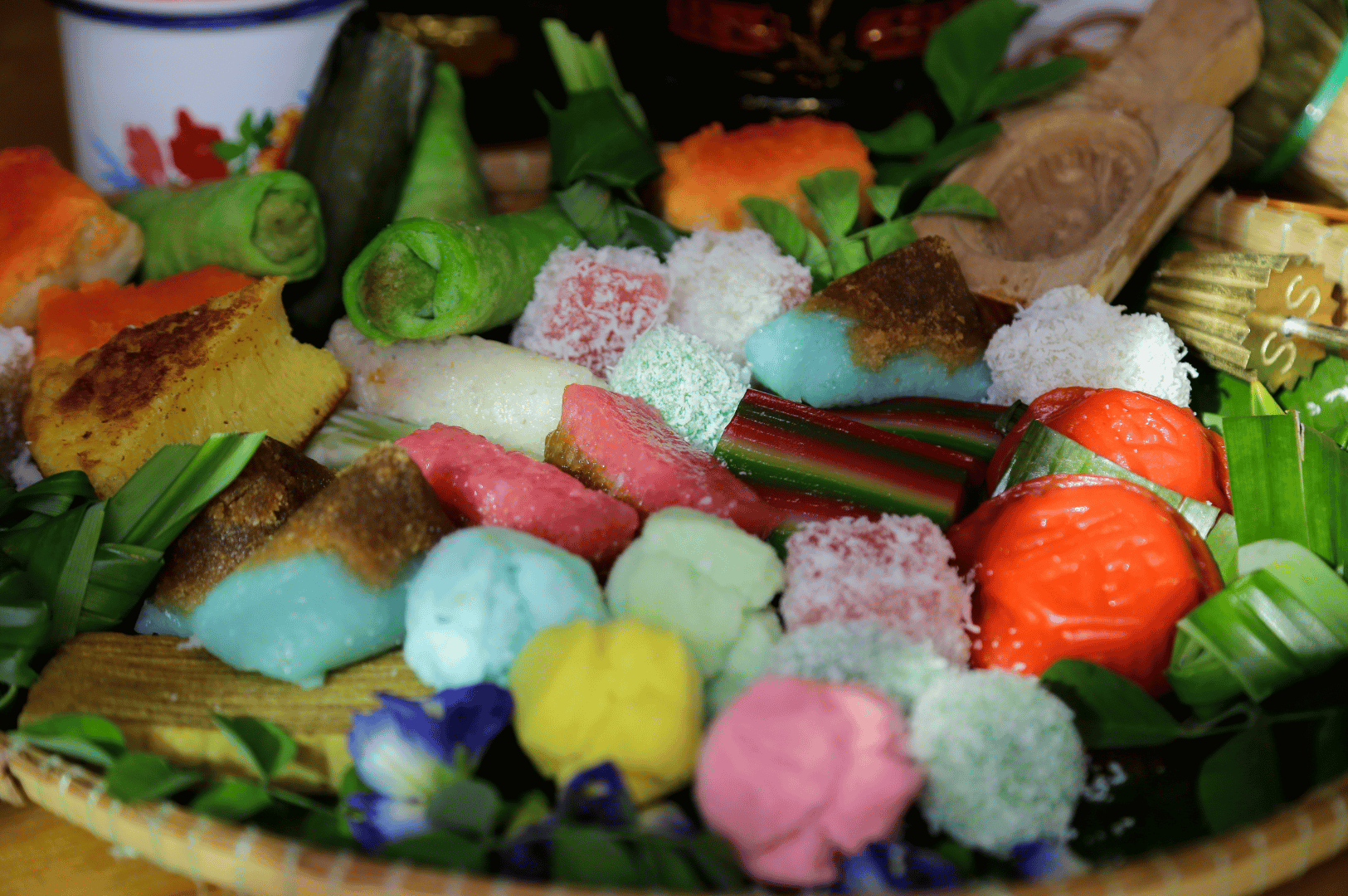
Peranakans have a deep love for sweets, and their array of kueh (bite-sized rice cakes and pastries) is a testament to this. These colorful treats are a feast for the eyes and the palate. Look for kueh lapis, a meticulously layered steamed rice cake, or kueh salat, with its base of pandan-infused custard over a bed of glutinous rice.
Otak-Otak and Char Kway Teow
This savory fish cake is a popular street food snack. A paste of minced fish, coconut milk, and spices is wrapped in a banana leaf and grilled over a charcoal fire. It’s a perfect example of simple street foods executed with masterful technique.
Fried fish is also a popular seafood snack available at Katong's hawker stalls.
Katong's Culinary Map: Where to Find the Best Bites
While wandering and discovering hidden gems is part of the fun, a few legendary spots serve as excellent starting points for your culinary exploration.
For food lovers looking to explore even more of Singapore's street food scene, consider visiting other renowned hawker centres such as Old Airport Road Food Centre and Newton Hawker Centre, both famous for their wide variety of local dishes and vibrant culinary experiences.
Kim Choo Kueh Chang
This family-run business has been operating since 1945 and is a one-stop shop for all things Peranakan. While they are famous for their Nonya bak chang (glutinous rice dumplings), their shop is also a treasure trove of kueh and other traditional snacks. Some Peranakan snacks here feature fried dough, adding a desirable crunch and authentic flavor to the variety. Stepping inside is like stepping back in time, and it’s a great place to sample a wide variety of Peranakan sweets.
Marine Parade Central Market and Hawker Centres
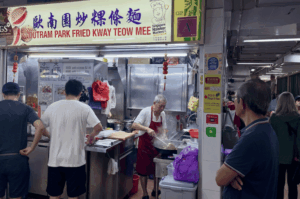
For a more local and diverse experience, head to this bustling hawker centre. Here, you’ll find a mix of Peranakan specialties alongside other beloved Singaporean food dishes. It’s a fantastic place to observe daily life and sample a wide range of authentic street foods in Singapore at affordable prices. Look for stalls selling everything from hainanese chicken rice to bak chor mee and wanton mee—both featuring minced pork as a key ingredient—to popular options like chai tow kway (a traditional snack made from rice flour and shredded daikon radish), hokkien mee (a stir-fried noodle dish with Chinese origins), and other local stir fried noodles, all enjoyed by the local community.
The Katong Experience: Culture, Community, and Charm
What makes eating in Katong special is the atmosphere. This isn’t a transactional experience; it’s an immersion in culture. The neighborhood retains a strong sense of community. Sharing cooked food at zi char stalls is a common way for families and friends to enjoy a variety of dishes together, reflecting the communal dining culture in Katong. The pace is relaxed, encouraging you to linger over your coffee or take your time savoring a bowl of laksa.
Tips for Visitors: Navigating Katong Like a Local
To make the most of your culinary tour in Katong, keep a few things in mind:
- Best Times to Visit: Mornings and late afternoons are ideal for sampling the delicious dishes at hawker centres and food stalls. Many food stalls open early for breakfast and may sell out by mid-afternoon. Evenings are also lively, especially along the main Joo Chiat Road, where street vendors serve authentic Singapore street food.
- Getting Around: Katong is best explored on foot. Wear comfortable shoes and be prepared to wander down side streets and alleyways, as many of the best finds, including popular noodle dishes and Peranakan specialties, are tucked away from the main road.
- Etiquette: When at a hawker centre or food court, it’s common practice to “chope” or reserve a table with a packet of tissues before ordering your food. Always return your tray to the designated station after your meal to keep the area clean.
- Bring Cash: While more places are accepting digital payments, many smaller, family-run stalls still operate on a cash-only basis, especially those serving traditional street foods like laksa, carrot cake, and otak-otak.
- Try Local Favorites: Don’t miss iconic Singapore street foods such as hainanese chicken rice with fragrant rice cooked in chicken broth and chicken fat, char kway teow featuring stir fried flat rice noodles with dark soy sauce and Chinese sausage, or the spicy sauce that accompanies sambal chili sauce dishes. Be sure to try roti prata served with chicken curry—a must-try Indian dish that is especially popular for its flavorful dipping sauce. Murtabak, another Indian dish commonly found in Little India, is also worth sampling. Also, sample kaya toast with condensed milk and soft boiled eggs for a complete local breakfast experience. Chilli sauce is a popular condiment served with many street foods, such as Hainanese chicken rice and prawn paste chicken wings, adding extra flavor and heat to your meal.
- Explore Nearby Hawker Centres: For a wider variety of Singapore food, visit nearby hawker centres like Marine Parade Central Market and Food Centre, Maxwell Food Centre, and Amoy Street Food Centre, where you can enjoy Michelin star street food and delicious dishes such as chilli crab, bak kut teh, prawn noodles, and oyster omelette.
These tips will help you navigate Katong’s vibrant food scene and fully enjoy the rich flavors and cultural heritage of Singapore street food.
A Photographer's Paradise: Capturing Katong's Beauty
For those of us behind the lens, Katong is a visual feast. The opportunities for stunning photography are endless.
- Architectural Details: Focus on the colorful facades, intricate tiles, and decorative flourishes of the Peranakan shophouses along Joo Chiat Road and Koon Seng Road. The soft morning or late afternoon light is perfect for capturing their beauty.
- Food in Context: Don’t just shoot the dish; capture the environment. A close-up of a bowl of laksa with the bustling hawker centre blurred in the background tells a richer story. Highlight the vibrant street foods of Singapore, including iconic dishes like chilli crab and hainanese chicken rice served with fragrant rice cooked in chicken broth and chicken fat. Be sure to photograph the glistening display of roasted meat, such as char siu, hanging in the glass cabinets at hawker stalls—these classic Cantonese dishes are visually striking and culturally significant.
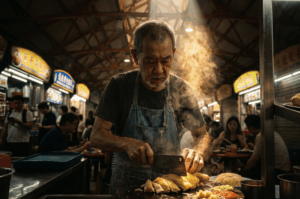
- The Human Element: The heart of street food Singapore is its people. Capture the focused expression of a vendor preparing a dish, the gnarled hands that have made thousands of kueh, or the joy on a customer’s face. These moments are storytelling gold, showcasing the preparation of popular dishes such as char kway teow with stir fried flat rice noodles, bak kut teh with pork ribs, and oyster omelette.
- Color and Texture: Peranakan food is incredibly vibrant. Don’t miss capturing the rich textures of peanut sauce drizzled over nasi lemak, the crispiness of chicken wings, and the glossy sheen of roast duck and braised pork belly often found at local hawker stalls like Maxwell Food Centre and Amoy Street Food Centre.
Conclusion: The Enduring Pleasure of Katong
Katong is more than just a neighborhood; it is a delicious embodiment of Singapore’s multicultural soul. It’s a place where the “Peranakan Pleasure Principle” is alive and well, where food is crafted with love, served with pride, and enjoyed with a deep appreciation for history and flavor. Dishes like black pepper crab, singapore chili crab, and mutton soup exemplify the diverse and iconic street foods that make Singapore's culinary heritage so special.
The street foods here offer a direct connection to a rich cultural heritage, reminding us that the most profound culinary experiences are often the ones that honor tradition. For any lover of food, culture, and photography, a visit to Katong is not just recommended; it is essential. It is a place to slow down, savor every bite, and capture the enduring beauty of Singapore’s culinary heart.

A Letter to the Faces Behind the Counter
June 16, 2026
You are turning over chicken wings when I first notice you. It is just past seven at Old Airport Road Food Centre, and the ceiling fans are pushing warm air down onto the tables. The…
-
How to Photograph Cuppage Plaza Food Without Disturbing the Room
June 15, 2026
The camera flash went off by mistake. It was a small, clumsy decision, but in the narrow, slightly smoky space of Kazu Sumiyaki, it felt much larger than it was. A few heads turned. The…
-
To the Stirring of the Wok in the Early Hours
June 12, 2026
The first sound is not the flame. It is the metal ladle touching the side of the wok, a small, hollow note that carries across the half-awake floor of Hong Lim Market & Food Centre….
-
Cuppage Plaza Food Guide: Japanese Restaurants and Hidden Gems in Singapore’s Little Tokyo
June 11, 2026
I started coming to Cuppage Plaza for the light. The building is old, a little worn at the edges, with narrow staircases and corridors that smell faintly of charcoal and sake by early evening. But…
-
A Note to the Knife That Cuts, But Never Hurries
June 9, 2026
The knife lands softly before it cuts. I hear it before I lift the camera. A low wooden sound, not sharp, not rushed. At Maxwell Food Centre, the lunch crowd is already pressing into the…
-
Wang BBQ Chicken Wing & Satay: Photographing Smoke, Wings, and Skewers at Chomp Chomp Food Centre
June 8, 2026
I reached Chomp Chomp Food Centre at 20 Kensington Park Road, Serangoon Gardens, Singapore on a Tuesday evening around 7pm, just as the place was beginning to thicken with supper energy. The tables were filling…
-
To the Fragrance That Lingers Long After the Meal
June 5, 2026
The evening air at Old Airport Road Food Centre is thick and warm. It wraps around me the moment I step away from the open street. I walk past the bright neon signboards, letting the…
-
Lau Pa Sat Satay Street: Photographing After-Work Satay in Singapore’s CBD.
June 4, 2026
I visited Lau Pa Sat Satay Street on a Tuesday around 7pm, just as Boon Tat Street was changing its identity from a busy traffic route in Singapore’s CBD to a lively alfresco dining venue….
-
A Letter to the Hidden Moments Between the Shots
June 2, 2026
The afternoon heat settles heavily over Tiong Bahru Market. The frantic noise of the lunch hour is completely gone. I sit at a corner table near the open balcony. The green tiles reflect the warm,…
-
Izakaya Singapore: More Than Just After-Work Spots
June 1, 2026
When we talk about izakayas in Singapore, we often reduce them to simple after work drinks spots. We picture loud rooms where tired professionals go to drink cold beer and eat cheap bar snacks. But…