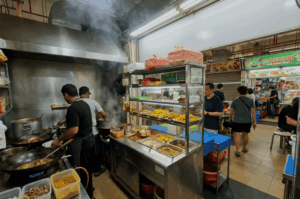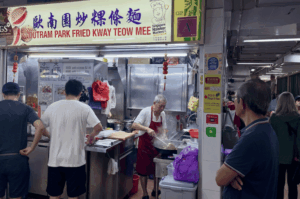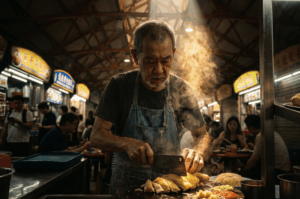
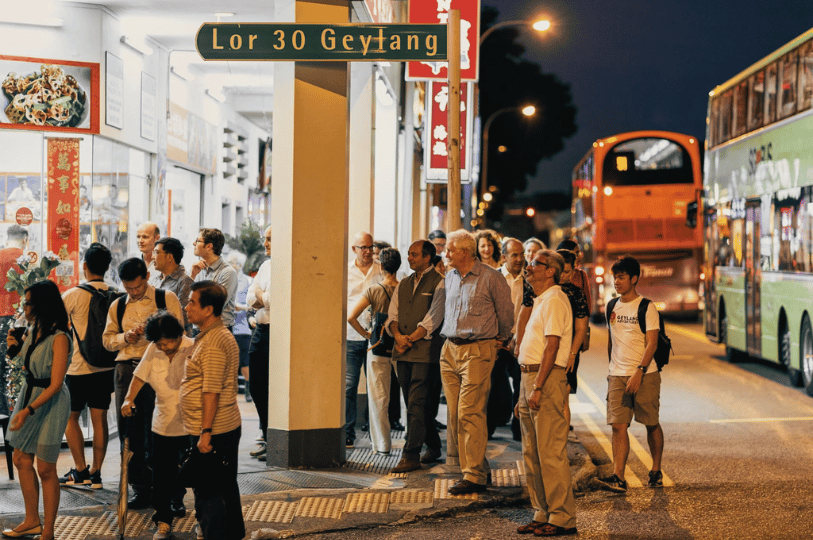
There is a side of Singapore that hums with a different energy, one I discovered on my many late-night wanderings. It’s a place where the polished gleam of the city fades away, giving way to a raw, vibrant, and unapologetic reality. This is Geylang. When I first heard about this district, its reputation preceded it: neon-lit nights, gritty character, and a hint of mystery. For me, as a true SG foodie, Geylang quickly became a hallowed ground, a sprawling culinary paradise where some of the island's most authentic and delicious food awaited discovery. It’s a place that rewards the adventurous spirit, a sensory feast that truly comes alive when the rest of the city sleeps.
This is not just a food tour; it is an immersion into the heart of Singapore's secret appetites. Whether you are a Singapore foodie coming from Little India, away like Johor Bahru, or just simply exploring Singapore's east side, Geylang offers a unique experience that combines history, culture, and food in a way few other places can. Geylang is the ultimate destination to find a home for your culinary adventures.
The Character of Singapore's Red-Light District
To understand the food of Geylang, you must first understand the place itself. Geylang Singapore is a neighborhood of beautiful contradictions. Its streets are lined with historic shophouses, many of which are impeccably preserved, standing as a testament to the area's rich past. This architectural charm coexists with the district's more notorious identity, creating a unique and sometimes surreal atmosphere.
The area is a true melting pot, a crossroads of cultures including Chinese, Indian, and Malay communities, all of which have left their mark on the local cuisine. This blend of history, culture, and a touch of notoriety is the secret ingredient that makes Geylang's food scene so compelling and utterly unique. Located in the eastern part of Singapore, Geylang today remains a vibrant neighborhood where tradition and modern life intersect.
Geylang Serai Market: A Cultural and Culinary Hub
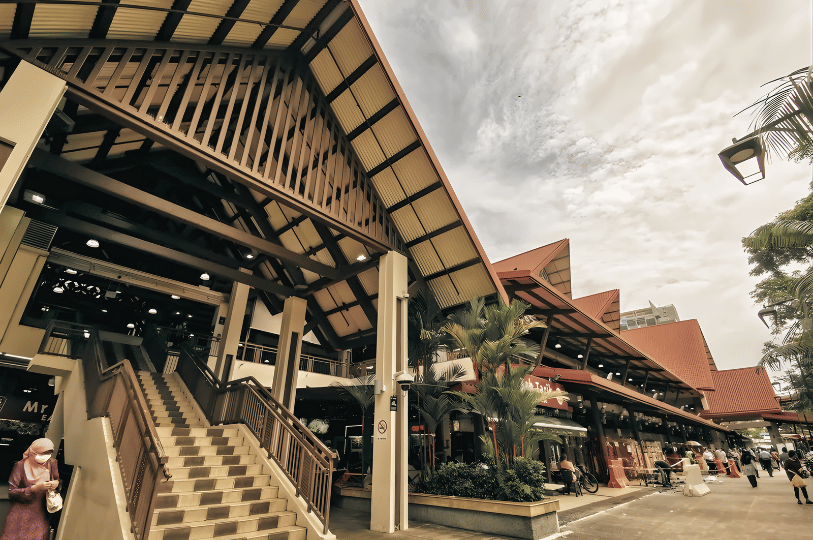
A trip to Geylang is incomplete if you walk past the vibrant Geylang Serai Market. This bustling wet market is one of Singapore’s largest and most iconic, known for its rich variety of Indian-Muslim and Malay dishes. Here, locals and visitors alike can find fresh spices, traditional ingredients like cinnamon and nutmeg, and an array of street food that captures the essence of the region’s diverse culinary heritage. The market is a sensory delight, offering everything from fragrant herbs to sweet treats, making it a key destination for any curious foodie,
Beyond food, Geylang Serai Market serves as a cultural hub, especially during Ramadan, when the area lights up with festive bazaars and vibrant celebrations. Managed under the Urban Redevelopment Authority’s conservation efforts, the market preserves the authentic spirit of Geylang while supporting local businesses and communities. It’s a must-visit spot to experience the heart of Singapore’s east side.
Hidden Food Gems Along Singapore Geylang Road
While Geylang has its famous superstars, the real magic lies in the lesser-known spots, the hidden gems cherished by locals in this vibrant neighbourhood. As a street food photographer and avid SG foodie, I have spent countless hours wandering the lorongs (lanes) of Singapore Geylang, and these are the places that keep calling me back.
Bali Nasi Lemak
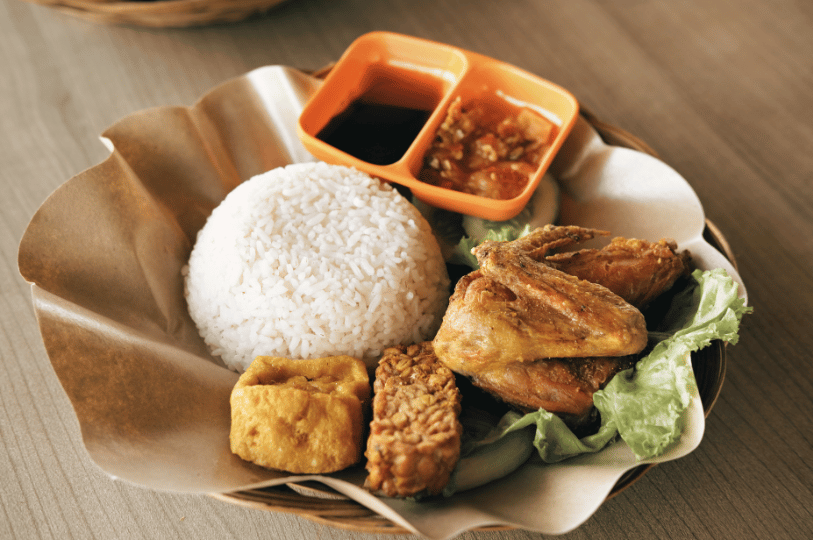
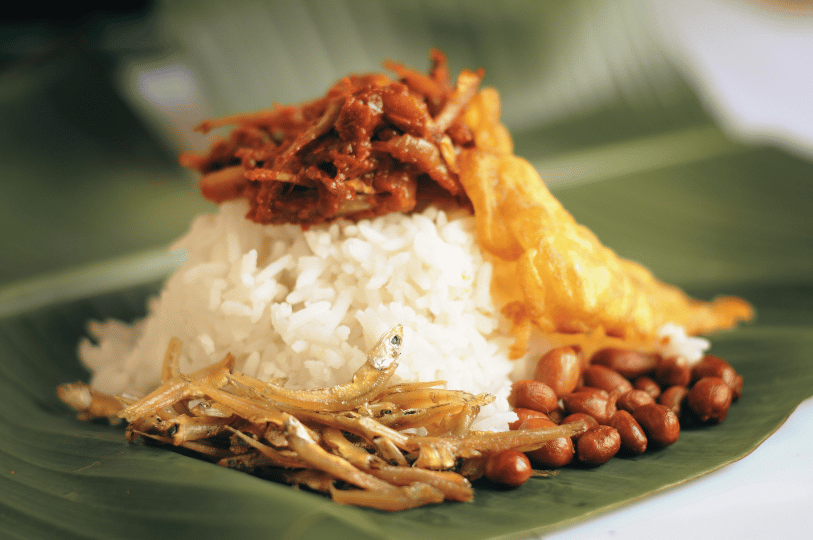
Tucked away from the main thoroughfare, Bali Nasi Lemak serves a distinctive version of the classic Malay dish with a unique Indonesian twist. Their house-made chili packs a powerful kick, perfectly complementing the fragrant and fluffy coconut rice. Located near Sims Drive, this hidden gem is a must-visit for any SG foodie exploring Geylang’s vibrant food scene. The bustling back alleys around this spot also reveal more of the area's rich culinary and cultural tapestry, making it a perfect stop to experience the authentic flavors and lively atmosphere of Singapore’s east side.
- What to Order: The set with ayam goreng bali and sambal squid.
- Location: Geylang Lorong 15, east side of the district.
- Pro Tip: The queue can get long during peak dinner hours, so try to visit slightly earlier or later.
Tan Ser Seng Herbs Restaurant
For a taste of traditional wellness, this decades-old establishment specializes in herbal soups, reflecting the rich heritage of Chinese and Malay medicinal practices found in the area. Their main offering is a deeply comforting and nourishing turtle soup, a dish that might seem intimidating to some but is a beloved delicacy for others. The broth is simmered for hours with a blend of herbs, resulting in a complex and restorative flavor. If turtle soup is not for you, their black chicken soup is equally delicious. This is the kind of place that feels like a portal to old Singapore's life and culture.
- What to Order: The Claypot Turtle Soup or the Cordyceps Chicken Soup.
- Location: Lorong Bachok, off Geylang Road.
- Pro Tip: Ask the friendly staff for recommendations based on your preferences; they are happy to explain the health benefits of each soup.
Koung's Wantan Mee
While there are many famous wanton mee stalls in Singapore, Koung's stands out for its old-school charm and commitment to tradition. The noodles are fantastically springy, tossed in a flavorful, dark sauce. But the real highlight is the char siu, which is roasted over a charcoal fire, giving it a beautifully smoky aroma and tender texture that you just cannot get from a gas or electric oven. Each component is executed with care, making it a must-try for any serious SG foodie seeking authentic Chinese flavors.
- What to Order: The classic Wanton Mee, dry version.
- Location: 205 Sims Avenue (near Geylang Lorong 21A).
- Pro Tip: Go in the morning or early afternoon, as they sometimes sell out before their official closing time.
These hidden gems are part of what makes Geylang a unique neighbourhood where traditional food, diverse cultures, and a vibrant community come together. Whether you are a local or visiting from Johor Bahru or elsewhere in Asia, Geylang offers an authentic taste of Singapore's culinary heritage that is free from the usual tourist crowds. Don't miss the chance to explore the temples, mosques, and associations that define this area, adding to its rich tapestry of life and worship.
Late-Night Eats: What Opens After Dark
The true spirit of Geylang Singapore awakens after dark. This is the city's undisputed supper capital, a place where you can satisfy almost any craving until the early hours of the morning. The energy is electric, with plastic tables and chairs spilling onto the pavements of every Singapore Geylang Street.
The Infamous Frog Porridge
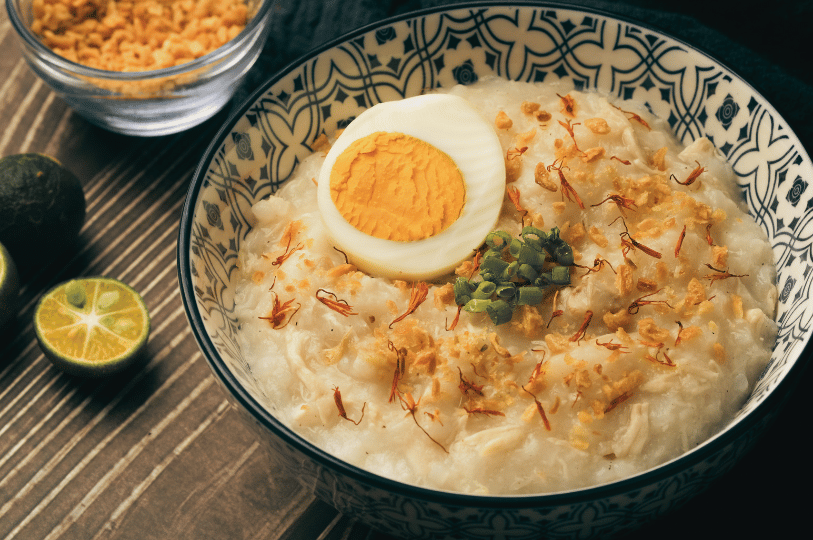
The most iconic late-night dish here is frog leg porridge. At Geylang Lor 9 Fresh Frog Porridge, you get silky congee alongside frog legs cooked in spicy kung pao or milder ginger and spring onion sauce. Spoon the rich sauce over the plain porridge, a true ritual. Late-night dim sum spots like 126 Dim Sum Wen Dao Shi serve har gow and siew mai until 3 AM. Other stalls offer beef kway teow with incredible wok hei and fresh durian in season. At night, Geylang truly reveals its heart.
Ironically, while Geylang is famous for its vibrant red light district, many small brothels and women working here coexist alongside the bustling food stalls and places of worship like temples and mosques. The government has regulated the area carefully, maintaining a balance between its nightlife and community life.
This type of vibrant, late-night food culture is part of what makes Geylang a small yet significant part of Singapore's nature as a city that never truly sleeps. It is a place that demands attention, invites exploration, and offers an unforgettable taste of life after dark.
Insider Tips for Navigating Geylang's Food Scene
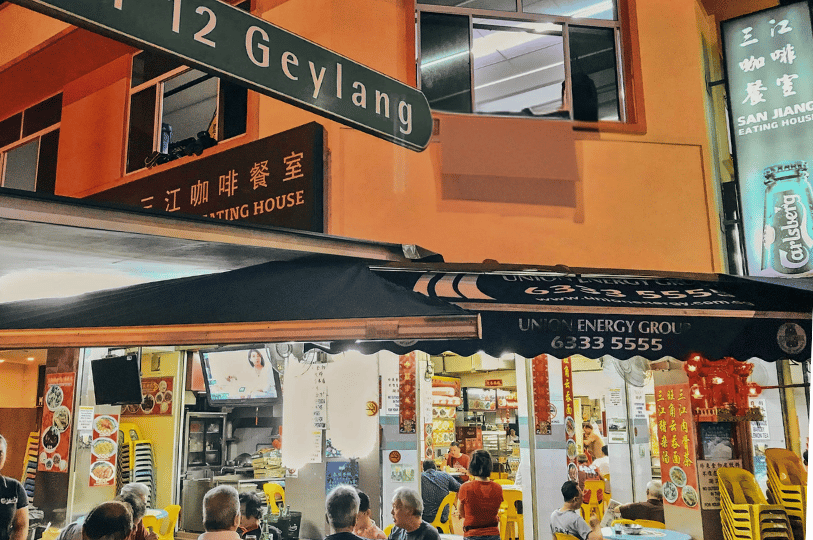
Exploring Geylang is an adventure every SG foodie should embrace. Here are a few essential tips to help you make the most of your trip to this vibrant neighborhood.
- Explore the Lorongs: Don't just stick to the main Geylang Road. The real treasures lie in the side lanes. The even-numbered lorongs are generally known for their incredible food offerings, while the odd-numbered ones form the heart of the red light district. For a food-focused trip, concentrate on the even-numbered lanes to discover authentic eats and hidden gems.
- Pace Yourself: With so much delicious food on offer, it's easy to get full quickly. Go with a group of friends so you can order a variety of dishes and share. Also, be mindful of the distance between eateries and plan your walk to include both the north and south sides of Geylang Road, exploring the odd numbered lorongs and even numbered lorongs for a full experience of the vibrant food scene and the area's unique red light district atmosphere.
- Check Local Sources: Keep an eye on local websites, social media, and community forums for updates on opening hours and special events, especially on busy days like Saturdays, Sundays, or during January festivals and Ramadan bazaars. This will help you plan your trip effectively and agree on the best times to visit, ensuring you don't miss out on the vibrant street food scenes and cultural festivities that make Geylang a unique destination for every SG foodie.
By following these tips, you'll be ready to dive into the rich culinary and cultural life of Geylang, a neighborhood that perfectly blends Singapore's history, nature, and vibrant city life.
Why Every Singapore Foodie Needs to Experience Geylang
Geylang is a vital part of Singaporean food culture: raw, real, and unapologetically itself. It preserves a Singapore that’s fading elsewhere, where tradition and bold flavors thrive. For every SG foodie seeking more than a meal, Geylang offers a rich experience: a dive into vibrant culture, culinary history, and a sensory adventure. Exploring Geylang Singapore reveals the true depth and diversity of this foodie paradise. Come with an open mind and empty stomach, and let the streets feed your soul.

A Letter to the Faces Behind the Counter
June 16, 2026
You are turning over chicken wings when I first notice you. It is just past seven at Old Airport Road Food Centre, and the ceiling fans are pushing warm air down onto the tables. The…
-
How to Photograph Cuppage Plaza Food Without Disturbing the Room
June 15, 2026
The camera flash went off by mistake. It was a small, clumsy decision, but in the narrow, slightly smoky space of Kazu Sumiyaki, it felt much larger than it was. A few heads turned. The…
-
To the Stirring of the Wok in the Early Hours
June 12, 2026
The first sound is not the flame. It is the metal ladle touching the side of the wok, a small, hollow note that carries across the half-awake floor of Hong Lim Market & Food Centre….
-
Cuppage Plaza Food Guide: Japanese Restaurants and Hidden Gems in Singapore’s Little Tokyo
June 11, 2026
I started coming to Cuppage Plaza for the light. The building is old, a little worn at the edges, with narrow staircases and corridors that smell faintly of charcoal and sake by early evening. But…
-
A Note to the Knife That Cuts, But Never Hurries
June 9, 2026
The knife lands softly before it cuts. I hear it before I lift the camera. A low wooden sound, not sharp, not rushed. At Maxwell Food Centre, the lunch crowd is already pressing into the…
-
Wang BBQ Chicken Wing & Satay: Photographing Smoke, Wings, and Skewers at Chomp Chomp Food Centre
June 8, 2026
I reached Chomp Chomp Food Centre at 20 Kensington Park Road, Serangoon Gardens, Singapore on a Tuesday evening around 7pm, just as the place was beginning to thicken with supper energy. The tables were filling…
-
To the Fragrance That Lingers Long After the Meal
June 5, 2026
The evening air at Old Airport Road Food Centre is thick and warm. It wraps around me the moment I step away from the open street. I walk past the bright neon signboards, letting the…
-
Lau Pa Sat Satay Street: Photographing After-Work Satay in Singapore’s CBD.
June 4, 2026
I visited Lau Pa Sat Satay Street on a Tuesday around 7pm, just as Boon Tat Street was changing its identity from a busy traffic route in Singapore’s CBD to a lively alfresco dining venue….
-
A Letter to the Hidden Moments Between the Shots
June 2, 2026
The afternoon heat settles heavily over Tiong Bahru Market. The frantic noise of the lunch hour is completely gone. I sit at a corner table near the open balcony. The green tiles reflect the warm,…
-
Izakaya Singapore: More Than Just After-Work Spots
June 1, 2026
When we talk about izakayas in Singapore, we often reduce them to simple after work drinks spots. We picture loud rooms where tired professionals go to drink cold beer and eat cheap bar snacks. But…