You have found the perfect bowl of bak chor mee. The noodles glisten, the minced pork is perfectly seasoned, and the chili sauce adds a vibrant splash of red. You snap a quick picture, but it feels flat, failing to capture the dish’s mouthwatering appeal. Many food bloggers and Singapore food influencers face this frustration. The secret to bridging the gap between what you see and what you capture lies not in the camera, but in how you arrange elements within your frame. This art of composition transforms simple food photos into compelling images that frame desire and make your audience truly hungry.
This guide will walk you through essential composition techniques that can elevate your food photography and detailed reviews. We will explore how these rules apply specifically to the dynamic and often chaotic world of Singaporean street food, helping you find the sweet spot in every shot. Whether you are a co founder of a food blog, a chef sharing your culinary adventures, or a fitness and fashion lifestyle content creator, mastering composition is crucial for creating visually stunning content that resonates with food lovers and supports restaurant marketing in Singapore’s vibrant food scene.
The Rule of Thirds: Food Influencers' Foundational Framework
The rule of thirds is a fundamental photography principle vital for food bloggers in Singapore aiming to enhance food reviews and attract food lovers. Picture your frame divided into nine equal parts by two horizontal and two vertical lines. The rule advises placing key elements along these lines or their intersections.
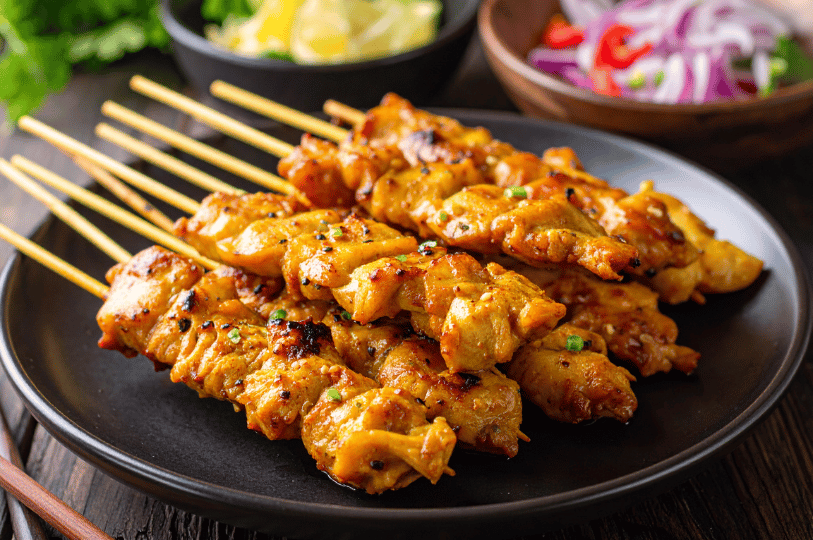
This technique works well in food photography by positioning your main subject (like grilled satay or visually stunning coffee) off-center, creating a balanced, dynamic image. It feels more natural and engaging than centering the subject, helping your food blogs stand out in Singapore's food scene. For food influencers, applying the rule of thirds is a simple yet powerful way to craft fresh, compelling culinary adventures that capture the essence of hawker food and fine dining dishes.
- How to Apply It: When shooting a plate of Hainanese chicken rice, try positioning the chicken on the right vertical line and the rice and chili on the left, rather than clustering all elements in the center. This technique helps highlight the dish’s vibrant flavors and textures, making your content more appealing to your Instagram followers and readers interested in the local food scene.
Negative Space: The Art of Emptiness
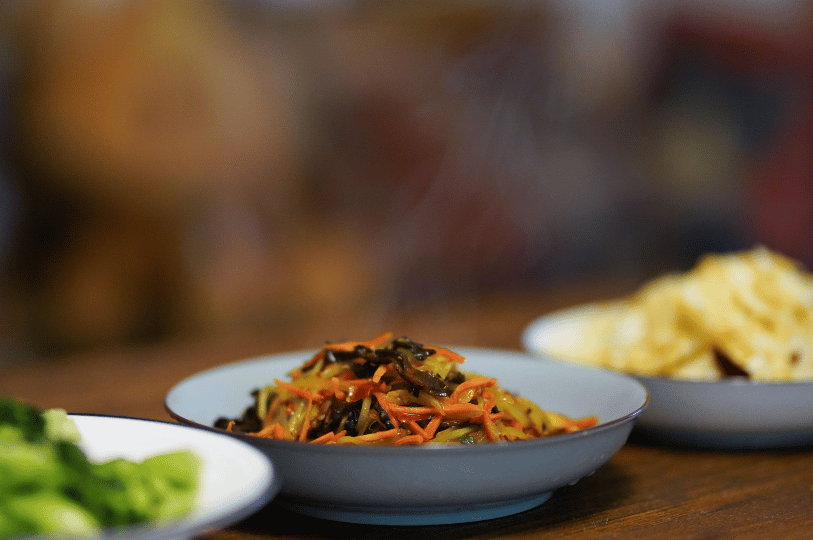
Negative space is the empty area around your main subject. Though it may seem counterintuitive, what you leave out is as important as what you include. Using negative space effectively gives your subject room to breathe and draws the viewer’s eye directly to the food, enhancing your food blogs' composition.
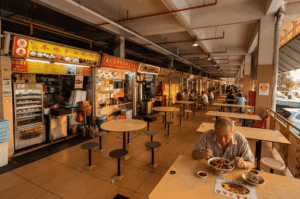
In busy hawker centers, finding negative space can be tough, but you can create it by shooting from a lower angle using the table surface or from above (flat lay) on a clean part of the table. This isolates the food from clutter, making even simple dishes like wanton mee or noodles feel more significant and luxurious. It’s perfect for food bloggers in Singapore aiming for visually stunning content in Singapore’s food scene.
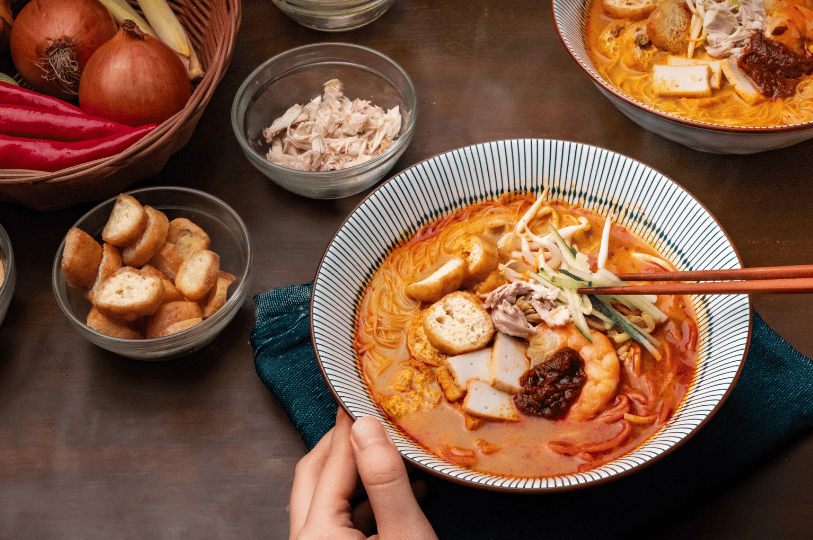
- How to Apply It: Place a vibrant bowl of laksa or a plate of carrot cake in one corner of your frame, leaving the rest of the frame relatively empty. This will emphasize the color and texture of the dish, helping you capture the passion and flavors that food lovers seek. This approach is especially useful for food bloggers in Singapore who want to highlight hidden gems and create visually stunning content that stands out among restaurants popping up across the city.
Leading Lines: Guiding the Viewer’s Eye
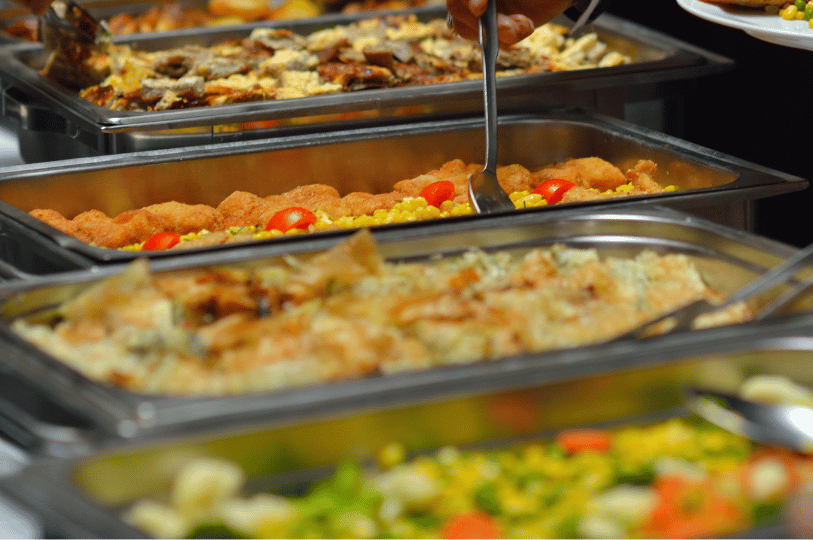
Leading lines are elements in your photo that guide the viewer’s eye to your main subject. They can be literal, like a table edge, chopsticks, or a banana leaf curve, or implied. In food photography, leading lines create a journey within the image: such as a line of satay skewers leading to peanut sauce or a coffee cup handle guiding to latte art. These lines add movement and direction, making your composition dynamic and engaging. Always look for natural lines to enhance your food blogs and visually stunning content.
- How to Apply It: Arrange a pair of chopsticks so they point towards the most delicious-looking part of a dish, like a perfectly fried wonton.
Symmetry and Balance: Creating Harmony
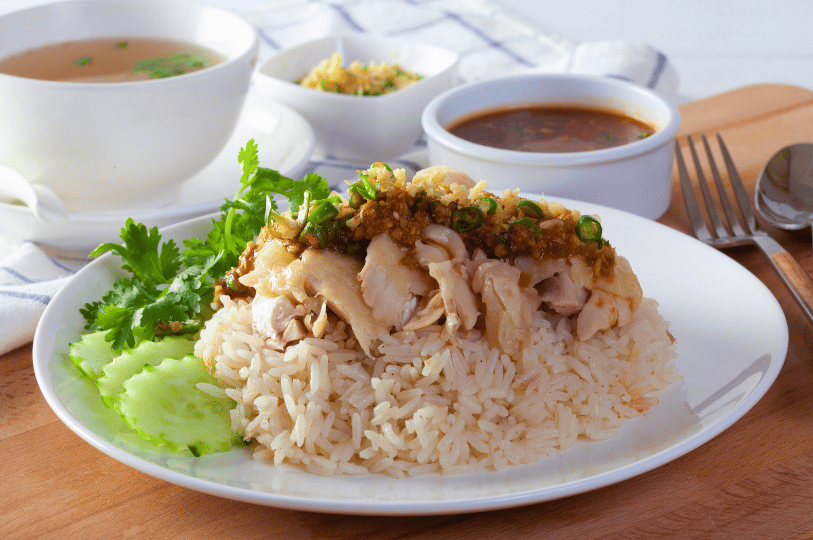
While the rule of thirds thrives on asymmetry, sometimes a perfectly symmetrical composition creates powerful harmony and stability. It works well with naturally symmetrical subjects like a whole pizza, round cake, or neatly arranged platter.
Symmetry makes a bold statement. Imagine a top-down shot of a dim sum basket with dumplings in a perfect circle. This technique helps food bloggers and Singapore food influencers create clean, impactful images that stand out on social media, boosting their brand and attracting food lovers.
- How to Apply It: For a shot of kaya toast, cut the toast into perfect halves and arrange them symmetrically on a plate with two soft-boiled eggs in the center. This approach works well for lifestyle content creators focusing on food, cafes, and brunch, making their feeds visually stunning and engaging for followers interested in Singapore's food scene.
Layering and Depth: Adding a Third Dimension
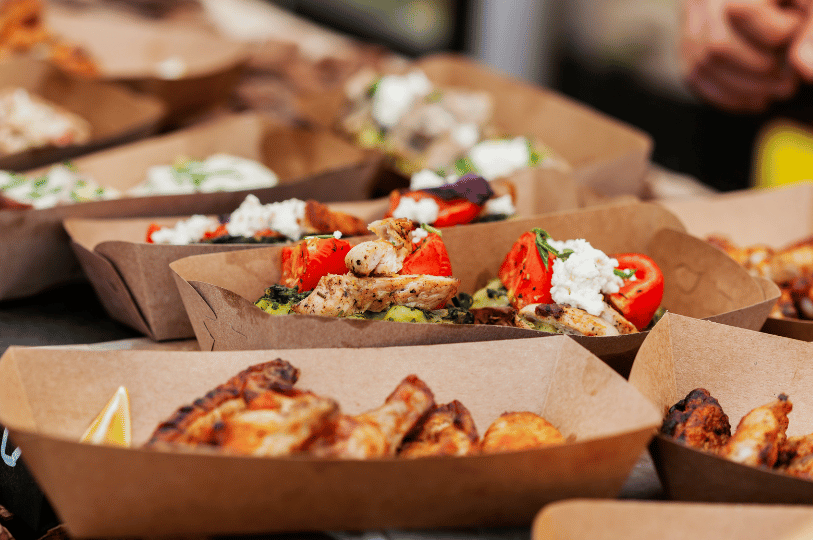
Photography is a two-dimensional medium, but the best photos create a sense of three-dimensional depth, essential for food bloggers in Singapore aiming to produce visually stunning content. Achieve this through layering: placing objects in the foreground, middle ground, and background.
In food photography, layering adds context and tells a story. For example, place your main dish in sharp focus in the middle ground, a glass of teh tarik slightly out of focus in the foreground, and the blurred kopitiam ambiance in the background. This draws viewers into the life and fun around the meal, transforming a simple photo into an environmental portrait. It’s a must-follow approach for food bloggers and Singapore food influencers to elevate their feeds with fresh, engaging content.
- How to Apply It: When photographing a bowl of prawn noodles, place a small dish of chili flakes in the foreground and let the steam from the soup create a soft layer between the camera and the bowl. This method not only enhances the depth but also highlights the rich flavours and passion behind Singapore's food scene, making your detailed reviews and food tastings more immersive for your audience.
Food Bloggers Known for Visual Storytelling
For food bloggers in Singapore aiming to master the art of visual storytelling, you must be familiar with Shawn Loh, Mark Ong, Seth Lui, Fundamentally Flawed, and Aiken Chia. However when it comes to composition and highlighting desire per se, these five influencers set the standard with their compelling and engaging content:
Dr Leslie Tay
- Known for his authentic and detailed reviews, Dr Leslie Tay combines his medical background with a passion for food, creating stories that resonate deeply with food lovers and showcase Singapore's food scene with insightful, honest reviews.
Catherine Ling
- With a keen eye for composition and vibrant imagery, Catherine Ling masterfully captures the essence of Singapore’s local food scene, making her content both visually stunning and inviting for food lovers and followers of Singapore food influencers.
Aaron Ho (Rubbish Eat Rubbish Grow)
- Taking a no-nonsense approach, Aaron Ho delivers honest reviews paired with sharp, visually stunning images that highlight the true flavors and vibrant atmosphere of each dining experience. His content gives meaning to the feeling and vibe of every food house, resonating deeply with food lovers and supporting Singapore's dynamic local food scene.
Maureen Ow (MissTamChiak)
- A seasoned food blogger, Maureen’s storytelling shines through her well-researched posts and mouthwatering photos, showcasing the best of Singapore’s hawker food, fine dining, and hidden gems. Her detailed reviews and honest insights have made her one of the top food bloggers in Singapore, inspiring food lovers and supporting restaurant marketing across the local food scene.*
Adam Shah (The Halal Food Blog)
- Specializing in halal culinary experiences, Adam Shah blends cultural insights with beautiful imagery, offering a unique and authentic perspective within Singapore’s diverse food landscape. His content resonates deeply with food lovers seeking halal options and adds valuable diversity to the vibrant local food scene.
Local Challenges for Singapore Food Bloggers
Photographing street food in Singapore presents unique compositional challenges for food bloggers in Singapore aiming to capture good food and create visually stunning content.
- Crowded Spaces: Hawker centers are often packed, making it hard to control your background. Use a wide aperture (like f/1.8 or f/2.8) to blur out the background and isolate your subject, helping you focus on the dish and enhance your food reviews.
- Mixed Lighting: You will often be dealing with a mix of fluorescent lights, natural light, and warm stall lights. This can create strange color casts. Shoot in RAW format so you have more flexibility to correct the white balance later, ensuring your photos truly reflect the vibrant flavors of Singapore's local food scene.
- Cluttered Tables: Tables are often small and cluttered with condiment bottles and tissue packets. Do not be afraid to politely move things out of your frame to create a cleaner composition. This is especially important in busy hawker centers near MRT stations, where space is limited but the food is exceptional.
- Local Challenges: Food bloggers in Singapore often have to navigate crowded hawker centers and busy streets while searching for hidden gems. Understanding these challenges and mastering composition techniques will help you produce fresh, engaging content that stands out among top food bloggers like Maureen Ow, Dr Leslie Tay, Derrick Tan, and others.
By overcoming these challenges, you elevate your food blogs and Instagram feeds, contributing to the vibrant local food scene and supporting restaurant marketing efforts across Singapore and Asia.
Conclusion: Start Framing Your Story
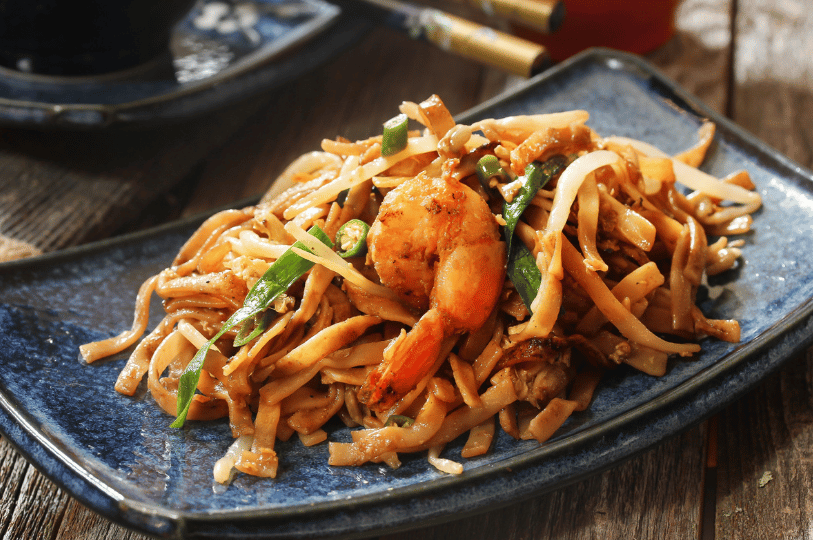
Composition is the silent storyteller in your food photography. It guides the eye, creates emotion, and ultimately makes your audience crave what they see. For food bloggers in Singapore, mastering these composition techniques is the most effective way to elevate your food reviews, attract food lovers, and stand out in Singapore's vibrant food scene.
Do not be overwhelmed by all the rules. Start with one, like the rule of thirds, and practice it until it becomes second nature. Then, move on to the next. The best way to learn is to shoot, experiment, and watch your skills grow. Whether you are eating at a hawker center, visiting a trendy cafe, or enjoying fine dining, composing your shot with intent and creativity will enhance your culinary adventures and lifestyle content. Street Food Photographer would love to see what you create and how you share your passion for food, cooking, and eating in Singapore and beyond.

A Note to the Table That Has Seen Too Much
May 1, 2026
The afternoon light at Old Airport Road Food Centre is heavy and thick. It cuts through the open sides of the building, casting long, sharp shadows across the floor. I sit at table 42 near…
-
Golden Hour Photography in a Bowl: Photographing Japanese Curry’s Visual Language
April 30, 2026
It was exactly 6:30 PM during the sunset golden hour. The sun was dipping low on the horizon, casting a long, warm beam of golden light directly across my wooden table. The waitress set down…
-
A Letter Written While Waiting for the First Customer
April 28, 2026
It is 10:15 AM at the edge of the neighborhood wet market. The chaotic morning rush of housewives and early shoppers has completely thinned out, leaving behind wet floors and a quiet hum of ceiling…
-
Quiet Imports: How Japanese Food in Singapore Settles Into Foreign Cities
April 27, 2026
It is just past one in the afternoon at a busy mall in Tampines. A man in a pressed white shirt stands up from a small wooden table. He picks up his plastic tray. On…
-
Still Hour Light in a Quiet Hawker Centre Stall
April 25, 2026
By Aaron Ong For Street Food Photographer It is 3:15 PM. The ceiling fans move air that feels heavier than it looks, pushing it in slow circles across rows of empty tables. The lunch rush…
-
Hands That Stir Slowly: The Quiet Discipline Behind a Japanese Tonkatsu Stall in Toa Payoh
April 24, 2026
It is 12:30 PM in Toa Payoh. The hawker centre hums with the midday rush. People balance plastic trays while scanning the aisles for empty tables. Amid the clatter of woks and shouting voices, there…
-
To The Quiet Man Behind The Wok
April 21, 2026
It is 7:30 PM at Old Airport Road. The dinner rush is at its absolute peak, a chaotic symphony of scraping chairs, chattering families, and the heavy thud of cleavers against wooden blocks. Yet, as…
-
Japanese Food Singapore: Mapping Ramen Bars and Curry Counters on the East Side
April 20, 2026
When I first moved my photography workflow to the East Side, I assumed my dining options would be strictly limited to local heritage food. I spent weeks eating Katong laksa and Joo Chiat prawn noodles….
-
The Weight of a Broth: Following Tonkotsu Through Japanese Food, from Long Simmer to Late-Night Bowls
April 17, 2026
I still remember the first time I sat down for a proper bowl of tonkotsu ramen. It was just past 9 PM in Tanjong Pagar. I was exhausted after a long day of shooting on…

A Note Left Between Bowls and Steam
April 14, 2026
It is 3:15 PM. The ceiling fans push thick, warm air across the empty tables. The lunch rush faded hours ago, and the evening crowd has yet to arrive. I am sitting two rows away…