
Satay in Singapore comes mainly in two styles: Malay-style satay and Hainanese-style satay. Malay-style satay features a fragrant marinade with spices like turmeric, coriander, cumin, and lemongrass, delivering rich flavour and savoury depth to the grilled meat. It pairs perfectly with thick, slightly spicy peanut sauce that complements the smoky, savoury grilled meat.
Hainanese-style satay tends to be sweeter, often glazed with soy or hoisin sauce and served with peanut sauce mixed with pineapple puree, adding distinctive sweetness and tang.
Both styles use sauces and marinades with subtle hints of spices or sweetness that elevate the overall taste. Adding a bit of extra seasoning or sauce as a finishing touch can further enhance the dish’s flavour and presentation. We warmly invite you to explore more vibrant street food stories and captivating culinary photography on Street Food Photographer, where every dish tells a story.
The Roots: Satay Culture and History

Satay’s story in Singapore is one of tradition, adaptation, and irresistible aroma. Originating from the Malay word “sate,” this marinated, skewered, and grilled meat dish is a staple in Singaporean food culture. With this Satay has a wide variation within Singaporean cuisine such as chicken and pork satay, you would see different stall sells chicken and only chicken per stick. On the other hand, establishments like Kwong Satay specializes on pork satay with charred edges because of being cooked in charcoal fire.
The Magic of Grilled Meat and Skewers

The secret to exceptional satay lies in the quality of the grilled meats and the mastery of the grilling process. Satay sticks are marinated for hours to deeply infuse spices and seasonings. The skewer retains juiciness and flavor during grilling, producing tasty satay that stands out. Whether pork belly satay, beef satay, or mutton satay, balancing lean meat and fat is key to a juicy, tender bite. The barbecued, charred exterior adds smoky aroma and texture, enhancing flavor. Well-grilled satay is tender and flavorful without being overly oily, ensuring ideal texture and taste.
Iconic Satay Stalls and Hawker Centres
Chai Ho Satay: Old School Satay with a Distinctive Charm
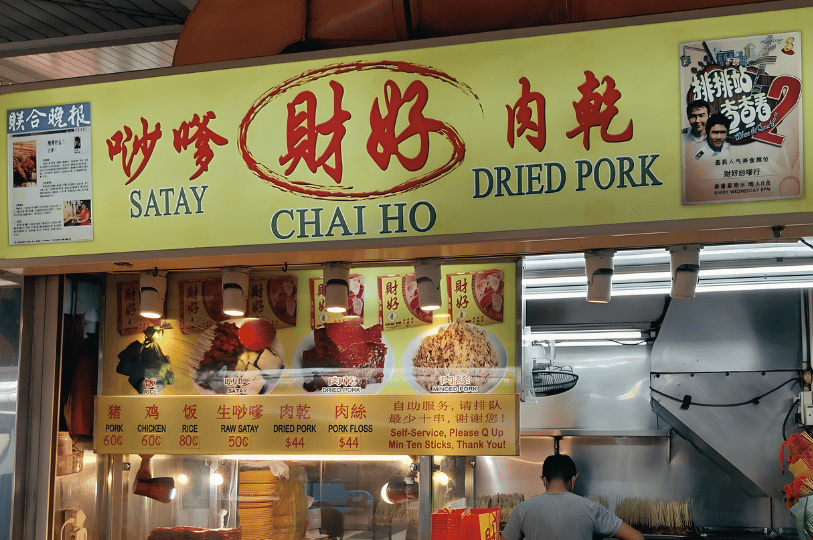
Chai Ho Satay is a beloved stall known for its old school satay capturing traditional flavors. Their satay sticks-chicken satay, pork satay, and tender lamb satay-are well marinated with balanced spices. Grilled to perfection, the charred exterior locks in juicy, succulent meat without excess oil. The thick, chunky peanut sauce complements the smoky aroma and enhances the taste. This stall is a favorite for those who appreciate authentic, no-frills satay true to its roots.
Chuan Kee Satay: Traditional Hainanese Satay with a Sweet Twist
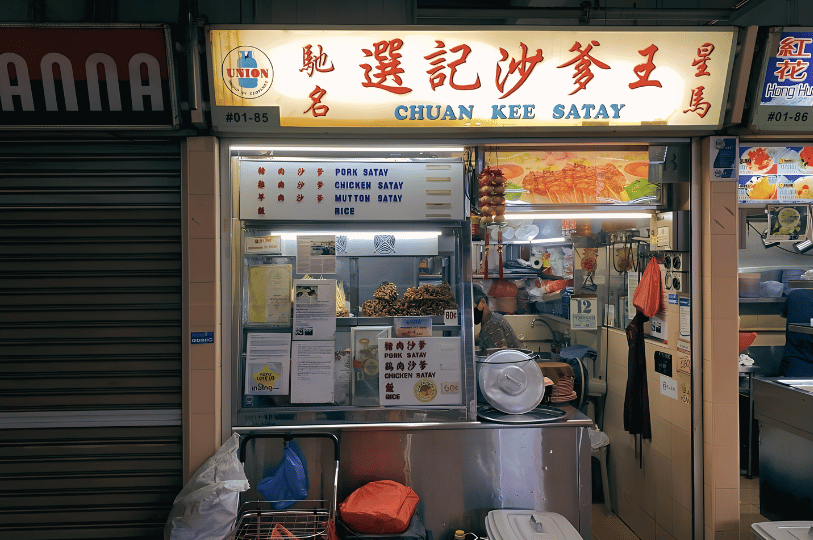
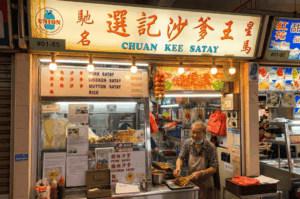
Chuan Kee Satay specializes in classic Hainanese-style satay, offering nostalgic old school recipes. Their pork and chicken satay are marinated in a sweet soy glaze that caramelizes over charcoal. The peanut sauce, mixed with pineapple puree, adds subtle sweetness balancing the savory, slightly oily satay sticks. Known for tender meat and well-balanced flavors, Chuan Kee is a must-try for fans of sweeter Hainanese satay.
Lau Pa Sat: The Vibrant Satay Street Experience
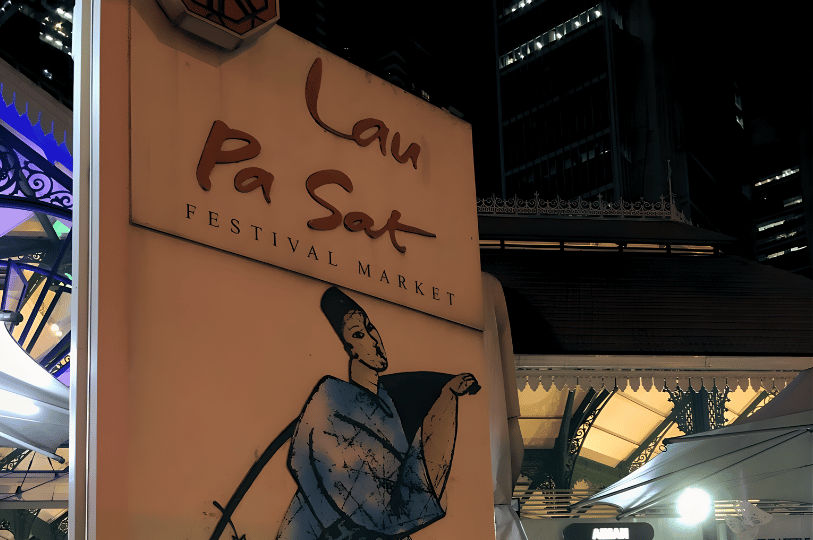
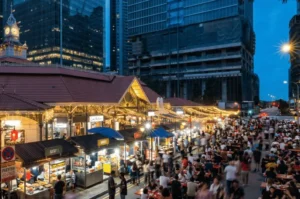
Lau Pa Sat transforms into Satay Street at night, where numerous satay stalls offer beef satay, chicken satay, and lamb satay. This lively street food hub is known for its smoky grilled meat aroma and a mix of old school and modern satay styles. Some satay may be slightly oily from basting, but flavors remain bold and satisfying, paired with rich peanut sauce and occasional pineapple puree for sweetness. Satay Street is ideal for sampling diverse satay in Singapore’s iconic setting.
Chomp Chomp Satay: Charcoal-Grilled Satay with Pineapple-Infused Sauce
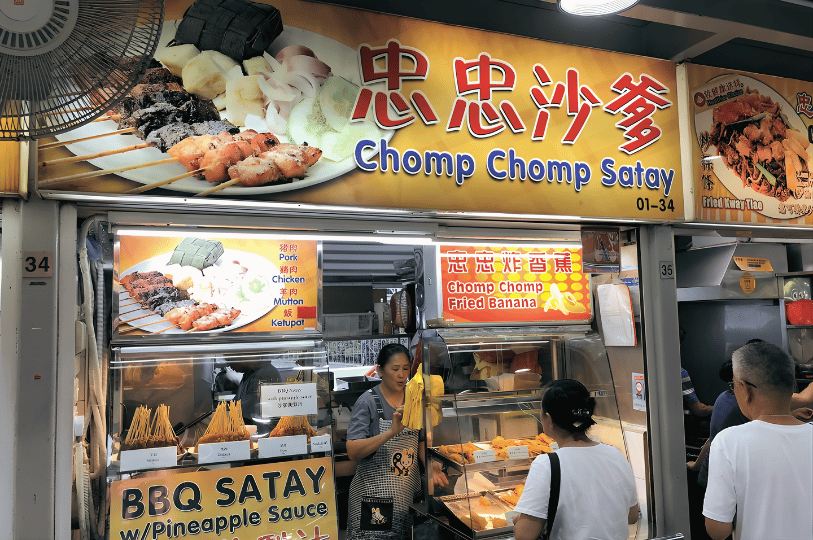
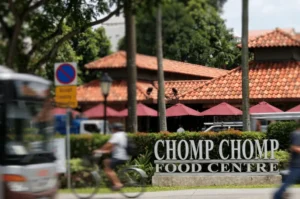
Chomp Chomp Satay is a popular spot serving old school satay with a pineapple-infused peanut sauce. Their pork belly satay and chicken satay are expertly charcoal-grilled, giving a smoky, charred exterior that enhances the meat’s flavor. The pork belly can be slightly oily, adding to its rich taste. The thick, creamy peanut sauce with pineapple puree balances the savory and oily notes perfectly.
Pang’s Satay: Authentic Hainanese Satay with Generous Portions
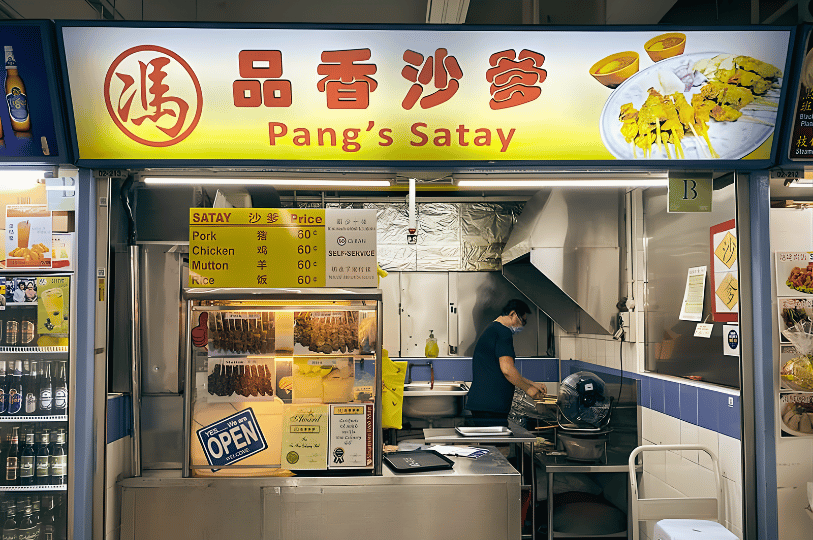
Pang’s Satay at 335 Smith Street in Chinatown Complex Market & Food Centre is famous for authentic Hainanese-style satay, serving generous portions of tender pork and chicken satay at affordable prices. Their marinade balances sweet and savory, with juicy, well-grilled satay sticks that are not overly oily. The peanut sauce, enriched with grated pineapple, perfectly complements the smoky, well-marinated meat. Pang’s Satay is a local favorite for old school satay made with care and tradition.
Ah Pui’s Satay: Legendary Satay with a Unique Flavor Profile
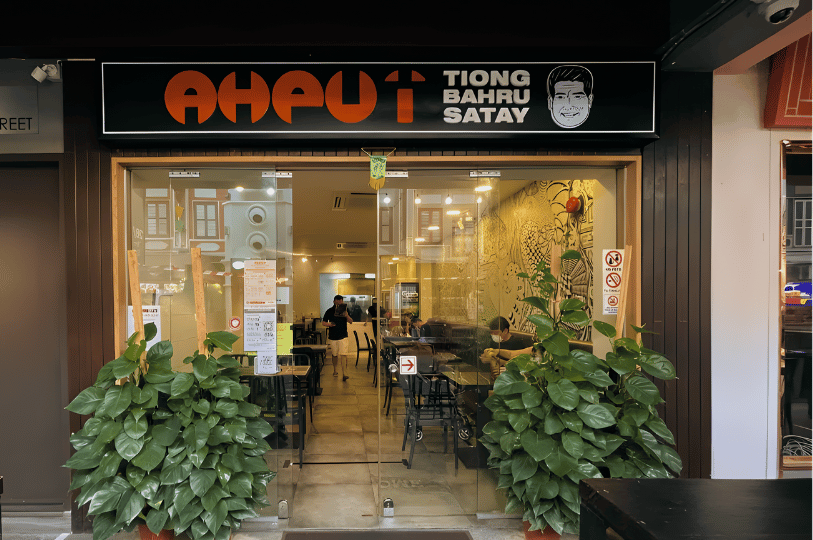
Ah Pui’s Satay is a legendary name in Singapore’s satay scene, known for its unique flavor and rich history. Their pork satay and lamb satay are hand-sliced, marinated with a secret spice blend, and grilled over charcoal for a perfect char without excess oil. The tender, juicy satay sticks are served with thick, flavorful peanut sauce often enhanced with pineapple puree, complementing the old school satay style cherished by many.
Kwong Satay: The Charred Delight of Geylang
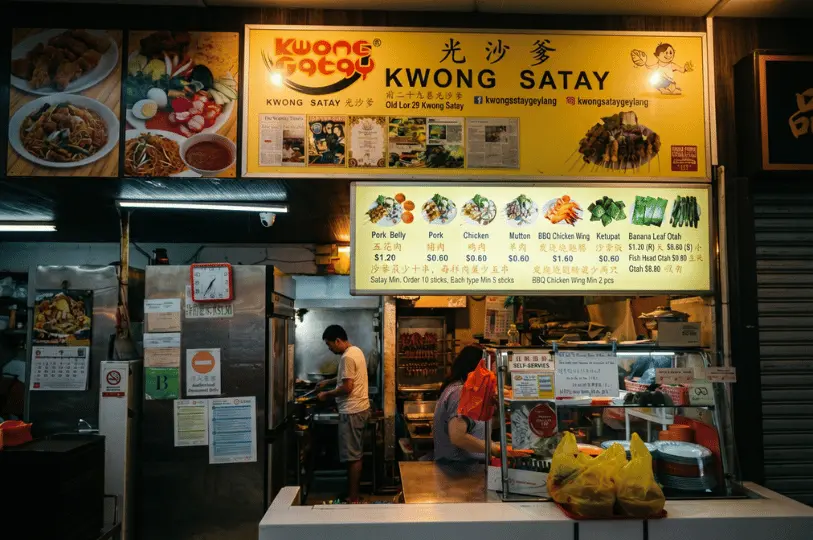
Located near the lively Pasir Panjang Food Centre in the vibrant food enclave of Geylang, Kwong Satay is a beloved hawker stall renowned for its mouthwatering pork belly satay. This stall has earned a loyal following thanks to its expertly grilled skewers that boast a perfect balance of smokiness and succulence. Each stick is generously portioned with tender pork belly, charred to perfection over charcoal, creating a crispy exterior that locks in juicy flavors without being overcooked.
Among other popular eating houses, Kwong Satay is perfect for those who love to eat authentic satay in an open-air setting.
The Magic of Grilled Meat and Skewers
The secret to exceptional satay lies in the quality of the grilled meats and the mastery of the grilling process. Satay sticks are marinated for hours to deeply infuse spices and seasonings. The skewer retains juiciness and flavor during grilling, producing tasty satay that stands out. Whether pork belly satay, beef satay, or mutton satay, balancing lean meat and fat is key to a juicy, tender bite. The barbecued, charred exterior adds smoky aroma and texture, enhancing flavor. Well-grilled satay is tender and flavorful without being overly oily, ensuring ideal texture and taste.
Why Satay Remains a Timeless Favorite

Satay’s enduring popularity in Singapore is a testament to its perfect blend of flavors, textures, and cultural significance. It brings people together, whether at a hawker centre, a festive gathering, or a casual night out at Satay Street. The combination of succulent, well-grilled meat, tantalizing satay sauce, and the lively communal vibe makes satay a true culinary gem.
The city’s diverse satay stalls and hawker centres offer an array of choices that celebrate tradition, passion, and the art of flame and smoke. Before taking on the rich flavours that satay has to offer, make sure to start your day right with the best breakfast spots in Singapore.

A Letter to the Faces Behind the Counter
June 16, 2026
You are turning over chicken wings when I first notice you. It is just past seven at Old Airport Road Food Centre, and the ceiling fans are pushing warm air down onto the tables. The…
-
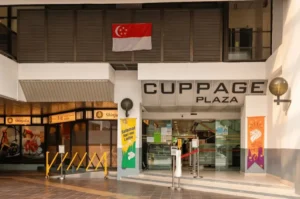
How to Photograph Cuppage Plaza Food Without Disturbing the Room
June 15, 2026
The camera flash went off by mistake. It was a small, clumsy decision, but in the narrow, slightly smoky space of Kazu Sumiyaki, it felt much larger than it was. A few heads turned. The…
-
To the Stirring of the Wok in the Early Hours
June 12, 2026
The first sound is not the flame. It is the metal ladle touching the side of the wok, a small, hollow note that carries across the half-awake floor of Hong Lim Market & Food Centre….
-
Cuppage Plaza Food Guide: Japanese Restaurants and Hidden Gems in Singapore’s Little Tokyo
June 11, 2026
I started coming to Cuppage Plaza for the light. The building is old, a little worn at the edges, with narrow staircases and corridors that smell faintly of charcoal and sake by early evening. But…
-
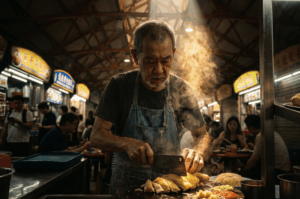
A Note to the Knife That Cuts, But Never Hurries
June 9, 2026
The knife lands softly before it cuts. I hear it before I lift the camera. A low wooden sound, not sharp, not rushed. At Maxwell Food Centre, the lunch crowd is already pressing into the…
-
Wang BBQ Chicken Wing & Satay: Photographing Smoke, Wings, and Skewers at Chomp Chomp Food Centre
June 8, 2026
I reached Chomp Chomp Food Centre at 20 Kensington Park Road, Serangoon Gardens, Singapore on a Tuesday evening around 7pm, just as the place was beginning to thicken with supper energy. The tables were filling…
-
To the Fragrance That Lingers Long After the Meal
June 5, 2026
The evening air at Old Airport Road Food Centre is thick and warm. It wraps around me the moment I step away from the open street. I walk past the bright neon signboards, letting the…
-
Lau Pa Sat Satay Street: Photographing After-Work Satay in Singapore’s CBD.
June 4, 2026
I visited Lau Pa Sat Satay Street on a Tuesday around 7pm, just as Boon Tat Street was changing its identity from a busy traffic route in Singapore’s CBD to a lively alfresco dining venue….
-
A Letter to the Hidden Moments Between the Shots
June 2, 2026
The afternoon heat settles heavily over Tiong Bahru Market. The frantic noise of the lunch hour is completely gone. I sit at a corner table near the open balcony. The green tiles reflect the warm,…
-
Izakaya Singapore: More Than Just After-Work Spots
June 1, 2026
When we talk about izakayas in Singapore, we often reduce them to simple after work drinks spots. We picture loud rooms where tired professionals go to drink cold beer and eat cheap bar snacks. But…