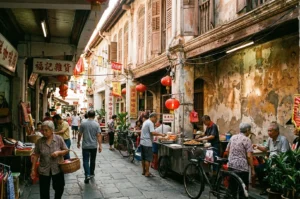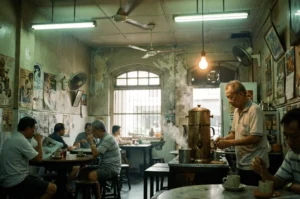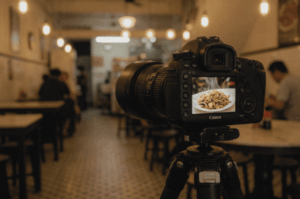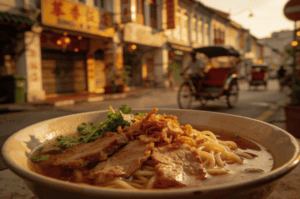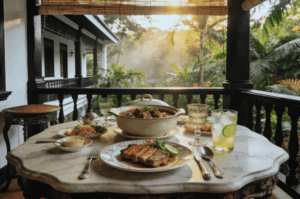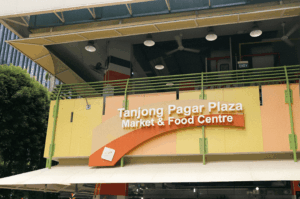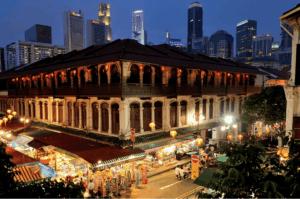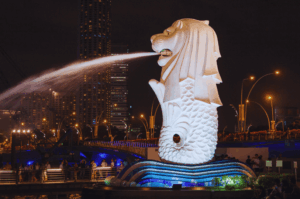
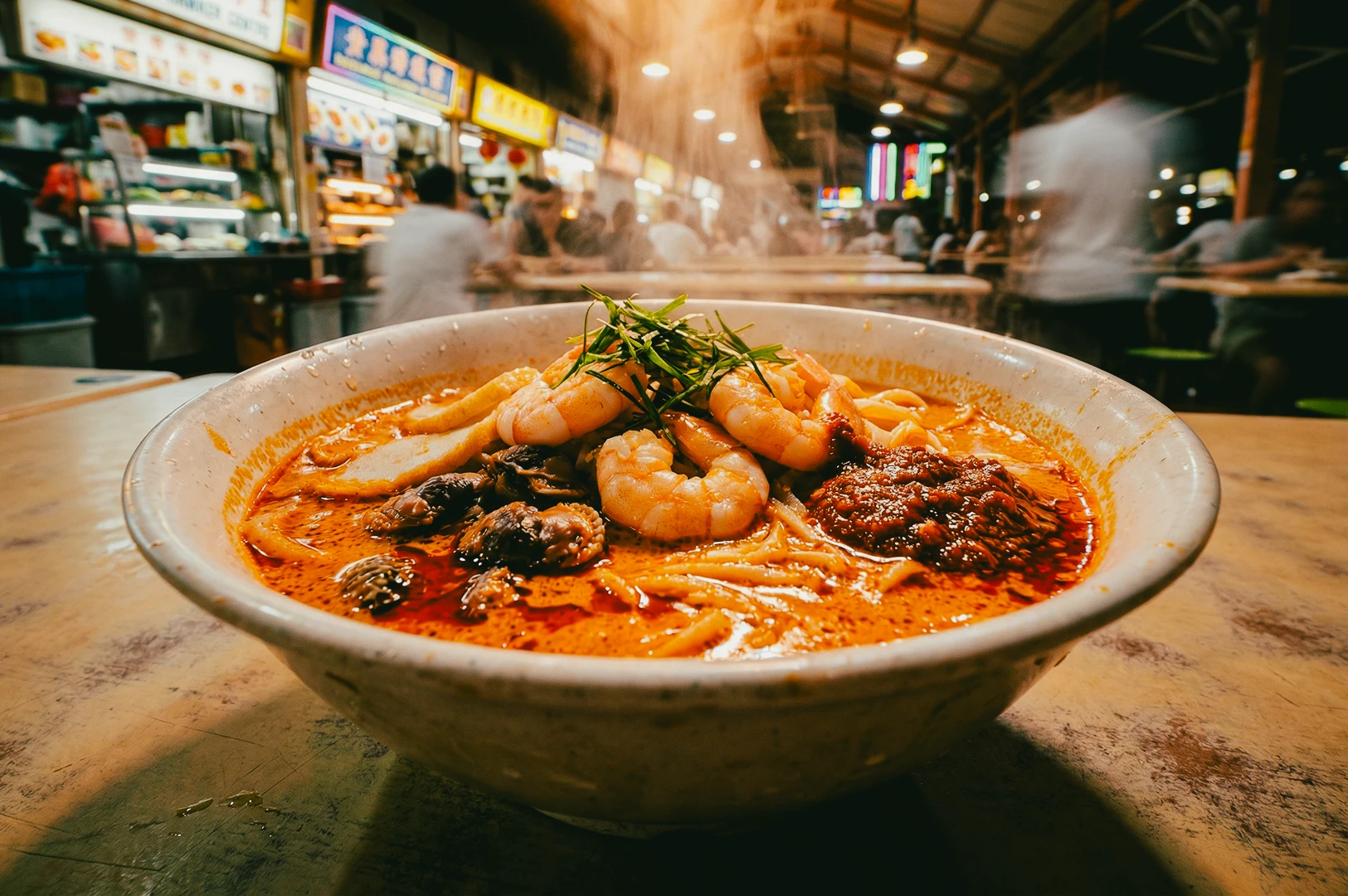
I fell in love with street food photography in Singapore, somewhere between the steam of a hawker stall and the click of my shutter. It wasn’t planned. I was hungry, wandering, half-lost, when a bowl of laksa stopped me cold. The broth glowed orange under fluorescent lights, sambal slicking the surface like oil paint. Before I took a bite, I lifted my camera. That was the moment I realized street food here isn’t just something you eat. It’s something you witness.
Singapore’s street food culture is alive in a way that demands attention. Hawker centres hum with rhythm: cleavers thudding, woks roaring, orders shouted in a mix of languages that somehow always make sense. Photographing it feels like stepping into a living documentary. You don’t pose food here. You chase it. You wait for the right second when the vendor’s hand is mid-motion, when the char kway teow flares up, when condensation beads on a kopi cup like it’s breathing. What makes Singapore special is the intimacy. These stalls are often family legacies, perfected over decades. When I photograph an elderly uncle flipping roti prata with effortless precision, I’m not just framing food. I’m framing muscle memory, pride, and repetition. The best shots happen when you slow down and let the stallholders forget you’re there. Smile, order something, and eat first. The camera comes second.
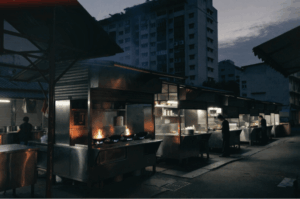
Light is the quiet challenge of street food photography here. Hawker centres aren’t romantic candlelit spaces. They’re harsh, practical, sometimes brutally fluorescent. But that’s part of the charm. I’ve learned to lean into it. From the greenish cast on stainless steel tables, the shadows under plastic stools, the way steam diffuses everything into softness. Night shoots are my favorite. After dark, the stalls feel theatrical, each one its own stage, glowing against the humidity.
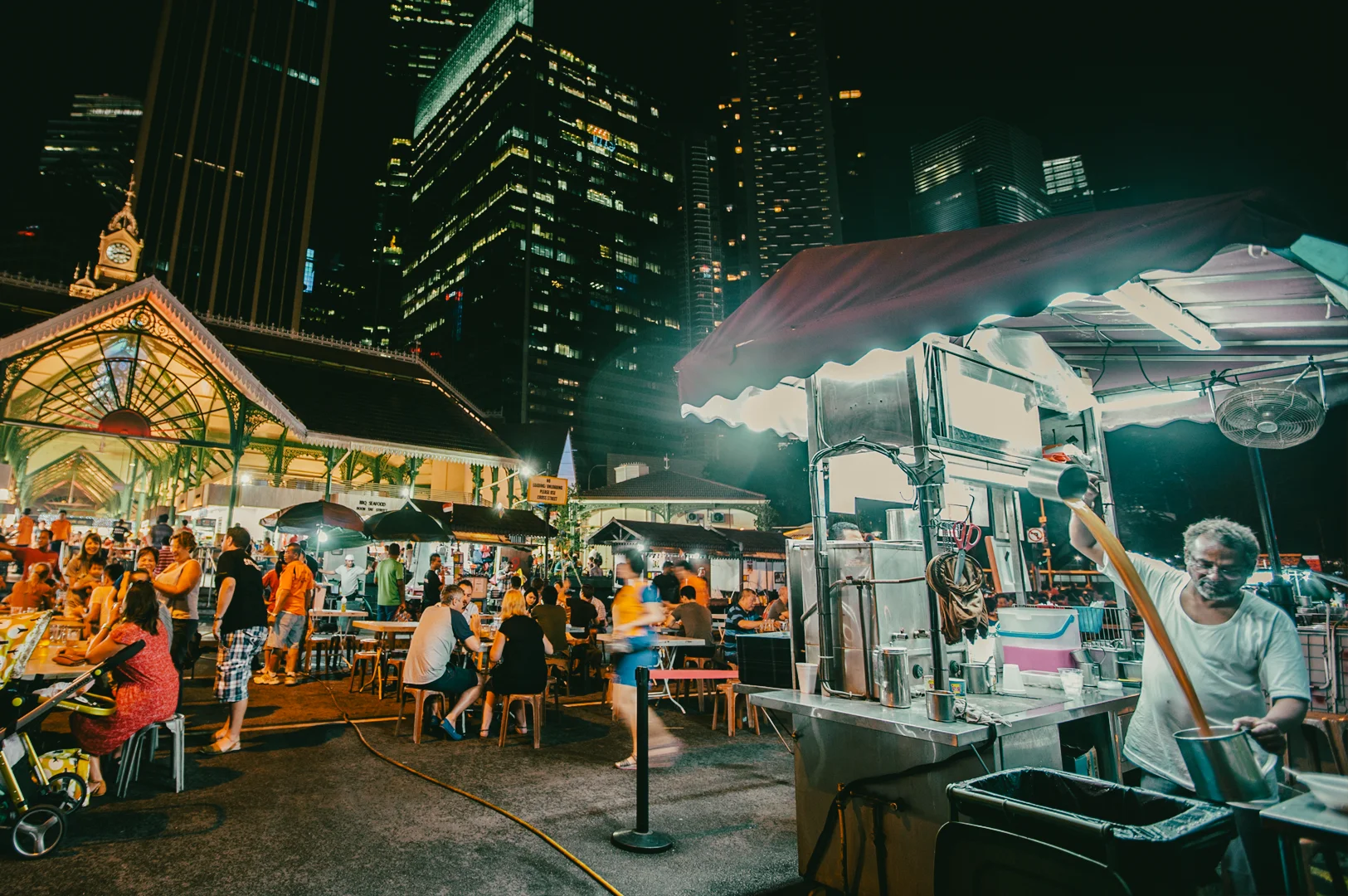
Singapore street food also tells a story of migration and memory. A single frame can hold Chinese, Malay, Indian, and Peranakan influences without saying a word. A banana leaf wrapped around nasi lemak. A stack of bamboo steamers. A ladle hovering over curry. When I photograph these details, I’m conscious that I’m capturing culture as much as cuisine. There’s a humility to it that I love. There are no tweezers. There are no microgreens placed with surgical care. There is simply food made to be eaten, fast and hot, often standing up. My goal isn’t perfection. It’s honesty, because what isn’t more honest and vulnerable than a humble human truly enjoying food, with greasy fingers, sauce stains, and a plastic bag swinging from a wrist to show for it.
Street food photography in Singapore has taught me to shoot with empathy. To respect the pace of the stall, the rhythm of service, and the unspoken rules of space. Sometimes I miss the shot because I don’t want to interrupt. That’s okay. The best images come when you’re present, not just hunting content. Somewhere along the way, you make bonds that fill your ears with the sweet sound of “The usual, Aaron?” and with that, I feel at home.

Translating Taste into Frames: Why I Capture Food
March 11, 2026
I fell in love with street food photography in Singapore, somewhere between the steam of a hawker stall and the click of my shutter. It wasn’t planned. I was hungry, wandering, half-lost, when a bowl of laksa stopped me cold. The broth glowed…
-
Maximizing Colonial Heritage: Efficient SG Photography Routes
March 9, 2026
The morning light hits the peeling plaster of a shophouse five-foot way differently than it hits a glass skyscraper. It is softer, more textured, and it seems to carry the weight of history. For a…
-
Period Restaurant Lighting in Photo Shoot in Singapore Locations
March 6, 2026
The air in a heritage Hainanese coffeeshop is thick with more than just the aroma of kaya toast and freshly brewed kopi. It is thick with a particular quality of light. A mix of harsh,…
-
Imperial Diversity Through Photo Shoot Singapore Projects
March 2, 2026
When I set up my tripod in a bustling kopitiam or a quiet heritage restaurant, I am constantly reminded that I am not just photographing a meal. I am photographing a map. Every photo shoot…
-
Historic Flavors Shoot Singapore: Post-Processing for Period Authenticity
February 27, 2026
When I look through the viewfinder at a plate of heritage kueh or a steaming bowl of rickshaw noodles, I am not just capturing food; I am framing a memory. The challenge for any documentary…
-
Colonial Cuisine Photoshoot: Styling Singapore’s Historic Flavors
February 23, 2026
When I first embarked on a photoshoot focusing on Singapore’s colonial cuisine, I didn’t realize how deeply food could connect us to history. It wasn’t just about snapping pictures of dishes; it was about capturing…
-
Coal, Fire, and Memory: A Singapore Food Blogger Revisits Tanjong Pagar’s Industrial Kitchens
February 20, 2026
It had been a while since I set a day to wander through the back lanes of Tanjong Pagar. When I decided to come back to the place left me star-struck, not by the polished…
-
Three Generations, One Perfect Dumpling: A Food Blogger’s Journey in Chinatown’s Hidden Alley
February 16, 2026
Why This Alley is a Must-Visit for Food Lovers and Food Bloggers The first time I ventured into this tucked-away alley in Singapore’s Chinatown, I was awestruck by how different it felt from the bustling…
-
After Dark Cravings: A Guide to Night Singapore for Foodies
February 13, 2026
When I first landed in Singapore, I thought I knew what to expect: futuristic skylines, spotless streets, and, of course, amazing food. I did end up seeing all those things but what truly blew me…
-
Dawn Awakening: Morning Market Food Blog
February 9, 2026
The city is still dreaming when the first fires are lit. It is 4:30 AM, an hour that belongs to the insomniacs and the dedicated artisans of our food culture. While the skyscrapers of the…