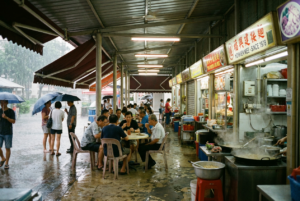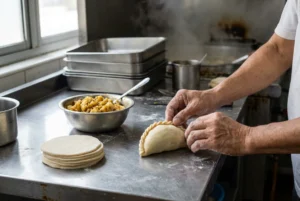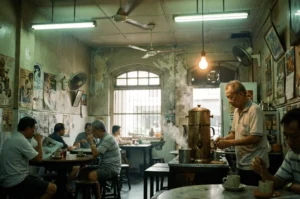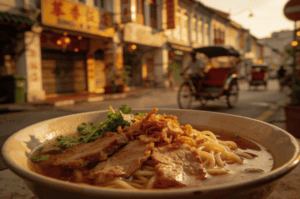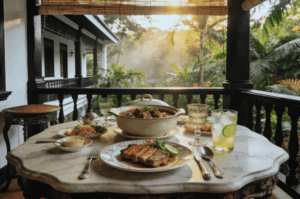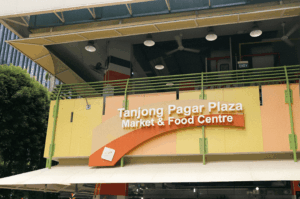
The air in the coffee shop was thick with the rich scent of brewed coffee and the low hum of morning chatter. I found myself drawn to a brightly lit stainless steel stage where a master was at work. A small ball of dough was slapped onto the oiled surface, and then the performance began. With a series of flicks, pushes, and pulls, the dough transformed right before my eyes. This is the mesmerizing theatre of roti prata, a cornerstone of Singapore's culinary identity and the reflection of the street and food industry.
The experience of watching roti prata being made is as much a part of its appeal as the taste itself. It is a dance of skill, a sensual stretch of dough that captivates locals and travelers alike. As a street food photographer, it’s a dream subject, a performance of texture, motion, and light. But for everyone, it is a delicious introduction to the heart of Singapore’s food culture, a simple flatbread that tells a complex story of migration, adaptation, and shared identity.
What Makes Roti Prata So Special? The Art of the Stretch
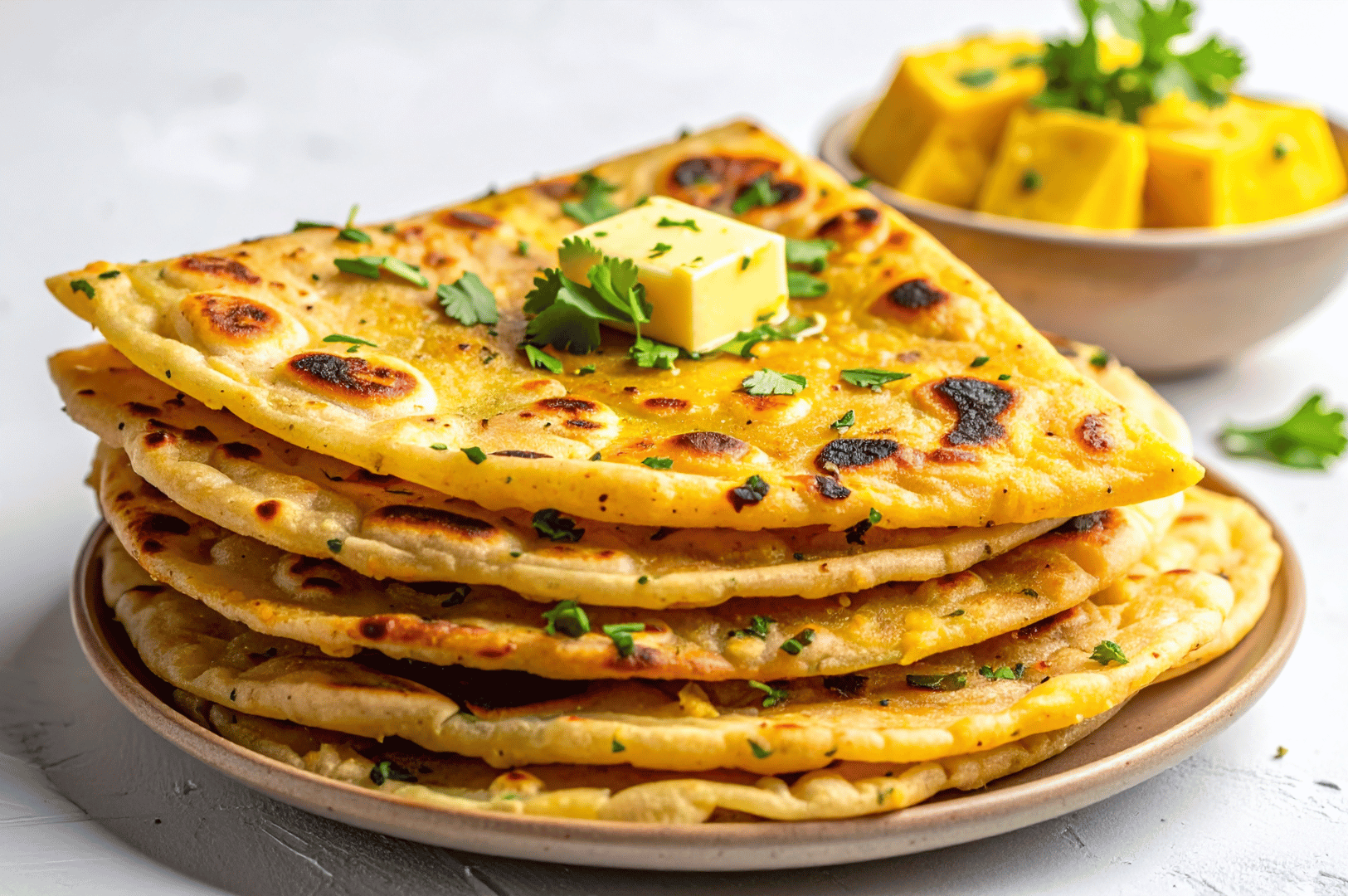
At its core, roti prata is deceptively simple. The dough is made from just a few basic ingredients: flour, water, salt, sugar, and a fat like ghee or oil. At times, special additions of our local palate such as black pepper, pandan leaves, onions, and the like are tastefully included. The magic, however, lies not in the ingredients but in the technique. The process of creating that signature texture, crispy on the outside and chewy on the inside, is a masterclass in skill and patience.
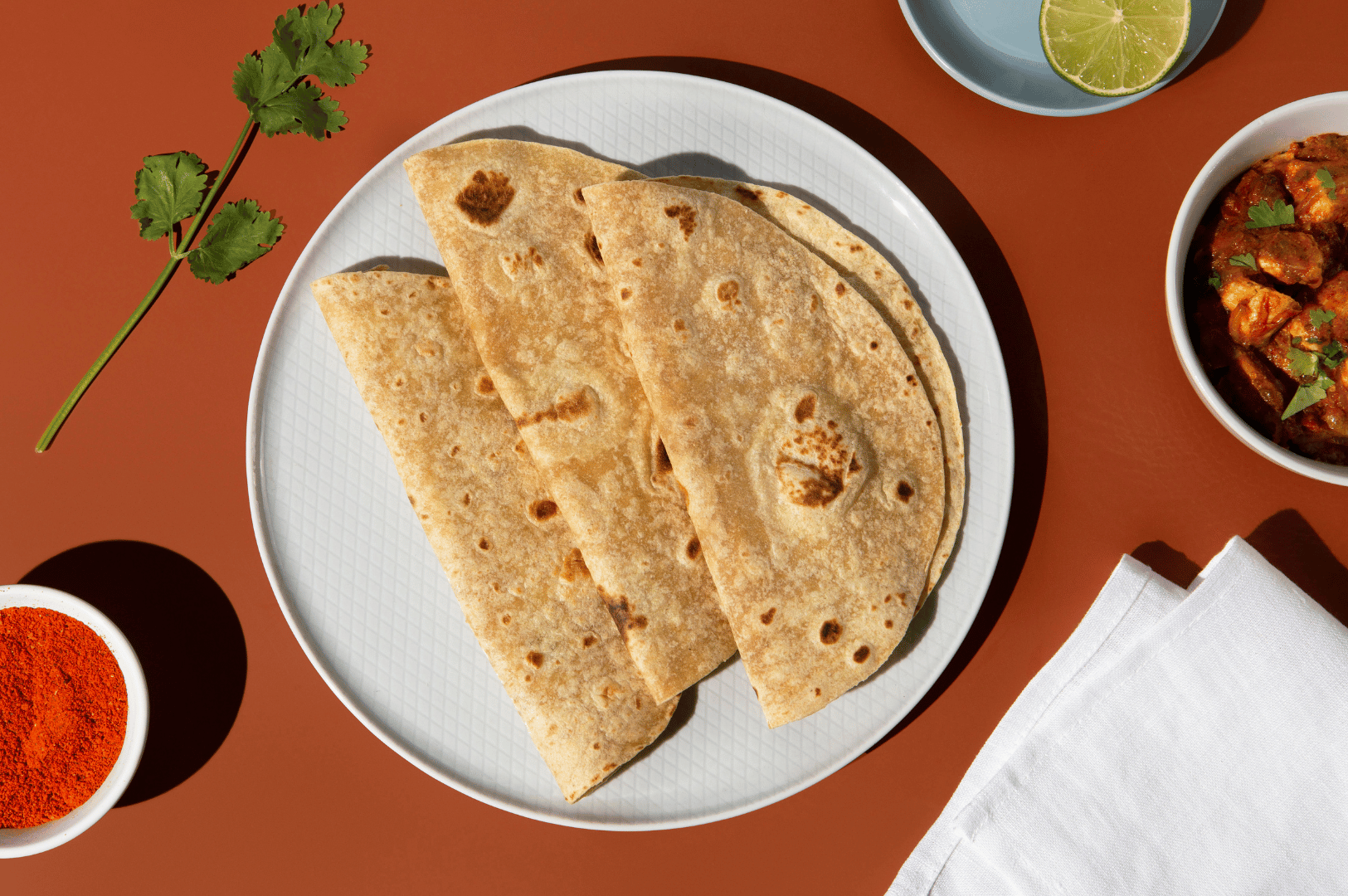
The paper-thin dough is folded into a neat square or circle and transferred to a large, flat griddle, and commonly sold at a hawker stall or food court. The prata is cooked until golden brown on both sides, developing a crispy, blistered exterior while the inside remains soft and layered. Just before serving, the cook will often perform a final flourish, taking the cooked prata in both hands and scrunching it together with a clap. This “clapping” helps to fluff it up and release the steam.
Roti prata is typically enjoyed with a side of flavorful chicken curry or sambal chili sauce, enhancing the taste of this beloved Singapore street food. Some stalls also offer fresh bean sprouts as a topping or side, adding crunch and freshness to the meal. Peanut sauce is sometimes served as a dip, providing a nutty, savory complement to the prata. Fluffy rice and tapioca cake is a popular side, prized for its light texture that pairs well with rich curries. It is commonly found in hawker centres and food courts across Singapore, often paired with soft boiled eggs or a cup of traditional kopi (coffee) to for a comforting early lunch.
Singapore's Colonial Food History: Southern Indian Influences
Reflecting on Singapore's colonial food history, I appreciate how these dishes embody the fusion of various cultures, including influences from South India, Malay cuisine, and Chinese cooking, all shaped by the British East India Company’s legacy. The rich tapestry of Singaporean cuisine today owes much to these historical threads, blending spices, coconut milk, dark soy sauce, and fresh ingredients like green vegetables and lime juice into meals that tell stories of migration, adaptation, and cultural identity.
Roti prata has its roots in Southern India, specifically from the plains of Chennai and Kerala, where a similar flatbread known as parotta is a staple. The dish was brought to Singapore by Indian immigrants in the 19th and early 20th centuries. The name itself reflects its origins: “Roti” means bread in Hindi, while “Prata” means flat in Tamil.
As a key representative of Singapore food, roti prata reflects the nation's diverse culinary heritage and the vibrant mix of cultures that define its cuisine. It represents the island’s ability to absorb, adapt, and celebrate the diverse cultures that make up its society.
An Ever-Evolving Menu: From Eurasian Cuisine to the Japanese Occupation's Contribution
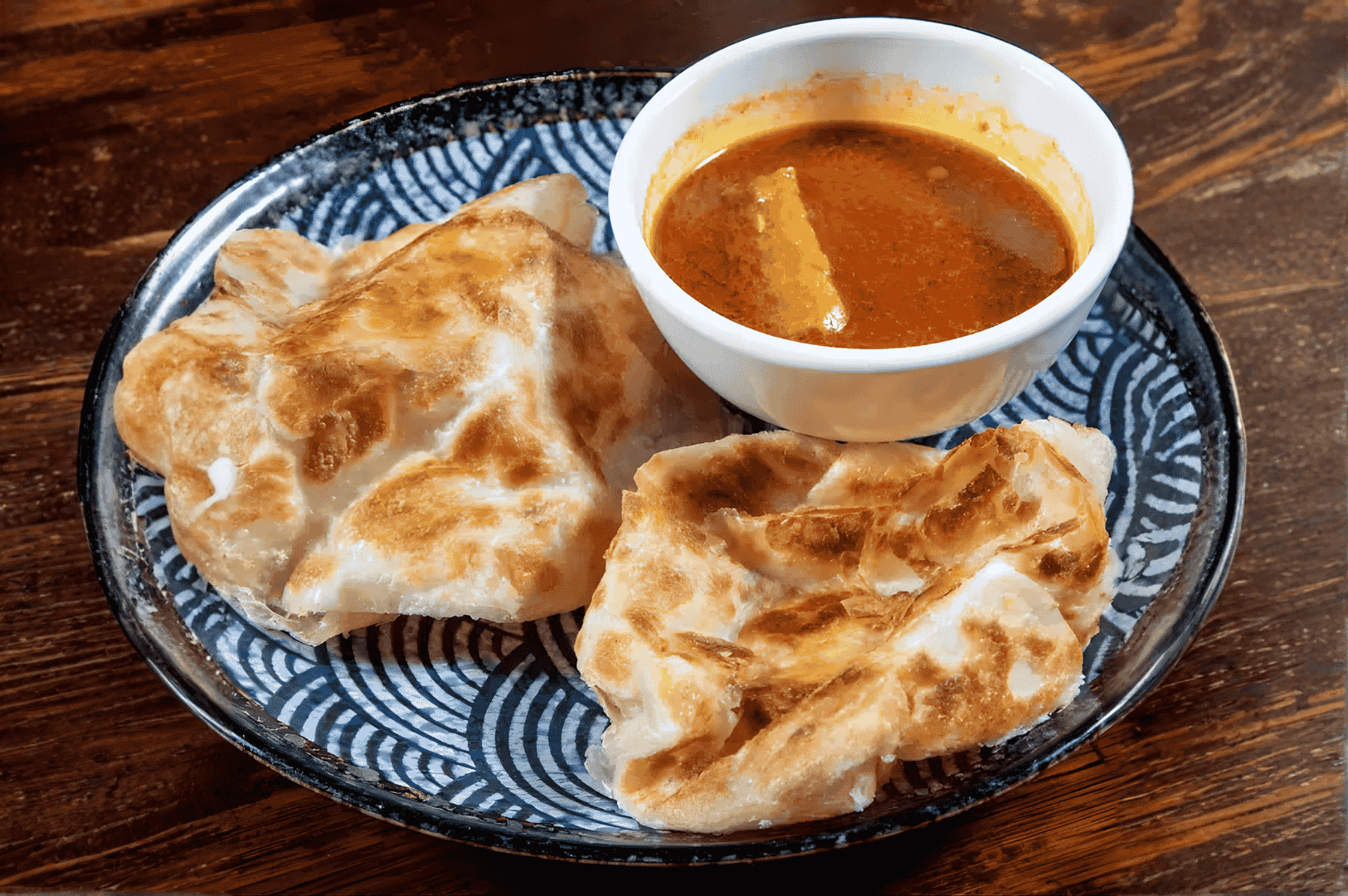
One of the reasons roti prata remains so popular is its incredible versatility. Consistently ranked among the best street foods in Singapore, prata is celebrated for its adaptability and flavor.
When I savor a plate of prata alongside a serving of fish head curry or pork rib soup, I’m reminded of the layered history behind these dishes, from the Japanese occupation to the social unrest that followed, and the role of the Singapore government in preserving this culinary heritage. The use of banana leaf, grated coconut, and tamarind in many recipes highlights the Southeast Asia flavors that have become integral to Eurasian cuisine and other local fare.
Curry Debal, Fish Head Curry: The Innovative Art of Singaporean Cusine
Dining at an authentic Eurasian restaurant, I often find myself enjoying Eurasian dishes like curry debal (Devil’s Curry), which perfectly captures the bold, spicy flavors influenced by Portuguese and Malay versions. The executive chef’s dedication to traditional Eurasian cooking techniques, combined with local ingredients such as salted vegetables, tau pok, and long beans, creates a unique experience that connects me to Singapore today and its rich multicultural past.
Classic Savory Accompaniments
- Plain/Kosong: The original. Best enjoyed by tearing off pieces and dipping them into a savory chicken curry or spicy sauce. Most stalls offer a choice of fish, mutton, or seasoned chicken curry, making it a favorite among street vendors and food centre patrons. Some stalls also offer minced pork or pork lard as savory toppings, adding richness and depth of flavor. Fried fish is a popular side, especially in Malay-inspired prata meals. Chilli paste is often provided as a spicy condiment to enhance the prata experience.
Fish Head Curry: Originating from the fusion of south india spices and malay cuisine, this flavorful stew features a large fish head cooked in a rich curry sauce made with coconut milk, tamarind, garlic, ginger, and a blend of spices. It is commonly served with steamed rice or banana leaf-wrapped accompaniments, alongside green vegetables and tau pok.
Sweet Indulgences
- Tissue Prata: This theatrical version features dough stretched into a giant, paper-thin cone, cooked until exceptionally crispy, and often drizzled with condensed milk or chocolate sauce. It’s as much a spectacle as it is a dessert, showcasing the skill of the hawker stall.
Modern and Creative Twists
In recent years, hawkers have become increasingly creative, offering a new generation of prata fillings that rival other popular noodle dishes like bak chor mee or char kway teow.
- Cheese and Mushroom Prata: A savory combination that turns the flatbread into something resembling a calzone, often enjoyed as part of a meal with fried egg or fried tofu on the side. Some stalls use braised mushrooms for a richer, umami-packed filling.
- Milo Prata: A uniquely Singaporean invention where the dough is sprinkled with Milo, a chocolate malt powder, before being cooked, offering a sweet twist to the traditional flat rice noodles and egg noodles dishes commonly found in the city’s hawker centres.
Some modern prata variations are inspired by traditional rice cakes, incorporating similar flavors or textures. Rice cakes, such as chwee kueh, have inspired innovative prata fillings that blend classic and contemporary tastes.
Where to Find Singapore Best Street Food: Prata Pilgrimage Sites
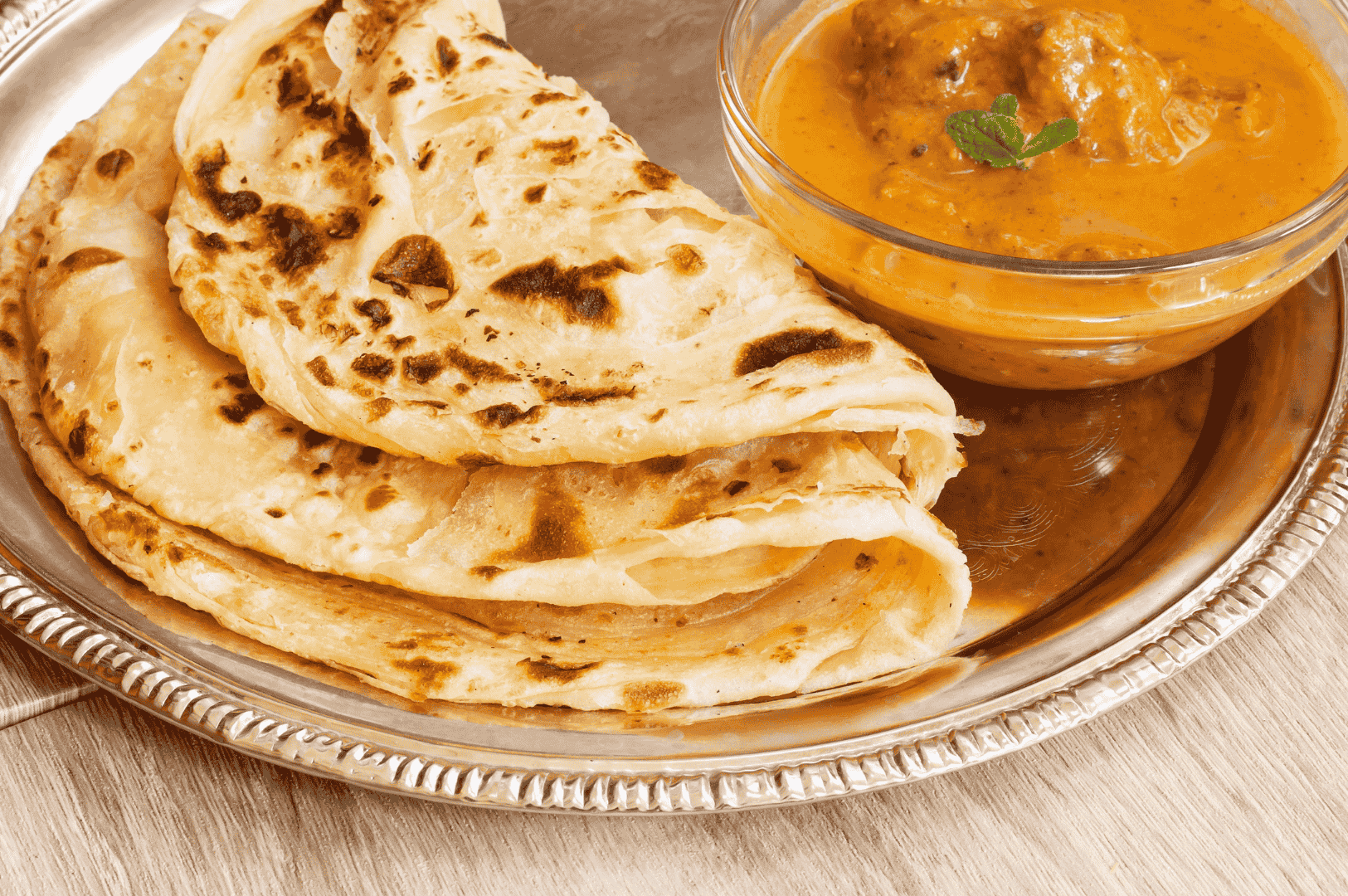
While you can find roti prata in nearly every neighborhood, some stalls have earned a legendary reputation for their exceptional quality and authentic flavors. Singapore's hawker centres are renowned for their variety and authenticity, with some stalls earning Michelin star recognition. Top destinations for street food lovers include Maxwell Food Centre, Amoy Street Food Centre, Newton Food Centre, and Airport Road Food Centre, each offering a diverse array of local favorites.
Mr. and Mrs. Mohgan’s Super Crispy Roti Prata
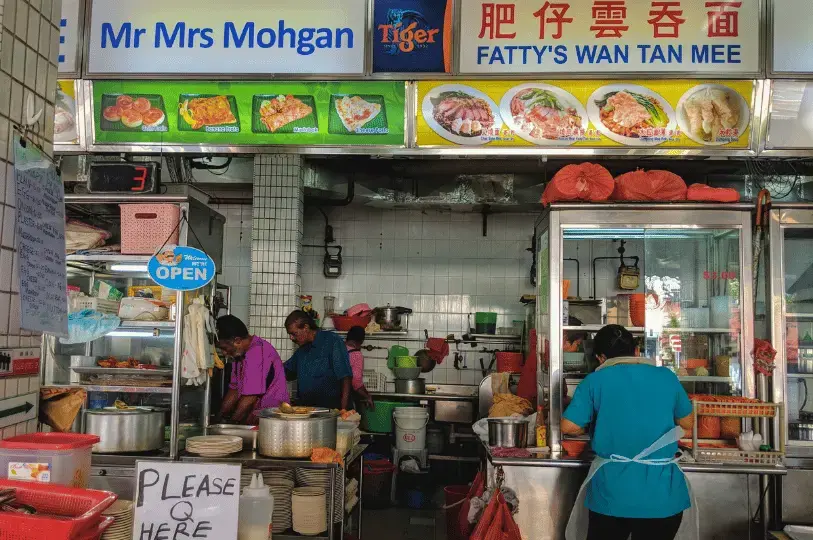
Tucked away in a cafe in the Joo Chiat area, Mr. and Mrs. Morghan's Super Crispy Rota is legendary among prata purists. The couple running the stall are masters of their craft, producing exceptionally crispy and flaky prata with the perfect balance of crispy outer layers and soft, chewy inner dough.
The Roti Prata House:
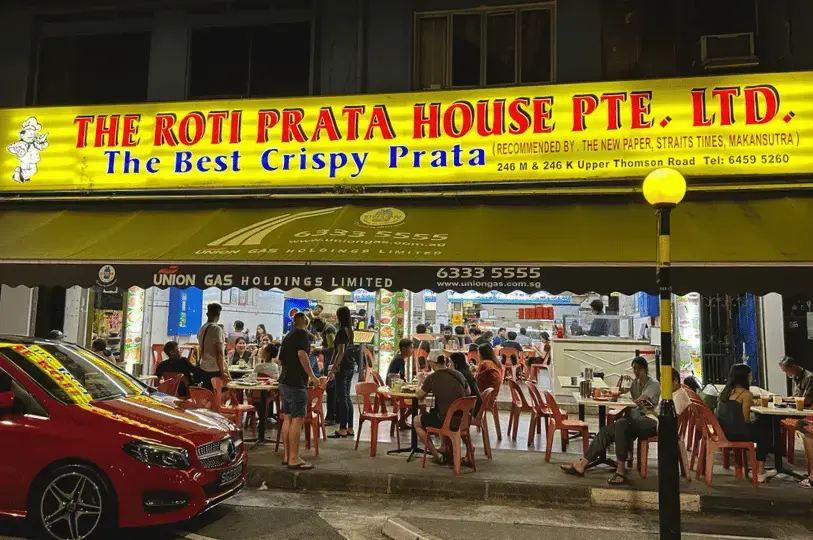
Also on Upper Thomson Road, The Roti Prata House is open late, making it a go-to for a midnight snack. They are known for their flavorful curries, often made with coconut milk and spices, perfectly complement the prata, enhancing the overall taste.
Selera Rasa Nasi Lemak
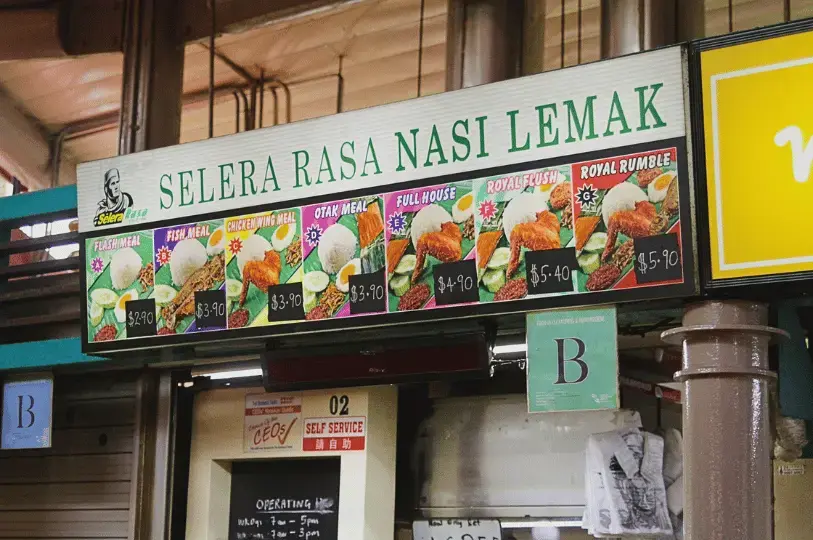
Located at Adam Road Food Centre, this Michelin-recognized stall is a must-visit for authentic nasi lemak. Experience the unique rasa nasi lemak, celebrated for its fragrant coconut rice, crispy anchovies, and signature sambal.
These stalls highlight the rich culinary heritage of Singapore’s hawker centres and food courts, where street vendors continue to uphold traditions while innovating with new flavors. Hainanese curry rice is another beloved dish found at these hawker centres, offering a taste of Singapore’s multicultural food scene. Singapore's national dish, such as Hainanese chicken rice and chili crab, can also be found at these locations.
Other signature dishes and ingredients available at these centres include fish head curry, banana leaf-wrapped seafood, roasted meat like char siu and roast duck, BBQ pork, pork belly, dark soy sauce-based dishes, soy sauce, chinese sausage, shrimp paste chicken wings, chicken wings marinated with shrimp paste, stir fried noodles such as char kway teow, prawn noodles, and egg noodles. Whether you prefer plain prata, egg prata, or more creative stuffed versions, these legendary spots offer a taste of the best street food in Singapore, celebrated for its texture, flavor, and cultural significance.
The Experience: More Than Just a Meal
Ordering and eating roti prata is a quintessentially Singaporean experience and a must-try when exploring the best street food in Singapore. At most hawker stalls and food centres, you’ll place your order at the counter, specifying your preferred type of prata along with a choice of flavorful chicken curry or spicy sambal chili sauce. In addition to prata, many stalls offer cooked food options, featuring a range of freshly prepared meals typical of Chinese cuisine.
The prata is best enjoyed with your hands. Tear off a piece of the warm, flaky flat rice flour bread, dip it generously into the rich, aromatic curry made with beef soup, tomato sauce, and coconut milk, and savor the explosion of flavors and textures. The crispiness of the outer layers gives way to a soft, chewy interior, all soaked in the spicy sauce that is a hallmark of Singapore street food. This simple, satisfying, and deeply comforting experience perfectly captures the essence of Singapore's hawker centres and their incredible food stalls, making roti prata a beloved dish alongside other favorites like hainanese chicken rice and bak kut teh. Braised cabbage is also a popular side, especially when served with hainanese curry rice, reflecting the Peranakan and European influences found in Singaporean cuisine.
Conclusion: A Dish that Binds a Nation
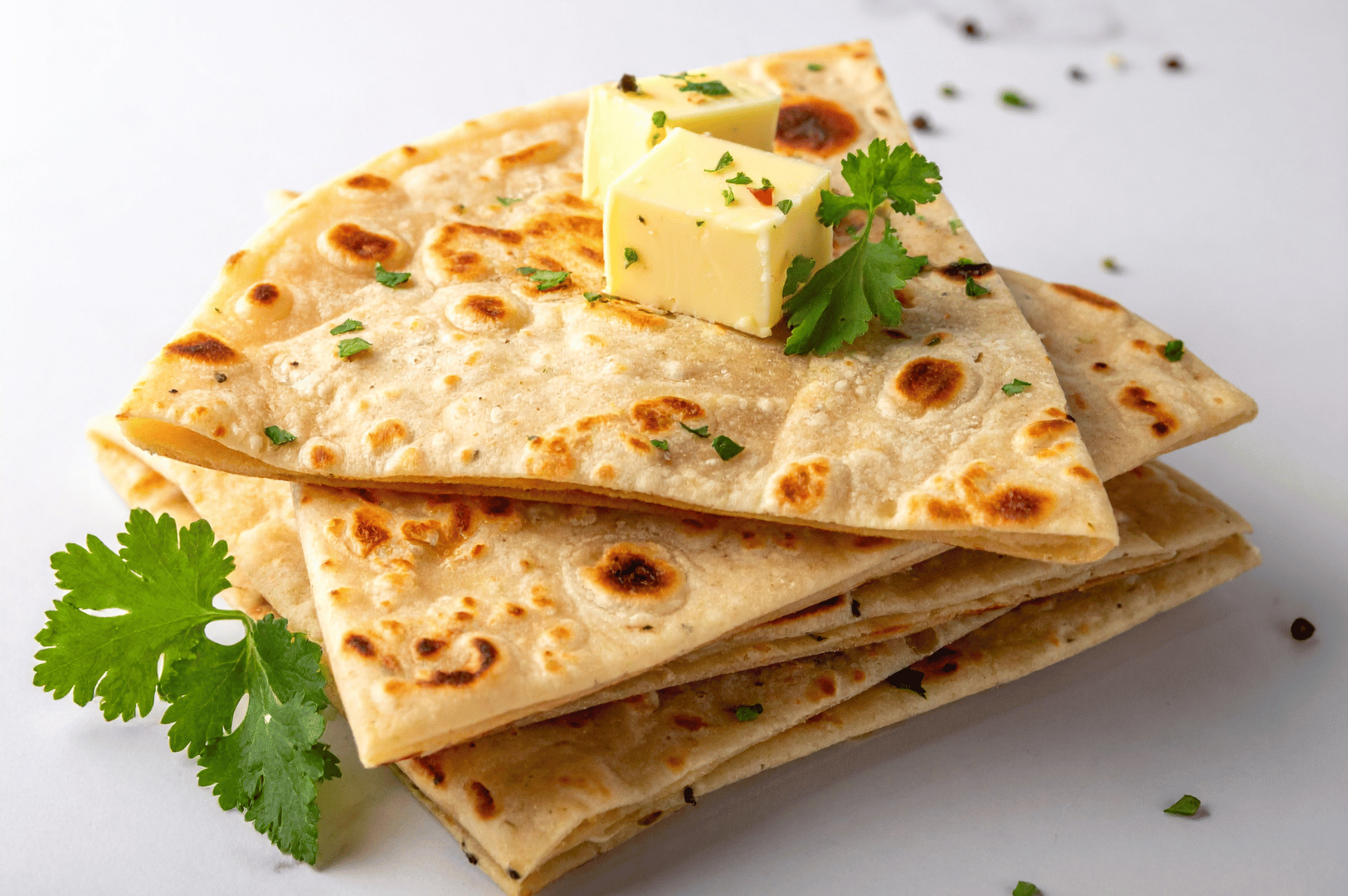
Roti prata is far more than just a delicious and affordable meal. It is a living piece of Singapore's cultural fabric. It's a breakfast staple, a late-night craving, and a dish that unites people across all ethnic and social backgrounds.
This simple flatbread embodies the spirit of Singapore: a product of migration that has been adapted, perfected, and embraced by all. Its journey from a simple South Indian staple to a national treasure is a story of creativity and cultural fusion.
For anyone looking to understand and experience the best street food in Singapore, the journey must begin, or at least make a significant stop, at the prata stall. It is here that you will find not just a great meal, but a taste of the nation's soul.

The First Hawker Stall That Changed Everything
March 18, 2026
It was a rainy Tuesday afternoon about seven years ago, and I was just a guy with a camera looking for shelter. I ducked into an old, dimly lit hawker center in Toa Payoh to…

The Best Singapore Breakfast Spots: Lighting, Angles & Visual Stories for Singapore Foodies
March 16, 2026
After years of chasing the perfect breakfast shot all over Singapore, I’ve noticed some venues aren’t just great for eating. They’re inspiring playgrounds for food photography, beloved by both locals and Singapore foodies alike. Whether…
-
From Empire to Plate: Process-Focused Colonial Photography SG Series
March 13, 2026
The story of Singapore cuisine is impossible to tell without acknowledging its colonial past. As a strategic port for the British Empire, Singapore became a magnet for a diverse range of people and products. From…
-
Translating Taste into Frames: Why I Capture Food
March 11, 2026
I fell in love with street food photography in Singapore, somewhere between the steam of a hawker stall and the click of my shutter. It wasn’t planned. I was hungry, wandering, half-lost, when a bowl of laksa stopped me cold. The broth glowed…
-
Maximizing Colonial Heritage: Efficient SG Photography Routes
March 9, 2026
The morning light hits the peeling plaster of a shophouse five-foot way differently than it hits a glass skyscraper. It is softer, more textured, and it seems to carry the weight of history. For a…
-
Period Restaurant Lighting in Photo Shoot in Singapore Locations
March 6, 2026
The air in a heritage Hainanese coffeeshop is thick with more than just the aroma of kaya toast and freshly brewed kopi. It is thick with a particular quality of light. A mix of harsh,…
-
Imperial Diversity Through Photo Shoot Singapore Projects
March 2, 2026
When I set up my tripod in a bustling kopitiam or a quiet heritage restaurant, I am constantly reminded that I am not just photographing a meal. I am photographing a map. Every photo shoot…
-
Historic Flavors Shoot Singapore: Post-Processing for Period Authenticity
February 27, 2026
When I look through the viewfinder at a plate of heritage kueh or a steaming bowl of rickshaw noodles, I am not just capturing food; I am framing a memory. The challenge for any documentary…
-
Colonial Cuisine Photoshoot: Styling Singapore’s Historic Flavors
February 23, 2026
When I first embarked on a photoshoot focusing on Singapore’s colonial cuisine, I didn’t realize how deeply food could connect us to history. It wasn’t just about snapping pictures of dishes; it was about capturing…
-
Coal, Fire, and Memory: A Singapore Food Blogger Revisits Tanjong Pagar’s Industrial Kitchens
February 20, 2026
It had been a while since I set a day to wander through the back lanes of Tanjong Pagar. When I decided to come back to the place left me star-struck, not by the polished…