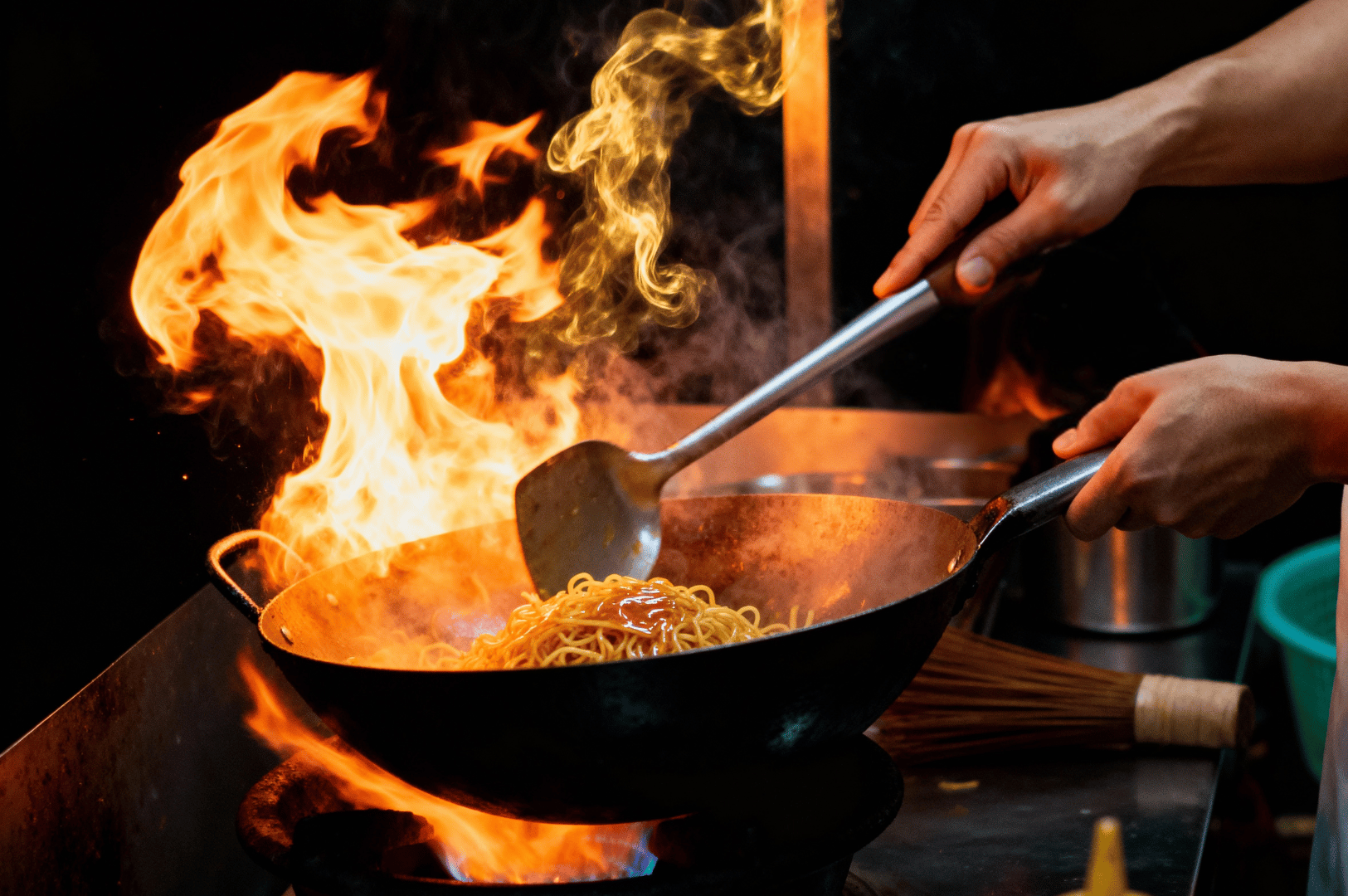
In the heart of Singapore, amidst the symphony of sounds and smells that define its hawker centres, a culinary performance unfolds. The creation of char kway teow is a spectacle of fire and skill, a dish that embodies the soul of the island’s food heritage. For those dedicated to the art of wok hei photography, capturing this moment is more than just taking a picture; it's about preserving a piece of living heritage, a fleeting expression of Singapore's vibrant culture.
The Performance of Wok Hei in Hawker Centres
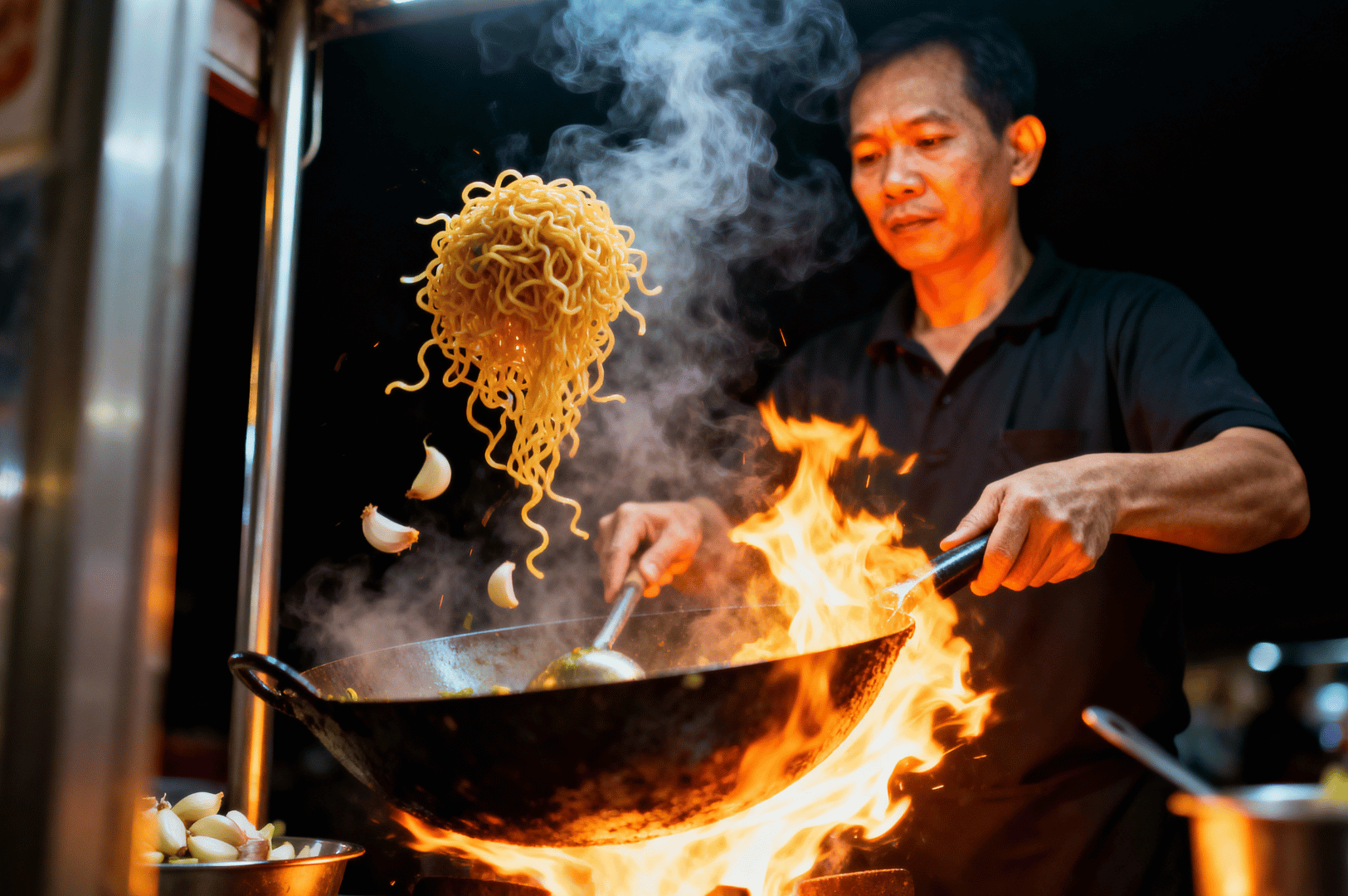
The story begins with a seasoned wok and a roaring flame. The hawker, a master of their craft, orchestrates a rapid-fire sequence of culinary practices. The sizzle of garlic in hot lard is the opening note, followed by a cascade of ingredients tossed with rhythmic precision. This is where the magic happens. The intense heat creates "wok hei," the breath of the wok, a smoky essence that envelops every noodle and morsel.
Photographing this process is about capturing that energy. The goal of wok hei photography is to freeze the motion, the steam, and the intense focus on the hawker's face. It's a visual narrative of skills passed down through generations, from masters to apprentices. Each click of the shutter documents a tradition that has evolved on the streets of Singapore over many years. This particular dish is a perfect subject, representing the delicious complexity of so many hawker dishes.
Hawker Culture: More Than Just Food
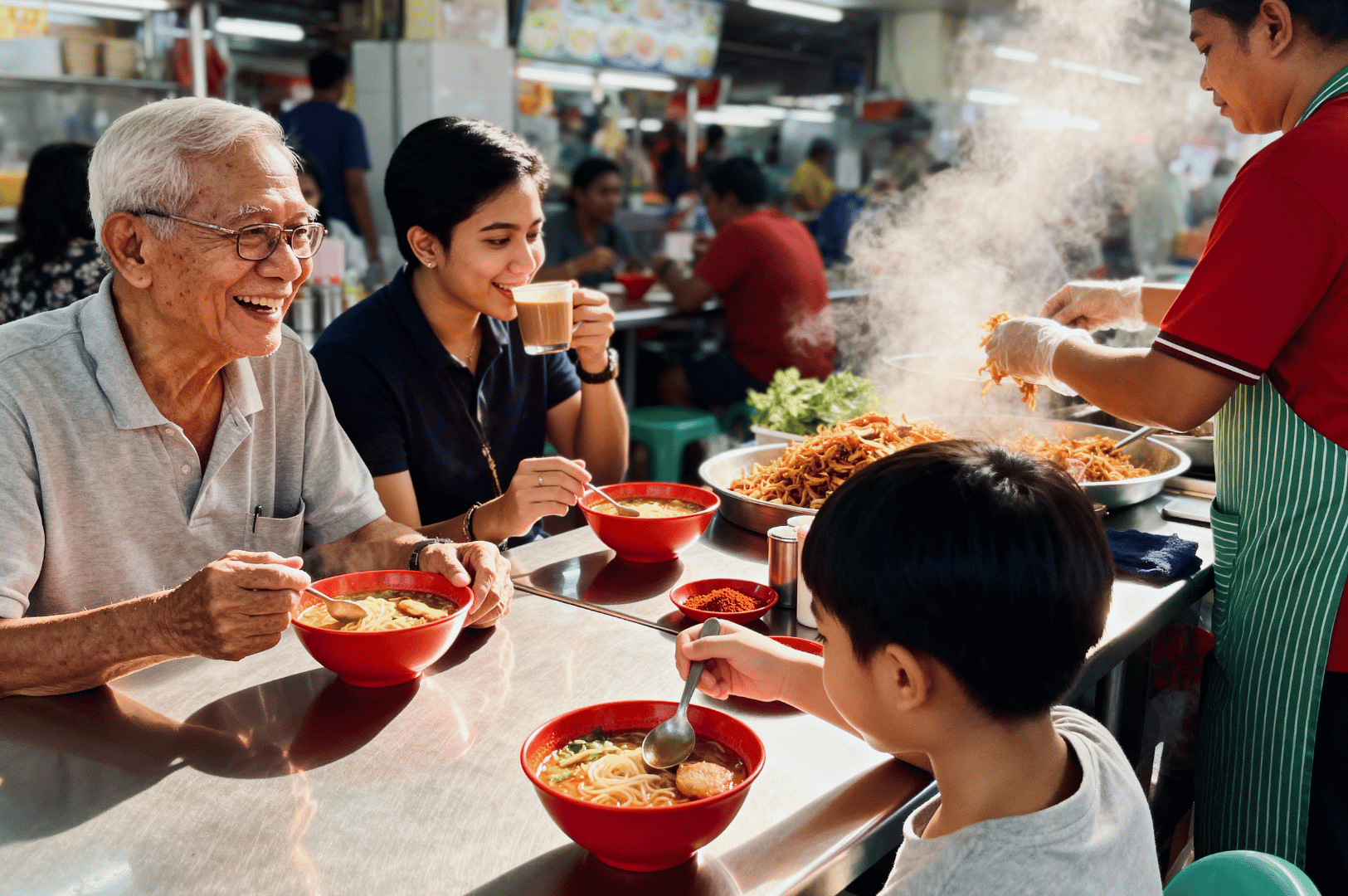
Hawker centres are far more than just places to eat; they are the community dining rooms of the nation. In this multicultural urban context, people from all walks of life come together to share a meal. This is where you find the true pulse of Singaporean life. From Indian and Malay dishes to Chinese recipes, the food offered reflects the diverse fabric of the community.
The recognition of Singapore's hawker culture as a UNESCO Intangible Cultural Heritage of Humanity underscores its global importance. This inscription is not just about the food itself but about the entire ecosystem: the hawkers who prepare the dishes, the community dining experience, and the culinary practices that have been passed down. Various bodies, from the National Environment Agency to Merchants Associations and the Federation of Merchants' Associations, continue to work to improve the experience and ensure this living heritage thrives.
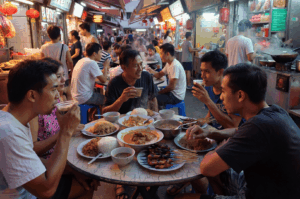
Documenting this culture through photography is a way to celebrate and share it with the world. A photo of a family enjoying a meal, or a video of a hawker expertly preparing food, tells a story of connection and tradition. It helps people understand why these centres are so integral to the nation's identity.
Capturing an Intangible Multicultural Urban Context
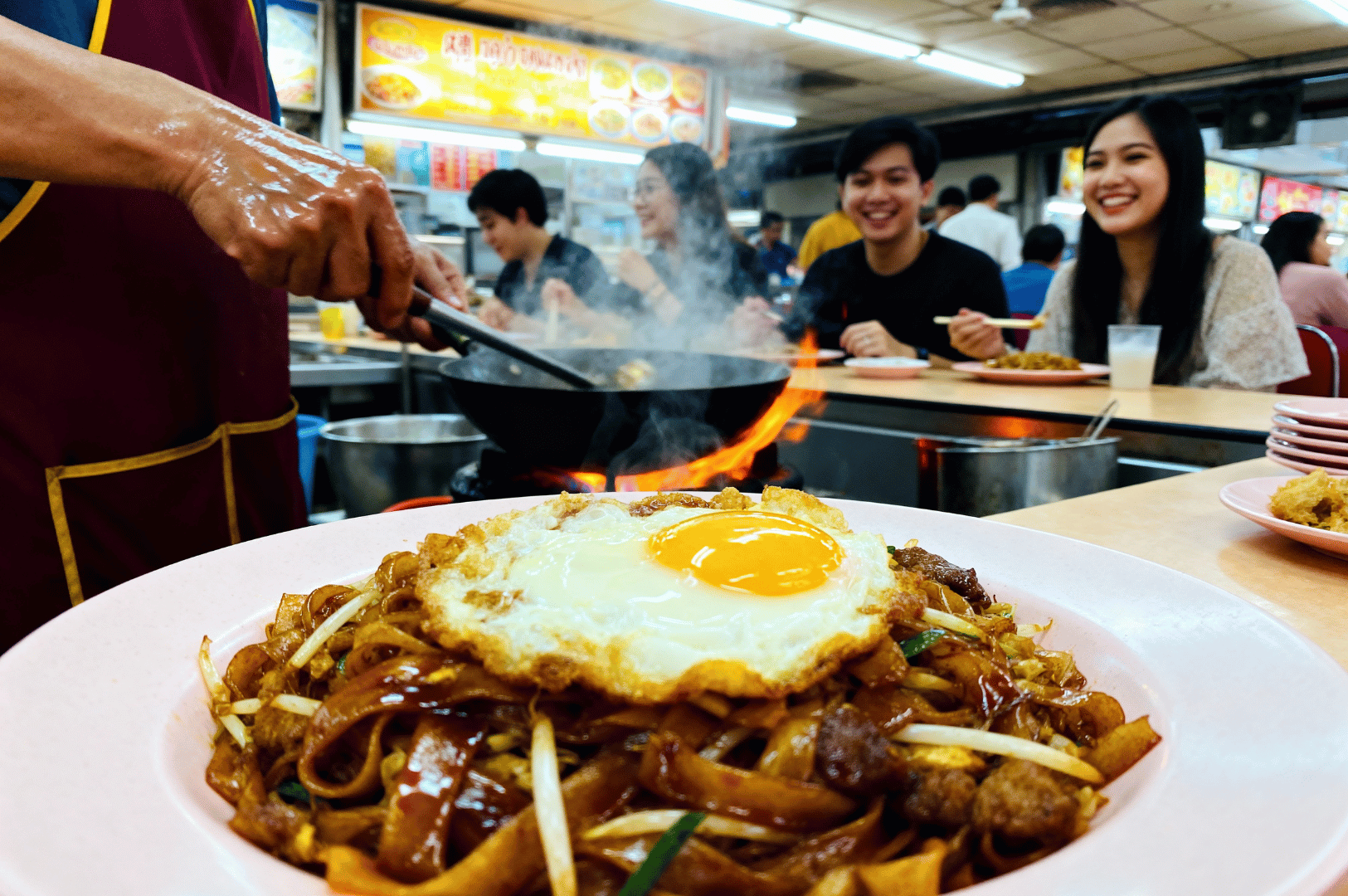
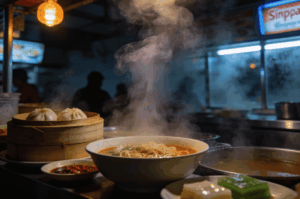
Photographing in hawker centres presents a unique set of challenges. The lighting is often mixed, the space can be crowded, and the action is fast-paced. Yet, these are the very elements that make hawker food photography so compelling.
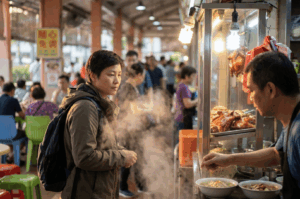
Focus on the People: The hawkers are the heart of this culture. Capture their skilled hands, their focused expressions, and their interactions with locals. These images honor the people who dedicate their lives to this craft.
Tell the Story of Community: Frame your shots to include the dining experience. Show the shared tables, the lively conversations, and the diversity of Singaporeans who dine together. This is the community aspect that UNESCO's recognition celebrates.
Highlight the Details: Zoom in on a single plate of hawker food. Capture the textures, the colors, and the steam rising from a freshly cooked meal. These details showcase the love and skill prepared in every dish.
Preserving Our Living Heritage and Culinary Practices
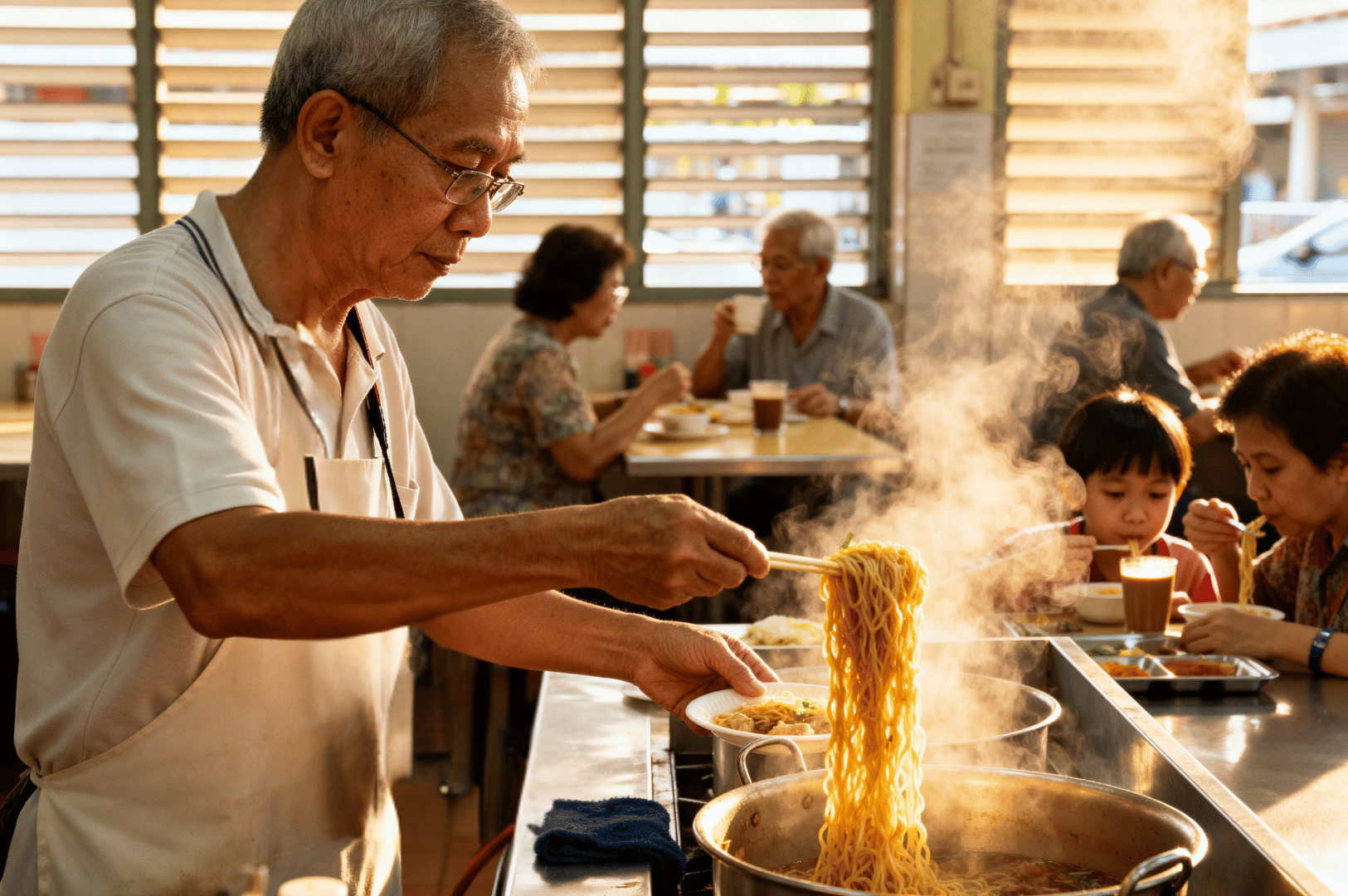
The inscription of hawker culture by UNESCO is a milestone, but the effort to preserve this heritage must continue. Photography and videography play an important role in this mission. They create a visual record, a set of data that documents our food heritage for future generations. Through these images, we can share the stories of our hawkers and their incredible recipes.
Programmes and initiatives are in place to support hawkers and improve their working conditions, ensuring they can continue to serve the dishes that people love. As photographers and storytellers, we have a part to play. By capturing the life within these centres, we help ensure this culture does not just survive but continues to evolve and flourish.
The next time you visit a hawker centre, take a moment to look beyond your plate. See the culture, the community, and the heritage that is present all around you. Whether you’re a local or a visitor, you are part of this incredible story. Be ready to experience it, to understand its importance, and perhaps, to capture a piece of it yourself.
Continue your journey with The Slow Seduction: Hainanese Chicken Rice — a story of simplicity, heritage, and timeless flavour.

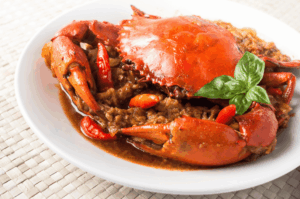
Chili Crab: Singapore’s Sultry Affair Captured in Food Photography
December 26, 2025
It arrives at the table not as a dish, but as an event. A magnificent Sri Lankan mud crab, resplendent in a sea of vibrant, glossy sauce the color of a tropical sunset. Steam rises…
-
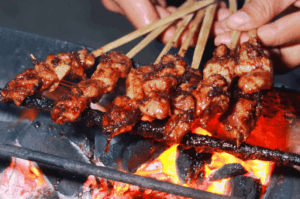
Flame & Flesh: The Primal Art of Satay Through Food Photography
December 22, 2025
Sparks dance into the twilight sky, illuminating a face etched with concentration. The air fills with the scent of charred meat, caramelized marinade, and burning charcoal. Rows of bamboo skewers are turned rhythmically over glowing…
-
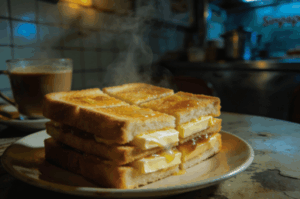
Hands of Time: A Food Photographer’s Encounter with Traditional Kaya Toast Masters
December 19, 2025
The air before dawn has a quality all its own. It is cool and hushed, thick with anticipation. On a quiet street corner in Singapore, long before the city awakens, a soft, golden light spills…
-
Steam & Seduction: Singapore for Foodies
December 15, 2025
The air in Singapore is never just air. It is a potent cocktail of sensation, a humid embrace laced with the fragrant perfume of pandan, the sharp zest of calamansi, and the deep, soulful aroma…
-
Spice Affair: Singapore Foodies’ Guide to Little India
December 12, 2025
The moment you step onto Serangoon Road, the world changes. The air grows thick with the heady perfume of jasmine garlands, sweet incense, and a complex blend of toasted spices that seems to emanate from…
-
The Morning Ritual: Street Food Hawkers Before Dawn
December 8, 2025
The world is dark, cloaked in a tranquil stillness that precedes the sunrise. A deep blue hue hangs over Singapore, and the only sounds are the distant hum of a lone vehicle or the gentle…
-
Midnight Confessions: The Secret Language of Supper in Food Images
December 5, 2025
The city exhales. Its daytime hustle recedes into a quiet hum, replaced by a different kind of pulse. On street corners bathed in the lonely glow of a single lamp post, a new world awakens….
-
Bespoke Tasting Tour: Michelin Street Food in Singapore
December 1, 2025
Imagine a culinary journey tailored just for you, a path that winds through the heart of a city’s most celebrated flavors, with every stop a new delight for both your palate and your camera lens….
-
Night Market Seduction: Low-Light Techniques for Food Photographer
November 28, 2025
The sun dips below the horizon, and a different kind of energy begins to hum. Lanterns flicker to life, steam billows into the cool night air, and the chaotic, beautiful symphony of a night market…
-
Best Street Food in Singapore: Roti Prata’s Sensual Stretch
November 24, 2025
The air in the coffee shop was thick with the rich scent of brewed coffee and the low hum of morning chatter. I found myself drawn to a brightly lit stainless steel stage where a…