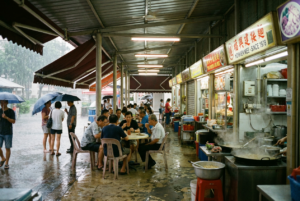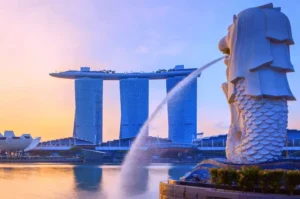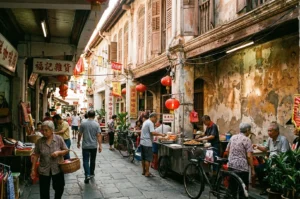
Step into Singapore’s hawker centers or heritage shophouses in Katong and Joo Chiat, and you’ll discover Peranakan cuisine—a vibrant fusion of Chinese ingredients and Malay cuisine. This culinary tradition, also known as Nyonya food, combines aromatic spices, coconut milk, and regional techniques to create authentic Peranakan food that tells the story of Singapore’s Peranakan heritage.
From crowd favourites like laksa and ayam buah keluak to modern reinterpretations by innovative chefs, Singapore’s Peranakan restaurants offer a journey through centuries of culinary fusion. A modern Peranakan restaurant often combines traditional recipes with contemporary twists, presenting classic flavors in inventive ways. In this guide, we explore the history of Peranakan food, signature Nyonya dishes, modern Peranakan restaurants—some of which have achieved Michelin star recognition for their exceptional cuisine—and even a home-friendly chicken curry recipe.
A Forbidden Beginning: How Peranakan Cuisine Emerged
The origins of Peranakan cuisine date back to the 15th and 16th centuries, when Chinese immigrants settled in the Malay archipelago, particularly Johor Bahru, Melaka, and Singapore. Marriages between Chinese men and local Malay women gave birth to the Peranakan community.
Initially, Chinese and Malay cuisine remained separate—pork and chicken followed Chinese rituals, while Malay dishes adhered to Islamic dietary laws. But over time, Chinese ingredients such as noodles and soy combined with Malay spices, coconut milk, and herbs like pandan leaves and kaffir lime leaves. This fusion gave rise to Nyonya cuisine, a hallmark of Singaporean Peranakan food with regional variations across Malaysia, Indonesia, and Singapore.
Must-Try Peranakan and Nyonya Dishes: Where to Eat Guide
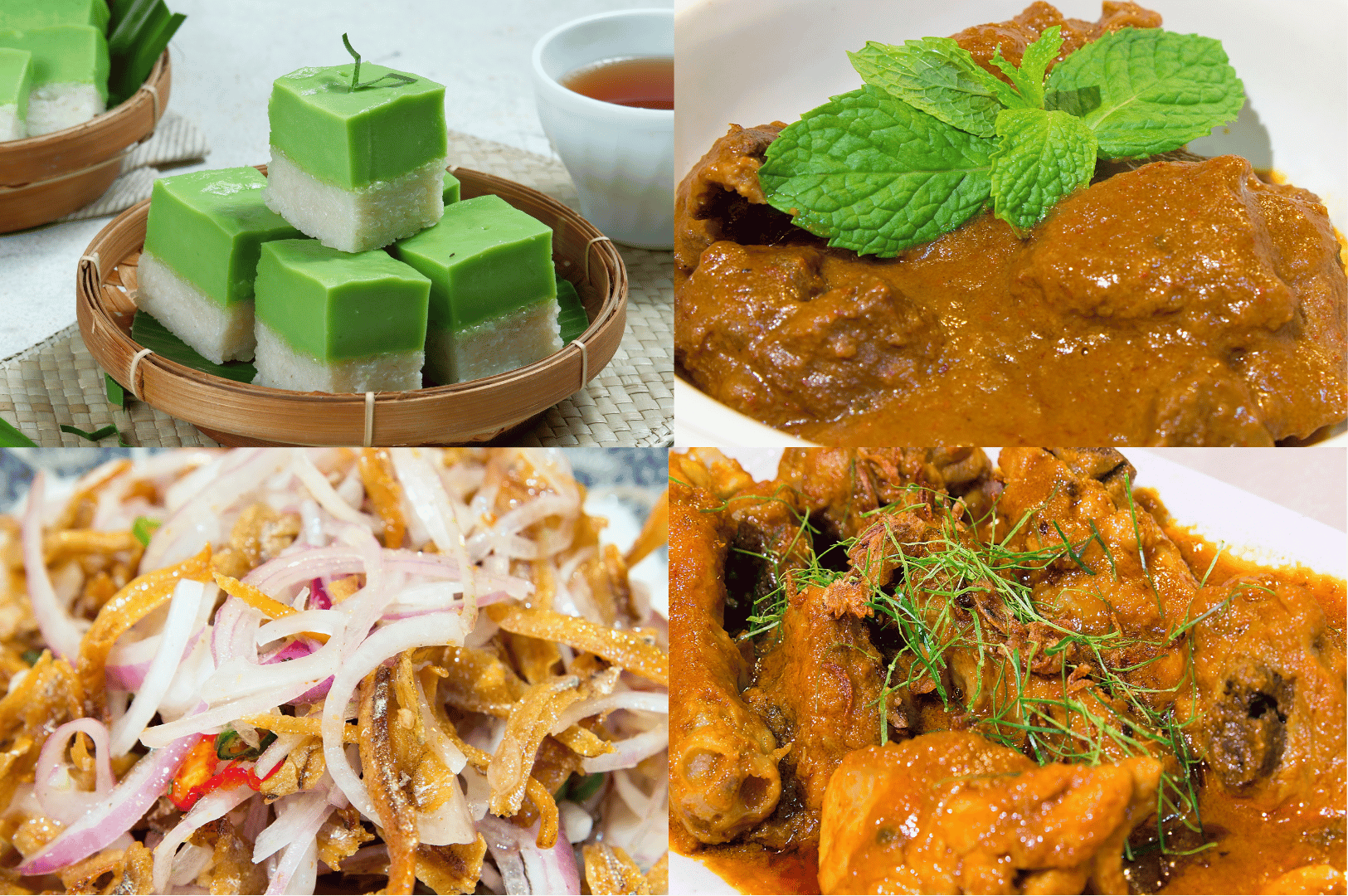
Singapore’s Peranakan cuisine is defined by bold flavors, aromatic spices, and a harmonious blend of Chinese ingredients with Malay cuisine. Here are the must-try Nyonya dishes that showcase the richness of authentic Peranakan food and where you can find them:
1. Laksa: 328 Katong Laksa & Sungei Road Laksa
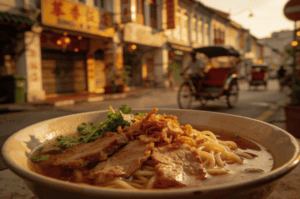
Laksa is a spicy, creamy noodle soup that perfectly embodies the marriage of Chinese noodles and Malay curry spices. Its coconut milk base creates a rich, velvety texture, balanced with the heat of chili and the fragrance of lemongrass and turmeric. Topped with succulent prawns, tender fish cake, and aromatic laksa leaf, this dish is a crowd favourite at both hawker stalls and modern Peranakan restaurants such as the 328 Katong Laksa & Sungei Road Laksa.
328 Katong Laksa is renowned for its rich, coconut milk-based laksa lemak, offering a comforting bowl of spicy noodle soup that perfectly balances creamy and tangy flavors. This iconic spot is a must-visit for lovers of authentic Peranakan cuisine seeking a taste of Singapore’s famed nyonya laksa.
Sungei Road Laksa, a beloved hawker stall, serves a distinctive version of laksa that is celebrated for its robust spice mix and fresh ingredients. Known for its bold, spicy stew-like broth, this venue captures the essence of traditional Chinese Malay fusion cuisine, making it a favorite among locals and tourists alike.
Location: 328 Katong Laksa, Sungei Road Laksa.
2. Popiah: Ann Chin Popiah & Old Airport Road Hawker Centre
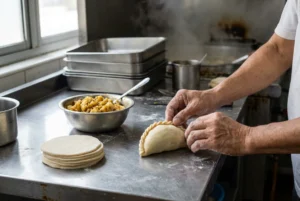
Popiah is a soft wheat crepe (Chinese) wrapped around slow-braised mixed vegetables, shrimp, and sometimes egg, sweetened with a light sweet sauce. Topped with deep-fried shallots and crushed peanuts, each bite is a contrast of textures—soft crepe, tender vegetables, and crunchy toppings. Traditionally prepared as a communal elaborate meal, popiah embodies the interactive, homegrown spirit of Peranakan food.
Both Ann Chin Popiah and Old Airport Road Hawker Centre are renowned spots in Singapore for enjoying fresh, authentic popiah. Ann Chin Popiah is famous for its hand-rolled popiah with a perfect balance of sweet and savory fillings, while Old Airport Road Hawker Centre offers a bustling hawker experience where popiah (and other Nyonya Cooking and Malay cooking such as perut ikan in banana leaves) is a beloved staple among locals and visitors alike.
Location: Ann Chin Popiah, Old Airport Road Hawker Centre.
3. Bak Kut Teh: Song Fa Bak Kut Teh & Founder Bak Kut Teh
A classic example of Chinese-Malay fusion, Bak Kut Teh features pork bones simmered for hours with aromatic spices like star anise, cinnamon, and cloves. Some regional variations incorporate coconut milk for added creaminess. Served with steamed rice and fried dough sticks, this hearty dish is perfect for those seeking comfort food with a Peranakan heritage twist.
Song Fa Bak Kut Teh is a well-established chain in Singapore known for its rich, herbal pork rib soup that combines traditional Chinese medicinal herbs to create a comforting and flavorful broth. Founder Bak Kut Teh offers a similar authentic experience with a focus on slow-simmered pork ribs and a robust blend of spices, making it a favorite among locals seeking classic Peranakan heritage dishes.
Location: Song Fa Bak Kut Teh, Founder Bak Kut Teh.
4. Nyonya Kueh: Bengawan Solo
Nyonya kueh are bite-sized, colorful desserts that highlight the artistry of Peranakan cuisine. Made with gula melaka, coconut cream, and pandan leaves, these sweets combine rich flavors with stunning visual appeal. Popular varieties include Ondeh-Ondeh (molten palm sugar balls), Kueh Lapis (rainbow-layered steamed pudding), and Kueh Dadar (pandan crepe rolls). These treats are often enjoyed during festive occasions, birthdays (birthday noodles), and family gatherings.
Bengawan Solo is a well-known bakery chain in Singapore famous for its wide variety of traditional Nyonya kueh, offering colorful, bite-sized treats made with authentic ingredients like gula melaka and pandan leaves. Their beautifully crafted kueh are popular for festive occasions and everyday indulgence, showcasing the artistry of Peranakan desserts.
Location: Bengawan Solo
5. Ayam Buah Keluak: Blue Ginger, Candlenut, & Simply Peranakan Cuisine
Ayam Buah Keluak is a signature chicken curry of Nyonya cuisine, infused with the earthy, nutty flavor of the buah keluak nut. Slow-cooked in coconut milk, tamarind, and spices, this dish delivers a complex, layered taste. Traditionally served with rice, it’s a must-try for anyone wanting to experience the depth and richness of authentic Peranakan
food.
- Blue Ginger: A well-established restaurant known for its hearty and authentic Peranakan food, Blue Ginger offers a rich and flavorful Ayam Buah Keluak that highlights traditional cooking techniques and ingredients, making it a favorite among locals and visitors seeking classic Nyonya dishes.
- Candlenut: Singapore's first Michelin-starred Peranakan restaurant, Candlenut elevates Ayam Buah Keluak with refined presentation and premium ingredients, blending traditional flavors with modern culinary innovation under the guidance of Chef Malcolm Lee.
- Simply Peranakan Cuisine: Renowned for its simple yet authentic approach, Simply Peranakan Cuisine serves a comforting Ayam Buah Keluak that stays true to the classic recipe, delivering rich, earthy flavors in a cozy and welcoming setting.
Location: Blue Ginger, Candlenut, Simply Peranakan Cuisine.
Key Ingredients and Techniques in Peranakan Food
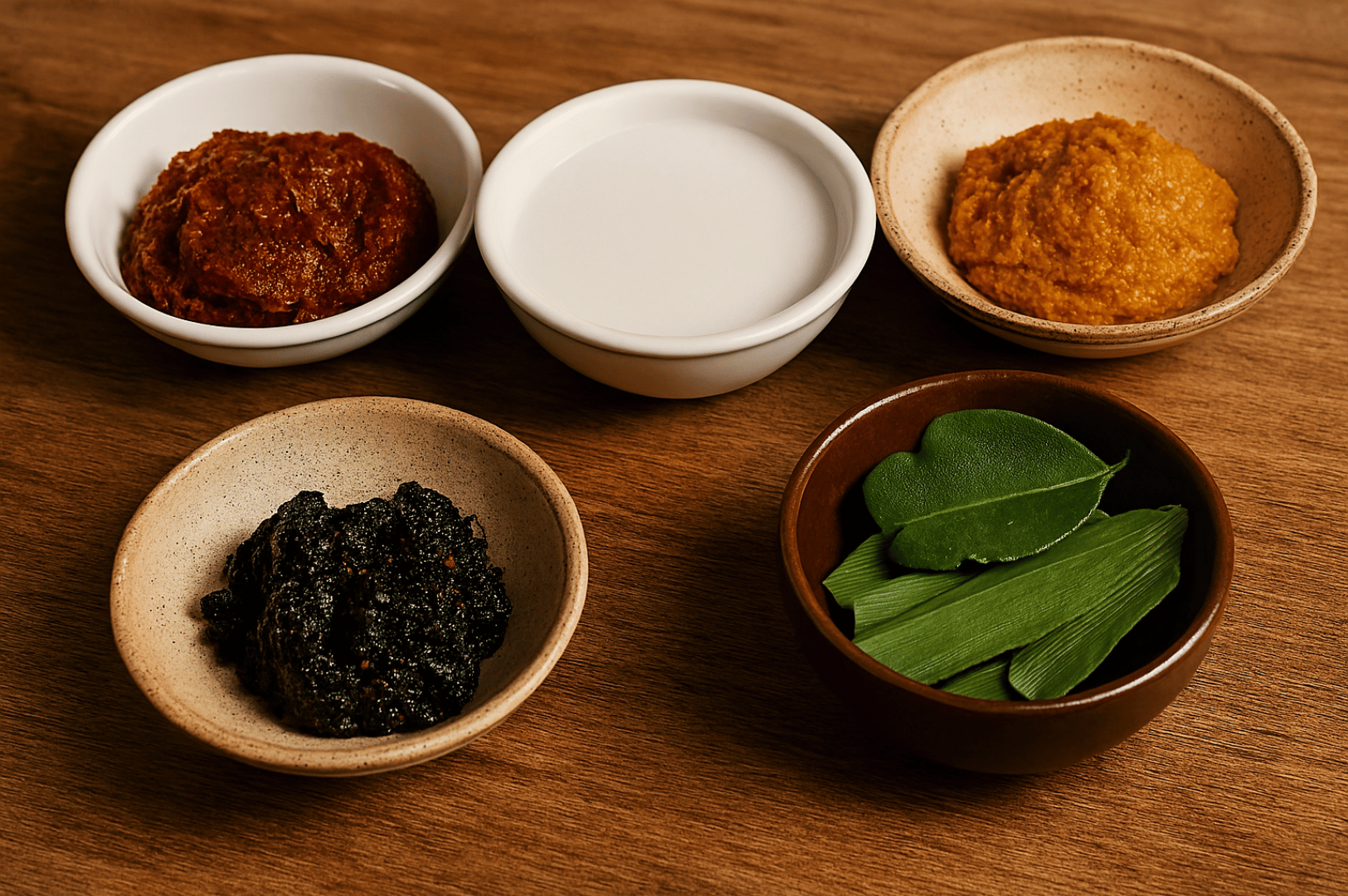
The magic of Peranakan cuisine lies in its fresh ingredients, complex spices, and careful techniques:
- Sambal Belachan: Fermented chili paste for spice and umami.
- Coconut Milk & Coconut Cream: Create richness in soups, curries, and stews.
- Rempah: Hand-pounded spice pastes with turmeric, galangal, lemongrass, and chilies.
- Wok Hei: Smoky aroma from high-heat stir-frying.
- Kaffir Lime Leaves & Pandan Leaves: Signature Peranakan herbs for fragrance.
To truly appreciate Peranakan food, one must learn to cook using these traditional ingredients and methods—many chefs spend years perfecting their craft.
Peranakan Food in Joo Chiat: A Neighborhood’s Culinary Legacy
Nestled in the heart of Singapore’s east, Joo Chiat stands as a living tribute to the enduring spirit of Peranakan culture. This vibrant neighborhood is renowned for its colorful shophouses and, more importantly, its thriving Peranakan food scene. Here, the aroma of coconut milk, galangal, and kaffir lime leaves drifts from kitchens where time-honored recipes are lovingly prepared.
Joo Chiat’s Peranakan restaurants are celebrated for their dedication to authentic Peranakan cuisine. Whether you’re savoring a hearty bowl of nonya chap chye, indulging in the earthy richness of ayam buah keluak, or enjoying the tender, spice-laden beef rendang, each dish tells a story of cultural fusion. The cooking here is a harmonious blend of Chinese and Malay influences, with every bite revealing layers of tradition and innovation.
From family-run eateries to well-known establishments, Joo Chiat offers a diverse array of Peranakan food experiences. The use of fresh coconut, aromatic herbs, and signature ingredients like buah keluak ensures that every meal is both comforting and unforgettable. For anyone seeking the true taste of Singapore’s Peranakan heritage, a culinary journey through Joo Chiat is simply essential.
Halal Peranakan Options: Tradition Meets Inclusivity
Singapore’s food scene is ever-evolving, and the rise of halal Peranakan cuisine is a testament to the city’s spirit of inclusivity. Today, more Peranakan restaurants are embracing halal-certified ingredients and cooking methods, making it possible for everyone to enjoy the bold, spicy flavors of traditional Peranakan food.
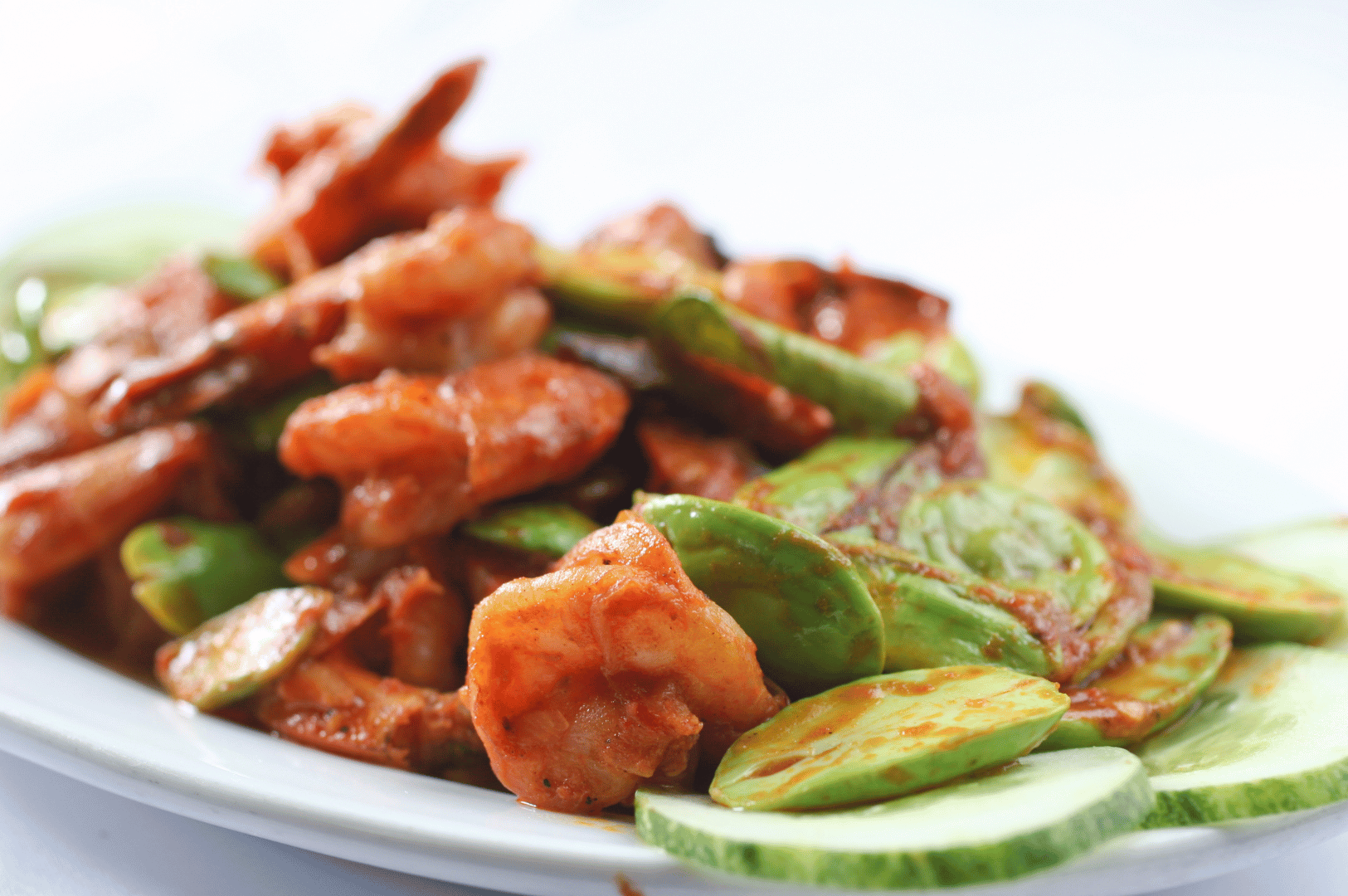
Halal Peranakan establishments like Old Bibik’s Peranakan Kitchen and Nyonyas & Gentlemen are redefining what it means to serve authentic Peranakan cuisine. Their menus feature crowd-pleasers such as spicy assam prawns, aromatic chap chye, and the luxurious wagyu beef rendang—all prepared in accordance with halal standards. These dishes retain the signature depth and complexity of Peranakan cooking, with rich coconut milk, vibrant spices, and a perfect balance of sweet, sour, and savory notes.
By honoring tradition while embracing diversity, halal Peranakan restaurants are opening up this beloved cuisine to a wider audience. Whether you’re craving a classic beef rendang or eager to try innovative new dishes, Singapore’s halal Peranakan food scene promises a delicious and inclusive dining experience for all.
Culinary Hotspots: The Best Peranakan Restaurants in Singapore
Singapore’s Peranakan restaurants range from hawker staples to Michelin-starred fine dining:
- Simply Peranakan Cuisine (Orchard): Known for wagyu beef rendang, ayam buah keluak, and nonya chap chye.
- Bonding Kitchen (Parkway Parade): Chef Danny brings authentic Peranakan food to life with mee siam, assam prawns, and beef rendang.
- Candlenut: Michelin starred Peranakan restaurant, famous for innovative Nyonya dishes.
- Peranakan Inn: One of the restaurants of the House of Peranakan. It offers cooking classes, teaching traditional recipes and elaborate meals with coconut cream, mixed vegetables, and chicken curry.
- Hawker Stalls: For assam pedas, laksa, and nonya kueh—every bite a taste of Peranakan heritage.
These establishments are renowned for serving some of the best Peranakan food in Singapore, attracting both locals and visitors seeking exceptional and authentic cuisine.
Modern Twists: Chefs Redefining Peranakan Cuisine
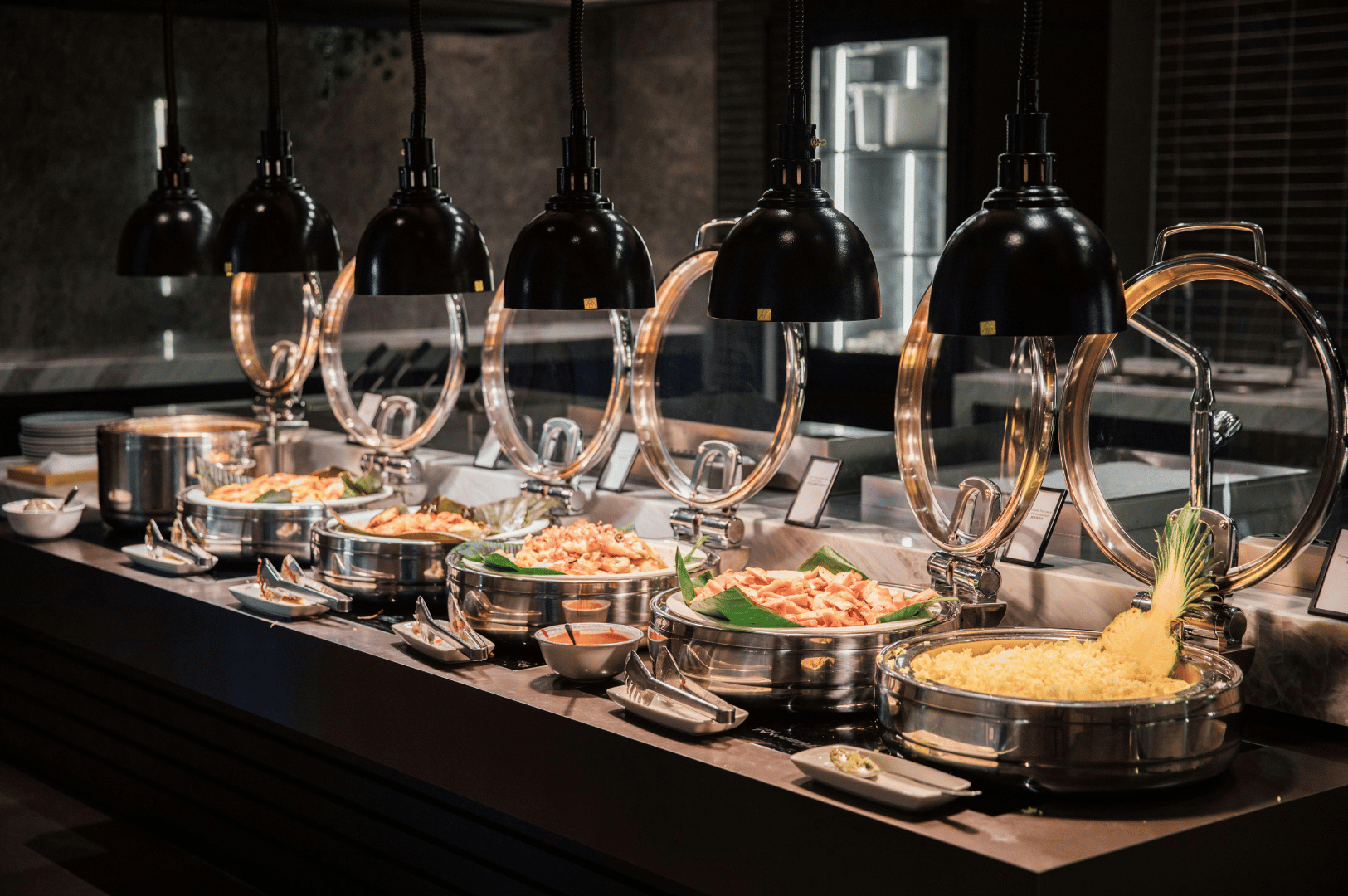
Today’s modern Peranakan restaurants blend tradition with innovation:
- Candlenut (Chef Malcolm Lee): Luxury takes on wagyu beef rendang and buah keluak ice cream.
- Labyrinth (Chef LG Han): Creative nyonya dishes, including lobster laksa with micro-herbs.
- Po Restaurant & Violet Oon Singapore: Elegant presentations of authentic Peranakan food.
Singapore’s Culinary Harmony: More Than Just Food
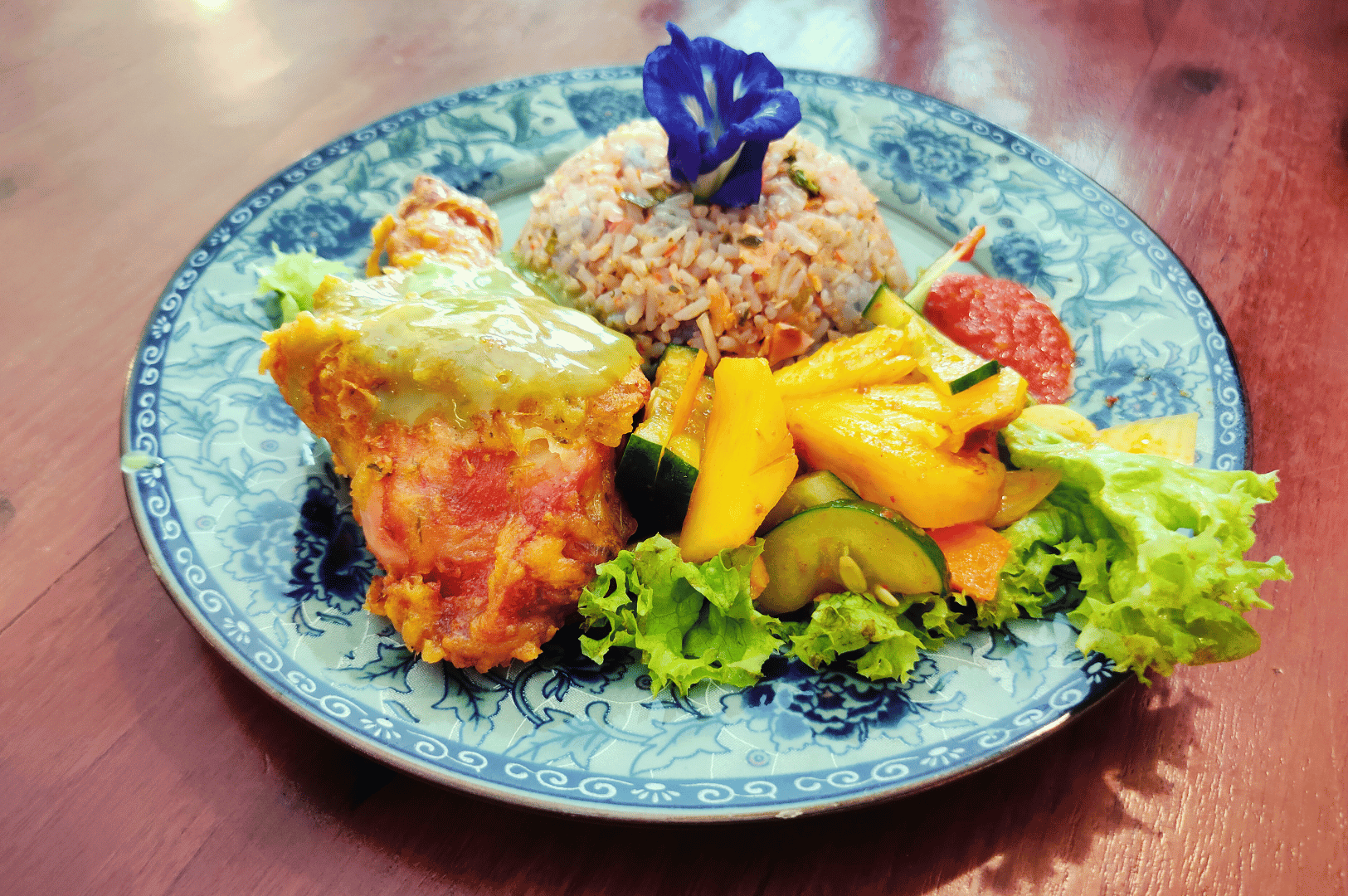
Peranakan cuisine is a celebration of cultural fusion, from everyday dinner to elaborate meals. From hawker stalls to Michelin starred Peranakan restaurants, every bite of Nyonya food tells the story of Singapore’s Peranakan heritage, where Chinese ingredients, Malay spices, and coconut milk come together in perfect harmony.
Whether you’re savoring ayam buah keluak, rolling your own popiah, or enjoying mee siam, each dish is a taste of history, tradition, and innovation—a flavorful reminder that in Singapore, fusion is not just celebrated, it’s a way of life.
For more local flavors, explore the essence of satay in Singapore’s hawker culture, or take a visual journey along the spice route of Little India through food photography.

The First Hawker Stall That Changed Everything
March 18, 2026
It was a rainy Tuesday afternoon about seven years ago, and I was just a guy with a camera looking for shelter. I ducked into an old, dimly lit hawker center in Toa Payoh to…

The Best Singapore Breakfast Spots: Lighting, Angles & Visual Stories for Singapore Foodies
March 16, 2026
After years of chasing the perfect breakfast shot all over Singapore, I’ve noticed some venues aren’t just great for eating. They’re inspiring playgrounds for food photography, beloved by both locals and Singapore foodies alike. Whether…
-
From Empire to Plate: Process-Focused Colonial Photography SG Series
March 13, 2026
The story of Singapore cuisine is impossible to tell without acknowledging its colonial past. As a strategic port for the British Empire, Singapore became a magnet for a diverse range of people and products. From…
-
Translating Taste into Frames: Why I Capture Food
March 11, 2026
I fell in love with street food photography in Singapore, somewhere between the steam of a hawker stall and the click of my shutter. It wasn’t planned. I was hungry, wandering, half-lost, when a bowl of laksa stopped me cold. The broth glowed…
-
Maximizing Colonial Heritage: Efficient SG Photography Routes
March 9, 2026
The morning light hits the peeling plaster of a shophouse five-foot way differently than it hits a glass skyscraper. It is softer, more textured, and it seems to carry the weight of history. For a…
-
Period Restaurant Lighting in Photo Shoot in Singapore Locations
March 6, 2026
The air in a heritage Hainanese coffeeshop is thick with more than just the aroma of kaya toast and freshly brewed kopi. It is thick with a particular quality of light. A mix of harsh,…
-
Imperial Diversity Through Photo Shoot Singapore Projects
March 2, 2026
When I set up my tripod in a bustling kopitiam or a quiet heritage restaurant, I am constantly reminded that I am not just photographing a meal. I am photographing a map. Every photo shoot…
-
Historic Flavors Shoot Singapore: Post-Processing for Period Authenticity
February 27, 2026
When I look through the viewfinder at a plate of heritage kueh or a steaming bowl of rickshaw noodles, I am not just capturing food; I am framing a memory. The challenge for any documentary…
-
Colonial Cuisine Photoshoot: Styling Singapore’s Historic Flavors
February 23, 2026
When I first embarked on a photoshoot focusing on Singapore’s colonial cuisine, I didn’t realize how deeply food could connect us to history. It wasn’t just about snapping pictures of dishes; it was about capturing…
-
Coal, Fire, and Memory: A Singapore Food Blogger Revisits Tanjong Pagar’s Industrial Kitchens
February 20, 2026
It had been a while since I set a day to wander through the back lanes of Tanjong Pagar. When I decided to come back to the place left me star-struck, not by the polished…