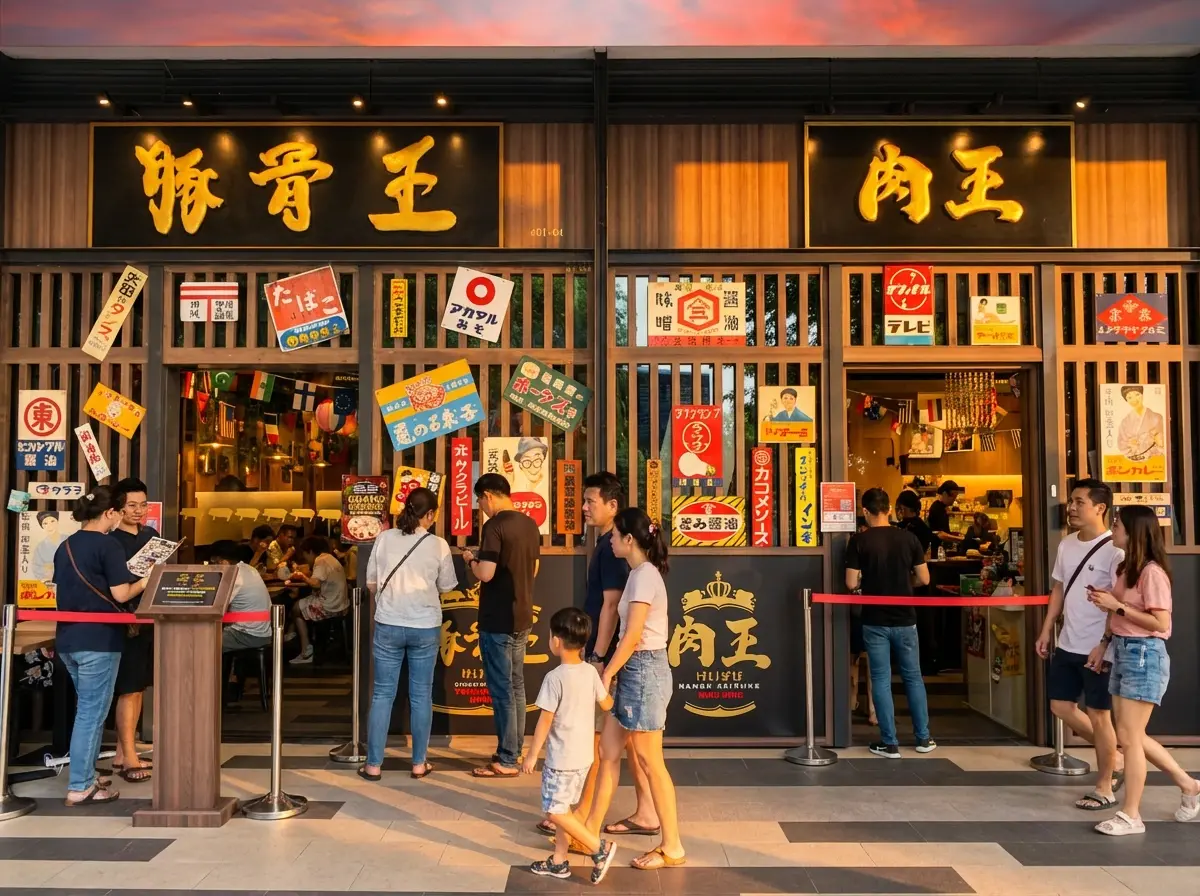
I was standing outside Ramen Keisuke on a humid Tuesday evening, camera resting against my hip. The queue stretched past three adjacent storefronts, a quiet line of office workers, students, and couples waiting patiently for a seat at the cramped counter. Through the fogged-up glass, I watched the chefs moving in a synchronized rhythm, shaking water from noodles and ladling rich, opaque broth into heavy ceramic bowls.
As I adjusted my lens to capture the steam rising against the warm glow of the shop’s paper lanterns, I realized just how deeply Japanese food in Singapore has been embedded itself into our daily rhythm. There was a time when eating Japanese cuisine was a rare, formal occasion. Today, you can find a bowl of donburi in almost any neighborhood food court.
The Origins and Evolution of Japanese Cuisine in Singapore
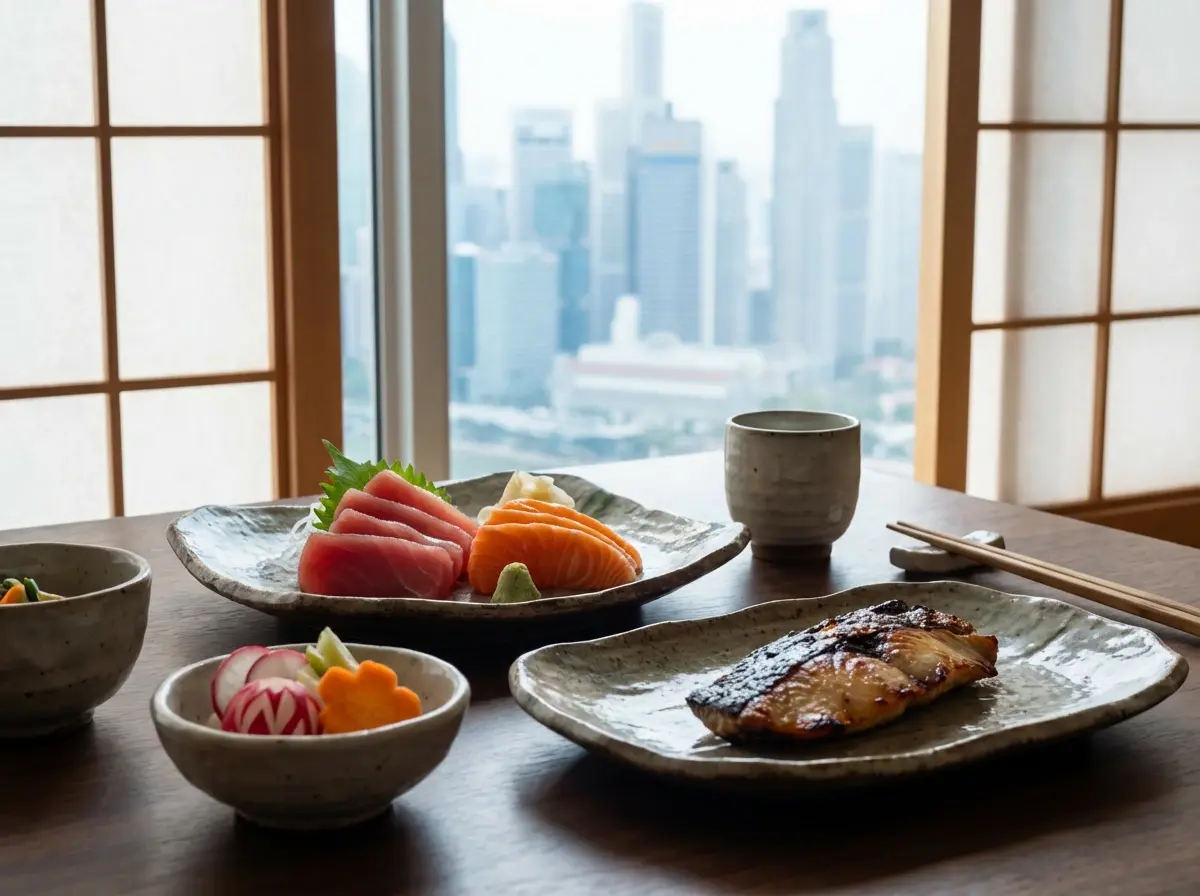
Walking through Singapore’s dining landscape today, it is easy to forget how we got here. The evolution happened in distinct, quiet shifts influenced by the rich history of Japanese cuisine and culture.
The Second World War
In addition to its rich historical evolution, Japanese flavors’ influence notably extended during the Second World War. This period brought significant challenges and changes to Japanese cuisine both in Japan and abroad. Food shortages and rationing led to adaptations in traditional recipes, emphasizing simplicity, resourcefulness, and the use of available ingredients. Moreover, the global conflict facilitated cultural exchanges that introduced Japanese culinary elements to new regions, planting the seeds for the post-war international appreciation of Japanese cuisine.
These developments were part of a larger historical context involving trade, cultural exchange, and evolving Japanese society, setting the stage for the rich history and diversity of Japanese cuisine that continues to expand worldwide.
The Grand Outlook on Japanese Cuisine
In the 1980s and 1990s, Japanese cuisine in Singapore was largely confined to luxury hotel dining, with establishments like Keyaki and Inagiku epitomizing an exclusive world of highly formal, meticulously plated kaiseki meals. For many growing up during this era, sushi remained a rare delicacy, seen mostly in magazines or on television rather than on everyday dining tables. This period reflected the exclusivity and refinement of Japanese culture and cuisine, accessible only to a privileged few.
However, this landscape began to shift as Japanese food slowly expanded beyond these elite circles, laying the groundwork for the rich diversity and accessibility that defines Japanese food Singapore today.
This evolution parallels significant historical influences, including the Nara period’s early cultural exchanges and the transformative Meiji Restoration, which opened Japan to Western influences and modernized its culinary practices. These historical milestones helped shape the Japanese diet and its global spread, setting the stage for the widespread popularity of Japanese cuisine in places like Singapore.
The Shift for Everyone to Enjoy Japanese Flavors
The early 2000s changed everything with the chain expansion. I remember the novelty of sitting at Sakae Sushi, watching brightly colored plates glide past on a conveyor belt. It felt democratic. Suddenly, families could share a platter of California rolls on a weekend without breaking the bank. Alongside them, Ajisen Ramen introduced us to the concept of Japanese noodles beyond instant packets.
Then came the 2010s, a decade marked by specialization. Diners grew more discerning. We stopped looking for restaurants that sold everything and started looking for masters of one thing. Tonkatsu specialists set up shop, focusing entirely on the perfect breadcrumb crust. Brands like Ippudo and Ramen Keisuke taught us to appreciate the nuanced differences in regional ramen broths.
The Contemporary Japanese Dining Scene
Presently, we exist in a fascinating dual ecosystem. On one end, we have the highly revered omakase counters like Shinji by Kanesaka, offering $300+ seasonal menus flown in directly from Toyosu Market in Japan. On the other end, hawker-style Japanese food in Singapore stalls serve satisfying chicken katsu curry for a fraction of the price.
For more comforting Japanese cuisine in Singapore, be sure to also check out our guide to the Best Japanese Curry Singaporehas to offer.
The Japanese Diet: What Most People Get Wrong About Its Food Here
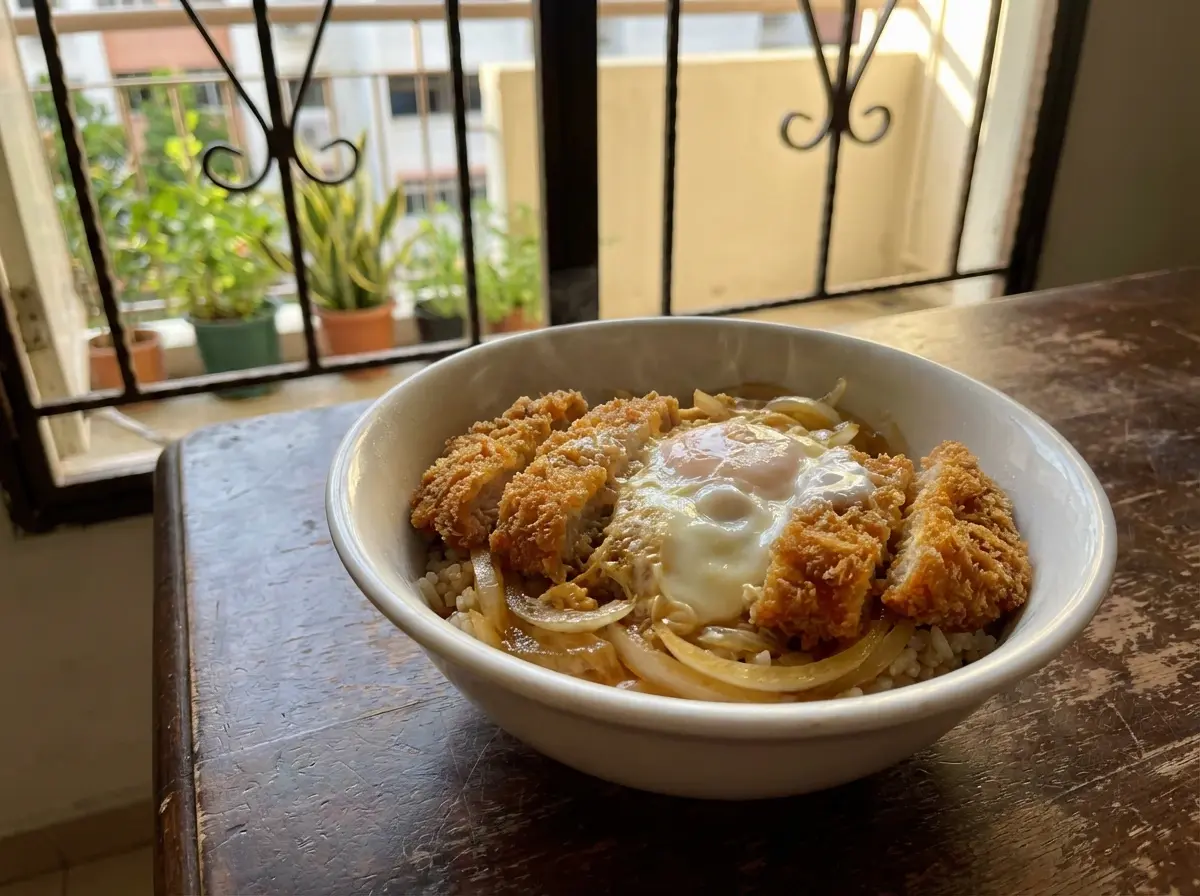
I have noticed a persistent misconception among diners here: the belief that localized Japanese cuisine is somehow inferior or “fake.”
When you see a stall selling mentaiko pasta or blow-torched cheese on sushi, it is easy for purists to scoff. But through my lens, I see adaptation. Heavy localization, like the booming donburi culture tailored to our love for rice bowls, is not a dilution of the cuisine. It is a reflection of Singapore’s context and how its culture and diet have evolved in this country. We have a palate that leans toward bold, savory, and rich flavors.
Another misconception is that you must spend a fortune to eat well. While premium ingredients command premium prices, a $10 bowl of beef rice in a bustling food court carries its own kind of honest, quiet dignity. Quality is not always tied to a heavy price tag; it is tied to the care the cook puts into the process.
How Japanese Cuisine Spread and Evolved in Singapore: A Step-by-Step Guide
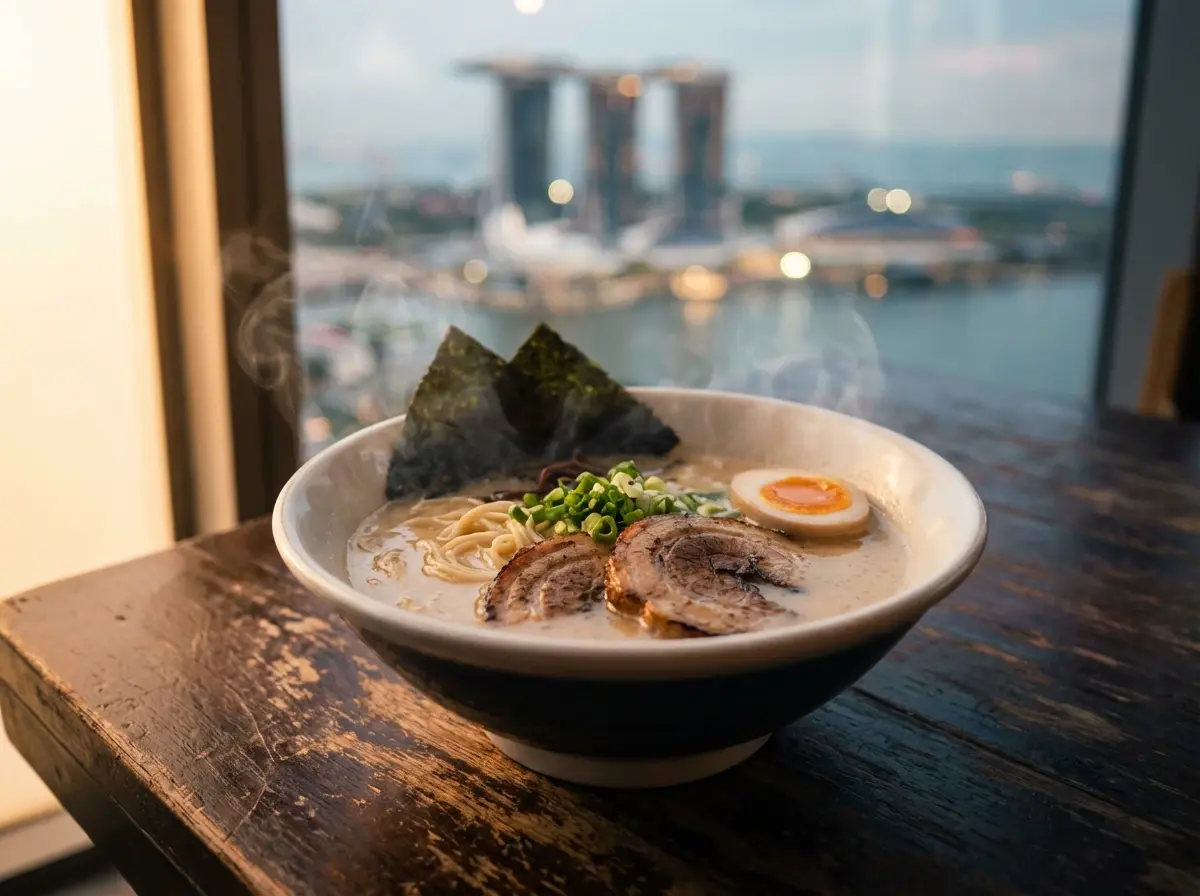
If you feel overwhelmed by the sheer volume of choices, I have found that breaking the process down helps set the right expectations.
Step 1: Choosing your budget
Understand the tiers of our dining scene. You can expect to spend $6–12 for a comforting plate at a food court or hawker stall. Casual dining spots in malls will range from $15–30. Mid-tier restaurants with better sourcing sit around $40–80. If you are celebrating a milestone, an omakase experience will run anywhere from $80 to well over $500.
Step 2: Choosing the right experience
Decide what kind of environment you want. If I want a quick, solitary meal, I look for a ramen counter. If I am catching up with a friend, an izakaya with a slightly louder atmosphere works best. Match the venue to your mood.
Step 3: Spotting quality
I always tell people to look for specialists over generalists. A restaurant dedicating its entire operation to tempura will almost always outperform a massive menu offering sushi, noodles, grilled meats, and hotpots. Look for small indicators of care: sushi rice should be served at body temperature, not fridge-cold. A good ramen broth should have depth and leave a slightly sticky finish on your lips, rather than just tasting of salt.
Step 4: Ordering with confidence
When I sit down at a new place, I avoid the instinct to over-order. Find the signature dish, the one the chef built their reputation on, and start there.
The Heian Period and Its Mark on Japanese Cuisine
Understanding the Heian period is essential to appreciating the origins of Japanese cuisine. This period, spanning from 794 to 1185, was marked by significant cultural exchange with China, which introduced new cooking techniques, ingredients, and the use of chopsticks, replacing hands and spoons.
During the Heian period, the Japanese diet began to be shaped by Buddhism, which introduced prohibitions on meat consumption, emphasizing vegetables, rice, and seafood. Tea drinking was introduced and became popular among the nobility, marking the beginning of a cuisine deeply connected to seasonality and presentation.
This period also established many of the dining customs and table settings that was influenced by the Japanese, including the use of lacquered tables and individual serving bowls.
Japanese Food Singapore Offers Today: Diversity, Influences, and Evolving Flavors
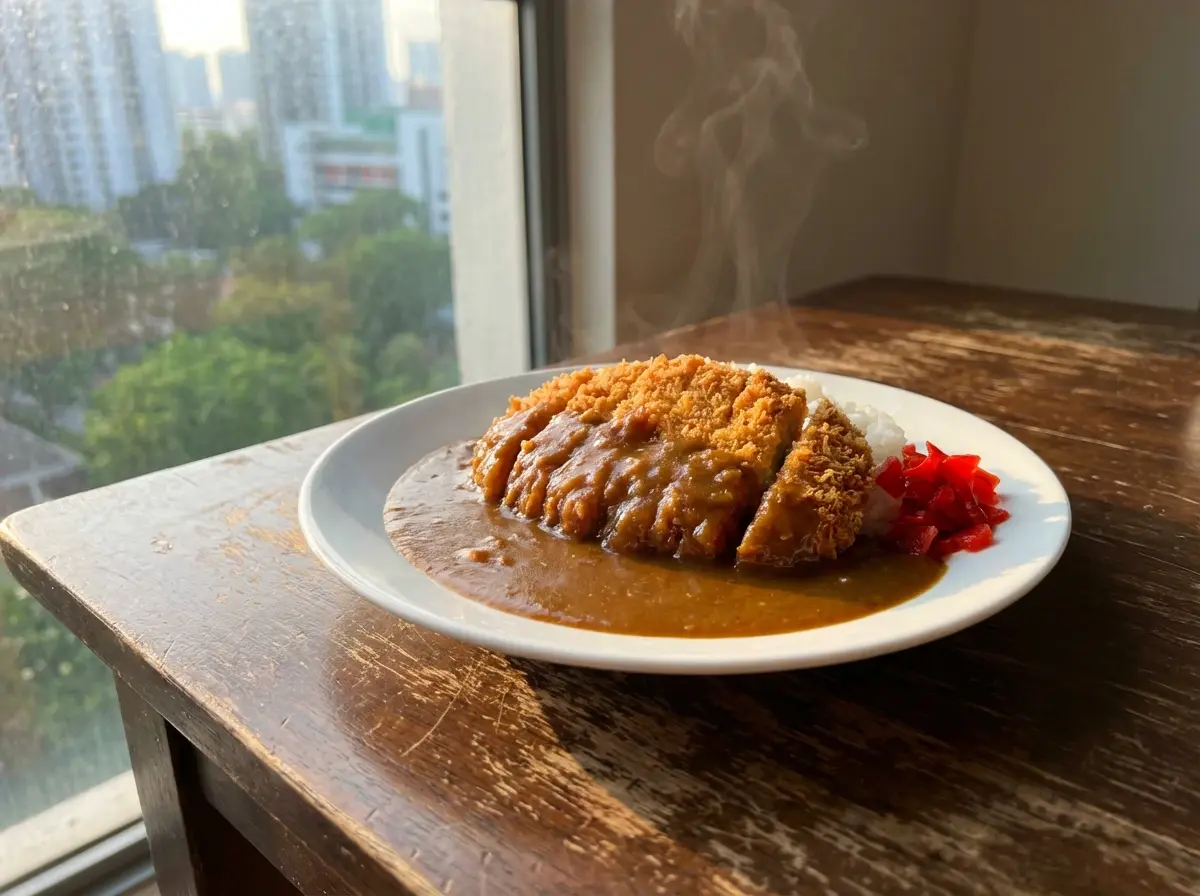
Today, Japanese cuisine in Singapore reflects a rich tapestry of influences and diversity. The cuisine has adapted to local tastes while maintaining its roots in traditional culture and diet. Ingredients such as salmon, pork, beef, and a variety of vegetables are prepared with seasonings and oils that highlight umami flavors.
The popularity of dishes like sushi, sashimi, ramen, curry, and donburi has expanded, influenced by historical trade, post-war developments, and the arrival of European ingredients like sugar, wheat, and spices. This evolving menu showcases the blend of imitation and creation, honoring the origins of Japanese cuisine while embracing new influences.
Whether enjoying a bowl of noodles in a hawker center or a meticulously crafted omakase dinner featuring seasonal seafood flown in from Japan, diners in Singapore are part of a continuing story that enriches Japanese customs and culture far beyond its origins.
The Mark of Japanese Culture in Our Lion City
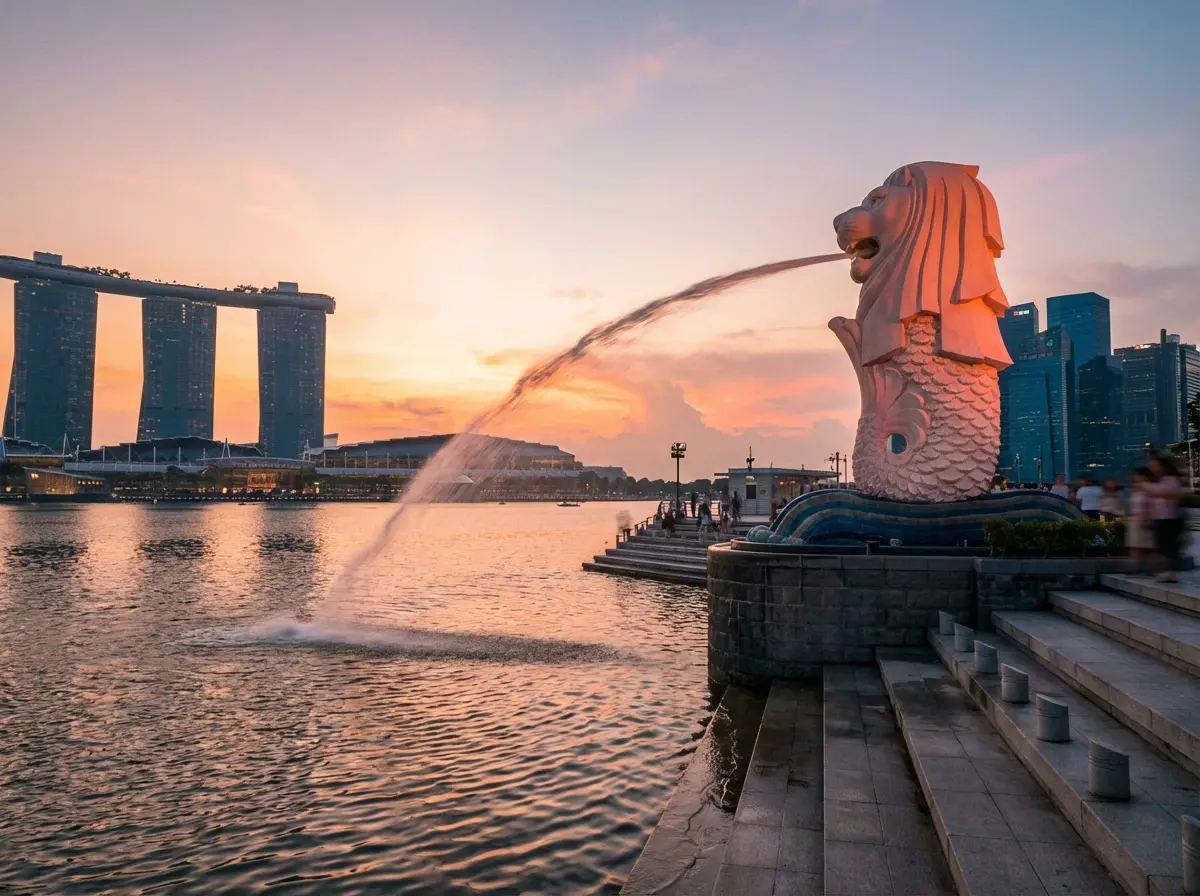
Every time I pack up my camera after a shoot in a Japanese food restaurant, I am struck by the quiet dedication I just witnessed. Whether it is a hawker meticulously frying a piece of chicken or a master sushi chef slicing seasonal tuna, the underlying philosophy remains the same: a deep respect for the process.
Japanese food in Singapore is layered, constantly evolving, and deeply personal to those of us who grew up alongside it. It has grown from an exclusive luxury into a comforting staple of our city’s diverse food landscape. The next time you find yourself sitting at a wooden counter or a plastic food court table, waiting for your donburi or ramen, take a moment to look around. Notice the steam, the focus of the cooks, and the hum of the dining room. There is a rich, ongoing story happening right in front of you, one bowl at a time.

Dawn Awakening: Morning Market Food Blog
February 9, 2026
The city is still dreaming when the first fires are lit. It is 4:30 AM, an hour that belongs to the insomniacs and the dedicated artisans of our food culture. While the skyscrapers of the…
-
The Last Hour: Closing Time Through the Eyes of A Food Blogger
February 6, 2026
The roar of the hawker center fades as the clanking woks and sizzling grills soften to a murmur. Most plastic tables are empty, wiped clean, awaiting a new day. This last hour is a sacred,…
-
Food Blogs as Cultural Archives: Photographing Religious Culinary Traditions
February 2, 2026
We often think of food photography as a way to stimulate appetite or showcase a chef’s creation. However, in multicultural Singapore, it captures much more: history, faith, and identity. Food blogs have evolved from recipe…
-
Composition’s Sweet Spot: A Guide in Framing Desire for Food Bloggers in Singapore
January 30, 2026
You have found the perfect bowl of bak chor mee. The noodles glisten, the minced pork is perfectly seasoned, and the chili sauce adds a vibrant splash of red. You snap a quick picture, but…
-
Laksa’s Velvet Embrace Welcomes the Best Foodies
January 26, 2026
There are dishes you simply eat, and then there are dishes you truly experience. For me, laksa falls firmly into the latter category. It’s an intoxicating, full-body immersion into a world of flavor that demands…
-
Tiong Bahru: The Slow Seduction of Food in Photography
January 23, 2026
Some neighborhoods shout for your attention. They are a riot of sound, color, and frantic energy. Tiong Bahru is not one of them. This corner of Singapore operates on a different frequency, a slower and…
-
Chili Crab Confidential: Producing Perfect Pics of Food
January 19, 2026
It arrives like royalty, carried to the table with a sense of occasion. A colossal crab, bathed in a thick, shimmering sauce the color of a fiery sunset. The air around it is fragrant with…
-
The Art of the Tease: Captured in Food Photography
January 16, 2026
In the world of food photography, there is a powerful and often overlooked technique, a subtle language of visual seduction. It is the art of the tease. It is the practice of not showing everything,…
-
Geylang’s Secret Appetites: A Guide for Every SG Foodie
January 12, 2026
There is a side of Singapore that hums with a different energy, one I discovered on my many late-night wanderings. It’s a place where the polished gleam of the city fades away, giving way to…
-
The Peranakan Seduction: A Food Photography Photographer’s Insight
January 11, 2026
There are some cuisines that you photograph, and there are some that you court. Peranakan food falls firmly into the latter category. It is a seduction of the senses, a rich tapestry of history, flavor,…