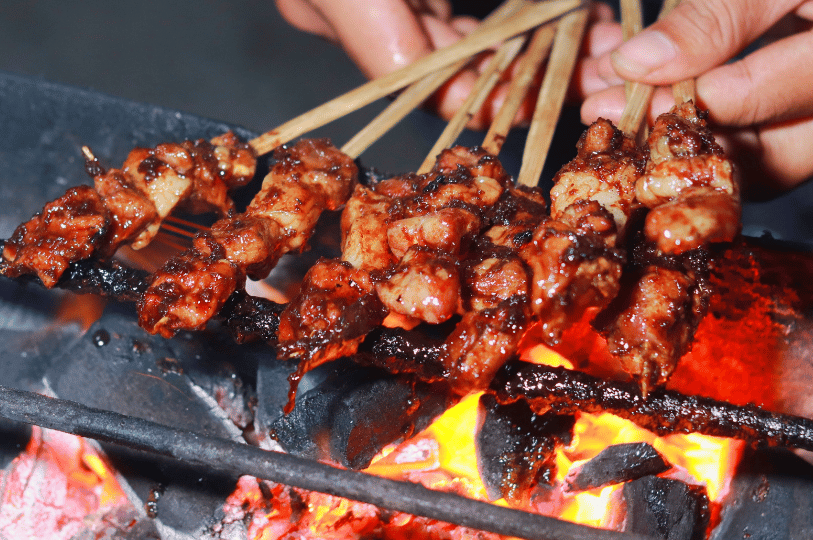
Sparks dance into the twilight sky, illuminating a face etched with concentration. The air fills with the scent of charred meat, caramelized marinade, and burning charcoal. Rows of bamboo skewers are turned rhythmically over glowing embers, the gentle sizzle promising a succulent feast. This primal theater of satay is a gift for food photography; a raw performance where fire and flesh meet, telling a story of tradition, craft, and flavor. In Singapore's vibrant street food scene, capturing satay means documenting a cultural ritual and sensory experience as compelling to photograph as to taste.
The Primal Appeal of Fire and Flesh
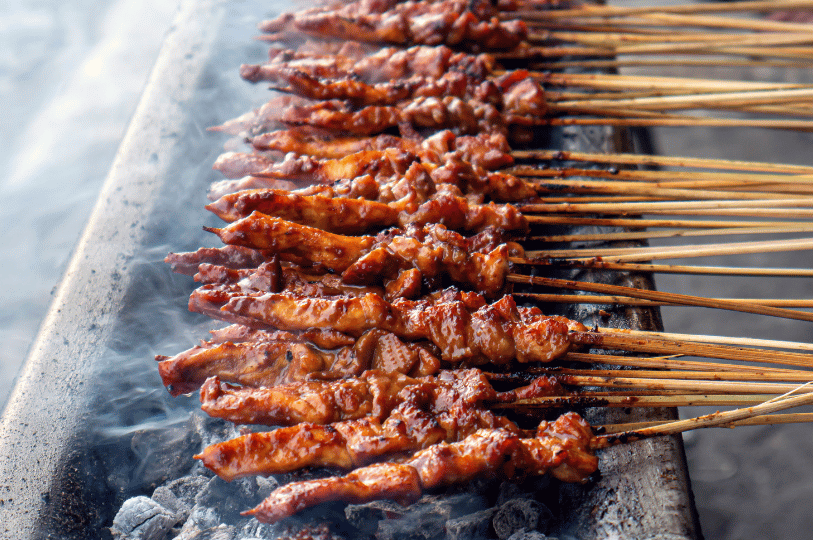
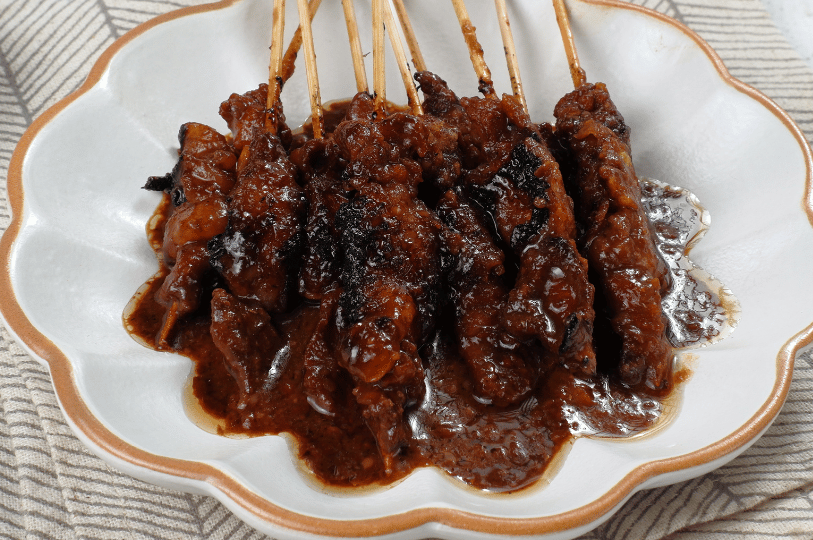
There is something deeply elemental about satay. It distills cooking to its basics: meat, fire, and smoke. This simplicity makes it visually compelling for food photography, offering rich textures, colors, and dynamic action. The glistening marinade ingredients catch the light, charred edges contrast tender grilled meat, and the vibrant yellow turmeric powder stains are unmistakable.
The challenge is to translate the sensory experience into a still image. The aromatic smoke curling around the bamboo skewers is not just a byproduct but a key flavor ingredient. Your task is to make that smoke visible, giving it texture and presence. Capture the sizzling sound as fat drips onto hot coals, the orange glow of embers, and the glistening surface of the slightly spicy peanut sauce or peanut gravy. Playing with shadow and light, using the fire as both subject and light source, creates a scene that feels dangerous and delicious.
Satay, a popular Southeast Asian dish, is often associated with street vendors grilling skewered meats over an open flame. The satay sticks, typically soaked bamboo skewers, hold various meats such as chicken satays, pork satay, beef satay, mutton satay, and even beef tripe. The marinade ingredients often include lemongrass, turmeric, coriander, and coconut oil, which impart a smoky aroma and subtle sweetness to the grilled skewered meats.
Capturing the glistening chicken skin on chicken skewers or the caramelized glaze on pork satay adds to the appeal. The satay sauce, often a rich peanut sauce made from roasted peanuts and coconut milk, complements the dish perfectly. Whether pan frying, air frying, or grilling over charcoal, the visual and sensory elements of satay make it an ideal subject for food photography focused on the vibrant street food culture of Southeast Asia.
Singapore Satay: A Cultural and Visual Feast
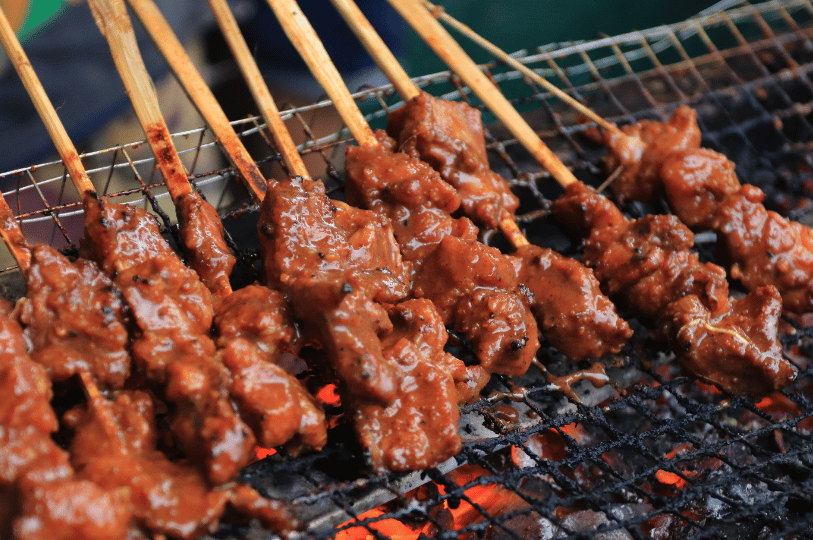
While grilled skewers are found across Southeast Asia, Singapore satay has its own unique character and a deep-rooted place in the nation’s hawker culture. Believed to have originated from Javanese immigrants, the craft of making satay was perfected on the streets and in the bustling hawker centers or food centres that define the city’s culinary landscape. In Singapore, you will find several variations, from the classic satay ayam (chicken satay), beef, and mutton satay to pork versions influenced by the Chinese community. Each comes with its own specific marinade featuring subtle hints of spices and is served with the requisite trifecta of chunky peanut sauce, sliced cucumbers, raw onions, and often accompanied by rice cakes or ketupat.
Best Satay in Food Centres: Lau Pa Sat and More
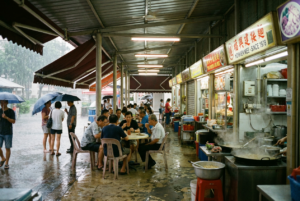
Hawker centers like Lau Pa Sat, with its famous "Satay Street" on Boon Tat Street that comes alive each night, or East Coast Lagoon Food Village, are incredible locations for street food photography and capturing the vibrant atmosphere of popular street food. They are theaters of culinary action, offering a visual feast of different satay stalls, each with its own master fanning the flames over the charcoal grill. The communal aspect of eating satay is also a key part of its story. It is a dish meant for sharing, with friends and family gathering around a table piled high with well-grilled satay sticks. Capturing this communal joy adds another narrative layer to your satay images, elevating them from simple food portraits to cultural documents.
Among the notable satay stalls, Yong Seng Satay and Chai Ho Satay are famous for their balanced flavours and traditional recipes, while some vendors incorporate pineapple puree into their peanut sauce for a tangy twist. Many home cooks use a food processor to blend marinade ingredients such as lemongrass stalks, turmeric powder, coriander, and coconut oil, ensuring the satay is infused with rich, smoky aroma and subtle sweetness. Satay goreng, a stir-fried variation of satay without skewers, is also popular in local home cooking.
Whether you prefer to pan fry, air fry, or grill your satay, the key is in the marinade and the technique, which together create the best satay experience. Minimum order quantities are common at popular stalls, reflecting the demand for this beloved dish. Incorporating fried rice or rice cakes on the side completes the meal, making satay not only a feast for the eyes but also a satisfying culinary delight.
Photographing the Satay-Making Process
The art of food photography truly shines when you move beyond the final plate and capture the process. The making of satay is a story of craftsmanship.
The Artisan's Hands
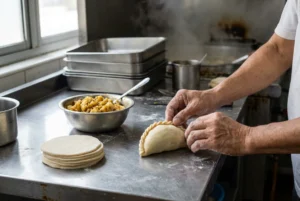
Focus on the hands of the satay vendor. Much like the masters I documented in "Hands of Time: A Food Photographer's Encounter with Traditional Kaya Toast Masters," these artisans possess a lifetime of skill in their hands. Capture the rhythmic motion of skewering the marinated meat, the careful arrangement of the satay on the grill, or the deft flick of the wrist as they fan the flames. These details tell a story of dedication and expertise that a picture of the finished product alone cannot.
Mastering Light and Flame with Grilled Meats
The lighting conditions at a satay stall are challenging and dramatic. You are working with the low ambient light of the evening mixed with the intense, flickering light from the charcoal grill.
- Embrace the Fire: Use the flame as your key light. Let it illuminate the vendor’s face and glisten off the meat. This will create a moody, high-contrast image.
- Shutter Speed for Motion: To capture the sparks and the dance of the flames, experiment with your shutter speed. A slightly slower speed (around 1/60s) can create beautiful light trails from the flying embers, while a faster speed (1/250s or more) will freeze them in mid-air.
- Capture Texture: The goal is to show the tantalizing texture of the cooked satay. Use the light to highlight the charred bits, the juicy interior, and the glistening marinade. A side angle often works best to rake light across the surface of the skewers, revealing every delicious detail.
Timing is critical. The perfect moment is often when the vendor has just flipped the skewers and a burst of flame erupts, kissing the meat. Use your camera's burst mode to capture a sequence of shots, increasing your chances of catching that peak, dramatic moment.
Telling Stories Through Satay Photography
Great food photography tells a story. With satay, the narrative is rich with tradition, performance, and cultural heritage.
Look for opportunities to create environmental portraits. A wide shot of the satay vendor at their grill, surrounded by smoke and the organized chaos of their stall, can be incredibly powerful. It provides context and honors the artisan as the hero of their craft. The cooking of satay is a performance. The rhythmic fanning, the turning of the skewers, the intense focus, it is all part of a ritual that has been practiced for generations. Your photography should aim to capture this theatricality.
By documenting this process, you are participating in the preservation of cultural heritage. You are creating a visual record of a traditional food craft that is often passed down orally from master to apprentice. Your satay images can become a tribute to these unsung artisans. The goal is to create sensual, evocative photographs that a viewer can almost taste and smell. You want them to feel the heat from the grill and imagine the smoky, sweet flavor of the meat. This is where the artistry of food photography connects deeply with the artistry of the cook.
Conclusion
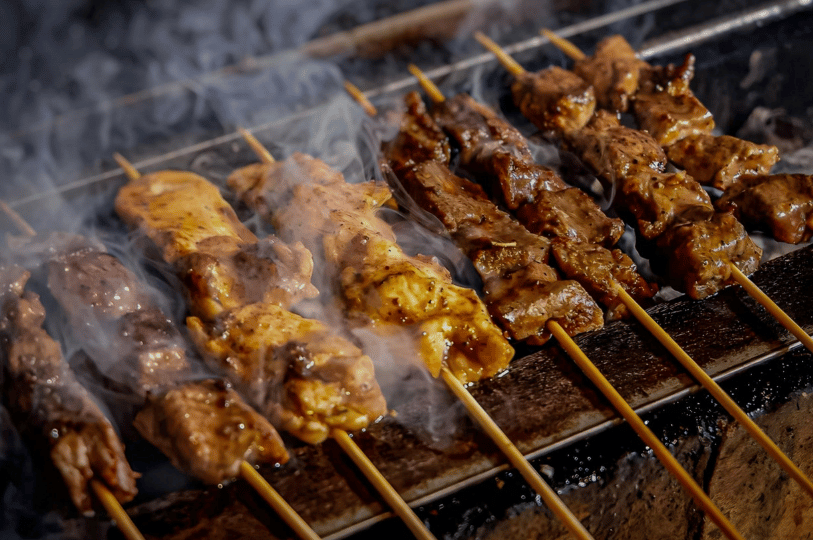
Satay is an ideal subject that offers everything a passionate food photographer could desire. It combines drama, texture, vibrant color, and a rich cultural story, making it both a humble street food and a profound culinary art form. To photograph satay is to engage with the primal elements of cooking: the glowing charcoal grill, the smoky aroma from the marinade ingredients like lemongrass and turmeric powder, and the sizzling sound as the grilled skewered meats cook to perfection.
Whether capturing the glistening chicken skin on chicken satays or the caramelized glaze on pork satay, the visual appeal is undeniable. The traditional use of bamboo skewers, often soaked in cold water before grilling, adds authenticity to the scene. Satay stalls, such as those found along the famous Satay Street at Lau Pa Sat or at the Satay Club, offer vibrant backdrops full of life and culture.
For home cooks and street vendors alike, mastering the marinade ingredients, including coconut oil, coriander, and kecap manis, creates the best satay experience, whether you prefer to pan fry, air fry, or grill over an open flame. Variations like sate ayam and sate lilit showcase the diversity of this Southeast Asian dish, often served with various sauces such as the slightly spicy peanut sauce or rich peanut gravy, accompanied by rice cakes or ketupat.
Photographing satay is not only about capturing food but also about telling the story of tradition, craftsmanship, and community. It invites you to document your own style and interpretation of this beloved dish, celebrating the artisans who keep these incredible culinary traditions alive. So, venture out, find your local satay master, and capture the beautiful, fiery dance of flame and flesh through your food photography.

The First Hawker Stall That Changed Everything
March 18, 2026
It was a rainy Tuesday afternoon about seven years ago, and I was just a guy with a camera looking for shelter. I ducked into an old, dimly lit hawker center in Toa Payoh to…

The Best Singapore Breakfast Spots: Lighting, Angles & Visual Stories for Singapore Foodies
March 16, 2026
After years of chasing the perfect breakfast shot all over Singapore, I’ve noticed some venues aren’t just great for eating. They’re inspiring playgrounds for food photography, beloved by both locals and Singapore foodies alike. Whether…
-
From Empire to Plate: Process-Focused Colonial Photography SG Series
March 13, 2026
The story of Singapore cuisine is impossible to tell without acknowledging its colonial past. As a strategic port for the British Empire, Singapore became a magnet for a diverse range of people and products. From…
-
Translating Taste into Frames: Why I Capture Food
March 11, 2026
I fell in love with street food photography in Singapore, somewhere between the steam of a hawker stall and the click of my shutter. It wasn’t planned. I was hungry, wandering, half-lost, when a bowl of laksa stopped me cold. The broth glowed…
-
Maximizing Colonial Heritage: Efficient SG Photography Routes
March 9, 2026
The morning light hits the peeling plaster of a shophouse five-foot way differently than it hits a glass skyscraper. It is softer, more textured, and it seems to carry the weight of history. For a…
-
Period Restaurant Lighting in Photo Shoot in Singapore Locations
March 6, 2026
The air in a heritage Hainanese coffeeshop is thick with more than just the aroma of kaya toast and freshly brewed kopi. It is thick with a particular quality of light. A mix of harsh,…
-
Imperial Diversity Through Photo Shoot Singapore Projects
March 2, 2026
When I set up my tripod in a bustling kopitiam or a quiet heritage restaurant, I am constantly reminded that I am not just photographing a meal. I am photographing a map. Every photo shoot…
-
Historic Flavors Shoot Singapore: Post-Processing for Period Authenticity
February 27, 2026
When I look through the viewfinder at a plate of heritage kueh or a steaming bowl of rickshaw noodles, I am not just capturing food; I am framing a memory. The challenge for any documentary…
-
Colonial Cuisine Photoshoot: Styling Singapore’s Historic Flavors
February 23, 2026
When I first embarked on a photoshoot focusing on Singapore’s colonial cuisine, I didn’t realize how deeply food could connect us to history. It wasn’t just about snapping pictures of dishes; it was about capturing…
-
Coal, Fire, and Memory: A Singapore Food Blogger Revisits Tanjong Pagar’s Industrial Kitchens
February 20, 2026
It had been a while since I set a day to wander through the back lanes of Tanjong Pagar. When I decided to come back to the place left me star-struck, not by the polished…