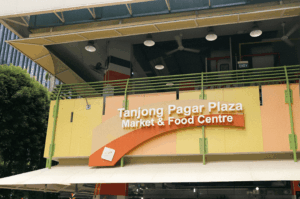
Before you even take a bite, a plate of Hainanese chicken rice beckons with its glossy, tender chopped chicken cut, silky chicken skin, and a mound of glistening, chicken fat-infused rice. The delicate fragrance of chicken broth, spring onions, and cool cucumber slices mingles with the spicy tang of house-made chilli sauce. This celebrated chicken and rice dish, called Hainanese chicken rice, stands as a national dish and an icon of Singapore street food—a dish that seduces by way of patience, precision, and sensory artistry. Brought to life by Hainanese immigrants with roots in Wenchang chicken and refined through local ingenuity, this classic dish is now a staple at every level, from humble hawker to celebrated restaurant. Embark on a journey of slow seduction—from technical Hainanese chicken rice recipe and poaching technique to cultural significance and the quest for the famous Hainanese chicken rice Singapore offers.
The Art of Poaching Hainanese Chicken: From Whole Chicken to Silky Skin
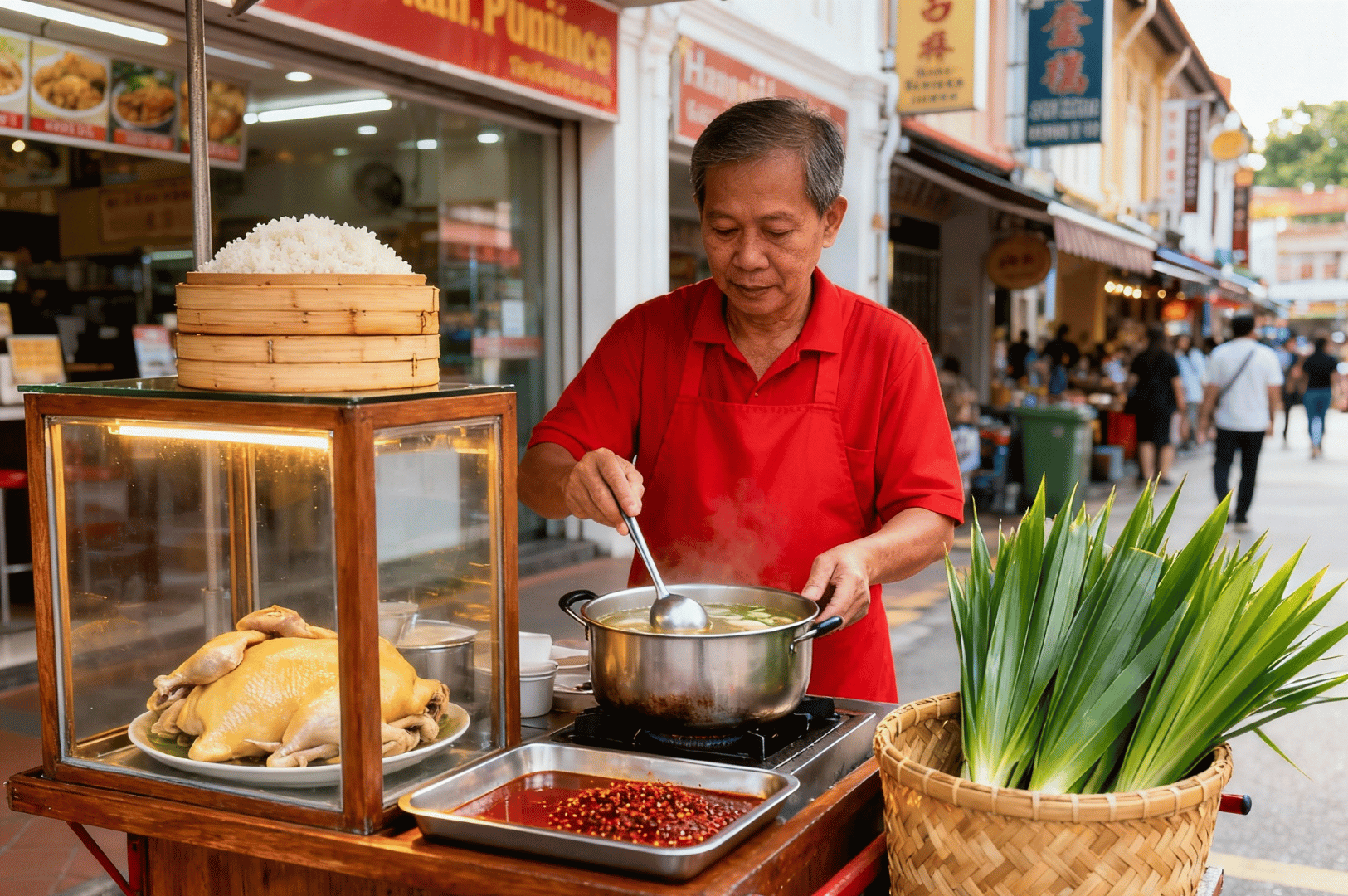
The soul of perfect Hainanese chicken rice lies in the poaching process, where a whole chicken (often chicken breast attached for extra succulence) is suspended on a poultry hook and submerged in simmering chicken stock. A precise, gentle heat—never above medium heat—ensures the poached chicken remains juicy and the chicken skin attains its famed silky texture.
As the chicken cooks, chefs monitor the cooking process with practiced eyes, adjusting time and temperature to guarantee tender meat and clear chicken broth. The key, shared by revered hawkers, is plunging the chicken into a large bowl of ice bath immediately after poaching. This step locks in moisture, tightens the skin, and creates that desired gelatinous texture. According to one famous Hainanese chicken vendor, “Every easy Hainanese chicken rice recipe will show you an ice bath, but it’s the patience, not shortcuts, that makes the chicken absolutely delicious.” Whether using a traditional small saucepan, an instant pot, or a modern rice cooker, the goal remains silky, flavourful steamed chicken—never overcooked, never dry.
Classic adaptations abound: some stalls use only chicken legs or chicken thighs for extra richness, while others rub sesame oil or vegetable oil over the skin for gloss. But the essentials endure—a carefully poached entire chicken, clear chicken broth, and artistry in every chopped chicken cut.
Chicken Fat and the Aromatic Rice Cooker Pot: Crafting Irresistible Fragrant Rice
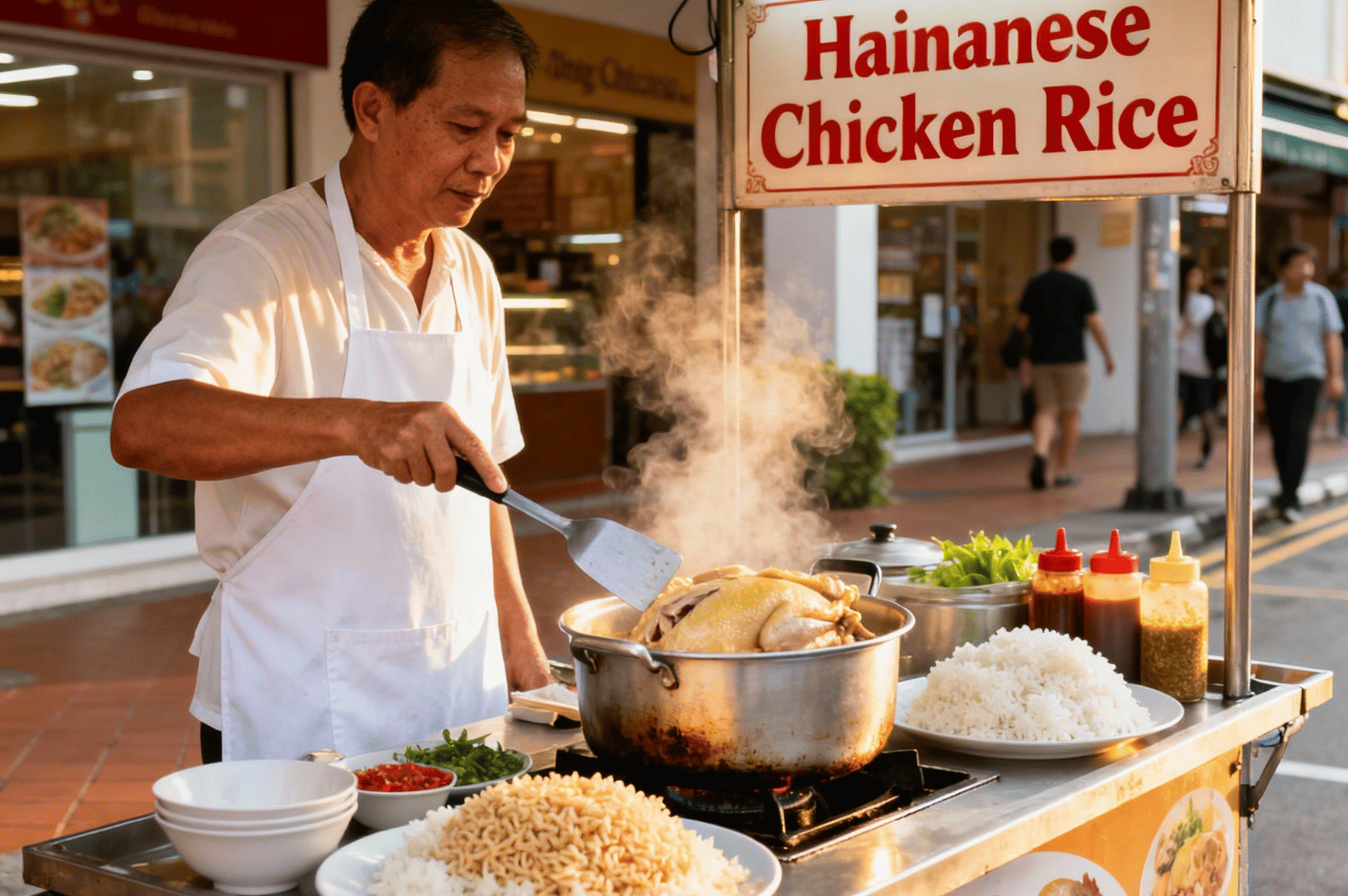
The rice dish is no mere sidekick; it is the aromatic foil that completes the Hainan chicken rice experience. Using a rice cooker, chefs first heat oil or, for tradition, chicken fat in a small frying pan. Into this hot fat go minced garlic, finely chopped minced ginger mixture, and occasionally shallots, which are stir fried gently to unlock their fragrance. The rice grains are then tossed, ensuring each becomes coated and glossy.
Next, chicken stock or clear chicken broth—seasoned with add salt, white pepper, and sometimes a splash of light soy sauce—joins the pot. Pandan leaves and a dash of sesame oil might infuse the mix, yielding a rice whose aroma fills the room. Some hawkers use jasmine rice for a floral lift, while others opt for a more oily rice for sumptuous mouthfeel. However prepared, the fragrant rice should be fluffy, each grain distinct and infused with the essence of chicken fat.
Variations are celebrated: the best chicken rice Singapore might lean oilier or drier, but always—according to generations of cooks—rice must be aromatic, moist, and act as the perfect base for every delicious bite of chicken.
The Holy Trinity: Chili Sauce, Ginger, and Dark Soy Sauce
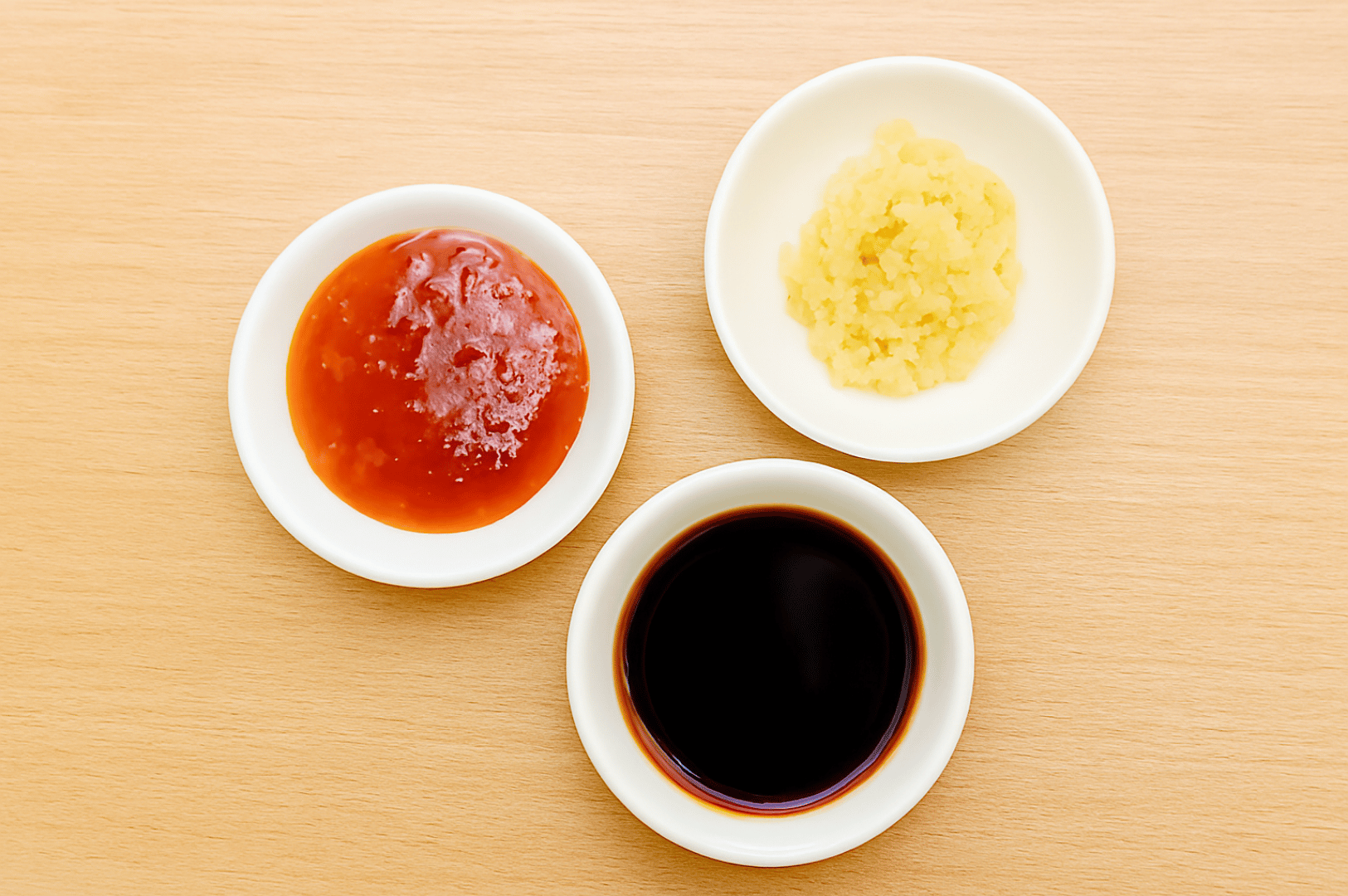
No complete Hainanese chicken rice is possible without its holy trinity of dipping sauce—chili sauce, ginger sauce, and dark soy sauce—which heighten and balance the dish.
The signature chilli sauce blends fiery red chilies, minced garlic, fresh lime juice, chicken stock, and sometimes ginger, blitzed together in a food processor. This spicy dipping sauce is bright and lively, offering heat that cuts through any richness. Next, ginger sauce is created from young ginger and spring onions, smoothed with hot oil and a dash of salt; sometimes this is served thick, sometimes almost runny, always zesty.
Finally, the rich, dark soy sauce—sometimes sweet, sometimes savory—provides umami depth, while a splash of light soy sauce can add light soy sauce complexity. Together, these sauces allow each mouthful to be calibrated: more chili sauce for fire, ginger for zing, and soy for savory sweetness. Many swear by combining all three with a piece of chicken sliced, a scoop of chicken fat rice, and a sliver of sliced cucumber or bok choy for the ultimate, absolutely delicious bite.
Hainanese Chicken Rice and Chicken Soup: Cultural Significance as a National Dish
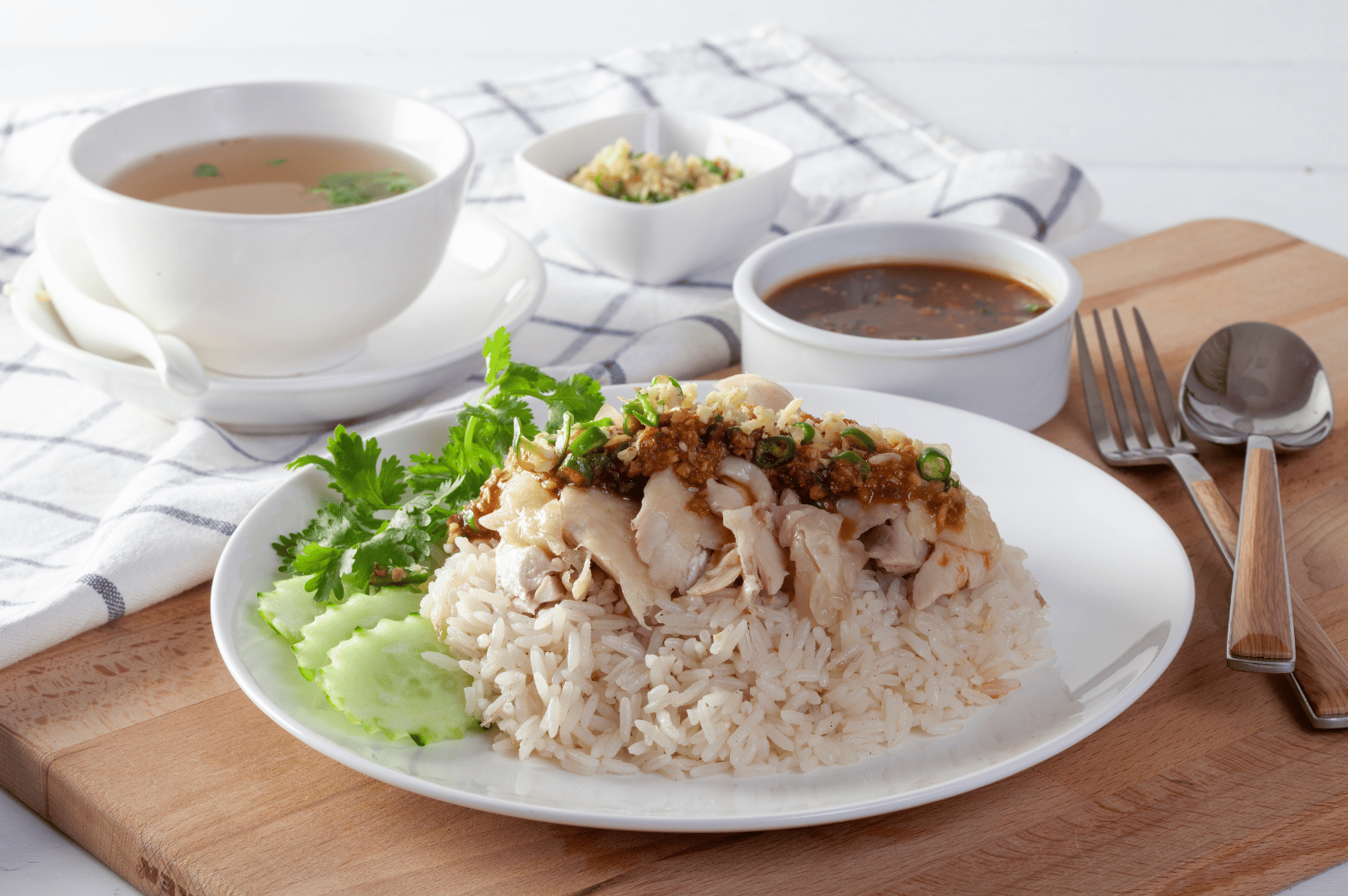
Called Hainanese chicken rice, this chicken and rice dish has grown beyond immigrant roots. It transcends food, acting as edible proof of Singapore’s multicultural fabric. Whether served in a densely packed hawker centre or a refined restaurant, chicken rice anchors family gatherings, business lunches, and Singapore’s culinary identity.
A bowl of chicken soup, conjured from chicken broth, ginger mixture, and delicate spring onions, usually accompanies the meal. The meal appears everywhere from school canteens to film, literature, and even official tourism campaigns—a dish that speaks of home and history. Like nasi ayam in neighboring cultures, Hainan chicken rice is developed from wenchang chicken and tailored for Singapore’s climate and taste. It stands as both a comfort food and a source of national pride, uniting generations and dialect groups in a shared tradition.
Where to Find the Best Hainanese Chicken Rice in Singapore

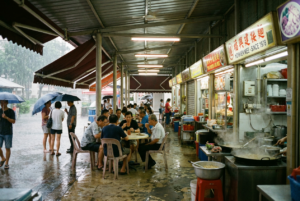
The best chicken rice Singapore has to offer takes center stage at Maxwell Food Centre, specifically at Tian Tian Hainanese Chicken Rice—famous for its classic dish and legendary snaking queue. Here, every plate features steamed chicken sliced to perfection, glistening chicken skin, cucumber slices, and immaculate rice.
Other icons include Boon Tong Kee, whose innovation lies in ultra-plump chicken and well-balanced dipping sauce; and Wee Nam Kee, where diners can opt for poached chicken, roast, or soy sauce chicken sliced to their liking. Each restaurant or hawker offers its own secret to the most fragrant rice—be it more chicken fat, extra ginger, or a dash of sesame oil—and each bowl of chicken soup tells the cook’s story.
First-timers should look for glistening chicken cut (never dry), vibrant sauces, and a balanced, chicken fat-scented rice dish. Beware of stalls with a minimal wait: the best bet is almost always where the line is longest.
Photographing Hainanese Chicken Rice: Showcase the Chicken Cut, Rice, and Cucumber Slices
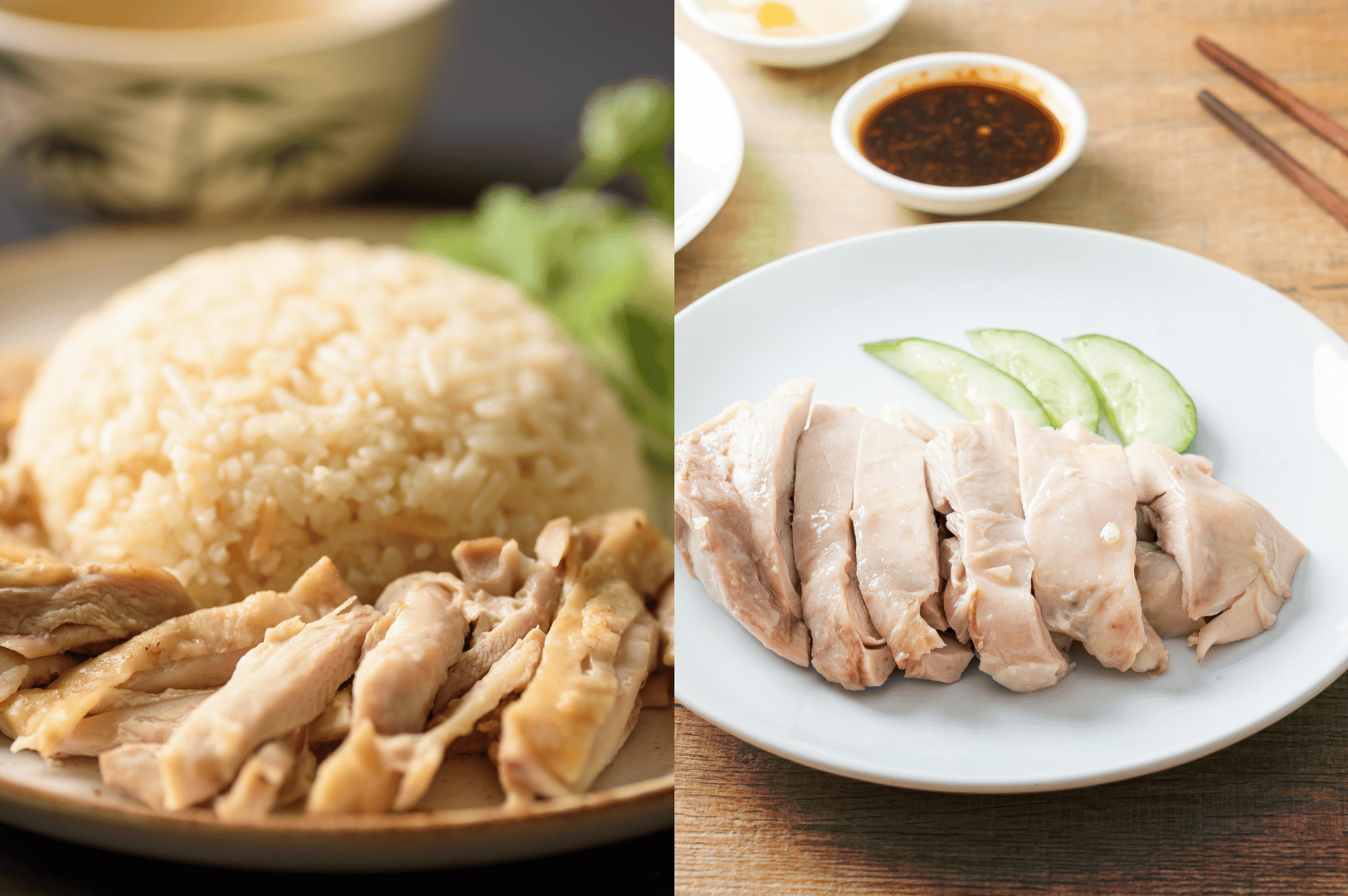
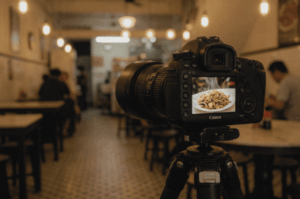
To capture the allure of Hainanese chicken rice, use soft, natural light to highlight the glistening chicken skin and golden, chicken fat rice. Compose the shot with a focus on textural contrast—close-ups of chicken sliced, shimmering rice grains, vibrant chili sauce, and refreshing cucumber slices. A slightly elevated angle best displays the harmonious composition, while a small bowl with dipping sauce in the frame adds mouth-watering appeal. Remember: the steam, sheen, and color make every shot a sensory invitation.
Conclusion
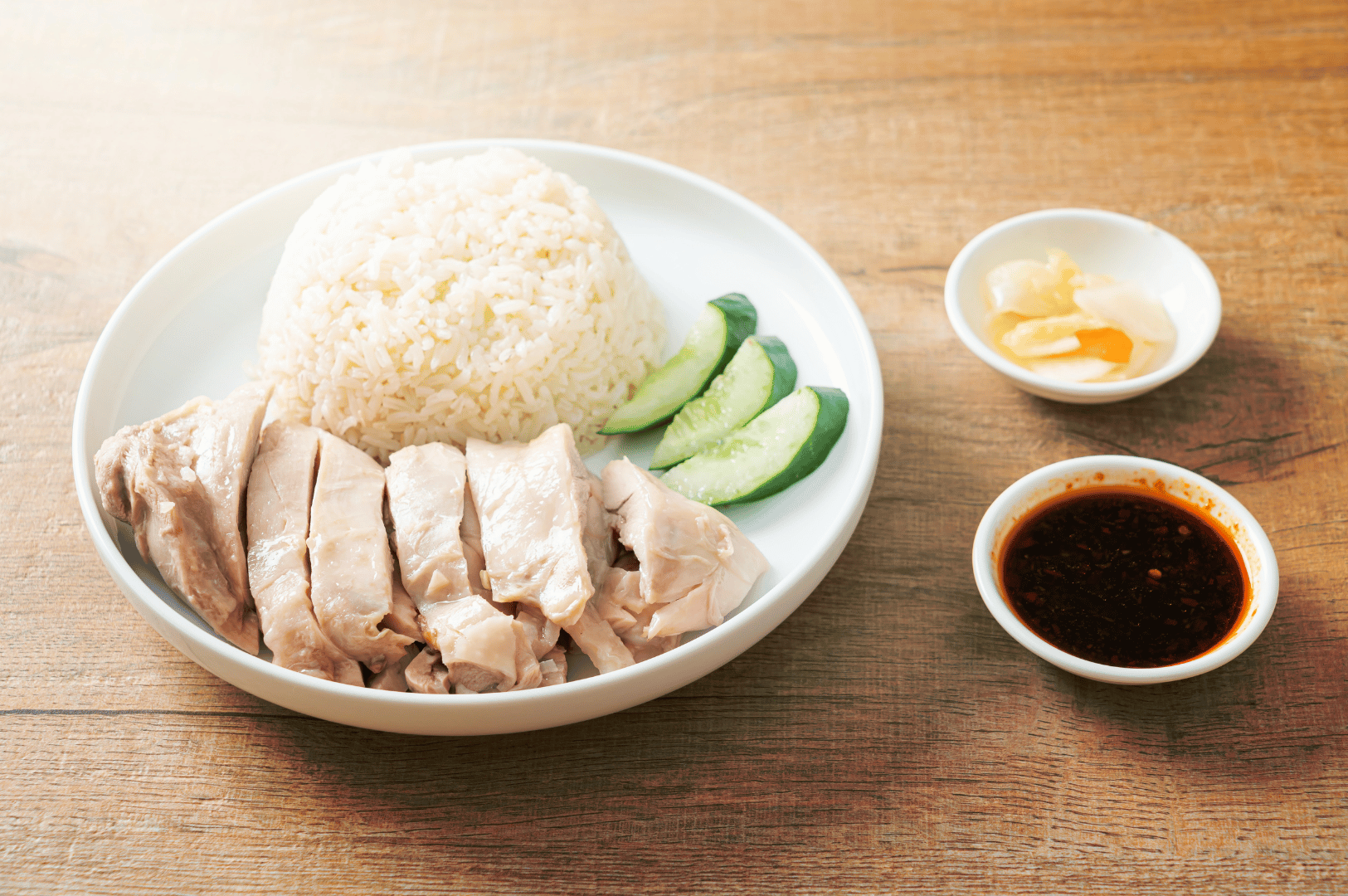
The slow seduction of Hainanese chicken rice is the story of patience rewarded—a union of technique, tradition, and taste. From the first poached chicken cut to the last grain of fragrant rice, every element celebrates what makes this national dish so beloved in Singapore: meticulous preparation, balanced flavours, and the promise of a quietly perfect, delicious meal.
If you want to continue exploring Singapore’s iconic street food, discover the smoky allure of satay in Flame & Smoke: The Essence of The Best Satay in Singapore, or head back to Street Food Photographer for more stories on the city’s culinary culture.

The First Hawker Stall That Changed Everything
March 18, 2026
It was a rainy Tuesday afternoon about seven years ago, and I was just a guy with a camera looking for shelter. I ducked into an old, dimly lit hawker center in Toa Payoh to…

The Best Singapore Breakfast Spots: Lighting, Angles & Visual Stories for Singapore Foodies
March 16, 2026
After years of chasing the perfect breakfast shot all over Singapore, I’ve noticed some venues aren’t just great for eating. They’re inspiring playgrounds for food photography, beloved by both locals and Singapore foodies alike. Whether…
-
From Empire to Plate: Process-Focused Colonial Photography SG Series
March 13, 2026
The story of Singapore cuisine is impossible to tell without acknowledging its colonial past. As a strategic port for the British Empire, Singapore became a magnet for a diverse range of people and products. From…
-
Translating Taste into Frames: Why I Capture Food
March 11, 2026
I fell in love with street food photography in Singapore, somewhere between the steam of a hawker stall and the click of my shutter. It wasn’t planned. I was hungry, wandering, half-lost, when a bowl of laksa stopped me cold. The broth glowed…
-
Maximizing Colonial Heritage: Efficient SG Photography Routes
March 9, 2026
The morning light hits the peeling plaster of a shophouse five-foot way differently than it hits a glass skyscraper. It is softer, more textured, and it seems to carry the weight of history. For a…
-
Period Restaurant Lighting in Photo Shoot in Singapore Locations
March 6, 2026
The air in a heritage Hainanese coffeeshop is thick with more than just the aroma of kaya toast and freshly brewed kopi. It is thick with a particular quality of light. A mix of harsh,…
-
Imperial Diversity Through Photo Shoot Singapore Projects
March 2, 2026
When I set up my tripod in a bustling kopitiam or a quiet heritage restaurant, I am constantly reminded that I am not just photographing a meal. I am photographing a map. Every photo shoot…
-
Historic Flavors Shoot Singapore: Post-Processing for Period Authenticity
February 27, 2026
When I look through the viewfinder at a plate of heritage kueh or a steaming bowl of rickshaw noodles, I am not just capturing food; I am framing a memory. The challenge for any documentary…
-
Colonial Cuisine Photoshoot: Styling Singapore’s Historic Flavors
February 23, 2026
When I first embarked on a photoshoot focusing on Singapore’s colonial cuisine, I didn’t realize how deeply food could connect us to history. It wasn’t just about snapping pictures of dishes; it was about capturing…
-
Coal, Fire, and Memory: A Singapore Food Blogger Revisits Tanjong Pagar’s Industrial Kitchens
February 20, 2026
It had been a while since I set a day to wander through the back lanes of Tanjong Pagar. When I decided to come back to the place left me star-struck, not by the polished…