There is a corner of Singapore where the laid-back charm of a European village collides with the vibrant energy of a Southeast Asian city. It is a place where the aroma of freshly brewed espresso mingles with the fragrant steam from a bowl of laksa. This is Holland Village, a neighborhood that I have come to love deeply as both an expatriate and a local enthusiast. For someone like me who lives for the of food intertwining with photography, this district is nothing short of a captivating muse you can bask in every direction. Every time I wander its streets, cafes, and hawker stalls, I feel like I’m stepping into a living, breathing fusion of cultures, each spot telling its own story of East meeting West. This guide is my personal invitation to you, to explore Singapore’s Holland Village through my viewfinder and join me on a journey to capture its unique character and delectable flavors.
A History of Cultural Fusion: Chip Bee Gardens, Holland V Area, and More
Holland Village, affectionately called "Holland V," is named after Hugh Holland, an early resident and architect. Its identity as a cultural melting pot began in the mid-20th century when British Army personnel and their families settled here. This mix of Western expatriates and local residents created demand for European amenities: bakeries, delis, pubs, and cafes, alongside traditional Singaporean shops.
This history shaped the neighborhood’s vibrant estate and unique character, where diverse worlds coexist. Food became the primary language of cultural exchange. The local hawker centre adapted to Western tastes, while European-style restaurants incorporated local ingredients and interesting textures and flavors. This fusion created a rich culinary tapestry that defines Singapore Holland Village today, illustrating how food bridges divides and builds community identity.
On the other side of the village, Chip Bee Gardens is a charming enclave of houses and walk-up apartments originally built for British military families. Managed by the Singapore Land Authority, this unique neighborhood blends history with modern living. Nearby Shuang Long Shan, a cemetery for the Hakka community, adds cultural depth to the area.
For photographers and food lovers alike, Holland Village offers more than just great meals; it presents an idea of community and cultural fusion captured through stunning images.
Photography Opportunities in Holland Village
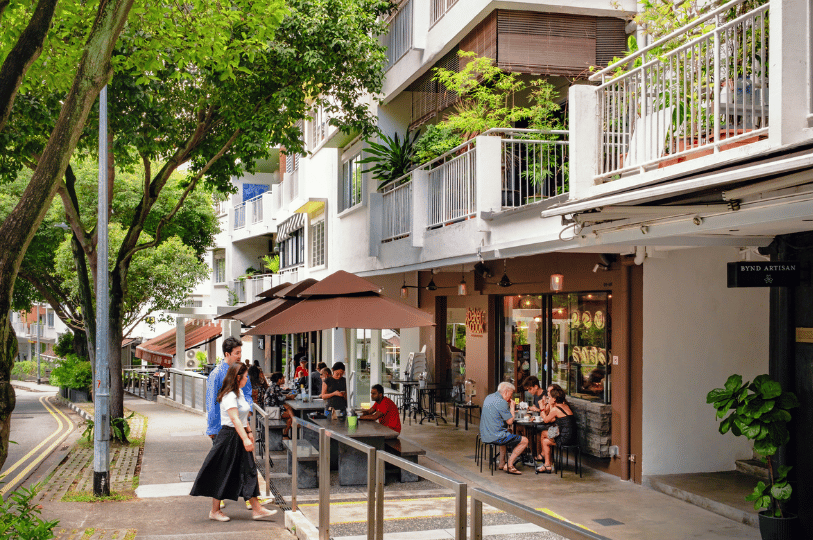
Holland Village is a photographer’s playground, offering a diverse range of subjects within a compact, walkable area. Its unique blend of architecture and vibrant street life provides endless opportunities for compelling shots.
Locations, Lighting, and Shutter Speed
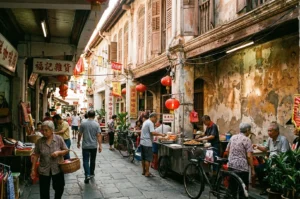
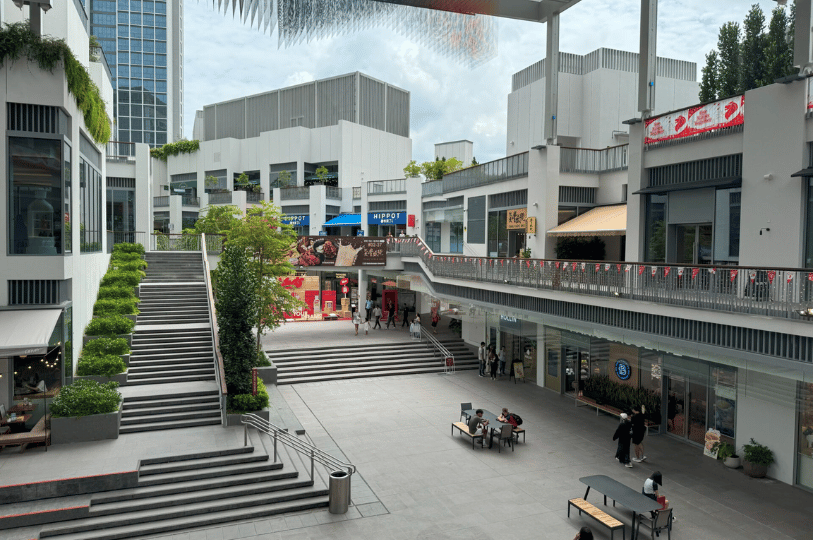
The neighborhood offers diverse visual textures. The low-rise shophouses along Lorong Liput and Lorong Mambong, with colorful facades and five-foot ways, provide a classic Singaporean backdrop, while the modern architecture of Raffles Holland V mall offers clean lines and reflective surfaces.
Lighting varies throughout the day: soft, diffused light in early mornings is ideal for capturing architectural details and the hawker centre's gentle start along Holland Avenue; the golden hour in late afternoons casts warm tones and long shadows perfect for street photography; and at night, neon signs and street lamps create a dynamic, moody atmosphere showcasing the vibrant nightlife.
Street and Architectural Photography
The essence of the food and photography experience here extends beyond the plate.
- Capture the Blend: Frame your shots to include both old and new architectural elements. A modern glass facade reflecting a traditional shophouse tells the story of the neighborhood in a single image, adding depth and context to your food photos.
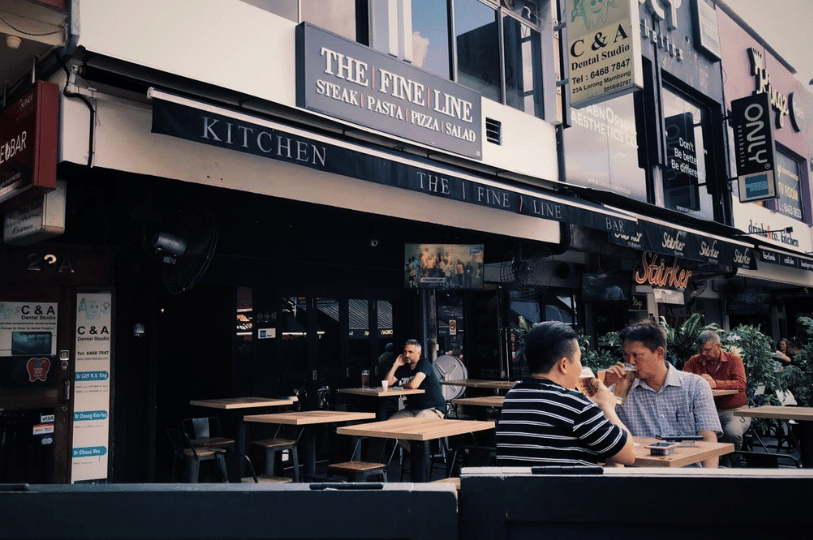
- People in Motion: The outdoor seating areas of cafes and bars are perfect for capturing candid moments. Use a fast prime lens (like a 35mm or 50mm) to isolate subjects and capture the lively, social atmosphere that makes Holland Village so fun and vibrant.
- Look for Details: Focus on the small elements that give the area character, such as unique signages, colorful tiles on wooden boards, street art, or the intricate patterns of shophouse floors. These elements add texture and interest to your pictures, helping you develop your own style.
- Lighting Techniques: Make the most of natural light when shooting outdoors, especially during the golden hour for warm, flattering tones. Adjust your camera’s white balance to ensure accurate color representation and use a shallow depth of field to create a pleasing background blur that highlights your subject.
- Experiment with Angles: Try different angles, including overhead shots and 45-degree angles, to showcase the food and surroundings creatively. Varying your shutter speed can help capture motion or freeze action, enhancing the storytelling aspect of your images.
- Use Props Thoughtfully: Incorporate props like utensils, napkins, or fresh ingredients that complement the dish without overwhelming it. Props add layers and context to your photos, making them more engaging and visually appealing.
By combining these techniques and paying attention to both the food and its environment, you can create stunning images that tell a compelling story of Holland Village’s unique blend of cultures and flavors.
Culinary Highlights: Where Cooking Worlds Collide for Food Photography
The food scene is the main event in Singapore Holland Village. It is a place where you can have a traditional bowl of noodles for breakfast, an Italian pasta for lunch, and a modern fusion dish for dinner, all within a few steps of each other.
Traditional Asian Flavors
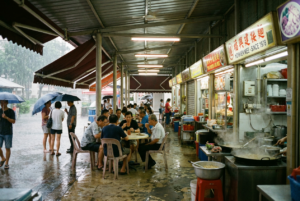
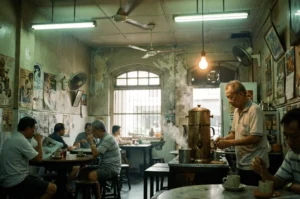
The heart of local food in the area is the Holland Village Market & Food Centre. This bustling neighbourhood spot is a must-visit for anyone eager to eat authentic Singaporean dishes prepared by hawkers who have been perfecting their craft for decades.
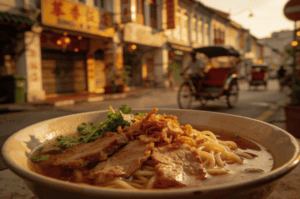
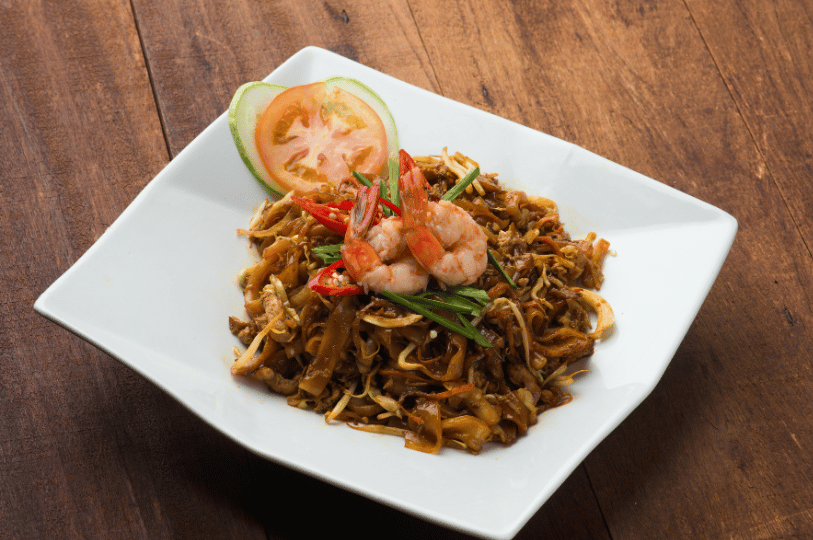
- Dishes to Try: The laksa here is legendary, a rich and spicy coconut milk-based noodle soup. Also look for char kway teow (stir-fried rice noodles) and chicken rice, classic recipes that have stood the test of time.
- Photography Tip: Hawker centres are often dimly lit, which can be challenging for food photography. Look for a seat near the edge where you can get more natural light streaming in. Get close to your dish and use a wide aperture (e.g., f/2.8) to create a shallow depth of field and make the food stand out from the busy background. Capturing the steam rising from a hot bowl of laksa adds a dynamic, sensory element to your photos, making your images more mouth watering and engaging.
For a food photographer aiming to create great photos, this location offers awesome opportunities to combine natural light with interesting textures and vibrant colors. Whether you’re capturing a single dish or a table full of local specialties, this food centre is a fantastic spot to showcase the quality and diversity of Singapore’s culinary scene.
Classic Western Fare
Holland Village is dotted with delis, pubs, and restaurants offering classic Western comfort food.
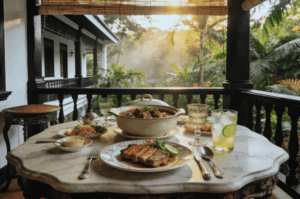
- My Go-To: Original Sin is a long-standing vegetarian Mediterranean restaurant with a beautiful al fresco dining area. For a classic pub experience, Baden offers German beers and food.
- Photography Tip: These establishments often have better, more deliberate lighting techniques. Focus on plating and composition to create mouth watering food images. Use the ambient natural light from a window for a soft, natural look. A top-down overhead shot or a flat lay featuring a table full of different dishes works well to showcase the variety and appeal of the meal. Bringing along some simple props like utensils or napkins can add a bit of context without distracting from the food. Don’t forget to adjust your camera’s white balance to capture the true colors of the dishes.
For another food photographer looking to create stunning images, these venues provide awesome possibilities to combine natural light with interesting textures and styling. Whether you're shooting a single dish or a full spread, capturing the essence of classic Western fare here adds a great point to your food photography blog content.
The Rise of Fusion
The true spirit of food and photography in Holland Village is found in its fusion establishments, where chefs creatively blend Eastern and Western culinary traditions to craft dishes that tell a unique story.
- My Go-To: Sanpoutei Ramen offers exceptional Japanese ramen, while nearby cafes might serve a pandan-infused latte, showcasing the neighborhood’s innovative culinary scene and vibrant food blog culture.
- Photography Tip: When photographing fusion dishes, your goal is to tell the story of the blend. Frame the shot to highlight the unexpected ingredient or technique. For example, if photographing a chili crab pasta, make sure both the pasta and the recognizable crab claw are clearly visible.
This approach ensures your photos capture the essence of Holland Village’s culinary fusion, creating stunning images that resonate with viewers and add value to your food and photography blog.
Practical Tips for Food Photographers
- Best Times to Visit: For food and fewer crowds, visit on a weekday morning or afternoon. For vibrant street life and night photography, evenings and weekends are best, though restaurants will be busy.
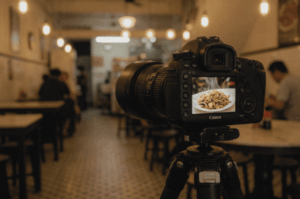
- What I Would Bring: A versatile setup is key. A camera with a 24-70mm zoom lens is great for capturing both wider scenes and tighter food shots. Alternatively, a 35mm or 50mm prime lens is lightweight and excellent in low light.
- Etiquette: Always be respectful. When photographing in restaurants, be discreet and avoid using flash, which can disturb other diners. At hawker stalls, it is polite to buy a dish before you start taking extensive photos.
Keep Holland Close and The Memories Closer
Holland Village is more than just a dining destination; it is a vibrant cultural crossroads captured on the plate and through the lens. It offers a unique opportunity to explore the dynamic relationship between different cultures, told through the universal language of food.
The seamless blend of old and new, East and West, makes it a uniquely rewarding place for anyone passionate about food and photography. So grab your camera, bring your appetite, and get ready to capture your own visual and culinary journey through the charming streets of Singapore Holland Village.

The First Hawker Stall That Changed Everything
March 18, 2026
It was a rainy Tuesday afternoon about seven years ago, and I was just a guy with a camera looking for shelter. I ducked into an old, dimly lit hawker center in Toa Payoh to…

The Best Singapore Breakfast Spots: Lighting, Angles & Visual Stories for Singapore Foodies
March 16, 2026
After years of chasing the perfect breakfast shot all over Singapore, I’ve noticed some venues aren’t just great for eating. They’re inspiring playgrounds for food photography, beloved by both locals and Singapore foodies alike. Whether…
-
From Empire to Plate: Process-Focused Colonial Photography SG Series
March 13, 2026
The story of Singapore cuisine is impossible to tell without acknowledging its colonial past. As a strategic port for the British Empire, Singapore became a magnet for a diverse range of people and products. From…
-
Translating Taste into Frames: Why I Capture Food
March 11, 2026
I fell in love with street food photography in Singapore, somewhere between the steam of a hawker stall and the click of my shutter. It wasn’t planned. I was hungry, wandering, half-lost, when a bowl of laksa stopped me cold. The broth glowed…
-
Maximizing Colonial Heritage: Efficient SG Photography Routes
March 9, 2026
The morning light hits the peeling plaster of a shophouse five-foot way differently than it hits a glass skyscraper. It is softer, more textured, and it seems to carry the weight of history. For a…
-
Period Restaurant Lighting in Photo Shoot in Singapore Locations
March 6, 2026
The air in a heritage Hainanese coffeeshop is thick with more than just the aroma of kaya toast and freshly brewed kopi. It is thick with a particular quality of light. A mix of harsh,…
-
Imperial Diversity Through Photo Shoot Singapore Projects
March 2, 2026
When I set up my tripod in a bustling kopitiam or a quiet heritage restaurant, I am constantly reminded that I am not just photographing a meal. I am photographing a map. Every photo shoot…
-
Historic Flavors Shoot Singapore: Post-Processing for Period Authenticity
February 27, 2026
When I look through the viewfinder at a plate of heritage kueh or a steaming bowl of rickshaw noodles, I am not just capturing food; I am framing a memory. The challenge for any documentary…
-
Colonial Cuisine Photoshoot: Styling Singapore’s Historic Flavors
February 23, 2026
When I first embarked on a photoshoot focusing on Singapore’s colonial cuisine, I didn’t realize how deeply food could connect us to history. It wasn’t just about snapping pictures of dishes; it was about capturing…
-
Coal, Fire, and Memory: A Singapore Food Blogger Revisits Tanjong Pagar’s Industrial Kitchens
February 20, 2026
It had been a while since I set a day to wander through the back lanes of Tanjong Pagar. When I decided to come back to the place left me star-struck, not by the polished…