I clearly remember my first time bringing a professional camera into Shukuu Izakaya & Sake Bar on Stanley Street. I walked in with a rigid plan to photograph their famous mentaiko rosti. I spent a good fifteen minutes moving plates around, trying to find the perfect overhead angle, and completely ignoring my surroundings.
Izakayas are community spaces first and dining spots second. In my experience, if you only focus on a sharp macro shot of a chicken skewer, you fail to capture the soul of the room. Over the years, I have spent countless nights documenting the growing izakaya culture in neighborhoods like Tanjong Pagar and Clarke Quay in Singapore. In this guide, I want to share exactly how you can create authentic, raw izakaya photography without ruining the vibe for everyone else in the room.
The Reality of Food Photography in an Izakaya
Before we get into the technical steps, we need to set some realistic expectations. Food photography in the best izakaya gems in Singapore is challenging. The spaces are cramped, the lighting is intentionally dim, and the patrons are there to unwind, not to be extras in your photoshoot.
Expect to spend at least two to three hours on a proper shoot. You cannot rush this process. I usually recommend planning for multiple visits to the same venue. I will often visit an izakaya in the late afternoon just before they open to get clean shots of the interior, and then return at 8:00 PM to capture the chaotic, beautiful energy of the dinner rush.
If you want to take this seriously, you will need gear that handles low light well. A professional DSLR or mirrorless camera setup with a fast lens will typically cost you anywhere from $2,000 to $6,000. If you outsource your photo editing later, post-production costs usually add another $50 to $200 per hour.
Step-by-Step Guide to Food Styling and Izakaya Photography
Here is my exact process for breaking down an izakaya shoot.
Step 1: Research and Observe the Public Izakaya Scene
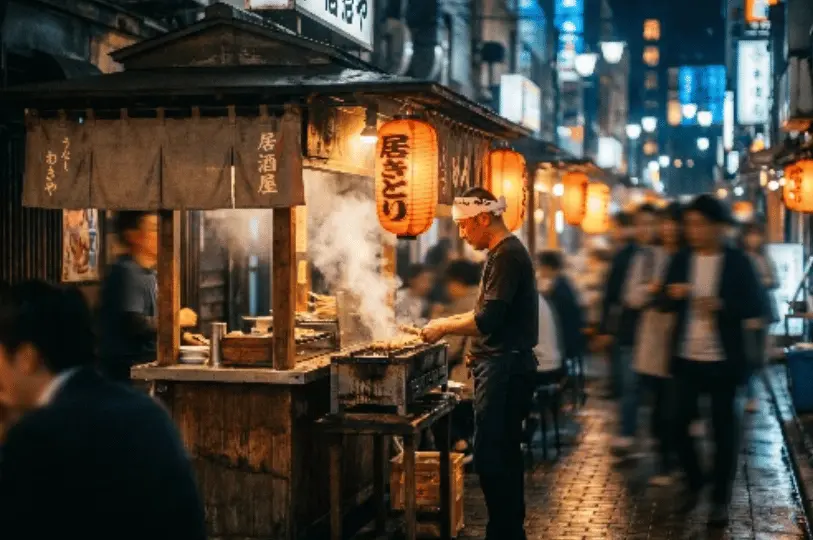
Do not just walk into a public izakaya and start firing the shutter. I always spend the first twenty minutes just watching the room. I order a drink, sit at the counter, and observe the flow of traffic. Where does the chef stand? Where does the smoke from the grill catch the light? At a place like Yatagarasu Yakitori on Circular Road, the magic happens right at the grill where they prepare their signature pork belly wraps. If you do not understand the rhythm of the kitchen, you will miss the peak action.
Step 2: Master the Dim Lighting and Styling
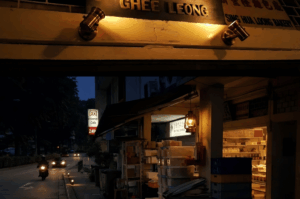
Natural light is your best friend, but you will rarely find it inside a late-night tavern. You must learn to work with the ambient light available. Look for the glow of neon signs, the soft light of paper lanterns, or the direct spotlights over the grill. I push my ISO higher, often up to 3200 or 6400, and rely on a fast lens, usually setting my aperture to f/1.8 or f/2.8.
Pro tip: Never use a direct flash. A bright flash instantly destroys the moody ambiance of the room and annoys the paying customers. If you absolutely need supplementary light, bring a small, portable LED panel with a warming gel to mimic the existing tungsten lights.
Step 3: Focus on the Human Element and the Variety of Dishes
The food is important, but the people make the place. Focus on capturing moments of action. I look for hands reaching for a cold beer mug, a chef wiping his brow, or a group of friends toasting with sake glasses. Get close to your subjects. Instead of taking a wide-angle shot of the entire room, focus on the small details. The glint of a pair of chopsticks or the rich textures of a ceramic sake cup tells a much more intimate story.
Step 4: Frame the Food within the Environment and the Menu
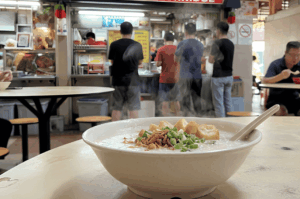
When you do photograph the food, keep the environment in the frame. If I am shooting a $15 bowl of chicken soup noodles, I want the worn wooden counter in the foreground and the soft bokeh of the busy kitchen in the background. Use the rule of thirds to balance the dish with the atmosphere. The menu items, from grilled yakitori to fresh sashimi, should be highlighted to bring out the rich variety of the izakaya experience.
Discovering the Fortune Centre: A Hidden Gem for Izakaya Photography
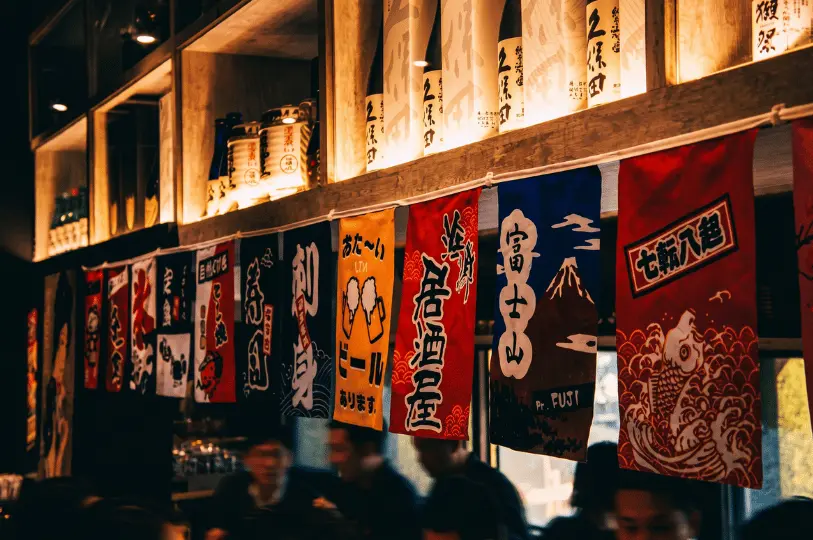
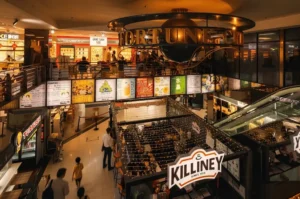
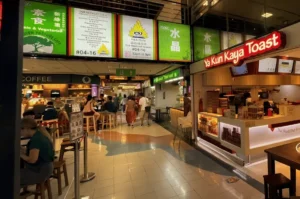
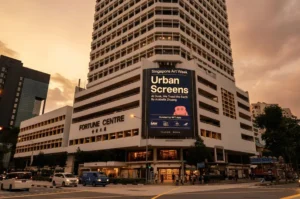
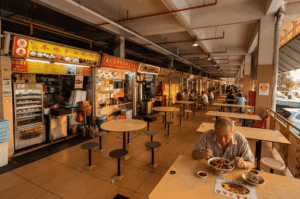
One of the best places to begin your journey in izakaya photography is the Fortune Centre in Singapore. This building houses several izakayas that are perfect for capturing the casual, lively atmosphere that defines these places. The Fortune Centre is a hidden gem that offers a variety of dishes and authentic moments that inspire creative food styling and photography.
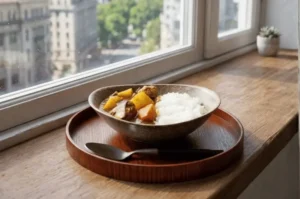
Discover more hidden gems featuring Japanese food in Singapore with our guide to its delicious Japanese curries, perfect for a comforting mid-shoot fuel.
Common Mistakes in Izakaya Photography and How to Avoid Them
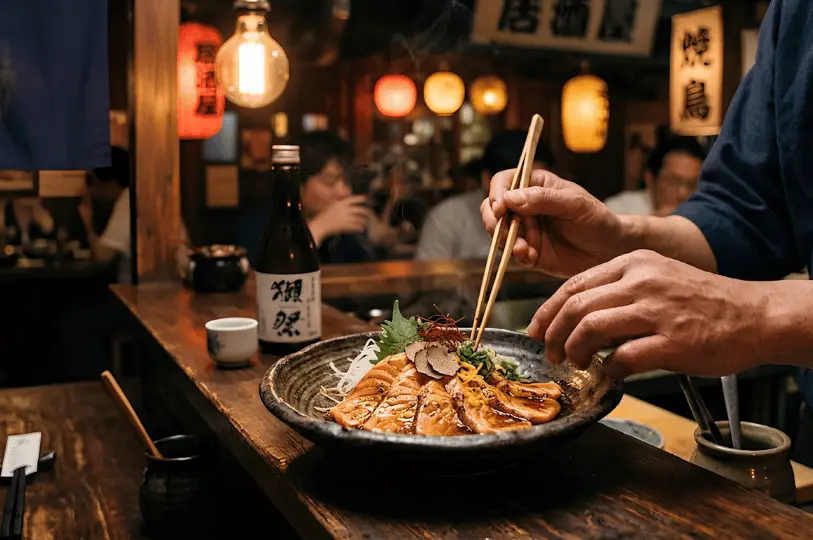
I have learned most of these lessons the hard way. Here are the biggest red flags to avoid when you bring your camera into a local tavern.
Staging the Food Unnaturally
Early in my career, I used to move plates around, stack skewers perfectly, and arrange chopsticks with mathematical precision. The photos looked like they belonged in a sterile corporate catalog, not a lively izakaya. These venues are about raw, natural moments. Leave the food exactly as it is served. Let a stray drop of soy sauce sit on the plate. Let the foam on the beer settle unevenly. Imperfection is authentic.
Ignoring the Customers Entirely
I used to be so terrified of bothering people that I would only shoot the empty corners of the restaurant or tight macro shots of the food. By avoiding the patrons, I stripped the life out of my photos. The people who visit and work in these spaces are key to the experience. You need the noise, the crowds, and the interaction.
Forgetting the Local Culture
In Singapore, people can be quite reserved in public settings. They go to an izakaya after a stressful workday to relax. I once aggressively photographed a chef at a yakitori joint without asking, and he clearly felt uncomfortable, which ruined the mood of the entire counter. Always ask for permission before taking close-up shots of individuals. A simple nod and a smile go a long way.
Insider Knowledge: Be incredibly mindful of your gear in Singapore’s climate. The humidity here is brutal. If you move from the hot, humid street into a heavily air-conditioned izakaya, your lens will instantly fog up. Keep your equipment in a dry bag and give it time to acclimate before you start shooting.
Tackling the Main Facets About Izakaya Photography and Food Styling
How do I capture the soul of an izakaya without disrupting the atmosphere?
You have to become part of the environment. Dress casually, order some food, and sit down. Do not stand in the middle of the walkways blocking the waitstaff. I prefer using a smaller mirrorless camera rather than a massive DSLR rig because it makes me look less intimidating. Anticipate moments rather than forcing them. Wait for the chef to flip the skewers, and take the shot quietly.
What is the best time to shoot?
I suggest arriving right at the transition period, late afternoon moving into the evening. You get the benefit of whatever natural light is left spilling through the front door, and you get to document the venue slowly filling up with people.
Weekdays are generally better than weekends. A Tuesday night offers a great balance of activity without the overwhelming, shoulder-to-shoulder chaos of a Friday night.
What specific dishes photograph best?
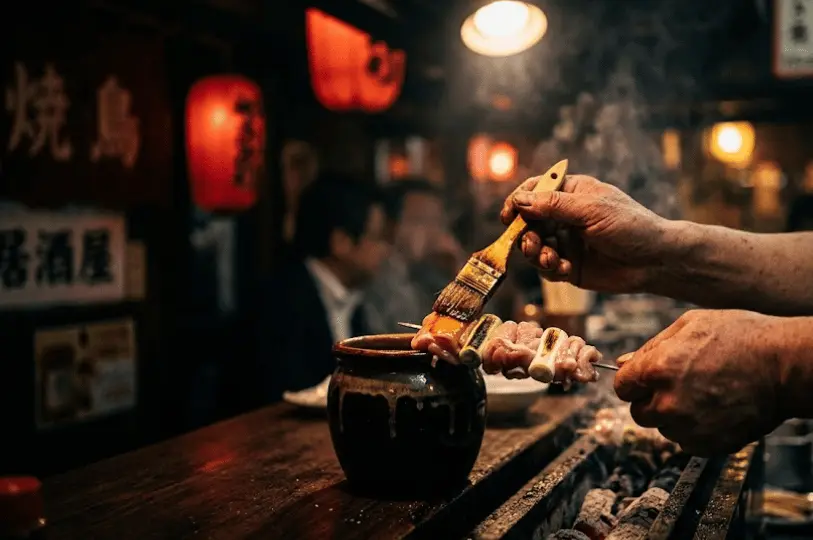
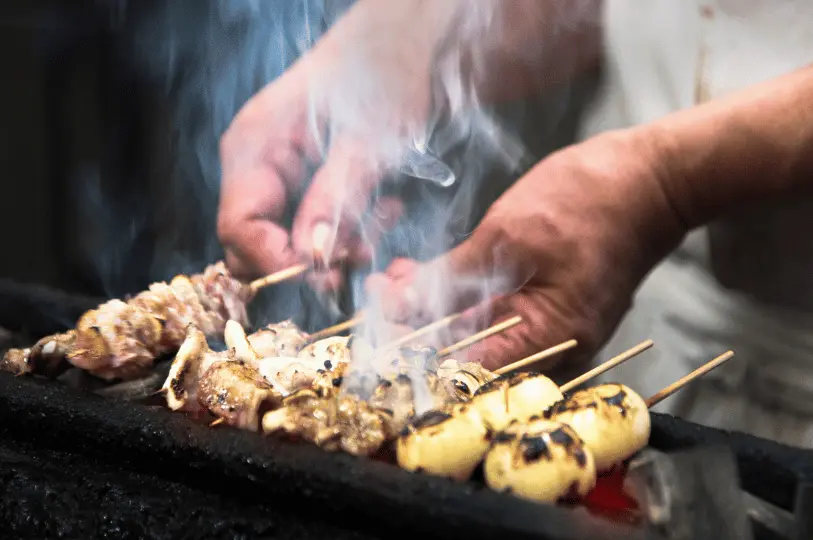
Anything with interaction, smoke, or steam. Yakitori is fantastic because you can photograph the grilling process, the smoke, and the final glazed product. Sake pairings are also highly visual. Capturing the moment a staff member pours sake until it overflows into the wooden masu box is a classic, dynamic shot that always works well.
How do I handle the noise and fast pace?
You have to accept it and let it dictate your shutter speed. Sometimes, capturing a slight motion blur is actually beneficial. A slightly blurred hand passing a plate of edamame conveys the fast pace and energy of the room much better than a perfectly frozen, static image. Embrace the chaos.
Final Thoughts: The Passion and Craft Behind Izakaya Photography
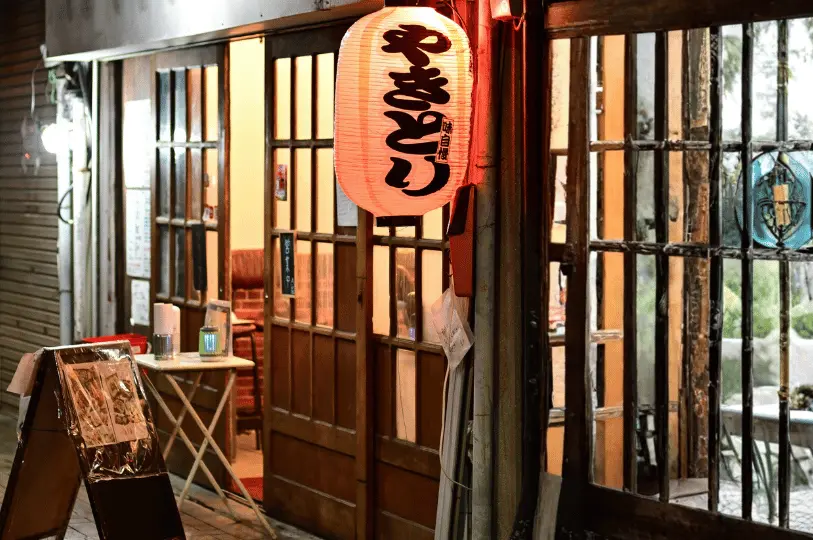
Photographing an izakaya is one of the most rewarding challenges you can take on as a food and lifestyle photographer. It forces you to step away from perfectly controlled studio lighting and react to the real world. The passion behind the craft of izakaya photography lies in capturing moments that bring the place to life, the textures of dishes, the casual interactions, and the heart of the izakaya experience.
I strongly encourage you to grab your camera, book a counter seat at a place like Neon Pigeon or your favorite neighborhood spot, and just spend a few hours watching the light. Take your time, respect the people around you, and focus on the small, human details. That is how you capture the true soul and sense of an izakaya. The pleasure of this process is in the love and life you bring to your photography, and the memories you create for others to enjoy.

A Note to the Streets That Have Yet to Wake Up
May 15, 2026
The asphalt is slick with leftover midnight rain. It is 4:30 AM on Balestier Road. The city is completely silent, wrapped in a heavy, humid darkness. I stand on the corner across from Sing Hon…
-
Days Without Meat: A Study of Habit Inside Fortune Centre’s Vegetarian Culture
May 14, 2026
Let me tell you about the first time I walked into Fortune Centre with my camera. I expected a standard Singaporean food court experience: loud, chaotic, and heavily focused on the usual meat-heavy local dishes….
-
To the Bowl That Sings with Steam Every Morning
May 12, 2026
The glass of my lens fogs over the second I take off the cap. It is 6:15 AM at Maxwell Food Centre. The heavy, cool air of the morning clashes immediately with the immense heat…
-
From Queue to Tray: A Continuous Frame Through Fortune Centre Singapore’s Lunch Hour
May 11, 2026
The air inside the first floor of Fortune Centre is thick with the inviting aroma of toasted sesame and rich braised tofu. It’s just past midday, and the narrow corridors along Middle Road buzz quietly…
-
A Letter I Never Gave to the Noodle Uncle
May 8, 2026
The bamboo strainer hits the edge of the aluminum pot with a hollow, rhythmic thud. It is two in the afternoon at Hong Lim Food Centre. The frantic lunchtime crowd has finally vanished. The heavy,…
-
Fortune Centre Food: Cheap Eats That Deserve a Closer Look
May 7, 2026
The first thing I notice about Fortune Centre is not the food. It is the light Fluorescent, flat, almost unforgiving. It settles over everything without preference. Trays of mock meat, bowls of laksa, stainless steel…
-
To The Recipe That Outlived Its Maker
May 5, 2026
The morning air at Jalan Berseh is still cool, but the heat radiating from the charcoal fire is immediate. I stand a few steps back from the counter of Sungei Road Laksa. I watch the…
-
Roux Legacy: The Japanese Curry Mastery of Maruhachi Donburi & Curry
May 4, 2026
A Kopitiam Lunch with Japanese Roots Featuring Maruhachi Donburi Curry I visited the Edgefield Plains outlet on a Tuesday around 12:30 PM. I was exhausted after a morning photo shoot and desperately needed a heavy,…
-
A Note to the Table That Has Seen Too Much
May 1, 2026
The afternoon light at Old Airport Road Food Centre is heavy and thick. It cuts through the open sides of the building, casting long, sharp shadows across the floor. I sit at table 42 near…
-
Golden Hour Photography in a Bowl: Photographing Japanese Curry’s Visual Language
April 30, 2026
It was exactly 6:30 PM during the sunset golden hour. The sun was dipping low on the horizon, casting a long, warm beam of golden light directly across my wooden table. The waitress set down…