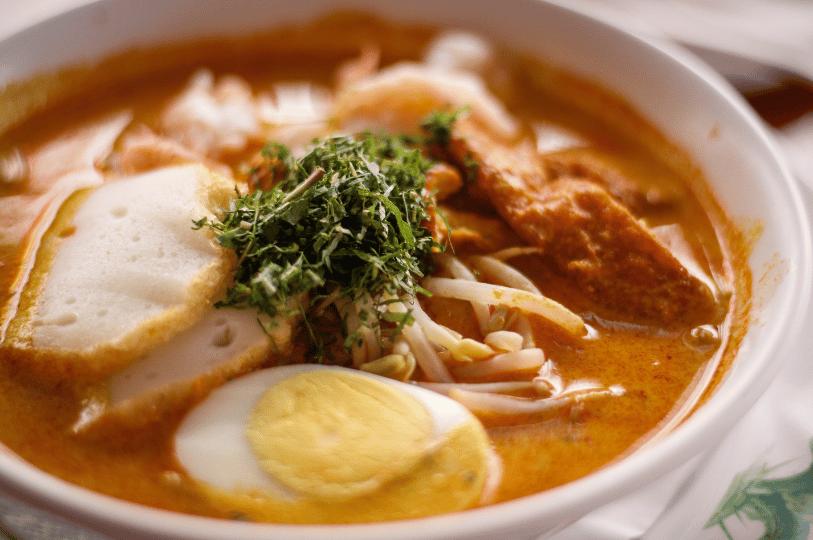
There are dishes that you eat, and then there are dishes that you experience. Laksa is firmly in the latter category. It is an intoxicating, full-body immersion into a world of flavor, a dish so rich and complex that it demands your complete attention. It arrives as a bowl of sunset-hued soup, its surface shimmering with coconut milk and chili oil, promising a journey of spice, creaminess, and umami. This is the velvet embrace of laksa in Singapore, a culinary icon that has long captivated the palates of the world’s best foodies. It is more than just a noodle soup; it is a story of culture, history, and sensory seduction, all contained within a single, perfect bowl.
The Cultural Heartbeat of a Noodle Soup
Laksa is a dish born from the cultural crossroads of Southeast Asia. Its origins are a beautiful, tangled web of Chinese and Malay influences, a testament to the intermingling of communities along ancient maritime trade routes. The name itself is thought to have roots in Sanskrit, meaning "one hundred thousand," hinting at the myriad of ingredients and complex flavors involved. This is the heart of Peranakan food, a culinary tradition born from the marriage of Chinese immigrants and local Malays.
In Singapore, laksa is more than just a popular dish; it is a symbol of the nation’s multicultural identity. It represents the beautiful fusion that occurs when different cultures share their kitchens and their traditions. It is a taste of history, a liquid narrative that tells the story of migration, adaptation, and the creation of something uniquely Singaporean. To understand the story of laksa in Singapore is to understand the soul of the city itself, where every food centre and hawker stall opens its doors to serve this classic dish. Many laksa stalls are just a short walk from major MRT stations, making it easy for both locals and visitors to indulge. Laksa’s rich broth often includes coconut milk, fresh prawns, cockles, bean sprouts, and a boiled egg, with some versions even adding pork or extra cockles for enhanced flavor. The dish inspires strong opinions among foodies, each claiming their favorite stall or recipe as the best. It’s this passionate debate that keeps the laksa culture vibrant and ever-evolving in Singapore.
The Velvet Embrace: A Sensory Experience
To call laksa a noodle soup is a profound understatement. The experience begins before you even take your first bite. The aroma hits you first: the fragrant perfume of coconut milk, the pungent funk of dried shrimp, the sharp, herbal notes of laksa leaf, and the deep, warming spice of the chili paste. It is a complex and intoxicating perfume that primes your senses for what is to come.
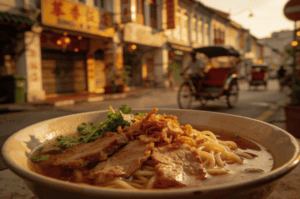
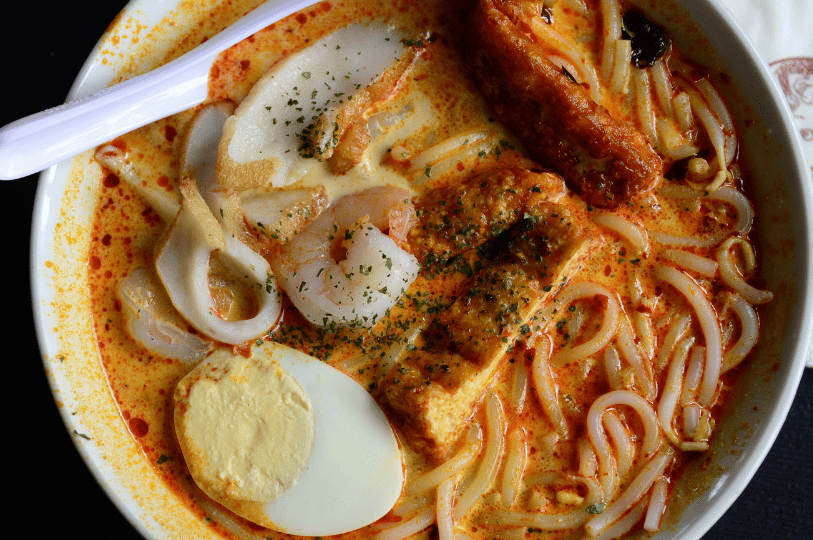
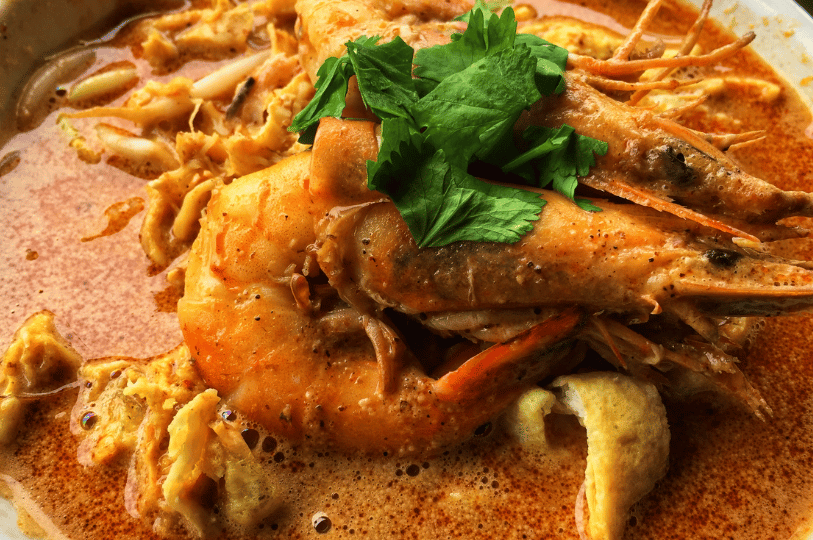
Then there is the visual appeal. The broth is a stunning, vibrant orange, a color that speaks of richness and flavor. It is a canvas dotted with toppings: pearly white fish cake slices, plump, pink prawns, blood cockles, and finely chopped green laksa leaves. The first spoonful is a revelation. The broth is thick, creamy, and coats your tongue in what can only be described as a velvet embrace. It is a harmonious blend of spicy, savory, sweet, and briny. The heat from the chili builds slowly, a pleasant warmth rather than a searing fire. The coconut milk soothes and balances, creating a flavor profile that is both powerful and comforting. This is why the best foodies seek it out; it is an experience of pure, unadulterated sensory pleasure.
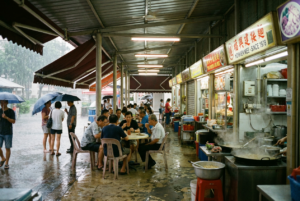
Laksa is commonly found in hawker food centres and coffee shops across Singapore, often served with noodles and a generous helping of other ingredients such as bean sprouts, boiled egg, and fish cake. Variations like the Asia Delight Laksa and Yishun Laksa each offer their own version of this classic dish, sometimes including extra cockles or prawns to enhance the flavor. The use of evaporated milk in some recipes adds a unique creaminess that complements the fresh coconut milk base.
Enjoying laksa is often part of a larger culinary adventure that includes other beloved Singaporean dishes such as chicken rice, fried hokkien mee, carrot cake, bak chor mee, yong tau foo, and wanton mee. Many foodies combine visits to famous stalls at places like Amoy Street Food Centre, Alexandra Village Food Centre, Ghim Moh Food Centre, Jalan Besar, and Yuhua Village Market to sample a variety of authentic flavors.
Whether you’re indulging in a bowl of laksa at a bustling hawker stall or savoring it at a fine dining restaurant, the dish’s rich history and complex flavors make it a standout in Singapore’s vibrant food scene. For first trips to Singapore, trying laksa alongside other iconic dishes like kaya toast and bak kut teh provides a well-rounded taste of the city’s diverse culinary heritage.
The Many Faces of Laksa in Singapore
While the core concept remains the same, laksa in Singapore has evolved into several distinct variations, each with its own loyal following.
Katong Laksa: The Iconic Slurp
Perhaps the most famous version is Katong laksa. Its defining characteristic is the noodles, which are cut into short, bite-sized pieces. This allows the entire bowl to be eaten with only a spoon, no chopsticks required. The gravy is the star here, a rich, fragrant, and decidedly coconut-heavy concoction. The focus is on the creamy, savory balance, with the spice playing a supporting role. It is a comforting and deeply satisfying version that has become synonymous with the laksa experience for many.
Curry Laksa: A Spicier Affair
Curry laksa, sometimes simply called curry mee, leans more heavily into its spice profile. It often contains a wider variety of toppings, including fried tofu puffs (tau pok) that act like delicious little sponges, soaking up the flavorful broth. The gravy is typically less thick than its Katong counterpart but carries a more pronounced curry flavor, with a spicier kick that will appeal to those who love heat. It is a bold and assertive version of the dish, a vibrant celebration of spice, much like the dishes found in our "Spice Affair: Singapore Foodies' Guide to Little India."
The Anatomy of a Perfect Bowl
What separates a good bowl of laksa from a great one? It comes down to the quality of the ingredients and the skill of the hawker.
The soul of the dish is the rempah, the spice paste that forms the base of the broth. It is a complex blend of ingredients like dried chilies, shallots, galangal, turmeric, lemongrass, and belacan (fermented shrimp paste). A great rempah is made from scratch and cooked slowly to allow the flavors to meld and deepen. This is where the true craftsmanship lies.
The other key components are just as important. The coconut milk must be fresh and of high quality to provide that signature creaminess. The noodles should be perfectly cooked, springy but not tough. The toppings, from the fresh prawns to the cockles, must be impeccably fresh. The final garnish of finely chopped laksa leaf, also known as Vietnamese coriander, is not just for decoration; it adds a crucial, bright herbal note that cuts through the richness of the broth.
Where to Find the Best Laksa Experiences
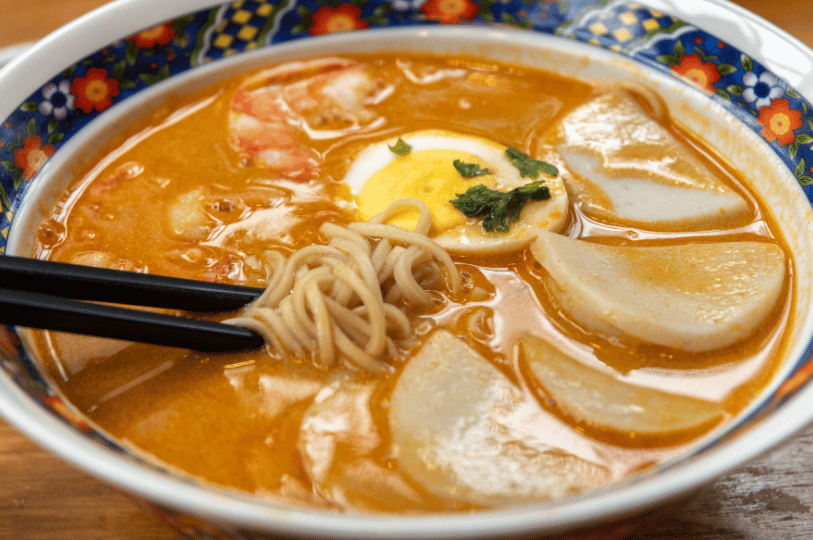
For the best foodies on a quest for authentic laksa in Singapore, the journey will take you to the city’s beloved hawker centres, food centres, and old-school coffee shops known for their home cooked dishes.
328 Katong Laksa
Located along East Coast Road, this famous stall is arguably the most renowned laksa stall in Singapore. It has earned a Michelin Bib Gourmand and famously beat Gordon Ramsay in a cooking showdown. Known for its rich, coconut milk-based gravy and medium size servings, it offers the quintessential Katong laksa experience, complete with short-cut noodles, prawns, cockles, bean sprouts, and a boiled egg.
Sungei Road Laksa
Nestled in a coffee shop on Jalan Berseh, Sungei Road Laksa, this famous stall is a cult favorite among laksa lovers. Its signature is the flavorful broth cooked over a charcoal fire, imparting a subtle smoky aroma that sets it apart. The regular bowl includes generous helpings of fresh cockles and fish cake, served with a spicy sauce and a small serving of noodles, making it a classic dish cherished by many.
Janggut Laksa
Situated at Roxy Square, Janggut Laksa claims to be the original Katong laksa, with a recipe dating back to the 1940s. It serves a lighter side of laksa with a flavorful broth made from freshly squeezed coconut milk and homemade rempah. The medium size bowl is packed with prawns, cockles, fish cake, bean sprouts, and a boiled egg, offering a balanced and deeply satisfying meal.
These stalls are frequently visited by locals and tourists alike, often drawing long queues, a testament to their enduring popularity. Whether you prefer a bit pricey but richly flavored bowl or a more traditional, lighter version, these hawker stalls represent the best versions of laksa in Singapore, each with its own unique take on this beloved dish.
Conclusion: A Dish That Demands Devotion
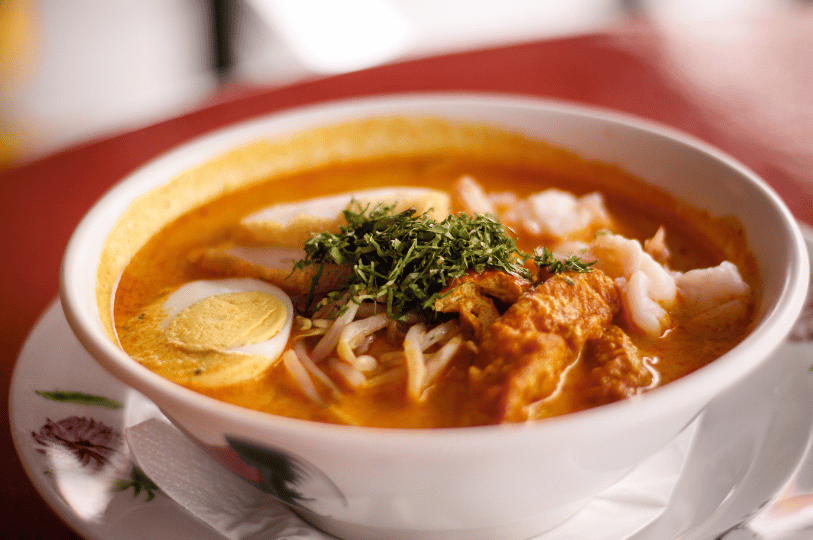
Laksa is not a dish for the faint of heart. It is bold, complex, and unapologetically rich. It is a dish that demands your full attention and rewards it with an experience that lingers long after the bowl is empty. Its enduring appeal lies in this very complexity, this perfect balance of spice and cream, savory and sweet. It is a culinary masterpiece that continues to captivate and convert the best foodies from around the globe. To truly understand the heart of Singaporean cuisine, one must surrender to laksa’s velvet embrace. It is a journey worth taking, one spoonful at a time.

The First Hawker Stall That Changed Everything
March 18, 2026
It was a rainy Tuesday afternoon about seven years ago, and I was just a guy with a camera looking for shelter. I ducked into an old, dimly lit hawker center in Toa Payoh to…

The Best Singapore Breakfast Spots: Lighting, Angles & Visual Stories for Singapore Foodies
March 16, 2026
After years of chasing the perfect breakfast shot all over Singapore, I’ve noticed some venues aren’t just great for eating. They’re inspiring playgrounds for food photography, beloved by both locals and Singapore foodies alike. Whether…
-
From Empire to Plate: Process-Focused Colonial Photography SG Series
March 13, 2026
The story of Singapore cuisine is impossible to tell without acknowledging its colonial past. As a strategic port for the British Empire, Singapore became a magnet for a diverse range of people and products. From…
-
Translating Taste into Frames: Why I Capture Food
March 11, 2026
I fell in love with street food photography in Singapore, somewhere between the steam of a hawker stall and the click of my shutter. It wasn’t planned. I was hungry, wandering, half-lost, when a bowl of laksa stopped me cold. The broth glowed…
-
Maximizing Colonial Heritage: Efficient SG Photography Routes
March 9, 2026
The morning light hits the peeling plaster of a shophouse five-foot way differently than it hits a glass skyscraper. It is softer, more textured, and it seems to carry the weight of history. For a…
-
Period Restaurant Lighting in Photo Shoot in Singapore Locations
March 6, 2026
The air in a heritage Hainanese coffeeshop is thick with more than just the aroma of kaya toast and freshly brewed kopi. It is thick with a particular quality of light. A mix of harsh,…
-
Imperial Diversity Through Photo Shoot Singapore Projects
March 2, 2026
When I set up my tripod in a bustling kopitiam or a quiet heritage restaurant, I am constantly reminded that I am not just photographing a meal. I am photographing a map. Every photo shoot…
-
Historic Flavors Shoot Singapore: Post-Processing for Period Authenticity
February 27, 2026
When I look through the viewfinder at a plate of heritage kueh or a steaming bowl of rickshaw noodles, I am not just capturing food; I am framing a memory. The challenge for any documentary…
-
Colonial Cuisine Photoshoot: Styling Singapore’s Historic Flavors
February 23, 2026
When I first embarked on a photoshoot focusing on Singapore’s colonial cuisine, I didn’t realize how deeply food could connect us to history. It wasn’t just about snapping pictures of dishes; it was about capturing…
-
Coal, Fire, and Memory: A Singapore Food Blogger Revisits Tanjong Pagar’s Industrial Kitchens
February 20, 2026
It had been a while since I set a day to wander through the back lanes of Tanjong Pagar. When I decided to come back to the place left me star-struck, not by the polished…