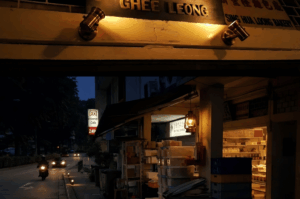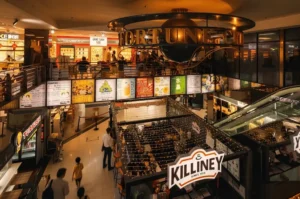
Little India is at the heart of Singapore food, famous for its vibrant hawker centres, diverse dishes, and energy that draws both locals and visitors. Anyone interested in Little India food photography will find a treasure trove of colors, flavors, and stories to capture. With its overflowing markets, sizzling hawker stalls, and rich traditions, Little India is a must for anyone wanting to photograph—and sample—local food.
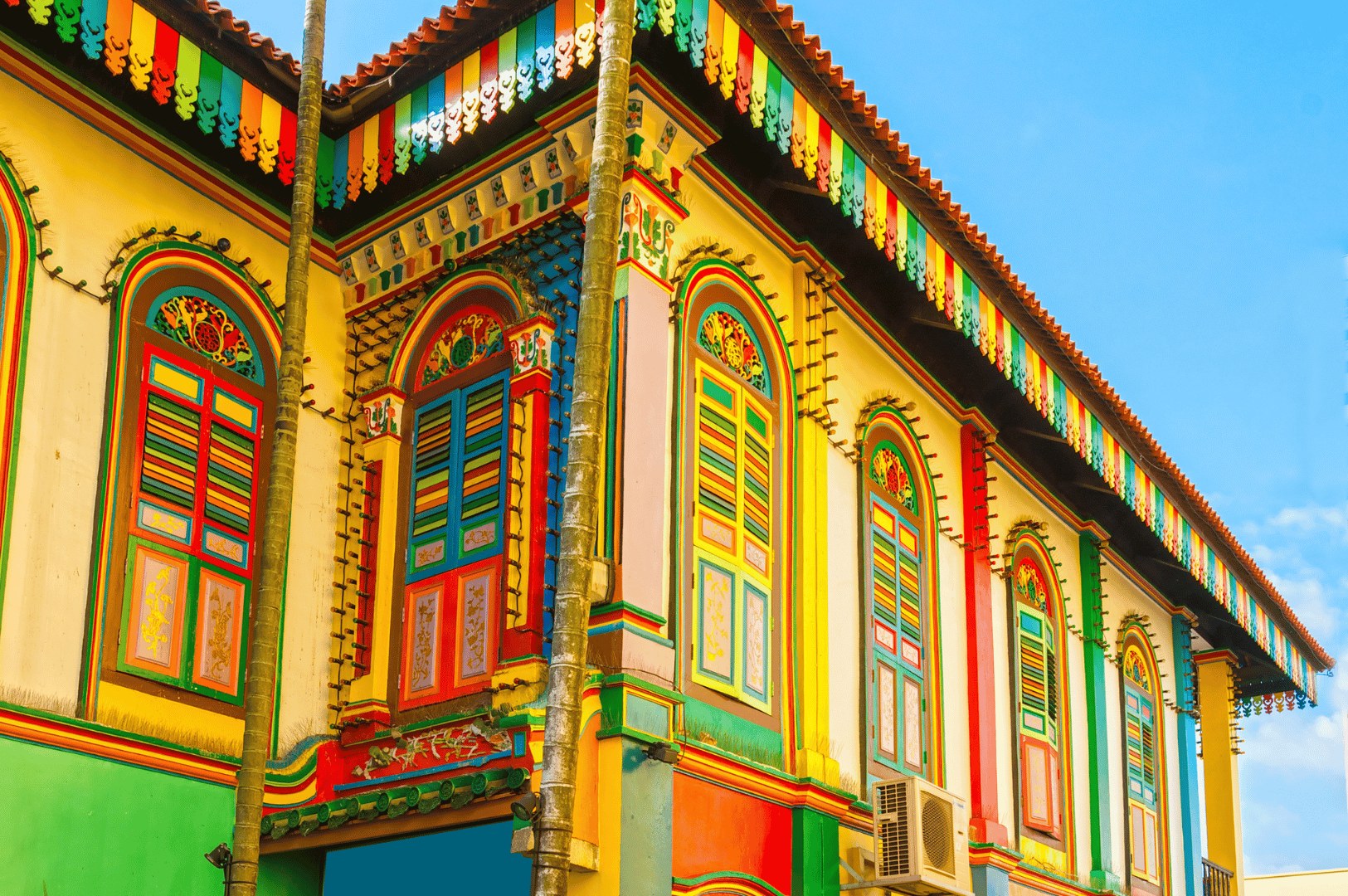
Where to Photograph: From Markets to Modern Hawker Centres
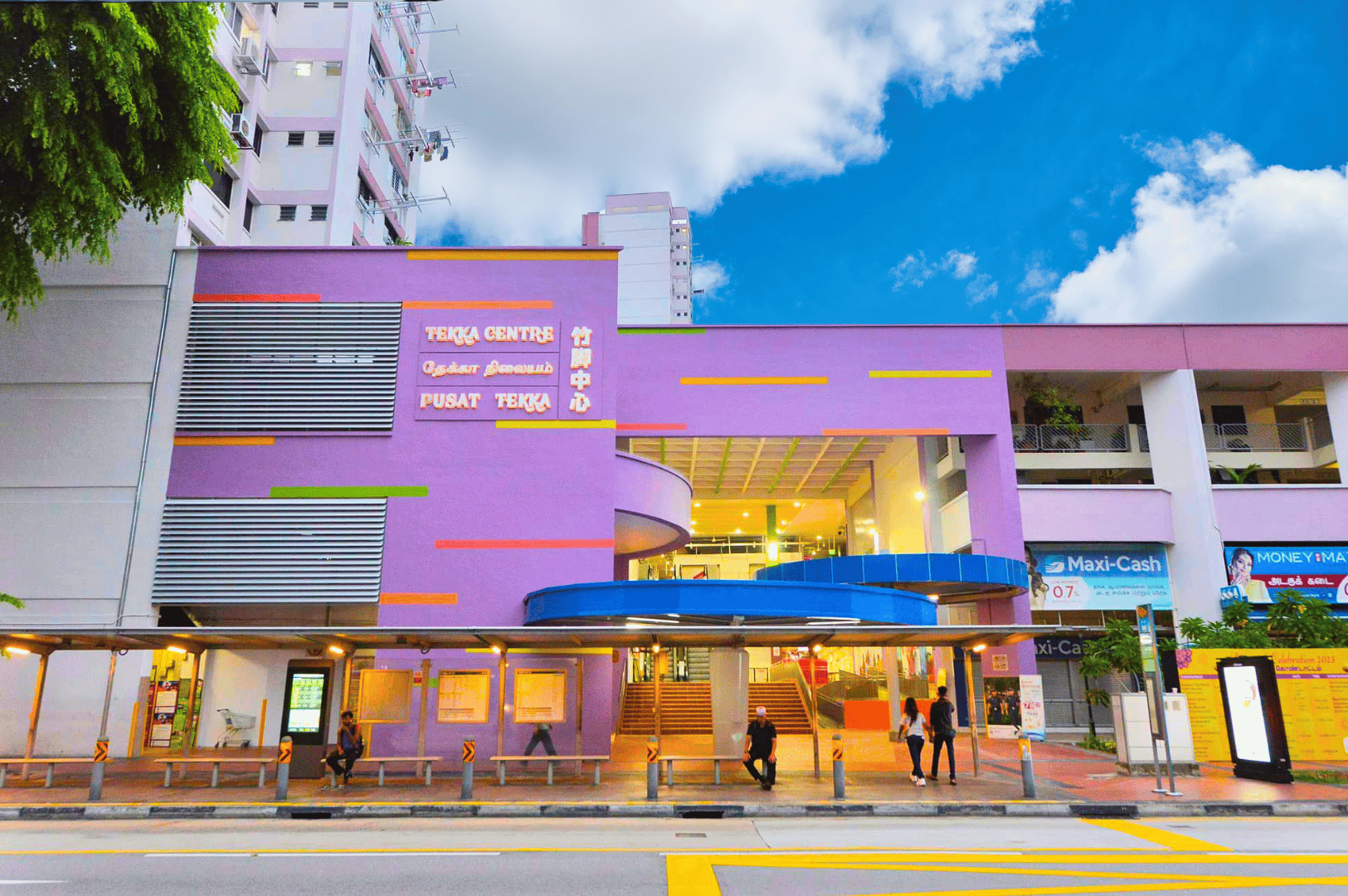
The beating heart of food culture in Little India is Tekka Centre. Walk among stalls selling fresh produce, spices, and essential ingredients like rice flour and coconut milk. Capture baskets of egg noodles, bean sprouts, tofu puffs, and red beans—commonly found in traditional Singapore dishes. Don’t miss the busy food court where you can eat a variety of local dishes, such as biryani, fried chicken, and sambal chili, as well as seafood favorites like Laksa and Hokkien Mee that often feature shrimp, sending up clouds of steam and bursts of color.
For variety, make your way to Komala Vilas. This is where you’ll photograph banana leaf feasts stacked with rice, curry, and coconut cream—dishes so colorful they’re made for the camera. Looking for more? The Banana Leaf Apolo serves fiery Fish Head Curry with lime juice and dark soy sauce, while aromatic stir fried rice noodles and spicy bak chor mee are easy to spot in neighbouring stalls and at Airport Road Food Centre, where shrimp is also a key ingredient in many noodle dishes.
Serangoon Road and Jalan Besar are packed with vendors offering popular dishes like carrot cake (actually a savory, egg and rice cake dish with dark soy sauce), oyster omelette, and kaya toast with local coffee. Each hawker centre or stall presents a new palette and a new story.
The Colors and Culture: Why Indian Cuisine Pops
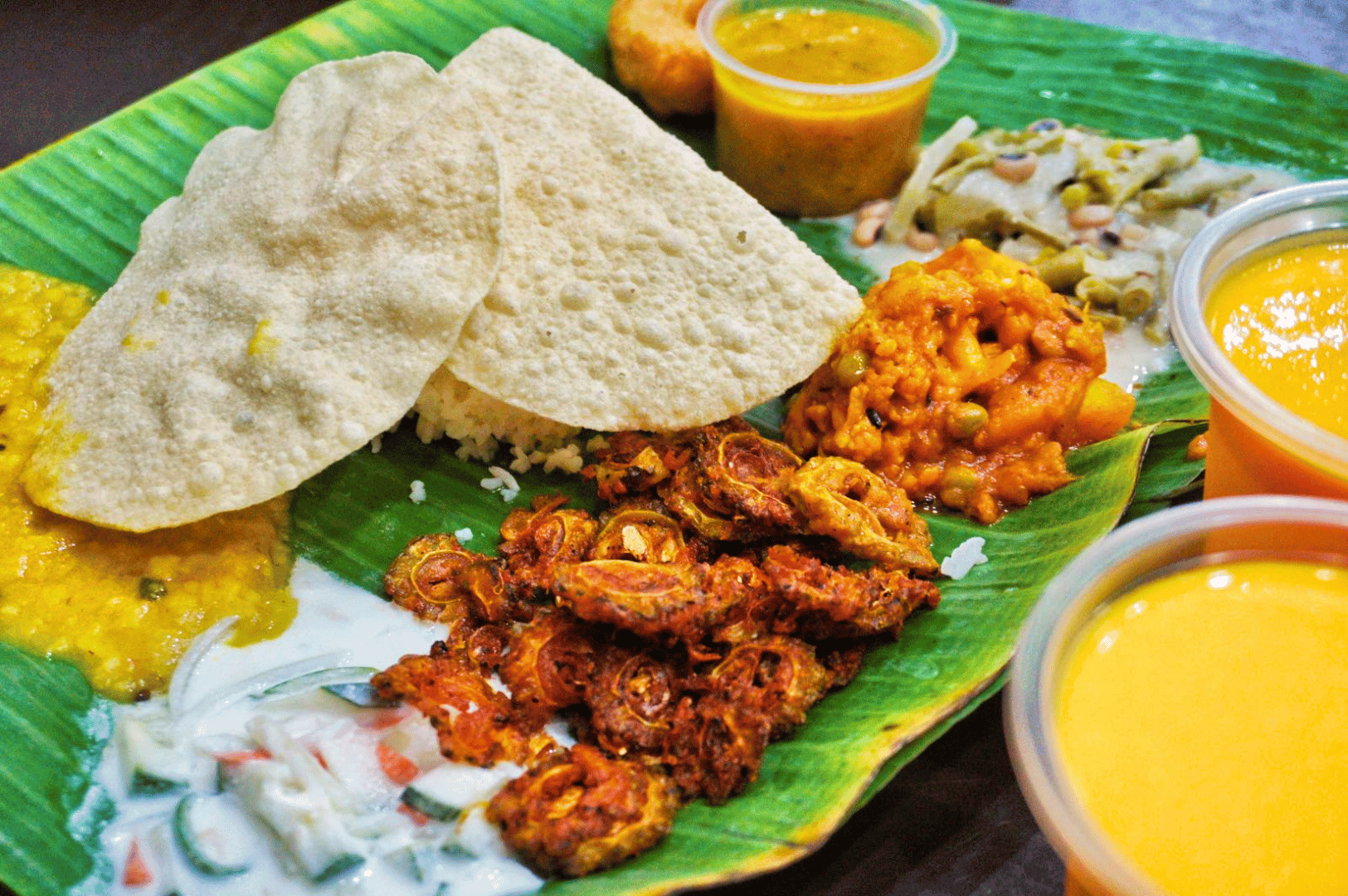
Photographing Little India cuisine means embracing a world of bright spices and bold presentation. The yellow of turmeric, the green of pandan leaves, and the deep black of soy sauce or black pepper provide a spectrum to work with. In Singapore food photography, pay attention to how these colors are used: a golden biryani, a red curry enhanced by chili sauce, or a plate of nasi lemak with coconut rice and fried chicken.
In Indian tradition, vibrant colors in a dish often indicate certain flavors or ingredients. Dishes are commonly served with fresh lime juice, chili crab with palm sugar and garlic, or a sweet finish of shaved ice or red beans in desserts—showing the merging of Southeast Asia flavors with Indian cuisine.
Catching the Action: Cooking, Mixing, Serving
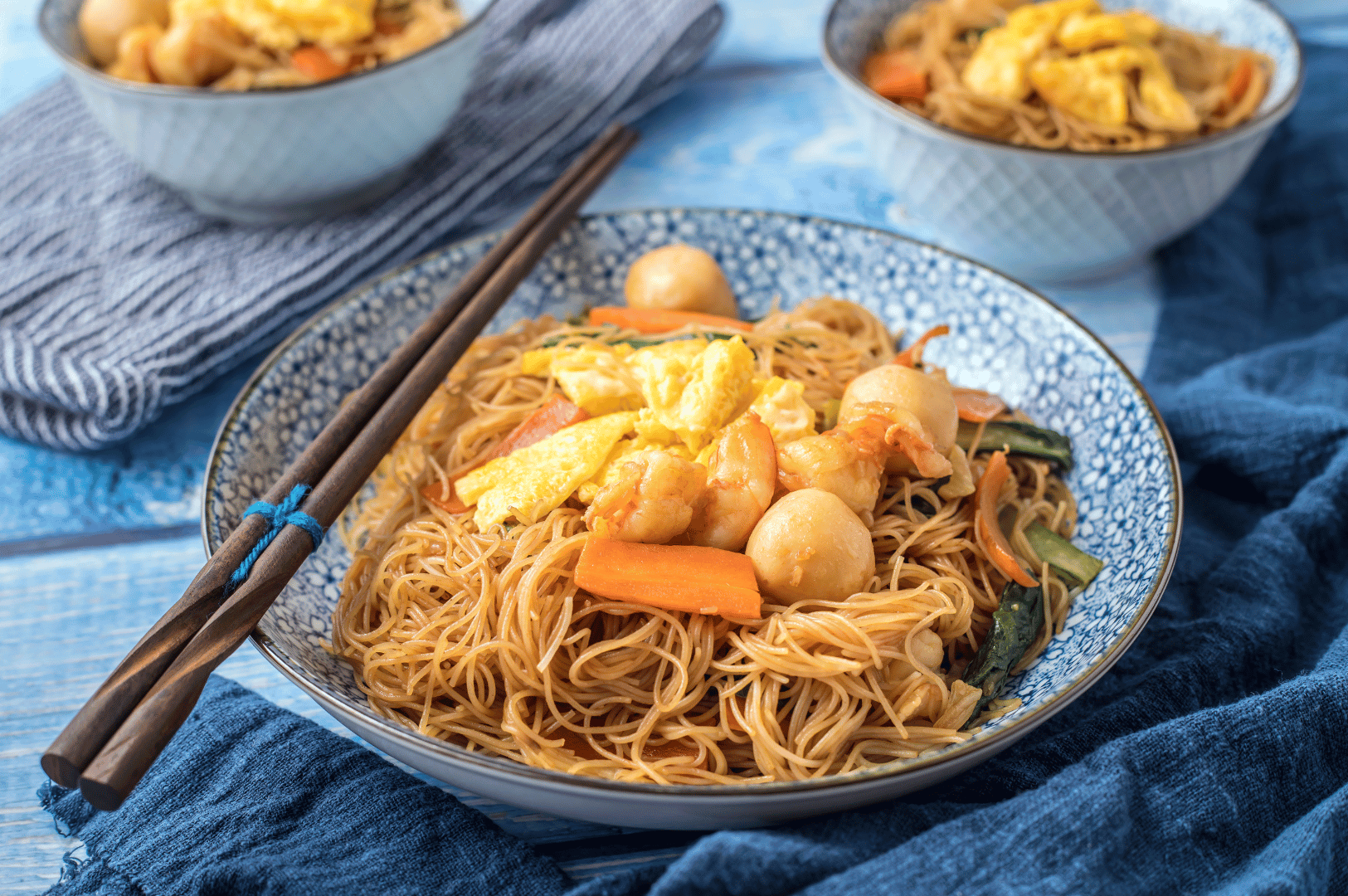
Some of the most engaging food photography comes from documenting movement. Snap chefs tossing bee hoon (rice noodles) or stir frying yellow egg noodles over hot flames, hands assembling side dishes like minced pork and fish balls, or the finishing drizzle of soy sauce on a steaming plate of char kway teow.
Look for action at hawker stalls where classic Singapore dishes are made to order: bak chor mee (with pork bones and fish cake), carrot cake, or freshly steamed rice ready to be paired with local favorite coconut milk curries. Don’t forget the drinks—order teh tarik or kopi with condensed milk for a textured coffee photo.
Dishes to Feature: A Mix of Tradition and Modern Variations
Before diving into the list, it's important to note that certain dishes, especially those from Peranakan cuisine, are traditional recipes passed down through generations and may vary by family.
Chicken Rice
The ultimate Singapore dish, fragrant rice cooked with garlic and served with chili sauce.
Char Kway Teow
Flat rice noodles and egg noodles wok-tossed with Chinese sausage, fish cake, and bean sprouts in dark soy sauce.
Bak Chor Mee
Egg noodles or mee pok tossed with minced pork, fish balls, and a splash of vinegar and sambal chili.
Nasi Lemak
Coconut rice, fried chicken, sambal chili, ikan bilis, and peanuts—a popular dish found in Little India and hawker centres citywide.
Carrot Cake
Made with rice flour and turnip, stir fried with eggs, dark soy sauce, and often served dry or with chili.
Tips for the Best Food Shots
- Use natural daylight whenever possible, positioning plates near open windows in hawker centres or restaurants.
- Shoot overhead for flat lays of multiple side dishes, or at a low angle to catch layers in dishes like chicken rice.
- Use a prime lens or smartphone portrait mode for appealing background blur. Macro shots spotlight the sparkle of sambal chili or coconut cream.
- Adjust white balance to combat yellow restaurant lighting, and avoid direct flash to keep colors authentic.
Cultural Etiquette and Respect
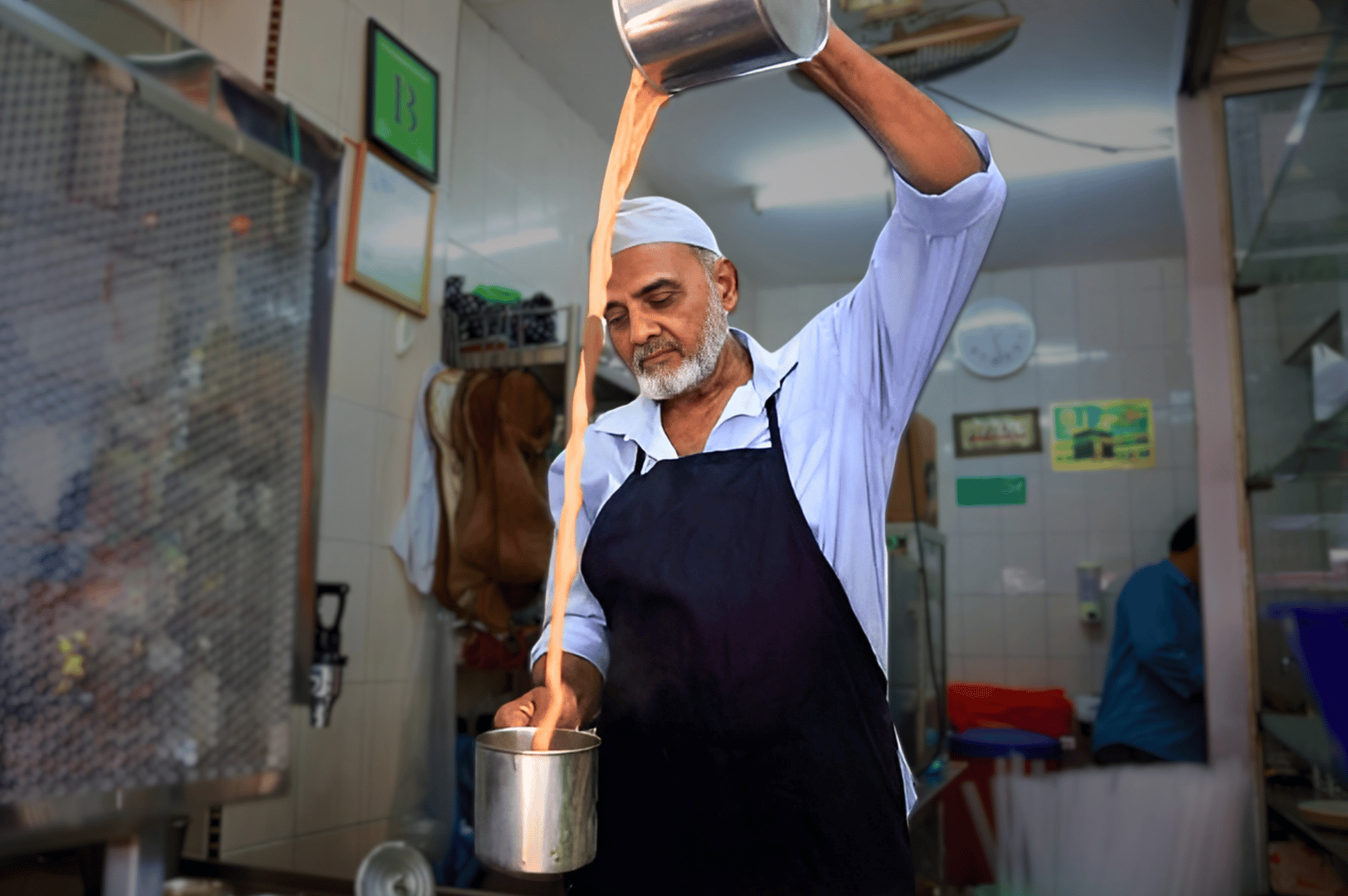
Be respectful—always ask vendors and chefs before taking close-ups. Offer a smile, buy a dish, and show genuine interest. Hawker stalls are busy; a quick chat about ingredients like fish paste or tofu puffs can unlock new perspectives for your photography.
Indulge in India's Local Food
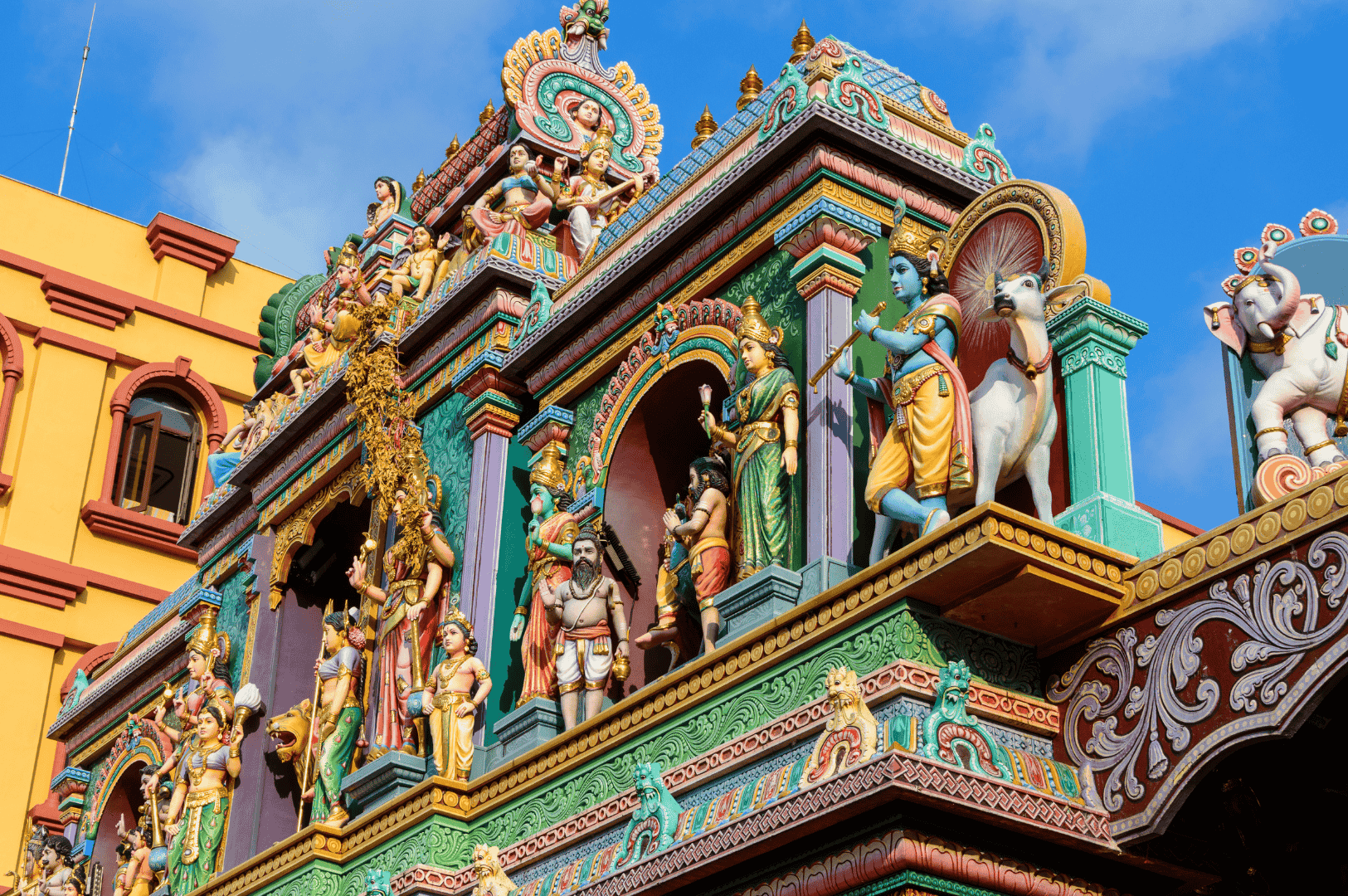
From the sizzle of stir fried noodles to the sweetness of shaved ice desserts, Little India’s food scene is packed with vibrant images and stories. Blend technical skill with an openness to other variations of dishes, and your photographs will reflect the spirit, color, and flavor of local food culture.
For another unforgettable experience of Singapore's street food scene, be sure to check out Flame and Smoke: Best Satay in Singapore—where the art of grilling satay is brought to life. Spend time wandering, tasting, and connecting—your lens will thank you.
For more visual stories and culinary journeys, visit Street Food Photographer.

The Quiet Moments Before the First Order
May 29, 2026
The sky outside is still a deep, bruised purple. Inside the food centre at Toa Payoh Lorong 8, the air is cool and heavy with the scent of damp concrete and raw ginger. I sit…
-
Flame, Smoke, and Sizzle: The Art of Grilling in Singapore’s Izakayas
May 28, 2026
A chef stands behind a trough of white-hot binchotan charcoal. He holds a fan in one hand and carefully turns a row of wooden chicken skewers with the other. He does not rush. He waits…
-
To the Vendors Who Know No Rest, Yet Keep Going
May 26, 2026
The air at Chinatown Complex Food Centre always carries a thin layer of grey soot by the time the evening arrives. I stand near the edge of the green tiled floor. The noise of the…
-
The Heart of the Grill: The Master Craftsmen Behind Izakayas Singapore Prides On
May 25, 2026
When I first started photographing food in Singapore, I had a very narrow view of what Japanese dining looked like. I walked right past the smoky, loud, narrow storefronts of local izakayas. I thought they…
-
A Quiet Reflection from the Corner of the Hawker Centre
May 22, 2026
The red plastic chair scrapes against the tiled floor. I set my camera bag on the empty seat next to me. The afternoon heat at Old Airport Road Food Centre is thick. A slow ceiling…
-
Capturing the Essence of Izakayas: How Izakaya Photography Brings These Hidden Gems to Life
May 21, 2026
I clearly remember my first time bringing a professional camera into Shukuu Izakaya & Sake Bar on Stanley Street. I walked in with a rigid plan to photograph their famous mentaiko rosti. I spent a…
-
To the Light That Only Appears at 5AM
May 19, 2026
The wet market floor at Tekka Centre reflects the deep blue of the pre-dawn sky. It is exactly five in the morning. The main overhead lights are still off. A heavy, damp quiet hangs in…
-
Where Night Settles Into the Grill: Shooting The Best Izakaya Singapore
May 18, 2026
I have spent the last three years carrying my camera through the smoky, cramped corridors of the acclaimed “best izakaya” Singapore has. I’ve tried all of these spots, spending countless nights waiting for the perfect…
-
A Note to the Streets That Have Yet to Wake Up
May 15, 2026
The asphalt is slick with leftover midnight rain. It is 4:30 AM on Balestier Road. The city is completely silent, wrapped in a heavy, humid darkness. I stand on the corner across from Sing Hon…
-
Days Without Meat: A Study of Habit Inside Fortune Centre’s Vegetarian Culture
May 14, 2026
Let me tell you about the first time I walked into Fortune Centre with my camera. I expected a standard Singaporean food court experience: loud, chaotic, and heavily focused on the usual meat-heavy local dishes….