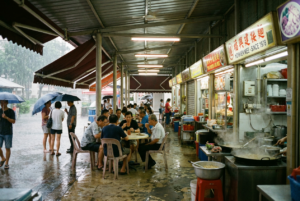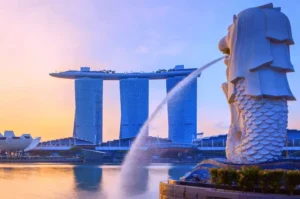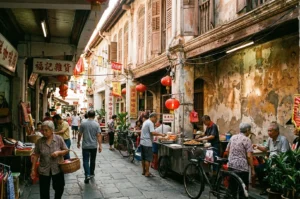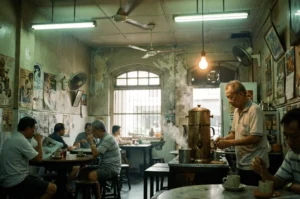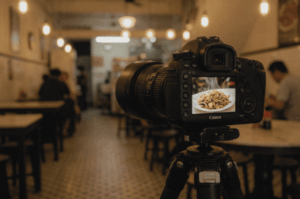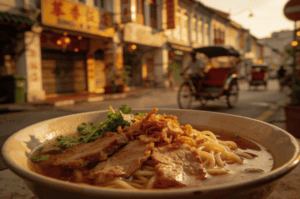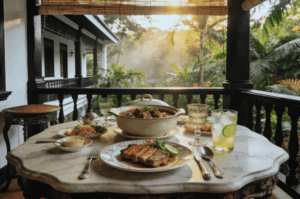
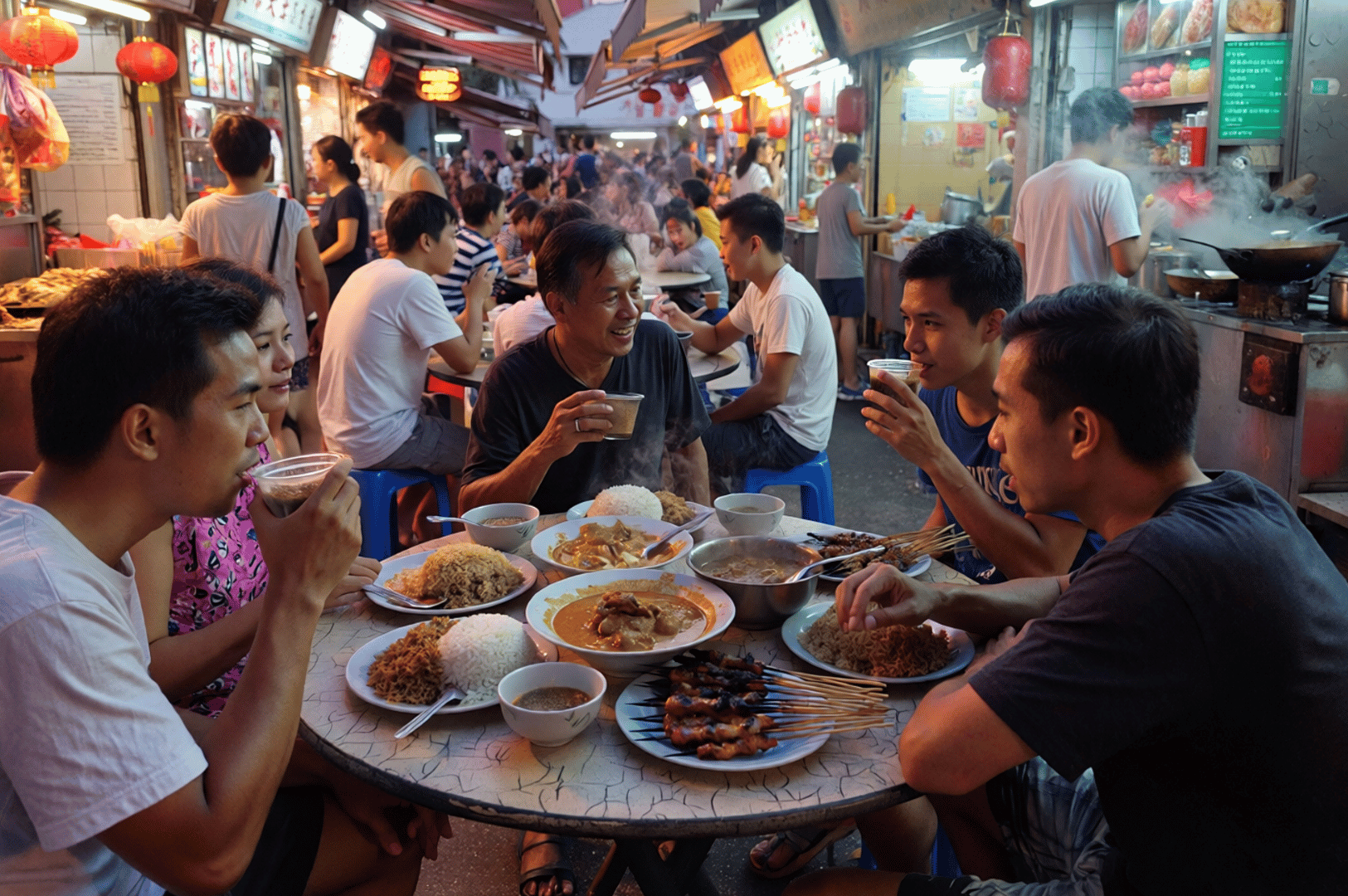
The city exhales. Its daytime hustle recedes into a quiet hum, replaced by a different kind of pulse. On street corners bathed in the lonely glow of a single lamp post, a new world awakens. This is the hour of the midnight supper, a time when cravings are honest and conversations are raw. It is here, in the rising steam of a noodle stall or the fiery dance of a grill, that a secret language is spoken. This language is not of words, but of sensation, memory, and desire. As food photographers, we are uniquely positioned to translate it. High-quality visuals play a crucial role in capturing this mood and engaging the audience, making the experience tangible whether for menus, promotions, or websites. The food images we create after dark are not just pictures of meals. They are confessions, whispered stories of a city’s hidden heart, capturing the vulnerable soul of the nocturnal appetite.
The Nocturnal Appetite
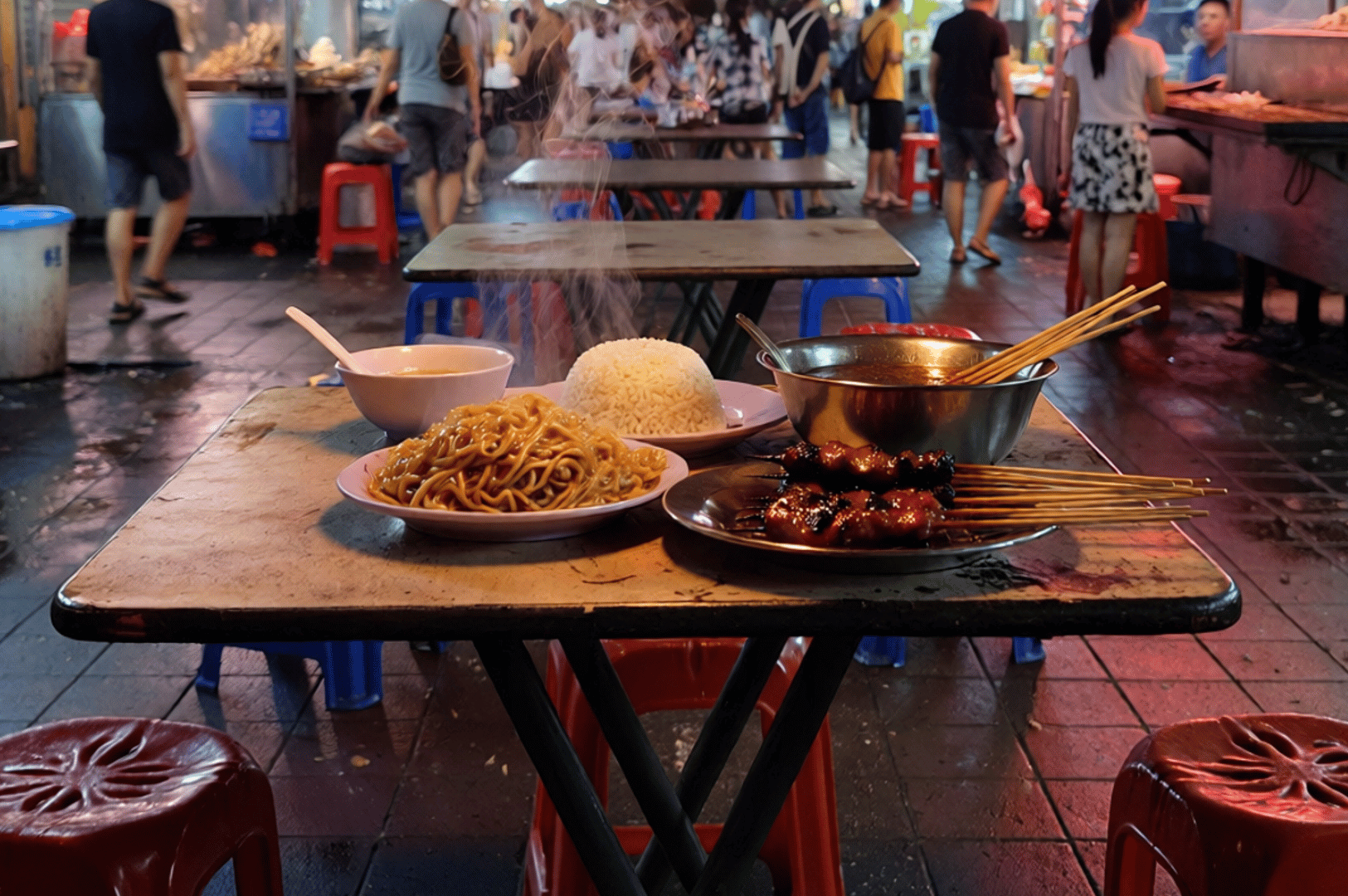
Why does what we eat taste different at midnight? The world is quiet, our defenses are down, and a simple bowl of noodles can feel like a profound act of self care. This is the nocturnal appetite, a state of being where hunger is driven by more than just an empty stomach. It is a craving for warmth, for comfort, for a moment of peace in the stillness of the night. This vulnerability is what makes late night eating so special. It is an unguarded moment, a personal ritual that connects us to our most basic needs.
A photo taken at this hour on or after supper captures this unique psychological state. Unlike the bright, polished images of brunch, nocturnal dinner photography is moody and intimate. It documents a primal urge. The harsh shadows and isolated pools of light mirror the diner’s focused world, where nothing exists but the bowl in front of them. The story told by these photographs is one of solace and satisfaction, a quiet rebellion against the sleeping world. Each photograph becomes a portrait of a craving fulfilled, a small, intimate victory celebrated under the cover of darkness. High-quality, professional meal photos are widely available for creative projects, offering a range of options to capture these unique moments.
Light, Shadow, and Visuals: Mystery
Darkness is not an obstacle in nocturnal photography. It is a canvas. It strips away the unnecessary, forcing the eye to focus on what matters. Light becomes a deliberate brushstroke, painting a scene with mood and mystery. Capturing powerful images of supper after dark is an exercise in seeing differently. You are no longer just documenting a dish; you are sculpting it with shadow and light. The technical approach must be as deliberate as the artistic one.
Wide apertures (f/1.4 to f/2.8) become essential, not just for gathering light, but for creating a shallow depth of field that isolates your subject. A glistening skewer of grilled meat emerges from a soft, blurry background of city lights. Steam rising from a bowl of soup becomes a silver ribbon against the deep black of the night. You must learn to read the available light. Is it the harsh, direct glare from a single bulb above a stall? Use it to create dramatic, high-contrast shadows. Is it the soft, diffused glow from a paper lantern? Use it to wrap your subject in a gentle, dreamlike light. White balance becomes a creative choice. You can correct for the mixed, often chaotic colors, or you can embrace the tungsten yellow and fluorescent green to create a scene that feels authentic and atmospheric.
Cultural Codes in Street Food Photography
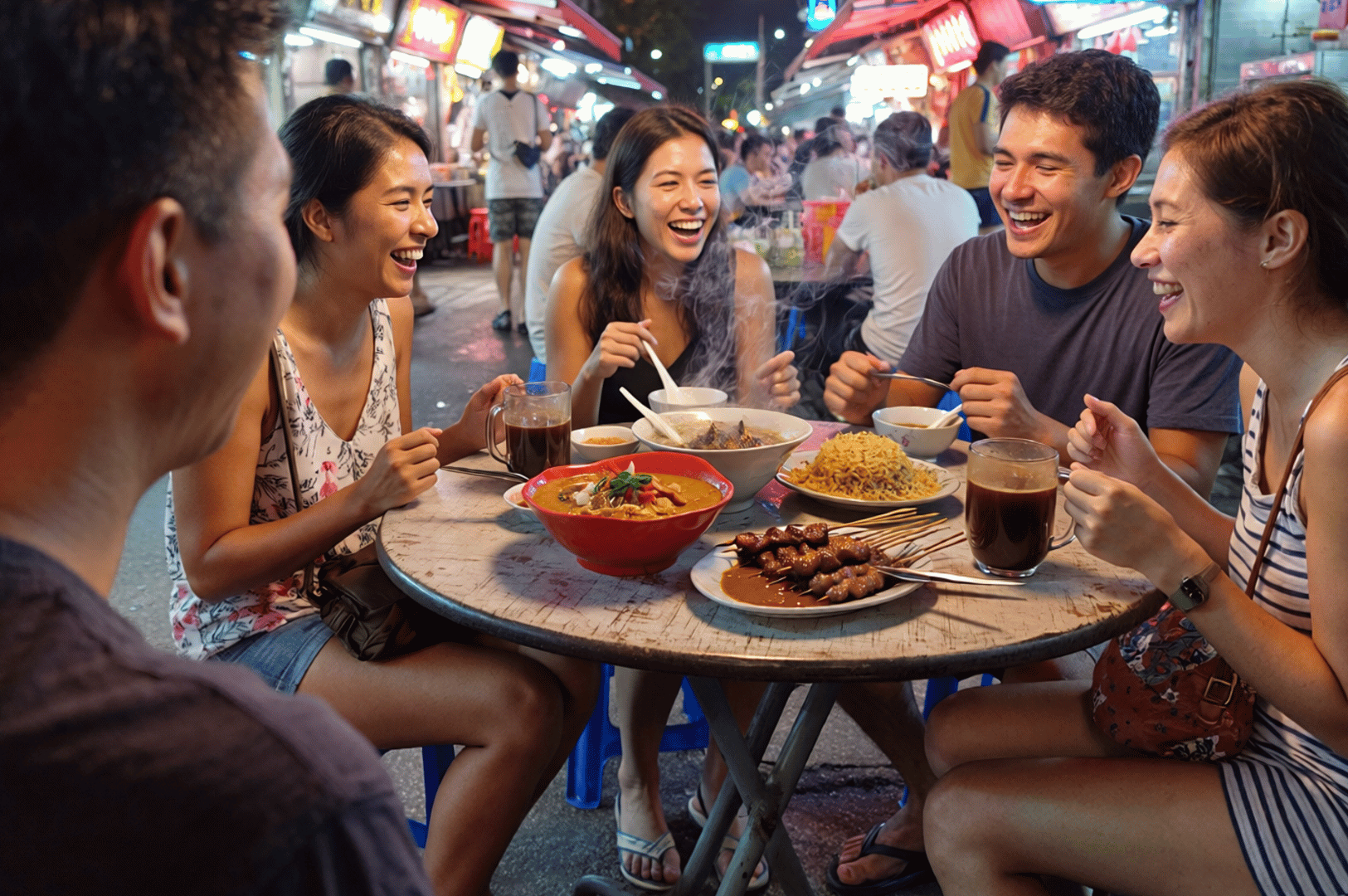
Every culture has its own late night supper traditions, and these rituals are rich with meaning. In Bangkok, the night is alive with the clatter of woks stir frying pad see ew. In Tokyo, salarymen find solace in a steaming bowl of ramen after a long day. In Mexico City, the sizzle of al pastor tacos on a vertical spit is the siren song of the night. These are not just meals. They are cultural codes, expressions of a city’s identity that come alive after dark. The food images we capture in these moments are a form of cultural preservation.
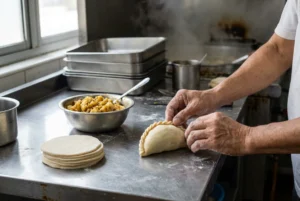
A single photograph can tell a complex story about a community. The image of hands expertly folding a roti prata in Singapore speaks of a history of migration and culinary adaptation. A picture of friends sharing a pizza on a Roman piazza after midnight tells a story of community and la dolce vita. As a photographer, your job is to decode these rituals. Observe the interactions. Notice the specific ingredients, the customary drinks, the way people eat. By capturing these details, your culinary images become more than just meal pornography. They become ethnographic documents, preserving the fleeting, beautiful traditions of nocturnal life around the world.
The Photographer as Confessor
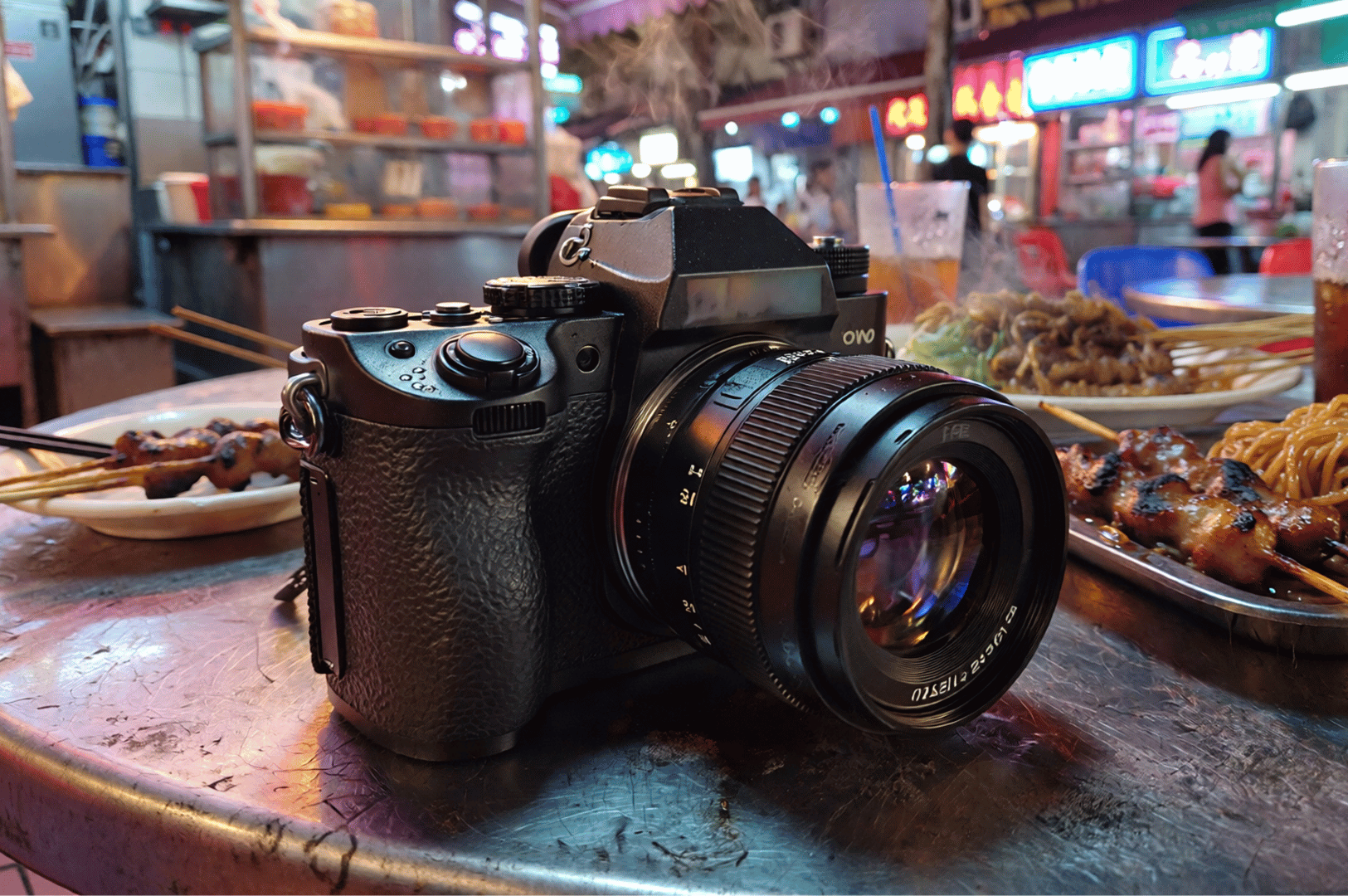
In the quiet of the night, the dynamic between photographer and subject changes. The act of taking a picture becomes more intimate. You are not just an observer; you are a participant in a shared secret. You become a confessor, a trusted keeper of a vulnerable moment. When you raise your camera to a vendor who has been working since dusk, you are acknowledging their craft, their resilience, their place in the city's nocturnal ecosystem. The resulting food images are often imbued with a sense of trust and collaboration.
This relationship extends to the viewer. When someone looks at your late night streetfood pictures, they are being let in on the secret. They can almost taste the spicy broth, feel the warmth of the steam on their face, and hear the distant city sounds. You are sharing an intimate experience, a confession of a moment that felt real and true. Your lens becomes a bridge, connecting the solitary diner, the dedicated cook, and the curious viewer in a shared understanding of what it means to be hungry, to be comforted, to be human in the quiet hours of the night.
Practical Tips for Midnight Food Photography Photos
Capturing compelling images of supper after dark requires a specific approach. Here are a few practical tips to guide you.
- Use a Fast Prime Lens: A 35mm or 50mm lens with a wide aperture (f/1.8 or f/1.4) is your best tool. It will allow you to gather maximum light and create beautiful subject separation.
- Embrace High ISO: Do not be afraid to push your ISO. A grainy photo with emotion is better than a clean but lifeless one. Modern cameras handle noise well, and some grain can even add to the gritty, atmospheric feel.
- Find the Light: Do not create light. Find it. Position yourself and your subject to take advantage of the stall’s own lighting. Use it as a side light or backlight to create texture and drama.
- Capture Motion: Use a slightly slower shutter speed (around 1/60s) to capture the blur of a vendor's hands or the movement of the crowd. This can add a dynamic, energetic feel to your shots.
- Focus on Details: Get close. Focus on the texture of a crispy fried chicken wing, the glistening drops of oil on a noodle, or the vendor's hands, worn from years of work. These details tell a powerful story.
Conclusion
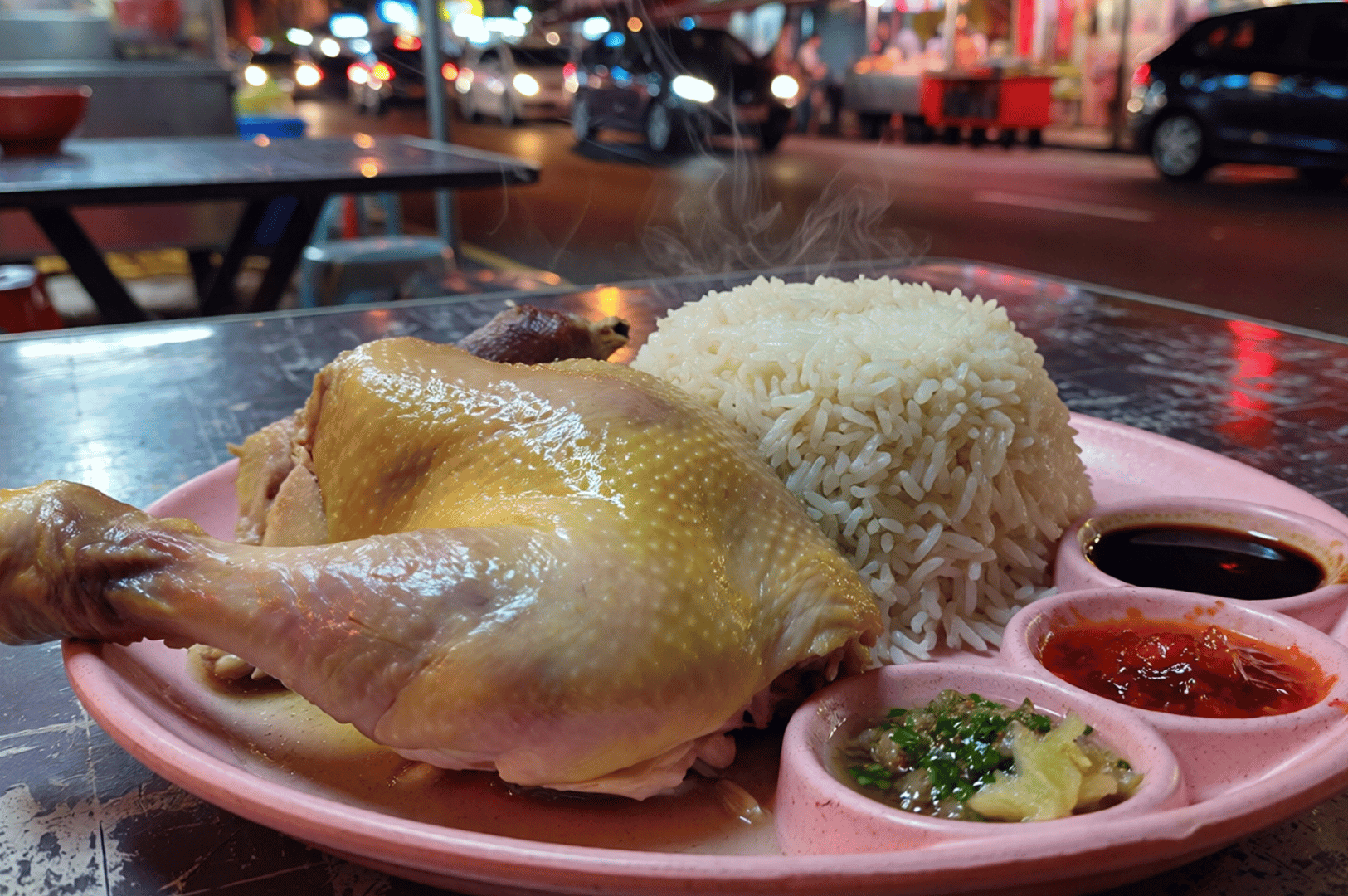
The world after midnight holds a unique and powerful allure. It is a time of honesty, of vulnerability, and of simple, profound pleasures. The food images captured in these quiet hours speak a secret language, one that tells stories of culture, desire, and the universal need for connection. They are more than just a photos. They are a record of our midnight confessions as food photographers, a testament to the fact that even in the darkness, there is warmth, there is community, and there is always a delicious story waiting to be told.

The First Hawker Stall That Changed Everything
March 18, 2026
It was a rainy Tuesday afternoon about seven years ago, and I was just a guy with a camera looking for shelter. I ducked into an old, dimly lit hawker center in Toa Payoh to…

The Best Singapore Breakfast Spots: Lighting, Angles & Visual Stories for Singapore Foodies
March 16, 2026
After years of chasing the perfect breakfast shot all over Singapore, I’ve noticed some venues aren’t just great for eating. They’re inspiring playgrounds for food photography, beloved by both locals and Singapore foodies alike. Whether…
-
From Empire to Plate: Process-Focused Colonial Photography SG Series
March 13, 2026
The story of Singapore cuisine is impossible to tell without acknowledging its colonial past. As a strategic port for the British Empire, Singapore became a magnet for a diverse range of people and products. From…
-
Translating Taste into Frames: Why I Capture Food
March 11, 2026
I fell in love with street food photography in Singapore, somewhere between the steam of a hawker stall and the click of my shutter. It wasn’t planned. I was hungry, wandering, half-lost, when a bowl of laksa stopped me cold. The broth glowed…
-
Maximizing Colonial Heritage: Efficient SG Photography Routes
March 9, 2026
The morning light hits the peeling plaster of a shophouse five-foot way differently than it hits a glass skyscraper. It is softer, more textured, and it seems to carry the weight of history. For a…
-
Period Restaurant Lighting in Photo Shoot in Singapore Locations
March 6, 2026
The air in a heritage Hainanese coffeeshop is thick with more than just the aroma of kaya toast and freshly brewed kopi. It is thick with a particular quality of light. A mix of harsh,…
-
Imperial Diversity Through Photo Shoot Singapore Projects
March 2, 2026
When I set up my tripod in a bustling kopitiam or a quiet heritage restaurant, I am constantly reminded that I am not just photographing a meal. I am photographing a map. Every photo shoot…
-
Historic Flavors Shoot Singapore: Post-Processing for Period Authenticity
February 27, 2026
When I look through the viewfinder at a plate of heritage kueh or a steaming bowl of rickshaw noodles, I am not just capturing food; I am framing a memory. The challenge for any documentary…
-
Colonial Cuisine Photoshoot: Styling Singapore’s Historic Flavors
February 23, 2026
When I first embarked on a photoshoot focusing on Singapore’s colonial cuisine, I didn’t realize how deeply food could connect us to history. It wasn’t just about snapping pictures of dishes; it was about capturing…
-
Coal, Fire, and Memory: A Singapore Food Blogger Revisits Tanjong Pagar’s Industrial Kitchens
February 20, 2026
It had been a while since I set a day to wander through the back lanes of Tanjong Pagar. When I decided to come back to the place left me star-struck, not by the polished…