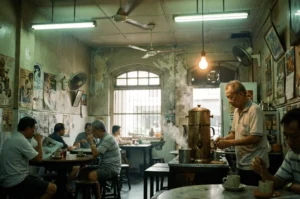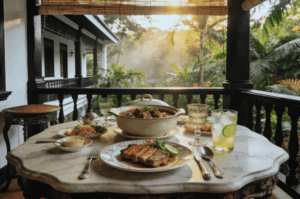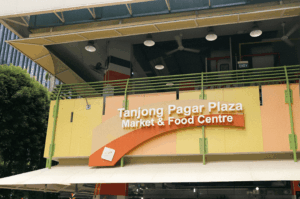
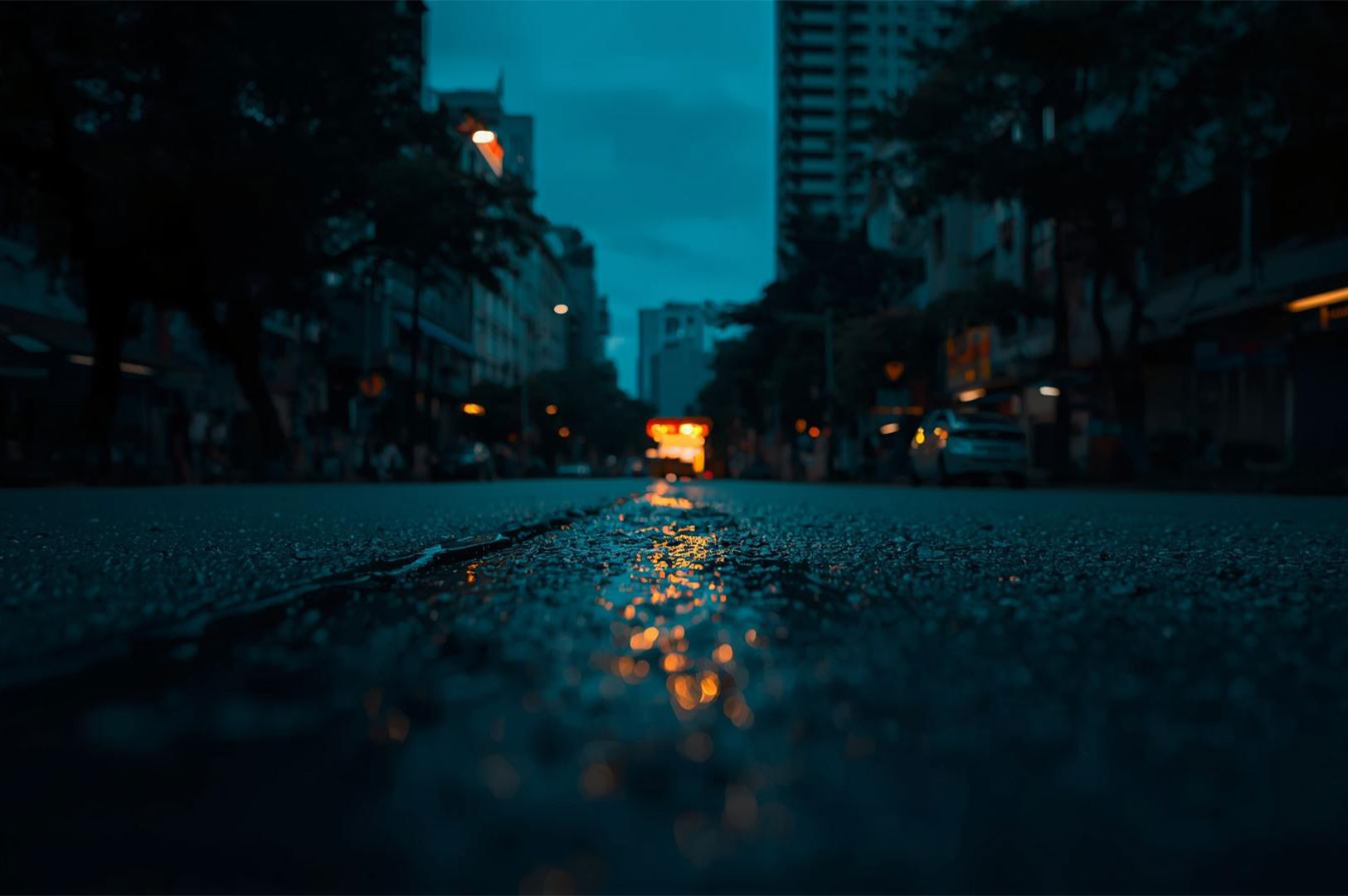
The world is dark, cloaked in a tranquil stillness that precedes the sunrise. A deep blue hue hangs over Singapore, and the only sounds are the distant hum of a lone vehicle or the gentle rustle of leaves. Yet, in pockets across the island, a quiet and purposeful energy is already stirring. This is the sacred hour for Singapore's street and food industry, or as we know them: hawkers. It's the time when a city known for its relentless pace is powered not by commerce, but by the gentle clatter of woks and the rhythmic chop of knives. Long before the first train rumbles or office lights flicker on, these culinary guardians begin a daily ritual, a testament to the dedication that fuels the nation's world-famous food culture.
The Early Start: Waking Before the City
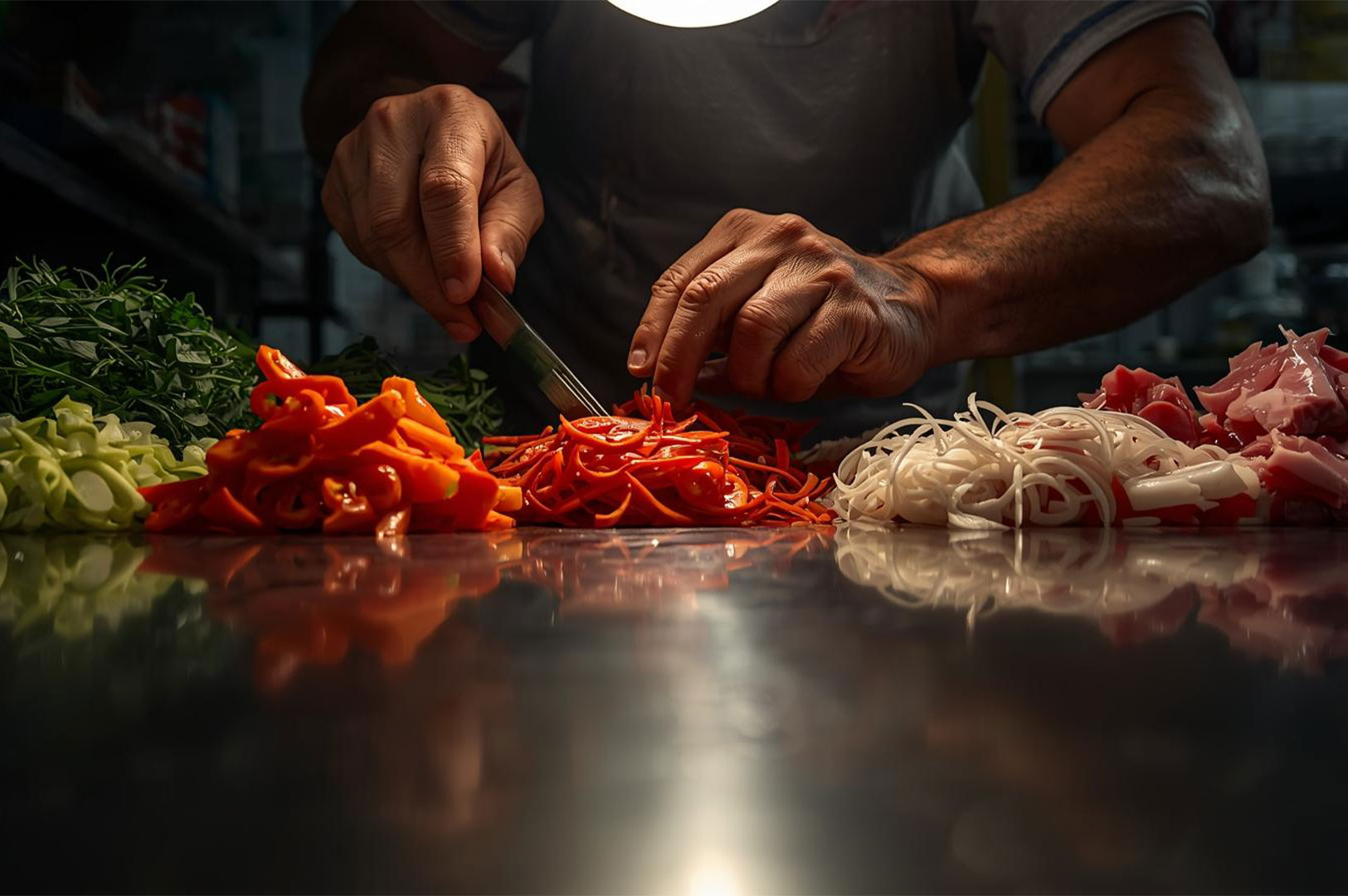
For many of us, 4 AM is a time for deep sleep. For a Singaporean hawker, it is rush hour. The day begins in the cool, pre-dawn darkness for a simple reason: perfection takes time. Broths need hours to simmer to develop their profound depth. Spices must be freshly ground to release their potent aromas. Hundreds of ingredients have to be washed, chopped, and meticulously arranged before the first customer arrives with the rising sun.
This early start is not just about logistics. It is a philosophy. It is a commitment to freshness and an unwavering dedication to craft. These hawkers are not just preparing food; they are upholding a legacy. Many are continuing a family business, using recipes and techniques passed down through generations. To compromise on the preparation time would be to compromise on the very soul of their dish. This pre-dawn labor is the unseen foundation of Singapore's vibrant street food scene.
The Ritual of Preparation
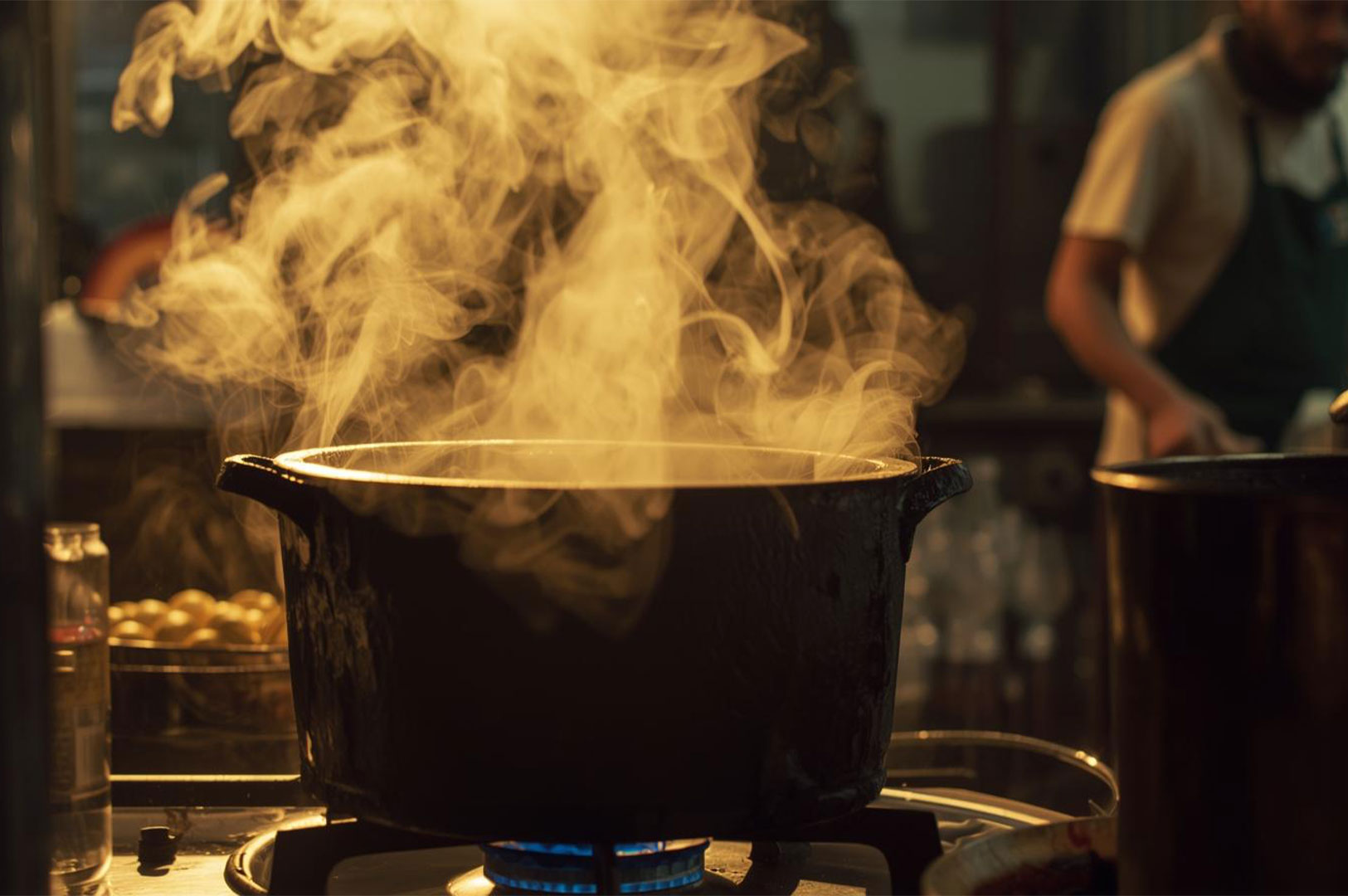
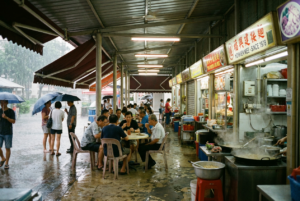
Step into a hawker centre before 5 AM, and you witness a silent, well-orchestrated ballet of street food vendors preparing for the day ahead. Each vendor moves with a practiced economy of motion, performing a series of tasks that have become second nature over decades.
First comes the awakening of the stall. Metal shutters roll up with a familiar clang, echoing through the empty halls. Lights flicker on, casting a stark, focused glow on stainless steel countertops. Then, the symphony of sounds begins. There is the hiss of gas stoves igniting, the thud of a heavy cleaver meeting a wooden block, and the gentle bubbling of a massive stockpot, its contents already fragrant from hours of simmering.
The air begins to fill with a complex tapestry of smells. The sharp, pungent scent of chopped garlic and shallots, the earthy aroma of brewing coffee, and the sweet fragrance of pandan leaves mingle with the enticing aroma of char siu and sizzling chicken wings. Ingredients are laid out with care. Mountains of fresh flat rice noodles and thick rice noodles are untangled, vegetables are neatly stacked in colorful piles, and meats like pork ribs and Chinese sausage are portioned with precision. This is a ritual of respect for the ingredients and for the customers who will soon arrive, ready to eat and enjoy some of the best hawker food Singapore has to offer.
The dedication to quality and tradition here is what earned many stalls recognition in the Michelin Guide, attracting food lovers eager to taste iconic dishes such as chilli crab, nasi lemak, and mee rebus. Whether you arrive by public transport or on foot, the early morning long line of locals and visitors alike is a testament to the enduring appeal of Singapore’s street food culture, celebrated by culinary legends like Anthony Bourdain.
This pre-dawn preparation is more than just selling food; it's an immersive experience in Singapore's vibrant food culture, where every element from the dark soy sauce to the peanut sauce is crafted with care to create the delicious dishes that define the city’s culinary heart.
Finding the Best Place for Street Food in Singapore
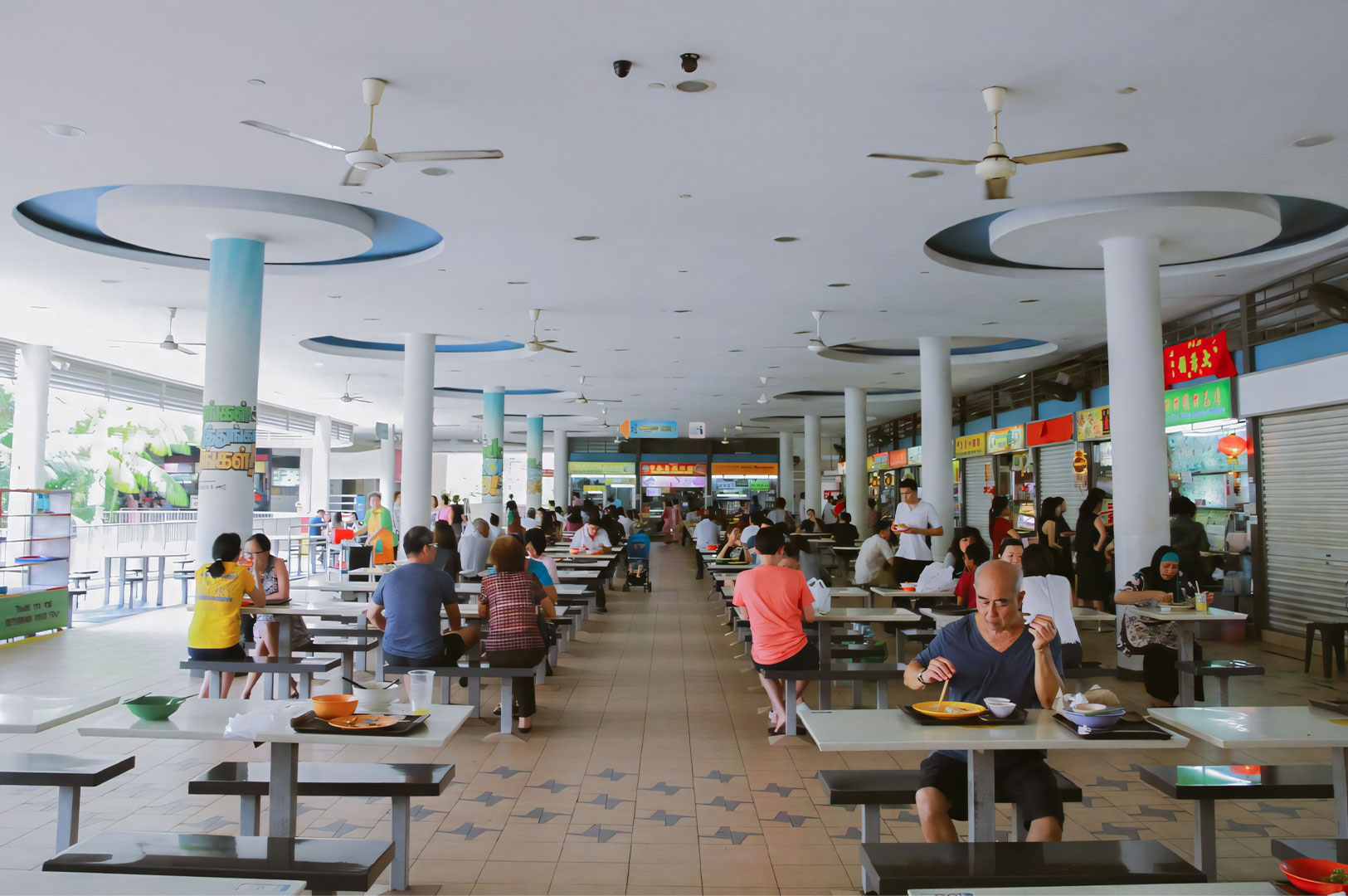
To witness this morning ritual is to experience the authentic heart of Singapore's hawker culture. While excellent street food is found everywhere, certain hawker centres are legendary for their morning atmosphere and offerings.
Tiong Bahru Market
One of the oldest and most beloved markets, Tiong Bahru is an excellent destination. The ground floor is a bustling wet market where many street food vendors source their fresh produce, while the upper floor is a food paradise. Arrive early to see street vendors setting up and to beat the queues for famous stalls selling chwee kueh (steamed rice cakes) and pau (steamed buns).
Maxwell Food Centre
Located in the heart of Chinatown, Maxwell is a famous spot that is often considered the best place for street food in Singapore by tourists and locals alike. While it's known for its lunchtime crowds, the morning offers a more relaxed pace. You can find stalls preparing everything from hearty fish soup to traditional congee, providing a perfect start to the day with fragrant rice, Hainanese chicken rice, and other delicious dishes.
Ghim Moh Road Market & Food Centre
This neighborhood gem is a fantastic place to see authentic local life. It is less frequented by tourists, offering a genuine glimpse into the community's morning routine. The hawkers here have been serving residents for years, and the quality of the hawker food is exceptional, with famous stalls for dishes like Hokkien mee, char kway teow (stir-fried flat rice noodles), and egg noodles.
Signature Dishes of the Morning in Hawker Centers
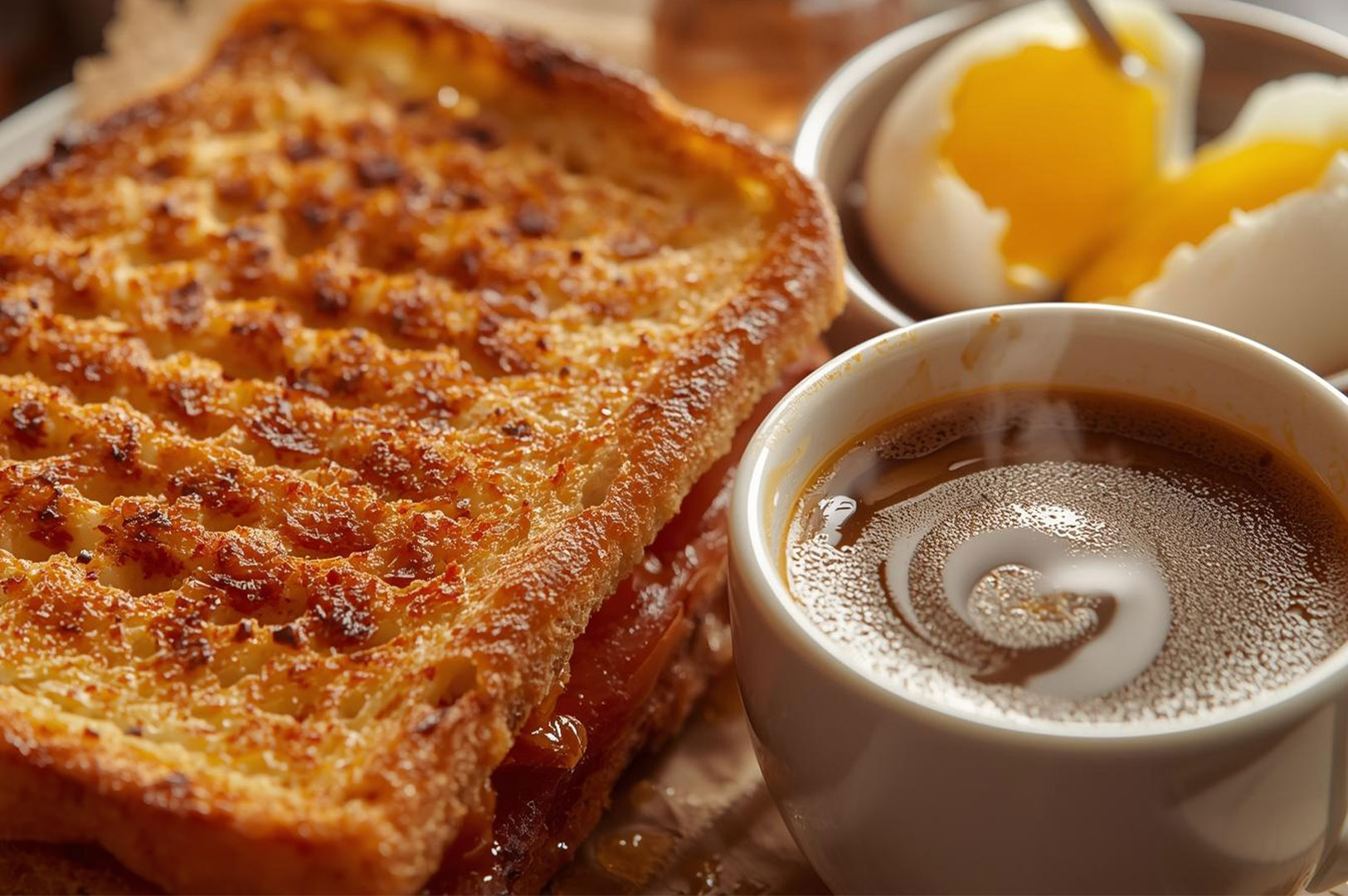
The breakfast menu in Singapore is a diverse and delicious affair, showcasing the rich flavors of Southeast Asia. The dishes food stalls prepare in these early hours are designed to be comforting, satisfying, and energizing.
- Kaya Toast and Kopi: The quintessential Singaporean breakfast. Toast, often grilled over charcoal, is slathered with a sweet coconut jam called kaya and served with a slice of cold butter. It is paired with a strong, sock-brewed coffee called kopi, sweetened with condensed milk for a rich finish.
- Congee: A comforting rice porridge that can be served plain or with a variety of toppings like sliced fish, minced pork, or a century egg. This traditional dish is a gentle and warming start to the day, often accompanied by a dash of fish sauce for extra flavor.
- Chwee Kueh: Soft, saucer-shaped steamed rice cakes topped with a savory preserved radish and chilli sauce. This simple yet beloved breakfast classic is a must-try at many of Singapore's hawker centers.
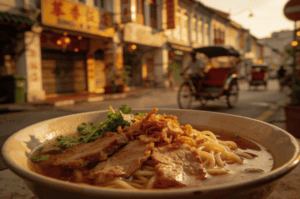
- Lor Mee: A hearty bowl of thick yellow noodles served in a dark, starchy gravy flavored with five-spice powder. It is often topped with braised pork, fried fish, and a hard-boiled egg, showcasing the rich use of dark soy sauce and chicken fat that defines many local dishes.
These dishes exemplify the authentic flavors and culinary traditions that make Singapore's street food scene so vibrant and cherished by locals and visitors alike.
Stories from the Stalls: Food Culture
Behind every successful stall is a story of immense hard work and personal sacrifice. Consider Uncle Leong, who has been selling fishball noodles for over forty years. His day starts at 3:30 AM, when he drives to the fishery port to select the freshest fish for his handmade fishballs. "The machine-made ones have no soul," he says, his hands moving deftly as he shapes each ball. "The texture must be bouncy. People know the difference." His dedication to quality and tradition exemplifies the passion found in Singapore's hawker food culture.
Or take Madam Chen, a third-generation hawker famous for her chwee kueh, a beloved dish of steamed rice cakes topped with savory preserved radish and chilli sauce. She and her husband begin their work at 2 AM, milling their own rice to make the flour for the rice cakes. This step, which most vendors now skip, is what gives her chwee kueh its signature soft and slightly sticky texture. Her commitment to authenticity honors her grandparents and delights loyal customers who have been enjoying her food for decades.
These stories reflect the essence of selling food in Singapore's hawker centres, where most stalls are family-run and uphold recipes passed down through generations. From the preparation of thick rice noodles to the marination of chicken wings and roasted duck, every element is crafted with care. This dedication is part of what makes Singapore's street food scene so unique and celebrated, attracting both locals and visitors eager to taste dishes like chilli crab, carrot cake, and char kway teow.
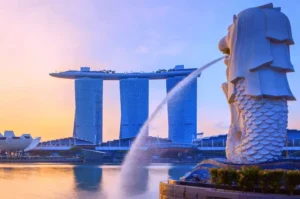
The hawker culture thrives in iconic locations such as Maxwell Food Centre, Newton Hawker Centre, and Lau Pa Sat, where you can savor authentic flavors at low prices. Whether you're exploring Little India’s Tekka Center for Indian food or enjoying a meal near Marina Bay Sands by the Singapore River, the vibrant street food scene offers a rich culinary adventure that captures the heart of Singapore.
The Photography Angle: Capturing the Dawn
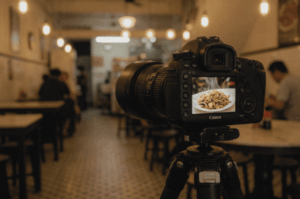
For a street food photographer, the pre-dawn hawker centre is a visual treasure trove, showcasing the essence of street food culture and the art of food prepared with dedication. The lighting conditions are challenging but incredibly rewarding.
- Embrace the Light: The lighting often comes from a single fluorescent bulb or the direct flame of a stove. Use this to your advantage. This focused light creates dramatic shadows and highlights, perfect for moody, atmospheric shots that capture the intensity of hawker food preparation.
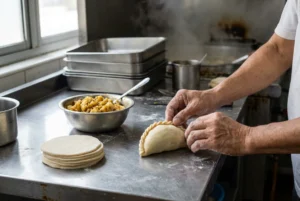
- Focus on Hands: A hawker's hands tell a powerful story. Capture the gnarled, skilled hands as they pleat dumplings, stretch dough, or expertly wield a cleaver while preparing popular dishes like char kway teow or chicken curry.
- Capture Steam and Smoke: The rising steam from a pot of broth or the smoke from a grill, such as those used for satay street or bbq pork, can create a beautiful, ethereal quality in your images. Use backlighting to make the steam and smoke glow, highlighting the authenticity of hawker food.
- Tell a Story with Details: Focus on small details like a stack of colorful bowls, a tray of freshly chopped chilies, or the worn handle of a beloved wok. Include elements like sweet sauce, peanut sauce, or shrimp paste to enrich the narrative of the hawker’s craft and the vibrant food culture found in Singapore’s hawker centres and food courts.
The Heartbeat of a Nation
The morning ritual of Singapore's hawkers is more than just a routine. It is the quiet, steady heartbeat of the nation's culture. It represents a deep-seated respect for tradition, an obsession with quality, and an incredible work ethic.
In a city that is constantly changing and modernizing, this daily pre-dawn ceremony is a grounding force, a reminder of the simple, honest values that underpin its identity. To witness it is to understand that the secret ingredient in Singapore's famous street food is not a rare spice or a hidden technique. It is the unwavering dedication of the people who wake up before the sun to feed the city.

The First Hawker Stall That Changed Everything
March 18, 2026
It was a rainy Tuesday afternoon about seven years ago, and I was just a guy with a camera looking for shelter. I ducked into an old, dimly lit hawker center in Toa Payoh to…

The Best Singapore Breakfast Spots: Lighting, Angles & Visual Stories for Singapore Foodies
March 16, 2026
After years of chasing the perfect breakfast shot all over Singapore, I’ve noticed some venues aren’t just great for eating. They’re inspiring playgrounds for food photography, beloved by both locals and Singapore foodies alike. Whether…
-
From Empire to Plate: Process-Focused Colonial Photography SG Series
March 13, 2026
The story of Singapore cuisine is impossible to tell without acknowledging its colonial past. As a strategic port for the British Empire, Singapore became a magnet for a diverse range of people and products. From…
-
Translating Taste into Frames: Why I Capture Food
March 11, 2026
I fell in love with street food photography in Singapore, somewhere between the steam of a hawker stall and the click of my shutter. It wasn’t planned. I was hungry, wandering, half-lost, when a bowl of laksa stopped me cold. The broth glowed…
-
Maximizing Colonial Heritage: Efficient SG Photography Routes
March 9, 2026
The morning light hits the peeling plaster of a shophouse five-foot way differently than it hits a glass skyscraper. It is softer, more textured, and it seems to carry the weight of history. For a…
-
Period Restaurant Lighting in Photo Shoot in Singapore Locations
March 6, 2026
The air in a heritage Hainanese coffeeshop is thick with more than just the aroma of kaya toast and freshly brewed kopi. It is thick with a particular quality of light. A mix of harsh,…
-
Imperial Diversity Through Photo Shoot Singapore Projects
March 2, 2026
When I set up my tripod in a bustling kopitiam or a quiet heritage restaurant, I am constantly reminded that I am not just photographing a meal. I am photographing a map. Every photo shoot…
-
Historic Flavors Shoot Singapore: Post-Processing for Period Authenticity
February 27, 2026
When I look through the viewfinder at a plate of heritage kueh or a steaming bowl of rickshaw noodles, I am not just capturing food; I am framing a memory. The challenge for any documentary…
-
Colonial Cuisine Photoshoot: Styling Singapore’s Historic Flavors
February 23, 2026
When I first embarked on a photoshoot focusing on Singapore’s colonial cuisine, I didn’t realize how deeply food could connect us to history. It wasn’t just about snapping pictures of dishes; it was about capturing…
-
Coal, Fire, and Memory: A Singapore Food Blogger Revisits Tanjong Pagar’s Industrial Kitchens
February 20, 2026
It had been a while since I set a day to wander through the back lanes of Tanjong Pagar. When I decided to come back to the place left me star-struck, not by the polished…