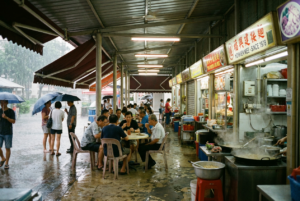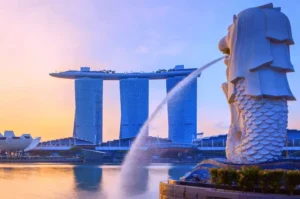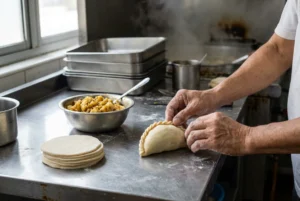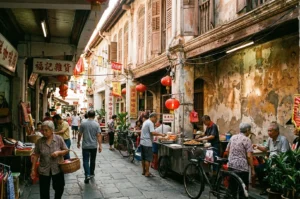
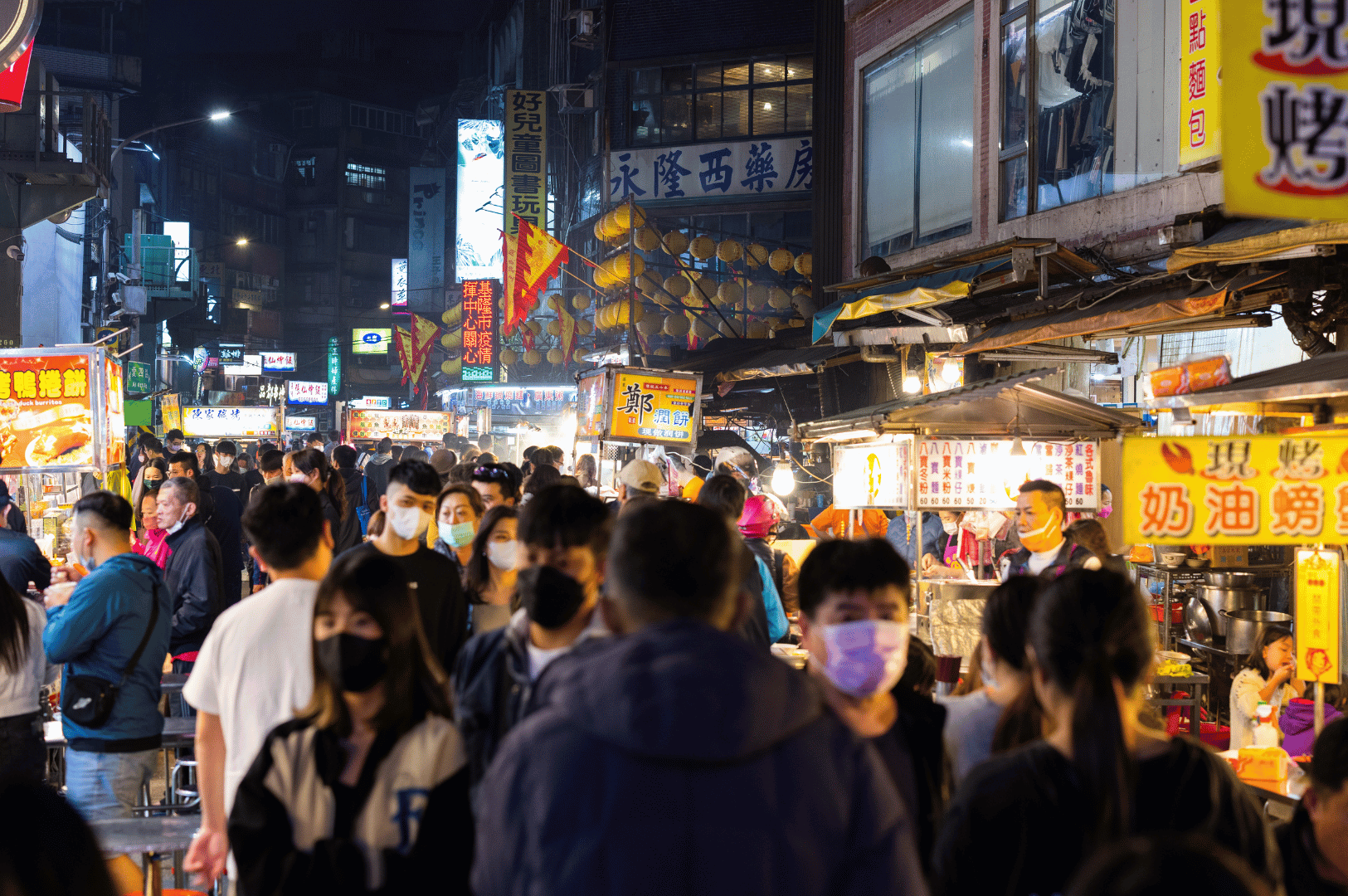
The sun dips below the horizon, and a different kind of energy begins to hum. Lanterns flicker to life, steam billows into the cool night air, and the chaotic, beautiful symphony of a night market begins. For any street food photographer, this environment is both a thrilling challenge and a visual paradise. The low light, competing colors, and constant motion create a complex scene that can intimidate even seasoned professionals. Yet, it is within this seductive chaos that some of the most evocative and compelling street food stories are waiting to be told. Mastering night market photography is about embracing the darkness and learning to paint with the pockets of light you find. To truly excel, it’s essential to understand the unique lighting and storytelling opportunities that night markets present for a food photographer.
This guide is designed for the intermediate to advanced street food photographer ready to move beyond the well-lit studio and into the dynamic world of low-light food photography. We will explore the essential techniques, camera settings, and creative approaches needed to transform challenging night market conditions into stunning, atmospheric images. Forget fighting the darkness; it’s time to make it your most powerful creative tool.
Mastering the Technical Trinity in Food Photography: ISO, Aperture, and Shutter Speed
Success in low-light photography starts with a firm grasp of the exposure triangle, an essential concept for any food photographer aiming to elevate their craft in challenging environments like night markets. In this bustling setting, each camera setting plays a critical role in gathering precious light while maintaining the rich quality and appeal of your images.
Aperture: Your Gateway to Light and Artistry
Your aperture is the first setting to consider when shooting in low light. To bring out the essence and taste of your subject, use a wide aperture with a low f-stop number, such as f/1.4, f/1.8, or f/2.8 if your lens allows. A wide aperture not only maximizes light intake but also creates a shallow depth of field, helping you craft captivating visuals by isolating your subject against a beautifully blurred background. This styling technique transforms the chaotic night market scene into a soft, impressionistic backdrop, enhancing the overall artistry of your photoshoot. Selecting or creating suitable backdrops is equally important, as the right backdrops can further elevate the mood and visual appeal of your food photography.
Shutter Speed: Balancing Motion, Sharpness, and Vision
Shutter speed controls how long your camera's sensor captures light. In low-light conditions, you’ll need a slower shutter speed to properly expose your shot. However, this requires balancing motion blur caused by both your hand movement and the dynamic environment. For handheld shooting, keep your shutter speed at or above the reciprocal of your lens’s focal length (e.g., 1/50th of a second for a 50mm lens). Employing stabilization techniques or using props like monopods or gorillapods can help you maintain sharpness while bringing your vision to life.
ISO: The Necessary Compromise for Quality and Experience
ISO determines your camera’s sensitivity to light, a crucial setting for night market food photography. Increasing ISO allows you to capture more light, but pushing it too high introduces digital noise, which can detract from the quality that clients expect. It’s essential to find your camera’s sweet spot, often between ISO 1600 and 6400 for full-frame cameras, to balance noise and clarity. Remember, a slightly noisy but sharp image is far preferable to a clean but blurry one, ensuring your photos truly reflect the rich flavors and ambiance of the location. Pay special attention to capturing the variety of flavours present in the night market—showcasing different taste profiles and ingredient combinations visually helps tell the unique story of each image.
By mastering these photography services and technical settings, you can create stunning, evocative images that not only capture the essence of the food and the establishment but also boost your portfolio and social media presence on platforms like Instagram and Facebook. This wonderful experience will allow you to meet the expectations of chefs and brands alike, elevating your business as a food photographer in Singapore and beyond.
Choosing Your Weapon: The Best Lenses for Low Light

The lens you choose will have a massive impact on your low-light success. For a food photographer navigating a crowded market, a fast prime lens is your best friend.
Different lenses can be used to achieve various photography styles, from dramatic close-ups to wider, storytelling shots. Some food photographers specialise in using particular lenses to create a signature look that sets their work apart.
A 35mm f/1.8 or a 50mm f/1.8 (or f/1.4) is a fantastic choice. These lenses are lightweight, relatively inexpensive, and their wide maximum apertures are perfect for gathering light. The 35mm focal length offers a versatile field of view that is wide enough to capture some of the surrounding environment, while the 50mm provides a slightly tighter frame that is excellent for focusing on the details of a dish.
Painting with Found and Natural Light
The most crucial skill for a night market food photographer is learning to see and use available light. Forget your on-camera flash. Instead, become a hunter of light, seeking out the pools and pockets of illumination that will make your subjects sing. Working with the environment and, when possible, working with vendors or your team can help you optimize the lighting for each shot.
Stall Lights as Your Key Light
Every food stall in the bustling restaurant scene is its own miniature studio. The lights used to illuminate the food, whether they are bare fluorescent bulbs, warm tungsten lamps, or strings of lanterns, are your primary light sources. Position yourself so that this light acts as a side or back light on the food. Side lighting is excellent for revealing texture, while backlighting can create a beautiful rim light around your subject, especially with steam or smoke. This approach will absolutely elevate the visual appeal of your images.
Ambient Light as Your Fill
Look beyond the stall itself. The glow from a neighboring vendor, a nearby streetlamp, or a neon sign can act as a wonderful fill light, softening shadows and adding color and context to your shot. Pay attention to how these different light sources interact and what kind of mood they create. Discuss these lighting dynamics during your photoshoot to tailor your approach to each unique environment.
Handling Mixed Color Temperatures
Night markets are a wild mix of color temperatures. You will encounter warm yellows from tungsten bulbs, cool blues from fluorescent lights, and vibrant reds from neon signs, often all within the same scene. While you can try to set a custom white balance, it's often more effective to shoot in RAW format. Shooting in RAW gives you the maximum flexibility to adjust the white balance and color grade in post-processing, allowing you to either correct the colors for a natural look or lean into the eclectic mix for a more stylized, atmospheric image. This variety of lighting challenges is part of what makes night market food photography such a wonderful experience.
By mastering these lighting techniques and understanding the types of light available, you will create captivating visuals that bring your vision to life. Whether you are shooting a full day or a shorter session, your tailored approach will enhance the essence and appeal of the signature dishes and the vibrant atmosphere of the market. Check your equipment and discuss your plan with your team beforehand to leave no questions unanswered and ensure a smooth, productive shoot.
The Quest for Stability
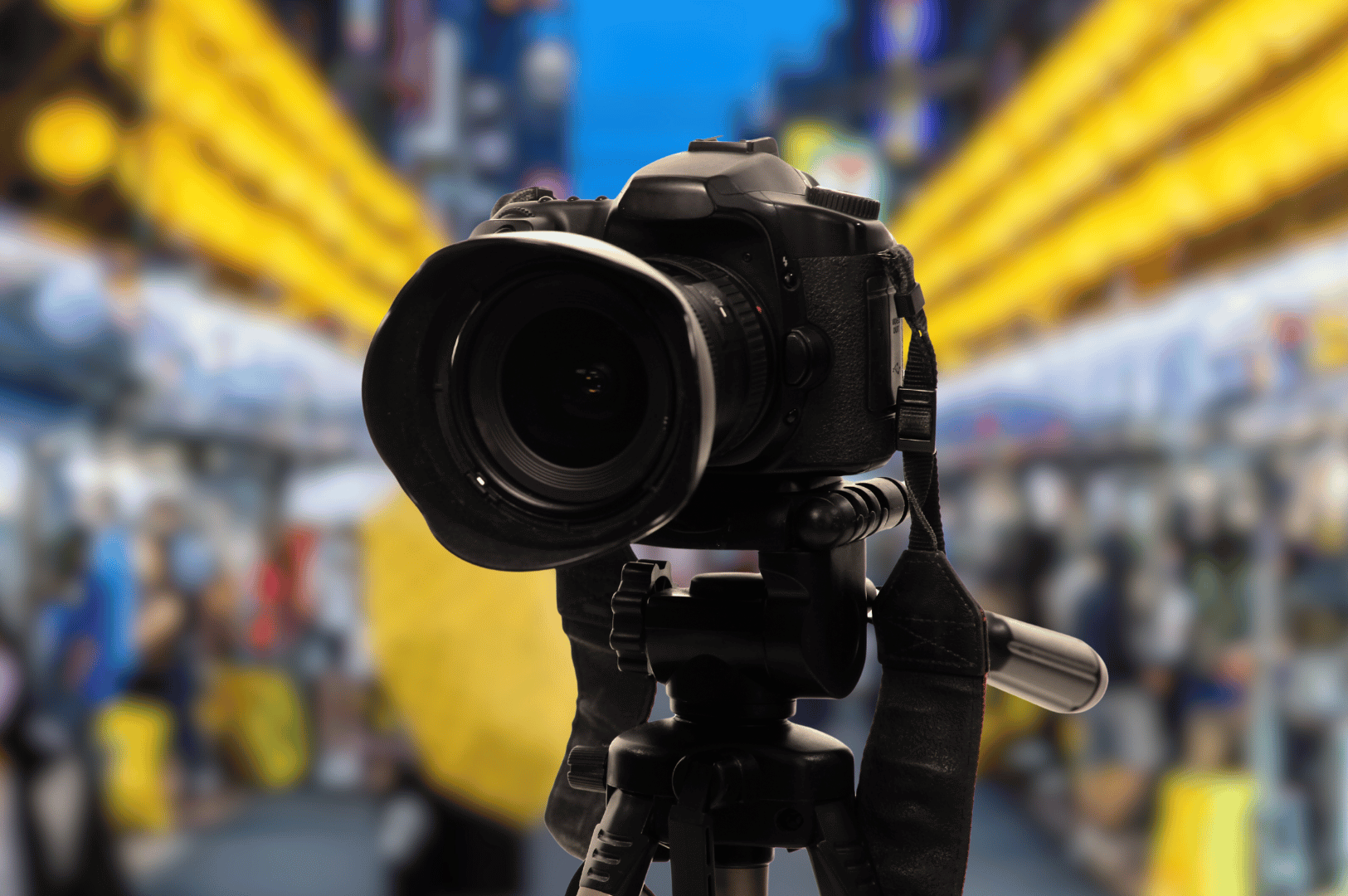
With slow shutter speeds, stability is paramount for any food photographer aiming to capture sharp, high-quality images in low light. While a tripod might seem like the obvious answer, it is often impractical and unwelcome in a crowded, fast-moving night market environment.
Handheld Techniques
Mastering your handheld technique is essential to elevate your photography services. Tuck your elbows into your body to create a more stable base, and control your breathing by gently pressing the shutter button at the end of an exhale. Whenever possible, lean against a wall, post, or table to give yourself an extra point of contact and reduce camera shake.
Monopods and Gorillapods
A monopod offers a good compromise between stability and mobility, making it easier to navigate through a crowd than with a full tripod. Alternatively, a small, flexible tripod like a Gorillapod can be incredibly useful. You can wrap its legs around a railing or place it on a tabletop to get a stable, long-exposure shot without taking up much space.
By discussing these techniques with your team before the shoot and understanding the unique challenges of shooting on location, you will be better prepared to meet client expectations and boost your business as a food photographer in Singapore. These tailored approaches not only improve your workflow but also contribute to a wonderful experience that leaves clients looking forward to the final images for their website, menu, and social media platforms like Instagram and Facebook.
The Photographer's Signature Dishes: Composing in the Chaos
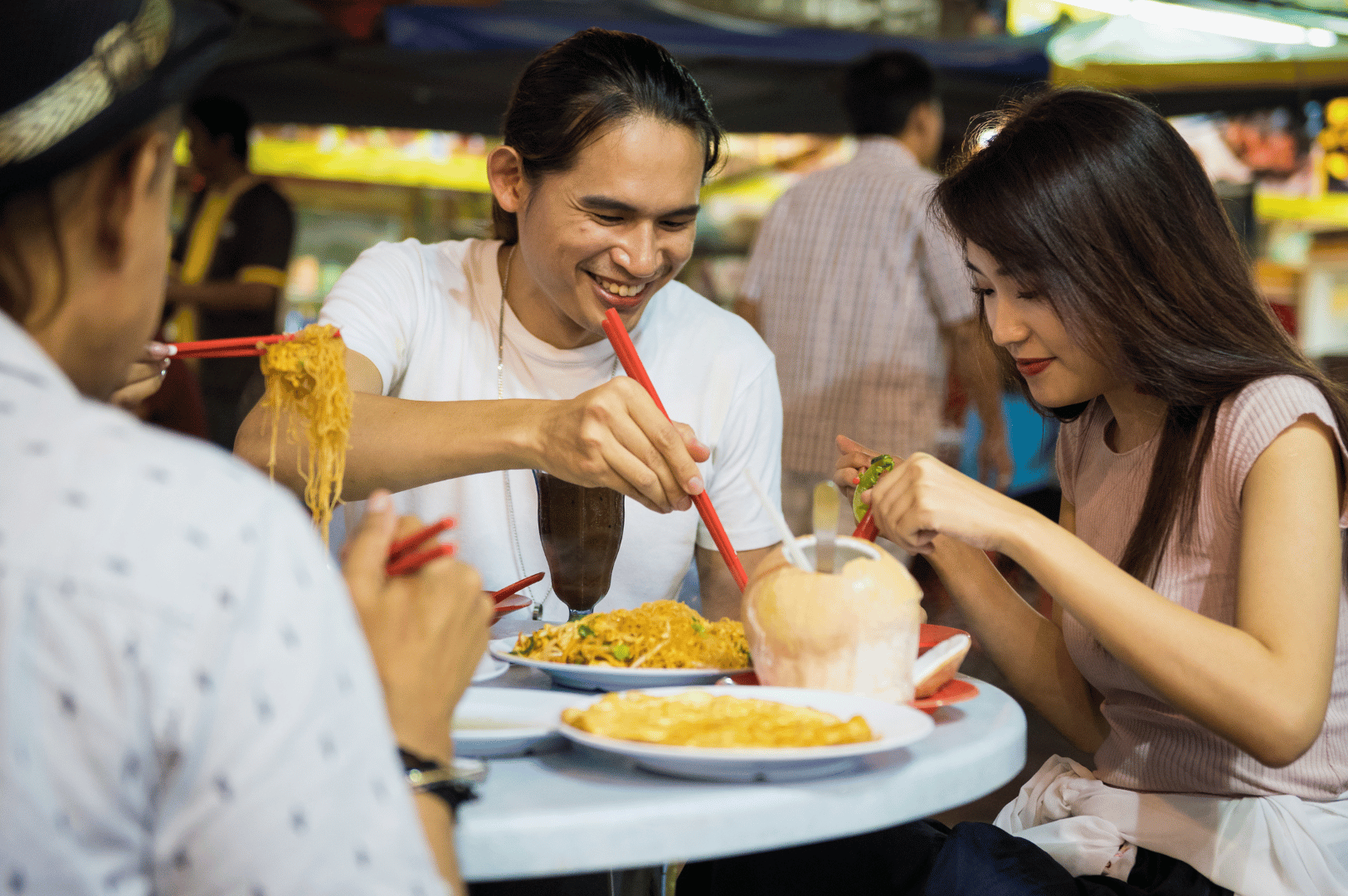
Composition is what separates a simple snapshot from a compelling photograph. In a busy night market, it’s about creating a sense of order and focus amidst the chaos, allowing you as a food photographer to truly capture the essence and joy of the scene. Thoughtful composition also helps communicate a vendor's or restaurant's brand identity, ensuring that your images reflect the unique story and values of their brand.
- Find Your Focus: Use that shallow depth of field from your wide aperture to draw the viewer’s eye directly to your subject. Let the bustling background melt away into a beautiful bokeh, highlighting the rich flavors and artistry of the signature dishes.
- Layer Your Scene: Don’t just photograph the food. Include layers in your image. The vendor’s hands preparing the dish can be a powerful foreground element, while the crowd in the background adds a sense of place and enhances the storytelling.
- Look for Leading Lines: Use the lines of a counter, the edge of a table, or the direction of a queue to lead the viewer’s eye toward your subject, creating captivating visuals that elevate your photography services.
- Capture the Human Element: The story of street food is as much about the people as it is the food. A great food photographer specialises in capturing the passion of the chef, the pleasure of the customer, and the energy of the crowd, bringing life and authenticity to every shot.
In addition, skills such as food styling or writing can further enhance the storytelling and overall impact of your work.
Conclusion: Embrace the Night
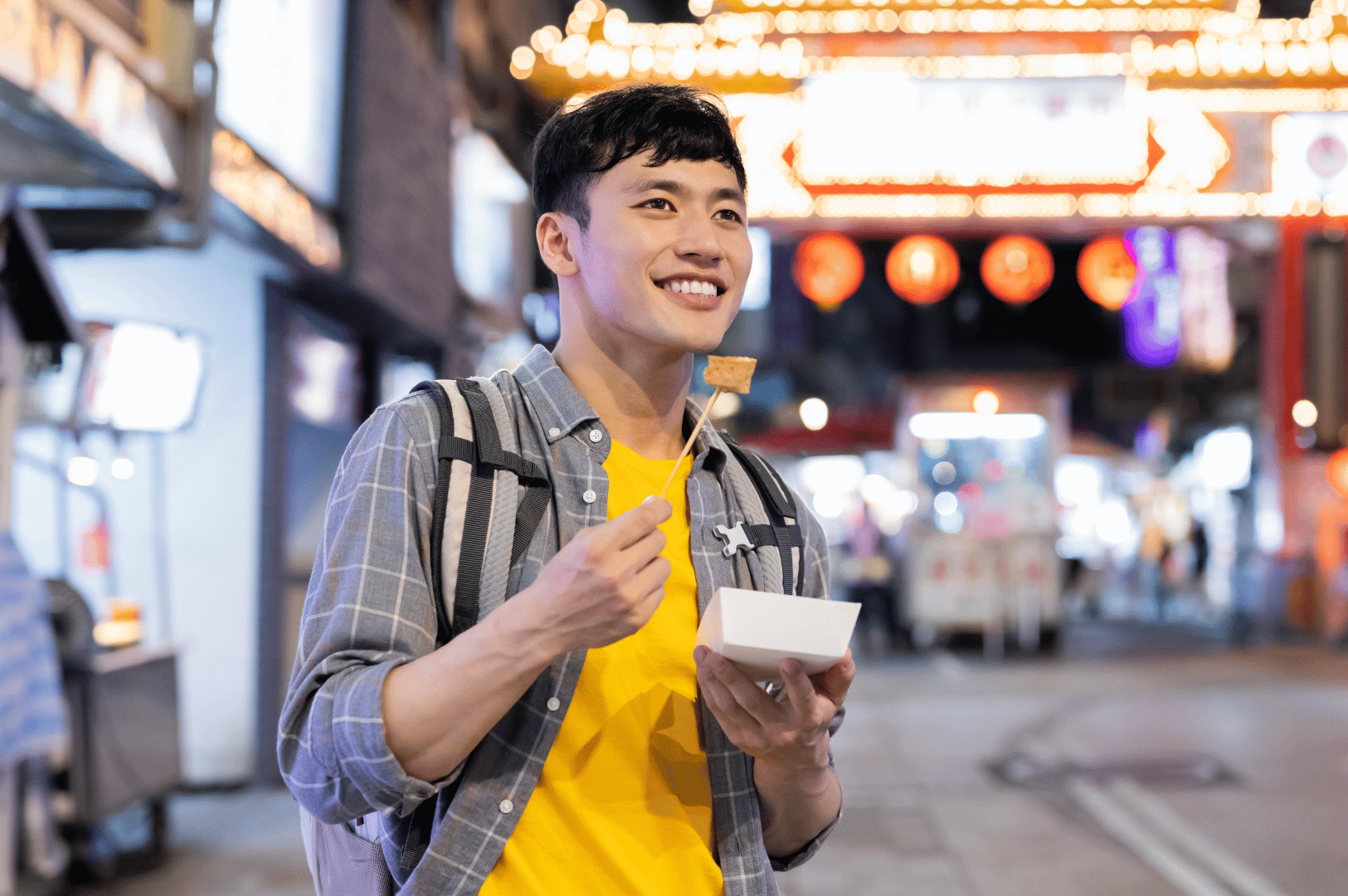
Night market photography is one of the most rewarding disciplines a street food photographer can pursue. Do not be discouraged by the challenges. Every blurry shot and noisy image is a lesson learned. Embrace the grain, play with the shadows, and find the beauty in the imperfect light.
By applying these techniques and, most importantly, by getting out there and practicing, you will soon find yourself capturing the intoxicating, seductive soul of the night market in every frame.

The First Hawker Stall That Changed Everything
March 18, 2026
It was a rainy Tuesday afternoon about seven years ago, and I was just a guy with a camera looking for shelter. I ducked into an old, dimly lit hawker center in Toa Payoh to…

The Best Singapore Breakfast Spots: Lighting, Angles & Visual Stories for Singapore Foodies
March 16, 2026
After years of chasing the perfect breakfast shot all over Singapore, I’ve noticed some venues aren’t just great for eating. They’re inspiring playgrounds for food photography, beloved by both locals and Singapore foodies alike. Whether…
-
From Empire to Plate: Process-Focused Colonial Photography SG Series
March 13, 2026
The story of Singapore cuisine is impossible to tell without acknowledging its colonial past. As a strategic port for the British Empire, Singapore became a magnet for a diverse range of people and products. From…
-
Translating Taste into Frames: Why I Capture Food
March 11, 2026
I fell in love with street food photography in Singapore, somewhere between the steam of a hawker stall and the click of my shutter. It wasn’t planned. I was hungry, wandering, half-lost, when a bowl of laksa stopped me cold. The broth glowed…
-
Maximizing Colonial Heritage: Efficient SG Photography Routes
March 9, 2026
The morning light hits the peeling plaster of a shophouse five-foot way differently than it hits a glass skyscraper. It is softer, more textured, and it seems to carry the weight of history. For a…
-
Period Restaurant Lighting in Photo Shoot in Singapore Locations
March 6, 2026
The air in a heritage Hainanese coffeeshop is thick with more than just the aroma of kaya toast and freshly brewed kopi. It is thick with a particular quality of light. A mix of harsh,…
-
Imperial Diversity Through Photo Shoot Singapore Projects
March 2, 2026
When I set up my tripod in a bustling kopitiam or a quiet heritage restaurant, I am constantly reminded that I am not just photographing a meal. I am photographing a map. Every photo shoot…
-
Historic Flavors Shoot Singapore: Post-Processing for Period Authenticity
February 27, 2026
When I look through the viewfinder at a plate of heritage kueh or a steaming bowl of rickshaw noodles, I am not just capturing food; I am framing a memory. The challenge for any documentary…
-
Colonial Cuisine Photoshoot: Styling Singapore’s Historic Flavors
February 23, 2026
When I first embarked on a photoshoot focusing on Singapore’s colonial cuisine, I didn’t realize how deeply food could connect us to history. It wasn’t just about snapping pictures of dishes; it was about capturing…
-
Coal, Fire, and Memory: A Singapore Food Blogger Revisits Tanjong Pagar’s Industrial Kitchens
February 20, 2026
It had been a while since I set a day to wander through the back lanes of Tanjong Pagar. When I decided to come back to the place left me star-struck, not by the polished…