There are some cuisines that you photograph, and there are some that you court. Peranakan food falls firmly into the latter category. It is a seduction of the senses, a rich tapestry of history, flavor, and color woven into every dish. As a food photographer, encountering Peranakan cuisine is like discovering a new visual language. It is a world where every plate tells a story, every ingredient has a purpose, and every color holds a meaning.
This is not just food; it is a manifestation of Peranakan culture, a vibrant and intricate heritage born from the fusion of Chinese people and Malay traditions in Southeast Asia. Capturing its essence requires more than just technical skill. It demands an appreciation for its peranakan ancestry, a respect for its complexity, and an eye for its profound, sensual beauty.
The term Peranakan simply referred to locally born descendants of foreign immigrants, especially Chinese immigrants, who established families blending local customs with western culture influences. This ethnic identity, rooted in places like Melaka, Penang, and Singapore under British rule, reflects a class of peranakan family traditions that have thrived in Malaysia, Indonesia, and beyond.
Understanding the origins and importance of Peranakan heritage enhances the photographer’s ability to tell the story behind each dish, from the use of coconut milk and buah keluak to the delicate craftsmanship seen in kasut manek slippers and the vibrant Baba Malay language spoken by many Peranakan women.
The Visual Allure of Peranakan Cuisine: Reflection of the Peranakan Community and Cultural Identity
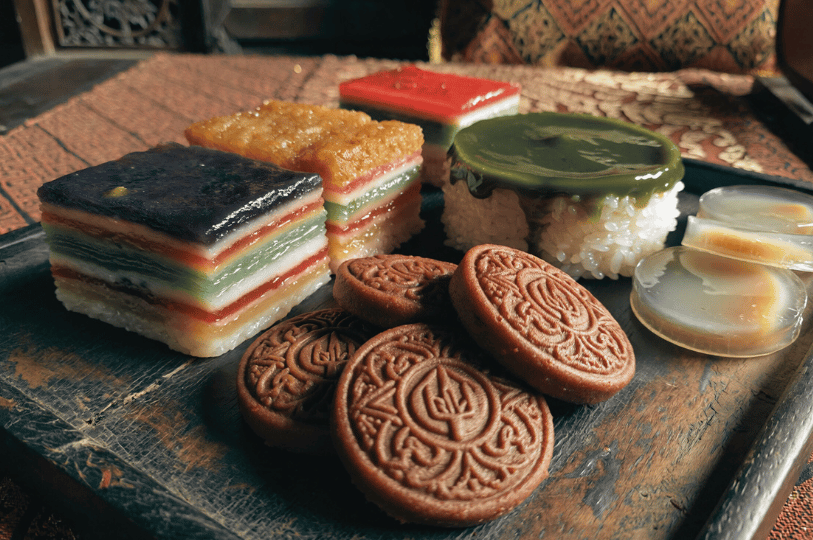
Peranakan food, or Nyonya food, captivates with its vibrant colors, from rich curry oranges to the bright blues and pinks of kuehs. This vivid palette reflects the fusion of Chinese and Malay culinary traditions central to Peranakan culture and heritage.
Presentation is key, with dishes served on traditional porcelain nyonyaware adorned with phoenix and peony motifs, enhancing the visual storytelling for food photographers. Natural ingredients like butterfly pea flowers, pandan leaves, and turmeric provide authentic colors tied to Peranakan identity. This cuisine vividly expresses the Peranakan community’s cultural identity in Southeast Asia, blending influences from the Malay Archipelago and Chinese descent into a unique culinary language.
Capturing Peranakan food is also an opportunity to document the rich Peranakan history and the traditions of Peranakan men and women who have preserved these recipes through generations. The Peranakan language, often a creole of Malay language and Hokkien, and the Peranakan society’s customs contribute to the depth behind each dish. Using traditional elements and settings, such as those found in a Peranakan museum or during celebrations organized by a Peranakan association, can add authenticity and context to food photography projects.
In essence, photographing Peranakan cuisine is not just about the food itself but about honoring the legacy of the Straits Chinese and the broader Peranakan Chinese communities who have shaped this vibrant culture under British rule in regions like Malacca, Penang, and Singapore. It is a celebration of locally born culinary artistry that continues to thrive in Southeast Asia and beyond.
Why Peranakan Food is So Photogenic
The seductive quality of Peranakan food lies in its complexity. It is a cuisine of layers, both in flavor and in appearance.
- Color Palette: The use of natural colorings from ingredients like butterfly pea flowers (blue), pandan leaves (green), and turmeric (yellow) creates a stunning, authentic palette.
- Textural Contrast: Think of the smooth, glossy surface of a rich gravy against the rough texture of a piece of braised meat, or the delicate, almost translucent skin of a kueh revealing its filling. These contrasts create visual interest and a tactile sense in the photograph.
- Intricate Details: Many Peranakan dishes involve meticulous preparation, resulting in intricate details. The fine shredding of herbs in a garnish, the precise layers in kueh lapis, or the complex pattern on a pastry are all details that a camera can capture beautifully.
This cuisine invites the lens to look closer, to explore its nuances, and to celebrate its handcrafted nature. It is inherently photogenic because it is unapologetically decorative and deeply expressive.
Technical Photography Tips for Peranakan Dishes
Capturing the beauty of Peranakan food requires a thoughtful approach to lighting, composition, and styling. The goal is to make the food look as delicious and alluring as it tastes.
Lighting to Reveal Texture and Color
Lighting is crucial for bringing out the vibrant colors and rich textures of Peranakan cuisine, a culinary heritage deeply rooted in Southeast Asia and shaped by ethnically Chinese influences.
- Soft, Directional Light: Use a large, soft light source like diffused natural light or a softbox from the side. This creates gentle shadows that highlight the intricate textures of Peranakan dishes, reflecting the delicate craftsmanship passed down through local communities.
- Avoid Harsh Light: Harsh direct light causes unflattering glares and dulls the subtle, authentic colors of Peranakan dishes like kuehs, emblematic of the Chinese-Malay cultural fusion.
- Low-Light Techniques: For moodier shots of rich curries like babi pongteh, use a single shaped light source to add drama and focus, capturing steam and sauce sheen that reflect the unique blend of Chinese immigrants and Southeast Asian flavors.
Composition and Styling
Composition should honor the dish's heritage while telling a story.
- Incorporate Nyonyaware: Whenever possible, use traditional Peranakan porcelain. It immediately grounds the image in its culture.
- Tell a Story with Ingredients: Style the shot with a few key raw ingredients used in the dish, like galangal, pandan leaves, or star anise. This provides context and adds an organic element to the composition.
- Embrace the "Perfectly Imperfect": A slight drip of sauce on the side of a bowl or a crumb from a pastry can add a sense of realism and make the dish feel more approachable and delicious.
The Photographer's Role in Cultural Preservation
As a food photographer, our role goes beyond making food look appealing. We are visual storytellers and cultural archivists, especially when capturing traditional Peranakan food. This heritage reflects a vibrant fusion of Chinese people and Malay traditions in Southeast Asia, forming a rich cultural identity. Many traditional recipes are complex and passed down through generations within the Peranakan community.
Our photographs help preserve and promote this heritage. A compelling image can spark curiosity, encouraging people to try Peranakan dishes or learn about the culture. By documenting these dishes and the artisans who prepare them, we create a visual record that safeguards Peranakan culture for future generations, crucial in today’s fast-paced world where traditional practices risk being overshadowed by modern influences.
Moreover, as food writers and photographers in Southeast Asia, we highlight the multicultural influences shaping Peranakan cuisine. This rich tapestry blends Chinese immigrants, Javanese and Indian spices, and Dutch colonial elements with local Malay archipelago flavors. Signature Peranakan dishes feature ingredients like coconut milk and buah keluak, reflecting the community’s deep heritage.
By embracing this multicultural narrative and showcasing authentic Peranakan identity through our lens, we honor the Peranakan Chinese and local communities, connecting audiences in Australia, China, and beyond to this remarkable culinary tradition.
Notable Dishes and How to Capture Them
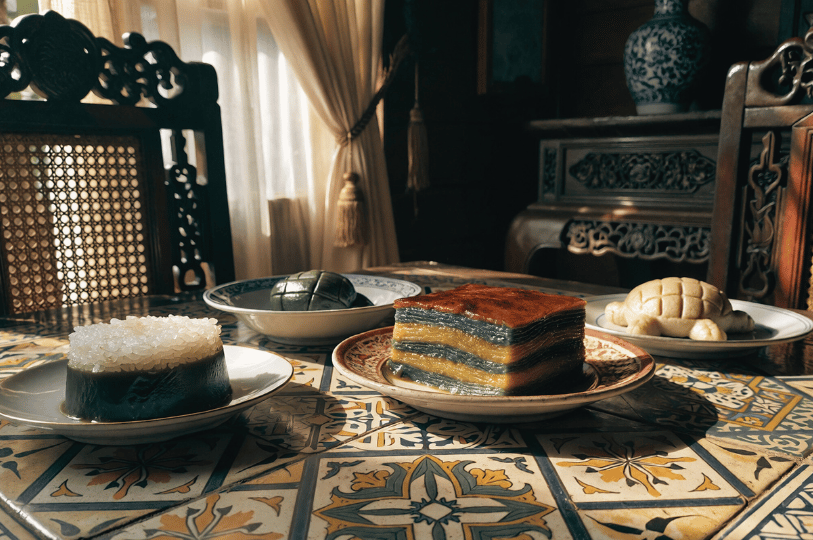
Certain Peranakan dishes are particularly rewarding to photograph and showcase the rich Peranakan heritage.
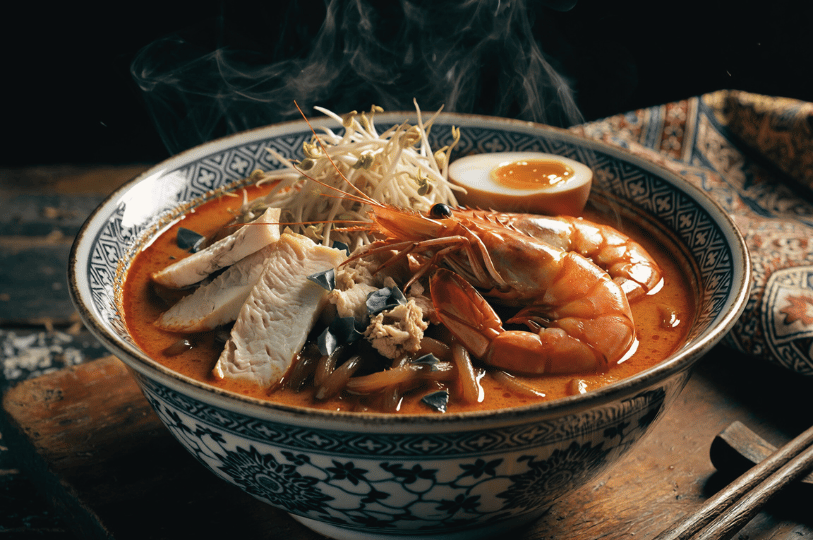
- Nonya Laksa: Nonya Laksa is a iconic noodle soup features a rich coconut milk-based broth infused with aromatic spices. Capture its vibrant colors and textures by focusing on a perfectly cooked prawn or a sprig of laksa leaf with a shallow depth of field. Highlight the steam to evoke warmth and freshness, reflecting the culinary traditions of Peranakan women who have preserved these recipes through generations in Southeast Asia.
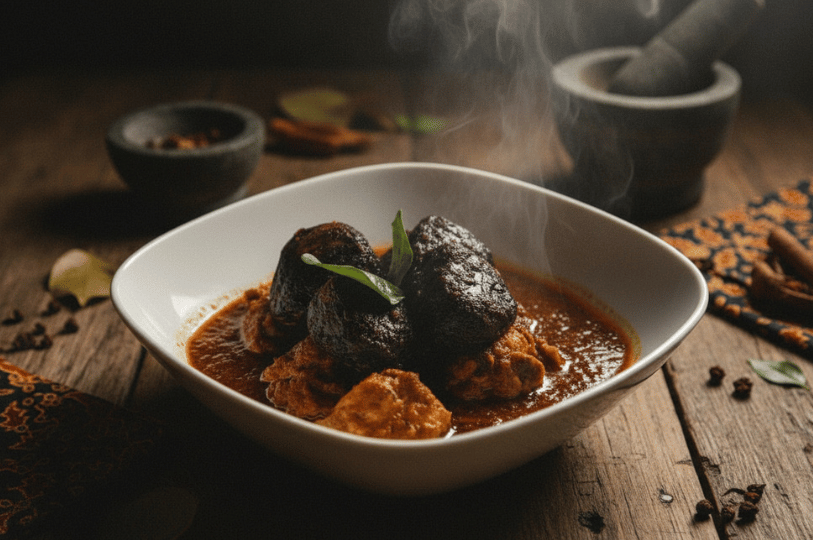
- Ayam Buah Keluak: This signature Peranakan chicken stew features the unique, earthy buah keluak nut and thick black gravy. Use side lighting to highlight its glossy texture. Capturing the rich paste being extracted from the nut powerfully tells the story of Peranakan cuisine’s fusion of local customs and Chinese influences.
- Kueh: Peranakan kuehs are vibrant, intricate treats often served during traditional celebrations in the Straits Settlements like Malacca and Penang. Made with natural ingredients such as butterfly pea flowers and pandan leaves, they reflect the Peranakan community’s connection to the Malay Archipelago. Bright, even lighting best showcases their colors. A macro lens captures the delicate layers of kueh lapis and fine details of ang ku kueh, iconic delights cherished by Chinese Peranakans and locals alike.
Cultural Sensitivity and Authenticity
When photographing a traditional cuisine, respect and authenticity are paramount. As a food photographer, it is our responsibility to represent the culture accurately.
- Do Your Research: Understand the significance of the dishes you are shooting. Know the key ingredients and the traditional way of serving them.
- Collaborate and Listen: If you are working with a Peranakan chef or home cook, listen to their stories. Ask them about their heritage and what the food means to them. Their insights are invaluable.
- Authentic Styling: Avoid using props or styling techniques that feel out of place. The beauty of Peranakan food is inherent; it does not need gimmicks.
Equipment and Post-Processing
While the photographer’s eye is most important, the right gear helps.
- Camera and Lenses: A camera with good dynamic range is helpful. A 50mm or 100mm macro lens is excellent for capturing details, while a 24-70mm zoom offers versatility.
- Post-Processing: The goal in post-processing is to enhance, not to alter. Use it to bring out the natural vibrancy of the colors. Slightly increase the contrast to make the textures pop and adjust the white balance to ensure the colors are true to life. Be careful not to oversaturate the image, which can make it look artificial.
Conclusion
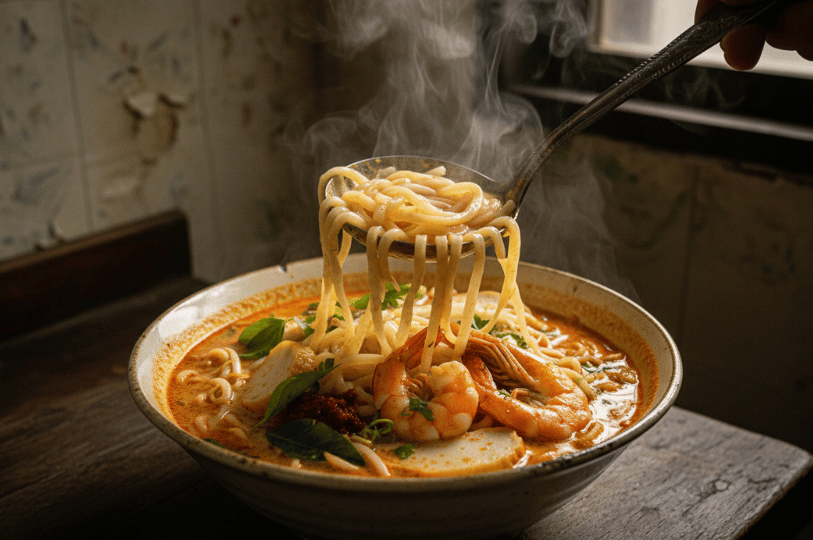
The world of Peranakan food is a deep and rewarding one for any food photographer. It is a journey of color, texture, and flavor, but more importantly, it is a journey into a rich and beautiful culture. To capture this cuisine is to capture a piece of history, a story of fusion, and a legacy of culinary artistry. It is a seductive challenge that pushes us to be better photographers and more thoughtful storytellers.

The First Hawker Stall That Changed Everything
March 18, 2026
It was a rainy Tuesday afternoon about seven years ago, and I was just a guy with a camera looking for shelter. I ducked into an old, dimly lit hawker center in Toa Payoh to…

The Best Singapore Breakfast Spots: Lighting, Angles & Visual Stories for Singapore Foodies
March 16, 2026
After years of chasing the perfect breakfast shot all over Singapore, I’ve noticed some venues aren’t just great for eating. They’re inspiring playgrounds for food photography, beloved by both locals and Singapore foodies alike. Whether…
-
From Empire to Plate: Process-Focused Colonial Photography SG Series
March 13, 2026
The story of Singapore cuisine is impossible to tell without acknowledging its colonial past. As a strategic port for the British Empire, Singapore became a magnet for a diverse range of people and products. From…
-
Translating Taste into Frames: Why I Capture Food
March 11, 2026
I fell in love with street food photography in Singapore, somewhere between the steam of a hawker stall and the click of my shutter. It wasn’t planned. I was hungry, wandering, half-lost, when a bowl of laksa stopped me cold. The broth glowed…
-
Maximizing Colonial Heritage: Efficient SG Photography Routes
March 9, 2026
The morning light hits the peeling plaster of a shophouse five-foot way differently than it hits a glass skyscraper. It is softer, more textured, and it seems to carry the weight of history. For a…
-
Period Restaurant Lighting in Photo Shoot in Singapore Locations
March 6, 2026
The air in a heritage Hainanese coffeeshop is thick with more than just the aroma of kaya toast and freshly brewed kopi. It is thick with a particular quality of light. A mix of harsh,…
-
Imperial Diversity Through Photo Shoot Singapore Projects
March 2, 2026
When I set up my tripod in a bustling kopitiam or a quiet heritage restaurant, I am constantly reminded that I am not just photographing a meal. I am photographing a map. Every photo shoot…
-
Historic Flavors Shoot Singapore: Post-Processing for Period Authenticity
February 27, 2026
When I look through the viewfinder at a plate of heritage kueh or a steaming bowl of rickshaw noodles, I am not just capturing food; I am framing a memory. The challenge for any documentary…
-
Colonial Cuisine Photoshoot: Styling Singapore’s Historic Flavors
February 23, 2026
When I first embarked on a photoshoot focusing on Singapore’s colonial cuisine, I didn’t realize how deeply food could connect us to history. It wasn’t just about snapping pictures of dishes; it was about capturing…
-
Coal, Fire, and Memory: A Singapore Food Blogger Revisits Tanjong Pagar’s Industrial Kitchens
February 20, 2026
It had been a while since I set a day to wander through the back lanes of Tanjong Pagar. When I decided to come back to the place left me star-struck, not by the polished…