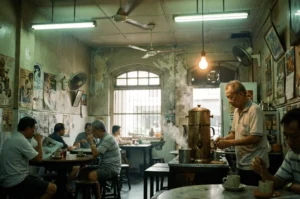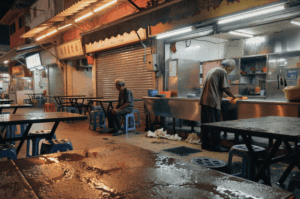

The true soundtrack of Singapore is not the hum of the city, but the gentle clink of a porcelain cup. It’s the familiar call for "Kopi C, siew dai!" echoing through a bustling coffee shop. This is the heart of Singapore kopitiam traditions, a culture I’ve dedicated myself to capturing through my lens. A Singapore kopitiam is more than a place to get a drink; it's a community cornerstone and a living piece of history.
The Kopitiams Today: A Social Pillar
Traditional coffee shops are woven into the fabric of the nation. The word "kopitiam" itself is a beautiful mix of the Malay word for coffee, kopi, and the Hokkien word for shop, tiam. These spots began as social hubs for early immigrants. Today, many kopitiams are found at the foot of Singapore Housing Development Board (HDB) blocks, cementing their role as central gathering places. Famous names like Ya Kun Kaya Toast, Killiney Kopitiam, and the historic Tong Ah Eating House on Keong Saik Road.
The Art of a Strong Brew
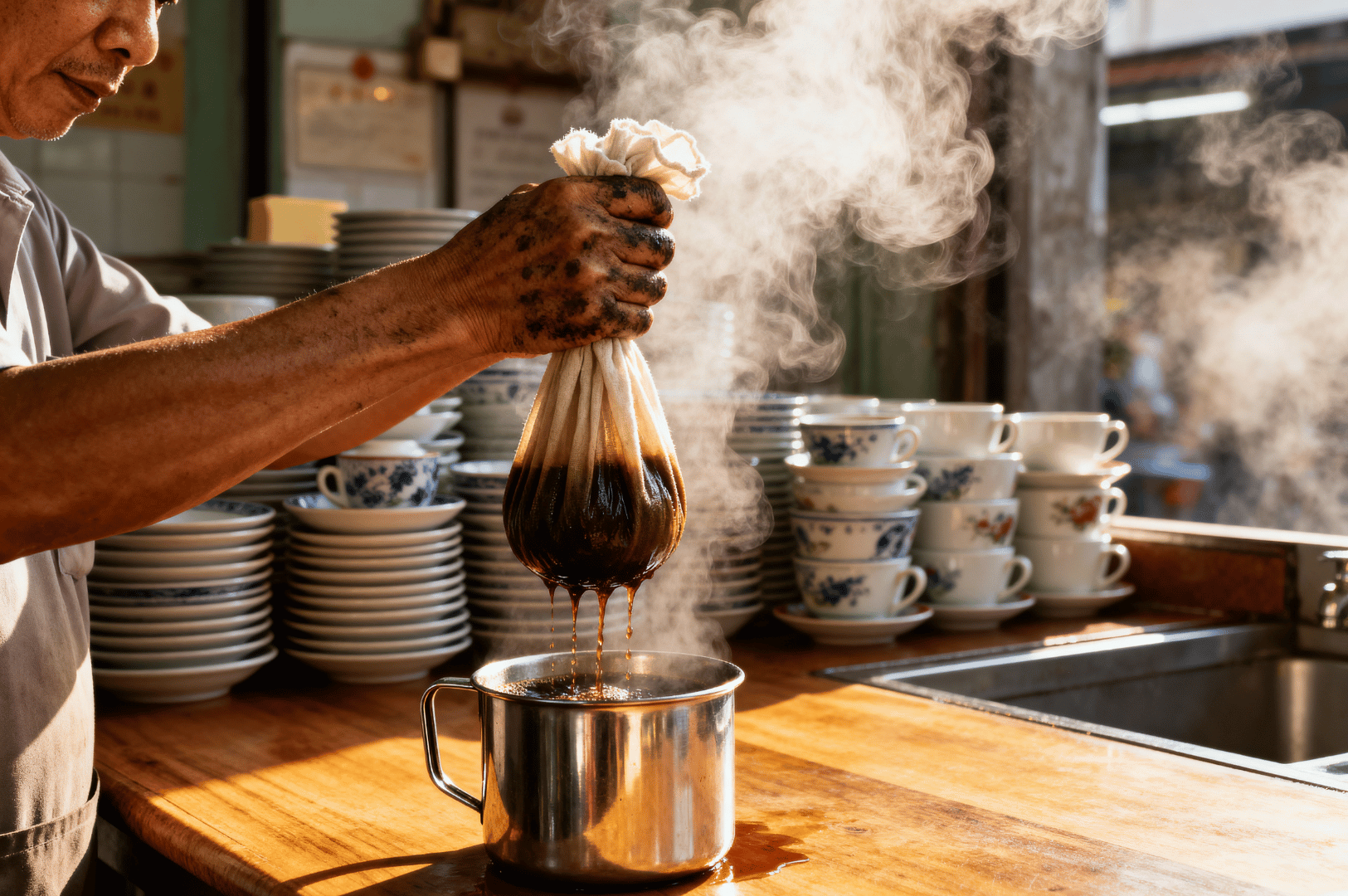
The magic of kopitiam culture lies in its unique coffee. Forget the espresso machine; here, the process is pure performance. Strong coffee is brewed using Robusta beans, often roasted with butter, which are then filtered through a cloth "sock." The result is a strong brew, but you can also request a weaker coffee (kopi po).
Understanding the lingo is essential. A standard kopi comes with condensed milk. For a version with evaporated milk and sugar, you’d order a Kopi C. If you prefer black coffee with sugar, it’s Kopi O. To get just the right amount of sweetness, you can ask for "siew dai," which means less sugar. On a hot day, a tall glass of strong iced coffee is the perfect beverage.
Beyond Coffee: Kaya Toast and Soft Boiled Eggs
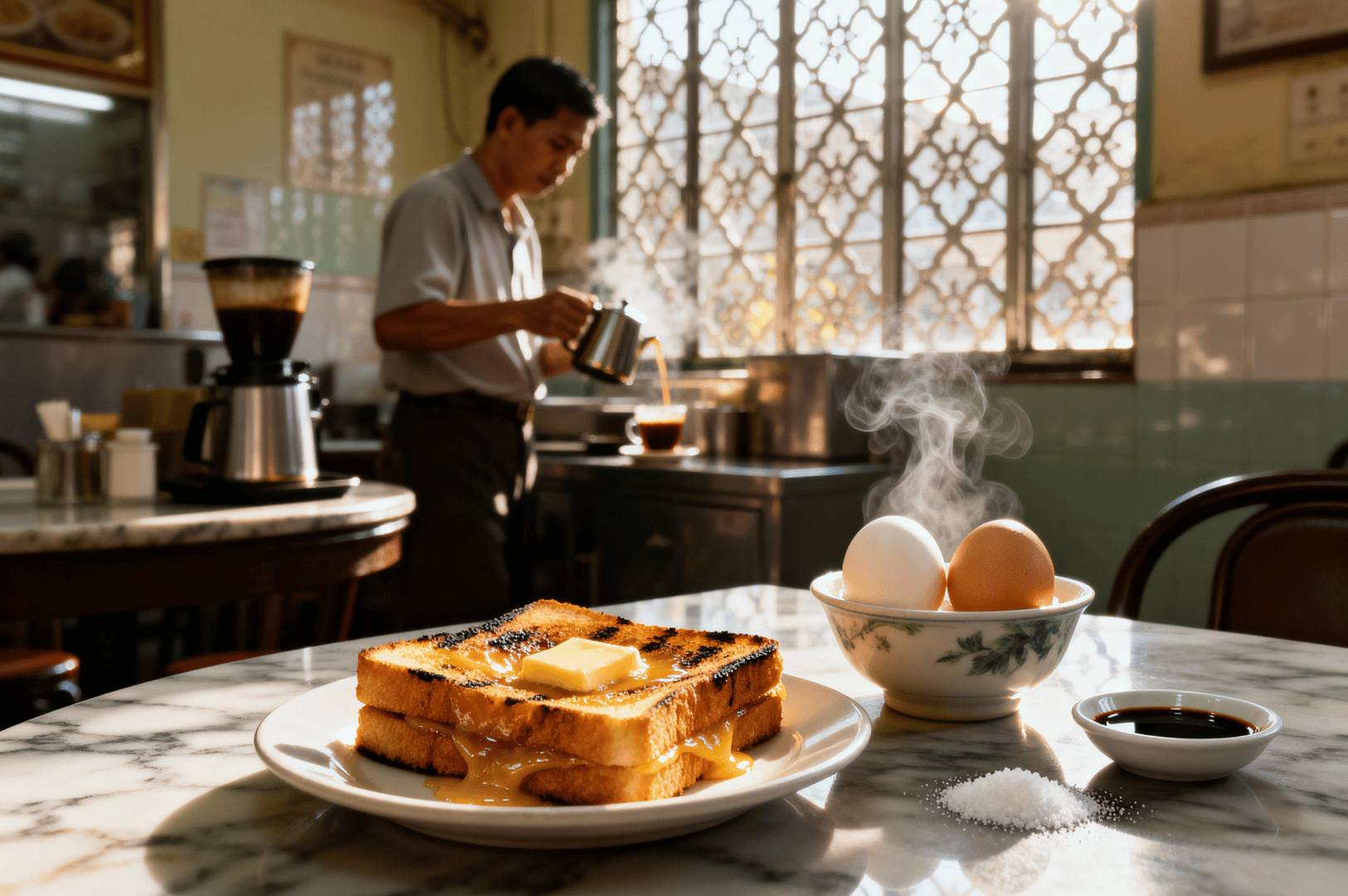
The classic Singapore breakfast is an experience in itself. The star is kaya toast, featuring slices of bread—often baked in house—toasted over charcoal and slathered with butter and kaya jam, a fragrant spread made from coconut and egg. It’s served with soft boiled eggs, or half boiled eggs, cooked to perfection and seasoned with dark soy sauce and pepper.
This simple meal is a cornerstone of kopitiam food culture. While many kopitiams today also house stalls selling dishes like chicken rice or nasi lemak, the classic breakfast trio remains a beloved tradition. Famous establishments like Ya Kun Kaya Toast are renowned for their crisp toast and delicious kaya.
Documenting Kopitiam Culture
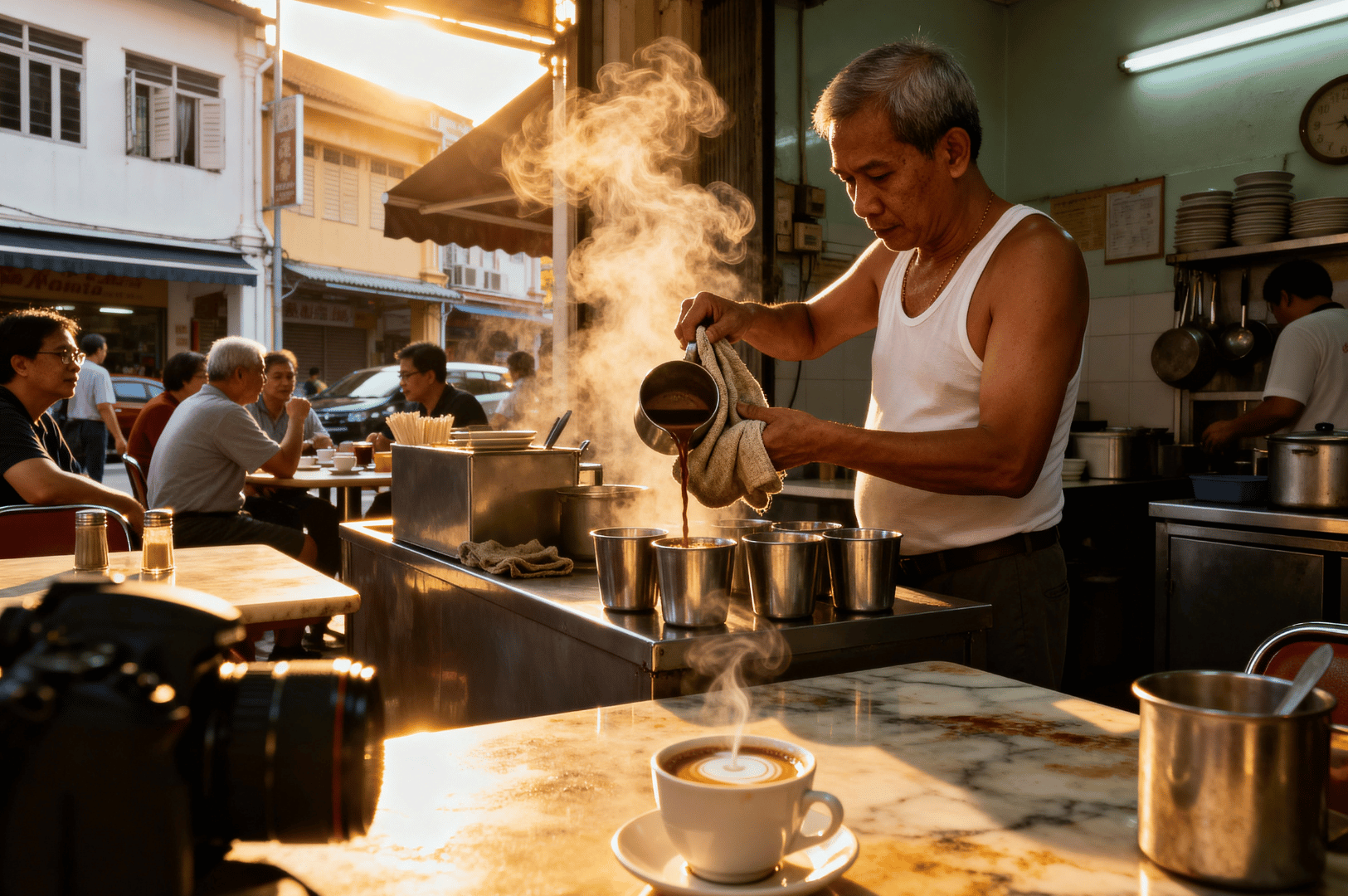
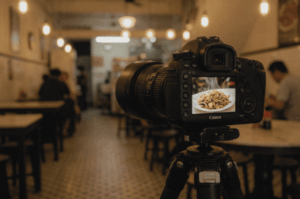
For a photographer, capturing the essence of a kopitiam is a rewarding challenge. The atmosphere is often one of high turnover and constant motion, especially during breakfast hours when you see a full house.
My approach is to focus on the details that tell the story. I look for the steam rising from a good cup of kopi, the rich color of the gula melaka in a local sweet tea (teh), or the focused expression of the person brewing the coffee. Natural light is your best asset. Sit near an open front to capture the morning light as it illuminates the worn marble tables and the vibrant scenes within the coffeeshop. The goal is to capture the feeling of the place, from the taste of the toast to the sound of the busy room.
Preservation and Modernity
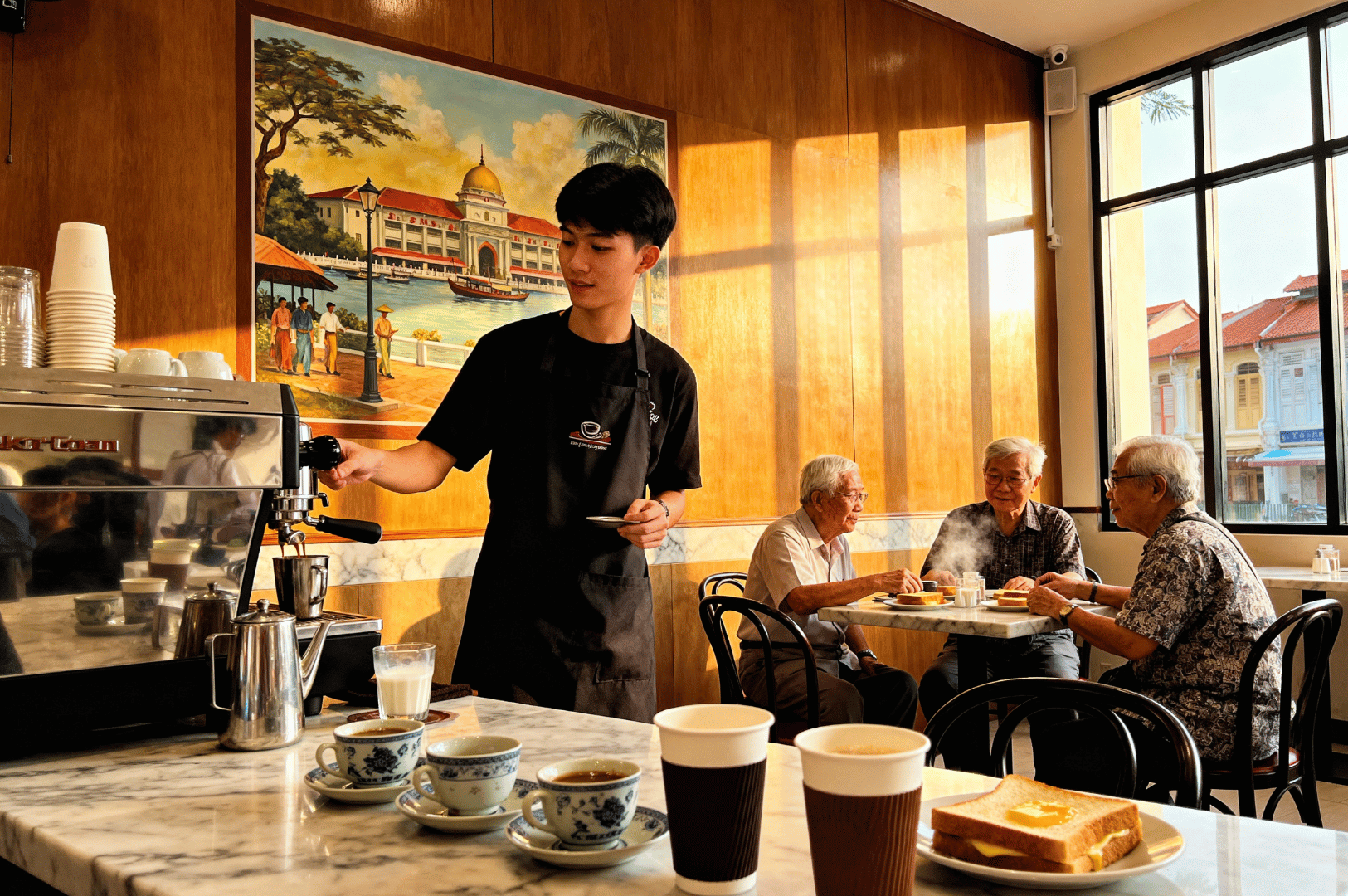
As Singapore evolves, so does its kopitiam culture. While many spots hold fast to tradition, others blend old and new. You might find a traditional kopi served alongside Western coffee options, or new ingredients like milo powder appearing in creative drinks. Despite modernization, the core of the kopitiam remains: a welcoming, affordable spot for the community to gather, eat, and connect.
From historic spots to widespread favorites, these coffee shops are more than just a business. They are a cultural touchstone, a place of comfort, and a testament to Singapore's rich heritage. By documenting these spaces, we help preserve their stories for future generations, ensuring the unique flavor of kopitiam culture continues to thrive.
If you're looking to enhance your food photography, particularly when capturing the rich colors and textures of laksa, don't miss our comprehensive guide on Golden Hour Laksa Photography Tips. It’s packed with expert insights to help you make the most of the natural lighting and achieve stunning, mouth-watering shots.

Period Restaurant Lighting in Photo Shoot in Singapore Locations
March 6, 2026
The air in a heritage Hainanese coffeeshop is thick with more than just the aroma of kaya toast and freshly brewed kopi. It is thick with a particular quality of light. A mix of harsh,…
-
Imperial Diversity Through Photo Shoot Singapore Projects
March 2, 2026
When I set up my tripod in a bustling kopitiam or a quiet heritage restaurant, I am constantly reminded that I am not just photographing a meal. I am photographing a map. Every photo shoot…
-
Historic Flavors Shoot Singapore: Post-Processing for Period Authenticity
February 27, 2026
When I look through the viewfinder at a plate of heritage kueh or a steaming bowl of rickshaw noodles, I am not just capturing food; I am framing a memory. The challenge for any documentary…
-
Colonial Cuisine Photoshoot: Styling Singapore’s Historic Flavors
February 23, 2026
When I first embarked on a photoshoot focusing on Singapore’s colonial cuisine, I didn’t realize how deeply food could connect us to history. It wasn’t just about snapping pictures of dishes; it was about capturing…
-
Coal, Fire, and Memory: A Singapore Food Blogger Revisits Tanjong Pagar’s Industrial Kitchens
February 20, 2026
It had been a while since I set a day to wander through the back lanes of Tanjong Pagar. When I decided to come back to the place left me star-struck, not by the polished…
-
Three Generations, One Perfect Dumpling: A Food Blogger’s Journey in Chinatown’s Hidden Alley
February 16, 2026
Why This Alley is a Must-Visit for Food Lovers and Food Bloggers The first time I ventured into this tucked-away alley in Singapore’s Chinatown, I was awestruck by how different it felt from the bustling…
-
After Dark Cravings: A Guide to Night Singapore for Foodies
February 13, 2026
When I first landed in Singapore, I thought I knew what to expect: futuristic skylines, spotless streets, and, of course, amazing food. I did end up seeing all those things but what truly blew me…
-
Dawn Awakening: Morning Market Food Blog
February 9, 2026
The city is still dreaming when the first fires are lit. It is 4:30 AM, an hour that belongs to the insomniacs and the dedicated artisans of our food culture. While the skyscrapers of the…
-
The Last Hour: Closing Time Through the Eyes of A Food Blogger
February 6, 2026
The roar of the hawker center fades as the clanking woks and sizzling grills soften to a murmur. Most plastic tables are empty, wiped clean, awaiting a new day. This last hour is a sacred,…
-
Food Blogs as Cultural Archives: Photographing Religious Culinary Traditions
February 2, 2026
We often think of food photography as a way to stimulate appetite or showcase a chef’s creation. However, in multicultural Singapore, it captures much more: history, faith, and identity. Food blogs have evolved from recipe…