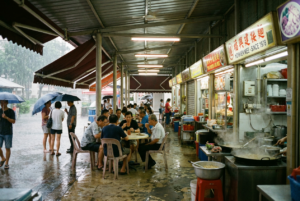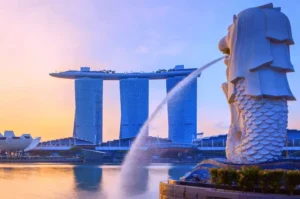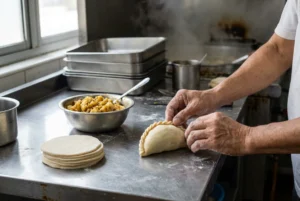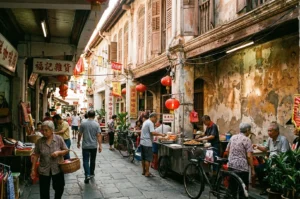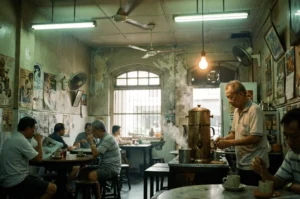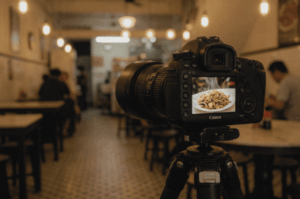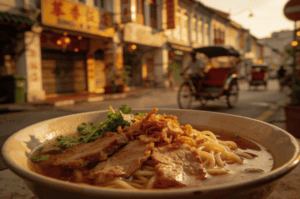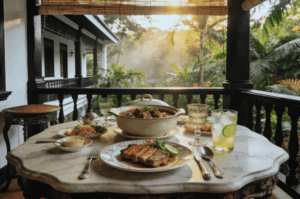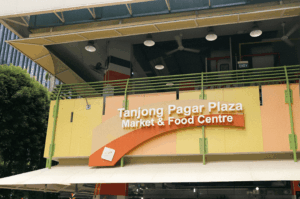
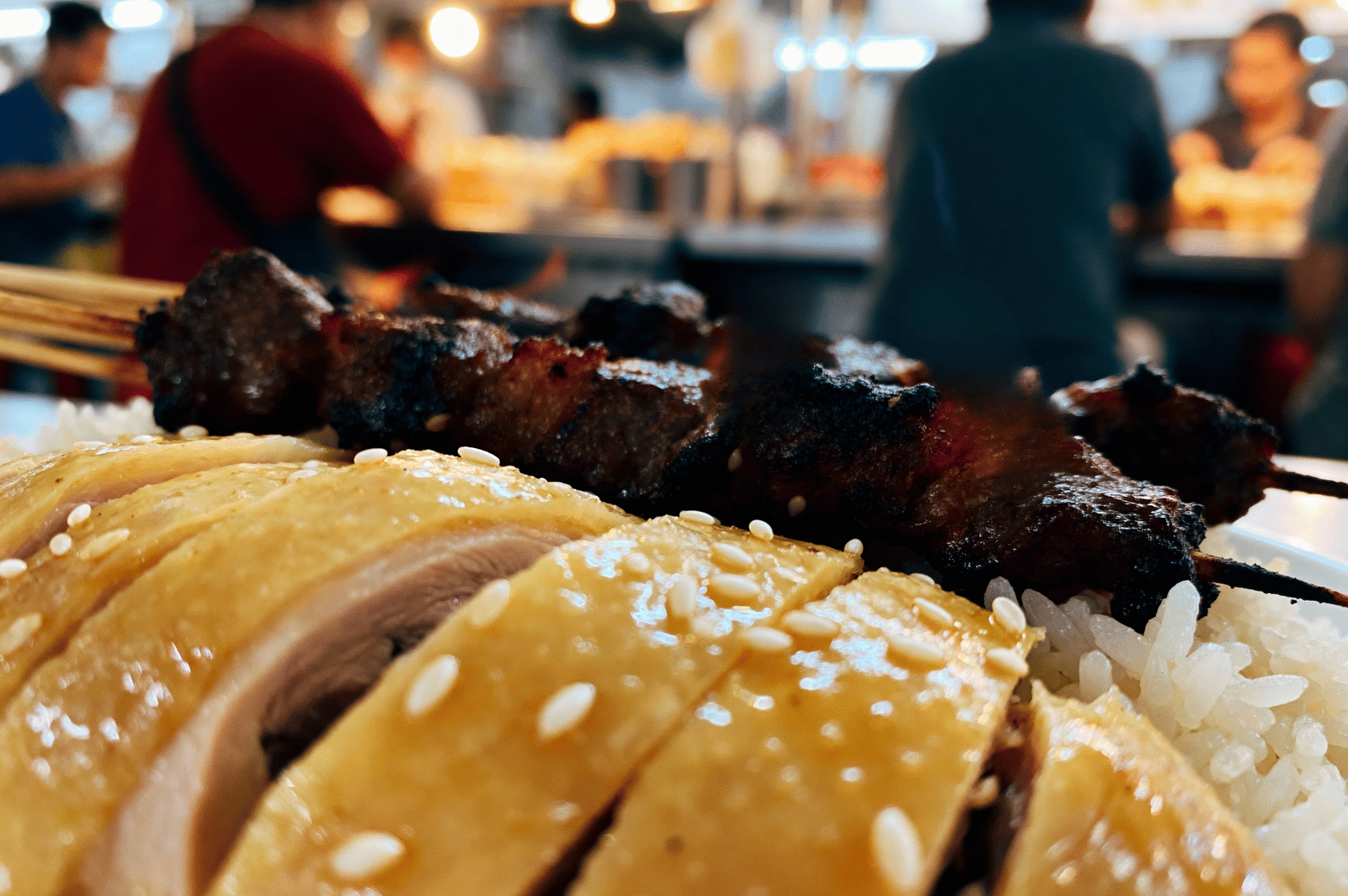
As a food photographer in Singapore, my passion is capturing the city's vibrant culinary soul. While wide shots of busy hawker centres tell one story, I've discovered a more profound narrative by getting closer. Using a macro lens reveals the intricate details that make Singapore's street food a true art form. This is the world of macro food photography Singapore, a craft that honors the hawker, the dish, and our shared culture.
This approach isn't just about taking pretty pictures of tasty food. It's about seeing the glistening sheen on a plate of Hainanese chicken rice or the perfect char on a stick of satay. It’s a way to appreciate the final dish with the same respect we have for its creation, connecting us to the heart of Singapore's hawker centers.
The Art of Intimate Detail
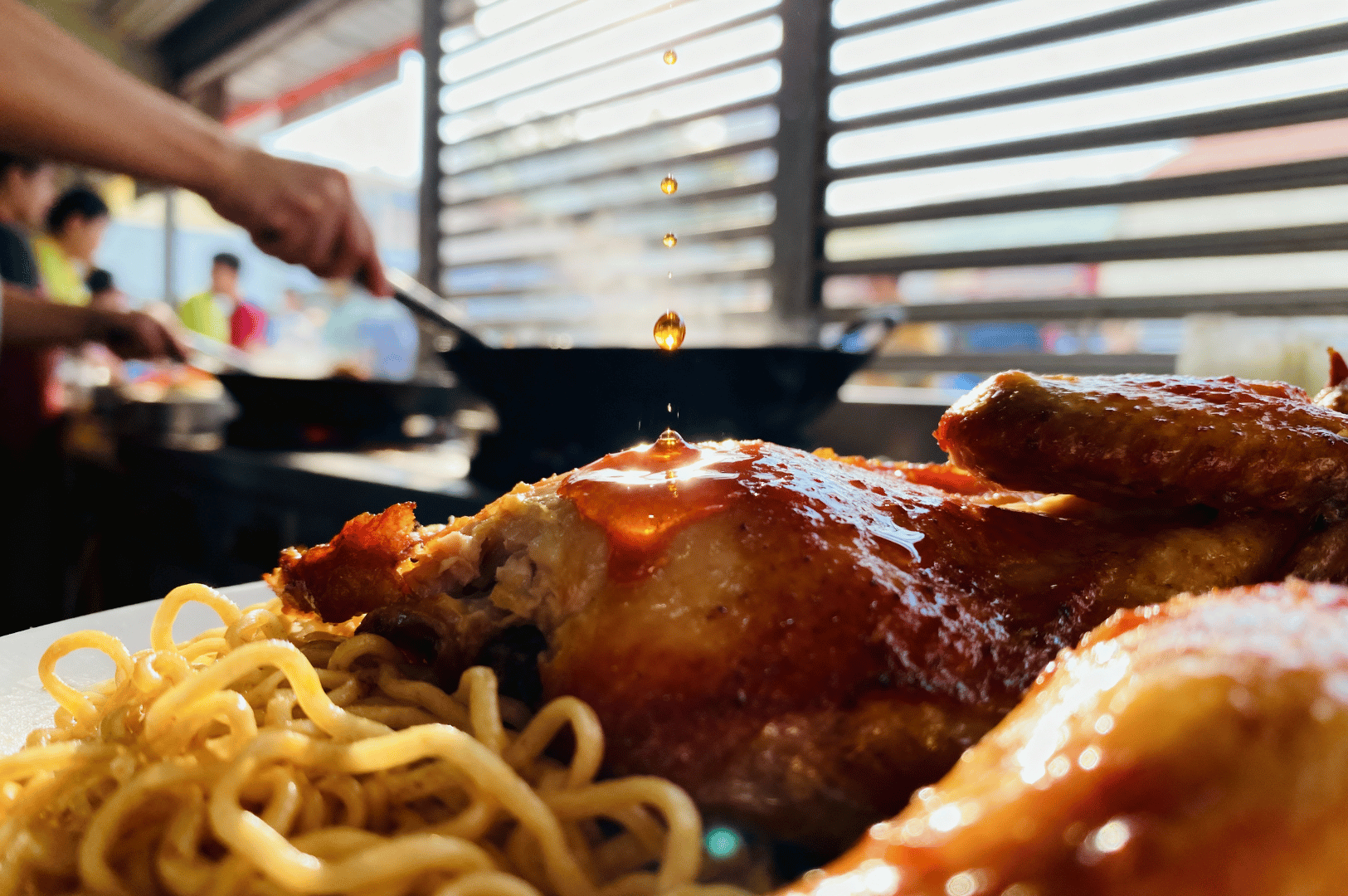
Macro photography changes how you see the world, especially in a bustling hawker center. Instead of framing the entire scene—the long line, the other stalls, the crowds—you slow down and focus on the food itself. You begin to notice the tiny, delicious details that define a dish.
This is where food photography becomes a study of texture and light. You capture how natural light plays across the crisp skin of roast chicken or the rich, dark sauce drizzled over freshly cooked noodles. It’s about shooting the minute details that the naked eye might miss but are essential to the pleasure of the meal. These shots create a powerful visual experience that goes beyond a simple snapshot.
Photography Tips for Singapore's Hawker Centres

Capturing stunning macro shots in a location like Lau Pa Sat or a busy Chinatown market presents unique challenges. The lighting can be tricky, and the space is often packed. But with the right approach, you can create incredible food photos.
1. Master the Light: Forget your camera's flash. The best thing you can do is use the available light. In the daytime, try to get a table near an opening to use natural light. At night, use the light from the stall itself. Position your dish so the light comes from the side or behind it. This technique makes textures pop and gives your pictures a professional, moody quality.
2. Focus on a Single Point: With macro photography, only a small part of your image will be in sharp focus. Use this to your advantage. When shooting satay from a famous location like Satay Street, you might focus on the charred, crispy edge of the meat, letting the background blur. This guides the viewer’s eye and adds an artistic touch to your shots.
3. Stay Steady: At high magnification, even the slightest movement can blur your pictures. If a tripod isn't convenient, brace your elbows on the table. Control your breathing and gently press the shutter. This will help you get those crystal-clear, detailed shots that make macro photography so powerful.
A Tale of Two Dishes
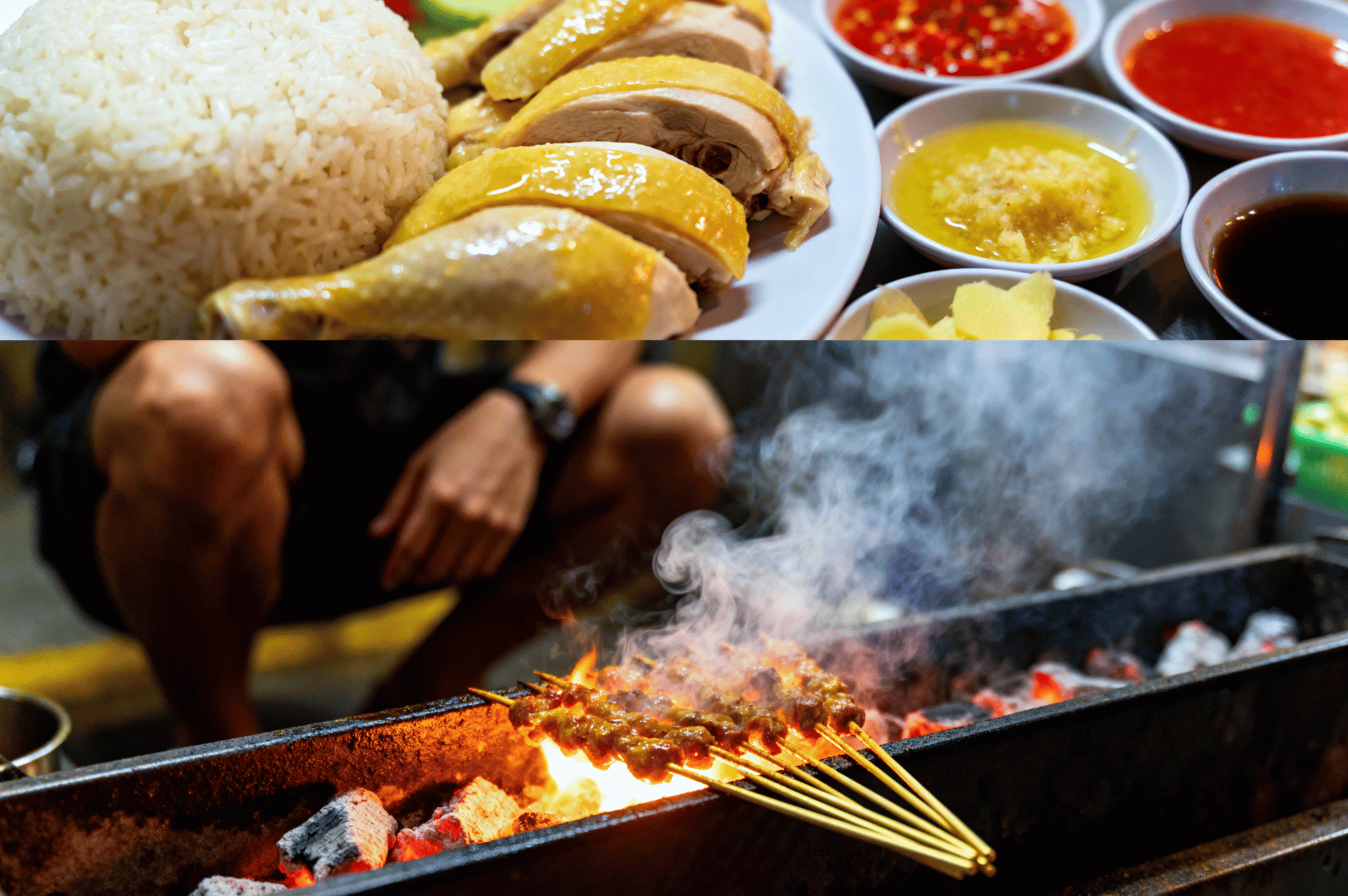
In Singapore’s bustling hawker centers, two iconic dishes come alive through the lens. One tells a story of delicate flavors; the other, a sizzling celebration of street food culture.
Hainanese Chicken Rice
From a distance, it's a simple dish. But up close, your camera reveals the individual grains of fragrant rice, each one perfectly cooked and glistening. You see the smoothness of the steamed chicken and the vibrant colors of the spicy chili and ginger sauce.
Satay Street at Lau Pa Sat
The air is filled with smoke and the smell of grilled meat. A macro shot here can capture the bubbling marinade on the chicken or beef as it cooks over hot coals. It's a wonderful experience for any photographer looking to capture the energy of Singapore at night. This isn't just about taking pictures of food; it's about capturing a feeling.
Honoring a Culture Through a Lens
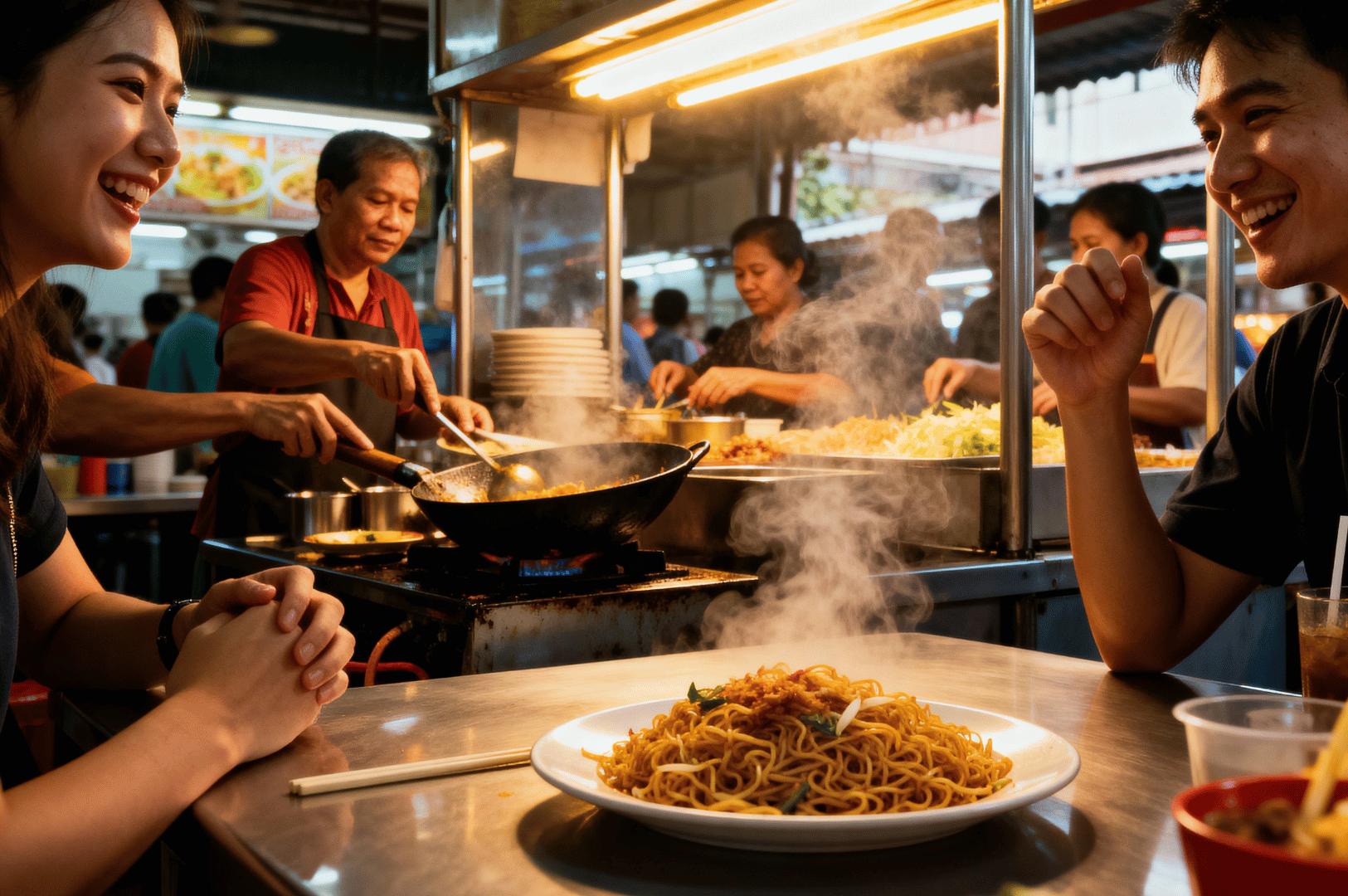
Every time I visit a hawker center, from the airport to the middle of the city, I feel a deep connection to Singapore's culture. These centers are where locals and friends gather to eat affordable, delicious food. My work is a pleasure and a privilege, a way to honor the hawkers who cook with such passion.
This type of photography is more than a business; it’s a way to document a living heritage. The pictures we create for a brand, a website, or our own portfolio tell the story of a country and its people. They capture the essence of dishes that have been prepared and perfected over generations.
Whether you're a seasoned photographer or just starting, I encourage you to try this. The next time you sit down for dinner, look at your dish with fresh eyes. You can't go wrong by simply trying to capture the beauty in front of you. You will not only get some fantastic photos but also gain a deeper appreciation for the incredible culinary art that fills Singapore's hawker centres.

The First Hawker Stall That Changed Everything
March 18, 2026
It was a rainy Tuesday afternoon about seven years ago, and I was just a guy with a camera looking for shelter. I ducked into an old, dimly lit hawker center in Toa Payoh to…

The Best Singapore Breakfast Spots: Lighting, Angles & Visual Stories for Singapore Foodies
March 16, 2026
After years of chasing the perfect breakfast shot all over Singapore, I’ve noticed some venues aren’t just great for eating. They’re inspiring playgrounds for food photography, beloved by both locals and Singapore foodies alike. Whether…
-
From Empire to Plate: Process-Focused Colonial Photography SG Series
March 13, 2026
The story of Singapore cuisine is impossible to tell without acknowledging its colonial past. As a strategic port for the British Empire, Singapore became a magnet for a diverse range of people and products. From…
-
Translating Taste into Frames: Why I Capture Food
March 11, 2026
I fell in love with street food photography in Singapore, somewhere between the steam of a hawker stall and the click of my shutter. It wasn’t planned. I was hungry, wandering, half-lost, when a bowl of laksa stopped me cold. The broth glowed…
-
Maximizing Colonial Heritage: Efficient SG Photography Routes
March 9, 2026
The morning light hits the peeling plaster of a shophouse five-foot way differently than it hits a glass skyscraper. It is softer, more textured, and it seems to carry the weight of history. For a…
-
Period Restaurant Lighting in Photo Shoot in Singapore Locations
March 6, 2026
The air in a heritage Hainanese coffeeshop is thick with more than just the aroma of kaya toast and freshly brewed kopi. It is thick with a particular quality of light. A mix of harsh,…
-
Imperial Diversity Through Photo Shoot Singapore Projects
March 2, 2026
When I set up my tripod in a bustling kopitiam or a quiet heritage restaurant, I am constantly reminded that I am not just photographing a meal. I am photographing a map. Every photo shoot…
-
Historic Flavors Shoot Singapore: Post-Processing for Period Authenticity
February 27, 2026
When I look through the viewfinder at a plate of heritage kueh or a steaming bowl of rickshaw noodles, I am not just capturing food; I am framing a memory. The challenge for any documentary…
-
Colonial Cuisine Photoshoot: Styling Singapore’s Historic Flavors
February 23, 2026
When I first embarked on a photoshoot focusing on Singapore’s colonial cuisine, I didn’t realize how deeply food could connect us to history. It wasn’t just about snapping pictures of dishes; it was about capturing…
-
Coal, Fire, and Memory: A Singapore Food Blogger Revisits Tanjong Pagar’s Industrial Kitchens
February 20, 2026
It had been a while since I set a day to wander through the back lanes of Tanjong Pagar. When I decided to come back to the place left me star-struck, not by the polished…