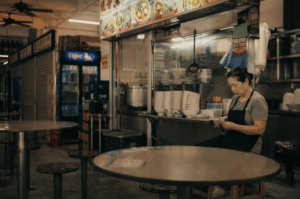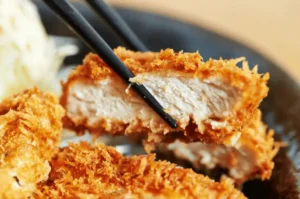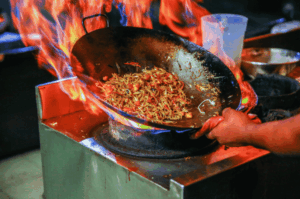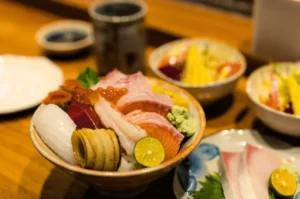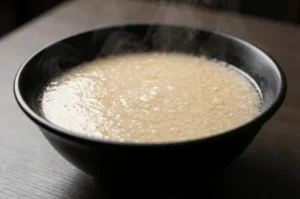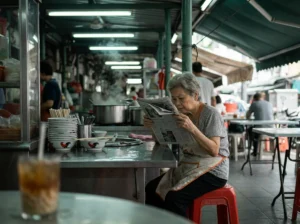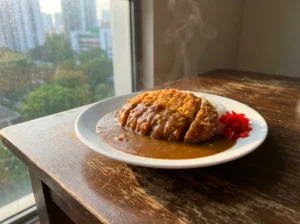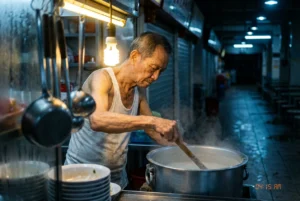
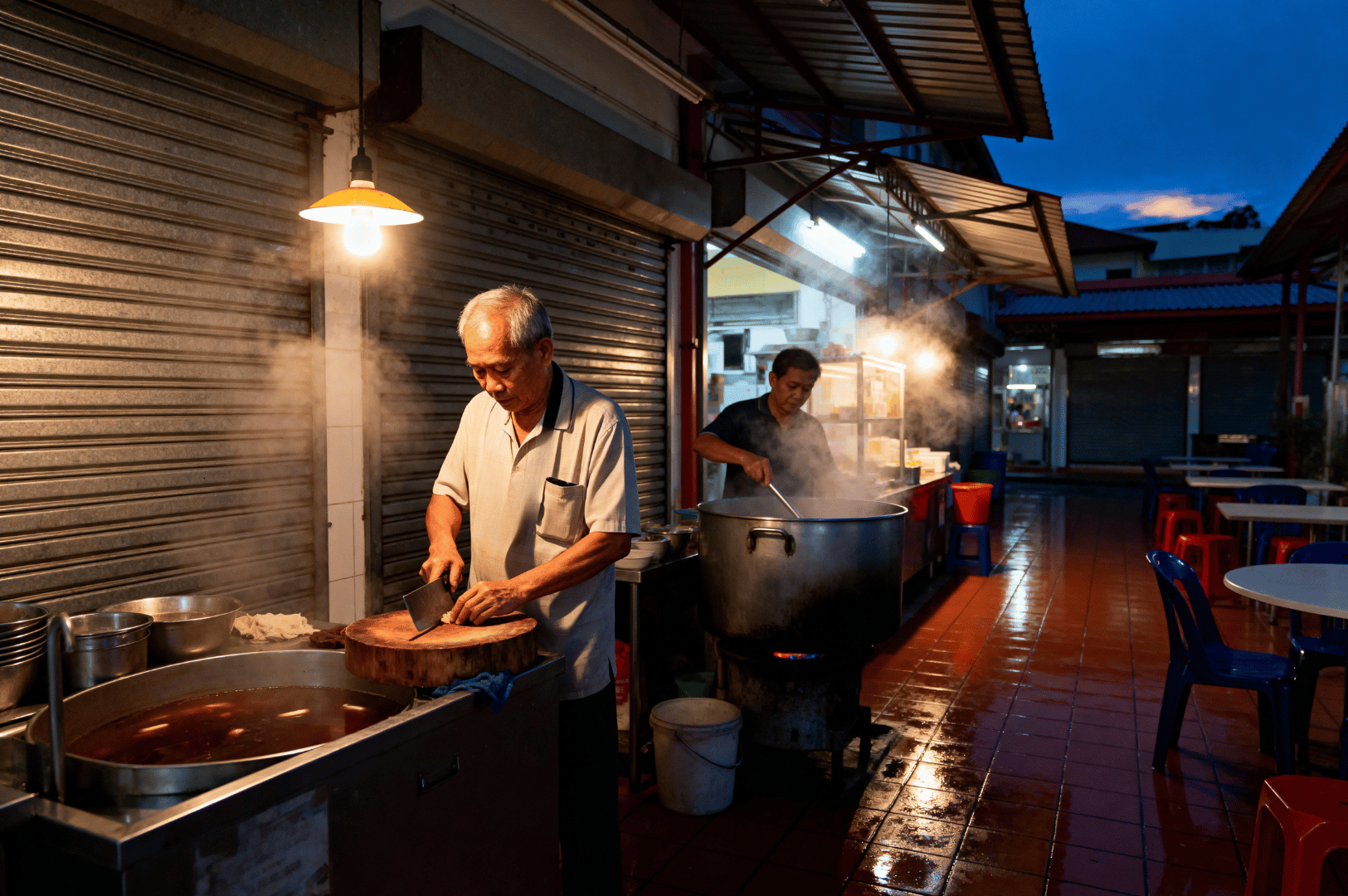
Long before the city awakens, a deep dedication to Singaporean food culture is already stirring within Maxwell Food Centre. While most of Singapore sleeps, a silent ritual begins. Here, in the quiet, pre-dawn hours, the island’s culinary artisans are at work. This is the origin story of Singapore food, a narrative that starts not with the lunchtime crowds but with the focused, methodical hawker stall preparation that happens in the dark. It is a testament to the passion that makes this food incredibly tasty.
The Pre-Dawn Atmosphere
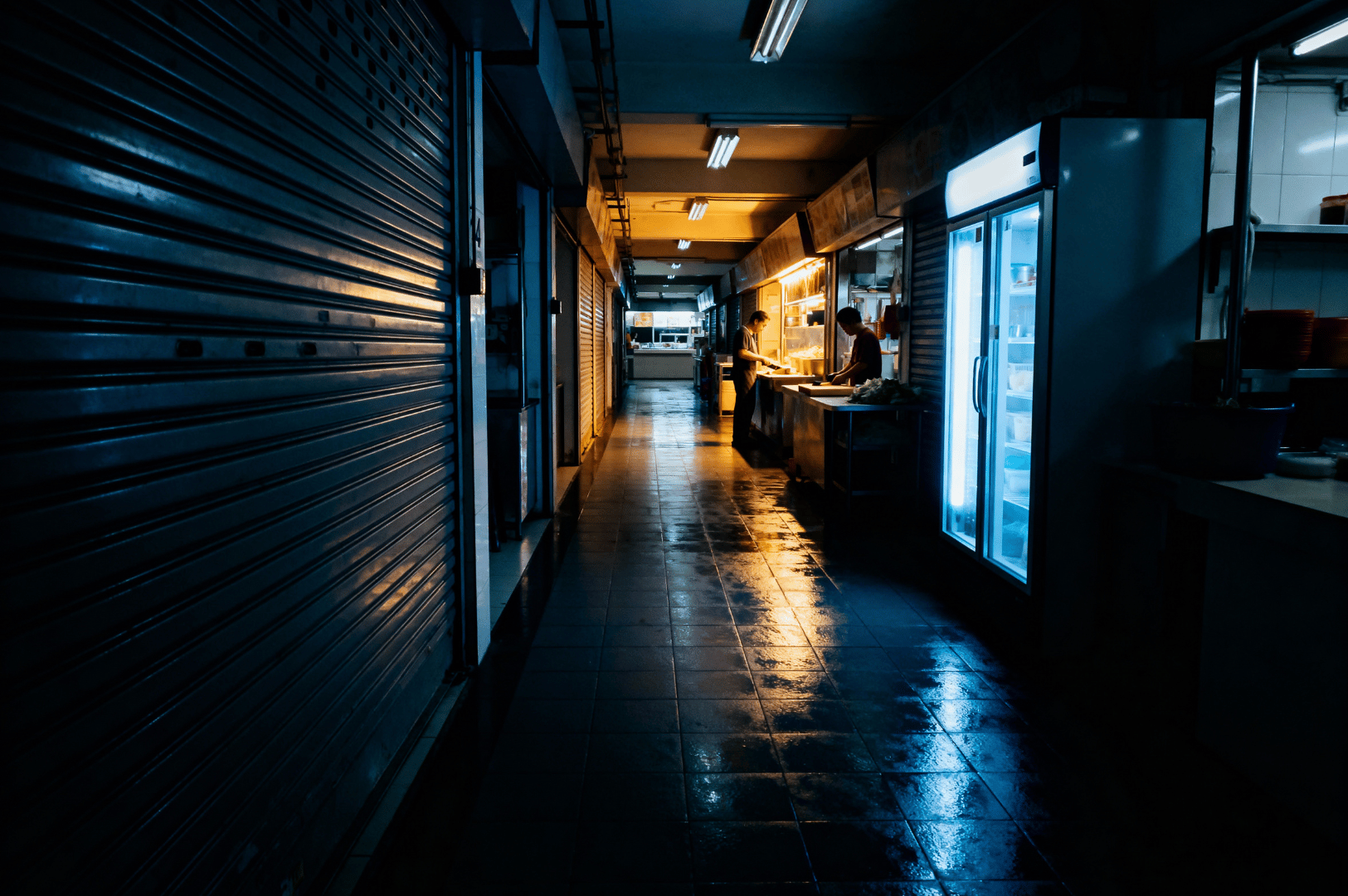
At 4 AM, the energy of a hawker centre like Maxwell or even Lau Pa Sat is transformed. The air is cool, carrying the faint scent of recent cleaning. The only sounds are the rhythmic clatter of shutters and the gentle hum of refrigerators. Light spills from a few stalls, creating pockets of warmth where the first stall owners begin their meticulous work. These pre-dawn hawker rituals are a shared, unspoken tradition. It's an environment of intense focus, where every chop and stir is a deliberate step toward creating a perfect meal for the office workers and local Singaporeans who will arrive in a few hours.
The Rituals of Preparation
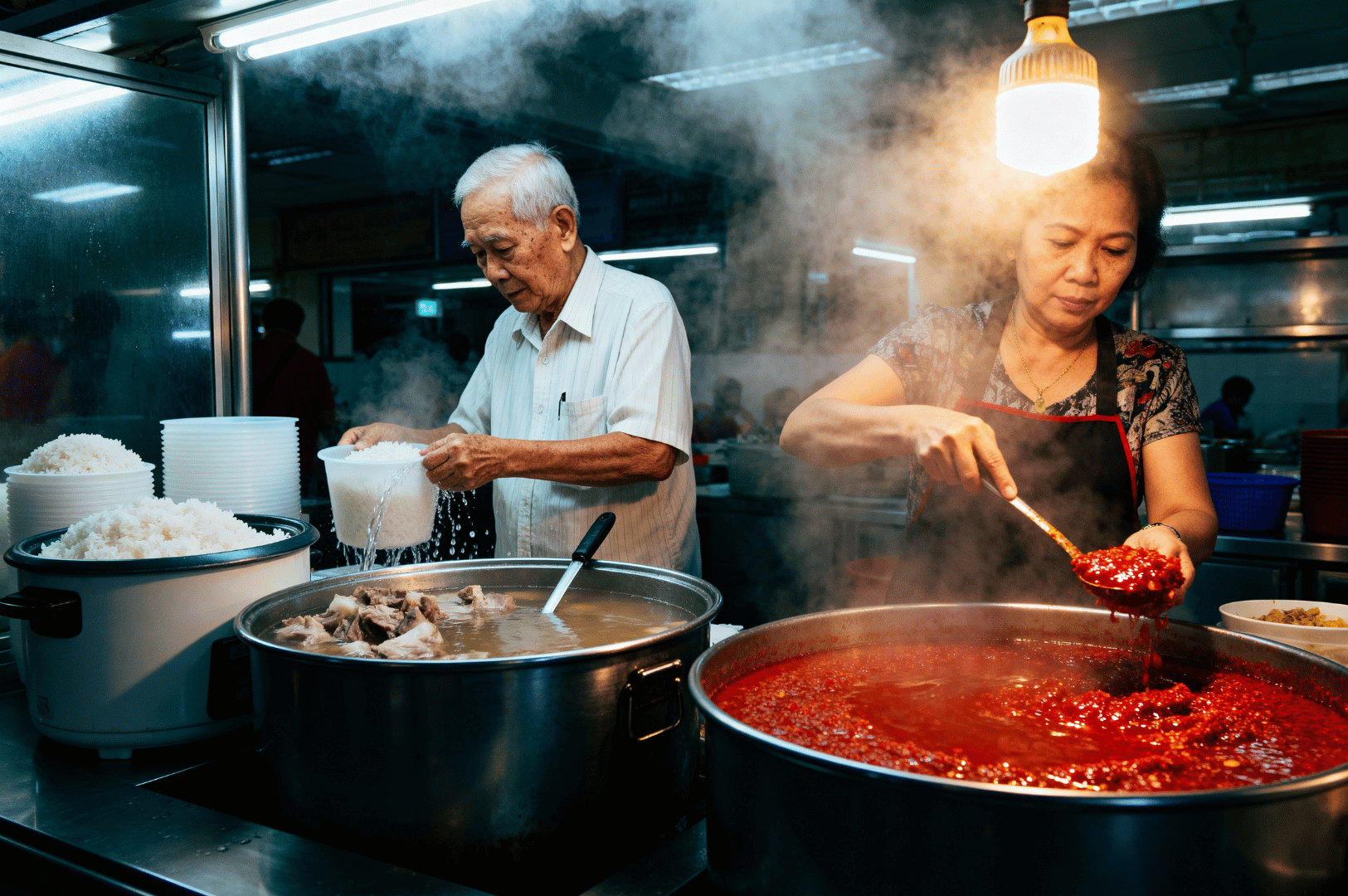
Each hawker has a unique ritual, a sequence of tasks perfected over generations. Consider the preparation for one of Singapore’s most popular dish options: chicken rice. The process begins not with the fried chicken or roast pork, but with the rice itself. Pails of grains are washed until the water is clear. The steamed rice is then cooked in a rich, savory broth infused with pandan leaves and ginger, ensuring every grain is fragrant and flavorful. This commitment is why this meal remains a favorite.
Nearby, another stall owner prepares for a day of selling bak chor mee. The process involves assembling various components: yellow egg noodles, minced pork, fish balls, and a signature sauce often made with dark soy sauce and a hint of vinegar. The pork bones have been simmering for hours, creating a rich soup to accompany the noodles, which are often served dry. This dish, a staple in food courts across the island, requires hours of unseen labor.
Other hawkers are busy with their own specialties. One might be mixing a batter of rice flour and water for steamed rice cakes, a beloved breakfast item. Another could be preparing the sambal chili that will accompany their nasi lemak, ensuring the perfect balance of spice and sweetness using ingredients like palm sugar. This is the heart of what makes hawker centers uniquely Singaporean.
From Raw Ingredients to Culinary Masterpieces
These early hours are essential for quality. They allow for the slow simmering of broths, the careful marination of meats like char siu, and the meticulous creation of sauces. Whether it’s the coconut milk and coconut cream for a laksa or the finely minced meat for a noodle dish, quality cannot be rushed. The preparation for side dishes is just as important, from slicing chinese sausage to preparing hard boiled eggs.
This dedication applies to a wide array of hawker fare. Think of the famous chili crab, where the sauce is a complex blend of flavors, or the simple perfection of kaya toast, served with a slab of butter and a cup of coffee with condensed milk. Even dishes like carrot cake (a savory stir-fried dish made from rice cakes) and oyster omelette require precise preparation of their core ingredients, from the fish paste to the chili oil. The stall owners are guardians of these recipes.
Guardians of a Cultural Legacy
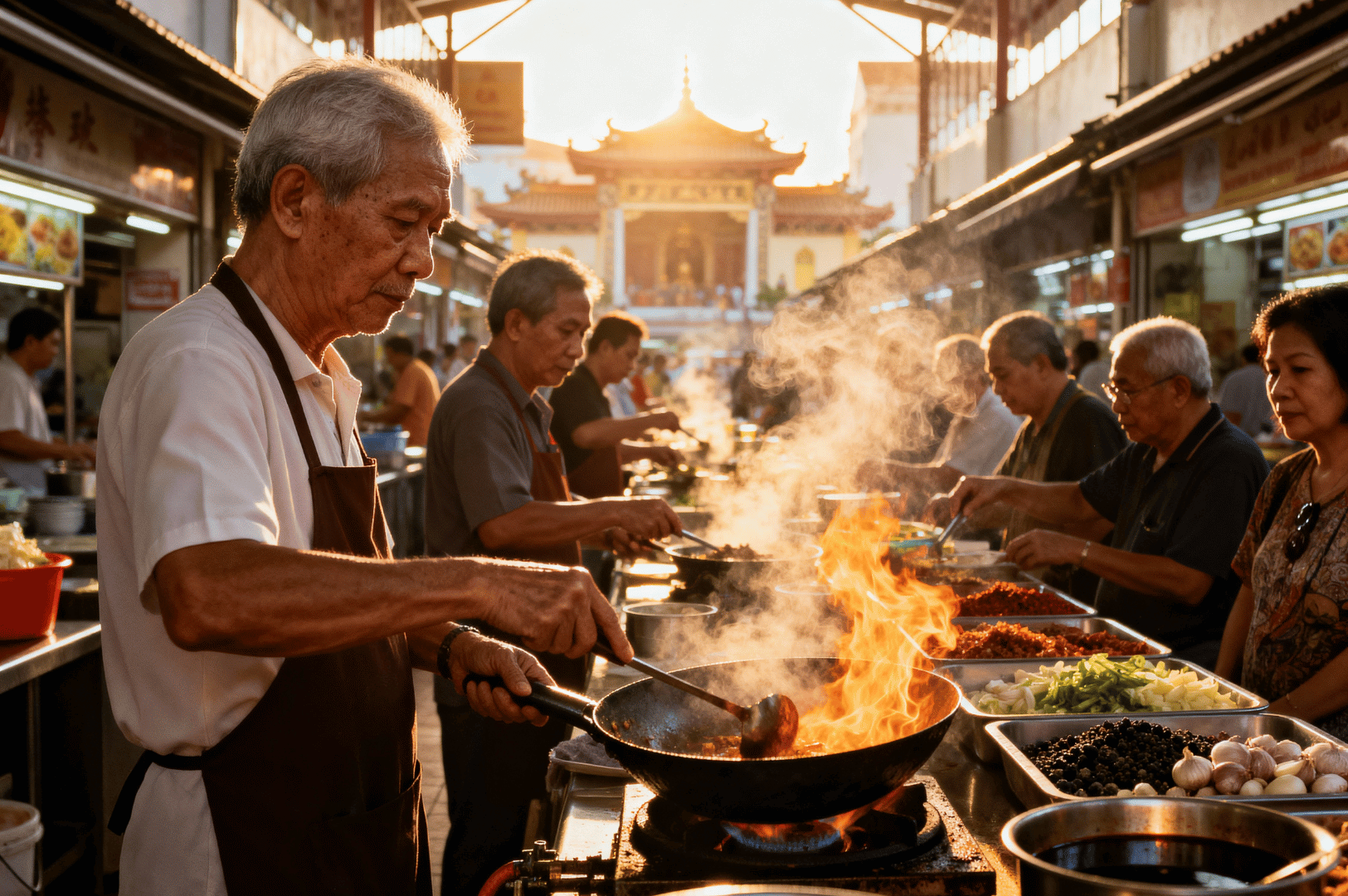
The work of these hawkers is about more than just food. It is a living expression of Singapore’s heritage, a connection to Southeast Asia and its diverse culinary influences. From Peranakan dish preparations to recipes with roots in the Middle East, the hawker centre is a melting pot. The Singapore government has recognized this, and the culture is celebrated by all.
These food courts are where people from all walks of life gather to eat their favorite meals. They are central to the nation's identity. The hawker’s commitment to traditional methods, like stir-frying in a seasoned wok or using black pepper and soy sauce to build layers of flavor, is an act of cultural preservation. It’s what keeps dishes served on rice noodles or bee hoon tasting just as they have for decades.
The Unseen Heart of Singapore Food
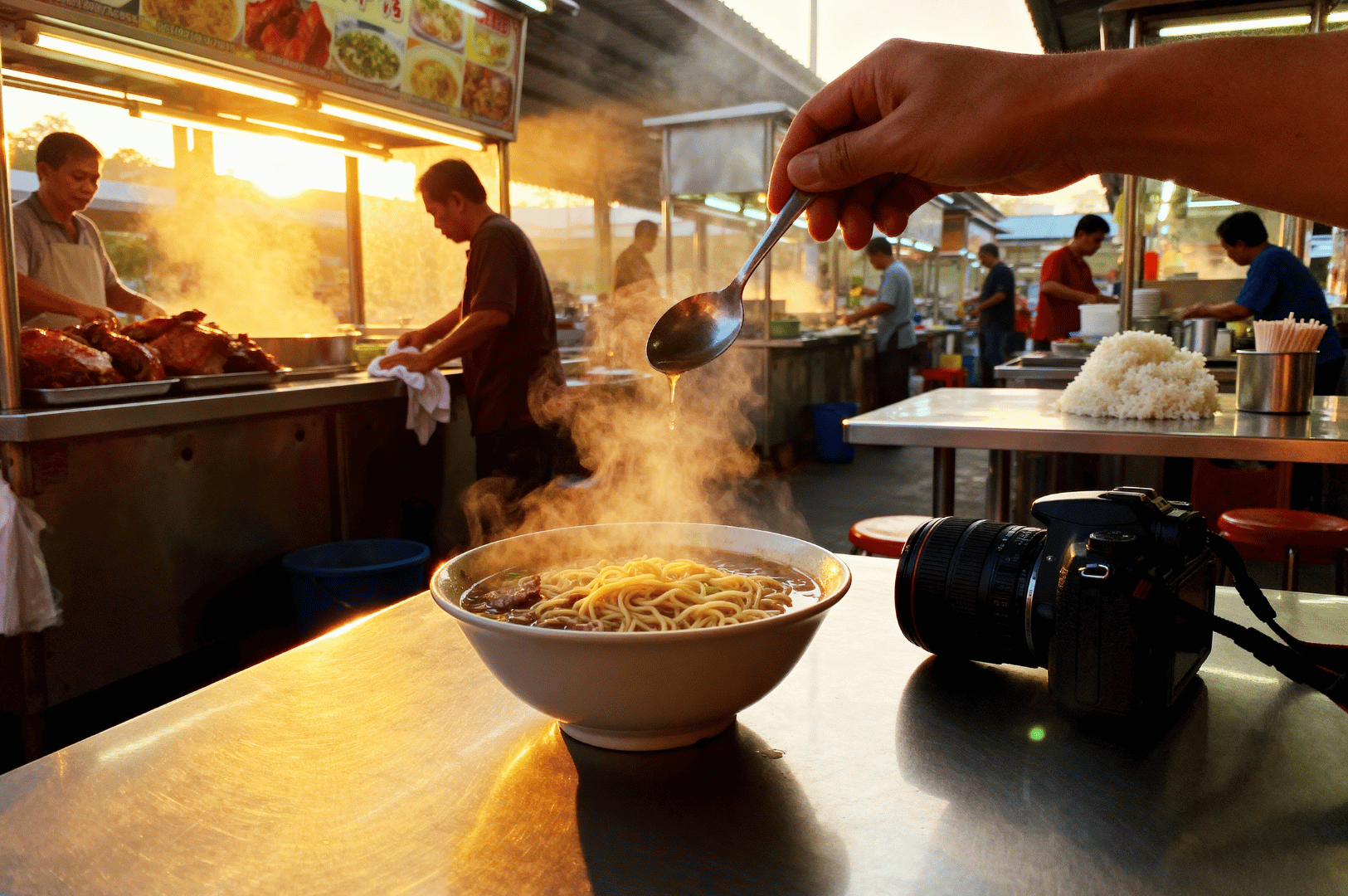
The next time you enjoy a meal at a hawker centre, whether it's a bowl of soup with fish balls, some roast duck over rice, or even a dessert of red beans with red bean paste, remember its origin. Your meal is the result of a process that started in the quiet, dark hours of the morning. The incredible flavors that excite your taste buds are a direct result of the unseen dedication of the hawkers.
This hidden world of pre-dawn preparation is the true heart of Singapore's food scene. It’s an authentic story of passion and craftsmanship that enriches not just the food we eat, but the cultural fabric of the entire nation. It’s a ritual that deserves our deepest appreciation and respect.
To explore more of this culture through a visual and culinary lens, check out our food photography guide to hawker life or uncover Singapore’s late-night eats in our after-dark dining guide.

Still Hour Light in a Quiet Hawker Centre Stall
April 25, 2026
By Aaron Ong For Street Food Photographer It is 3:15 PM. The ceiling fans move air that feels heavier than it looks, pushing it in slow circles across rows of empty tables. The lunch rush…
-
Hands That Stir Slowly: The Quiet Discipline Behind a Japanese Tonkatsu Stall in Toa Payoh
April 24, 2026
It is 12:30 PM in Toa Payoh. The hawker centre hums with the midday rush. People balance plastic trays while scanning the aisles for empty tables. Amid the clatter of woks and shouting voices, there…
-
To The Quiet Man Behind The Wok
April 21, 2026
It is 7:30 PM at Old Airport Road. The dinner rush is at its absolute peak, a chaotic symphony of scraping chairs, chattering families, and the heavy thud of cleavers against wooden blocks. Yet, as…
-
Japanese Food Singapore: Mapping Ramen Bars and Curry Counters on the East Side
April 20, 2026
When I first moved my photography workflow to the East Side, I assumed my dining options would be strictly limited to local heritage food. I spent weeks eating Katong laksa and Joo Chiat prawn noodles….
-
The Weight of a Broth: Following Tonkotsu Through Japanese Food, from Long Simmer to Late-Night Bowls
April 17, 2026
I still remember the first time I sat down for a proper bowl of tonkotsu ramen. It was just past 9 PM in Tanjong Pagar. I was exhausted after a long day of shooting on…

A Note Left Between Bowls and Steam
April 14, 2026
It is 3:15 PM. The ceiling fans push thick, warm air across the empty tables. The lunch rush faded hours ago, and the evening crowd has yet to arrive. I am sitting two rows away…
-
Japanese Curry Singapore: How Did Curry Roux Blend Into The City’s Districts?
April 13, 2026
It is slightly past one in the afternoon at a crowded food court in Tanjong Pagar. The air is thick with the smell of roasted coffee beans, frying oil, and the sharp, fermented tang of…
-
The Evolution of Japanese Food in Singapore: From Luxury Dining to Everyday Comfort
April 10, 2026
I was standing outside Ramen Keisuke on a humid Tuesday evening, camera resting against my hip. The queue stretched past three adjacent storefronts, a quiet line of office workers, students, and couples waiting patiently for…

To The Stall That Opens Before Sunrise
April 7, 2026
It is 4:15 AM. The estate is completely still, save for the low hum of the expressway in the distance. I walk through the darkened aisles of the hawker centre, my footsteps echoing against the…
-
Best Japanese Curry Singapore: Cozy Spots for Curry Rice and Street-Style Photos
April 6, 2026
Walking through the vibrant alleys of Bugis with a camera slung over my shoulder, the mingling scents of roasted spices and deep-fried meats tell a story of culinary convergence. Over the years, Japanese curry has…