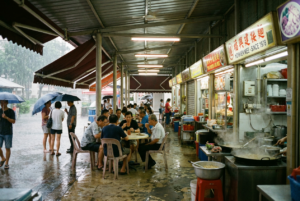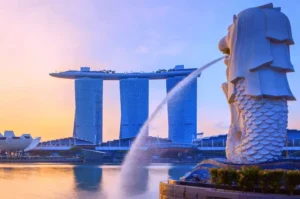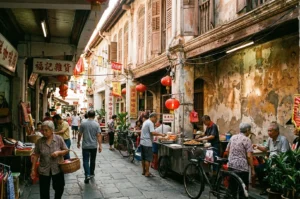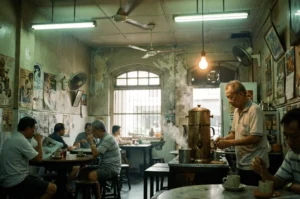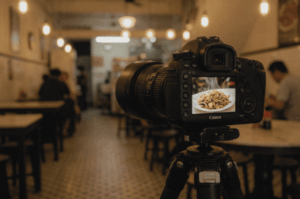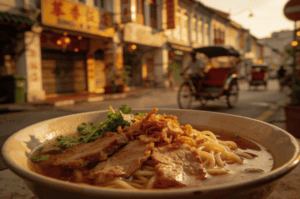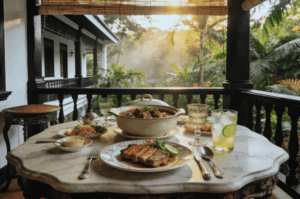
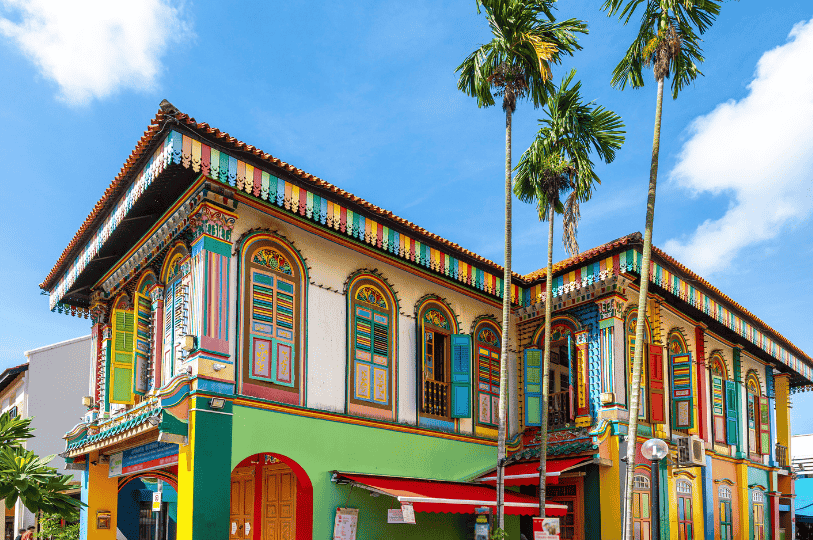
The moment you step onto Serangoon Road, the world changes. The air grows thick with the heady perfume of jasmine garlands, sweet incense, and a complex blend of toasted spices that seems to emanate from the very pavement. This is Little India, a sensory explosion and an essential pilgrimage for any serious foodies. It is more than just a neighborhood; it is a living, breathing testament to the island’s rich Indian heritage, a place where food is not just sustenance but a celebration of life itself.
For me, as a street food photographer and a food lover, it is a treasure trove of stories, flavors, and moments waiting to be captured and savored. Here, you can taste the essence of South Indian curries, the crunch of fresh bean sprouts, and the aroma of pandan leaves. The bustling hawker centres and food centres are filled with dishes like bak kut teh, char kway teow, and nasi padang, showcasing the incredible diversity that defines Singapore’s food culture. As you explore, don’t forget to wash down your meal with a refreshing cup of local coffee or tea, and possibly finish with a sweet treat like carrot cake or ice kacang. Little India Singapore is a vibrant destination where every bite excites the taste buds and every corner tells a story, making it a must-visit for all foodies.
Why Little India is a Singapore Foodie Paradise
Little India holds a special place in Singapore's culinary landscape and is a vibrant hotspot for foodies. It is one of the most authentic ethnic enclaves, offering a deep and delicious dive into the subcontinent's diverse cuisine.
For any aspiring Singapore street food photographer, this neighborhood is a classroom. It is a place of authenticity, where recipes are fiercely guarded and every dish tells a story of its origin. Exploring Little India is to experience a culture where food is inextricably linked with community, tradition, and hospitality.
The neighborhood is also home to the iconic Sultan Mosque. The Sultan Mosque is a landmark that anchors the Kampong Gelam district nearby, another vibrant food destination known for its Malay dishes and satay stalls.
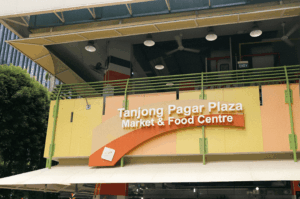
The North Indian food scene includes a variety of noodles, seafood, and traditional dishes such as butter chicken and yong tau foo, tofu stuffed with fish paste, which reflects the area's multicultural influences. The famous Tekka Centre in Little India is a must-visit for foodies, offering a vast array of dishes including carrot cake (chai tow kway), laksa, and butter chicken with paneer curry, a beloved local specialty.
When visiting Little India, be sure to sample the fresh ingredients and vibrant flavors that define Singapore’s best food culture. From spicy curries to refreshing shaved ice desserts like ice kacang, the sensory experience here is unmatched. Whether you come for a quick snack or a full course meal, Little India is a destination that truly satisfies the taste buds of all foodies.
Must-Try Indian Food from Hawker Centres and Food Stalls
Navigating the endless menus can be overwhelming, but certain dishes serve as a perfect introduction to the flavors of the neighborhood. These are the tastes that allow you to be transported into the culinary adventure of Little India Singapore.
Fish Head Curry
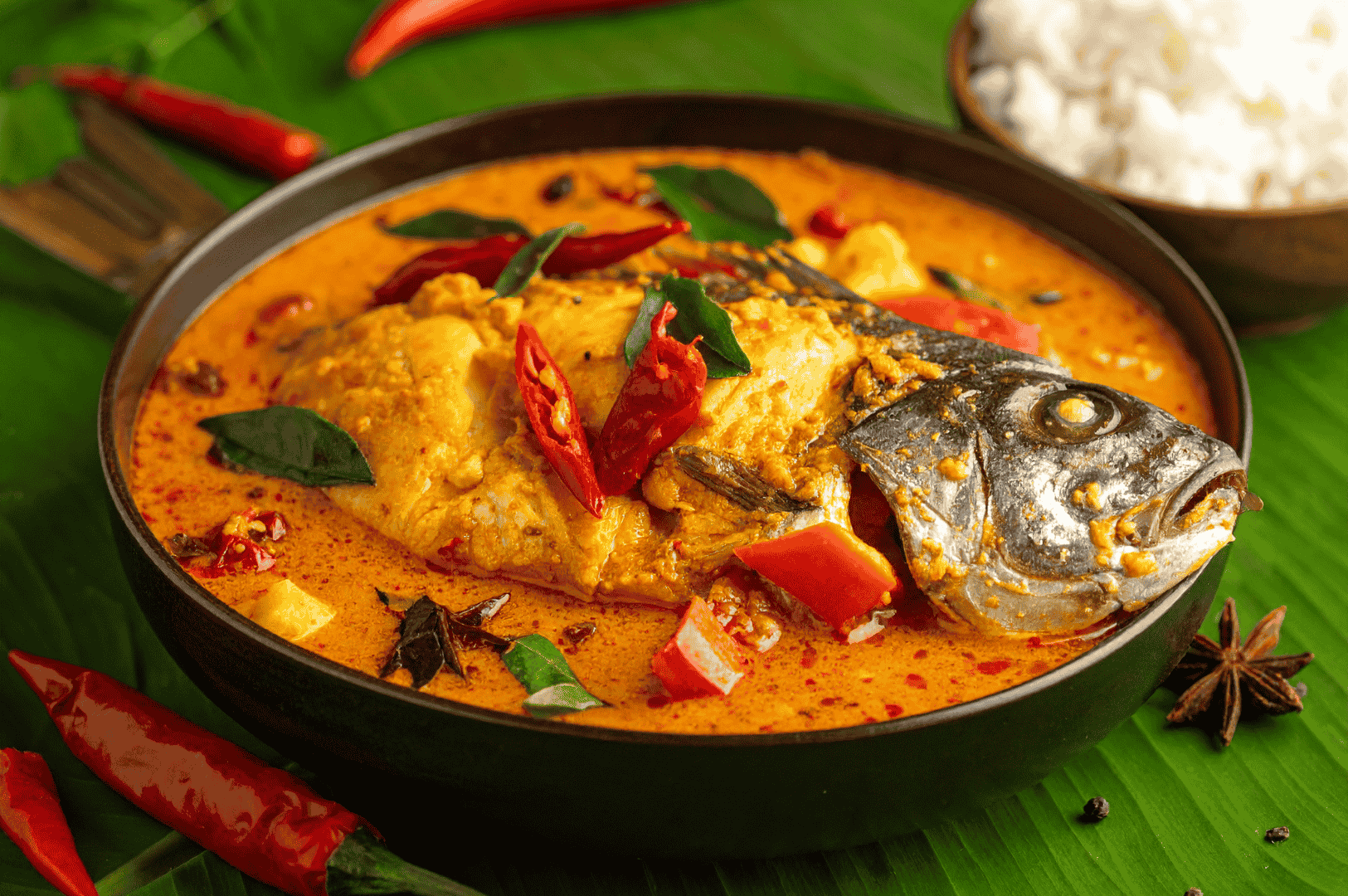
This iconic Singaporean invention with South Indian roots is a must-try. A large fish head, typically from a red snapper, is stewed in a rich, tangy curry brimming with spices, vegetables like okra and eggplant, and a flavorful sauce. The flesh around the head is succulent and tender, and the gravy is perfect for soaking up with rice or bread. It's a spectacular, communal dish that is as impressive to look at as it is to eat. This dish reflects the abundance of spices and seasonings that characterize Little India's culinary history and is often enjoyed alongside traditional malay dishes.
Roti Prata and Murtabak
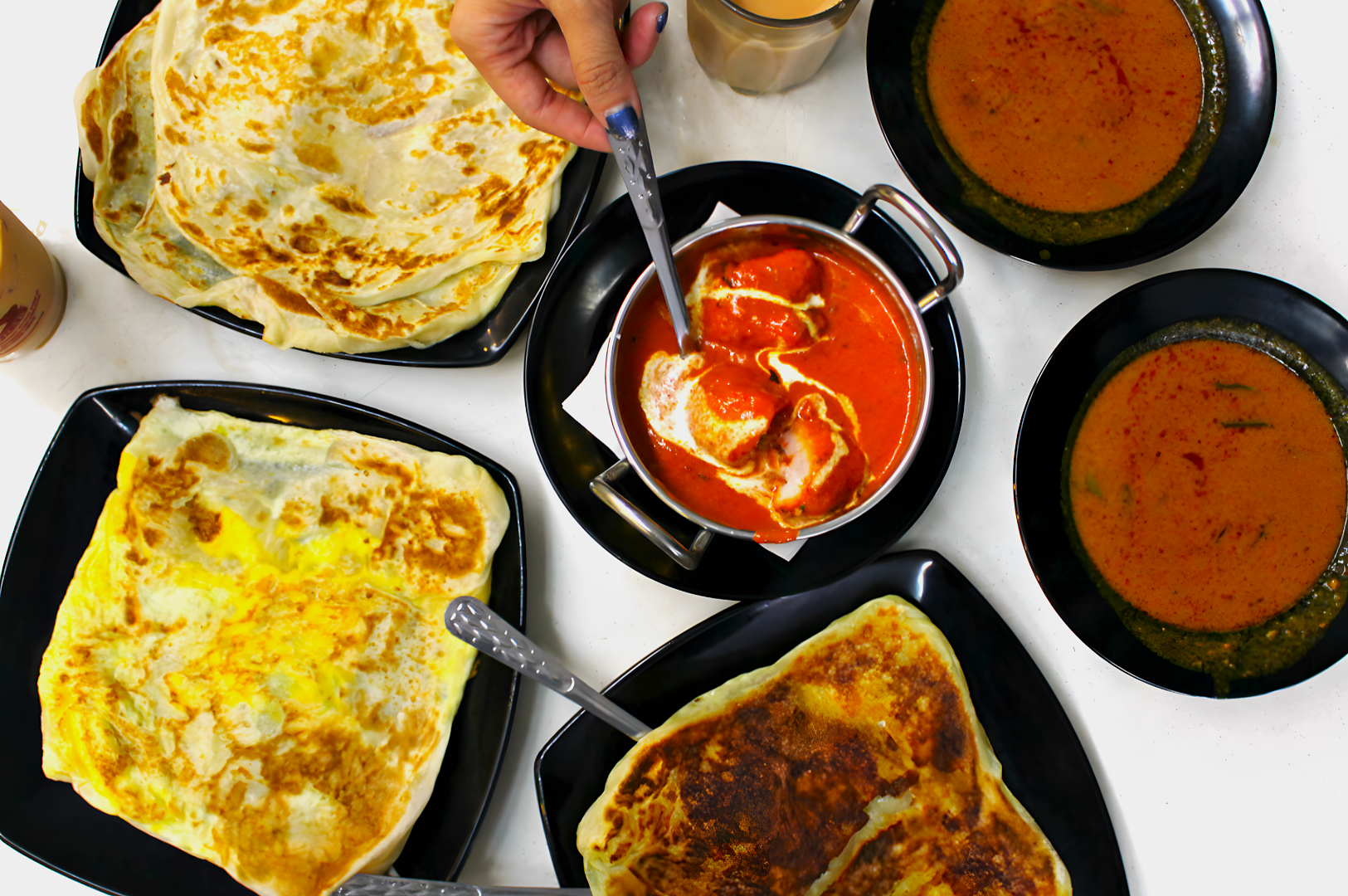
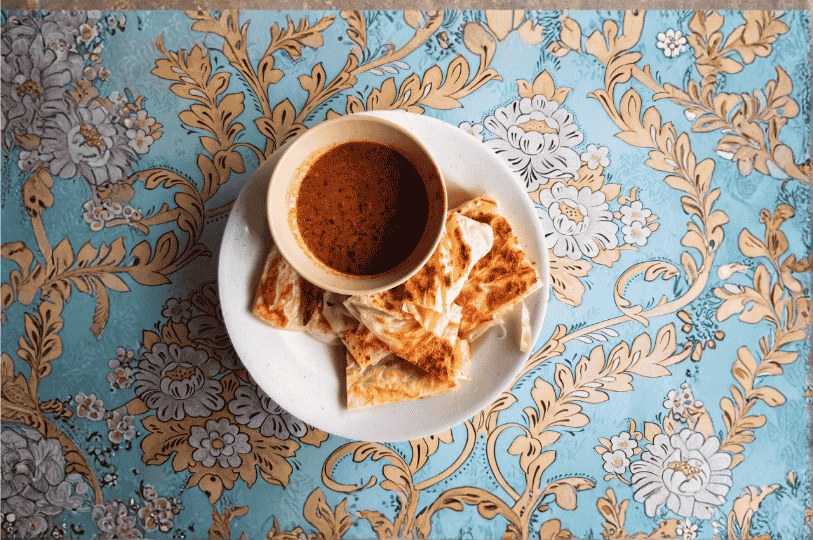
A beloved staple, roti prata is a flaky, buttery flatbread that is stretched, flipped, and cooked on a griddle until golden brown. Enjoy it plain (kosong) dipped in a savory fish or mutton curry, or try it with an egg filling (roti telur). Murtabak is its heartier cousin, a larger prata stuffed with spiced minced meat (mutton or chicken), onions, and egg, creating a savory, satisfying meal. Both dishes are often served alongside a side of chilli sauce, adding a spicy kick that excites the taste buds of foodies.
Thosai
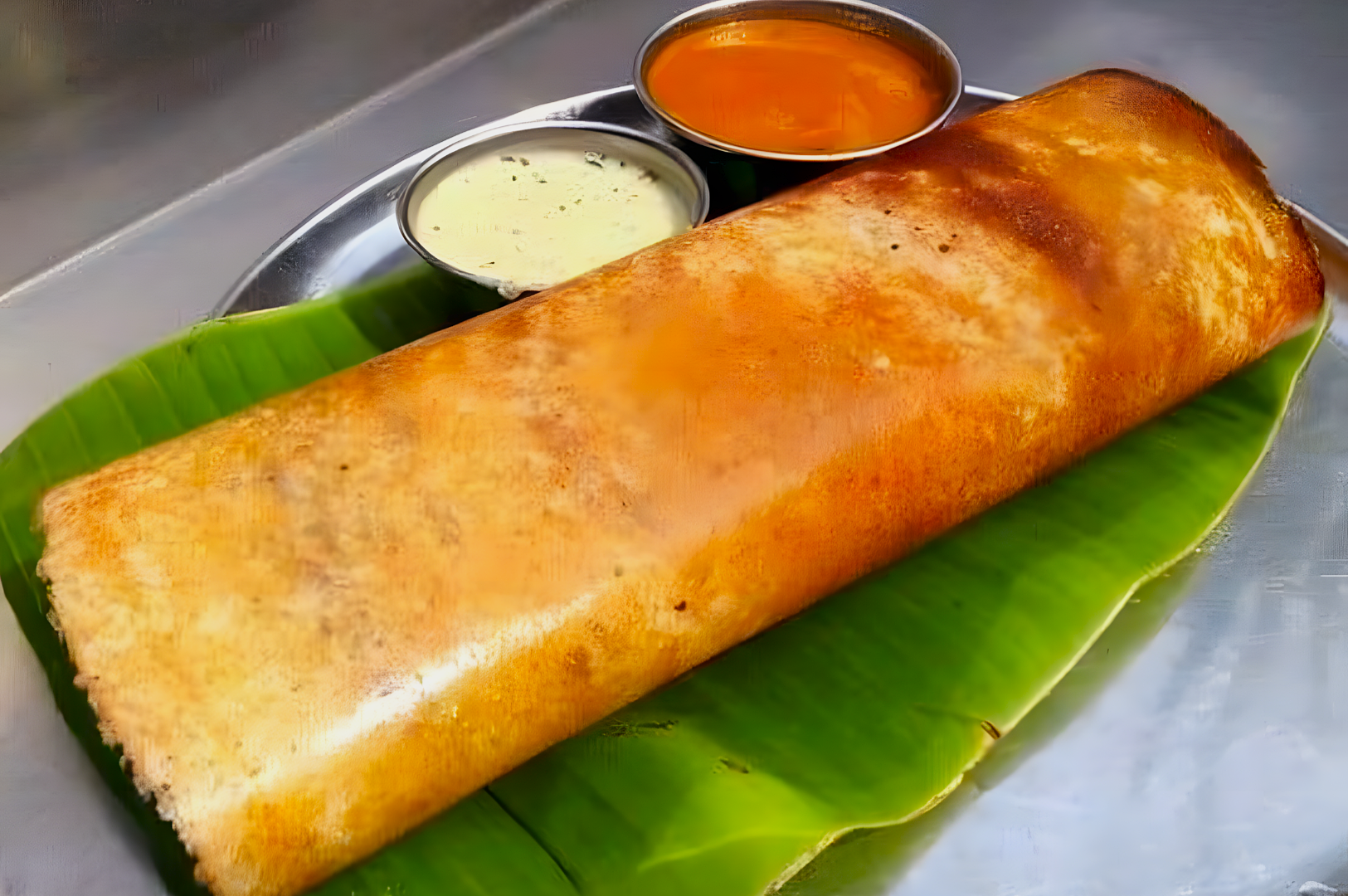
A classic South Indian breakfast, thosai (or dosa) is a thin, crispy crepe made from a fermented batter of rice and lentils. It has a delightful tangy flavor and is often served with coconut chutney and sambar, a lentil-based vegetable soup. For a more substantial meal, order a masala thosai, which is filled with a spiced potato mixture.
Top Restaurants and Food Centres of Little India Singapore
From humble canteens to celebrated institutions, Little India offers a dining spot for every mood and budget. Each true Singapore foodie has their favorites, but here are a few legendary places to start your journey.
Ananda Bhavan
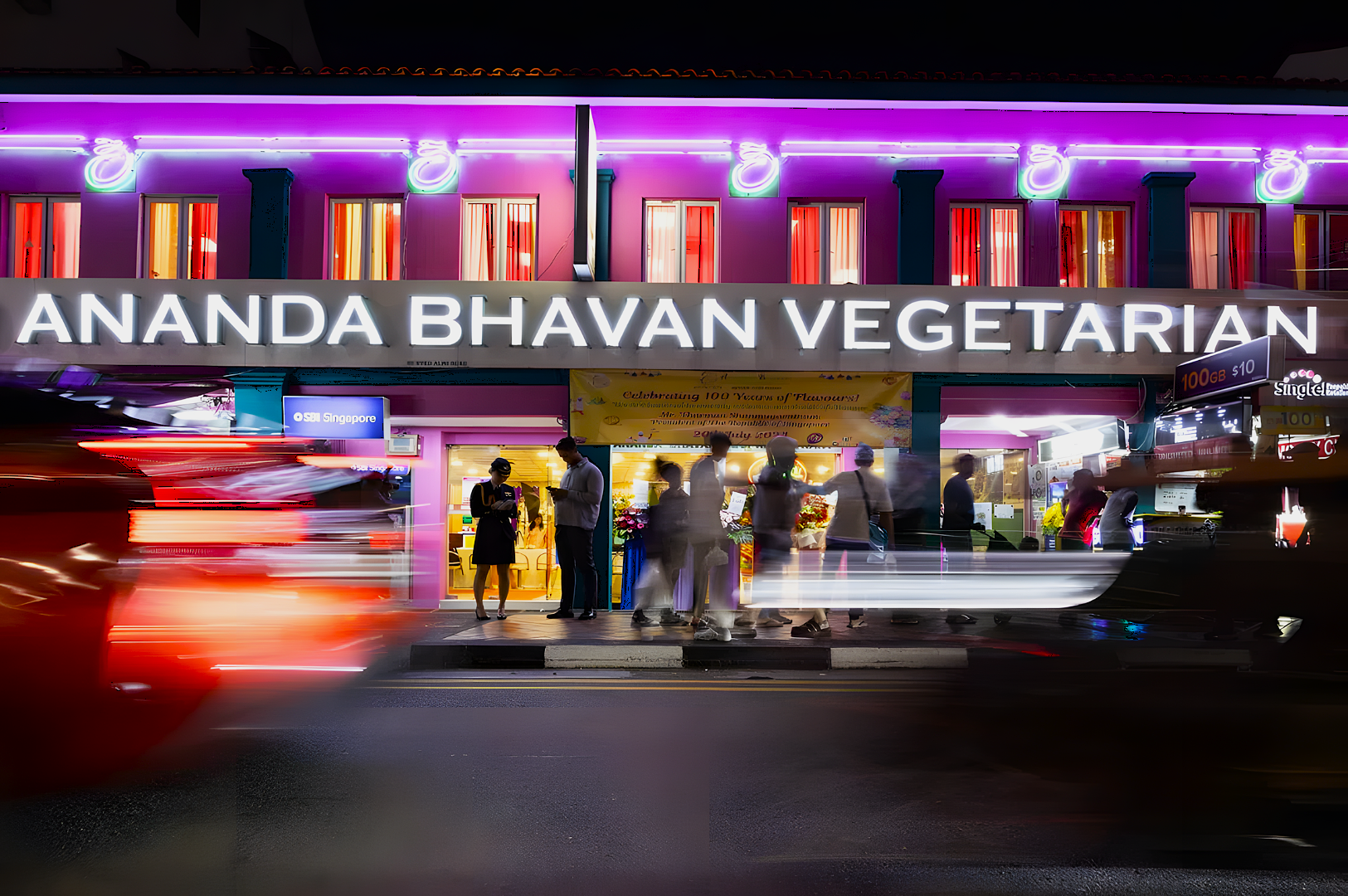
Being that it is one of the oldest Indian-vegetarian restaurants, this little nook of history opened in 1924 by Kulanthaivelu Muthusamy Kaunder alongside his brothers. The name quite literally means "House of Bliss" and that name precedes its reputation as it is renowned for serving authentic South Indian vegetarian cuisine at affordable prices, making it a favorite among locals and tourists alike. The restaurant offers a wide variety of traditional dishes such as dosas, idlis, vadas, and thali meals, all prepared with fresh ingredients and rich spices. Open from 7 AM to 11 PM, Ananda Bhavan is especially popular in providing hearty meals for an early morning or a comforting night cap.
Muthu's Curry
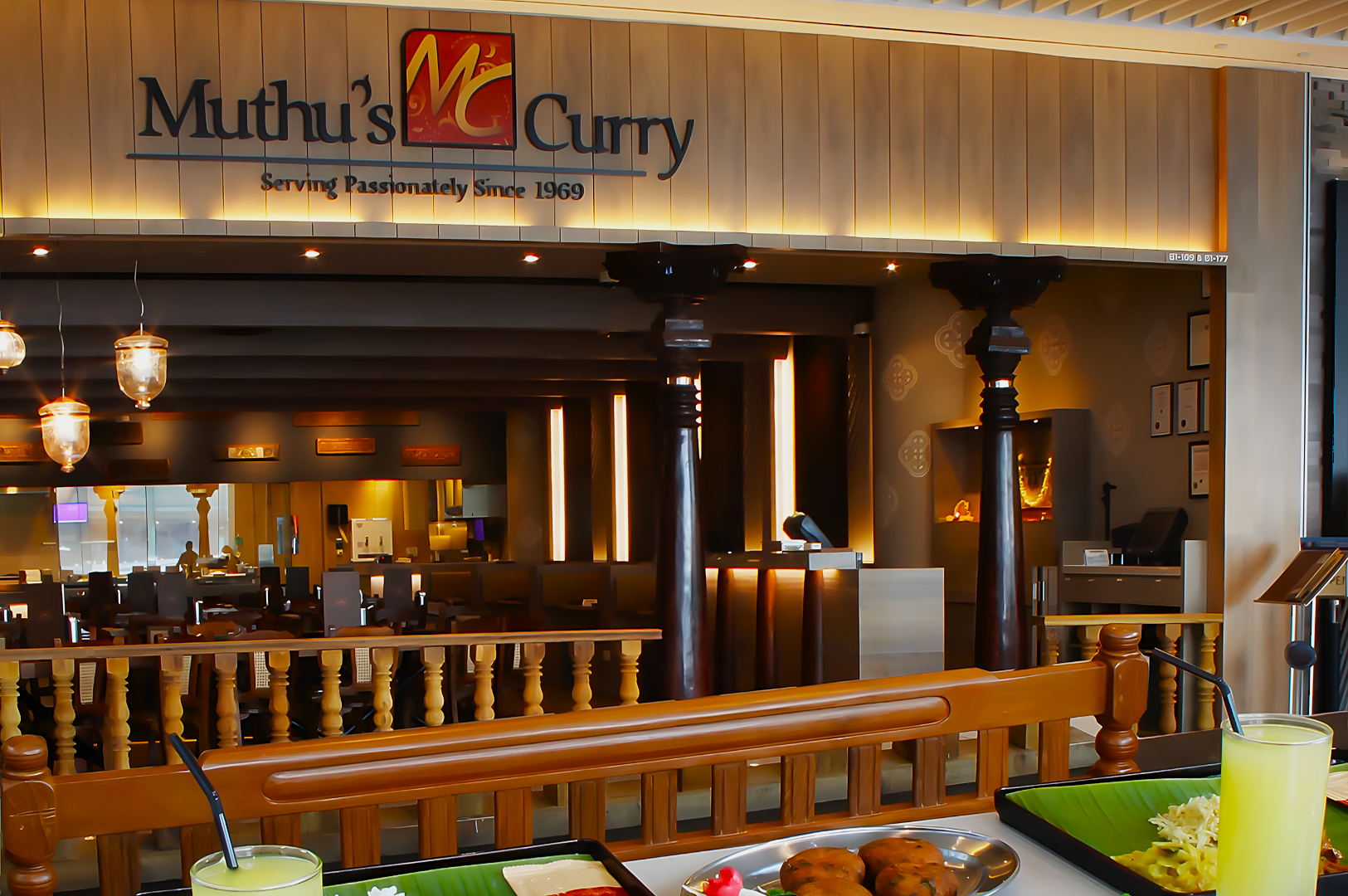
Another contender for the best Fish Head Curry in Singapore, Muthu's Curry presents a slightly more upscale dining experience. Their version of the iconic dish is rich and aromatic, a recipe perfected over decades. The restaurant offers a wide range of South Indian and North Indian dishes, making it a great choice for groups with diverse tastes. Their tandoori chicken and biryani are also highly recommended.
This vibrant neighborhood, with its mix of markets, hawker centres, and restaurants, truly offers an abundance of flavors and dishes that excite the taste buds of locals and visitors alike. Whether you're craving spicy curries, freshly made breads, or sweet treats, Little India is a must-visit destination for Singapore foodies seeking authentic and diverse culinary experiences.
Best Food and Market Finds
The soul of Little India's food scene is found in its bustling markets and street-side stalls. This is where you find the everyday snacks and bites that fuel the community.
A visit to the Tekka Centre is essential. This multi-purpose complex houses a vibrant wet market on the ground floor and a massive hawker centre on the upper level. The air is thick with the scent of spices, and the food stalls serve a huge variety of Indian, Malay, and Chinese dishes. It's the perfect place to try fresh biryani, flaky prata, and a whole host of other affordable and delicious meals.
Cafes and Sweet Treats
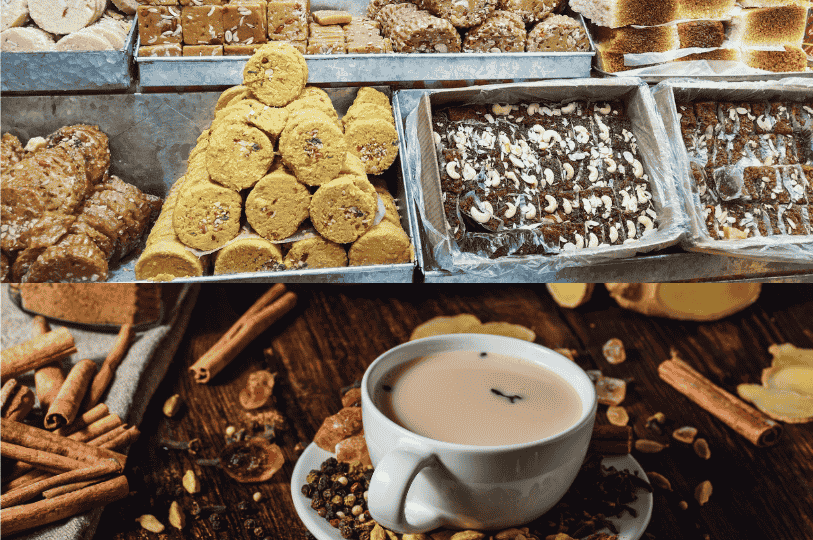
After indulging in savory spices, it’s time for something sweet. Little India is dotted with traditional sweet shops, known as "mithai" shops, offering a dazzling array of Indian desserts.
Moghul Sweet Shop
Moghul Sweet Shop is a famous destination where you can find trays laden with colorful sweets made from milk, sugar, flour, and nuts. Try the gulab jamun, soft, syrupy milk balls, or the jalebi, a bright orange, crispy spiral soaked in sugar syrup. These treats are intensely sweet and incredibly satisfying.
For a modern twist, visit one of the unique cafes that have popped up in the area. They often blend contemporary coffee culture of our gula melaka delicacy with Indian flavors, offering things like masala chai lattes or cakes infused with cardamom and rosewater. They provide a quiet respite from the bustling streets.
Tips for Your Little India Food Tour
To make the most of your culinary adventure in Little India, a little planning goes a long way. Every seasoned Singapore foodie knows these essential tips to enjoy this vibrant food city.
- Best Times to Visit: Little India is vibrant all day, but the mornings are perfect for watching the markets and hawker centres come alive with fresh ingredients and sizzling dishes. Evenings, especially on weekends, have a festive, bustling atmosphere filled with the aroma of spices and the sounds of bustling food stalls. Be aware that many restaurants close in the mid-afternoon between lunch and dinner service, so plan your trip accordingly.
- Getting There: The neighborhood is easily accessible via the Little India MRT station (on the North-East and Downtown lines) and the Farrer Park MRT station (North-East line), making it convenient for foodies exploring the city.
- What to Expect: Be prepared for crowds, noise, and a full sensory experience. Little India is a lively and sometimes chaotic environment, filled with the enticing smells of curries, freshly made roti prata, and sambal stingray. This vibrant atmosphere is part of its charm and a big draw for Singapore foodies seeking authentic Malay dishes and Indian flavors.
Exploring Little India offers a better way to experience the rich culinary history and diverse flavors of Southeast Asia, all within the heart of Singapore’s city landscape.
Conclusion
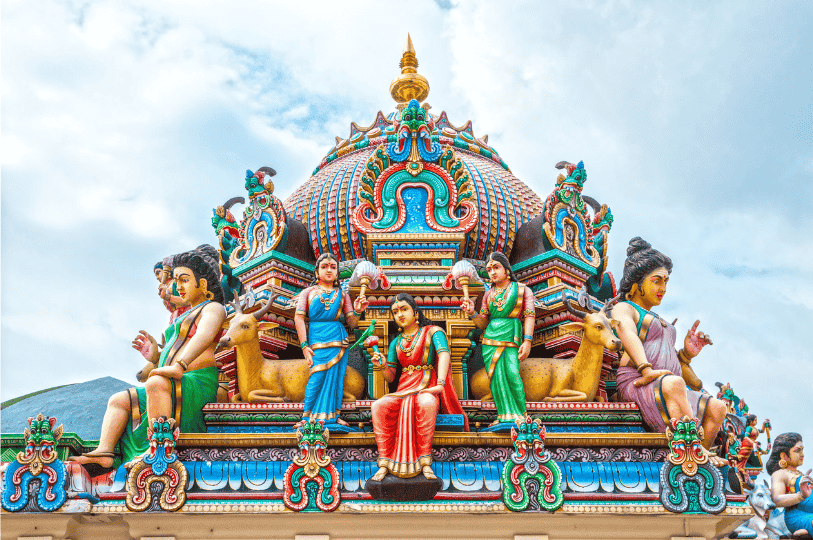
Street food are more known in places that serves peranakan food, tofu, toast, satay, noodle treats, ranging from hawker centers, bars, and Chinatown. And while these are also authentic street food in Singapore, the options that Little India offers creates a better way and more diverse options to enjoy a bowl of meal that makes your trip more fulfilling.
Little India is more than just a place to eat. It is an immersive cultural experience, a journey into the heart of one of Singapore’s most important communities. Let the intoxicating aroma of spices guide you, and prepare to embark on a delicious spice affair you will not soon forget.
Stories from the Stalls: Food Culture
Behind every successful stall is a story of immense hard work and personal sacrifice. Consider Uncle Leong, who has been selling fishball noodles for over forty years. His day starts at 3:30 AM, when he drives to the fishery port to select the freshest fish for his handmade fishballs. "The machine-made ones have no soul," he says, his hands moving deftly as he shapes each ball. "The texture must be bouncy. People know the difference." His dedication to quality and tradition exemplifies the passion found in Singapore's hawker food culture.
These stories reflect the essence of selling food in Singapore's hawker centres, where most stalls are family-run and uphold recipes passed down through generations. From the preparation of thick rice noodles to the marination of chicken wings and roasted duck, every element is crafted with care. This dedication is part of what makes Singapore's street food scene so unique and celebrated, attracting both locals and visitors eager to taste dishes like chilli crab, carrot cake, and bak chor mee.
The hawker culture thrives in iconic locations such as Maxwell Food Centre, Newton Hawker Centre, and Lau Pa Sat, where you can savor authentic flavors at low prices. Whether you're exploring Little India's Tekka Center for Indian food or enjoying a meal near Marina Bay Sands by the Singapore River, the vibrant street food scene offers a rich culinary adventure that captures the heart of Singapore.
The Photography Angle: Capturing the Dawn
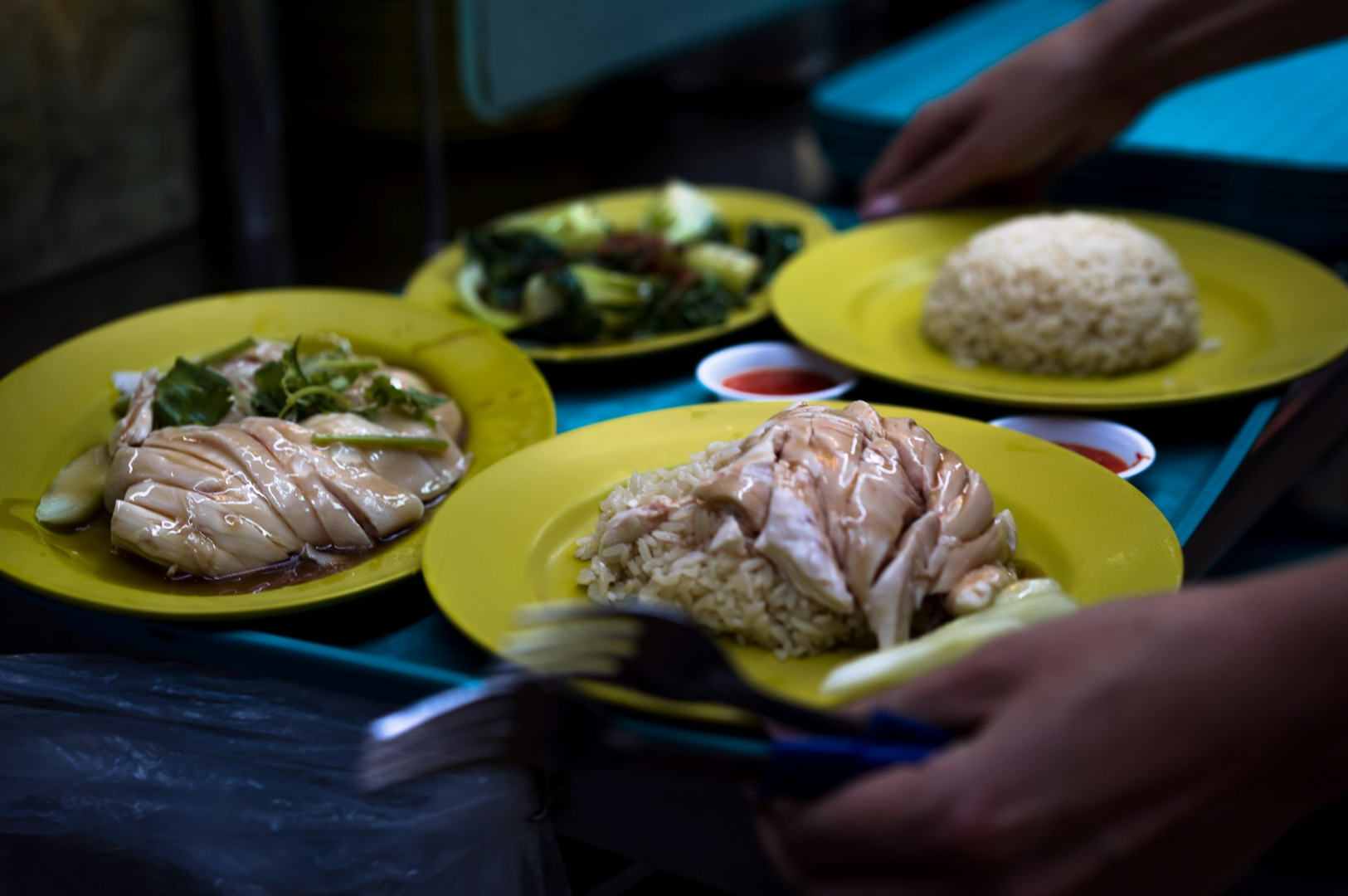 For a street food photographer, the pre-dawn hawker centre is a visual treasure trove, showcasing the essence of street food culture and the art of food prepared with dedication. The lighting conditions are challenging but incredibly rewarding.
- Embrace the Light: The lighting often comes from a single fluorescent bulb or the direct flame of a stove. Use this to your advantage. This focused light creates dramatic shadows and highlights, perfect for moody, atmospheric shots that capture the intensity of hawker food preparation.
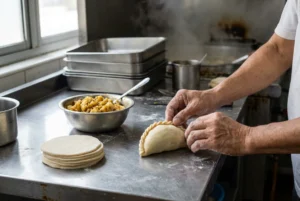
- Focus on Hands: A hawker's hands tell a powerful story. Capture the gnarled, skilled hands as they pleat dumplings, stretch dough, or expertly wield a cleaver while preparing popular dishes like char kway teow or chicken curry.
- Capture Steam and Smoke: The rising steam from a pot of broth or the smoke from a grill, such as those used for satay street or bbq pork, can create a beautiful, ethereal quality in your images. Use backlighting to make the steam and smoke glow, highlighting the authenticity of hawker food.
- Tell a Story with Details: Focus on small details like a stack of colorful bowls, a tray of freshly chopped chilies, or the worn handle of a beloved wok. Include elements like sweet sauce, peanut sauce, or shrimp paste to enrich the narrative of the hawker’s craft and the vibrant food culture found in Singapore’s hawker centres and food courts.
The Heartbeat of a Nation
In a city that is constantly changing and modernizing, this daily pre-dawn ceremony is a grounding force, a reminder of the simple, honest values that underpin its identity. To witness it is to understand that the secret ingredient in Singapore's famous street food is not a rare spice or a hidden technique. It is the unwavering dedication of the people who wake up before the sun to feed the city.

The First Hawker Stall That Changed Everything
March 18, 2026
It was a rainy Tuesday afternoon about seven years ago, and I was just a guy with a camera looking for shelter. I ducked into an old, dimly lit hawker center in Toa Payoh to…

The Best Singapore Breakfast Spots: Lighting, Angles & Visual Stories for Singapore Foodies
March 16, 2026
After years of chasing the perfect breakfast shot all over Singapore, I’ve noticed some venues aren’t just great for eating. They’re inspiring playgrounds for food photography, beloved by both locals and Singapore foodies alike. Whether…
-
From Empire to Plate: Process-Focused Colonial Photography SG Series
March 13, 2026
The story of Singapore cuisine is impossible to tell without acknowledging its colonial past. As a strategic port for the British Empire, Singapore became a magnet for a diverse range of people and products. From…
-
Translating Taste into Frames: Why I Capture Food
March 11, 2026
I fell in love with street food photography in Singapore, somewhere between the steam of a hawker stall and the click of my shutter. It wasn’t planned. I was hungry, wandering, half-lost, when a bowl of laksa stopped me cold. The broth glowed…
-
Maximizing Colonial Heritage: Efficient SG Photography Routes
March 9, 2026
The morning light hits the peeling plaster of a shophouse five-foot way differently than it hits a glass skyscraper. It is softer, more textured, and it seems to carry the weight of history. For a…
-
Period Restaurant Lighting in Photo Shoot in Singapore Locations
March 6, 2026
The air in a heritage Hainanese coffeeshop is thick with more than just the aroma of kaya toast and freshly brewed kopi. It is thick with a particular quality of light. A mix of harsh,…
-
Imperial Diversity Through Photo Shoot Singapore Projects
March 2, 2026
When I set up my tripod in a bustling kopitiam or a quiet heritage restaurant, I am constantly reminded that I am not just photographing a meal. I am photographing a map. Every photo shoot…
-
Historic Flavors Shoot Singapore: Post-Processing for Period Authenticity
February 27, 2026
When I look through the viewfinder at a plate of heritage kueh or a steaming bowl of rickshaw noodles, I am not just capturing food; I am framing a memory. The challenge for any documentary…
-
Colonial Cuisine Photoshoot: Styling Singapore’s Historic Flavors
February 23, 2026
When I first embarked on a photoshoot focusing on Singapore’s colonial cuisine, I didn’t realize how deeply food could connect us to history. It wasn’t just about snapping pictures of dishes; it was about capturing…
-
Coal, Fire, and Memory: A Singapore Food Blogger Revisits Tanjong Pagar’s Industrial Kitchens
February 20, 2026
It had been a while since I set a day to wander through the back lanes of Tanjong Pagar. When I decided to come back to the place left me star-struck, not by the polished…