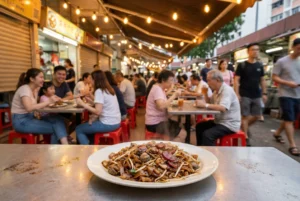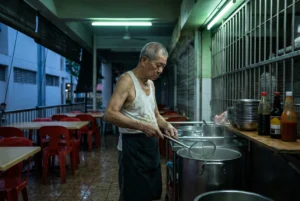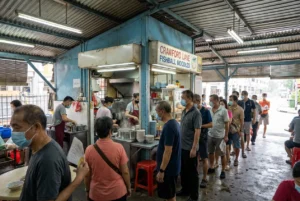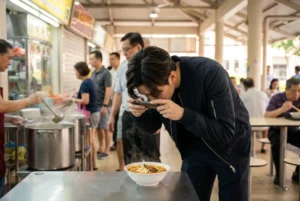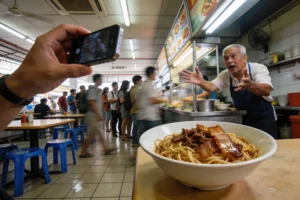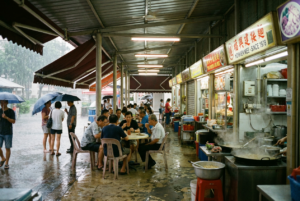
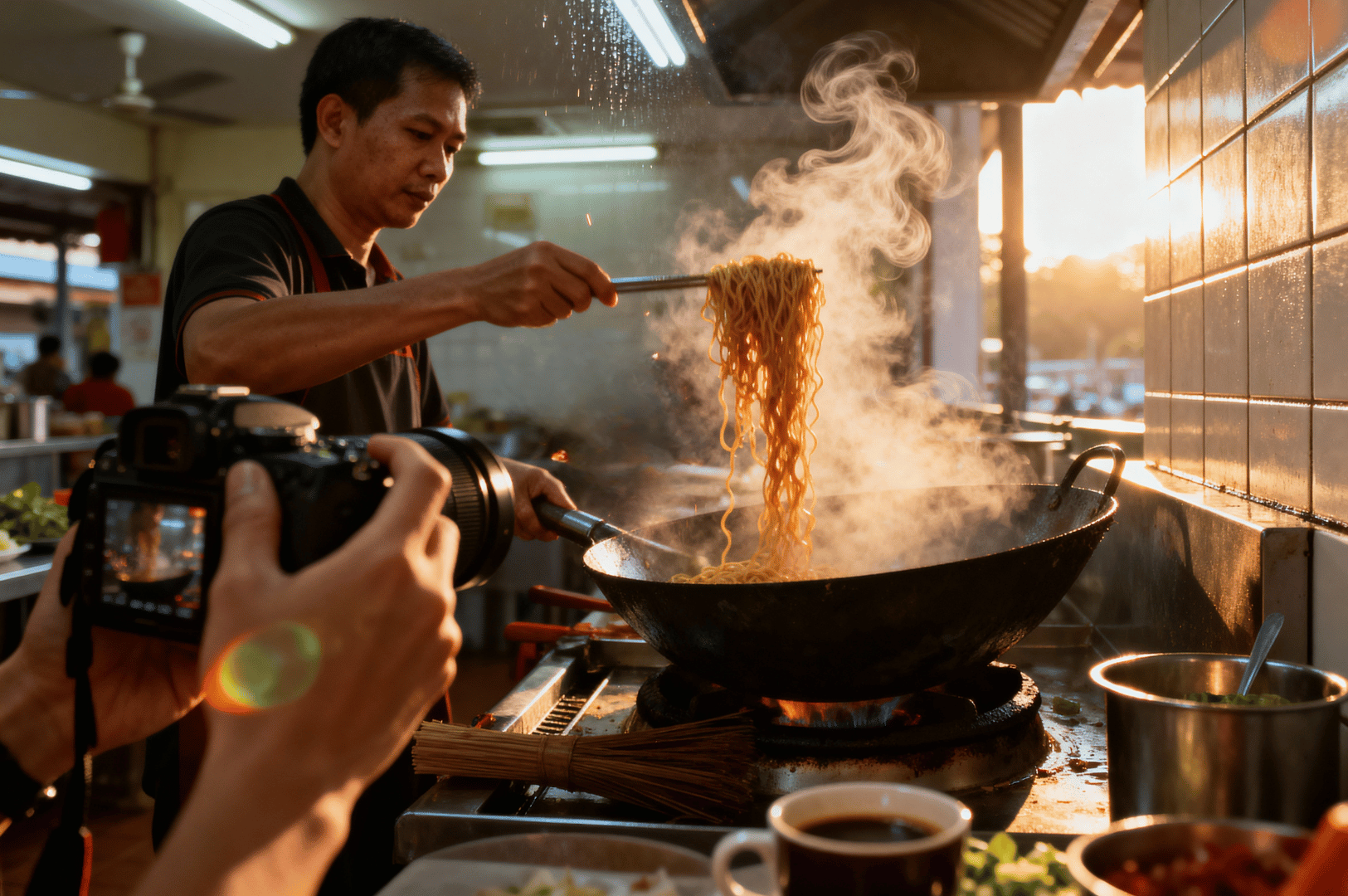
The air in the hawker centre is cool, thick with the scent of brewing coffee and the sizzle of garlic in a hot wok. It’s a time when the city is just beginning to stir, but here, a quiet energy is already building. This is the heart of Singapore hawker culture, a world I’ve come to cherish through my lens. My work in Singapore hawker photography goes beyond capturing delicious food; it’s about documenting the soul of our nation’s culinary heritage in these hushed morning hours.
The Heartbeat of Singaporean Food Culture
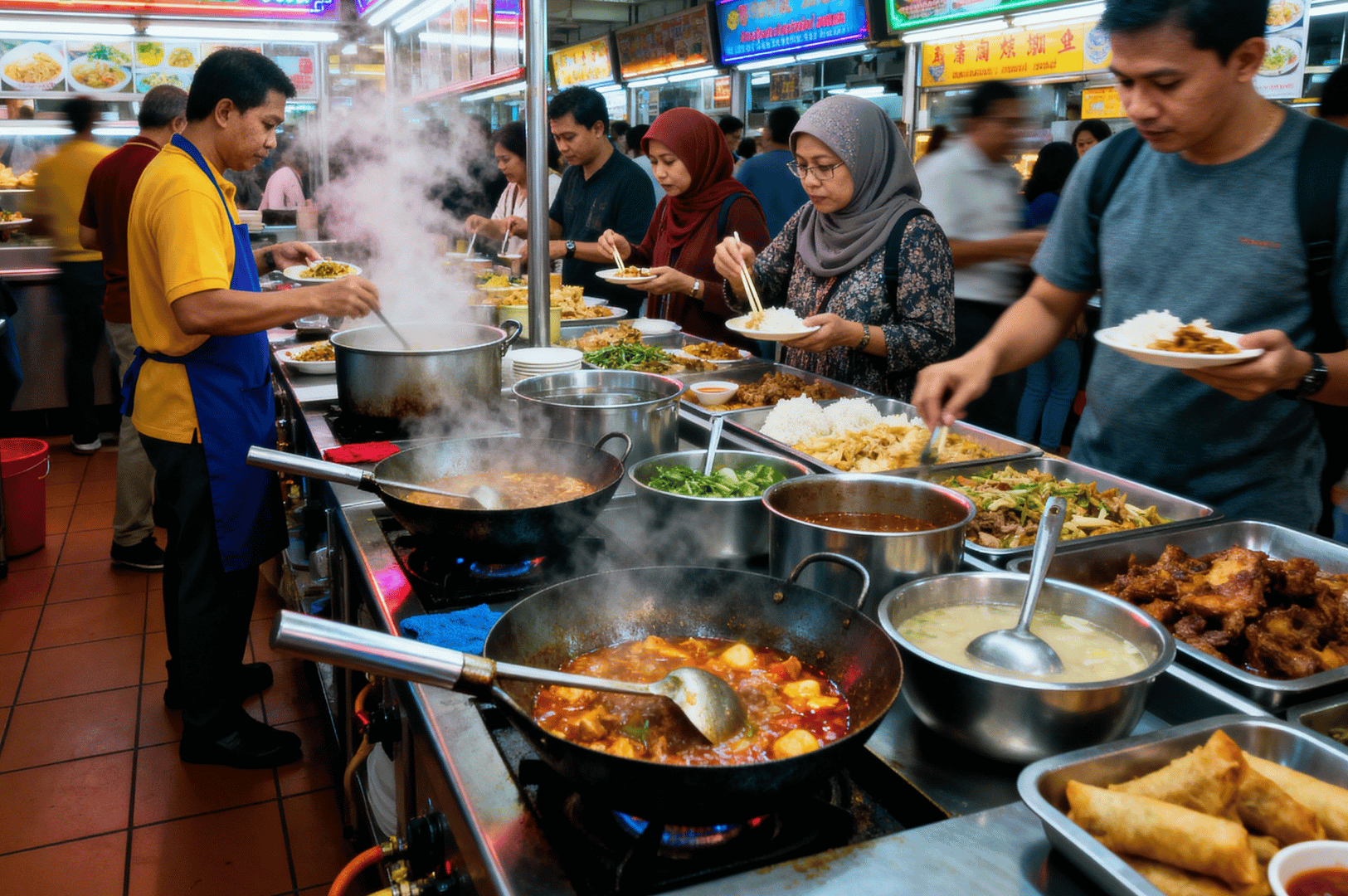
Singapore is a true food paradise, a melting pot where diverse backgrounds gather. This is most evident in our hawker centres. These are not just food courts; they are community dining rooms where you can find Chinese food, Malay cuisine, and Indian food side-by-side. This incredible diversity is a reflection of our cultural history, from early street hawkers to the organized centres established by the Singapore government and the National Environment Agency. Different ethnic groups in Singapore have each contributed their unique food traditions to the hawker scene, creating a vibrant and multicultural culinary landscape.
The recognition of Singapore’s hawker culture as a UNESCO Intangible Cultural Heritage was a proud moment. It celebrated more than just the food; it honored the hawkers, the community, and the unique cultural identity they forge. This is a living, breathing heritage, distinct from tangible heritage like buildings. It exists in the cooking methods and culinary traditions passed down through generations.
A Tapestry of Culinary Heritage
Chinese Cuisine
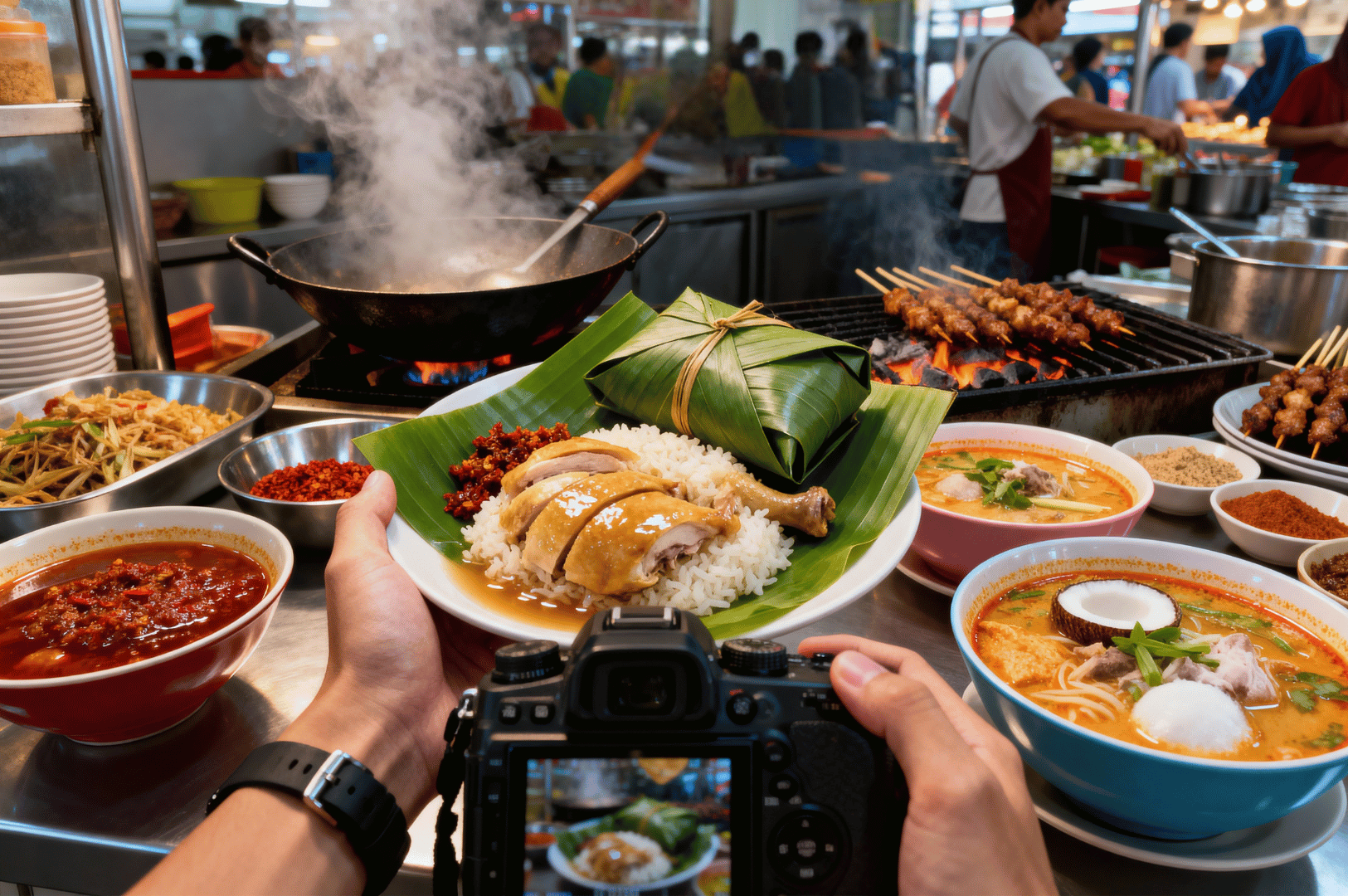
Chinese food is a cornerstone of Singapore hawker centres, bringing flavors from ancestral provinces. Iconic dishes like Hainanese chicken rice showcase the evolution of Chinese cuisine in Singapore. Hainanese chicken rice is a Hainanese dish adapted from the traditional Hainanese dish Wenchang chicken, and is a dish consisting of tender poached chicken and rice cooked in fragrant chicken broth with ginger and pandan, highlighting its unique local adaptation.
Other favorites such as glutinous rice dumplings and comforting rice porridge exemplify Chinese culinary traditions. Stir-fried rice noodles and sweet or savory dim sum reveal a rich tapestry of cooking skills and cultural heritage.
Malay Food
Malay cuisine celebrates vibrant flavors and aromatic spices. Classic hawker dishes like mee siam, nasi lemak, and satay are prepared with coconut milk, spicy sambal, and fragrant rice. Malay food heritage honors traditional recipes, using local ingredients and traditional cooking methods that have been cherished for generations.
Peranakan Food
Peranakan food, also known as Nonya cuisine, is a harmonious blend of Chinese and Malay influences. Dishes like laksa, kueh, and ayam buah keluak highlight the creativity of combining Southeast Asian spices with Chinese cooking styles. Traditional ingredients such as palm sugar are often used in Peranakan cuisine, enhancing the authentic flavor of many dishes, especially desserts and sauces. Peranakan cuisine enriches Singapore’s culinary landscape with its unique fusion and colorful presentation.
Indian Food
Indian food stands out in hawker centres with its bold spices and diverse cooking techniques. Popular dishes include roti prata, thosai, and fish head curry, representing North and South India. The use of rice flour, aromatic spices, and complex flavor layering create memorable meals that have become staples of Singaporean cuisine.
Documenting the Intangible Heritage
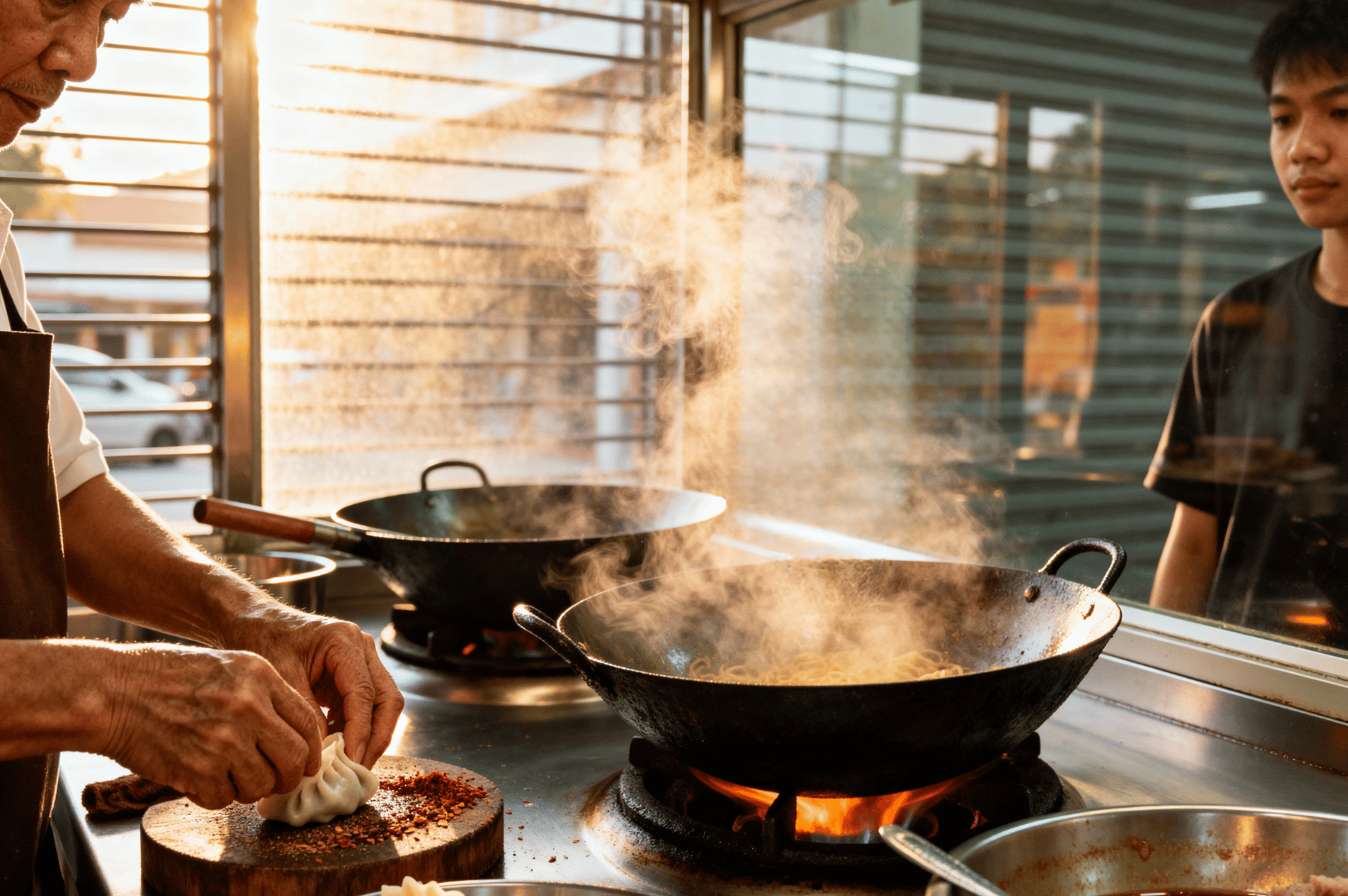
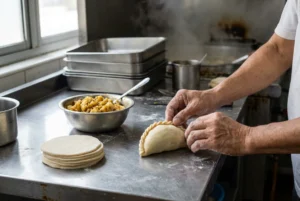
My passion lies in food heritage documentation. It’s about capturing the quiet moments of food preparation that define our culture. I observe the methodical way a hawker prepares fish paste, the precise technique used to fold a dumpling, or the practiced flick of a wrist that tosses noodles in a searing wok. These cooking techniques are the essence of the intangible heritage.
This is where Singapore hawker photography becomes so crucial. It’s about capturing the unspoken knowledge transfer between a master and an apprentice. It’s about documenting the hands that have perfected a recipe over decades. Each photograph is a record of skill, dedication, and the spirit of our local food scene. Without this visual preservation, the nuances of our food culture risk being lost over time.
The Enduring Spirit of Hawker Culture
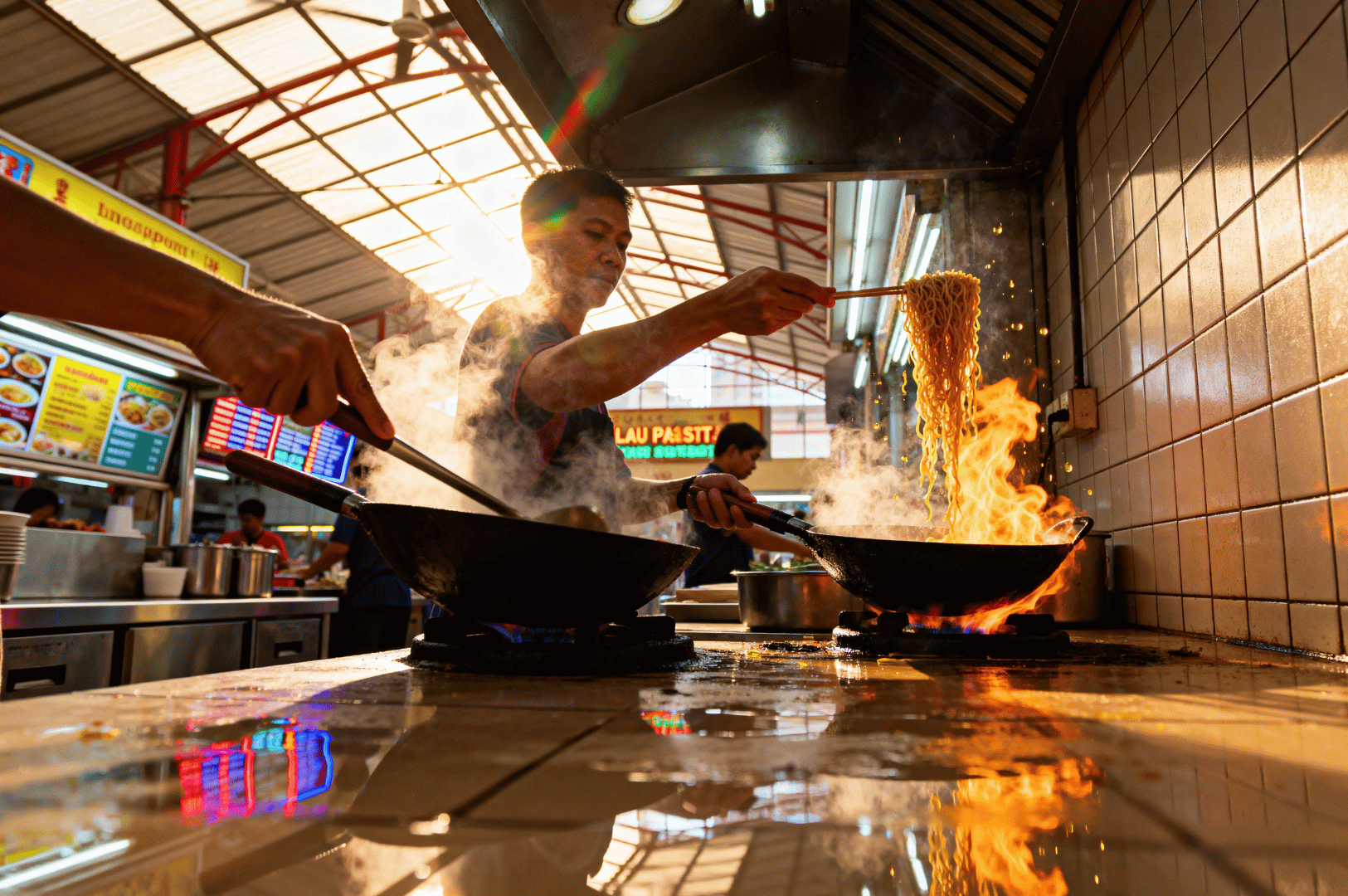
The challenges facing hawker culture are real. The long hours and physical demands make it a difficult profession. However, the spirit of the hawkers endures. From historic food stalls in places like Lau Pa Sat to the neighborhood coffee shops, these merchants continue to be the pillars of our communities. They are the guardians of traditional foods and the innovators who create modern classics like chilli crab. Local dishes are iconic examples of Singapore food. They showcase the unique culinary identity of Singapore, blending tradition and creativity in every bite.
The next time you visit a hawker centre, I encourage you to look beyond the menu. Observe the intricate dance of the cooks, listen to the symphony of sounds, and appreciate the living history that surrounds you. You will witness the quiet moments that keep our cultural identity alive. In bearing witness, you too play a part in honoring and preserving this invaluable piece of Singapore.
Continue exploring Singapore’s rich culinary heritage through Spice Routes & Silk Sheets: The Singapore Colonial Food History or dive deeper into local culture with Coffee Shop Chronicles: Singapore Kopitiam Traditions Uncovered.

Best Japanese Curry Singapore: Cozy Spots for Curry Rice and Street-Style Photos
April 6, 2026
Walking through the vibrant alleys of Bugis with a camera slung over my shoulder, the mingling scents of roasted spices and deep-fried meats tell a story of culinary convergence. Over the years, Japanese curry has…
-
Why Singapore Foodies Keep Coming Back to Char Kway Teow
April 3, 2026
The Irresistible Aroma at the Hawker Centre The air in the hawker centre is thick with a hundred different smells, but one always cuts through the noise: a smoky, sweet, and deeply savory aroma that…
-
Singapore Foodies’ Peek Behind the Plate: A Quiet Profile of a Multi-Generation Hawker Stall
March 30, 2026
The Heart of Hawker Culture: A Normal Day for Uncle Lim It was 5:30 AM, an hour when Singapore is painted in shades of deep blue and soft grey. The air in the multi-story carpark…
-
Hill Street Tai Hwa Pork Noodle: A Michelin-Starred Stall Singapore Foodies Must Shoot
March 27, 2026
It was a Tuesday afternoon, just before 3 PM, when the heat in the Crawford Lane food centre felt thick enough to touch. The usual lunch crowd had thinned, but a resolute queue still snaked…
-
A First-Timer’s Guide to Food Photography in Singapore for Singapore Foodies
March 23, 2026
What I Wish Someone Told Me Before I Took My Phone Out When I first found myself holding a phone above steaming laksa at a hawker centre, I thought the challenge would be capturing light…

Look Here But Also There: The Singapore Foodies’ Guide to Capturing Hawker Stalls Through Visual Cues
March 20, 2026
I’ll never forget the first time I tried to photograph a bowl of bak chor mee at a famous hawker stall during peak lunch hour. I was so wrapped up in capturing the perfect angle…
-
The First Hawker Stall That Changed Everything
March 18, 2026
It was a rainy Tuesday afternoon about seven years ago, and I was just a guy with a camera looking for shelter. I ducked into an old, dimly lit hawker center in Toa Payoh to…

Best Breakfast in Singapore: Lighting, Angles & Visual Stories on an Early Morning
March 16, 2026
After years of chasing the perfect breakfast shot all over Singapore, I’ve noticed some venues aren’t just great for eating. They’re inspiring playgrounds for food photography, beloved by both locals and Singapore foodies alike. Whether…
-
From Empire to Plate: Process-Focused Colonial Photography SG Series
March 13, 2026
The story of Singapore cuisine is impossible to tell without acknowledging its colonial past. As a strategic port for the British Empire, Singapore became a magnet for a diverse range of people and products. From…
-
Translating Taste into Frames: Why I Capture Food
March 11, 2026
I fell in love with street food photography in Singapore, somewhere between the steam of a hawker stall and the click of my shutter. It wasn’t planned. I was hungry, wandering, half-lost, when a bowl of laksa stopped me cold. The broth glowed…