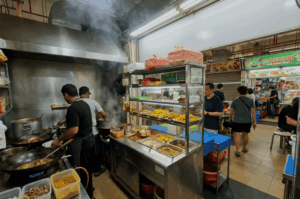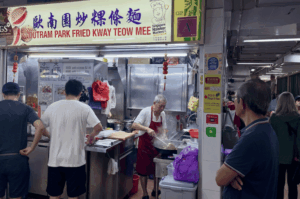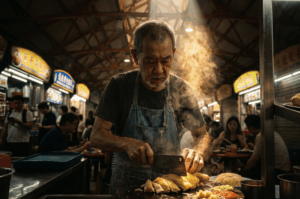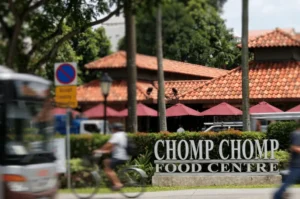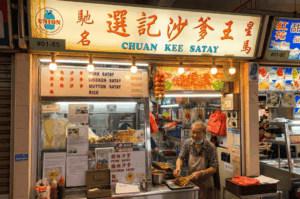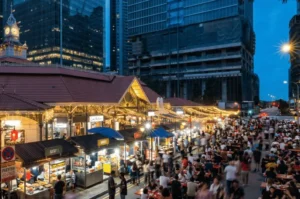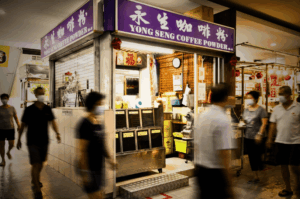
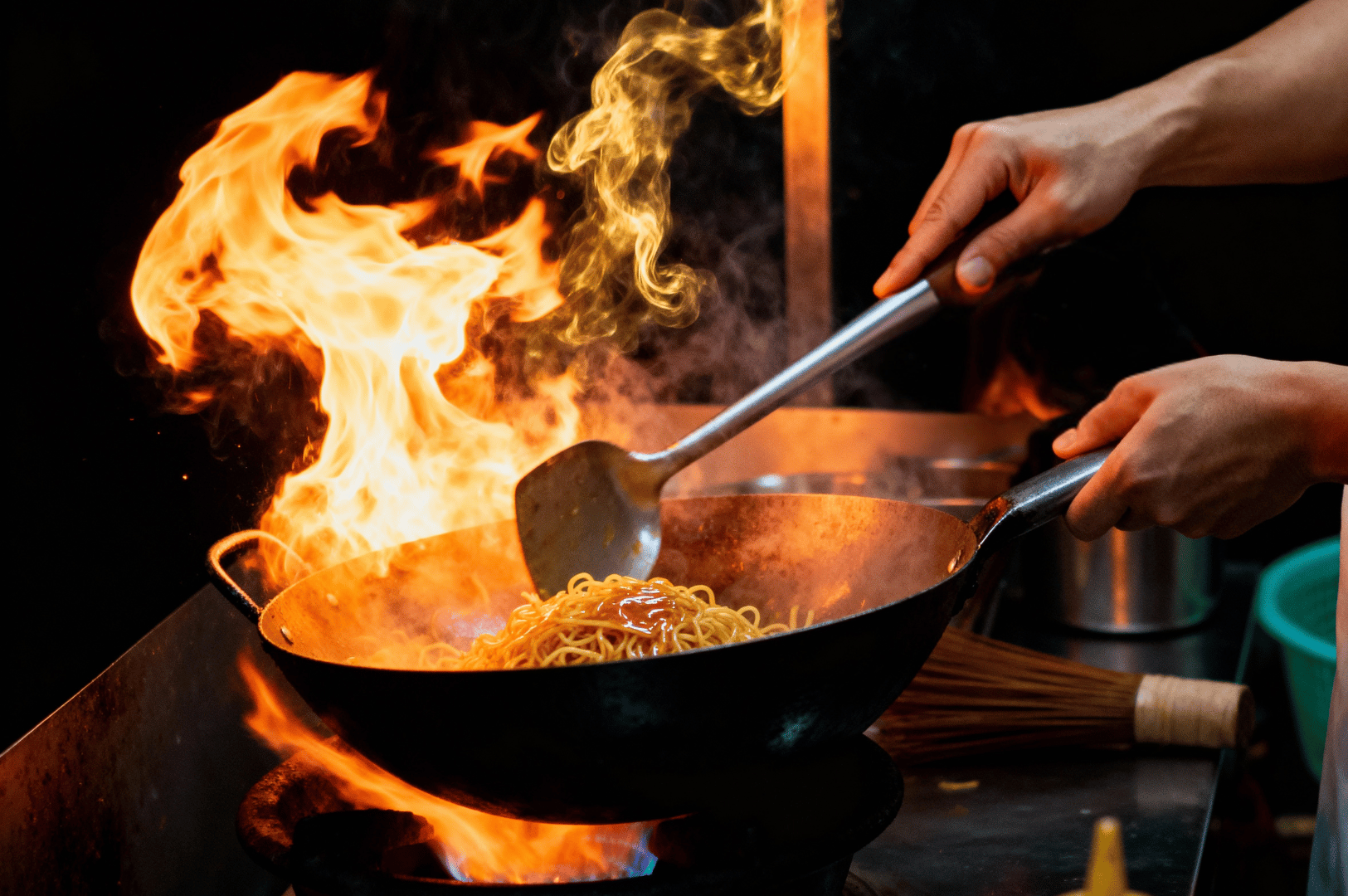
In the heart of Singapore, amidst the symphony of sounds and smells that define its hawker centres, a culinary performance unfolds. The creation of char kway teow is a spectacle of fire and skill, a dish that embodies the soul of the island’s food heritage. For those dedicated to the art of wok hei photography, capturing this moment is more than just taking a picture; it's about preserving a piece of living heritage, a fleeting expression of Singapore's vibrant culture.
The Performance of Wok Hei in Hawker Centres
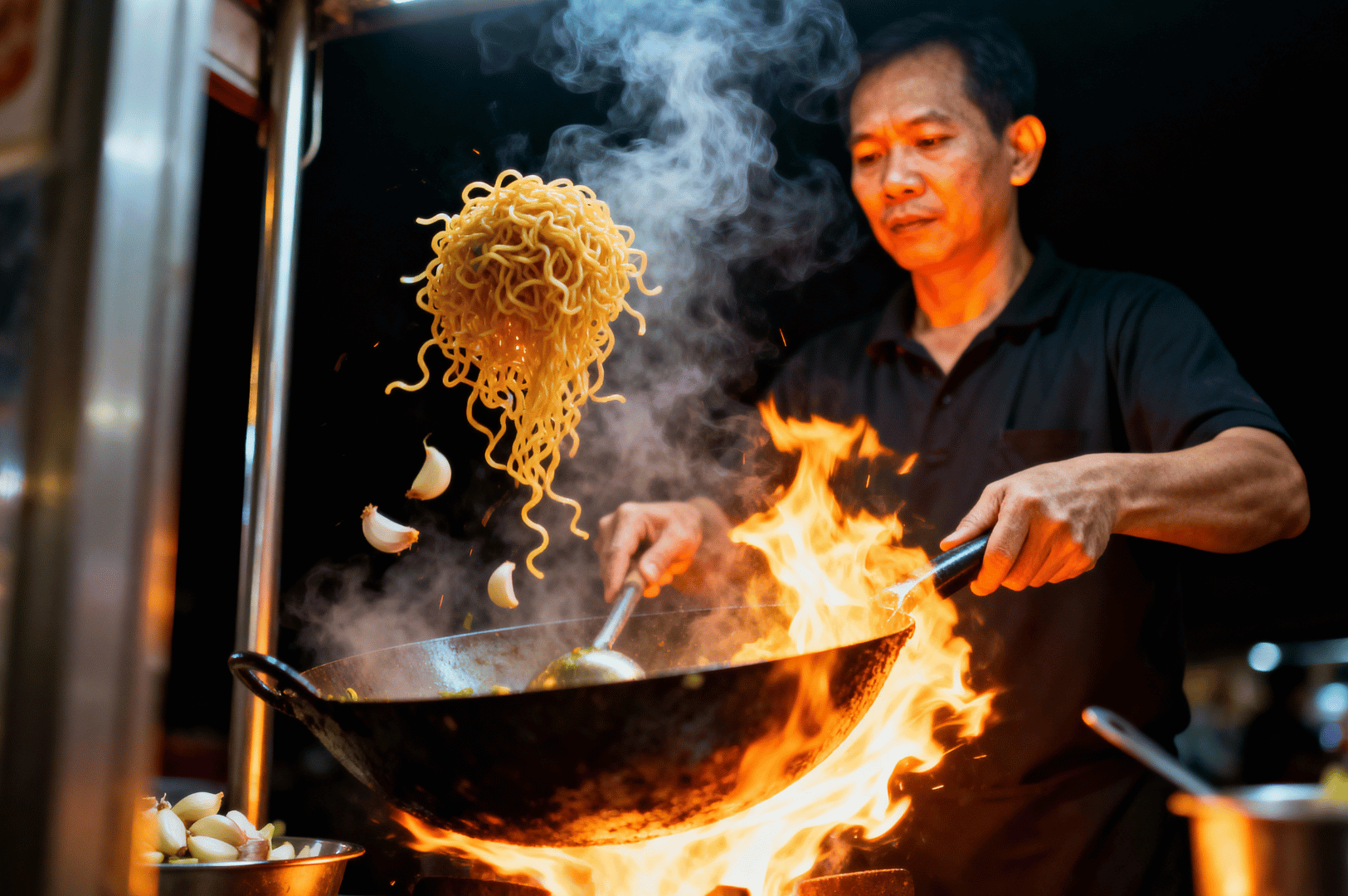
The story begins with a seasoned wok and a roaring flame. The hawker, a master of their craft, orchestrates a rapid-fire sequence of culinary practices. The sizzle of garlic in hot lard is the opening note, followed by a cascade of ingredients tossed with rhythmic precision. This is where the magic happens. The intense heat creates "wok hei," the breath of the wok, a smoky essence that envelops every noodle and morsel.
Photographing this process is about capturing that energy. The goal of wok hei photography is to freeze the motion, the steam, and the intense focus on the hawker's face. It's a visual narrative of skills passed down through generations, from masters to apprentices. Each click of the shutter documents a tradition that has evolved on the streets of Singapore over many years. This particular dish is a perfect subject, representing the delicious complexity of so many hawker dishes.
Hawker Culture: More Than Just Food
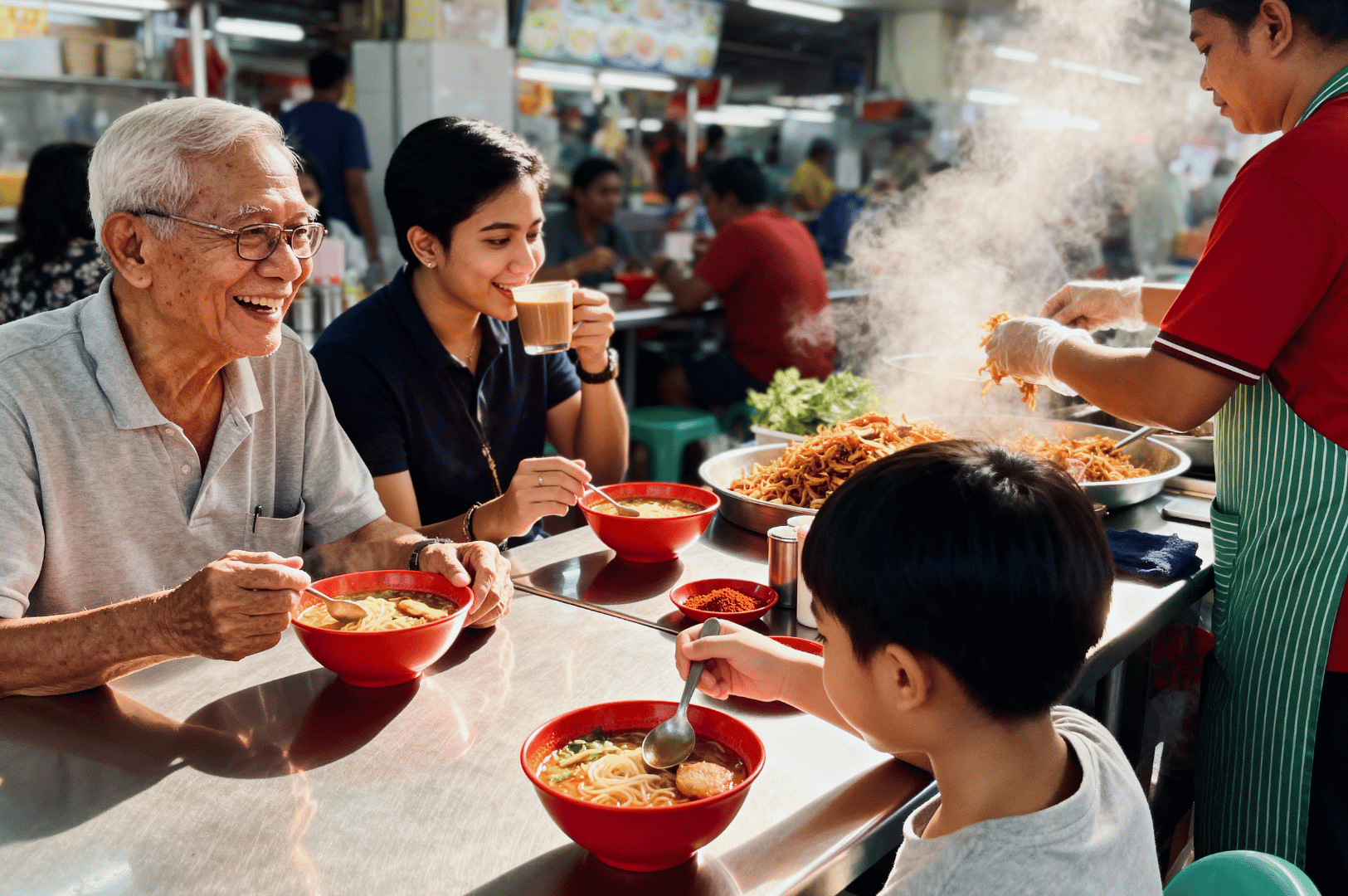
Hawker centres are far more than just places to eat; they are the community dining rooms of the nation. In this multicultural urban context, people from all walks of life come together to share a meal. This is where you find the true pulse of Singaporean life. From Indian and Malay dishes to Chinese recipes, the food offered reflects the diverse fabric of the community.
The recognition of Singapore's hawker culture as a UNESCO Intangible Cultural Heritage of Humanity underscores its global importance. This inscription is not just about the food itself but about the entire ecosystem: the hawkers who prepare the dishes, the community dining experience, and the culinary practices that have been passed down. Various bodies, from the National Environment Agency to Merchants Associations and the Federation of Merchants' Associations, continue to work to improve the experience and ensure this living heritage thrives.
Documenting this culture through photography is a way to celebrate and share it with the world. A photo of a family enjoying a meal, or a video of a hawker expertly preparing food, tells a story of connection and tradition. It helps people understand why these centres are so integral to the nation's identity.
Capturing an Intangible Multicultural Urban Context
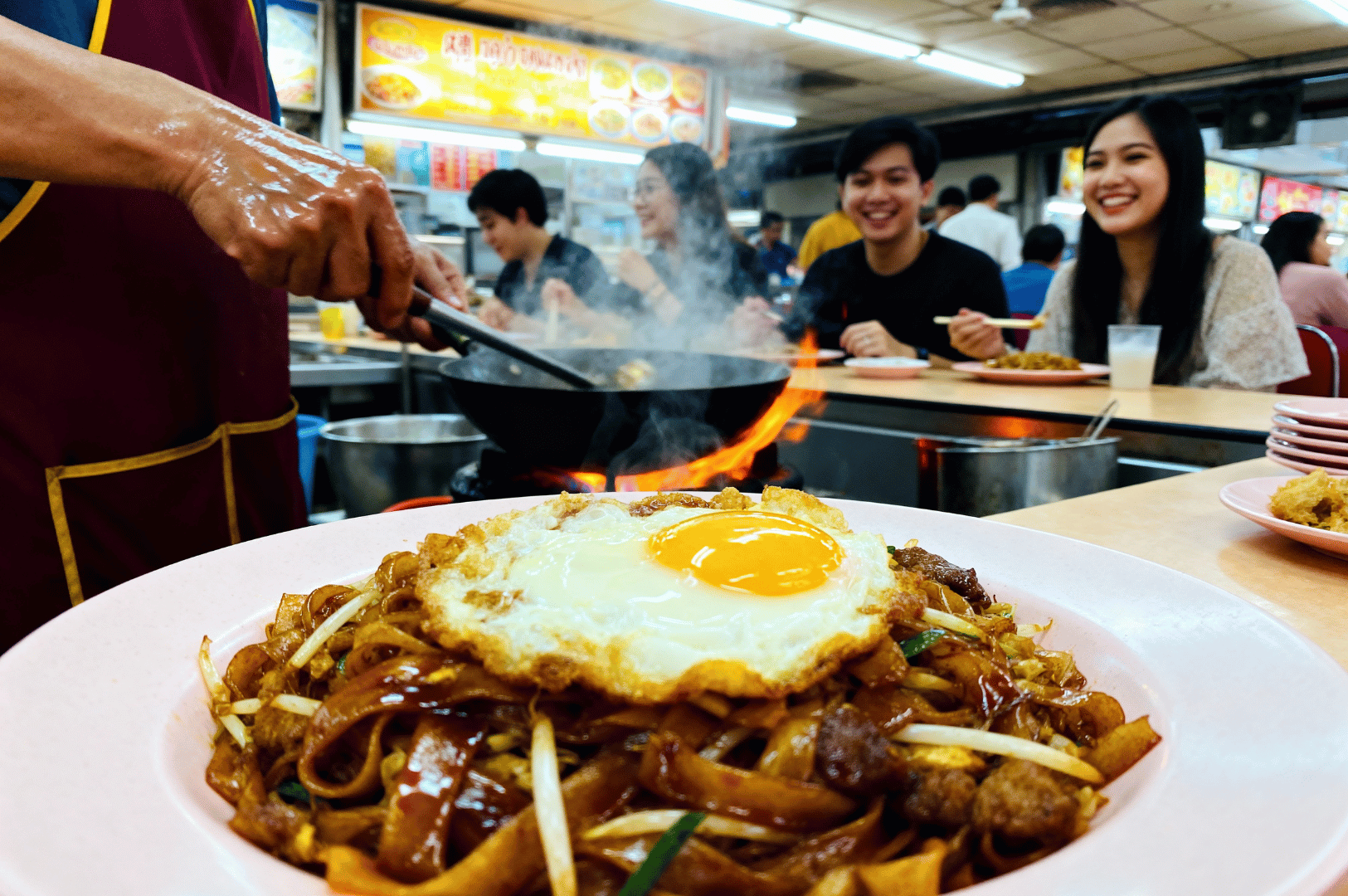
Photographing in hawker centres presents a unique set of challenges. The lighting is often mixed, the space can be crowded, and the action is fast-paced. Yet, these are the very elements that make hawker food photography so compelling.
Focus on the People: The hawkers are the heart of this culture. Capture their skilled hands, their focused expressions, and their interactions with locals. These images honor the people who dedicate their lives to this craft.
Tell the Story of Community: Frame your shots to include the dining experience. Show the shared tables, the lively conversations, and the diversity of Singaporeans who dine together. This is the community aspect that UNESCO's recognition celebrates.
Highlight the Details: Zoom in on a single plate of hawker food. Capture the textures, the colors, and the steam rising from a freshly cooked meal. These details showcase the love and skill prepared in every dish.
Preserving Our Living Heritage and Culinary Practices
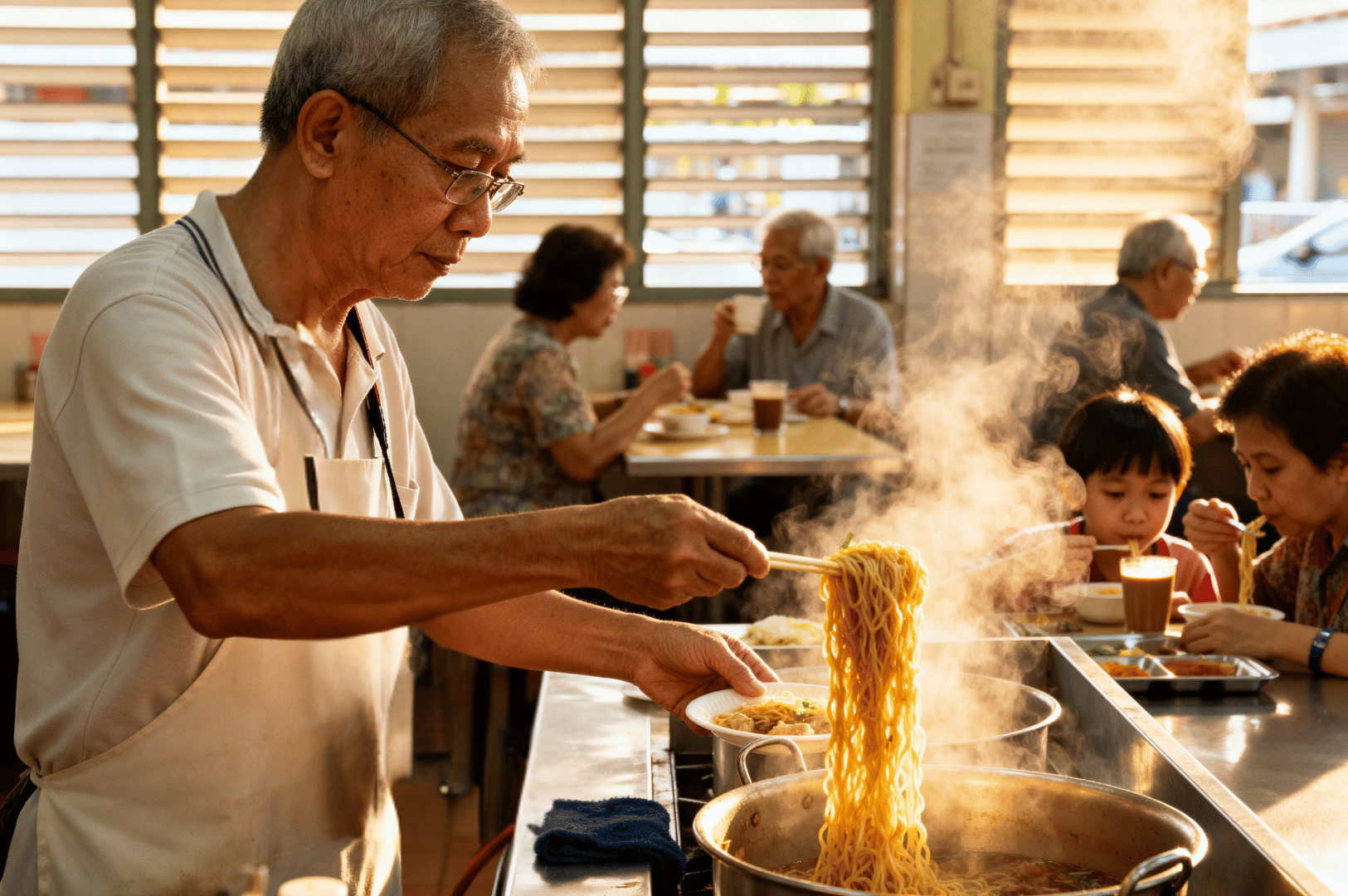
The inscription of hawker culture by UNESCO is a milestone, but the effort to preserve this heritage must continue. Photography and videography play an important role in this mission. They create a visual record, a set of data that documents our food heritage for future generations. Through these images, we can share the stories of our hawkers and their incredible recipes.
Programmes and initiatives are in place to support hawkers and improve their working conditions, ensuring they can continue to serve the dishes that people love. As photographers and storytellers, we have a part to play. By capturing the life within these centres, we help ensure this culture does not just survive but continues to evolve and flourish.
The next time you visit a hawker centre, take a moment to look beyond your plate. See the culture, the community, and the heritage that is present all around you. Whether you’re a local or a visitor, you are part of this incredible story. Be ready to experience it, to understand its importance, and perhaps, to capture a piece of it yourself.
Continue your journey with The Slow Seduction: Hainanese Chicken Rice — a story of simplicity, heritage, and timeless flavour.

A Letter to the Faces Behind the Counter
June 16, 2026
You are turning over chicken wings when I first notice you. It is just past seven at Old Airport Road Food Centre, and the ceiling fans are pushing warm air down onto the tables. The…
-
How to Photograph Cuppage Plaza Food Without Disturbing the Room
June 15, 2026
The camera flash went off by mistake. It was a small, clumsy decision, but in the narrow, slightly smoky space of Kazu Sumiyaki, it felt much larger than it was. A few heads turned. The…
-
To the Stirring of the Wok in the Early Hours
June 12, 2026
The first sound is not the flame. It is the metal ladle touching the side of the wok, a small, hollow note that carries across the half-awake floor of Hong Lim Market & Food Centre….
-
Cuppage Plaza Food Guide: Japanese Restaurants and Hidden Gems in Singapore’s Little Tokyo
June 11, 2026
I started coming to Cuppage Plaza for the light. The building is old, a little worn at the edges, with narrow staircases and corridors that smell faintly of charcoal and sake by early evening. But…
-
A Note to the Knife That Cuts, But Never Hurries
June 9, 2026
The knife lands softly before it cuts. I hear it before I lift the camera. A low wooden sound, not sharp, not rushed. At Maxwell Food Centre, the lunch crowd is already pressing into the…
-
Wang BBQ Chicken Wing & Satay: Photographing Smoke, Wings, and Skewers at Chomp Chomp Food Centre
June 8, 2026
I reached Chomp Chomp Food Centre at 20 Kensington Park Road, Serangoon Gardens, Singapore on a Tuesday evening around 7pm, just as the place was beginning to thicken with supper energy. The tables were filling…
-
To the Fragrance That Lingers Long After the Meal
June 5, 2026
The evening air at Old Airport Road Food Centre is thick and warm. It wraps around me the moment I step away from the open street. I walk past the bright neon signboards, letting the…
-
Lau Pa Sat Satay Street: Photographing After-Work Satay in Singapore’s CBD.
June 4, 2026
I visited Lau Pa Sat Satay Street on a Tuesday around 7pm, just as Boon Tat Street was changing its identity from a busy traffic route in Singapore’s CBD to a lively alfresco dining venue….
-
A Letter to the Hidden Moments Between the Shots
June 2, 2026
The afternoon heat settles heavily over Tiong Bahru Market. The frantic noise of the lunch hour is completely gone. I sit at a corner table near the open balcony. The green tiles reflect the warm,…
-
Izakaya Singapore: More Than Just After-Work Spots
June 1, 2026
When we talk about izakayas in Singapore, we often reduce them to simple after work drinks spots. We picture loud rooms where tired professionals go to drink cold beer and eat cheap bar snacks. But…