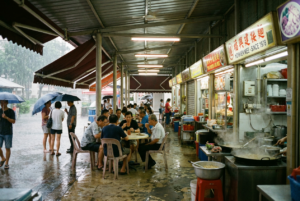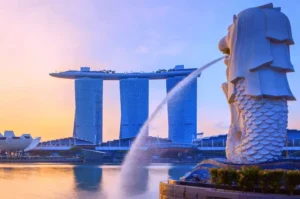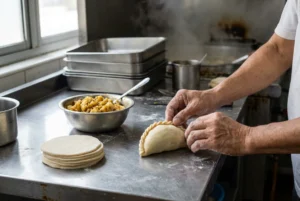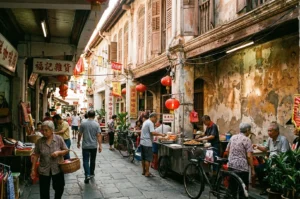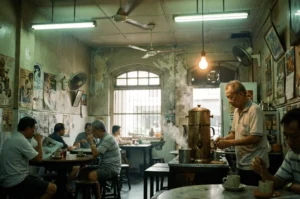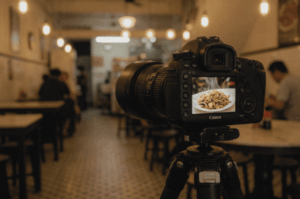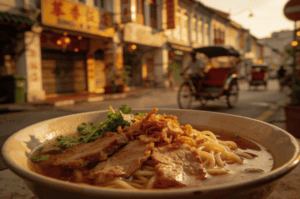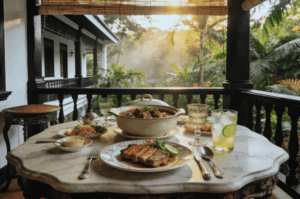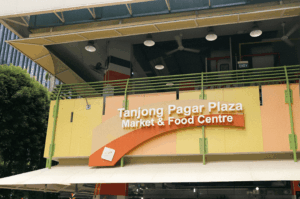
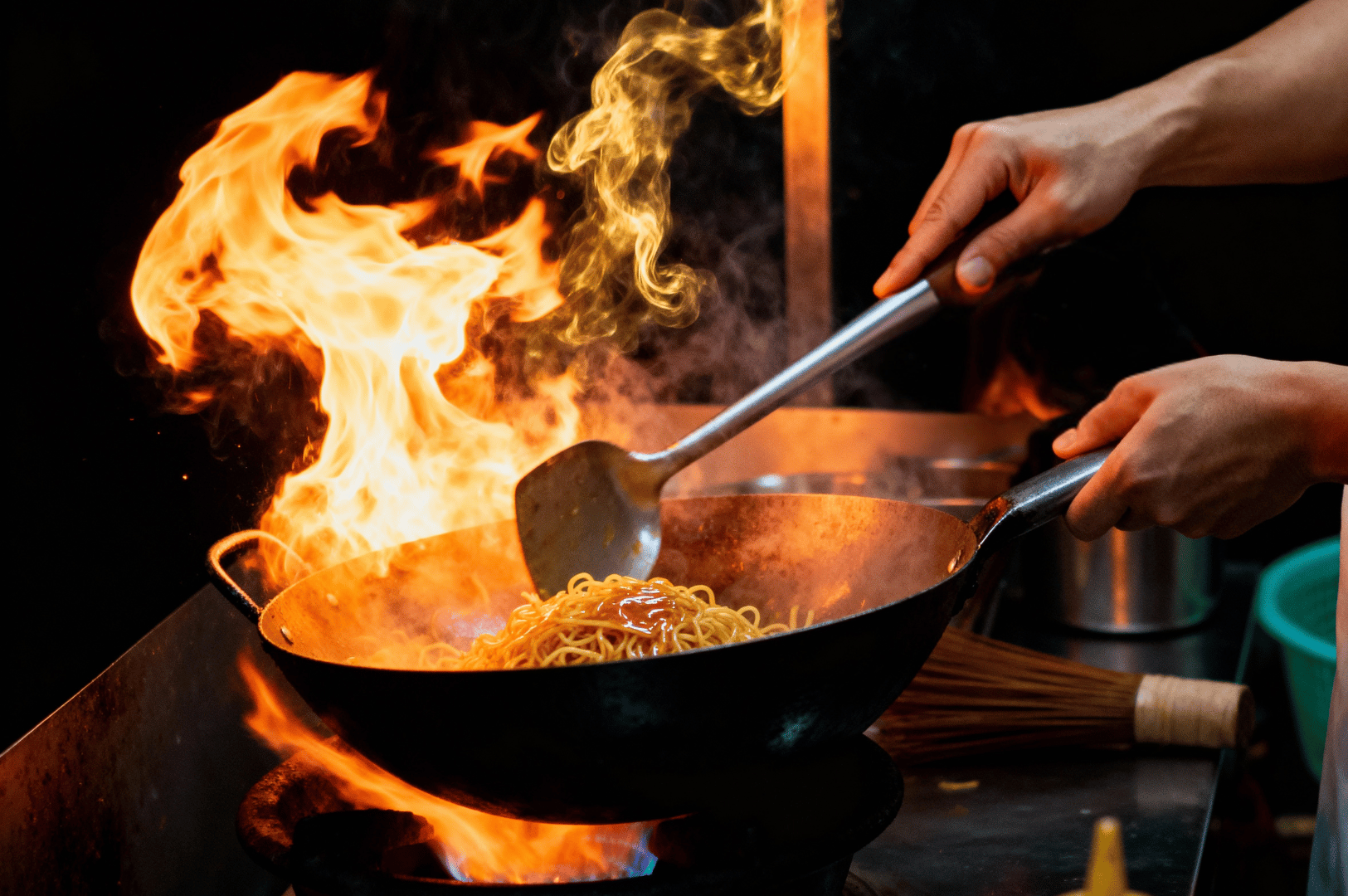
In the heart of Singapore, amidst the symphony of sounds and smells that define its hawker centres, a culinary performance unfolds. The creation of char kway teow is a spectacle of fire and skill, a dish that embodies the soul of the island’s food heritage. For those dedicated to the art of wok hei photography, capturing this moment is more than just taking a picture; it's about preserving a piece of living heritage, a fleeting expression of Singapore's vibrant culture.
The Performance of Wok Hei in Hawker Centres
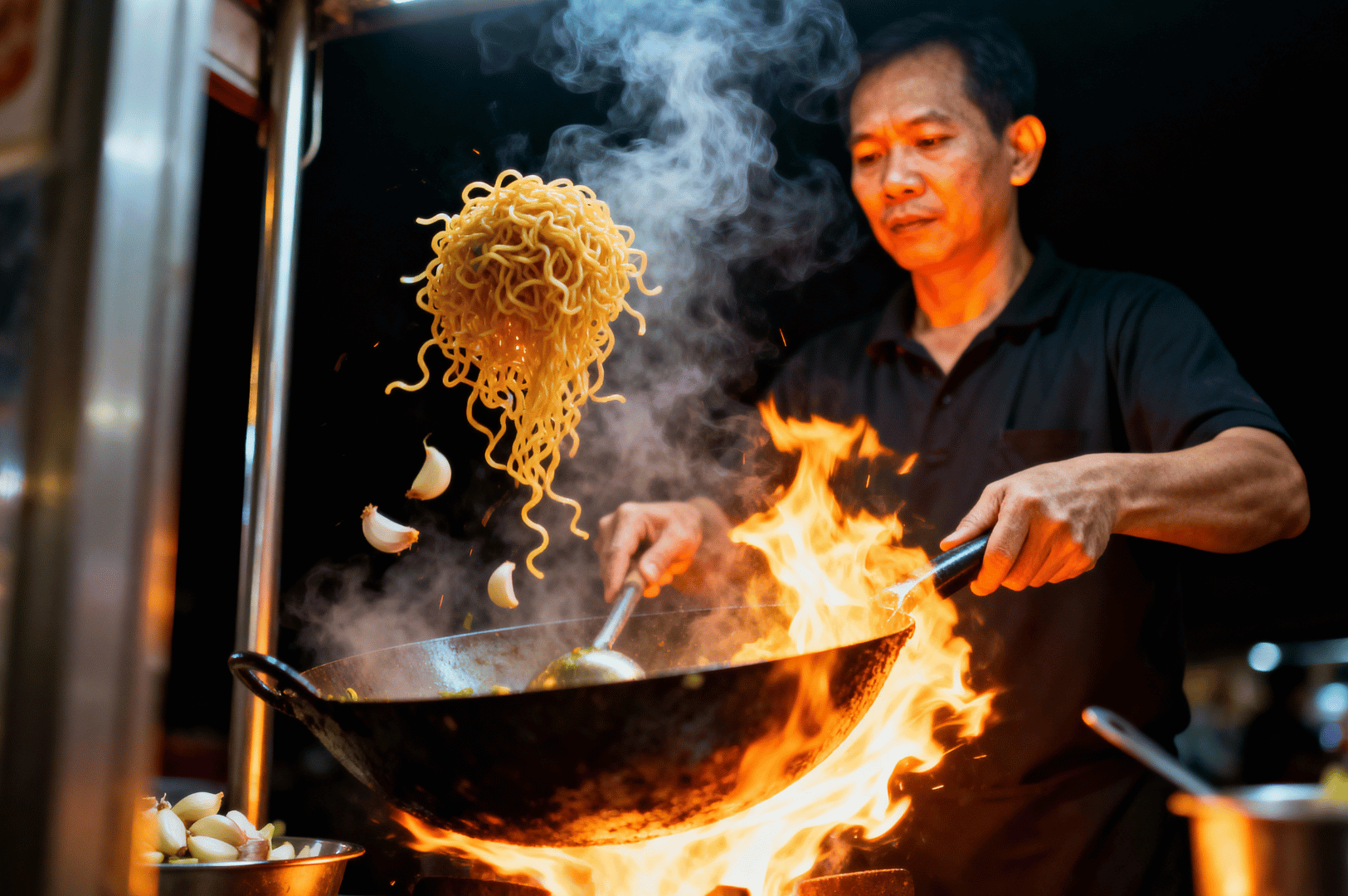
The story begins with a seasoned wok and a roaring flame. The hawker, a master of their craft, orchestrates a rapid-fire sequence of culinary practices. The sizzle of garlic in hot lard is the opening note, followed by a cascade of ingredients tossed with rhythmic precision. This is where the magic happens. The intense heat creates "wok hei," the breath of the wok, a smoky essence that envelops every noodle and morsel.
Photographing this process is about capturing that energy. The goal of wok hei photography is to freeze the motion, the steam, and the intense focus on the hawker's face. It's a visual narrative of skills passed down through generations, from masters to apprentices. Each click of the shutter documents a tradition that has evolved on the streets of Singapore over many years. This particular dish is a perfect subject, representing the delicious complexity of so many hawker dishes.
Hawker Culture: More Than Just Food
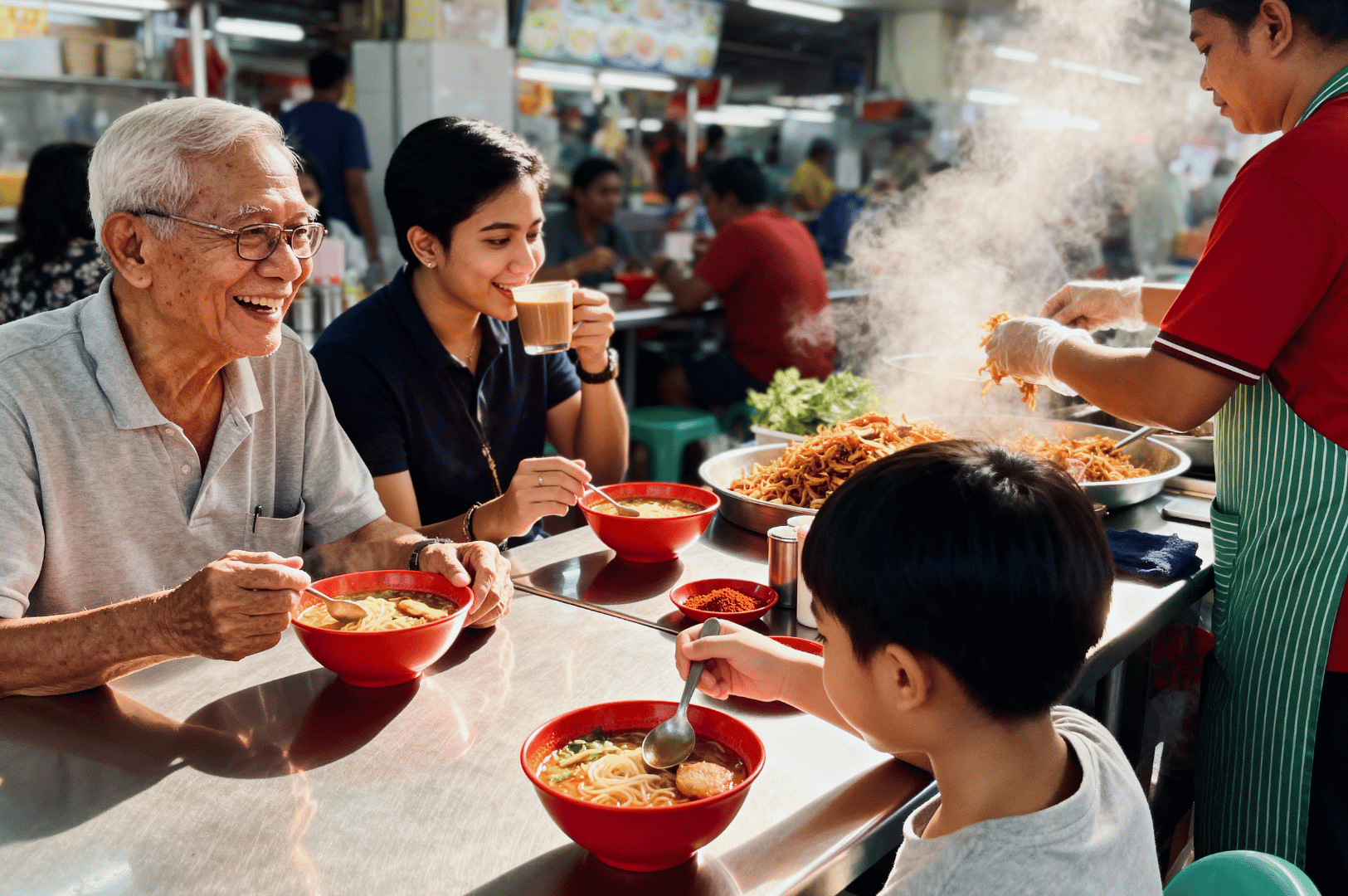
Hawker centres are far more than just places to eat; they are the community dining rooms of the nation. In this multicultural urban context, people from all walks of life come together to share a meal. This is where you find the true pulse of Singaporean life. From Indian and Malay dishes to Chinese recipes, the food offered reflects the diverse fabric of the community.
The recognition of Singapore's hawker culture as a UNESCO Intangible Cultural Heritage of Humanity underscores its global importance. This inscription is not just about the food itself but about the entire ecosystem: the hawkers who prepare the dishes, the community dining experience, and the culinary practices that have been passed down. Various bodies, from the National Environment Agency to Merchants Associations and the Federation of Merchants' Associations, continue to work to improve the experience and ensure this living heritage thrives.
Documenting this culture through photography is a way to celebrate and share it with the world. A photo of a family enjoying a meal, or a video of a hawker expertly preparing food, tells a story of connection and tradition. It helps people understand why these centres are so integral to the nation's identity.
Capturing an Intangible Multicultural Urban Context
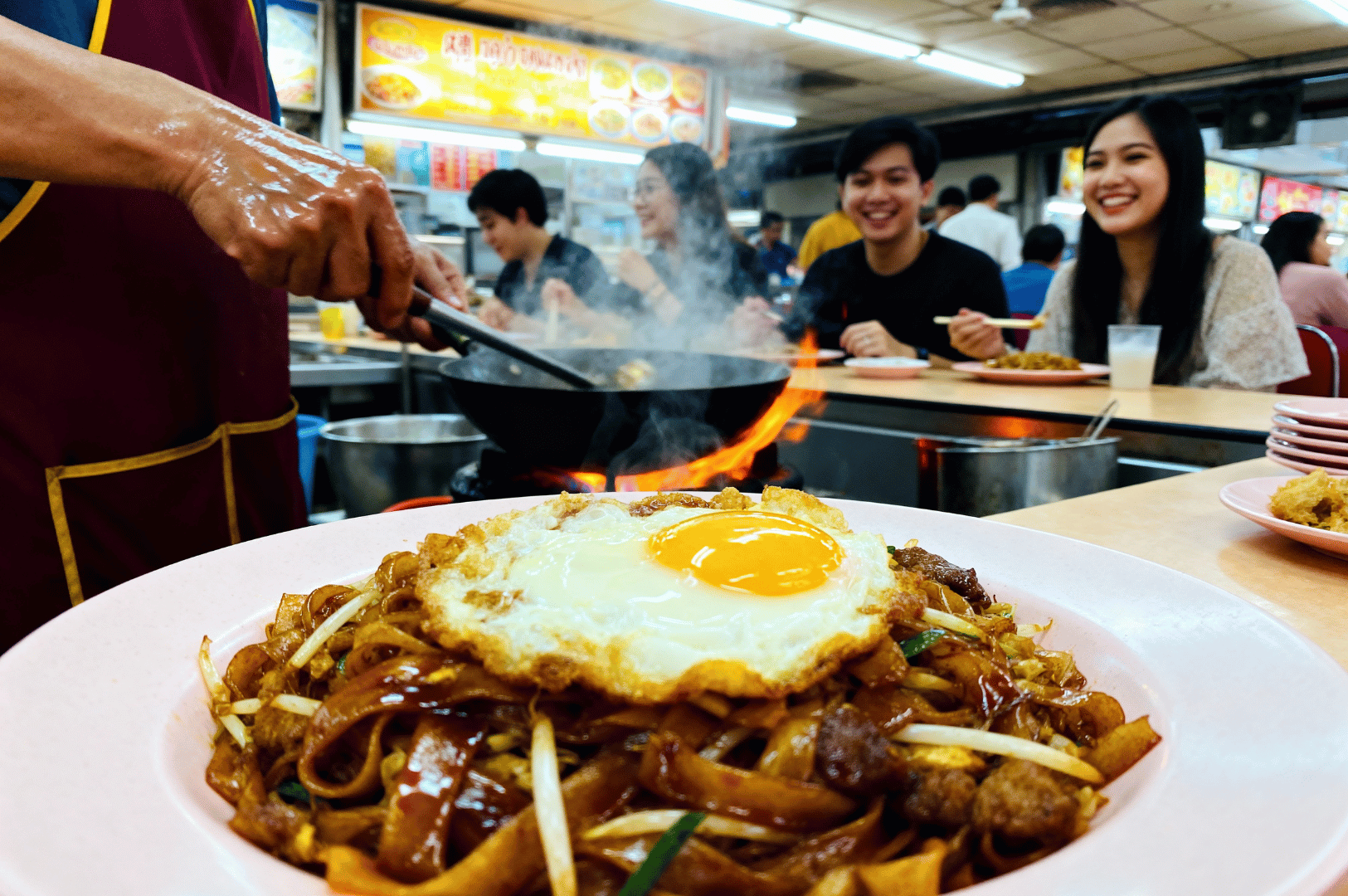
Photographing in hawker centres presents a unique set of challenges. The lighting is often mixed, the space can be crowded, and the action is fast-paced. Yet, these are the very elements that make hawker food photography so compelling.
Focus on the People: The hawkers are the heart of this culture. Capture their skilled hands, their focused expressions, and their interactions with locals. These images honor the people who dedicate their lives to this craft.
Tell the Story of Community: Frame your shots to include the dining experience. Show the shared tables, the lively conversations, and the diversity of Singaporeans who dine together. This is the community aspect that UNESCO's recognition celebrates.
Highlight the Details: Zoom in on a single plate of hawker food. Capture the textures, the colors, and the steam rising from a freshly cooked meal. These details showcase the love and skill prepared in every dish.
Preserving Our Living Heritage and Culinary Practices
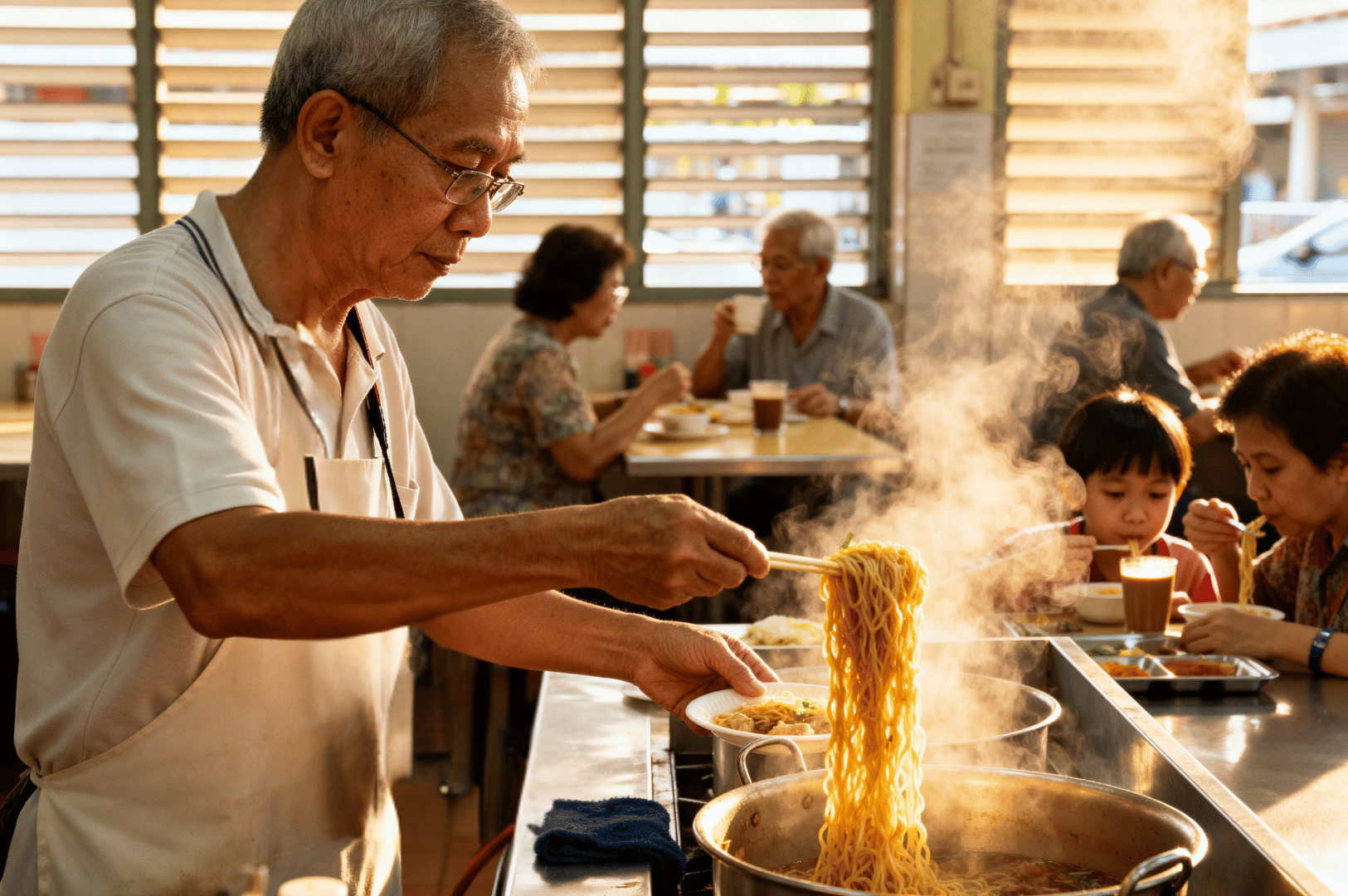
The inscription of hawker culture by UNESCO is a milestone, but the effort to preserve this heritage must continue. Photography and videography play an important role in this mission. They create a visual record, a set of data that documents our food heritage for future generations. Through these images, we can share the stories of our hawkers and their incredible recipes.
Programmes and initiatives are in place to support hawkers and improve their working conditions, ensuring they can continue to serve the dishes that people love. As photographers and storytellers, we have a part to play. By capturing the life within these centres, we help ensure this culture does not just survive but continues to evolve and flourish.
The next time you visit a hawker centre, take a moment to look beyond your plate. See the culture, the community, and the heritage that is present all around you. Whether you’re a local or a visitor, you are part of this incredible story. Be ready to experience it, to understand its importance, and perhaps, to capture a piece of it yourself.
Continue your journey with The Slow Seduction: Hainanese Chicken Rice — a story of simplicity, heritage, and timeless flavour.

The First Hawker Stall That Changed Everything
March 18, 2026
It was a rainy Tuesday afternoon about seven years ago, and I was just a guy with a camera looking for shelter. I ducked into an old, dimly lit hawker center in Toa Payoh to…

The Best Singapore Breakfast Spots: Lighting, Angles & Visual Stories for Singapore Foodies
March 16, 2026
After years of chasing the perfect breakfast shot all over Singapore, I’ve noticed some venues aren’t just great for eating. They’re inspiring playgrounds for food photography, beloved by both locals and Singapore foodies alike. Whether…
-
From Empire to Plate: Process-Focused Colonial Photography SG Series
March 13, 2026
The story of Singapore cuisine is impossible to tell without acknowledging its colonial past. As a strategic port for the British Empire, Singapore became a magnet for a diverse range of people and products. From…
-
Translating Taste into Frames: Why I Capture Food
March 11, 2026
I fell in love with street food photography in Singapore, somewhere between the steam of a hawker stall and the click of my shutter. It wasn’t planned. I was hungry, wandering, half-lost, when a bowl of laksa stopped me cold. The broth glowed…
-
Maximizing Colonial Heritage: Efficient SG Photography Routes
March 9, 2026
The morning light hits the peeling plaster of a shophouse five-foot way differently than it hits a glass skyscraper. It is softer, more textured, and it seems to carry the weight of history. For a…
-
Period Restaurant Lighting in Photo Shoot in Singapore Locations
March 6, 2026
The air in a heritage Hainanese coffeeshop is thick with more than just the aroma of kaya toast and freshly brewed kopi. It is thick with a particular quality of light. A mix of harsh,…
-
Imperial Diversity Through Photo Shoot Singapore Projects
March 2, 2026
When I set up my tripod in a bustling kopitiam or a quiet heritage restaurant, I am constantly reminded that I am not just photographing a meal. I am photographing a map. Every photo shoot…
-
Historic Flavors Shoot Singapore: Post-Processing for Period Authenticity
February 27, 2026
When I look through the viewfinder at a plate of heritage kueh or a steaming bowl of rickshaw noodles, I am not just capturing food; I am framing a memory. The challenge for any documentary…
-
Colonial Cuisine Photoshoot: Styling Singapore’s Historic Flavors
February 23, 2026
When I first embarked on a photoshoot focusing on Singapore’s colonial cuisine, I didn’t realize how deeply food could connect us to history. It wasn’t just about snapping pictures of dishes; it was about capturing…
-
Coal, Fire, and Memory: A Singapore Food Blogger Revisits Tanjong Pagar’s Industrial Kitchens
February 20, 2026
It had been a while since I set a day to wander through the back lanes of Tanjong Pagar. When I decided to come back to the place left me star-struck, not by the polished…